From Good to Grey: South Africa’s Low Emission X-Ray System

Lodox Body Scanner Image-Case-Study-1-bright

Click on the image to view fine details on Hi-Res image (Credit-Lodox)

While not exactly the kind of equipment for a Customs Enforcement operation, I did feel suitably proud to punt a locally developed ‘non-intrusive’ imaging device given its recent international prominence.

The South African Media have been abuzz following the airing of the Grey’s Anatomy episode Idle Hands (on MNET), featuring the South African developed Lodox full-body X-ray scanner.

In the episode, the doctors and nurses of Grey+Sloane Memorial Hospital’s brand new ER are excited and amazed to have the Lodox Statscan in their trauma department. After a long wait of anxious anticipation, they are suitably impressed by the X-ray scanner’s ability to take an entire body scan in just 13 seconds, and what this will mean for how they treat trauma patients. Far from paid-for product placement, this was a story line independently researched and written by the Grey’s Anatomy producers. Our Lodox NA team made sure they had a real, working Lodox machine on the set of the new ER.

Some of the tech and application notes off the Lodox website:

Due to its unique X-ray system, scanning technology and design, it emits extremely low levels of entry and scattered radiation, making it safer for operators and staff.

For emergency trauma situations, the Xmplar-dr permits easy access to the patient to allow for monitoring and resuscitation to take place around the scanning process. The 13-second, full-body scan provides instant information with which to form a diagnostic image of the patient’s injuries.

In forensic pathology (medico-legal) applications, the Xmplar-dr provides an easy-to-use, fast method for assessing the entire subject’s body in multiple planes to assist with pathology location, particularly useful in the case of gun shot victims. The single sweep eliminates the need to move the subject to obtain all necessary views, making it more efficient and safer for staff.

Lodox is also ideally suited to imaging of bariatric and paediatric patients, and has found applications in many other areas of medical imaging.

The high quality, digital images, ease of use and reliability make the Xmplar-dr an invaluable piece of imaging equipment in any medical trauma or forensic pathology arena.

Source: Lodox.com


Euromonitor’s latest insight on the Tobacco industry

World Tobacco

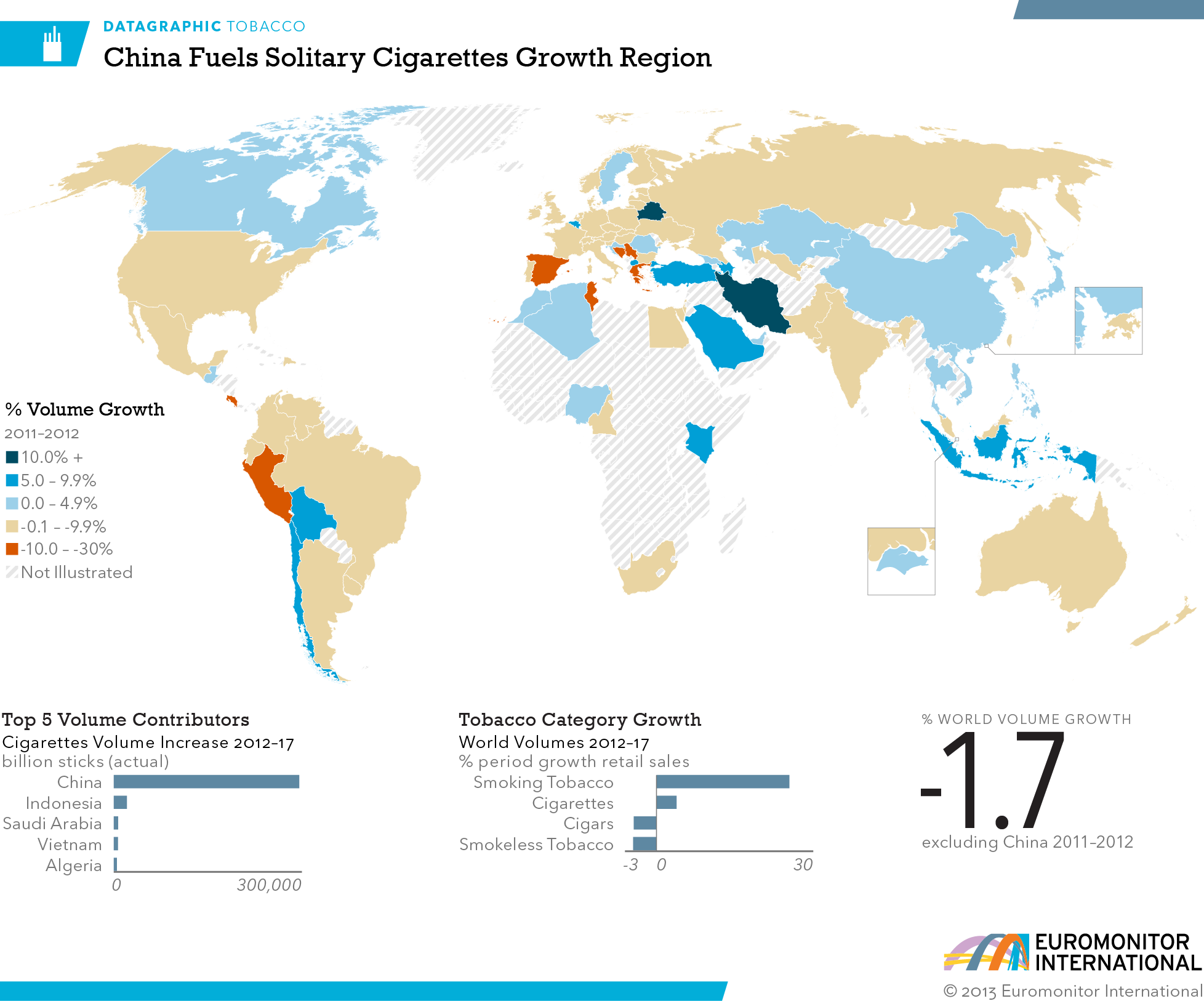
Euromonitor International‘s latest global Tobacco market research provides the latest insight on how the Tobacco industry performed in 2012 and identifies the key prospects through to 2017. The double whammy of continued global economic uncertainty and increasing tobacco control took its toll as the industry posted a year of weak growth, in which no region experienced volume increases with the solitary exception of Asia Pacific, itself bolstered by the cigarettes behemoth that is China. World cigarettes values, normally propelled by growing unit prices and consumer uptrading, also took a battering, unprecedentedly growing by the same amount as global illicit trade volumes. With the current debate surrounding the reduced risk credentials of non-combustible products such as electronic cigarettes and their classification (pharma vs tobacco), the industry finds itself at a crossroads, pursuing cigarette alternatives whilst maintaining its cash cow.

  • Worldwide, 5.8 trillion cigarettes were consumed in 2012, representing 0.19% growth on the previous year, though this was due to the effect of the world’s largest cigarettes market, China. Without China, the world witnessed a -1.7% decline in 2012 versus 2011.
  • Every region in the world, save for Asia Pacific, saw falls in cigarettes volume sales in 2012 (vs 2011), a decline expected to continue to 2017, with the sole exception of Middle East & Africa, which is expected to return to growth once political turmoil stabilises.
  • None of the BRIC markets registered cigarettes volume growth in 2012 (with the sole exception of China), a trend which will continue into 2017.
  • World cigarette value sales grew by almost the same amount in 2012 as global illicit trade volumes – at around 2.5% each. Values decreased in three regions – Western Europe, North America and Latin America – reflecting consumer down-trading.
  • Sales of premium cigarettes grew by nearly 10% globally in 2012, on the back of China’s double-digit premium growth, though this will not be sustained at the global level in the long term. For whilst China will grow its premium brands by nearly 30% over the next five years to 2017, world premium sales will register a 5% fall.
  • World RYO volumes conversely grew by 6% in 2012 (vs 2011), registering growth in all regions, particularly Eastern Europe where it saw double-digit growth. Growth will continue to 2017, albeit at a declining rate.
  • Sales of cigars and smokeless tobacco both saw volume declines of around 3% in 2012, affected by a combination of poor economic performance and declines in its major markets.

Source: Euromonitor International

Call to Develop Zim-RSA Transport and Trade Links

zim-rsaZimbabwe needs to further develop transport and trade infrastructure links with South Africa to maintain Africa’s biggest economy as its single most important trading partner, recent research findings have shown.

This came from preliminary findings of a research study carried out by Dr Medicine Masiiwa who was commissioned by the Ministry of Regional Integration and International Co-operation to undertake the study on trade and transport. The World Bank funded the study to assess the need to facilitate transport and trade in Zimbabwe. The findings form part of preliminary desk research ahead of a more detailed second phase.

Dr Masiiwa presented the initial findings from the desk research to stakeholders at a workshop in Harare. Preliminary findings of the study show that since economic and political stability, key for trade competitiveness of Zimbabwe is now in place, the country’s trade was bound for significant growth, making a trade and transport facilitation measure critical to support this growth.

“A major implication of having South Africa as Zimbabwe’s single most significant trading partner is that the transport and trade infrastructure between the two countries should be further developed,” he said.

Development options include expanding the current border post to accommodate more traffic or to construct a new border post altogether. Sound transport and trade infrastructure between Zimbabwe and South Africa is critical as more than 34 percent of local imports go to South Africa while Zimbabwe imports more than 60 percent of basic commodities from that country.

But the state of the main trunk road, on the Zimbabwe side, has remained in poor state despite also being the main link between the north and south. Increased trade with China implies that Zimbabwe, in collaboration with its regional partners, needs to further develop the Beira and Limpopo transport corridors, which link Zimbabwe with the ports on the east coast.

“It is also interesting to note that trade with the EU and other Western countries is on the rebound; meaning transport corridors linking western gateways also need to be further developed,” said Dr Masiiwa.

The major problem facing Zimbabwe is that the quality of infrastructure is deteriorating and therefore acting as an impediment to trade. A study by the World Bank showed that in the 1990s, the proportion of primary roads in “good” condition was about 90 percent, but this dropped to 85 percent in 2009. Roads with the worst conditions are secondary roads, where about 45 per cent of paved and 50 percent of the unpaved secondary roads are in poor condition. Source: Zimbabwe Herald

Zimbabwe Car Imports Up 23 Percent

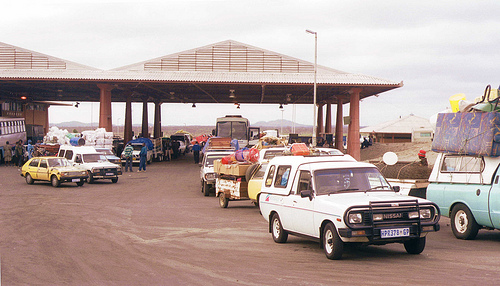
Secondhand Cars ZimbabweVehicle imports through the Beitbridge Border Post increased by 23 percent between January and May this year compared to the same period last year, the Zimbabwe Revenue Authority has said. The increase is attributed to the price freeze of vehicles in South Africa and also the exorbitant prices of vehicles on the local market. Prices of second hand vehicles in South Africa have remained stable for the past 12 months. It costs on average US$7 000 to buy a second hand modest car from South Africa and at least US$20 000 and above to buy a similar car on the local market.

Figures from Zimra show that a total of 14 114 vehicles have been imported through Beitbridge between January 1 and May 31, 2013 compared to 10 851 vehicles during the same period last year.

Investigations by Herald Business show that on average Zimra clears a total of 1 500 cars per month at Manica bonded warehouse, and the figure has increased to between 2 000 and 3 500.

A total of between 15 and 25 car carriers offload vehicles at Manica daily. Zimra’s legal and corporate affairs director Ms Florence Jambwa said that most of the cars were coming from Japan via Durban, South Africa.

“There has been a marked increase of motor vehicle imports at Beitbridge Border Post this year as compared to the year 2012.

“The month of January had the lowest number of imports (1 194) while the month of May had the highest number (3 706), in fact there has been an increase every month.

“You will note that imports of motor vehicles through Beitbridge are increasing as such the work load increases.

“However, the Zimbabwe Revenue Authority employs several strategies to curb challenges at the border post mainly through embracing modern technological innovations such as the use of scanners and the ASYCUDA World system which is Internet-based,” said Ms Jambwa.

She said they had already addressed the challenges that were affecting the processing of vehicle imports at Beitbridge border post. Early this year there had been an outcry over the slow processing of vehicle imports at Manica where importers were spending around two days to complete the processes with Zimra. On average it should take less than one and half hours per vehicle if correct documentation was made available. She said they had no backlogs in terms of printing the customs clearance certificates for all newly imported vehicles.

Herald Business is reliably informed that plans are underway to have a cash office at the bonded warehouse and the authority has been encouraging its clients to make their payments through the bank and avoid carrying cash. Source: Zimbabwe Herald

Container Ship Breaks in Half and Sinks

26 crewmen had to be rescued by the Indian Coast Guard after the containership they were on snapped in half and sank off Yemen. The hull of the MV MOL COMFORT broke in two, forcing its crew to abandon ship. The men were plucked from the rough waters. Three nearby vessels aided in the rescue of the mariners, after they managed to get off the ship into two life rafts and a lifeboat. They are being transported to Colombo, Sri Lanka.

The damaged vessel sank shortly afterwards in the same position, with most of its 4,500 containers scattered in the Arabian Sea, with an unspecified amount of oil spilled. The cause of the disaster and type of cargo onboard were not immediately known.

Mitsui O.S.K. Lines, Ltd. (MOL; President: Koichi Muto) reports that the MOL-operated containership MOL Comfort, while under way from Singapore to Jeddah on the Indian Ocean (12’30”N 60’E) at about noon JST (07:00 local time) on June 17, 2013 during inclement weather, suffered a crack amidships and ingressing water in the hold. This made it impossible for the vessel to continue on under its own power.

Some of the containers on the vessel were lost overboard or suffered damage during the incident. Details are being confirmed. The damage to the MOL Comfort is extensive, while the 26 crew members took to lifeboats. All were safely rescued by other vessel in the area.

MOL immediately set up the Emergency Control Headquarters (headed by President Koichi Muto) for the incident, and is taking company-wide measures necessary to settle the matter properly.

Source: MaritimeExecutive.com

What are surfaces?

containerThis is the theme of peer review group –  Environment and Planning’s latest edition to its journal. Once I got past the verbage of seeming unconnected academic diatribe, I stumbled on a paragraph which provoked immediate interest, particularly given that I’m fanatical about multimodal transportation especially the ‘container’. It goes like this –

The question posed by this thematic issue is one with considerable intellectual heritage. Surfaces have held a long-standing fascination for science, social science, and humanities scholars, whether figured as material interfaces,(1) natural structures, aesthetic phenomena, geometric projections, or fetishistic distractions. Surfaces may be sculpted, calculated, smoothed, camouflaged, magnified, represented, sensed, or commodified. They may be revered for their beauty, clarity, texture, accessibility, and biodiversity, or criticised for their opacity, ugliness, or for obscuring ‘underlying’ relations and processes. Indeed, while certain disciplinary, philosophical, and scientific traditions are (or have been) concerned with understanding and apprehending surfaces, many scholars—most recently Divya Tolia-Kelly (2013)—emphasise the importance of getting beyond the surface, uncovering underlying meanings, motivations, power relations, ‘feelings’, and processes of production: pushing beyond boundaries, scratching beneath surfaces. The academic inquirer is urged to undertake sub-surface investigations, functioning as an explorer, fisherman, or miner who trawls, excavates, or pioneers new depths.

“So much of life occurs at the surface that, as students of the human scene, we are obliged to pay far more attention to its character (subtlety, variety, and density) than we have done. The scholar’s neglect and suspicion of surface phenomena is a consequence of a dichotomy in western thought between surface and depth, sensory appreciation and intellectual understanding, with bias against the first of the two terms.” Tuan (1989)

The six individual papers in this theme issue provide conceptually diverse and empirically specific responses to the central question posed: ‘What are surfaces?’

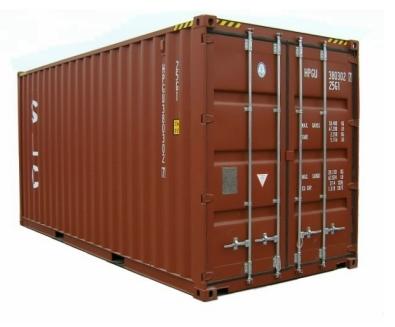
For Craig Martin (2013) surfaces exist first as logistical accomplishments, and are to be understood as physical phenomena crucial to the reshaped global geographies of commercial hipping and freight transport. Martin’s concern is with the advent of an intermodal, logistical system based on the standardisation of heavy-duty, corrugated metal boxes; otherwise known as the shipping container. This object, in which so many ordinary spatial interdependencies are invested, is arguably as close to a universal, surficial fix as global powers have got. The containers’ vital statistics and carrying capacities scale up to a planetary surface where integration is paramount, between materialities (of land and sea), mobilities (nautical and terrestrial), and sovereignties (political and legal). By these means, the specificities of earthly surfaces have been transformed into a commerce-driven sameness of sorts.

So now I think….how long it will take me to save up £1000 to purchase a year’s subscription to this journal – perhaps just for this one article?

Source: Environment and Planning  

WCO/SACU Regional IT Connectivity Conference 2013

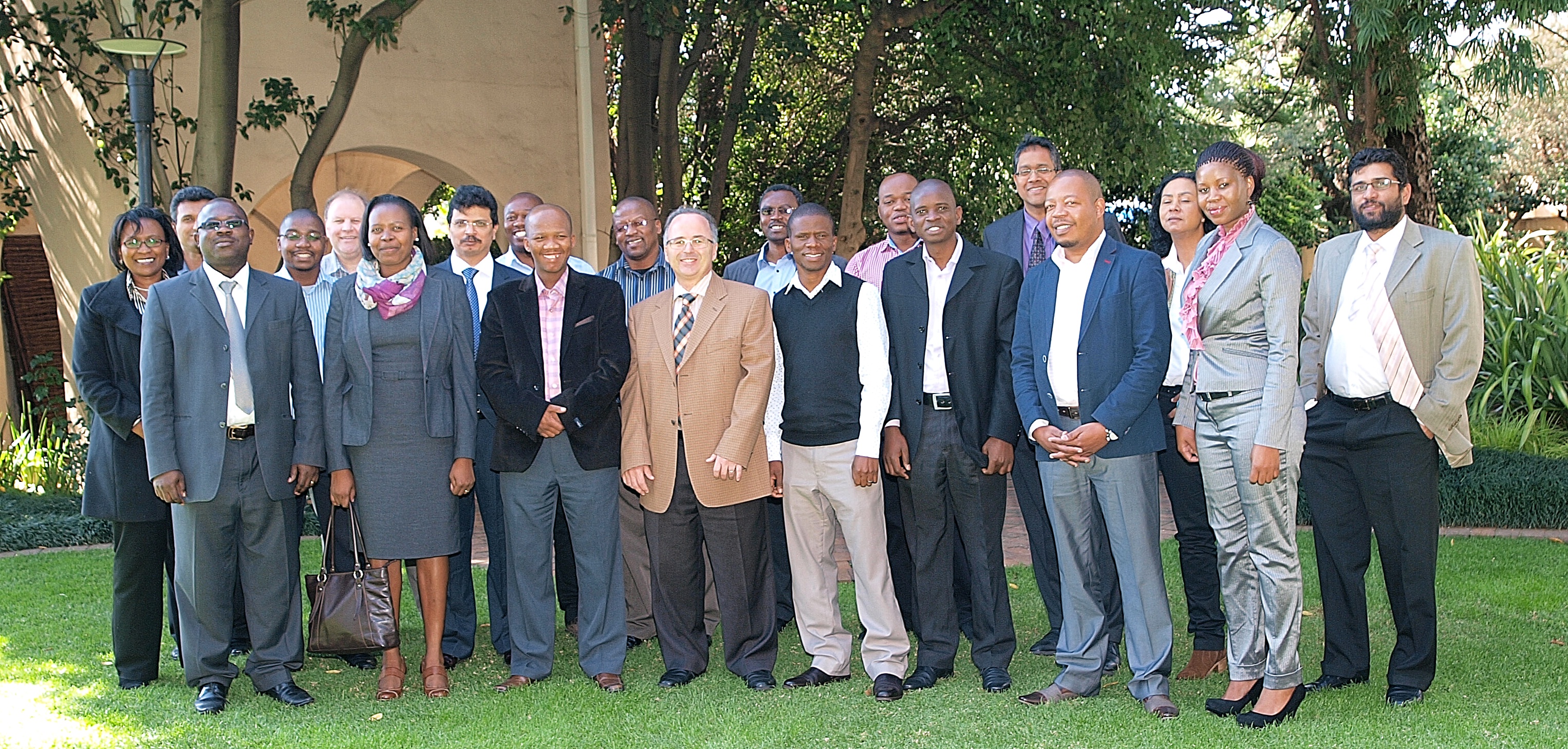
Delegates attending the WCO/SACU IT Connectivity Conference - May 2013

Delegates attending the WCO/SACU IT Connectivity Conference – May 2013

Representatives of the SACU member states recently met in Johannesburg to progress developments concerning IT Connectivity and Customs-to-Customs data exchange in the region. The session served as a follow up to the session held last year in February 2012 in Pretoria. The conference was convened by the SACU secretariat under the sponsorship of the Swedish International Development Agency (SIDA), and was once again pleased to have SP Sahu, senior technical expert from the World Customs Organisation, to facilitate the work session over 3 days. Representatives of UNCTAD ASYCUDA were also in attendance to observe developments. UNCTAD currently supports three (soon to be four) of the five SACU Customs administrations. The session provided an opportunity for delegates to progress this work as well as develop a terms of reference for an independent assessment of the two connectivity pilot projects that are currently being pursued between Botswana-Namibia and South Africa-Swaziland, respectively.

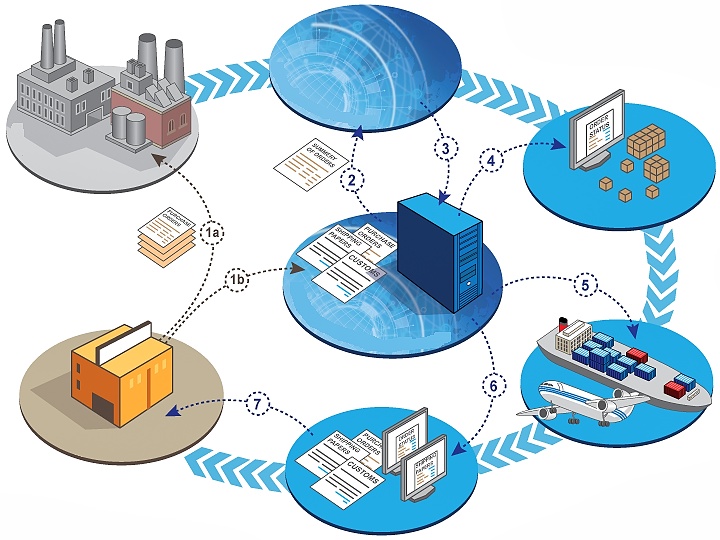
IT Connectivity serves as a catalyst for various customs-to-customs cooperation initiatives seeking to bring about a seamless end-to-end flow of information between point of departure and destination. Some examples include export/transit data exchange, approved economic operator, commercial fraud, eATA and at least 5 other key areas of customs mutual exchange.  The concept is driven out of the newly establish WCO model known as Globally Networked Customs (GNC). GNC was formally adopted by the WCO Council in June 2012 where a capacity building approach based on protocols, standards and guidelines (PSG) using utility blocks was recognised to provide the most realistic means to achieve efficiency gains, and a more effective way to manage the negotiation of international agreements between customs administrations.

There exist several pilot projects across the globe wherein customs agreements are being piloted under the GNC approach. Development of a Utility Block and supporting data clusters for interconnectivity within SACU and the broader Southern Africa sub-region already commenced at last year’s session. The concept gained sufficient traction and was soon adopted by both SACU and SADC  member states as the means to implementing IT connectivity within the respective regions.

A review of the Utility Block and data clusters was conducted to ensure alignment of customs data requirements across the member states. The resulting product now provides a standard ‘data set’ which members agree as the minimum data required to facilitate data exchange and advance risk management needs. It covers export and transit declaration requirements. Two important criteria exist for successful data exchange and data matching. The first being the availability of appropriate legal provision for two countries to exchange data. The second requires the use of an agreed unique identifier. The identifier is important for Customs as well as the trade community.

Delegates were also presented with current and future developments occurring at the WCO, in particular the on-going work being done to formalise standards for the “My Information Package” concept as well as the WCO Data Model, currently at version 3.3. Another interesting on-going development involves a unique Trader ID.  

Member states involved in respective pilot programmes are now preparing themselves for an up-coming evaluation, later this year.

Free zones – the potential pitfalls

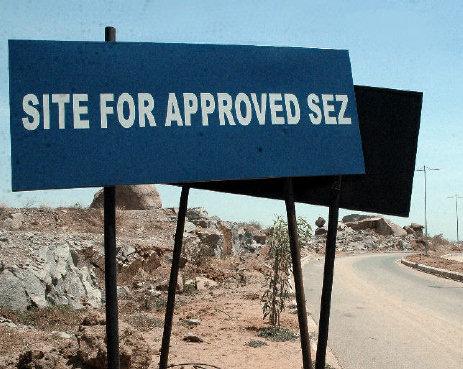
sezFree zones are often seen as a cure-all remedy to the problems developing economies encounter when trying to attract FDI. However, the reality is that such projects need careful planning and long-term support if they are to fulfil such wishes. A report published by fDI Magazine, and featured online – fdiintelligence.com – covers the topic quite comprehensively. While the article it is titled ‘Free Zones’ it’s not quite certain whether all developments sited follow the same business model. Nonetheless it provides some interesting insight to developments across the globe. Of particular interest for Africa are references to developments in Rwanda, Botswana, and the Gambia. In the case of the latter, the Gambian government’s decision to legally enable companies to operate as standalone zones, whereby businesses are permitted to enjoy the benefits of being a ‘free zone’ entity without having to establish in the country’s business park, could enable Gambia to attract investors who wish to have a greater degree of choice over the location of their premises.

Some of the key messages of the article come in the form of cautionary’s –

“the ‘build it and they will come’ assumption over SEZs will not guarantee investor interest”

“while governments are quick to launch them with great fanfare, a lack of on-going support afterwards hinders the zone from developing to a competitive and world-class standard…many projects remain just that – a project”

“while the idea of clustering several companies from a few specific sectors sounds promising on paper, in practice this can be detrimental to foreign enterprises”.

Read the full report here!

Maersk Triple-E conducts sea trials

The following ship photos come courtesy via Shipspotting, where one of their faithful users caught Maersk’s first Triple-E and the world’s largest ship, the M/V Mærsk Mc-Kinney Møller, during her 7th day of sea trials. The photos offer a first glimpse of the Triple-E underway. Despite the iconic blue color scheme and company logo Maersk does not own her just yet. Until the sea trials are completed and the vessel has been accepted by Maersk, she is the property of the yard and is under the command of the yard’s Captain.

The enormous ship, due for launch on June 28, is the world’s biggest. A behemoth even in a world of behemoths, and the first sibling in a new fleet of 19 sisterships. The vessel will have the ability to carry 18,000 TEU containers and will weigh-in at 165,000 metric tons, the equivalent mass of all the gold ever mined.

Sheer size is her most distinguishing feature. At 400 meters, the M/V Maersk Mc-Kinney Møller, as she’ll be called, is significantly longer than any aircraft carrier or even the Titanic, and only slightly shorter than the Empire State Building is high. Standing on her bridge is like peering over the rim of the Grand Canyon. From her highest deck, shipyard workers resemble overgrown ants and officers needing to walk the bridge’s width, wing-to-wing, will wish they had packed roller skates. Sources: gCaptain.com and Shipspotting.com

Johburg Chamber to meet Parliment over Customs Bill

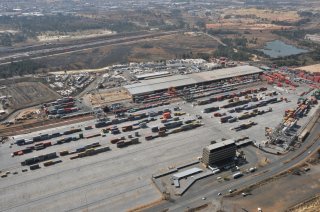
City Deep Container Terminal, Johannesburg

City Deep Container Terminal, Johannesburg

Online media company Engineering News reports that the Chamber of Commerce and Industry Johannesburg (JCCI) would take its objections of certain aspects of the recently tabled Customs Control Bill to Parliament and called on South African business and interested stakeholders to provide input as well.

The South African Revenue Services’ (Sars’) newly drafted Customs Control Bill, which, in conjunction with the Customs Duty Bill, would replace the current legislation governing customs operations, declared that all imported goods be cleared and released at first port of entry.

“The Customs Bill, cancelling the status of inland ports as a point of entry, will be before Parliament very soon, and only a short notice period for comment is expected,” JCCI former president Patrick Corbin said.

While all other comments and suggestions relating to the Bill were adequately dealt with, this remained the one disagreement that had not been satisfactorily resolved, he stated.

Corbin invited all parties to voice their concerns to ensure “all areas of impact and concern were captured”, adding further weight to the JCCI’s presentation. The implementation of the new Bill would directly impact the City Deep container terminal, which had been operating as an inland port for the past 35 years, alleviating pressure from the already-constrained coastal ports.

Despite customs officials assuring the chamber that the operations and facilities at City Deep/Kaserne would retain its licence as a container depot, Corbin stated that the Bill had failed to recognise the critical role City Deep played as an inland port and the impact it would have on the cost of doing business, the country’s road-to-rail ambitions, the coastal ports and ease of movement of goods nationally and to neighbouring countries.

“The authorities do not accept the fact that by moving the Customs release point back to the coast, a vessel manifest will terminate at the coastal port. There will not be the option of a multimodal Bill of Lading and seamless inland movements, as all boxes or the unpacked contents will remain at the coast until cleared and released by the line before being reconsigned,” he explained.

Citing potential challenges, Corbin said that only the containers cleared 72 hours prior to arrival would be allocated to rail transport and that those not cleared three days before arrival would be pushed onto road transport to prevent blocking and delaying rail operations.

This would also result in less rail capacity returning for export from Johannesburg, leading to increased volumes moving by road from City Deep to Durban.

He warned of the Durban port becoming heavily congested with uncleared containers, causing delays and potential penalties, while hampering berthing movements and upsetting shipping lines’ vessel schedules.

The release of the vessel manifest at the coastal port also placed increased risk on the shipping operators delivering cargo to Johannesburg following the clearance of goods at customs and required reconsignment at the country’s shores.

However, Transnet remained committed to investing R900-million for upgrading the City Deep terminal and the railway sidings, while Transnet CEO Brian Molefe had accepted the assurances from customs that “nothing would change and the boxes would still be able to move seamlessly once cleared”.

The Gauteng Department of Roads and Transport Department had allocated R122-million for the roadworks surrounding the inland port, while Gauteng MEC for Roads and Transport Dr Ismail Vadi said the department’s focus this year would narrow to the expansion and development opportunities at City Deep/Kaserne.

The department was also progressing well with the development of a second inland port, Tambo Springs Inland Port and Logistics Gateway, expected to be completed by 2017.

Vadi recently commented that the Gauteng Department of Roads and Transport, which was currently developing a terminal master plan for the project, would link the freight hub through road and rail transport to and from South Africa’s major freight routes and other freight hubs, including City Deep, which was about 33 km away.

The National Economic Development and Labour Council, under which the Bill had been drafted during a three-year development process, had agreed to fund an impact assessment study, led by Global Maritime Learning Solutions director Mark Goodger. The study was “close to completion” and would be presented alongside JCCI’s objections in Parliament. Source: Engineering News

Chinese President has sealed Tanzania’s Bagamoyo ‘mega-port’ project

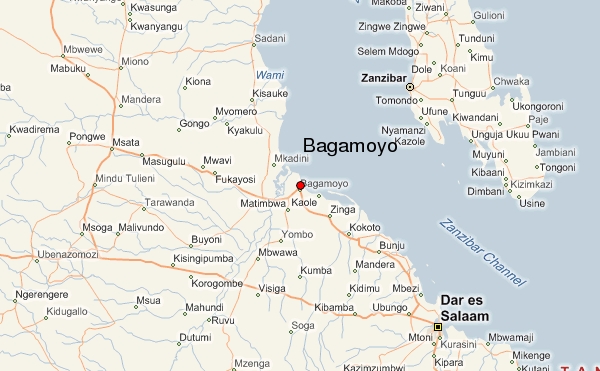
bagamoyo-mapThe Chinese President has sealed Tanzania’s Bagamoyo project. Tanzania has laid down its claim for a future large slice of regional trade through a deal with China to build the new port of Bagamoyo in its Mbegani area, north west of Dar es Salaam, at a total cost of $10bn.

The deal was announced by the President of China, Xi Jinping, while recently visiting Dar es Salaam and forms part of a major investment by the China in the infrastructure of the Mbegani area and East African seaboard – a project to be completed by 2028 with the expectation that Bagamoyo port will supersede Dar es Salaam port as the country’s main port and container handling centre.

The new port will be built with a draft sufficient to accommodate higher capacity container vessels up to 10,000 teu and beyond, as well as possess specialised roll-on roll-off berths and other cargo berths.

The overall scale of the planned development is such that it will provide a highly competitive solution to Kenya’s port expansion plans in Mombasa and Lamu which, as well as catering for national trade, are focused on meeting the needs of surrounding landlocked countries such as Uganda, Rwanda and Burundi.

Kenya has ground out plans for a new deep water container terminal in Mombasa – now under construction – and has embarked upon major new port development at Lamu, but the Bagamoyo port plan has a stronger profile and coherence to it. The money is down and in the background are new offshore gas discoveries for Tanzania which promise to play their part in promoting a strong and enduring relationship with China.

The first-phase development of Bagamoyo port is expected to be in operation by 2017 with construction undertaken by China Merchant Holdings of Hong Kong.

There has been no discussion to-date of whether the new port will feature cargo handling terminals operated by the private or public sector. As in Kenya, this subject remains something of a ‘hot potato’ with some Tanzania Port Authority executives suggesting it was a mistake to introduce the private sector as the operator of the Dar es Salaam Container Terminal. As in Mombasa, there is a belief that the public sector could have done as well as private interests in seeking to achieve efficient container terminal operation.

This belief persists in certain circles despite the TPA taking steps to raise the calibre of executives in its organisation through the introduction of executives from the private sector and a greater overall focus on human resources.

Dar es Salaam currently handles over 9m tons of cargo per year which is equivalent to about 95% of all Tanzania’s import and export volumes. In container trade alone, growth has been over 12% per annum since 2000. Despite this, the cost of shipping to Tanzania is about 25% higher than rates to the larger competing ports in southern Africa. This is mostly attributable to port inefficiencies brought about by inadequate investment in port infrastructure.

These costs are compounded when the effects of congestion and delay are added to the total freight bill, which can account for between 20%-70% of the total delivered price, inflating the price of imports and undermining global and regional export competitiveness.

The rationale for the introduction of major new port capacity in Tanzania is self-evident – demand is outstripping available capacity. It is to be hoped, however, that new capacity will be introduced supported by a modern port management model and institutional arrangements to facilitate optimum use of this capacity at the lowest cost. Source: PortTechnology.com

Big Brother is here and his name is PRISM

Picture credit - Gismag.com

Picture credit – Gizmag.com

First came news from The Guardian that the NSA was collecting phone records from millions of Verizon customers under a top-secret government order:  “The National Security Agency is currently collecting the telephone records of millions of US customers of Verizon, one of America’s largest telecoms providers, under a top-secret court order issued in April.

The order, a copy of which has been obtained by the Guardian, requires Verizon on an “ongoing, daily basis” to give the NSA information on all telephone calls in its systems, both within the US and between the US and other countries.”

Then, in the last few hours, more layers were peeled back by The Washington Post:  “The National Security Agency and the FBI are tapping directly into the central servers of nine leading U.S. Internet companies, extracting audio and video chats, photographs, e-mails, documents, and connection logs that enable analysts to track one target or trace a whole network of associates, according to a top-secret document obtained by The Washington Post.”

The story continues to list the companies who allegedly gave the US government unfettered access to customer data (emphasis is ours): “Equally unusual is the way the NSA extracts what it wants, according to the document: ‘Collection directly from the servers of these U.S. Service Providers: Microsoft, Yahoo, Google, Facebook, PalTalk, AOL, Skype, YouTube, Apple.”

According to a series of alleged PowerPoint slides obtained by The Washington Post, Microsoft was the first to join the program, in September of 2007. The most recent addition was Apple, in October of 2012. Dropbox is reportedly “coming soon.”

Interestingly, most of the companies named are responding to requests for comment by flat-out denying awareness or involvement. According to The Next Web, Facebook, Apple, Google, Microsoft, Dropbox and Yahoo have all denied participation. PRISM reportedly began collecting data in 2007, which means it was introduced under President Bush. However, The Washington Post says the program has experienced “exponential growth” under the Obama administration.

Video: The U.S. goverment is accessing top Internet companies’ servers to track foreign targets. Reporter Barton Gellman talks about the source who revealed this top-secret information and how he believes his whistleblowing was worth whatever consequences are ahead.

Video: The U.S. goverment is accessing top Internet companies’ servers to track foreign targets. Reporter Barton Gellman talks about the source who revealed this top-secret information and how he believes his whistleblowing was worth whatever consequences are ahead.

The slides reveal an annual budget of US$20 million for the program with data monitored by the program including e-mails, instant messages, videos, photos, stored data (presumably in the cloud), voice chats, file transfers, video conferences, log-in times, and social network profile details. Although the program is supposedly aimed at surveillance of foreign targets, such as spies and terrorists, and is intended to take advantage of the fact that most of the world’s data flows through the US, it is inevitable that data of US citizens is caught up in the mix. The NSA Powerpoint slides describe this as “incidental.”

It shouldn’t be too shocking that the US government spies on its citizens. What may be more surprising is just how far-reaching, and possibly unconstitutional, this program is. Perhaps the most significant part will be the fallout now that the secrets are out in the open.

Recent developments concerning customs data exchange via “cloud-type” mediums will therefore come under more scrutiny given current revelations in the US. It serves little purpose for countries to agree on data confidentiality and unwittingly (?) make such data available for ‘harvesting’ via third-party technology providers. Let this come as a fore-warning to governments.

Sources: The Guardian, The Washington Post, The Next Web, and Gizmag.

Freight Forwarding Event – South Africa

The fifth annual congress of the South African Association of Freight Forwarders (SAAFF) takes place on 8-9 October 2013 at the Hilton, Sandton.

David Logan - SAAFF

David Logan – SAAFF

David Logan, CEO of SAAFF says, “The freight forwarding market has been a major beneficiary of an increasingly globalised world economy. The significant year-on-year growth in international trade volumes has driven the evolution of the freight forwarder, inherently linked to the success of global trade and the development of new markets.  Against this backdrop, it hardly seems surprising that the congress continues to grow and attract robust debate from key players in the market.  This year’s event also receives the endorsement and support of the South African Express Parcel Association (SAEPA), which represents the multi-billion Rand South African courier industry, another major role player in facilitating global business.”

“Having long-abandoned the image of transport intermediaries, today’s freight management logistics providers manage an array of complex functions and issues, being responsible for an entire array of services within the supply chain. The two-day congress will highlight and debate many of the pressing issues from customs modernization, security, piracy, supply chain efficiencies, trade credit, risk management, political risk, legislation, FAIS, economic trading factors, transformation, training and in-demand skills and more.”

“Our industry is also in a unique position to tap into the incredible growth currently shaping the African continent where some of the fastest growing economies reside.  Added to this the rapid reconstruction and development projects taking place throughout the continent will rely heavily on the services of freight forwarders.  Africa’s abundance of commodities is estimated to generate about a third of Africa’s growth.  All this requires trusted partners in the movement of goods to facilitate global trade, and the forwarders best positioned to capitalise on this are those that have robust infrastructures, global capability, solid expertise and a deep understanding of trade in African countries, which is not without its fair share of risk,” adds David.

“Global pressures on world markets are impacting on our members and the congress is an ideal platform to really get to grips with the realities and challenges of our current trading environment.  It’s an ideal platform for sponsors and suppliers to engage directly with the senior decision makers of freight forwarding companies, government, suppliers and policy makers,” he concludes.

Running alongside the congress will be a two-day industry supplier exhibition as well as a one day training and education workshop on Tues 8 October covering important issues regarding skills development, industry qualifications, talent management, training, BBBEEand more – all critical issues for HR managers and directors in the freight forwarding industry. For more information about the congress or to book your seats contact the congress organisers, Teresa Settas Communications on (011) 894 2767 or e-mail nadine@tscommunications.co.za. Source: transportworldafrica.co.za

Freight-forwarder liability at a glance

services_import_SnapseedActually, this is a view from the Ukraine. In modern practice, the organisation of the transport process often necessitates direct international multimodal transportation, in which case the freight forwarder carries out the contract of carriage as a multimodal transport operator, even if it does not directly own any vehicles. However, a trend has arisen in which the functions of the carrier and forwarder are combined. Under this model, traditional carriers diversify their activities by creating a forwarding unit within their companies, or forwarding agents acquire vehicles or create dependent carriers. Furthermore, forwarders often hire subcontractors to undertake the shipment; as a result, cases of loss or shortage of goods and claims against forwarding agents can become quite complicated. 

General provisions

Ukrainian legislation does not provide detailed rules governing freight-forwarding activities. The Law on Freight-Forwarding Activities, the Civil Code and the Economic Code stipulate only the general regulations of freight forwarding.

In accordance with Clause 1 of the Law on Freight Forwarding Activities, the contract of freight forwarding is a contract in which the freight forwarder agrees, at the client’s behest, to perform or arrange for the performance of certain contract work related to the transportation of goods. The forwarding agent is entitled to engage other parties for the execution of certain work under the contract (eg, transportation, storage, loading and unloading).

The law includes only general provisions under which the freight forwarder may be held liable to the customer (unless provided otherwise in the contract) for:

  • the number of packages;
  • the weight of the packages (if the weighing was conducted in the presence of the carrier and confirmed with its signature); and
  • packaging requirements under the related shipping documents (signed by a representative of the carrier).

Issues regarding the forwarder’s liability are also governed by the general provisions of the Civil Code, which provides for liability for breach of obligations under the contract. Thus, Article 623 of the code provides that a debtor in breach of its obligations must compensate the creditor for losses caused.

Where the freight forwarder engages third parties to fulfil its obligations under the contract of freight forwarding, the forwarding agent will be held fully responsible for the actions and omissions of the third parties.

Ukrainian law lacks specific rules that directly limit the freight forwarder’s liability to the client. Detailed rules governing the forwarding agent’s liability to the customer, as well as grounds and limitations of such liability, are fixed by the parties in the contract of freight forwarding.

At the same time, Ukrainian legislation contains general rules that allow for the release of the freight forwarder from liability. In accordance with Clause 614 of the Civil Code, a party that has violated its obligations will be held responsible only if found guilty (intently or negligently), unless otherwise agreed in the contract. Disputes in connection with claims against freight forwarders for loss of cargo in transit are common in Ukraine, so there is ample case law in the area. However, since Ukrainian legislation provides only general provisions on the freight forwarder’s liability, court practice for such disputes is often ambiguous and contradictory. In particular, there have been separate cases with similar circumstances in which the court variously found the freight forwarder both liable and not liable for cargo loss in transit. Continue reading →

A touching pictograph from India

Yes, this post seems quite off the usual topic, however, I was deeply moved by an article titled “Free school under a Bridge in India” posted by fellow blogger Joe Seeber. It’s not so much a written article as Joe’s pictures express the necessary – “dedication”, “innocence” and “sincerity” – all of which tell a compelling story which requires few words. In a country like South Africa which shares a similar plight facing our youth, it’s the dedication of these two teachers which strikes a chord! The attentiveness of the youngsters in their studies and no less their pride in keeping their ‘school’ clean are clear – evidently attributes of their teachers.

One visitor to Joe’s blog observed –

I always wonder who these people are; all of a sudden someone comes, changes a little scene, and it becomes a little world with hope inside of it. Sometimes I think they may be Angels in disguise, sent by the almighty to show an example of what can be done. Look at the cost of Input; a temporary shelter, two dedicated men, thirty willing children: The value of output, immeasurable, one of the children may be a Prime Minister, one a well renowned Physician, one a Scientific genius, who is to say? All the children work harder, learn more, because they have a gift of hope and a promise of to-morrow.

And Joe preface’s his picture story as follows – “This is heart breaking, God bless these 2 guys, Rajesh Kumar Sharma and Laxmi Chandra.  They’ve been running a free school under a metro bridge in New Delhi, India for the last 3 years.  There are at least 30 children living in the nearby slums that have been  receiving free education from these 2 guys.”