Namibia – Dry Port for Keetmashoop

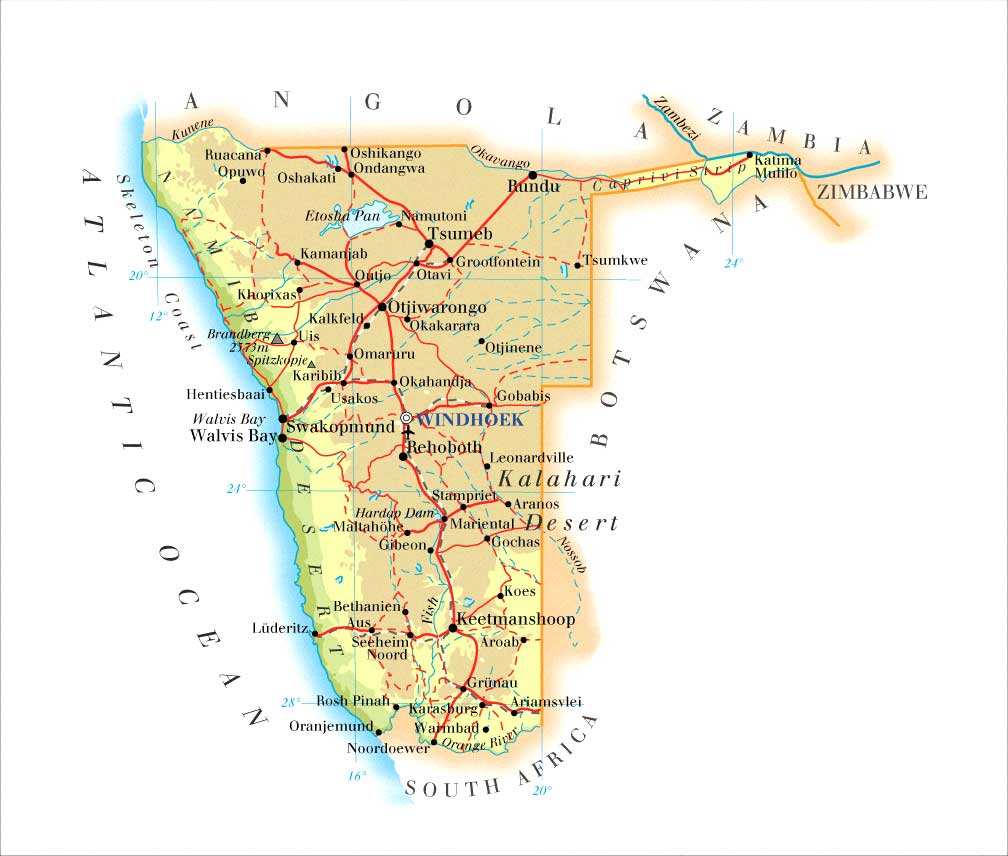
Namibia Map (www.fao.org)

Namibia Map (www.fao.org)

Namibia – Plans by Governor of the Karas Region, Bernardus Swartbooi, to establish a dry port facility at Keetmanshoop have been hailed as a “brilliant idea” by experts who are in unison that the idea is overdue. (Maybe it is just plain common sense! Will be interesting to see how the Namibian Revenue Authority facilitate the inland movement of transit containers from Walvis Bay.)

Swartbooi presented his proposal to change the face of Keetmanshoop by making it the pivot of trade between Namibia, South Africa and possibly the rest of Africa at the Annual Logistic and Transport Workshop last week.

According to him the new venture, estimated at roughly N$10million, will see Keetmanshoop linked directly by sea, rail and road with Namibia’s capital Windhoek, Africa’s largest economy, South Africa, and the rest of the Southern African Development Community in the form of a central north-south transport corridor.

Keetmanshoop is the only town in Namibia with eight border posts and has a working relationship with the North Cape Province in South Africa.

Swartbooi said the second phase of this development will stream into the creation of a free trade zone on the eastern side of Keetmanshoop that will not only attract foreign investors but create a wealth of jobs that will significantly reduce the country’s unemployment statistics.

He also mentioned that with a free trade zone the region can eventually venture into light manufacturing that will bring about positive spin-offs for the region and the entire Namibia as a whole.

“We fight against a trend that the south was left out.. If you close down the Walvis Bay port today we will feel it later, but if Lüderitz port is to be closed today the effect will be felt within hours. There is no argument about our strategic location. No-one can compete against our land availability,” he enthused.

Twenty hectares of serviced land have so far been secured for the project that will include two weighbridges, offload facilities and accommodation facilities for truck drivers and recreation.

“We are looking at enhancing road safety and to cut down on driver fatigue,” he explained adding that key stakeholders have not yet been identified and anchor participants are being sought.. “We are looking at a private public equity where we can give someone a lease of ninety years,” he stated.

According to the Director for the Namibia German Centre for Logistics, Neville Mbai, Keetmanshoop as a regional hub is a brilliant idea and will not only serve as a buffer during labour strikes in South Afica, but will surely ease the burden on Walvis Bay port and corridors.

“It is absolutely brilliant. Kharas is adjacent to the great Gauteng region, the breadbasket of Southern Africa if not the whole of Africa. What we want to see is a shorter road from Johannesburg to Namibia. Look at the road infrastructure of Walvis Bay, if we are to add more that road will be in trouble,” he said adding that with Keetmanshoop providing a hub Namibia will no longer be severely impacted by labour strikes in South Africa, as goods can be stored to cater for the Namibian market.

“The idea must be to have a concentration of logistics hubs scattered across the country and with the port of Lüderitz and the quantity of fish production the region certainly is deserving of a hub,” he noted.

At least 1 600 trucks pass through Keetmanshoop on a monthly basis with 80 percent of Namibia’s goods being are transported through this route.

Operations Manager for Logistics Support Services Quintin Simon argues that this is indeed a positive idea and with Keetmanshoop located in the centre, distribution will become easier and faster. Source: www.newera.com

Major Multimodal Logistics Hub in Belgium

Liege Trilogiport is scheduled to open for business in the final half of 2015 (Picture: Liege Ports Authority)

Liege Trilogiport is scheduled to open for business in the final half of 2015 (Picture: Liege Ports Authority)

Work is underway on a major multimodal logistics hub project in Belgium. Piloted by the inland port of Liège, it is designed to serve as an “extended gateway” to the seaports of Rotterdam, Antwerp and Zeebrugge.

The project will attract around €45 million of public funding from the Belgian authorities and the European Union to finance infrastructure requirements, while initial investment from the private sector is estimated at approximately €115 million.

Located on a 120 hectare site on the banks of the Canal Albert, the Trilogiport project is scheduled to be operational in the second half of 2015. It is expected to create more than 2,000 direct or indirect jobs.

Described as “a tri-modal (river, rail and road) logistics village,” it will comprise a 15ha container terminal, with 1,850 metres of quayside, operated by Luxembourg-based Euroports and its partner, DP World.

Provision is made too to build a rail freight terminal with 700 metres of track to connect Trilogiport with the national rail network. Construction of a road bridge is also planned to provide access to the motorway system around Liège.

Trilogiport will also incorporate 200,000 sq metres of warehousing and distribution space at full build-out. Source: Porttechnology.com


EC proposes measures to get more freight onto Europe’s waterways

waterwaysforward-wordpress-com_SnapseedThe European Commission (EC) has announced new measures to get more freight onto Europe’s rivers and canals.

It underlines that barges are amongst the most climate-friendly and energy efficient forms of transport but currently they only carry about 6% of European cargo each year.

The new proposals intend to realise the “unused potential” of Europe’s 37,000 km of inland waterways, enabling freight to move more easily and lead to further greening of the sector, as well as encouraging innovation and improving job opportunities.

“We already send 500 million tonnes of freight along our rivers and canals each year. That’s the equivalent of 25 million trucks. But it’s not enough. We need to help the waterway transport industry develop over the longer term into a high quality sector. We need to remove the bottlenecks holding it back, and to invest in the skills of its workforce,” said the EC’s Vice President, Transport, Siim Kallas.

The Commission is proposing to remove significant bottlenecks in the form of inadequately dimensioned locks, bridges or fairways and missing links such as the connection between the Seine and the Scheldt river systems which are hampering the sector’s full development potential.

In August last year, Lloyd’s Loading List reported that a multi-billion euro project, the Seine-Nord Europe (SNE) Canal, to build a 106km, 54-metre wide canal to link the Seine and Scheldt rivers by the end of the decade, had suffered a serious setback, with doubts cast over private investment in the project.

The French government continues to support the SNE Canal despite the conclusions of an audit into its financial feasibility which recommended that it be postponed indefinitely.

It commissioned the over-hauling project which could be presented to the European Commission in its new form in the first quarter of 2014, the aim being to secure greater EU funding than that granted under the initial plans.

The Commission is also proposing action to encourage investment in low emission technologies and to support research and innovation. Source: Lloyds.com

Trade Information Portal to Improve Trade Facilitation in Namibia

Namibia flagThe World Trade Organization General Agreement on Tariff and Trade (GATT) 1994 Article X on Trade Facilitation calls for member country trade regulations to be clearly published. The WTO Self-Assessment Guide (2009) outlines the basic standard for internet Publication as: “A Member shall publish all trade related legislation, procedures and documents on a national official internet site or sites”. Usually called a “Trade Repository” or a “Trade Information Portal” the site facilitates awareness, via the internet, of requirements to enable compliance with customs and other agency requirements for the import or export of goods, using the HS classification of goods as the primary organizing principle for cataloguing and retrieving information

USAID Southern African Trade Hub reports that the government of Namibia expects to have its Trade Information Portal up and running by early 2014. The development of portal is supported by the USAID Southern Africa Trade Hub, under its Partnership for Trade Facilitation facility. The Trade Hub recently supported Namibia in a detailed legislative review of the country’s Customs and Excise Act to align it with global and regional legislation and to provide the legislative foundations for electronic trade facilitation measures, including the Trade Information Portal.

Currently trade-related information is made available across number of websites maintained by each government agency responsible for a particular aspect of trade regulation. The Trade Information Portal will provide a single platform where all trade related information for Namibia is collected in one system and readily available for searching and viewing, which will save time and expense for the trading community. The Trade Information Portal uses the latest technology to provide a comprehensive, accurate and up-to-date source for all regulatory information, which will result in tangible benefits for trade facilitation. No longer will it be necessary to seek advice in person from multiple agencies. Furthermore, conflicting advice and guidelines will be avoided by creating a single authoritative reference point. The savings in time and expense will lessen the overall cost of doing business and reduce the time to import or export goods, contributing to Namibia’s improved standing in doing business indexes and transparency.

A significant part of the coordination and development work in setting up the Trade Information Portal will facilitate and shorten the road map towards implementing an electronic National Single Window which is also under consideration by the Namibia government. Source: satradehub.org

SACU’s Choice – ‘Common policy or irrelevance’

imagesCA31PQJGThe Minister of Trade and Industry, Dr Rob Davies briefed the Parliamentary Portfolio Committee on Trade and Industry regarding the progress on the implementation of the five-point plan in Cape Town. This is a work programme which was approved by the 2nd Southern Africa Customs Union (SACU) Summit convened by President Zuma in 2011 premised on the following pillars;

  1. Work programme on cross-border industrial development;
  2. Trade facilitation;
  3. Development of SACU institutions;
  4. Unified engagement in trade negotiations and
  5. The review of the revenue sharing arrangement.

The five-point plan emerged from realization by SACU Member States of a need to move SACU beyond an arrangement held together only by the common external tariffs and the revenue sharing arrangement to an integration project that promotes real economy development in the region.

Minister Davies noted that progress on the implementation of pillars of the five- point plan is uneven. SACU has registered good progress on trade facilitation and there is greater unity of purpose in negotiations with third parties (Economic Partnership Agreement (EPA), SACU-India and Tripartite Free Trade Area).

However, there is limited progress on the review of the revenue sharing arrangement and hence lack of adequate financial support for the implementation of cross-border industrial and infrastructure development projects. The SACU revenue pool is raised by South Africa from customs and excise duties. Mr Davies told MPs that in 2013-14 the total disbursement from the revenue pool would be about R70bn of which the BLNS countries would receive about R48bn. There is also lack of progress on the development of SACU institutions as a result of divergences in policy perspectives and priorities of Member States.

Enabling provisions provide for the establishment of National Bodies and a SACU Tariff Board. The SACU Tariff Board will make recommendations to Council on tariffs and trade remedies. Davies added that, until these institutions are established, functions are delegated to the International Trade Administration Commission (ITAC) in SA.

The minister warned that the lack of agreed policies would hinder effective decision-making on regional integration and industrialisation, which had made little progress since the 2011 summit convened by President Jacob Zuma. South Africa believes SACU needs to move “firmly towards a deeper development and integration”.

Minister Davies said SACU risked becoming “increasingly irrelevant” as an institution if it did not develop beyond operating a common external tariff, and a “highly redistributive” revenue-sharing arrangement. The lack of progress in developing new SACU institutions was primarily due to policy and priority differences among members. “Against this background South Africa needs to reassess how best to advance development and integration in SACU.”

Among the disagreements on tariff setting between South Africa and its neighbours highlighted by Mr Davies, was that South Africa saw tariffs as a tool of industrial policy while they regarded them as a means of raising revenue. For example, the other Sacu members wanted to include the revenue “lost” on import tariff rebates offered by South Africa into the revenue pool.

The pool provides these countries with a major source of their national budget. Rebates were seen as revenue foregone for which additional compensation should be sought. South Africa, on the other hand, argues that the rebates (for example on automotive imports) are part of its total tariff package and serve to attract investment and boost imports and therefore, contribute to expanding the revenue pool, not diminishing it.

He emphasised the development of a common approach on trade and industrial policy as the prerequisite for establishing effective SACU institutions in future.

He highlighted that a discussion on appropriate decision-making procedures on sensitive trade and industry matters that takes into account SACU-wide impacts is required. Source: The Department of Trade & Industry, and BD Live.

East African Single Customs Territory Will Cut Delays

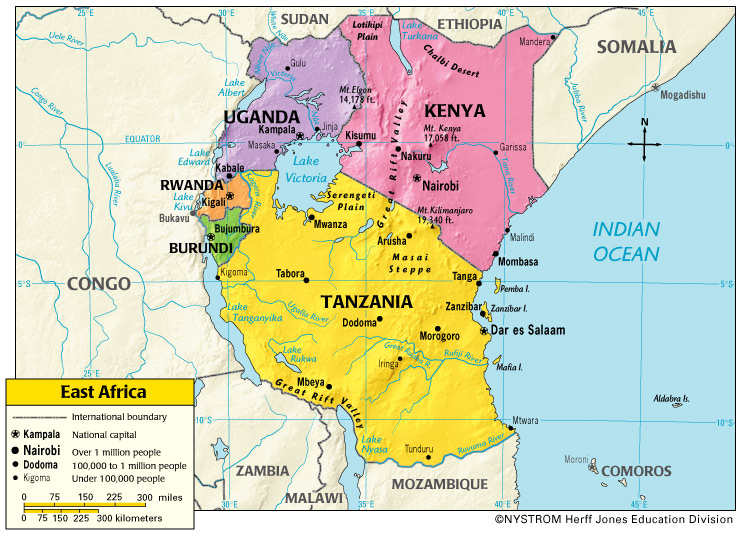
East%20Africa%20mapIn the spirit of stronger East African integration, the revenue authorities of Kenya, Uganda and Rwanda have started preparations for the implementation of a Single Customs Territory. The Commissioners’ General of the three East African countries deliberated on the mechanisms to operationalize the decisions of the heads of state who have continuously called for its fast tracking.

On June 25, 2013 at the Entebbe State House in Uganda, a Tripartite Summit involving the three heads of state issued a joint communiqué directing among other things the collection of customs duties by Uganda and Rwanda before goods are released from Mombasa. The leaders also agreed that traders with goods destined for warehousing should continue executing the general bond security.

During the meeting, the Commissioners’ General of the three countries put in place joint technical committees on ICT, Business Process, enforcement, change management, legal and human resource to discuss the implementation road map.

In a statement signed by the three Commissioners’ General, they said that the development of a Single Customs Territory will positively impact on the trading activities of the three countries as it will ensure that assessment and collection of taxes is done at the country of destination before cargo moves out of the port.

“As a result, the East African Community Customs Union will join the ranks of other Customs Union such as South African Customs Union and the European Union among others. Under this arrangement, restrictive regulations are eliminated as the corridor is now considered for customs purposes. For clarity, circulation of goods will happen with no or minimal border controls,” reads the statement in part.

Kenya said it would cut red tape holding up millions of dollars of imports into its landlocked neighbours Rwanda and Uganda, by letting the countries collect customs on goods as they arrive in its port at Mombasa. Goods can currently face long delays as agents process the paperwork to release cargoes from warehouses at east Africa’s biggest port, and later make separate arrangements to pay import duties at Kenya’s borders with Uganda and Rwanda.

Officials said the new system, due to be introduced in August, would clear inefficiencies and blockages seen as a major barrier to trade in the region. But clearing agents in Kenya said it could also cost thousands of jobs in warehouses, freight firms and almost 700 clearing and forwarding companies operating in the country.

Kenya, Uganda and Rwanda, together with Burundi and Tanzania, are members of the regional East African Community trade bloc, with a joint gross domestic product of $85 billion.

Kenyan tax officials said the new system would allow a “seamless flow of goods” and make it easier to stop goods getting through the system without customs payments. “Once cleared at the port, there will be no stoppages at borders and checkpoints along the corridor,” the Kenya Revenue Authority’s commissioner of customs, Beatrice Memo, told a news conference.

Under the system, Rwandan and Ugandan clearing agents and customs officials would be able to set up their own offices to clear cargo and collect taxes directly at the port. The Kenya International Freight and Warehousing Association said that meant up to half a million jobs could be lost to Uganda and Rwanda. “The Government has not consulted us … and we totally reject it,” said  Association chairman Boaz Makomere. Sources: East African Business Week (Kenya) & The New Vision (Uganda).

Nigerian Inland Port, Kano to Begin Operations This Year

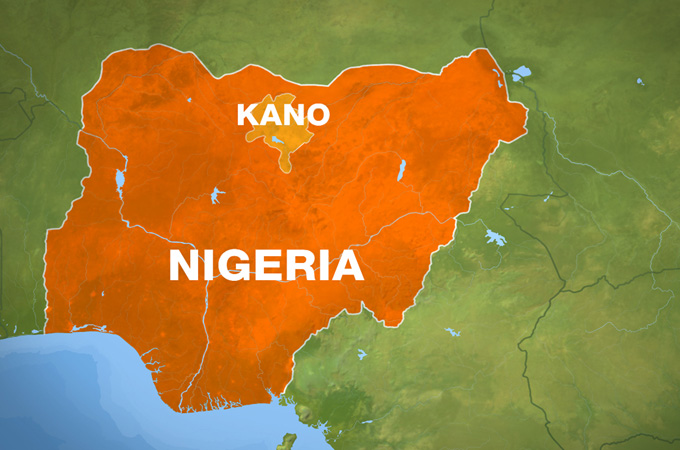
201215124949311580_20Kano Inland Container Port is scheduled to commence operations by the end of this year, Chairman Governing Board Nigerian Shippers Council, Lieutenant General Salihu Ibrahim (Rtd) has said.

According to him, all gray areas that cause the delay in the processing and documentation of Kano port which affects the commencement of operations has been resolved.

Speaking during an interactive dinner session organized by Nigerian Shippers Council, North West zone, the chairman stressed that the council is all out to ease some of the transaction difficulties faced by shippers in Nigeria. He added that commencing operation at the inland ports will absolutely ensure reduction of about 90% in the expenses incurred during shipments of goods. According to him, all things being equal, Kano inland port is hoped to be fully operational at the end of 2013. Source: Daily Trust (Nigeria)

Hurdles before trans-border trade facilitation

Port of Lagos, Nigeria

Port of Lagos, Nigeria

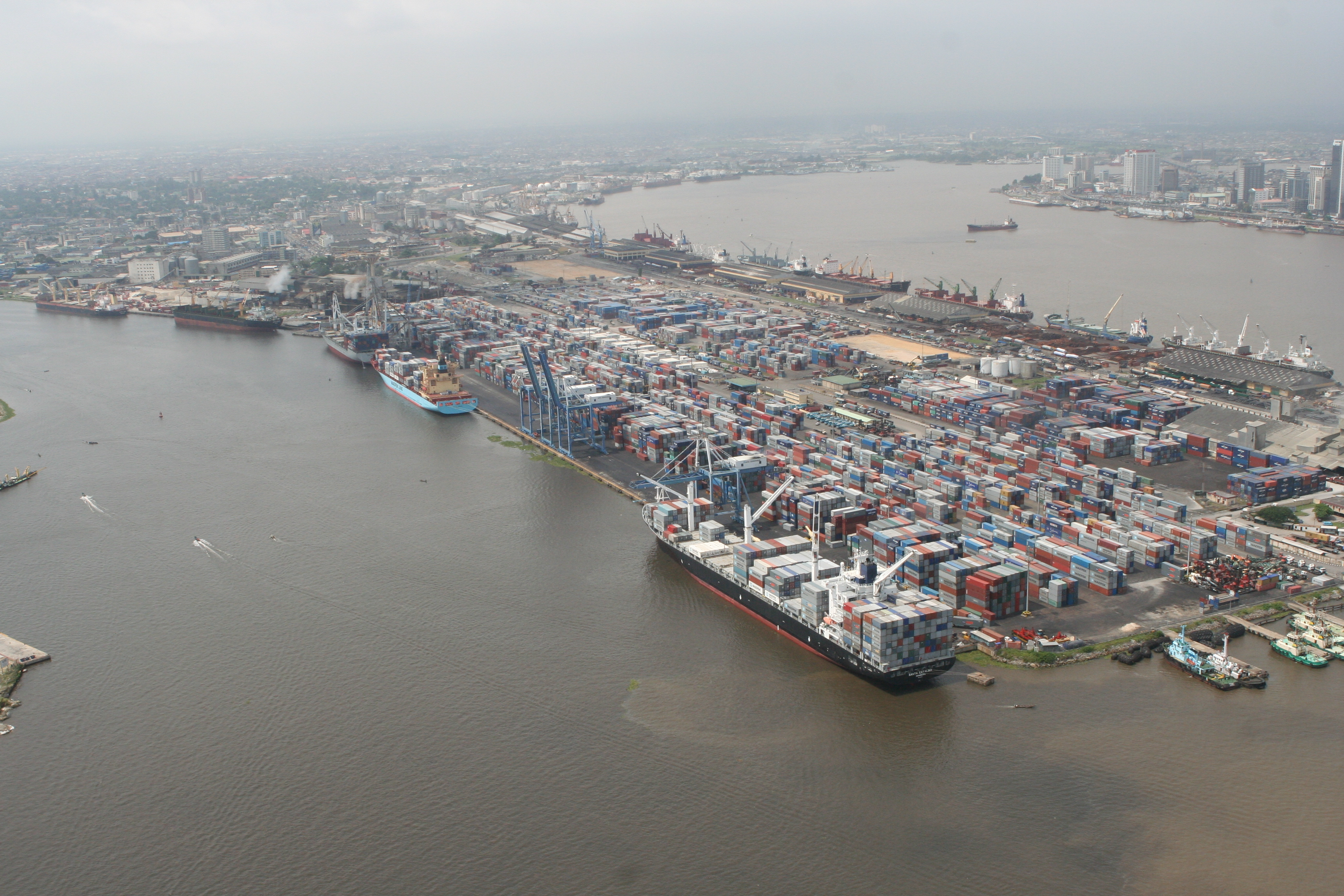
The following article, allbeit long, provides a good overview of trade facilitation developments in Nigeria. I doubt that there is a single country on the African continent that cannot draw some parallel experience contained in this article.

Trade across borders is not a new phenomenon. But the World Trade Organization is now championing the concept of trade facilitation among nations, which has been defined as simplication , harmonization, standardization and modernization of trade procedures.

Trade facilitation seeks to reduce trade transaction between businesses and government. This concept is receiving unprecedented attention globally and it is at the heart of numerous initiatives within the customs world.

The United Nations Centre for Trade facilitation and Electronic business (UN/CEFACT) in its recommendation No 4 of 1974, said trade facilitation programme ought to be guided by simplication, harmonization and standardization (of trade procedures) so that transaction becomes easier, quicker and more economical than before.

According to the body, there was need to eliminate duplication in formalities, process and procedures; align all national formalities, procedures operation and documentation with international conventions, standard and practices to develop international agreed format for practices, procedures, documentation and information in international trade.

Proponent of trade facilitation believed that if transaction cost in international trade is reduced, there could be creation of wealth, especially in developing countries where red-tapism and other procedural barriers to trade tend to be pronounced.

The organization for Economic Cooperation and Development (OECD) estimated recently that even one per cent reduction in such “hidden cost” would boost the global economy by $40 billion with most of these benefits going to the developing world. Trade facilitation therefore encourages, or perhaps requires countries to adopt means such as publishing their imports and export procedures, reducing the number of forms that importers and exporters are required to complete, allowing forms to be submitted on-line, and checking corruption at border post.

Nigeria, though a signatory to Kyoto 1974 and other convention on trade facilitation, is far from embracing the ideals of the global concept.

The president of the council of Managing Directors of Customs licensed Agents, Mr. Lucky Amiwero, said that although Nigeria was yet to comply with all the provisions of trade facilitation, it has the tools to facilitate international trade, such as the scanning machines and the e-platform.

“In Nigeria, the real cost of doing business is an impediment to trade facilitation. We have no good procedure for goods on transit to Niger and Chad. That has been taken over now by our neighboring countries. One of the key component of trade facilitation is charges which must be tied to services. We have shortcoming in that area. We are still working at cross purposes when other countries are busy harmonizing their import and export procedures”, he said.

In Nigeria, there is no one stop shop process for goods clearance as we have over 10 agencies superintending goods clearing procedure at the nation’s gateways.

“This is very bad and constitute hindrance to trade. The regulatory process is supposed to have been harmonized with other agencies to have a one stop procedures. Procedures are not published and not in line with WTO article which has to do with publication, regulation and administration of procedures. Our trading regime are expensive, our procedures are cumbersome. When others are simplifying and synchronizing their process of import and exports, our import and export procedures are lengthy. We have not been able to harmonise process and procedures and that is where we have a problem. If you still have to go through 100 per cent examination when we have the scanners, that is an impediment to trade,” Amiwero said; adding that the time spent to conclude business in Nigerian ports and border post is much higher than anywhere in the West African sub-region.

The level of corruption at the port border post is high and making them the most expensive business environment in Africa; as un-receipted charges far outweigh the official charges in the process of good clearing. Importers are still submitting hard documents instead of making use of e-devices, and going through the cumbersome process of clearing and receiving of consignments. Continue reading →

Port-to-Hinterland…gearing up for growth?

Proposed Durban-Free State-Gauteng Logistics and Industrial Corridor Plan (SIP2)

Proposed Durban-Free State-Gauteng Logistics and Industrial Corridor Plan (SIP2)

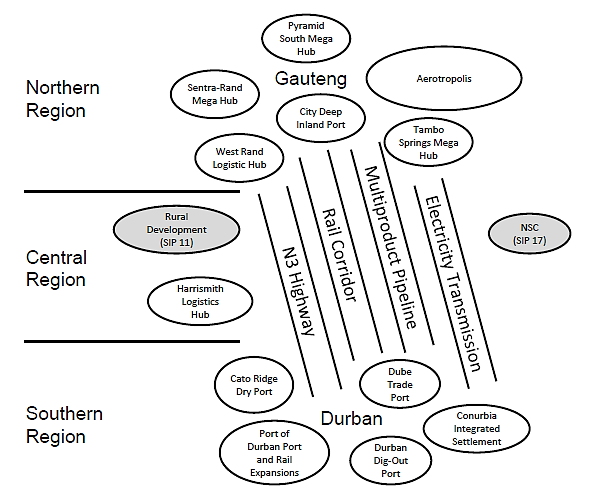
Notwithstanding on-going discontent amongst industry operators in regard to proposed legislative measures mandating customs clearance at first port of entry, the South African government (GCIS) reports that work has already commenced on a massive logistics corridor stretching between Durban and the central provinces of the Free State and Gauteng. Most of the projects that form part of the second Strategic Infrastructure Project (SIP 2), also known as the Durban-Free State-Johannesburg Logistics and Industrial Corridor, are still in the concept or pre-feasibility stage, but construction has already started on several projects.

These include:

  • the building of a R2,3 billion container terminal at City Deep
  • a R3,9 billion project to upgrade Pier 2 at the Port of Durban
  • R14,9 billion procurement of rolling stock for the rail line which will service the corridor.

Work has also started on the R250 million Harrismith logistics hub development to set up a fuel distribution depot, as well as on phase one of the new multi-product pipeline which will run between Johannesburg and Durban and transport petrol, diesel, jet fuel and gas.

The aim of these projects and others which form part of SIP 2, is to strengthen the logistics and transport corridor between South Africa’s main industrial hubs and to improve access to Durban’s export and import facilities. It is estimated that 135 000 jobs will be created in the construction of projects in the corridor. Once the projects are completed a further 85 000 jobs are expected to be created by those businesses that use the new facilities. Source: SA Government Information Service

Interested in more details regarding South Africa’s infrastructure development plan? Click here!

A South African RFID/GPS cross-border logistics and customs solution

Inefficiency of road freight transport is one of the primary factors that hamper the economy of sub-Saharan Africa. Long delays experienced at border posts are the single biggest contributor towards the slow average movement of freight. Cross-border operations are complicated by the conflicting security objectives of customs and border authorities versus efficiency objectives of transport operators. It furthermore suffers from illegal practices involving truck drivers and border officials. In theory the efficiency of cross-border operations can be improved based on the availability of more accurate and complete information – the latter will be possible if different stakeholders can exchange data between currently isolated systems.

Cross-border trade basically comprises 3 distinct but interlinked layers –

An information layer – in which various trade documentation (purchase order, invoice), cargo and conveyance information (packing list, manifest), customs and government regulatory data (declaration, permits) are exchanged between various supply chain entities and the customs authority. These primarily attest to the legal ownership, contract of carriage, reporting and compliance with customs and other regulatory authority formalities (export and import), and delivery at destination.

A logistics layer – for the collection, consolidation, sealing and conveyance of physical cargo from point of despatch via at least two customs control points (export and import), to deconsolidation and delivery at point of destination.

A financial layer – which refers to the monetary exchange flow from buyer (importer) to seller (exporter) according to the terms and conditions of the sale (INCOTERMS). Hmm… no, this does not include ‘bribe’ money.

All three layers are inter-linked and prone to risk at any point of a given transaction. There is also no silver bullet solution to secure supply chains. Moreover, it is a fallacy that Customs and Border Agencies will ever conquer cross-border crime – simply because there are too many angles to monitor. Furthermore, in order to set up cross—border information exchange and joint enforcement operations it is both legally and politically time-consuming. Criminal elements are not hampered by these ‘institutions’, they simply spot the gaps and forge ahead.

One of the areas requiring customs attention is that of chain of custody. In short this implies the formal adoption of the World Customs Organisation’s SAFE Framework principles. Each party with data that needs to be filed with the government for Customs and security screening purposes has responsibilities. Those responsibilities include –

  • Protecting the physical goods from tampering, theft, and damage.
  • Providing appropriate information to government authorities in a timely and accurate manner for security screening purposes.
  • Protecting the information related to the goods from tampering and unauthorized access. This responsibility applies equally to times before, during and after having custody of the goods.

Tenacent RFID Tag

Tenacent RFID Tag

Security seals are an integral part of the chain of custody. The proper grade and application of the security seal is addressed below. Security seals should be inspected by the receiving party at each change of custody for a cargo-laden container. Inspecting a seal requires visual check for signs of tampering, comparison of the seal’s identification number with the cargo documentation, and noting the inspection in the appropriate documentation. More recently the emergence of certain e-seals and container security devices (CSDs) contribute even further to minimizing the amount of ‘physical’ verification required, as they are able to electronically notify the owner of the goods or government authority in the event of an incidence of tampering.

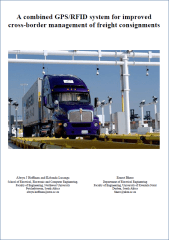
White Paper - GPS-RFID systems for cross-border management of freight consignments

White Paper – GPS-RFID systems for cross-border management of freight consignments

A group of South African specialist engineers have been working closely with transport authorities, logistics specialists, defense experts and customs authorities across the globe. Their e-seal is patented in no less than 16 high volume countries. It is produced in Singapore, China and Indonesia depending on politics, free-trade agreements and demand. May move some to Brazil and US in time. Proof of concept (POC) initiatives are currently underway in Brazil for rail cargo, US Marine Corps for their p-RFID program and other Department of Defense divisions in the USA, and will shortly be included in one of the GSA agreements making it available to any government department in the US. Further adrift, the e-seal is also currently enjoying interest in Guatemala, Mexico, Canada, Panama, Jordan, Italy, Spain, and Malaysia. Here, in South Africa, a POC was conducted at the 1st autogate at Durban Container Terminal, funded by the North West University, and overseen with successfully achieved objectives by Transnet Port Terminals. For technical details of the RFID seal, click here!

With much anticipated success abroad, how much support will this product attain in the local and sub-Saharan African scene? Government authorities, as well as logistics and supply chain operators are therefore encouraged to study the enclosed ‘white paper’ – Click Here!. It firstly quantifies the size of the problem and estimates the potential economic benefits that will be created by improved cross-border operations. It then proposes a combined GPS/RFID system that can provide the required level of visibility to support improved operational management, resulting in a simultaneous increase in the security and efficiency of cross-border freight operations. A brief cost-benefits analysis is performed to show that the expected benefits from such a system will by far exceed the costs of implementation. Source: Tenacent & iPico

Customs and Nigeria’s Trade Hub Portal

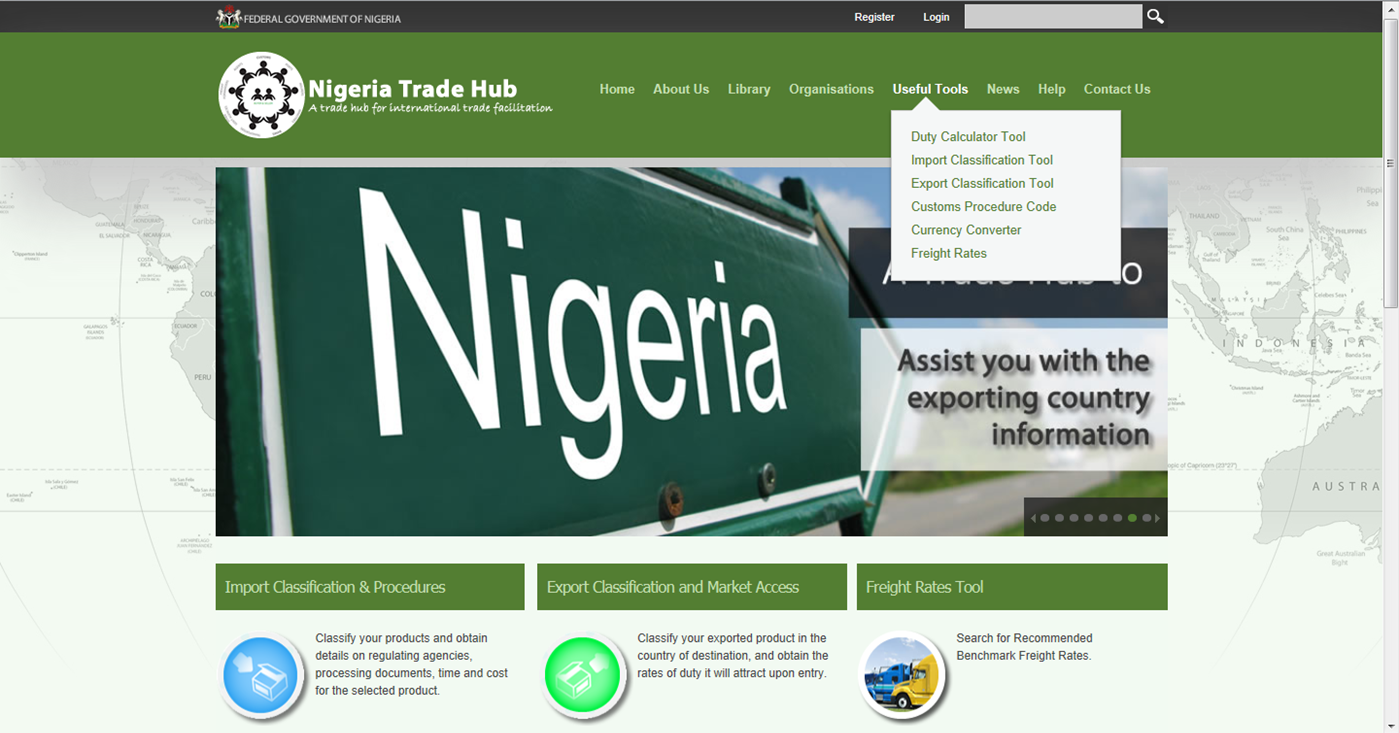
Nigeria Trade Hub 2Anyone familiar with the import and export business in Nigeria will recall how tedious the process used to be. It could take days or even weeks to complete due to ceaseless documentation that importers, exporters and their agents had to endure with the various regulatory agencies. Now, the Nigeria Customs Service (NCS) has developed a web-based application known as the Nigeria Trade Hub Portal, simplifying the entire process and providing information and guidance for international trade business processors in the areas of import, export and transit trade.

The www.nigeriatradehub.gov.ng portal, a non-restrictive and is an intuitive and interactive platform for classifying goods. Through it, trade processors are enabled to find exact Harmonised System Codes (HS Codes) required for related tariffs and duties.

This latest technology is expected to enhance compliance by traders and avail them the required information on tariff in areas like the prohibited items and taxes/levies due for payment upon importation. The application is also designed to touch on the aspect of trade facilitation such that trade processors can access information from all related government agencies. Guidelines and procedures for obtaining permits, licences and certificates of specified commodity and country of origin that a trade will require for business processing are also available on the portal.

The Nigeria Trade Hub portal allows traders to convert currencies to exchange rates set by the Central Bank of Nigeria (CBN) on a monthly basis, make payments, simulate tax and access the CPC Code. The application goes further to provide the tax and duties payable on any particular item, whilst presenting the user with the documents, i.e., the named permits or certificates required for the product, the issuing agency, the processing cost as well as the duration (no of days) for processing. This empowers the trader and provides them with sound information to assist them in competing on the international market.

A mobile Android App is also available on the Google Play store, and other platforms are to be rolled out soon. Source: Nigeria Trade Hub, Suleiman Uba Gaya and Valentina Minta (West Blue Consulting).

WCO/SACU Regional IT Connectivity Conference 2013

Delegates attending the WCO/SACU IT Connectivity Conference - May 2013

Delegates attending the WCO/SACU IT Connectivity Conference – May 2013

Representatives of the SACU member states recently met in Johannesburg to progress developments concerning IT Connectivity and Customs-to-Customs data exchange in the region. The session served as a follow up to the session held last year in February 2012 in Pretoria. The conference was convened by the SACU secretariat under the sponsorship of the Swedish International Development Agency (SIDA), and was once again pleased to have SP Sahu, senior technical expert from the World Customs Organisation, to facilitate the work session over 3 days. Representatives of UNCTAD ASYCUDA were also in attendance to observe developments. UNCTAD currently supports three (soon to be four) of the five SACU Customs administrations. The session provided an opportunity for delegates to progress this work as well as develop a terms of reference for an independent assessment of the two connectivity pilot projects that are currently being pursued between Botswana-Namibia and South Africa-Swaziland, respectively.

IT Connectivity serves as a catalyst for various customs-to-customs cooperation initiatives seeking to bring about a seamless end-to-end flow of information between point of departure and destination. Some examples include export/transit data exchange, approved economic operator, commercial fraud, eATA and at least 5 other key areas of customs mutual exchange.  The concept is driven out of the newly establish WCO model known as Globally Networked Customs (GNC). GNC was formally adopted by the WCO Council in June 2012 where a capacity building approach based on protocols, standards and guidelines (PSG) using utility blocks was recognised to provide the most realistic means to achieve efficiency gains, and a more effective way to manage the negotiation of international agreements between customs administrations.

There exist several pilot projects across the globe wherein customs agreements are being piloted under the GNC approach. Development of a Utility Block and supporting data clusters for interconnectivity within SACU and the broader Southern Africa sub-region already commenced at last year’s session. The concept gained sufficient traction and was soon adopted by both SACU and SADC  member states as the means to implementing IT connectivity within the respective regions.

A review of the Utility Block and data clusters was conducted to ensure alignment of customs data requirements across the member states. The resulting product now provides a standard ‘data set’ which members agree as the minimum data required to facilitate data exchange and advance risk management needs. It covers export and transit declaration requirements. Two important criteria exist for successful data exchange and data matching. The first being the availability of appropriate legal provision for two countries to exchange data. The second requires the use of an agreed unique identifier. The identifier is important for Customs as well as the trade community.

Delegates were also presented with current and future developments occurring at the WCO, in particular the on-going work being done to formalise standards for the “My Information Package” concept as well as the WCO Data Model, currently at version 3.3. Another interesting on-going development involves a unique Trader ID.  

Member states involved in respective pilot programmes are now preparing themselves for an up-coming evaluation, later this year.

Johburg Chamber to meet Parliment over Customs Bill

City Deep Container Terminal, Johannesburg

City Deep Container Terminal, Johannesburg

Online media company Engineering News reports that the Chamber of Commerce and Industry Johannesburg (JCCI) would take its objections of certain aspects of the recently tabled Customs Control Bill to Parliament and called on South African business and interested stakeholders to provide input as well.

The South African Revenue Services’ (Sars’) newly drafted Customs Control Bill, which, in conjunction with the Customs Duty Bill, would replace the current legislation governing customs operations, declared that all imported goods be cleared and released at first port of entry.

“The Customs Bill, cancelling the status of inland ports as a point of entry, will be before Parliament very soon, and only a short notice period for comment is expected,” JCCI former president Patrick Corbin said.

While all other comments and suggestions relating to the Bill were adequately dealt with, this remained the one disagreement that had not been satisfactorily resolved, he stated.

Corbin invited all parties to voice their concerns to ensure “all areas of impact and concern were captured”, adding further weight to the JCCI’s presentation. The implementation of the new Bill would directly impact the City Deep container terminal, which had been operating as an inland port for the past 35 years, alleviating pressure from the already-constrained coastal ports.

Despite customs officials assuring the chamber that the operations and facilities at City Deep/Kaserne would retain its licence as a container depot, Corbin stated that the Bill had failed to recognise the critical role City Deep played as an inland port and the impact it would have on the cost of doing business, the country’s road-to-rail ambitions, the coastal ports and ease of movement of goods nationally and to neighbouring countries.

“The authorities do not accept the fact that by moving the Customs release point back to the coast, a vessel manifest will terminate at the coastal port. There will not be the option of a multimodal Bill of Lading and seamless inland movements, as all boxes or the unpacked contents will remain at the coast until cleared and released by the line before being reconsigned,” he explained.

Citing potential challenges, Corbin said that only the containers cleared 72 hours prior to arrival would be allocated to rail transport and that those not cleared three days before arrival would be pushed onto road transport to prevent blocking and delaying rail operations.

This would also result in less rail capacity returning for export from Johannesburg, leading to increased volumes moving by road from City Deep to Durban.

He warned of the Durban port becoming heavily congested with uncleared containers, causing delays and potential penalties, while hampering berthing movements and upsetting shipping lines’ vessel schedules.

The release of the vessel manifest at the coastal port also placed increased risk on the shipping operators delivering cargo to Johannesburg following the clearance of goods at customs and required reconsignment at the country’s shores.

However, Transnet remained committed to investing R900-million for upgrading the City Deep terminal and the railway sidings, while Transnet CEO Brian Molefe had accepted the assurances from customs that “nothing would change and the boxes would still be able to move seamlessly once cleared”.

The Gauteng Department of Roads and Transport Department had allocated R122-million for the roadworks surrounding the inland port, while Gauteng MEC for Roads and Transport Dr Ismail Vadi said the department’s focus this year would narrow to the expansion and development opportunities at City Deep/Kaserne.

The department was also progressing well with the development of a second inland port, Tambo Springs Inland Port and Logistics Gateway, expected to be completed by 2017.

Vadi recently commented that the Gauteng Department of Roads and Transport, which was currently developing a terminal master plan for the project, would link the freight hub through road and rail transport to and from South Africa’s major freight routes and other freight hubs, including City Deep, which was about 33 km away.

The National Economic Development and Labour Council, under which the Bill had been drafted during a three-year development process, had agreed to fund an impact assessment study, led by Global Maritime Learning Solutions director Mark Goodger. The study was “close to completion” and would be presented alongside JCCI’s objections in Parliament. Source: Engineering News

Mozambique Customs gets a new DG

Guilherma Mambo presenting the Mozambique Single Electronic Window at the SADC ICT Conference, in Mauritius, 2012.

Guilherma Mambo presenting the Mozambique Single Electronic Window at the SADC ICT Conference, in Mauritius, 2012.

Guilherme Mambo has just been appointed Director General Mozambique Customs on the 10th May 2013. Until then he was Board Director of MCNet – Mozambique Community Network the PPP responsibly for implementation of Electronic Single Window for customs clearance in Mozambique where he were responsible for implementation and operations. In recent months he has lead Mozambique’s bi-lateral engagement on IT-Connectivity and Data Exchange with his counterparts at the South African Revenue Service (SARS).

For the past 10 years Mambo served as director IT Mozambique Customs and then for Mozambique Revenue Authority. On this role he participated in various modernization projects aimed at improving the business environment in Mozambique through improvement of public services particularly the complete organizational transformation of customs and internal tax areas.

Prior to working with customs and MRA, he worked in aviation industry and a UN lead project in Chechnya, Liberia, Angola were he was exposed multifaceted international experience.

As Director General – Mozambique Customs his responsibility is to manage the General Directorate of Customs (DGA) a paramilitary organization with around 2000 staff, one of the two major collectors of government revenue derived from external trade largely from customs duty, excise duty and the Value Added Tax (IVA).  DGA is also a law enforcement agency that undertakes the control of imports and exports for the protection of revenue to prevent evasion of duties and taxes and assists in the promotion of the community’s well-being to prevent the smuggling of controlled, prohibited and restricted goods (such as illicit narcotic drugs and firearms). The Director General heads the DGA and his assisted by three Deputy Director General each of one have a specific area of responsibility.

Single Electronic Window for New Zealand importers and exporters

Customs' JBMS will ultimately provide the Trade Single Window, through which importers and exporters can deal directly with government agencies, and Customs  and MPI can more ­effectively manage risks for goods crossing the border (credit: FTD Supply Chain Magazine)

Customs’ JBMS will ultimately provide the Trade Single Window, through which importers and exporters can deal directly with government agencies, and Customs
and MPI can more ­effectively manage risks for goods crossing the border (credit: FTD Supply Chain Magazine)

The Joint Border Management System (JBMS) programme is a replacement information system that will meet New Zealand’s future border management needs. Comprising a set of integrated information technology products, owned and hosted by Customs and jointly operated with the MPI, it will give Customs, MPI and industry better information and risk-assessment tools to protect New Zealand’s society, trade and biosecurity.

“An agile, effective and efficient border management system is essential for protecting New Zealand from economic, social and environmental harm, for maintaining and improving our international competitiveness, and for collecting over $9 billion a year of government revenue,” says Customs deputy comptroller Robert Lake. “We need a system that keeps us secure, can handle increasing numbers of people, goods and craft, and meets trading partners’ expectations of integrated systems.”

The JBMS will ultimately provide a single electronic point of contact – the Trade Single Window (TSW) – through which the import and export industry can deal directly with government agencies for customs and biosecurity requirements, and Customs and MPI can more effectively manage risks for goods crossing the border.

Companies will be able to submit a single application to both Customs and MPI to lodge import declarations. It’s faster and more efficient. And they can do so directly, not through a third party like they do now.”

The key functions of the Single Window were to have been progressively available to industry from April 2013, however, Customs said it would take three months longer than it originally anticipated for importers and exporters to experience any benefits from the initial $75 million investment in a new Joint Border Management computer system, JBMS.  IBM had been due to deliver the first tranche of JBMS, which is a joint initiative between Customs and the Primary Industries Ministry, last month. Customs deputy comptroller Robert Lake said the agencies had decided to push back the launch and deliver the project in stages. Click here for more details.

Risk management

Customs has taken a phased approach to designing and building the JBMS programme to ensure secure information management and to enable Customs to manage the risks of turning on a major new IT system. “Each stage – or tranche – will be thoroughly tested with industry until it is performing as expected. Industry will be able to migrate over to the new system over time. Our current systems will remain in place until the new system is fully proven,” Mr Lake adds.

Tranche 1 has been funded by the government and has been underway since July 2011. Costs of the JBMS are shared with industry, and cost recovery charges will start from 1 July.

“From April, the system will support border agencies to use shared information to work collaboratively in analysing travellers and goods. This will allow border agencies to target risk more accurately and will therefore provide greater consistency and certainty in the end-to-end border clearance process for all goods,” Mr Lake says.

In the second tranche, Customs plans to fully replace all background systems, and add further enhancements and the remaining business functions to the TSW. The second tranche is subject to further government approval and funding.

Trade Single Window

The TSW is one of the major components of the JBMS and will enable parties involved in international trade and transport to submit the craft and cargo clearance data that is required by New Zealand’s border agencies electronically, once, through one entry point. They will also be able to register themselves as users of the TSW, and maintain their own details.

As part of the first tranche, the TSW will include registration (of customers and users), most lodgements (craft and cargo clearances, such as import and export entries, and cargo reports), status enquiries and response functions. In the second tranche, Customs and MPI will investigate options for providing further functions, including remaining lodgements, a reference library, information updates, transaction history and other payments. Customs and MPI are also working on a plan to join up MPI’s animal products and plant export certification systems to the TSW.

“The TSW is expected to deliver significant benefits to importers, exporters and others in the international trade supply chain,” Mr Lake says. “These will include improved coordination of processes and earlier certainty of border agency requirements when advance data is provided. Compliant traders will be able to get their goods through the border with greater speed, consistency and certainty. However, the potential benefits for industry will depend on how individual participants use the information from the TSW to make their supply chains more effective and efficient.” The JBMS is expected to deliver significant benefits to the import and export industry over the next 10–15 years. Source: www.ftdmag.co.nz

For further information also visit New Zealand Customs website – Joint Border Management System (JBMS)