South Africa leads the Continent in Illicit Cigarette Trade

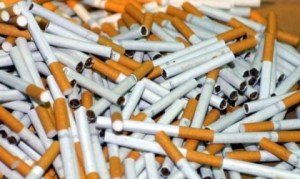
illicit cigarettesSouth Africa leads Africa in the illicit trade in tobacco and is listed among the top five illicit markets globally, according to the Tobacco Institute of Southern Africa, which represents tobacco growers, leaf merchants, processors, manufacturers, importers and exporters of tobacco products in SA.

More than R20bn in tax revenue has been lost in SA since 2010 due to the illicit trade in tobacco, the institute’s CEO, Francois van der Merwe, said on Wednesday. The problem is severe in SA, but Zambia, Namibia and Swaziland have estimated incidences of well above the global average of between 10% and 12%.

Mr van der Merwe said efforts to combat the illicit trade in tobacco were complicated by the links that the business had with transnational organised crime syndicates, some of which funded terrorism.

“The problem runs far deeper than enormous losses of fiscal income that could have been put to good use to bolster government efforts in education, infrastructure development and poverty alleviation,” said Mr van der Merwe.

He was speaking ahead of a meeting later in November of global, regional and local law enforcement, along with revenue and customs agencies in Cape Town, who will seek better ways to collaborate in addressing the illicit tobacco trade in sub-Saharan Africa.

“We have seen first hand what effective focus on combating illicit trade by government can achieve,” said Mr van der Merwe, ascribing a decrease in the illicit tobacco trade, from 31% to 23% this year, to better collaboration.

“This is in the most part due to the excellent efforts by the various law enforcement, customs and revenue, Treasury and defence departments in the South African government.”

Mr Van der Merwe said that although the declining numbers in SA were encouraging, this did not bode well for the rest of the region as organised crime was a moving target prone to shifting its focus to “easier” markets when it was under attack.

He claimed that those who traded in illicit products, whether cigarettes, alcohol, textiles or DVDs, or committed environmental crimes such as rhino poaching or abalone smuggling were most often also involved in other serious crimes and even the funding of terrorism and money laundering. Source: BDLive.co.za

Relate articles

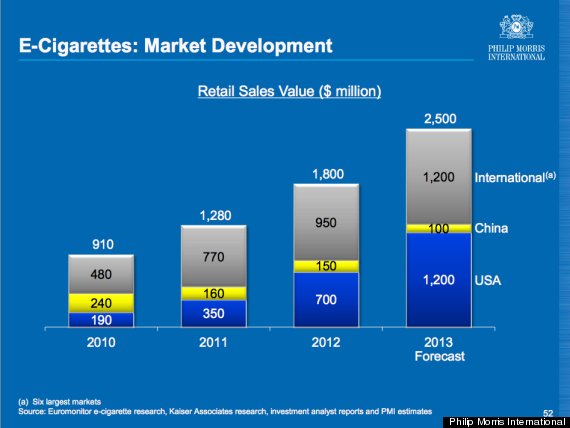
E-cigarettes increase on the back of traditional tobacco advertising – will regulation follow?

o-ECIGS-570It seems the ‘e-industry’ is the vehicle for the next generation of contraband and illicit goods and Im not alluding to the electronics and entertainment industry here. While the World Health Organisation urges a ban on marketing of e-cigarettes, will the need for governments to consider taxes on such become necessary …read on:

E-cigarettes are following in the footsteps of their none-lectronic predecessors by utilizing advertising means no longer available to traditional cigarettes and increasing their ad spending on techniques such as television commercials, promotions, events, sample giveaways, celebrity endorsers, and slogans such as “A perfect puff every time.”

Electronic cigarettes are battery-powered devices that heat a nicotine solution into a vapor inhaled by users. While the chemicals of tobacco cigarettes are not included, the addictive feature of nicotine remains. The use of e-cigarettes has climbed steadily, with 6 percent of all adult Americans and 21 percent of adult smokers trying them in 2011, nearly twice the rates in 2010, according to the Centers for Disease Control and Prevention.

Unlike tobacco cigarettes, which are heavily regulated, e-cigarettes are free from laws that limit their methods of marketing. As a result, brands such as Blu eCigs have spent $12.4 million on advertising for the first quarter of 2013, up from less than $1 million last year. They feature endorsements from actor Stephen Dorff and personality Jenny McCarthy. Traditional cigarette companies such as Lorillard and Reynolds are also getting in on the action by purchasing or launching their own lines of e-cigarettes.

The advertising itself even references tobacco cigarettes, with campaigns that seek to make smoking acceptable again. In a Blu eCigs ad, for example, Dorff praises e-cigarettes because they can be smoked “at a basketball game . . . in a bar with your friends . . . virtually anywhere,” adding, “Come on, guys, rise from the ashes.”

But with the increased profile may come regulation.

“It is beyond troubling that e-cigarettes are using the exact same marketing tactics we saw the tobacco industry use in the ’50s, ’60s and ’70s, which made it so effective for tobacco products to reach youth,” Matthew L. Myers, president of the Campaign for Tobacco-Free Kids, told The New York Times. “The real threat is whether, with this marketing, e-cigarette makers will undo 40 years of efforts to deglamorize smoking.”

WHO urges countries to adopt global guidelines that will end the indoor use of e-cigs. WHO also calls for a ban on marketing practices that could encourage children and non-smokers to use e-cigs.

States such as Indiana, New Jersey, North Dakota, Mississippi, and Utah have already extended restrictions on tobacco cigarettes to include e-cigarettes, while other states such as California and Pennsylvania are considering similar laws. Inhalation of e-cigarettes is prohibited on Amtrak trains and onboard U.S. planes.

The Food and Drug Administration is said to be planning the release of proposed regulations in October. Referencing a report from the financial group CLSA Americas, AdAge reported that the agency is expected to propose a ban on TV advertising to set limits on sales to minors, implement the possibility of a warning label, and restrict online sales. An FDA spokesperson said she could not comment on specifics of a proposed rule, but that the agency “intends to propose a regulation that would extend the agency’s ‘tobacco product’ authorities – which currently only apply to cigarettes, cigarette tobacco, roll-your-own tobacco, and smokeless tobacco – to other categories of tobacco products that meet the statutory definition of ‘tobacco product.’ Further research is needed to assess the potential public health benefits and risks of electronic cigarettes and other novel tobacco products.”

Why it matters: The increasing use and potential regulation of e-cigarettes may trigger another round of tobacco wars between industry and the government. Debate about the product remains – is it an alternative form of smoking, or a means of quitting, like nicotine gum? Should e-cigarettes be taxed and regulated like traditional tobacco products, with age limits, warning labels, and a ban on certain forms of advertising such as TV, or are they a separate and distinct category of products? If and when the FDA wades into the issue, the fight will truly begin. Source: Manatt Phelps & Phillips LLP

Related article

Tobacco Industry – When Thieves fall out?

Tobacco-Wars-350x207The Business Times article “BAT hauled to court over spy claims” published Sunday, 31 August reveals, if nothing else, a web of spying and skulduggery within the tobacco industry. Guaranteed we haven’t heard the last of this saga yet……read on:

British American Tobacco (BAT) could have its dirty linen aired in court following a sensational high court application launched by local “value brand” producer Carnilinx for alleged “corporate espionage”.

In the application, Carnilinx director Kyle Phillips claimed BAT paid Pretoria attorney Belinda Walter for commercially sensitive information she obtained while “infiltrating ” the company and the FairTrade Independent Tobacco Association (Fita) in 2012 and 2013. If this goes to trial, these spy claims could be extremely damaging for BAT, which is based in London and is the largest company listed on the JSE Securities Exchange, worth R1.26-trillion.

“BAT has used unlawful means to interfere in the business of the applicant. It has paid [Walter] monies to spy [on Carnilinx],” Mr Phillips claimed.

Ms Walter acted as the attorney to Carnilinx and as chairwoman of Fita, an industry body ostensibly established to represent South Africa’s smaller tobacco manufacturers.

Carnilinx is headed by Adriano Mazzotti, who donated cash to the Economic Freedom Fighters, which helped it to contest the May election.

Mr Mazzotti’s company is asking the court to interdict Ms Walter from providing any further information to BAT and to stop BAT unlawfully “interfering with its trade”.

Carnilinx’s application is based on Ms Walter’s “confession” during a meeting in February, in which she detailed her role as an informant for the government’s State Security Agency, which allegedly introduced her to Forensic Security Services (FSS).

This private security firm works for the Tobacco Institute of SA (Tisa), which represents the larger tobacco producers, notably BAT.

This journalist witnessed Ms Walter’s admissions at that meeting. In its legal papers, Carnilinx said FSS then “introduced Walter to BAT, to whom she would give information on the smaller manufacturers”.

Mr Phillips goes further, saying Ms Walter proposed creating Fita in the first place so “she could infiltrate all the smaller tobacco manufacturers”.

“The first Fita meeting was held late in 2012, at Walter’s offices, which Walter admits with her compliance and knowledge was bugged by FSS.

For the information she fed to BAT, Walter was paid,” he said. In Ms Walter’s opposing affidavit, filed on Friday, she claimed she was under “extreme emotional distress” during that meeting with Carnilinx in February, because of physical threats against her and her son.

She denied “any commercial or attorney-client relationship with BAT South Africa”, and said she was “nothing but a thorn in their side”.

When asked by the Sunday Times this week, Ms Walter did not deny that she fed information to BAT’s London office, or that she had knowingly allowed the first Fita meeting to be recorded by FSS. But she said the leaking of information was common practice among Fita members.

Instead, in her court papers, she mounted a scathing attack on her former client, Carnilinx.

“Carnilinx also attempts to paint a picture that they are ‘victims’, choir boys in the church choir. This is simply not the case,” she claimed.

Ms Walter said she could say “with confidence” that almost all Fita members provided information on each other to law-enforcement agencies about widespread “dealings in illicit products and criminal activities”.

She claimed Carnilinx employed “its own investigators to spy on competitors, rat out its competitors to law-enforcement agencies and provide substantial information on illicit trade of its competitors to the South African Revenue Service” (SARS), and that “at least one Carnilinx director is a paid SARS informant”.

Ms Walter resigned as attorney to Carnilinx, and soon after as chairwoman of Fita last November after becoming romantically involved with the head of SARS’s enforcement division, Johann van Loggerenberg.

That relationship ended “acrimoniously “, prompting Ms Walter to lay complaints with SARS against Van Loggerenberg, in which she claims he divulged confidential taxpayer information relating to his investigations into Carnilinx, among others.

Now Carnilinx is claiming Ms Walter “fed information on Carnilinx to SARS “. In response, Ms Walter alleged that Carnilinx was offered “tax leniency” in exchange for filing the application against her — an allegation Mr Mazzotti has denied.

Ms Walter has asked the court to order that if this case goes ahead, SARS and Mr Van Loggerenberg should be “forced to put pen to paper and make affidavits in response to my allegations of the corrupt conduct and collusion in this malicious and vexatious application”. Source: The Sunday Times (Business Times)

Related article
Smoked! Tobacco tax law cost U.S. billions in revenue

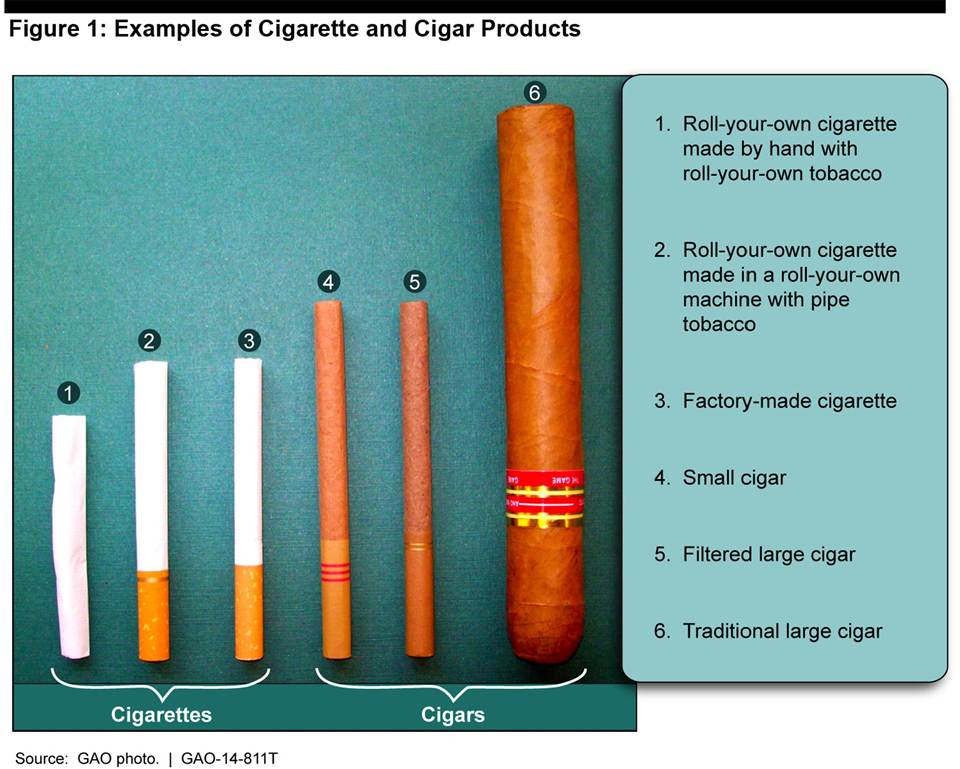
Examples of cigarette and cigar products - Photo: GAO

Examples of cigarette and cigar products – Photo: GAO

A 2009 law that raised federal taxes to discourage smoking cost the U.S. government billions of dollars in lost revenue as manufacturers relabeled products and consumers shifted to cheaper pipe tobacco and large cigars, the U.S. Government Accountability Office said in a report released on Tuesday.

The GAO estimated $2.6 billion to $3.7 billion in lost revenue from April 2009 to February 2014 as manufacturers exploited loopholes in the Children’s Health Insurance Program Reauthorization Act which raised taxes for smoking-tobacco products.

“Each of the three tobacco manufacturers that agreed to speak with us explained that their companies switched from selling higher-taxed roll-your-own tobacco to lower-taxed pipe tobacco to stay competitive,” the congressional watchdog agency said in the report, which was the focus of a Senate hearing on Tuesday.

At the hearing, Liggett Vector Brands LLC Chief Executive Ronald Bernstein urged lawmakers to take action against abuses by manufacturers.

He held up two seemingly identical, but differently labeled non-Liggett bags of tobacco. Showing a third sample, he pointed out that a label saying “all-natural pipe tobacco” covered up a statement that the bag “makes approximately 500 cigarettes.”

“Everyone knows this is cigarette tobacco,” Bernstein said. “The manufacturer knows. The consumer knows. And I know. I know because I tried smoking it in a pipe and it was not a pleasant experience.”

Some manufacturers also add a few ounces of tobacco to small cigars so they qualify as the larger product. Others even mix in clay or kitty litter to increase the weight, Michael Tynan, policy officer at the Oregon Public Health Division, told the hearing.

The GAO said the tobacco market shifted accordingly. Yearly sales of pipe tobacco rose more than eight-fold from fiscal 2008 to 2013, while sales of roll-your-own tobacco declined almost six-fold. Over the same period, large cigar sales doubled, while small cigar sales dropped to just 700 million from 5.7 billion.

Senate Finance Committee Chairman Ron Wyden, who convened the hearing, criticized the Treasury Department’s Alcohol and Tobacco Tax and Trade Bureau (TTB), which is responsible for collecting tobacco taxes and cracking down on evasion, for “footdragging.”

In recent years, the agency has pushed to apply “advanced investigative techniques to uncover illicit trade and fraudulent activity,” including deploying about 125 auditors and investigators, the TTB wrote in its Senate testimony.

Responding to a push to better differentiate between roll-your-own and pipe tobacco, the agency published an “advanced notice of proposed rule making” in 2010 and 2011. But no rule had yet been issued, the GAO wrote.

In 2015, the TTB will issue a proposed regulation cracking down on the illegal activities, TTB Administrator John Manfreda said on Tuesday. Source: nbcnews (contributed by Z Taylor)

Operation “Warehouse” – Joint Customs Operation prevents losses to the EU States

OLAFAlmost 45 million smuggled cigarettes, nearly 140.000 litres of diesel fuel and about 14.000 litres of vodka were seized during a major Joint Customs Operation (JCO). The Operation code-named “Warehouse” was carried-out in October 2013 by the Lithuanian Customs Service and the Lithuanian Tax Inspectorate in close cooperation with the European Anti-Fraud Office (OLAF), and with the participation of all 28 EU member states. As a result of Operation “Warehouse”, a significant potential loss to the budgets of the European Union and its Member States was prevented. According to preliminary estimates, this would have amounted to about € 9 million in the form of evaded customs duties and taxes. The final results of the Operation were discussed by the participants last week at a debriefing meeting in Vilnius and were made public today across Europe.

Algirdas Šemeta, Commissioner for taxation, customs, anti-fraud and audit, welcomed the very good results of the operation. “The fight against the smuggling of excise goods is one of our political priorities and we have launched a number of initiatives to better equip Europe against such harmful practices being run by organised criminal networks. JCO Warehouse is a good example of how the EU and Member States’ authorities can cooperate effectively to protect their revenue. Joint Customs Operations safeguard the EU’s financial interests and also protect our citizens and legitimate businesses”, he said. “Such Operations also highlight the added-value of OLAF in helping facilitate the exchange of information between our partners across Europe and in providing effective operational support.”

Operation “Warehouse” focused on cargo movement by road transport. It targeted the smuggling and other forms of illegal trade of excise goods such as mineral oil, tobacco products and alcohol throughout Europe. By using several complex scenarios in multiple EU Member States, fraudsters lawfully import goods into the EU but request a VAT and excise exemption by declaring the goods as subject to tax and duty exemption regimes (e.g. declaring the goods to be in transit). The trace of the goods is then lost through the fictitious disappearance of the traders or through a fictitious export. Fraudsters avoid paying VAT and excise duties, but the goods remain in the internal market, causing a substantial loss to the EU’s and Member States’ revenues.

JCO “Warehouse” was the first Operation carried-out in close cooperation with tax authorities to target excise and VAT fraud specifically, besides customs fraud. For the first time, customs and tax authorities cooperated on a European scale in a JCO. This is a significant achievement since the different competences and legal regimes applicable at national and EU level make it difficult to address complex fraud schemes with uniform measures. In this Operation, customs and tax authorities joined their expertise, resources and shared intelligence to prevent losses to the EU’s and Member States’ budget.

Eight seizures were made during the Operation. Among these, authorities seized 6.617.400 cigarettes in Sweden and Lithuania; 135.831 litres of diesel in Poland and the United Kingdom, and 14.025,6 litres of vodka in United Kingdom alone. Overall, 44.957.160 cigarettes were seized.

During the entire Operation “Warehouse”, OLAF provided organisational, logistical, financial and technical support to allow for an exchange of information and intelligence in real-time. This was coordinated from the Physical Operational Coordination Unit (P-OCU) at the OLAF premises in Brussels which facilitated direct communication with the national contact points. A group of liaison officers from some Member States representing all the participating 28 EU countries, worked from here during the Operation and experts from the Commission’s Directorate-General for Taxation and Customs Union provided support.

EUROPOL participated as an observer in the Operation. A representative of the office was present at the P-OCU during the operational phase of the operation. It was also possible to make direct cross-checks of suspect individuals and companies appearing during the JCO with EUROPOL via a secure internet connection. Source: EU Commission

Mugabe family linked to illicit SA cigarette trade

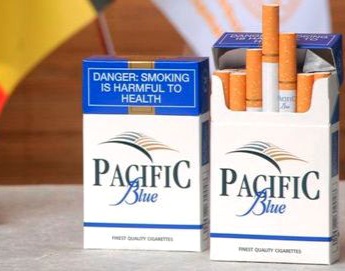
Pacific Blue_SnapseedRelatives of President Robert Mugabe are being linked to illegal tobacco smuggling networks suspected of bringing more than $48 million in contraband through South Africa’s borders, reports NewZimbabwe.com.

Harare-based Savanna Tobacco is owned by a prominent Zimbabwean businessman, Adam Molai, who is married to Sandra Mugabe, one of Mugabe’s nieces. Molai has previously worked with Sandra as co-director of the Zimbabwe Tobacco Growing Company. Savanna has allegedly moved tons of illegal tobacco into South Africa.

The company’s main brand, Pacific cigarettes, has been found in concealed consignments by police in South Africa and abroad, according to two private investigators who track tobacco busts and work for the industry to counter the trade in illicit tobacco. The products have been linked to a huge tobacco smuggling operation whose base in South Africa was shut down in 2010 by the South African Revenue Service (SARS), which is engaged in a crackdown on the country’s illegal tobacco markets.

Images taken at the scene of two busts in South Africa and one in Zimbabwe show the extent of the smuggling operation. SARS has refused to confirm or deny whether it is investigating Savanna, citing the confidentiality requirements of the Tax Administration Act.

The frequency of the busts, the methods used and the quantities of illegal Pacific cigarettes found have led sources close to the investigations to claim that Savanna has been centrally involved for at least four years. It also increases suspicions that Zimbabwe is using smuggling to keep its economy afloat. Mugabe has openly supported Savanna. A year ago, he accused rival British American Tobacco (BAT) of spying on Savanna and hijacking its trucks. “If this is what you are doing in order to kill competition and you do it in a bad way, somebody will answer for it,” Mugabe warned.

Boxes of cigarettes that can be made for as little as R1.50 are easy to slip into the local market to avoid the R13 tax a box. Whereas popular brands of cigarettes can retail at R35 a pack, illegal cigarettes sell for between R4 and R12 a pack. With margins approaching 1000%, the illicit trade has become one of the largest elements in organised crime in South Africa.

According to research commissioned by the Tobacco Institute of South Africa, which is predominantly funded by BAT, 9.5billion illegal cigarettes with a street value of about R4-billion were smoked locally last year.

Savanna has captured almost 10% of this market, according to the institute, with about 700 million of its illegal cigarettes smoked last year. Pacific’s illegal cigarettes are sold mostly on the streets of Cape Town.

In one of the biggest busts in October, 1.6million Pacific cigarettes were found hidden on a train in Plumtree. Pacific cigarettes have also been seized at the Beitbridge border post near Musina and in Boksburg, on the East Rand, during busts in November. Trucks were found carrying Pacific cigarettes in concealed compartments.

This month, a consignment of Pacific cigarettes was found hidden behind electronic goods on a truck in the Western Cape. Similar busts have been made in Mozambique and at a border post between Zambia and Namibia, according to private investigators.

Evidence from the Plumtree train bust showed that the smuggling route had its origin as Savanna’s factory in Zimbabwe and South Africa’s black market as its destination. In the Plumtree bust on October 12, Zimbabwean police confiscated 40 tons of illicit Pacific cigarettes that had come from Bulawayo. The train was said to be carrying gum poles.

Records reveal that between September 2012 and August 2013 at least 23 shipments with 44 wagons of “gum poles” had followed the same route. A number of these consignments appear to have arrived at the South African business PFC Integration. According to an investigator who has studied the operation, PFC is “not into the gum pole business at all”.


Mastermind and KRA Feud Over Tobacco Imports

Cigarettes+XXX+smokingWhile many nations are mulling over health legislation to curb tobacco use, it would seem the Kenyan authorities have opted for a conventional ‘delay-and-stall’ approach. From a trade facilitation perspective it is a disaster, but no doubt the ‘health propeller heads’ will be happy.

The Star (Kenya) reports that Mastermind Tobacco Kenya has accused the Kenya Revenue Authority of detaining its vehicles bringing in unprocessed tobacco from the Democratic Republic of Congo at the Malaba border for the last one month.

MTK Malaba liaison officer Robert Kiru said three trucks for its processing plant in Nairobi had been detained at the border since August 30 (2013) with no explanation coming from KRA.

“KRA Malaba station manager Philip Chirchir has not given concrete reasons why the trucks are held and neither have we been invoiced for any payment. Our three other trucks are still parked at Malaba Uganda with storage charges now totalling Sh300,000,” Kiru said. Addressing journalists at Malaba border Kiru dismissed as false claims by KRA that no bond had been paid on the impounded trucks. He however failed to show copies of the bond to prove payment.

MTK Corporate Affairs manager Josh Kirimania said he had talked to KRA top officers in Nairobi and wondered why none of them has ordered their officers in Malaba to release the trucks. “KRA have no tangible reasons to hold our trucks in Malaba. This is killing our business since we rely on imports from DRC and Uganda to sustain our business,” he said. Kirimania said KRA was ‘blocking’ their trade by continuously detaining their trucks at the Malaba border and called for an end to the practice. Chirchir could not be reached for comment as he was said to be in a security meeting. Source: The Star (Kenya)

Euromonitor’s latest insight on the Tobacco industry

World Tobacco

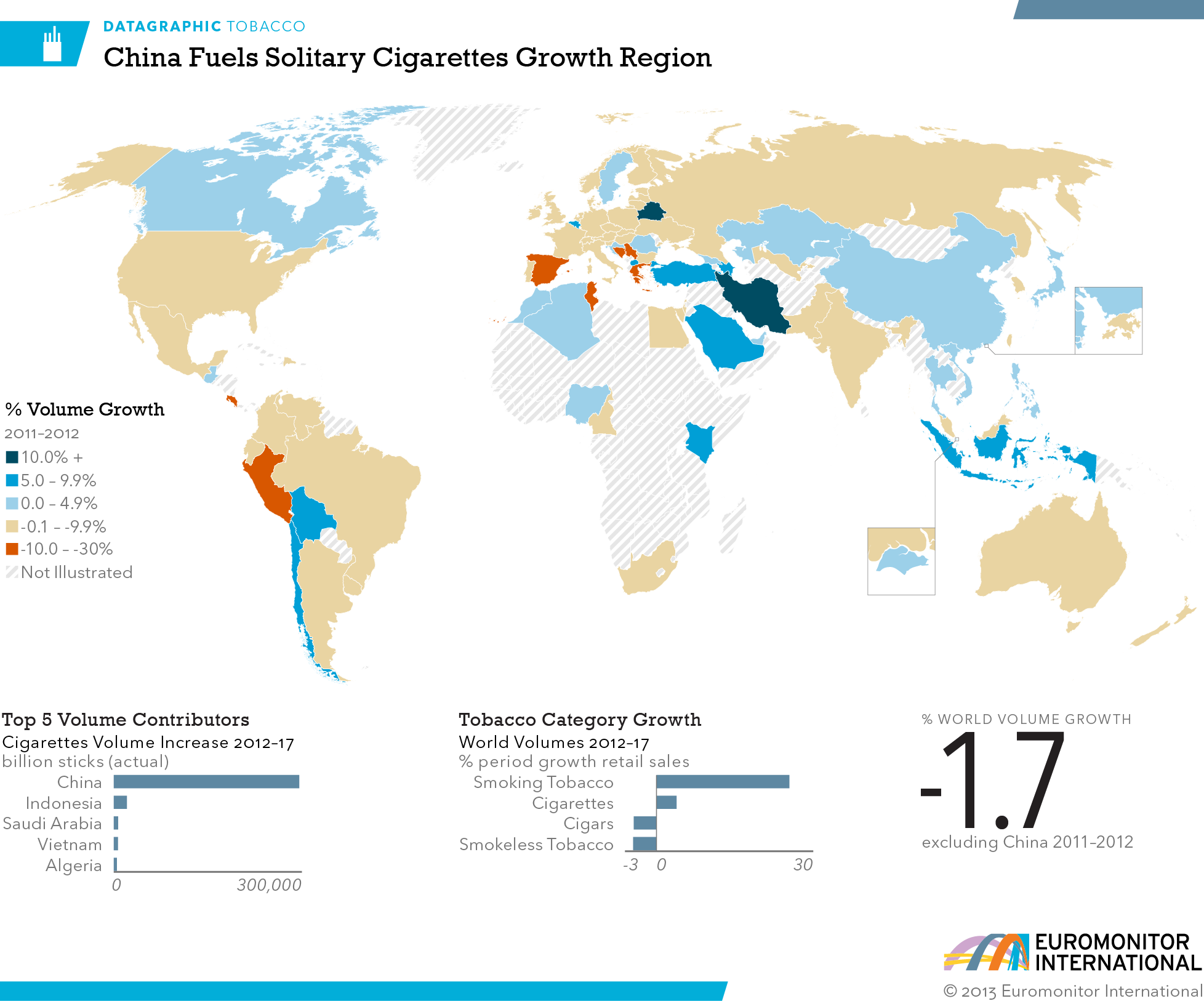
Euromonitor International‘s latest global Tobacco market research provides the latest insight on how the Tobacco industry performed in 2012 and identifies the key prospects through to 2017. The double whammy of continued global economic uncertainty and increasing tobacco control took its toll as the industry posted a year of weak growth, in which no region experienced volume increases with the solitary exception of Asia Pacific, itself bolstered by the cigarettes behemoth that is China. World cigarettes values, normally propelled by growing unit prices and consumer uptrading, also took a battering, unprecedentedly growing by the same amount as global illicit trade volumes. With the current debate surrounding the reduced risk credentials of non-combustible products such as electronic cigarettes and their classification (pharma vs tobacco), the industry finds itself at a crossroads, pursuing cigarette alternatives whilst maintaining its cash cow.

  • Worldwide, 5.8 trillion cigarettes were consumed in 2012, representing 0.19% growth on the previous year, though this was due to the effect of the world’s largest cigarettes market, China. Without China, the world witnessed a -1.7% decline in 2012 versus 2011.
  • Every region in the world, save for Asia Pacific, saw falls in cigarettes volume sales in 2012 (vs 2011), a decline expected to continue to 2017, with the sole exception of Middle East & Africa, which is expected to return to growth once political turmoil stabilises.
  • None of the BRIC markets registered cigarettes volume growth in 2012 (with the sole exception of China), a trend which will continue into 2017.
  • World cigarette value sales grew by almost the same amount in 2012 as global illicit trade volumes – at around 2.5% each. Values decreased in three regions – Western Europe, North America and Latin America – reflecting consumer down-trading.
  • Sales of premium cigarettes grew by nearly 10% globally in 2012, on the back of China’s double-digit premium growth, though this will not be sustained at the global level in the long term. For whilst China will grow its premium brands by nearly 30% over the next five years to 2017, world premium sales will register a 5% fall.
  • World RYO volumes conversely grew by 6% in 2012 (vs 2011), registering growth in all regions, particularly Eastern Europe where it saw double-digit growth. Growth will continue to 2017, albeit at a declining rate.
  • Sales of cigars and smokeless tobacco both saw volume declines of around 3% in 2012, affected by a combination of poor economic performance and declines in its major markets.

Source: Euromonitor International

The Tobacco Industry at a Crossroads – The Decline of Cigarettes and the Rise of Alternatives

burning20cigarettesEuromonitor International’s latest global tobacco market research shows world cigarette volumes have been kept afloat only by China, as global economic uncertainty and increasing tobacco control continues to take its toll. No region experienced volume increases in 2012 apart from Asia Pacific while world cigarettes values, normally propelled by growing unit prices and consumer upgrading, also took a battering, growing by only the same amount as global illicit trade volumes.

With the industry debating the reduced risk credentials of non-combustible products such as electronic cigarettes and their classification, the industry finds itself at a crossroads, pursuing cigarette alternatives while maintaining its cash cow. But can cigarette alternatives deliver? Does the slowdown in cigarette values suggest pricing strength is over? What is happening to innovation and premiumisation?

Euromonitor International’s webinar will aim to answer these questions while setting the global tobacco market in context, reviewing overall performance by region alongside country case studies, related trends in duty-paid volume sales, smoking populations and illicit penetration. Click this link to register for the webinar. Market performance will be reviewed against legislative changes, manufacturer strategies, and trends in product innovation, with a view to what the industry can expect to 2017.  Source: Euromonitor International


10 Downing Street accused of ‘caving in’ to cigarette lobby as plain packs put on hold

English: The Globe House, headquarters of Brit...

The Globe House, headquarters of British American Tobacco in London, as seen from River Thames (Photo Credit: Wikipedia

Anti-smoking campaigners have accused the UK government of caving in to pressure from the tobacco lobby and running scared of Ukip after plans to enforce the sale of cigarettes in plain packs failed to make it into the Queen’s speech. Minutes released by the Department of Health show that one of the industry’s leading players had told government officials that, if the move went through, it would source its packaging from abroad, resulting in “significant job losses.”

Cancer charities and health experts were expecting a bill to be introduced last week that would ban branded cigarette packaging, following a ban introduced in Australia last December. The plain packaging idea comes from Australia, the country where it was first tried out. Cigarettes there have to be in a drab olive-coloured packaging, and the brand name is in a uniform typeface. The packets are also adorned with graphic images of the effects of lung cancer.

At least one health minister had been briefing that the bill would be in the Queen’s speech. But the bill was apparently put on hold at the last minute with the government saying it would be a distraction from its main legislative priorities.

It has emerged that senior Department of Health officials held four key meetings with the industry’s leading players in January and February, when at least one of the tobacco giants spelled out to the government that its plan would result in thousands of jobs going abroad.

Department of Health minutes released last week reveal that Imperial Tobacco, British American Tobacco (BAT), Philip Morris International and Japan Tobacco International were each invited to make representations to the government, in which they attacked the plan and its impact on the UK economy.

Only the minutes of the meeting with Imperial have been released. They record that Imperial warned if plain packs were introduced it would source packaging from the Far East resulting “in significant job losses in the UK.” (Hmm….the Brits thought little of this when imposing new packaging and labelling for UK bulk-liquor imports from abroad, which will have similar consequential effects (job losses) on foreign economies. Rather hypocritical I would think!)

A tobacco giant, Imperial, also outlined how its packaging research and development department supported small and medium-sized enterprises in the UK and argued that standard packs would “result in some of these being put out of business”.

It added that the plan would boost the illicit trade in cigarettes, which already costs the Treasury £3bn in unpaid duty and VAT a year. And it noted that 70,000 UK jobs rely on the tobacco supply chain, implying some of these would be threatened if the illicit market continued to grow. When asked to hand over its assessment of the impact of the plan, Imperial refused, citing commercial sensitivity.

The decision to delay the introduction of plain packs is a major success for the tobacco lobby, which has run a ferocious campaign against the move. Cigarette makers fear that the loss of their branding will deprive them of their most powerful marketing weapon. The industry has backed a series of front campaign groups to make it appear that there is widespread opposition to the plan, a practice known in lobbying jargon as “astroturfing”. Many of the ideas were imported from Australia, where the tobacco giants fought a bitter but ultimately unsuccessful campaign to resist plain packs. Much of the Australian campaign was masterminded by the lobbying firm Crosby Textor, whose co-founder Lynton Crosby is spearheading the Tories’ 2015 election bid.

Crosby was federal director of the Liberal party in Australia when it accepted tobacco money. Crosby Textor in Australia was paid a retainer from BAT during the campaign against plain packs. Some anti-smoking campaigners are now questioning whether the decision to drop the plain packs bill was as a result of shifting allegiances at Westminster.

“It looks as if the noxious mix of right-wing Australian populism, as represented by Crosby and his lobbying firm, and English saloon bar reactionaries, as embodied by [Nigel] Farage and Ukip, may succeed in preventing this government from proceeding with standardised cigarette packs, despite their popularity with the public,” said Deborah Arnott, chief executive of the health charity Action on Smoking and Health. A Department of Health spokeswoman denied that tobacco lobbying had been a factor in the decision to pull the bill. “These minutes simply reflect what the tobacco company said at the meeting, not the government’s view,” she said. “The government has an open mind on this issue, and any decisions to take further action will be taken only after full consideration of the evidence and the consultation responses.” Source: The Guardian, UK

Mastermind Steps Up War Against Counterfeit Goods

cigaretteNow isnt this a surprise? – Mastermind Tobacco has stepped up the fight against counterfeit cigarettes in the Kenyan market, it announced yesterday (February 27, 2013). It said it has set up security teams in Nairobi, North Lake Zone, South Lake Zone, Meru, Central and Rift Valley. Focus will also be on borders such as Malaba, Chepkube and Lokichogio, the airports and ports.

“The investment in supply chain preventive security measures from the point of manufacture to the point of distribution has seen an improvement in preventing legitimate trade from being infiltrated by counterfeits,” said Mastermind in a statement. Quite rich for a company which was persona non-grata in South Africa for instance. Security teams for what? To assist delinquent Customs officials on what they do when the Mastermind truck arrives at the border?

Just a month earlier (January 2013) Mastermind featured a job advert on jobskenya24.com  (click hyperlink to read the job criteria) wherein one of the key criteria under qualifications and experience reads as follows –

“At least 10 years experience in Kenya Police Service, five (5) of which should have been as Assistant Commissioner of Police (ACP) especially in the Criminal Investigations Department or Anti-Bank Fraud Unit.”

So there you have it, somebody on the inside of government ear-marked for the job of overseeing investigations and no doubt border operations. See links below  on Mastermind’s historical exploits –


South Africa Now the Major Export Market for Zim Tobacco

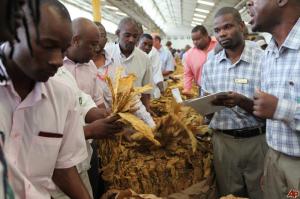
Zimbabwean auctioneers selling tobacco

Zimbabwean auctioneers selling tobacco

This should bring happiness to the local Ministry of Health.

South Africa has displaced China as the dominant export market for Zimbabwean tobacco, reports the Tobacco Industry and Marketing Board. Information from the TIMB indicates that as at February 27, South Africa maintained the top position having bought 7,5 million kilogrammes of the golden leaf valued at US$22,8 million.

The tobacco was sold at an average price of US$3,02 per kilogramme. South Africa has been dominating the regional market. The country has since overtaken China, which has dropped to third position. The United Arab Emirates occupies second spot having maintained its place among the top buyers of the golden leaf.

The top five tobacco export markets for Zimbabwe’s tobacco are South Africa, UAE, China, Hong Kong and Sudan. Last year, China, Belgium, Indonesia, South Africa and Russia were among the top five during the same period. Zimbabwe has so far earned US$82 million from tobacco exports to different destinations. The country produces tobacco and exports semi-processed leaf.

Japan is offering the highest price for tobacco at US$10, 03 per kilogramme, followed by China offering US$9,20 per kilogramme and India offering US$8,86 per kilogramme. In 2012, agriculture grew by 4,6 percent with tobacco being the main component behind this growth. The crop accounted for 10,7 percent of the GDP in 2012 and constituted 21,8 percent of all total exports, compared to 9,2 percent for other agriculture commodities. This compares favourably with the 61,1 percent contribution by all minerals combined.

The economic benefits of tobacco are expected to increase in view of more and more growers increasing their production or, diversifying or switching to the crop. Source: AllAfrica.com

Tobacco in South Africa

smoke-cigaretteCigarette volume sales increase in 2011 – Retail volume sales grew by 1% in 2011, following declines throughout the review period. Retail value sales grew significantly due to a general price increase to cater for taxation increases, as well as rising production costs for manufacturers.

Porous borders continue to influence the growth of illicit cigarette sales – Volume sales of illicit cigarettes continued to grow during 2011, despite efforts by the police and tobacco industry stakeholders to combat illicit trade. Porous borders have been identified as the key factor behind the rise in the amount of illegal cigarettes being smuggled into the country. The Beitbridge border post between South Africa and Zimbabwe was identified as the main point of entry for illicit cigarettes from Zimbabwe.

High import duties restrict the growth of the cigars category – The performance of the cigars category remains suppressed due to high import duties on all cigars. The unit price on most cigars increased significantly in 2011 to accommodate import duty increases. Local distributors were reluctant to import new cigar brands due to a low turnover for existing brands. Consumption of cigars declined in 2011 due to higher unit prices for leading brands, with only festive seasons seeing some respite.

Consumers continue to favour buying tobacco products from supermarkets – The supermarkets channel remains the major point of access for most tobacco products in South Africa. Supermarkets tend to sell tobacco products at relatively low profit margins when contrasted with other channels, such as tobacco specialists. With the rising cost of living, smokers still prefer to use supermarkets to buy tobacco products due to the lower prices.

Retail volume sales expected to decline over the forecast period – Slower but relatively stable growth is expected for retail plus illicit volume sales over the forecast period, however retail sales alone are expected to decline. Category performance is expected to be restricted by legislative restrictions, such as a ban on the advertising of tobacco products in any way other than at points of sale. The Government of South Africa is also considering a total ban on the display of tobacco products at points of sale. Thus, retail volumes are expected to decline, while illicit sales will continue to rise during the forecast period.

For a meagre sum of US$1,900 why not purchase the full report Discover the latest market trends and uncover sources of future market growth for the Tobacco industry in South Africa with research from Euromonitor‘s team of in-country analysts. Find hidden opportunities in the most current research data available, understand competitive threats with detailed market analysis, and plan your corporate strategy with expert qualitative analysis and growth projections. If you’re in the Tobacco industry in South Africa, this research will save time and money, empowering informed, profitable decisions – so the blah says.

Source: Euromonitor.com

Transgenic tobacco – an inexpensive cure for rabies?

New research has found that tobacco plants can be genetically modified to produce antibodies against the rabies virus. (Source - Gizmag.com)

New research has found that tobacco plants can be genetically modified to produce antibodies against the rabies virus. (Source – Gizmag.com)

We are familiar with the tobacco plant being harvested to create products that damage our health, but a new study from the Hotung Molecular Immunology Unit at St George’s University in London has shown that tobacco plants can be genetically modified to produce rabies antibodies. It’s hoped that the research will deliver a safe, inexpensive way of treating rabies in developing countries.

If untreated, rabies can infect the central nervous system and lead to death. According to the World Health Organization, rabies occurs in more than 150 countries and territories around the world, killing 55,000 people every year, mostly in Asia and Africa. Treating it with human rabies immunoglobulin (HRIG) is expensive, a factor which the St George’s researchers believe can be addressed using this new approach.

The new study involved “humanizing” the genetic sequences for the murine monoclonal antibody – an antibody found in rodents that has been found to immunize against rabies – so that it could be tolerated by people. The tobacco plant was then turned into a “production platform” to carry the antibody.

The antibody produced from the genetically altered (or transgenic) plants was then investigated for its impact on rabies. It was found to be effective in treating a broad range of rabies viruses by preventing the virus from attaching itself to nerve endings around the bite, which stops it from traveling to the brain through the nerves.

“An untreated rabies infection is nearly 100 per cent fatal and is usually seen as a death sentence,” says St George’s PhD researcher Leonard Both. “Producing an inexpensive antibody in transgenic plants opens the prospect of adequate rabies prevention for low-income families in developing countries.”

The findings could lead to further research involving other plants, although tobacco remains an attractive proposition as it is not a food crop. The study was recently published in The FASEB JournalSource: St George’s University

While health advocates and tree huggers will be delighted with this development, it will hardly generate sufficient opportunity for ‘real’ tobacco farmers. Secondly (and most importantly), those governments who are pushing for stringent tobacco legislation need to realise that their ‘cash crop’ and revenue income by-product is about to dry up…..how else are they going to extort much-needed tax revenues?

Tobacco industry uses trade pacts – to snuff out anti-smoking laws

Anti-tobaccoAs countries around the world ramp up their campaigns against smoking with tough restrictions on tobacco advertising, the industry is fighting back by invoking international trade agreements to thwart the most stringent rules.

A key battlefront is Australia, which is trying to repel a legal assault on its groundbreaking law requiring cigarettes to be sold in plain packs without distinctive brand logos or colors. Contesting the law, which came into effect Dec.1, are the top multinational cigarette makers and three countries — Ukraine, Honduras and Dominican Republic — whose legal fees are being paid by the industry.

The dispute underlines broader concerns about trade provisions that enable foreign companies to challenge national health, labor and environmental standards. Once a country ratifies a trade agreement, its terms supersede domestic laws. If a country’s regulations are found to impose unreasonable restrictions on trade, it must amend the rules or compensate the nation or foreign corporation that brought the complaint. In the case of Australia’s plain packaging law, the tobacco industry and its allies are challenging the measure as a violation of intellectual property rights under trade agreements the nation signed years ago.

Public health advocates fear the legal attack will deter other countries from passing strong measures to combat the public health burdens of smoking. The “cost of defending this case, and the risk of being held liable, would intimidate all but the most wealthy, sophisticated countries into inaction,” said Matthew L. Myers, president of the Campaign for TobaccoFree Kids in Washington D.C.

The advocates also say countries should be free to decide how best to protect public health, without being second-guessed by unelected trade panels. Moreover, they argue, tobacco products, which kill when used as intended, should not be afforded the same trade protections as other goods and services. Worldwide, nearly 6 million people a year die of smoking-related causes, according to the World Health Organization, which says the toll could top 8 million by 2030. With fewer people lighting up in wealthy nations, nearly 80 percent of the world’s 1 billion smokers live in low and middle-income countries.

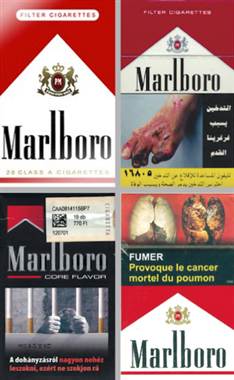
Marlboro, the world’s top-selling brand, packaged under labeling laws of (clockwise) the U.S., Egypt, Djibouti, Hungary/Photos of non-U.S. packs, Canadian Cancer Society

Marlboro, the world’s top-selling brand, packaged under labeling laws of (clockwise) the U.S., Egypt, Djibouti, Hungary/Photos of non-U.S. packs, Canadian Cancer Society

Countries have been emboldened to pass more stringent measures by the Framework Convention on Tobacco Control. In effect since 2005, the treaty has committed about 175 nations to pursue such measures as higher cigarette taxes, public smoking bans, prohibitions on tobacco advertising, and graphic warning labels with grisly images such as diseased lungs and rotting teeth (The U.S. has signed the treaty, but the Senate has not ratified it. The U.S. Food and Drug Administration has ordered graphic warnings for cigarette packs, but an industry court challenge on 1st Amendment grounds has stalled the rule.)

Cigarette makers say they acknowledge the hazards and the need for regulations. “We actually support the vast majority of them,” said Peter Nixon, vice president of communications for Philip Morris International, which has its headquarters in New York, its operations center in Switzerland, and is the biggest multinational cigarette maker with 16 percent of global sales.

But the industry has watched with growing concern as more than 35 countries have adopted total or near-total bans on cigarette advertising. Its big profits depend on consumer recognition of its brands. Yet in many countries, the once-ubiquitous logos and imagery are receding, leaving the cigarette pack as a last refuge against invisibility.

Now the pack, too, is under attack. Along with plain packaging laws such as Australia’s, countries are weighing retail display bans that keep cigarette packs out of view of consumers, and laws requiring graphic health warnings so large that there is barely any room for trademarks. Tobacco companies contend that countries enforcing such rules are effectively confiscating their intellectual property and must pay damages.

The industry also claims that measures like plain packaging are counterproductive. “We see no evidence — none at all — that this will be effective in reducing smoking,” Nixon of Philip Morris International said in an interview. In fact, he said, generic packaging likely will increase sales of cheap, untaxed counterfeit smokes, thus increasing consumption (my emphasis added).

Comment: And for me this is the bottom line. Governments are happy to collect the ‘sin tax’ every year, most increasing it annually under the pretext of curbing the use of alcohol or tobacco products. Forcing draconian law will only increase the contraband ‘underground’ which these same governments have little control over. The worldwide push under the WHO banner appears to have more of a ‘social conditioning’ connotation than a health one.