South Africa’s New Integrated Customs Border Management Solution

Amidst diverse expectations and feelings of excitement, anxiety and anticipation, the South African Revenue Service (SARS) migrated to its new integrated Customs and Border Management solution over the weekend of 17 August 2013. A new modern electronic solution Interfront can now rightfully claim some success even if it is an unseen component within a multi-layered, multi-technology solution of which South African Customs is now the proud owner. After 9 months of rigorous parallel testing between old and new, and a period of dedicated external testing with Service Providers of the customs business community, the decision to implement was formally agreed with trade a fortnight ago.

Interfront Customs and Border Solution (iCBS) replaces several key legacy systems, one of which has served South Africa for more than 30 years. The vast business and technical competence and skills which faithfully maintained and supported the old systems are to some extent in the wilderness now, but will hopefully find place within the new technology environment. While technology nowadays is particularly agile, and human physical placement at the coal face is under threat, organisations like SARS will always require customs technical business and policy competence to maintain the cutting edge.

There still remains an enormous amount of work to do regarding the alignment of the new clearance system with the specific guidelines, standards and principles of the WCO. With regional integration becoming more prominent on the sub-Saharan African agenda, the matter of ‘facilitation’ and ‘non-tariff barriers’ will inevitably become more prominent discussion points. Other salient features of the SAFE Framework of Standards such as Authorised Economic Operators and IT connectivity have already emerged as key developmental goals of a number of regional customs and border authorities. The timely introduction of Interfront places SARS in a pivotal position to influence and enable the required electronic linkages, crucial for the establishment of bi-lateral and multilateral trade agreements, transport corridors, and, support for ‘seamless’ multi-modal movement of cargo from port of discharged to its place of manifestation with limited intervention, based on the principles of risk management. Enjoy the Interfront video feature.


100% Scanning – Have all the Options been considered?

Port of Oakland - VertiTainer's  crane mounted scanner solution employs advanced passive scanning technology and sophisticated identification algorithms to detect and identify gamma and neutron sources in shipping containers as they are loaded or discharged from a container ship.

Port of Oakland – VertiTainer’s crane mounted scanner solution employs advanced passive scanning technology and sophisticated identification algorithms to detect and identify gamma and neutron sources in shipping containers as they are loaded or discharged from a container ship.

While the question of mandatory weighing of containers features high on the International Maritime Organisations’ (IMO) list of priorities, a recent post “Container Weighing – industry solution on the horizon“, reminded me of a solution which has been around for some time now, but for various reasons would appear to have been overlooked by authorities – or so it would appear. Readers and followers of this blog may well already have viewed the feature on VeriTainer’s gantry crane mounted radiation detection and identification system, called the VeriSpreader® – refer to the New generation NII technology page of this Blog.

The spreader is a device used for lifting containers and unitized cargo. The spreader used for containers has a locking mechanism at each corner that attaches the four corners of the container. A spreader can be used on a container crane, a straddle carrier and with any other machinery to lift containers. (Wikipedia)

The recent maritime disaster involving the breaking-in-half, and eventual sinking of the MOL Comfort gave rise to the question of overloaded container boxes. While government and international security-minded organisations have pursued methods to address breaches in the supply chain, it would seem that little ‘innovation’ has been applied to the problem – specifically in regard to minimizing the time and cost of routing containers via purpose-built inspection facilities.

At least three known radiation incidents have hit the headlines in recent times – namely Port of Genoa (2010), Port Elizabeth, New Jersey (Feb, 2013), and the most recent in the Port of Voltri (July, 2013). Each of these incidents warranted an emergency response from authorities with a consequential impact on Port Operations.  Unfortunately, advanced risk management systems and other security safeguards did not alert suspicion, allowing these ‘threats’ into the heart of the port, not to mention the radiation threat to port workers?

It could be argued that since the inception of government-led supply chain security, 2002 onwards, many of the world’s supply chains have built in ‘possible inspection’ into their export lead times. A trip to a purpose-built inspection facility will normally require diverting transport from its predestined journey to a land border crossing or seaport. Moreover, lack of predictability often causes delays with possible loss of business where ‘security’ measures delay the movement of cargo.

Several Customs and Border authorities have instituted ‘export-led’ compliance programmes which seek to create better regulatory awareness and expectation for shippers. While not without merit, these still impose an inherent cost to trade where in some instances, shipper’s are compelled to institute ISO-type security standards which for some require dedicated and skilled experts to entrench and maintain these throughout the organisation. So, while the development of increasing levels of compliance amongst supply chain operators will occur over time, what of government ‘Non-Intrusive’ inspection capability?

Port Technology International‘s Feb 2013 article – Future X-Ray Inspection Equipment to be based on Industry Standards – opined that “future developments in cargo screening are likely to follow a common innovation trajectory that is fostered by market needs and new technology, while being strengthened by existing intellectual property and evolving industry standards. Innovation is often perceived as a circular path beginning with customer needs that are identified by a technology developer. The developer then creates application technology in the form of products to meet those needs”.

Land and rail-based cargo screening technology has improved immensely over the last 10 years with improved safety (shielding), throughput (speed) and portability. Engineers have likewise realized the need to ‘fuse’ imaging and radiation threat detection technologies, all offering a more cost-effective package to the end-user. These are by and large the Customs and Border authorities worldwide who protect our territorial waters and ports. Yet, the approach remains ‘modality driven’ which has ensured a period of predictability for designers and manufacturers, not to mention their revenue streams. Given the container weighing – port radiation threats discussed earlier, perhaps it is time now for transport and enforcement authorities to consider technologies as developed by VeriTainer and Lasstec and define a specification for “100%” needs – could this be uniform? Not unlike Lasstec’s container-weighing solution that allows the weighing of containers during the loading cycle so not to disrupt the work flow, Veritainer’s VeriRAD solution uses a gantry crane ‘spreader’ to house its unique solution with specific emphasis to mitigate the threat of a ‘dirty bomb’.


Rotterdam – The signficance of ‘hinterland’ container services

Picture1BILK (Budapest Intermodal Logistics Center) Kombiterminál has become the first Hungarian terminal to join the InlandLinks network, comprising of nearly 40 terminals across the Netherlands, Belgium, Germany, Poland, Italy and Hungary.

InlandLinks, an initiative of the Port of Rotterdam Authority which was developed two years ago in cooperation with VITO (Dutch Inland Container Terminal Organisation), is an online platform for container terminals in the hinterland, offering intermodal services to and from the Port Rotterdam – Europe’s largest port complex

Rotterdam expects to see container flows triple over next 25 years in line with growth in world trade and the increasing size of container vessels. Of the 30 million TEU anticipated to be handled by the Dutch port in 2035, approximately 2 million are expected to be shipped in and out using smaller vessels from and to European ports. Some 18 million TEU will travel to and from the hinterland via intermodal transport, and the Port of Rotterdam hopes that InlandLinks will help to provide greater insight into better and more sustainable connections for this projected flow of cargo.

BILK, located in a suburb in the southeast of Budapest, consists of a railway station/marshalling yard, a bi-modal terminal for combined traffic, and a 70-hectare logistics centre. The terminal has the capacity to handle an annual traffic of 220,000 TEU. Source: Porttechnology.org


East African Single Customs Territory Will Cut Delays

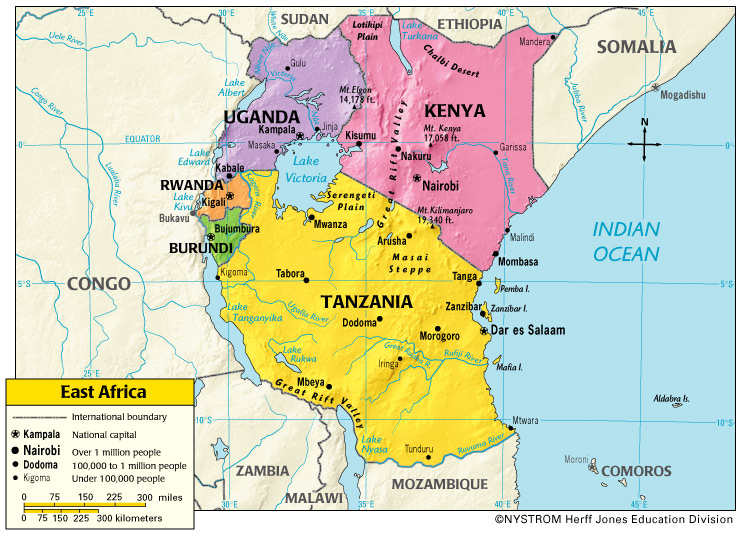
East%20Africa%20mapIn the spirit of stronger East African integration, the revenue authorities of Kenya, Uganda and Rwanda have started preparations for the implementation of a Single Customs Territory. The Commissioners’ General of the three East African countries deliberated on the mechanisms to operationalize the decisions of the heads of state who have continuously called for its fast tracking.

On June 25, 2013 at the Entebbe State House in Uganda, a Tripartite Summit involving the three heads of state issued a joint communiqué directing among other things the collection of customs duties by Uganda and Rwanda before goods are released from Mombasa. The leaders also agreed that traders with goods destined for warehousing should continue executing the general bond security.

During the meeting, the Commissioners’ General of the three countries put in place joint technical committees on ICT, Business Process, enforcement, change management, legal and human resource to discuss the implementation road map.

In a statement signed by the three Commissioners’ General, they said that the development of a Single Customs Territory will positively impact on the trading activities of the three countries as it will ensure that assessment and collection of taxes is done at the country of destination before cargo moves out of the port.

“As a result, the East African Community Customs Union will join the ranks of other Customs Union such as South African Customs Union and the European Union among others. Under this arrangement, restrictive regulations are eliminated as the corridor is now considered for customs purposes. For clarity, circulation of goods will happen with no or minimal border controls,” reads the statement in part.

Kenya said it would cut red tape holding up millions of dollars of imports into its landlocked neighbours Rwanda and Uganda, by letting the countries collect customs on goods as they arrive in its port at Mombasa. Goods can currently face long delays as agents process the paperwork to release cargoes from warehouses at east Africa’s biggest port, and later make separate arrangements to pay import duties at Kenya’s borders with Uganda and Rwanda.

Officials said the new system, due to be introduced in August, would clear inefficiencies and blockages seen as a major barrier to trade in the region. But clearing agents in Kenya said it could also cost thousands of jobs in warehouses, freight firms and almost 700 clearing and forwarding companies operating in the country.

Kenya, Uganda and Rwanda, together with Burundi and Tanzania, are members of the regional East African Community trade bloc, with a joint gross domestic product of $85 billion.

Kenyan tax officials said the new system would allow a “seamless flow of goods” and make it easier to stop goods getting through the system without customs payments. “Once cleared at the port, there will be no stoppages at borders and checkpoints along the corridor,” the Kenya Revenue Authority’s commissioner of customs, Beatrice Memo, told a news conference.

Under the system, Rwandan and Ugandan clearing agents and customs officials would be able to set up their own offices to clear cargo and collect taxes directly at the port. The Kenya International Freight and Warehousing Association said that meant up to half a million jobs could be lost to Uganda and Rwanda. “The Government has not consulted us … and we totally reject it,” said  Association chairman Boaz Makomere. Sources: East African Business Week (Kenya) & The New Vision (Uganda).

Hurdles before trans-border trade facilitation

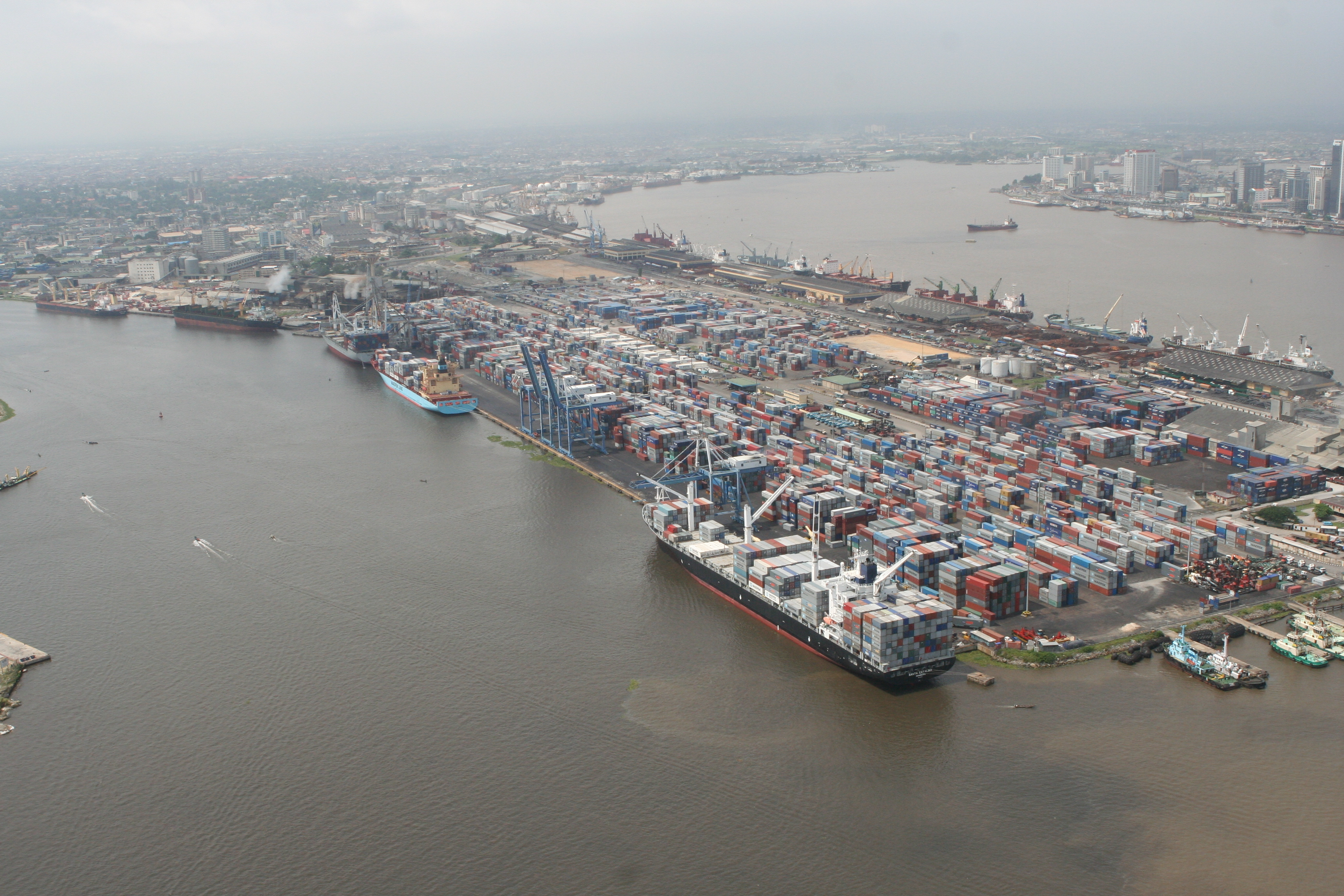
Port of Lagos, Nigeria

Port of Lagos, Nigeria

The following article, allbeit long, provides a good overview of trade facilitation developments in Nigeria. I doubt that there is a single country on the African continent that cannot draw some parallel experience contained in this article.

Trade across borders is not a new phenomenon. But the World Trade Organization is now championing the concept of trade facilitation among nations, which has been defined as simplication , harmonization, standardization and modernization of trade procedures.

Trade facilitation seeks to reduce trade transaction between businesses and government. This concept is receiving unprecedented attention globally and it is at the heart of numerous initiatives within the customs world.

The United Nations Centre for Trade facilitation and Electronic business (UN/CEFACT) in its recommendation No 4 of 1974, said trade facilitation programme ought to be guided by simplication, harmonization and standardization (of trade procedures) so that transaction becomes easier, quicker and more economical than before.

According to the body, there was need to eliminate duplication in formalities, process and procedures; align all national formalities, procedures operation and documentation with international conventions, standard and practices to develop international agreed format for practices, procedures, documentation and information in international trade.

Proponent of trade facilitation believed that if transaction cost in international trade is reduced, there could be creation of wealth, especially in developing countries where red-tapism and other procedural barriers to trade tend to be pronounced.

The organization for Economic Cooperation and Development (OECD) estimated recently that even one per cent reduction in such “hidden cost” would boost the global economy by $40 billion with most of these benefits going to the developing world. Trade facilitation therefore encourages, or perhaps requires countries to adopt means such as publishing their imports and export procedures, reducing the number of forms that importers and exporters are required to complete, allowing forms to be submitted on-line, and checking corruption at border post.

Nigeria, though a signatory to Kyoto 1974 and other convention on trade facilitation, is far from embracing the ideals of the global concept.

The president of the council of Managing Directors of Customs licensed Agents, Mr. Lucky Amiwero, said that although Nigeria was yet to comply with all the provisions of trade facilitation, it has the tools to facilitate international trade, such as the scanning machines and the e-platform.

“In Nigeria, the real cost of doing business is an impediment to trade facilitation. We have no good procedure for goods on transit to Niger and Chad. That has been taken over now by our neighboring countries. One of the key component of trade facilitation is charges which must be tied to services. We have shortcoming in that area. We are still working at cross purposes when other countries are busy harmonizing their import and export procedures”, he said.

In Nigeria, there is no one stop shop process for goods clearance as we have over 10 agencies superintending goods clearing procedure at the nation’s gateways.

“This is very bad and constitute hindrance to trade. The regulatory process is supposed to have been harmonized with other agencies to have a one stop procedures. Procedures are not published and not in line with WTO article which has to do with publication, regulation and administration of procedures. Our trading regime are expensive, our procedures are cumbersome. When others are simplifying and synchronizing their process of import and exports, our import and export procedures are lengthy. We have not been able to harmonise process and procedures and that is where we have a problem. If you still have to go through 100 per cent examination when we have the scanners, that is an impediment to trade,” Amiwero said; adding that the time spent to conclude business in Nigerian ports and border post is much higher than anywhere in the West African sub-region.

The level of corruption at the port border post is high and making them the most expensive business environment in Africa; as un-receipted charges far outweigh the official charges in the process of good clearing. Importers are still submitting hard documents instead of making use of e-devices, and going through the cumbersome process of clearing and receiving of consignments. Continue reading →

When a Beer is definitely not a Beer!

beerThe Tanzania Revenue Authority (TRA) has been blamed for disobeying the decree issued by Kinondoni District Court, which prohibits import and distribution of Windhoek Premium Lager Beer in the country, which does not bear code number MB66.

It is alleged further that the TRA, in total disobedience of the decree in question issued on October 15, 2010, has been allowing and collecting tax from dishonest businessmen and companies who import the beer brand that does not bear the said code number.

A consultant with Mabibo Beer Wine and Spirit Limited told the ‘Sunday News’ that his company was shocked after learning that a certain TRA officer said the Authority does not recognize the decree that was issued by the Kinondoni District Court.

A TRA officer recently informed the police authorities who are investigating Mabibo’s complaints against Land Mark Hotel for disobeying a lawful court order that TRA does not recognise the decree that prohibits any person from importing or selling Windhoek Premium Lager.

According to the court order – failure or refusal by the defendant, its owners, agents, directors, servants and other unknown persons who are directly or indirectly related to the defendant or any other persons, to comply with the prohibition orders shall amount to contempt of the orders of the court.

TRA has been accused of allowing Land Mark Hotel to import Windhoek Premium Lager Beer in violation of the court decree and was only concerned with the collection of taxes and that the Authority was not bound to respect the order of the court. Following the court order, Windhoek Premium Lager Beer which does not bear code Number MB66 became restricted and prohibited goods, save where specific written consent of Mabibo has been sought and obtained. Source: Tanzania Daily News.


Rwanda-Burundi Establish Second One-Stop Border Post

Rwanad-Burundi OSBPA one stop border post has been established at Ruhwa in Rusizi District order to reduce the amount of time spent by traders clearing goods at the Rwanda-Burundi border. The one-stop border post is also expected to bolster trade between the two countries and see an infrastructure overhaul at the border area, according to the Minister of State for Transport, Dr Alexis Nzahabwanimana.

Under the one border post, travellers will access services at one spot unlike in the past when documents were processed at two locations – one in Rwanda and the other across the Burundi border. The process will now take about five minutes as opposed to 30.

With the new system, immigration, emigration and customs officials from the two countries share offices to ease the clearance procedures for travellers entering or departing either country.

Dr Nzahabwanimana observed that the post is an indication of existing good relations between the two countries and that it will “strengthen brotherhood between our peoples and boost trade between our two countries.”

“The post will ease the movement of people and goods,” Nzahabwanimana on Wednesday. “It will also reduce delays that people incurred while clearing at the border in the past.”

He urged employees to seize the opportunity and improve on the quality of services they provide. He also advised them to exploit modern technologies if they want to make a difference in what they do.

Burundi’s Minister of Transport and Public Works, Deogratias Rurimunzu described the move as “another step forward in the cooperation and friendship” between Rwanda and Burundi. He observed that the border will promote bilateral trade and cooperation abetween both countries.

“Work diligently, use your skills, pto provide better services and put these infrastructures to good use for them to benefit our population,” Rurimunzu told employees at the border post.

About the project

The idea to establish the one-stop border post was first floated in 2009. It is part of a larger project which comprises border infrastructures including administrative blocks, staff quarters, a warehouse, a weighbridge, social facilities, street lighting and water sources, among others.

The project also comprised the renovation of a 50.6 kilometre road between Nyamitanga and Ruhwa on the Burundian side as well as the construction of Ntendezi-Mwityazo Road on the Rwandan side.

The project was sponsored by the African Development Bank (AfDB), at a cost of about Rwf32billion on either side of the border. Ruhwa one stop border post is the second shared between Rwanda and Burundi following the establishment of the Gasenyi-Nemba border post in Bugesera district in 2011. Source: The New Times, Rwanda

Easing customs formalities – using ‘e-Manifest’

European union concept, digital illustration.The European Commission has set out plans to ease customs formalities for ship but it’s as yet unclear as to how the changes are likely to affect EU ports.

Known as the Blue Belt, the proposals aim to create an area where ships can operate freely within the EU internal market with minimum administrative burden when it comes to safety, security, the environment and taxes.

Although free movement of goods is a basic freedom under EU law the Commission says that it’s not yet a reality for the maritime sector which needs to play more of a part in getting more trucks off congested roads.

Siim Kallas,Vice-President, European Commission, said: “We are proposing innovative tools to cut red tape and help make the shipping sector a more attractive alternative for customers looking to move goods around the EU.”

The new proposals will require amending the existing Customs Code Implementing Provisions (CCIP).

Under the new proposals Regular Shipping Services procedures will be made shorter and more flexible. The consultation period for Member States will be shortened from 45 days to 15 and companies will be able to apply in advance for an authorisation from countries they intend to do business with to save time.

The Commission also proposes putting in place a system which can distinguish EU goods on board a ship (which could be fast tracked through customs) from non-EU items, which would need to go through the appropriate customs procedures.

This new “e-Manifest” system would allow the shipping company to relay all goods information in advance to customs officials.

The Commission expects to make the Blue Belt proposal a reality by 2015. Source: PortStrategy.com

A South African RFID/GPS cross-border logistics and customs solution

Inefficiency of road freight transport is one of the primary factors that hamper the economy of sub-Saharan Africa. Long delays experienced at border posts are the single biggest contributor towards the slow average movement of freight. Cross-border operations are complicated by the conflicting security objectives of customs and border authorities versus efficiency objectives of transport operators. It furthermore suffers from illegal practices involving truck drivers and border officials. In theory the efficiency of cross-border operations can be improved based on the availability of more accurate and complete information – the latter will be possible if different stakeholders can exchange data between currently isolated systems.

Cross-border trade basically comprises 3 distinct but interlinked layers –

An information layer – in which various trade documentation (purchase order, invoice), cargo and conveyance information (packing list, manifest), customs and government regulatory data (declaration, permits) are exchanged between various supply chain entities and the customs authority. These primarily attest to the legal ownership, contract of carriage, reporting and compliance with customs and other regulatory authority formalities (export and import), and delivery at destination.

A logistics layer – for the collection, consolidation, sealing and conveyance of physical cargo from point of despatch via at least two customs control points (export and import), to deconsolidation and delivery at point of destination.

A financial layer – which refers to the monetary exchange flow from buyer (importer) to seller (exporter) according to the terms and conditions of the sale (INCOTERMS). Hmm… no, this does not include ‘bribe’ money.

All three layers are inter-linked and prone to risk at any point of a given transaction. There is also no silver bullet solution to secure supply chains. Moreover, it is a fallacy that Customs and Border Agencies will ever conquer cross-border crime – simply because there are too many angles to monitor. Furthermore, in order to set up cross—border information exchange and joint enforcement operations it is both legally and politically time-consuming. Criminal elements are not hampered by these ‘institutions’, they simply spot the gaps and forge ahead.

One of the areas requiring customs attention is that of chain of custody. In short this implies the formal adoption of the World Customs Organisation’s SAFE Framework principles. Each party with data that needs to be filed with the government for Customs and security screening purposes has responsibilities. Those responsibilities include –

  • Protecting the physical goods from tampering, theft, and damage.
  • Providing appropriate information to government authorities in a timely and accurate manner for security screening purposes.
  • Protecting the information related to the goods from tampering and unauthorized access. This responsibility applies equally to times before, during and after having custody of the goods.

Tenacent RFID Tag

Tenacent RFID Tag

Security seals are an integral part of the chain of custody. The proper grade and application of the security seal is addressed below. Security seals should be inspected by the receiving party at each change of custody for a cargo-laden container. Inspecting a seal requires visual check for signs of tampering, comparison of the seal’s identification number with the cargo documentation, and noting the inspection in the appropriate documentation. More recently the emergence of certain e-seals and container security devices (CSDs) contribute even further to minimizing the amount of ‘physical’ verification required, as they are able to electronically notify the owner of the goods or government authority in the event of an incidence of tampering.

White Paper - GPS-RFID systems for cross-border management of freight consignments

White Paper – GPS-RFID systems for cross-border management of freight consignments

A group of South African specialist engineers have been working closely with transport authorities, logistics specialists, defense experts and customs authorities across the globe. Their e-seal is patented in no less than 16 high volume countries. It is produced in Singapore, China and Indonesia depending on politics, free-trade agreements and demand. May move some to Brazil and US in time. Proof of concept (POC) initiatives are currently underway in Brazil for rail cargo, US Marine Corps for their p-RFID program and other Department of Defense divisions in the USA, and will shortly be included in one of the GSA agreements making it available to any government department in the US. Further adrift, the e-seal is also currently enjoying interest in Guatemala, Mexico, Canada, Panama, Jordan, Italy, Spain, and Malaysia. Here, in South Africa, a POC was conducted at the 1st autogate at Durban Container Terminal, funded by the North West University, and overseen with successfully achieved objectives by Transnet Port Terminals. For technical details of the RFID seal, click here!

With much anticipated success abroad, how much support will this product attain in the local and sub-Saharan African scene? Government authorities, as well as logistics and supply chain operators are therefore encouraged to study the enclosed ‘white paper’ – Click Here!. It firstly quantifies the size of the problem and estimates the potential economic benefits that will be created by improved cross-border operations. It then proposes a combined GPS/RFID system that can provide the required level of visibility to support improved operational management, resulting in a simultaneous increase in the security and efficiency of cross-border freight operations. A brief cost-benefits analysis is performed to show that the expected benefits from such a system will by far exceed the costs of implementation. Source: Tenacent & iPico

Clearing Agents Cautious About EAC Single Customs Territory

The following article featured in The New Times (Rwanda) provides a snap shot of developments towards a future “Customs Union” in East Africa. While valid concerns are being expressed by traders, how close are the respective Customs administrations in terms of common standards (tariff, regimes, etc), and the application of common external border procedures? The rest of Africa should follow this process closely. Unlike the EU, where it is incumbent of prospective Customs Union members to first attain and implement minimum customs standards prior to accession, here you have a pot-pourri of member states who apply national measures aspiring to an ultimate regional standard. Who determines this standard? Who is going to maintain ‘watch’ over the common implementation of such standards? Forgive the long article – this is a very significant development for the African continent.

0c8d8_logo_of_east_african_community_eac_-63ae9With the East Africa Community integration process gaining pace rapidly, clearing and forwarding agents have been advised to set up shop at entry ports under the proposed single customs territory.

Angelo Musinguzi, the KPMG tax manager, who is representing traders on the team of experts negotiating the establishment of the single customs territory, challenged the agents to look at the opportunities that the policy brings instead of focusing on how it will harm their businesses. “You need to look at this as an opportunity for business expansion because this policy will remove trade tariff barriers, duplication of time-consuming and costly processes and corruption. This will improve efficiency and reduce the cost of doing business,” he said.

The advice follows a deal reached by Uganda, Kenya and Rwanda where top customs officials from landlocked Rwanda and Uganda will be stationed at Mombasa port to ensure quick clearing of goods and curb dumping of cheap products in the region. Under the deal, Kenya will create space for its partners to set up customs clearing units.

Rwanda was given the task of establishing the single customs territory at the recently-concluded meeting between Presidents Paul Kagame of Rwanda, Uhuru Kenyatta of Kenya and Uganda’s Yoweri Museveni held in Entebbe, Uganda. However, local clearing and forwarding agents as well as traders are skeptical about the deal and want the process delayed until Rwandan businesses are supported to become more competitive.

“There are issues we still have to examine critically before the policy is implemented. For example, who will collect revenue and how will it be collected? How will Rwanda share the revenue? Will we have a common legal framework? Will we share Kenya’s or Tanzania’s infrastructure?

Fred Seka, the Association of Freight Forwarders and Clearing Agents of Rwanda president, noted that the move could affect them negatively if it is not studied carefully. “We have already raised the matter with the Minister of Trade. Besides hurting small firms, the country will lose jobs when companies relocate to Mombasa or Dar es Salaam. That is a big concern for us,” Seka said.

He noted that some of the partner states have many trade laws that might affect their operations. “It would be better if a locally-licensed company is not subjected to any other conditions once it relocates to Mombasa,” Seka noted.

Mark Priestley, the TradeMark East Africa country director, said the research firm and other players were currently conducting studies on how the single customs territory can operate without harming any player. “The intention is not only to ensure that we get rid of barriers which have been hampering trade, but also reduce the cost of doing business within the region,” he said. He added, however, that it was too early for traders to be scared of the consequences of operating under the single customs territory.

Last year the Permanent Secretary in the EAC Ministry, stated that the model which will involve shifting customs operations from Rwanda to the ports of Mombasa, and Dar es Salaam, will lead to unemployment, revenue loss and adverse multiplier effects. According to the model, certificates of origin of goods would be scrapped, which, according to Kayonga, would lead to the suffocation of local industries as well as making the region a dumping ground for unnecessary products.

Scovia Mutabingwa, the Aim Logistics East Africa managing director, said there was need for more consultations on the operation of the single customs territory “to understand how it will work”. “We need to know where our bargaining power is in the region?” Mutabingwa said. She noted that there was a need to first harmonise other trade policies if the single customs territory is to benefit all businesses in the region. She pointed out that she had applied for a clearing and forwarding licence in Tanzania over one and half years ago, but she was yet to get it. “How shall we work in such countries?” she wondered.

Another clearing firm, urged those negotiating the deal to ensure uniformity in tax policies across the region. “In Rwanda, there is 100 per cent tax compliancy, but we know this is not the same in other countries. How will we compete favourably if such issues are not addressed?” she wondered.

While one needs at least $300,000 to open a business in Kenya or they have to give a stake in their company to a resident, non-Kenyan companies also pay higher taxes at 35 per cent corporate tax compared to 30 per cent for locals.

Tanzania still has over 63 trade laws, and to operate a clearing firm there you need to be a Tanzanian, according to Musinguzi.

The East African Community (EAC) Customs Union Protocol came into effect in July 2009 after it was ratified by Kenya, Tanzania and Uganda in 2004 and later by Rwanda and Burundi in 2008. The creation of the EAC customs union was the first stage of the four step EAC regional integration process.

When fully implemented, the customs union will consolidate the East Africa Community into a single trading bloc with uniform policies, resulting in a larger economy. By working together to actualise the customs union, partner states will deepen EAC co-operation, allowing their citizens to reap the benefits of accelerated economic growth and social development.

However, the customs union is not yet fully implemented because there is a significant level of exclusions to the common external tariff and tariff-free movement of goods and services.

WCO Photo Competion 2013

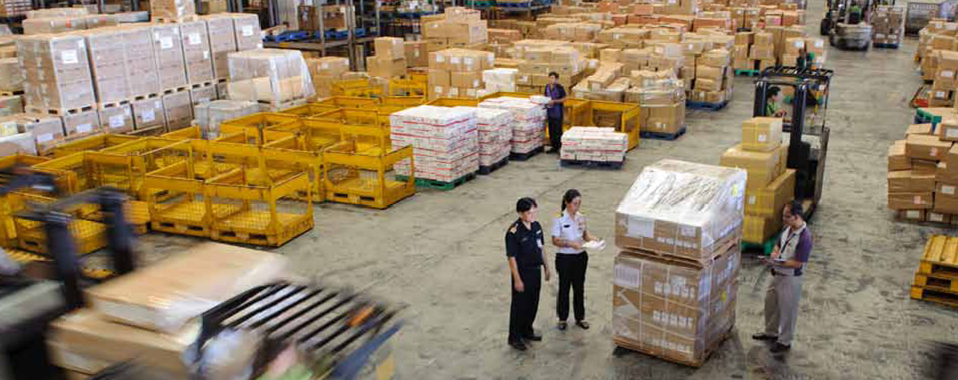
Thailand Customs Administration WCO Photo Competition 2013The WCO’s annual photographic competition has been running successfully since 2009. Each year the entries, in general, represent an increase in both photographic and situational awareness. It is clear that entrants are continually seeking to portray a unique, if not ultimate shot of the work of their customs and border management staff in action. This years collection is based on the theme “Customs officers in action”. At least 36 member countries submitted their ‘best’ pictures and the adjudicators awarded first prize to the Thai Customs Administration for its picture illustrating ‘the challenge the Customs community faces to keep up with a fast-moving trade environment’. It depicts two Customs officers inspecting goods in a cargo warehouse, find themselves in the middle of fast paced logistics activities. To view all the excellent entries please visit the WCO Website or click here!

Ready for Another 24-Hour Rule?

logoLast month (May 2013), the Nippon Automated Cargo and Port Consolidated System (NACCS) released an updated version of guidelines for filing under the Japan 24-hour rule. As the main system for the online processing and procedures related to the new 24-hour rule, NACCS has been updating the guidelines and holding informational sessions across Europe, North America and China since early 2013.

Scheduled to go into force March 2014, Japan Customs and NACCS is encouraging shippers to begin looking at requirements and working towards compliance now. Penalties include Do Not Loads (DNLs) and fines up to 500 thousand JPY.

The NACCS has provided several good resources for the trade to use in familiarizing themselves with the Japan 24-hour Rule:

Therefore, South African shippers, exporters, and carriers of goods to Japan have a few more months to get their systems and processes in order to meet Japanese advance reporting requirements. For those already meeting US, Canadian and EU advance manifest reporting requirements this should not pose too much of a problem.

Source: Integrationpoint.com

Study into the cooperation of border management agencies in Zimbabwe

tralacZimbabwe is a landlocked developing country with a population of 14 million, sharing common borders with Botswana, Mozambique, South Africa and Zambia. Zimbabwe has 14 border posts, varying in size in accordance with the volume of traffic passing through them. Beitbridge, the only border post with South Africa, is the largest and busiest, owing to the fact that it is the gateway to the sea for most countries along the North-South Corridor. Zimbabwe thus provides a critical trade link between several countries in the southern African regions. The need for the country, especially its border posts, to play a trade facilitative role can therefore not be over-emphasised.

Trade facilitation has become an important issue on the multilateral, regional and Zimbabwean trade agendas, and with it, border management efficiency. Border management concerns the administration of borders. Border agencies are responsible for the processing of people and goods at points of entry and exit, as well as for the detection and regulation of people and goods attempting to cross borders illegally. Efficient border management requires the cooperation of all border management agencies and such cooperation can only be achieved if proper coordination mechanisms, legal framework and institutions are established.

This study explores how border agencies in Zimbabwe operate and cooperate in border management. The objectives of the study were to:

  • Identify agencies involved in border management in Zimbabwe;
  • Analyse the scope of their role/involvement in border management; and
  • Review domestic policy and legislation (statutes of these agencies) specifically to identify the legal provisions that facilitate cooperation among them.

Visit the Tralac Trade Law website to download the study.

Source: TRALAC

A critical view in support of East African Land Locked Countries – Lessons for the South?

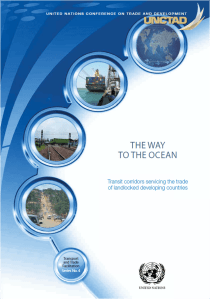
UNCTAD - The Way to the OceanThis paper looks at selected East African transit corridors which provide access to seaports as gateways to link landlocked developing countries (LLDCs) with overseas trading partners. The report suggests three complementary courses of action to improve transit transport efficiency and sustainability:

  • Building institutional capacity through corridor management arrangements, including formal agreements, where and as appropriate; 
  • Improving the reliability and predictability of transit operations by trust-building measures between public regulators and private operators, such as risk-management customs systems, which allow for fewer en route checks, shorter delays and smaller convoys; 
  • Developing and operating transport nodes, or freight hubs, with a particular focus on the consolidation of small flows, to create critical masses required to achieve economies of scale, higher return on investment on both infrastructure and transport services, and lead to the development of effective intermodal transit operations. 

These actions are to be viewed as precursors to an economically viable and environmentally sustainable operation of the transit corridor. They will bring on a “change of culture” that encourages the confidence of shippers and carriers, operating in a setting that rewards compliant behaviour, builds trust and attracts investment, promotes larger-scale trade operations, improves transport service quality and reliability, and enables strong cooperation among stakeholders along transit corridors, including ports, serving transit trade to and from landlocked countries.

This report may be, in this context, considered as an early contribution to the analysis of the recent progress in the field of transit transport for the trade of LLDCs, in the context of the preparation for the Almaty Programme of Action review process taking place in 2013. Source: UNCTAD

Southern African states need also take heed of this study. While its goods to seek organic change within the region, it helps if individual states have a notion of what regional integration, and transit movement entails.

Customs and Nigeria’s Trade Hub Portal

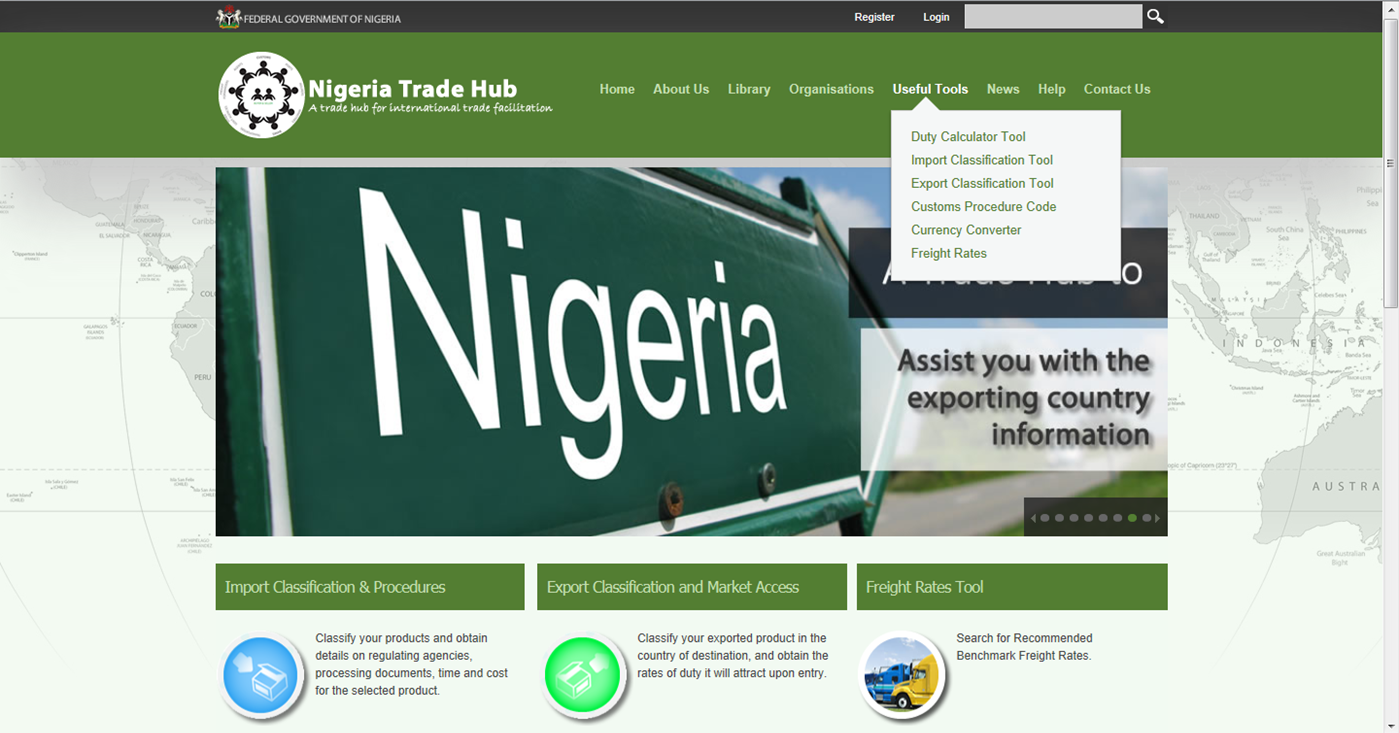
Nigeria Trade Hub 2Anyone familiar with the import and export business in Nigeria will recall how tedious the process used to be. It could take days or even weeks to complete due to ceaseless documentation that importers, exporters and their agents had to endure with the various regulatory agencies. Now, the Nigeria Customs Service (NCS) has developed a web-based application known as the Nigeria Trade Hub Portal, simplifying the entire process and providing information and guidance for international trade business processors in the areas of import, export and transit trade.

The www.nigeriatradehub.gov.ng portal, a non-restrictive and is an intuitive and interactive platform for classifying goods. Through it, trade processors are enabled to find exact Harmonised System Codes (HS Codes) required for related tariffs and duties.

This latest technology is expected to enhance compliance by traders and avail them the required information on tariff in areas like the prohibited items and taxes/levies due for payment upon importation. The application is also designed to touch on the aspect of trade facilitation such that trade processors can access information from all related government agencies. Guidelines and procedures for obtaining permits, licences and certificates of specified commodity and country of origin that a trade will require for business processing are also available on the portal.

The Nigeria Trade Hub portal allows traders to convert currencies to exchange rates set by the Central Bank of Nigeria (CBN) on a monthly basis, make payments, simulate tax and access the CPC Code. The application goes further to provide the tax and duties payable on any particular item, whilst presenting the user with the documents, i.e., the named permits or certificates required for the product, the issuing agency, the processing cost as well as the duration (no of days) for processing. This empowers the trader and provides them with sound information to assist them in competing on the international market.

A mobile Android App is also available on the Google Play store, and other platforms are to be rolled out soon. Source: Nigeria Trade Hub, Suleiman Uba Gaya and Valentina Minta (West Blue Consulting).