Operation “Warehouse” – Joint Customs Operation prevents losses to the EU States

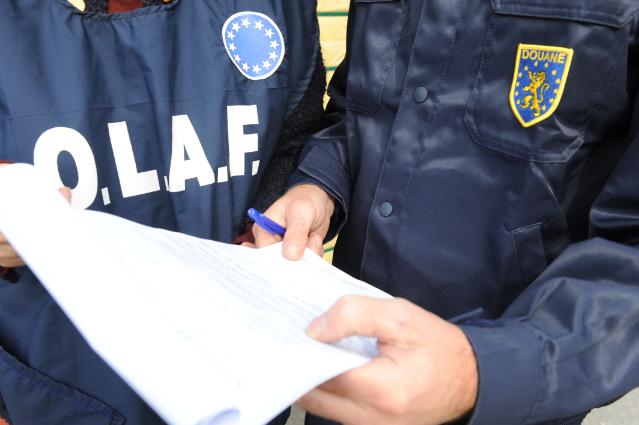
OLAFAlmost 45 million smuggled cigarettes, nearly 140.000 litres of diesel fuel and about 14.000 litres of vodka were seized during a major Joint Customs Operation (JCO). The Operation code-named “Warehouse” was carried-out in October 2013 by the Lithuanian Customs Service and the Lithuanian Tax Inspectorate in close cooperation with the European Anti-Fraud Office (OLAF), and with the participation of all 28 EU member states. As a result of Operation “Warehouse”, a significant potential loss to the budgets of the European Union and its Member States was prevented. According to preliminary estimates, this would have amounted to about € 9 million in the form of evaded customs duties and taxes. The final results of the Operation were discussed by the participants last week at a debriefing meeting in Vilnius and were made public today across Europe.

Algirdas Šemeta, Commissioner for taxation, customs, anti-fraud and audit, welcomed the very good results of the operation. “The fight against the smuggling of excise goods is one of our political priorities and we have launched a number of initiatives to better equip Europe against such harmful practices being run by organised criminal networks. JCO Warehouse is a good example of how the EU and Member States’ authorities can cooperate effectively to protect their revenue. Joint Customs Operations safeguard the EU’s financial interests and also protect our citizens and legitimate businesses”, he said. “Such Operations also highlight the added-value of OLAF in helping facilitate the exchange of information between our partners across Europe and in providing effective operational support.”

Operation “Warehouse” focused on cargo movement by road transport. It targeted the smuggling and other forms of illegal trade of excise goods such as mineral oil, tobacco products and alcohol throughout Europe. By using several complex scenarios in multiple EU Member States, fraudsters lawfully import goods into the EU but request a VAT and excise exemption by declaring the goods as subject to tax and duty exemption regimes (e.g. declaring the goods to be in transit). The trace of the goods is then lost through the fictitious disappearance of the traders or through a fictitious export. Fraudsters avoid paying VAT and excise duties, but the goods remain in the internal market, causing a substantial loss to the EU’s and Member States’ revenues.

JCO “Warehouse” was the first Operation carried-out in close cooperation with tax authorities to target excise and VAT fraud specifically, besides customs fraud. For the first time, customs and tax authorities cooperated on a European scale in a JCO. This is a significant achievement since the different competences and legal regimes applicable at national and EU level make it difficult to address complex fraud schemes with uniform measures. In this Operation, customs and tax authorities joined their expertise, resources and shared intelligence to prevent losses to the EU’s and Member States’ budget.

Eight seizures were made during the Operation. Among these, authorities seized 6.617.400 cigarettes in Sweden and Lithuania; 135.831 litres of diesel in Poland and the United Kingdom, and 14.025,6 litres of vodka in United Kingdom alone. Overall, 44.957.160 cigarettes were seized.

During the entire Operation “Warehouse”, OLAF provided organisational, logistical, financial and technical support to allow for an exchange of information and intelligence in real-time. This was coordinated from the Physical Operational Coordination Unit (P-OCU) at the OLAF premises in Brussels which facilitated direct communication with the national contact points. A group of liaison officers from some Member States representing all the participating 28 EU countries, worked from here during the Operation and experts from the Commission’s Directorate-General for Taxation and Customs Union provided support.

EUROPOL participated as an observer in the Operation. A representative of the office was present at the P-OCU during the operational phase of the operation. It was also possible to make direct cross-checks of suspect individuals and companies appearing during the JCO with EUROPOL via a secure internet connection. Source: EU Commission
UN launches global campaign targeting the criminal counterfeit trade

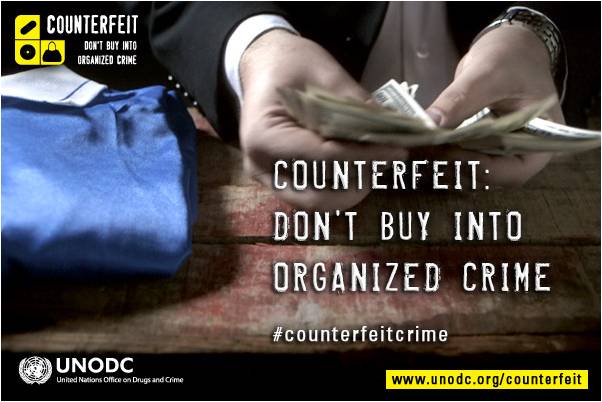
UNODC Anti-Counterfeit ImageThe World Customs Organization (WCO) welcomes the new global campaign launched by the United Nations (UN), under the auspices of the UN Office on Drugs and Crime (UNODC), to raise awareness among consumers on the dangers of counterfeit goods and their link to organized crime.

The campaign – ‘Counterfeit: Don’t buy into organized crime’ – is centred around a Public Service Announcement, entitled ‘Look Behind(click hyperlink to view), which will be shown on the NASDAQ screen in New York’s Times Square and will be aired on several international television stations, starting from 14 January.

With the aim of urging consumers to consider who and what lie behind the production of counterfeit goods, the campaign is a bid to boost understanding of the multi-faceted repercussions of this illicit trade, which according to the UNODC is worth 250 billion US dollars a year.

UNODC Executive Director, Yury Fedotov, noted that, “In comparison to other crimes such as drug trafficking, the production and distribution of counterfeit goods present a low-risk/high-profit opportunity for criminals.”

Fedotov further noted that, “Counterfeiting feeds money laundering activities and encourages corruption, and there is also evidence of some involvement or overlap with drug trafficking and other serious crimes.”

Counterfeiting is a crime that affects us all, from exploited labour being used to produce counterfeits, through to the harmful and potentially deadly dangers attached to these goods, and the links that these illicit goods have in potentially funding cross-border criminal and organized crime activities.

“With a long history of fighting counterfeiting and piracy at the national, regional and international level, the global Customs community is ready to support its United Nations partners in their efforts to raise awareness about this illicit trade activity,” said WCO Secretary General, Kunio Mikuriya.

Mikuriya further stressed that, “The WCO is firmly committed to countering the relentless attack on consumers by criminals involved in counterfeiting, as their illicit and even dangerous goods which are flooding markets across the globe pose a huge risk to public health and safety.”

Fraudulent medicines also present a serious health risk to consumers, as criminal activity in this area is big business, with the UNODC reporting that the sale of fraudulent medicines from East Asia and the Pacific to South-East Asia and Africa alone amounts to some 5 billion US dollars per year.

Criminals use similar routes and modi operandi to move counterfeit goods as they do to smuggle illicit drugs, firearms and people; in 2013, the joint UNODC/WCO Container Control Programme detected counterfeit goods in more than one-third of all seized maritime containers.

The WCO expends enormous resources on combating the counterfeit trade using a variety of means, including the organization of global enforcement operations and the introduction of IPM, a WCO tool which promotes cooperation and the sharing of information between Customs and rights holders.

Of particular relevance to the campaign is the WCO’s theme for 2014 which highlights the importance of communication and the sharing of information for better cooperation, which is highly instrumental in the fight against counterfeits in tandem with the Organization’s public and private sector partners.

Concluding, Secretary General Mikuriya took the opportunity to commend the UNODC on its latest initiative, offered his full support for the UN campaign, and urged WCO Members and Customs’ stakeholders to continue raising awareness about the perils of buying and trading counterfeit goods. For more information visit the WCO Website. Source: WCO

Mugabe family linked to illicit SA cigarette trade

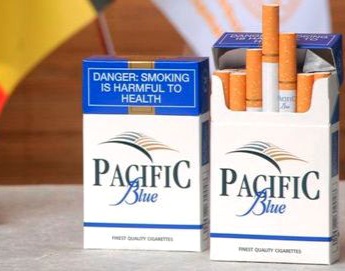
Pacific Blue_SnapseedRelatives of President Robert Mugabe are being linked to illegal tobacco smuggling networks suspected of bringing more than $48 million in contraband through South Africa’s borders, reports NewZimbabwe.com.

Harare-based Savanna Tobacco is owned by a prominent Zimbabwean businessman, Adam Molai, who is married to Sandra Mugabe, one of Mugabe’s nieces. Molai has previously worked with Sandra as co-director of the Zimbabwe Tobacco Growing Company. Savanna has allegedly moved tons of illegal tobacco into South Africa.

The company’s main brand, Pacific cigarettes, has been found in concealed consignments by police in South Africa and abroad, according to two private investigators who track tobacco busts and work for the industry to counter the trade in illicit tobacco. The products have been linked to a huge tobacco smuggling operation whose base in South Africa was shut down in 2010 by the South African Revenue Service (SARS), which is engaged in a crackdown on the country’s illegal tobacco markets.

Images taken at the scene of two busts in South Africa and one in Zimbabwe show the extent of the smuggling operation. SARS has refused to confirm or deny whether it is investigating Savanna, citing the confidentiality requirements of the Tax Administration Act.

The frequency of the busts, the methods used and the quantities of illegal Pacific cigarettes found have led sources close to the investigations to claim that Savanna has been centrally involved for at least four years. It also increases suspicions that Zimbabwe is using smuggling to keep its economy afloat. Mugabe has openly supported Savanna. A year ago, he accused rival British American Tobacco (BAT) of spying on Savanna and hijacking its trucks. “If this is what you are doing in order to kill competition and you do it in a bad way, somebody will answer for it,” Mugabe warned.

Boxes of cigarettes that can be made for as little as R1.50 are easy to slip into the local market to avoid the R13 tax a box. Whereas popular brands of cigarettes can retail at R35 a pack, illegal cigarettes sell for between R4 and R12 a pack. With margins approaching 1000%, the illicit trade has become one of the largest elements in organised crime in South Africa.

According to research commissioned by the Tobacco Institute of South Africa, which is predominantly funded by BAT, 9.5billion illegal cigarettes with a street value of about R4-billion were smoked locally last year.

Savanna has captured almost 10% of this market, according to the institute, with about 700 million of its illegal cigarettes smoked last year. Pacific’s illegal cigarettes are sold mostly on the streets of Cape Town.

In one of the biggest busts in October, 1.6million Pacific cigarettes were found hidden on a train in Plumtree. Pacific cigarettes have also been seized at the Beitbridge border post near Musina and in Boksburg, on the East Rand, during busts in November. Trucks were found carrying Pacific cigarettes in concealed compartments.

This month, a consignment of Pacific cigarettes was found hidden behind electronic goods on a truck in the Western Cape. Similar busts have been made in Mozambique and at a border post between Zambia and Namibia, according to private investigators.

Evidence from the Plumtree train bust showed that the smuggling route had its origin as Savanna’s factory in Zimbabwe and South Africa’s black market as its destination. In the Plumtree bust on October 12, Zimbabwean police confiscated 40 tons of illicit Pacific cigarettes that had come from Bulawayo. The train was said to be carrying gum poles.

Records reveal that between September 2012 and August 2013 at least 23 shipments with 44 wagons of “gum poles” had followed the same route. A number of these consignments appear to have arrived at the South African business PFC Integration. According to an investigator who has studied the operation, PFC is “not into the gum pole business at all”.


Drop in fake goods seized by EU Customs

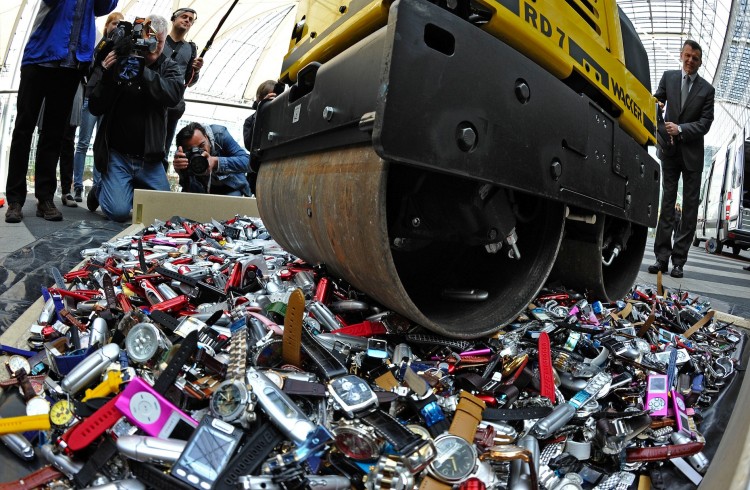
Fake goods being destroyed

Fake goods being destroyed

Customs in the European Union (EU) detained almost 40 million products in 2012, suspected of violating intellectual property rights (IPR), with an original goods retail value of just under €1 billion, according to an annual report published by the European Commission.

The previous year, close to 115 million ’fake’ items had been seized, worth more than €1.27 billion. However, the number of recorded cases for detained goods last year was down only slightly on 2011.
This is thought to be due to the strong growth in small shipments of counterfeit merchandise ordered via the Internet.

Globally, 30% of the goods seized were cigarettes followed by a miscellany of goods (11%), packaging materials (9%), clothing (8%), toys (4%) and perfumes and cosmetics (3%). The vast majority were destroyed.

In terms of the number of cases, most of the detained goods had been shipped by air, post and express, whereas maritime container transport was the main mode for the number of articles seized.

In over 92% of all cases, Customs action was triggered whilst the goods concerned were under an import procedure.

“Customs is the EU’s first line of defence against fake products which undermine legal businesses,” said Algirdas Šemeta, Commissioner for Taxation, Customs, Anti-fraud and Audit.

He stressed that the annual report illustrated “the intensity and importance of the work being done by Customs in this field. I will continue to push for even greater protection of intellectual property rights in Europe, through our work with international partners, the industry and Member States.”

China was by far the principal origin of the fake goods. However, other countries were the primary source for specific product categories. For example, Morocco for foodstuffs, Hong Kong for CD/DVDs and tobacco product accessories (electronic cigarettes and the liquid fillings for them), and Bulgaria for packaging materials. Source: EU Commission

Czech Customs Seize Rhino Horns

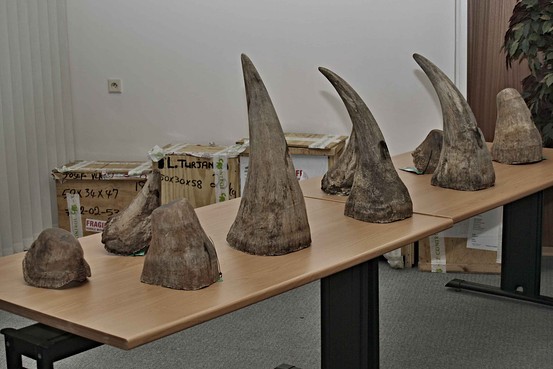
Rhino horns seized from smugglers by the Czech Customs Authority

Rhino horns seized from smugglers by the Czech Customs Authority

Czech customs agents seized 24 rhinoceros horns Tuesday and charged 16 people with bringing the prized material illegally from South Africa to sell it in Asia.

“Our investigation showed that the transport is organized by an international ring of smugglers who have used fake export permissions seemingly complying with (the Convention on International Trade in Endangered Species of Wild Fauna and Flora) to import the rhinoceros horns from the Republic of South Africa to the European Union,” said Jiri Bartak, spokesman for the Czech customs department.

The arrests follow an investigation by Czech and EU customs authorities begun in 2011. The gang was alleged to have planned re-exporting the horns as trophies, according to their fake documentation. Rhino horns are popular in parts of Asia where many believe they can cure various illnesses or work as an aphrodisiac.

South Africa is home to the world’s largest rhino population, estimated at about 20 000, though the large upsurge in poaching is threatening their existence. Rhino poaching is expected to reach record levels this year, according to South African officials.

Czech authorities estimate the value of the seized rhino horns at up to 100 million koruna ($5 million), Mr. Bartak said. The authorities said the ring employed people impersonating hunters to gain permission to ship horns acquired from African poachers to Europe and elsewhere. Czech customs didn’t release details of where the charged individuals came from or give their names. If convicted they face up to eight years in prison. Source: leos.rousek@wsj.com

When a Beer is definitely not a Beer!

beerThe Tanzania Revenue Authority (TRA) has been blamed for disobeying the decree issued by Kinondoni District Court, which prohibits import and distribution of Windhoek Premium Lager Beer in the country, which does not bear code number MB66.

It is alleged further that the TRA, in total disobedience of the decree in question issued on October 15, 2010, has been allowing and collecting tax from dishonest businessmen and companies who import the beer brand that does not bear the said code number.

A consultant with Mabibo Beer Wine and Spirit Limited told the ‘Sunday News’ that his company was shocked after learning that a certain TRA officer said the Authority does not recognize the decree that was issued by the Kinondoni District Court.

A TRA officer recently informed the police authorities who are investigating Mabibo’s complaints against Land Mark Hotel for disobeying a lawful court order that TRA does not recognise the decree that prohibits any person from importing or selling Windhoek Premium Lager.

According to the court order – failure or refusal by the defendant, its owners, agents, directors, servants and other unknown persons who are directly or indirectly related to the defendant or any other persons, to comply with the prohibition orders shall amount to contempt of the orders of the court.

TRA has been accused of allowing Land Mark Hotel to import Windhoek Premium Lager Beer in violation of the court decree and was only concerned with the collection of taxes and that the Authority was not bound to respect the order of the court. Following the court order, Windhoek Premium Lager Beer which does not bear code Number MB66 became restricted and prohibited goods, save where specific written consent of Mabibo has been sought and obtained. Source: Tanzania Daily News.


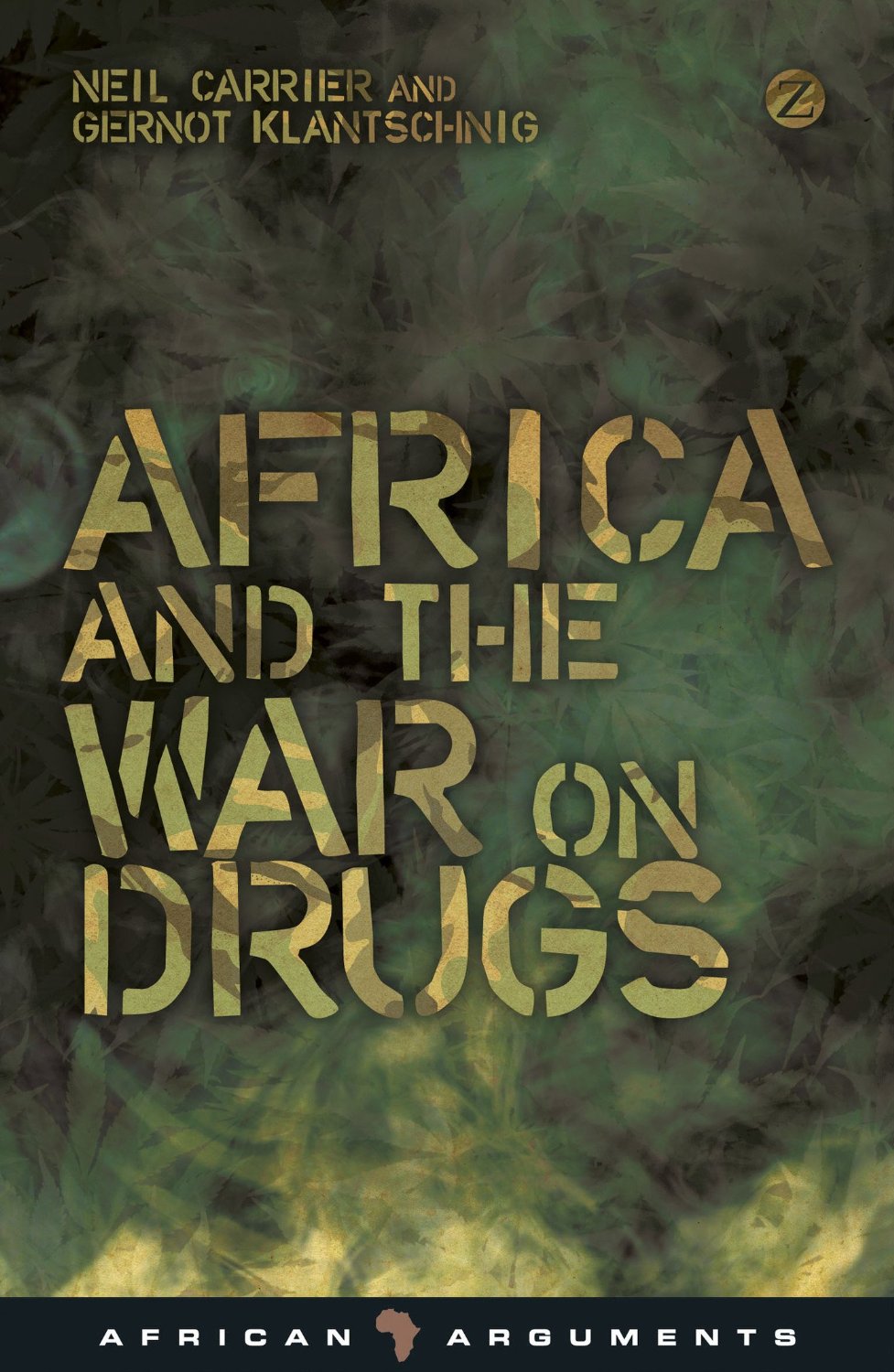
Africa and the War on Drugs

Co-authored by Neil Carrier - a researcher based at the African Studies Centre, Oxford and Gernot Klantschnig - a lecturer in International Studies at the University of Nottingham, Ningbo, China.

Co-authored by Neil Carrier – a researcher based at the African Studies Centre, Oxford and Gernot Klantschnig – a lecturer in International Studies at the University of Nottingham, Ningbo, China.

Given the much over-stated phrase ‘the war on drugs’, enforcement and security agents alike will find the following book of immense value, especially in that it provides a continental view of the problem in Africa. Nigerian drug lords in UK prisons, khat-chewing Somali pirates hijacking Western ships, crystal meth-smoking gangs controlling South Africa’s streets and the Bissau-Guinean state captured by narco-traffickers. These are some of the vivid images surrounding drugs in Africa which have alarmed policymakers, academics and the general public in recent years. In this revealing and original book, the authors weave these aspects into a provocative argument about Africa’s role in the global trade and control of drugs. In doing so, they show how foreign-inspired policies have failed to help African drug users who require medical support, while strengthening the role of corrupt and brutal law enforcement officers who are tasked with halting the export of heroin and cocaine to European and American consumer markets.

‘A fresh, ambitious, and critical survey of drug use and trafficking in Africa, where globalization has added cocaine, heroin, and methamphetamine to local staples like beer, khat, and cannabis. Carrier and Klantschnig explore the continent’s changing drug ecologies, the mixed implications for development, and policy responses that have ranged from more drug wars to state complicity in the traffic.’ David T. Courtwright, Presidential Professor,Department of History, University of North Florida

‘Reliable data on the use of drugs in Africa is notoriously hard to find, and this is a topic which tends to attract sensationalism and political opportunism rather than rational commentary and debate. In this readable and thorough book, Carrier and Klantschnig offer a calm and reasoned review of the existing evidence and develop an effective critique of the “war on drugs” approach. Picking apart many common assumptions about psycho-active substances in Africa, they effectively challenge the value of supply-side regulatory approaches and attempts at prohibition, and argue for policies based on harm-reduction. This book will be essential reading for anyone interested in drugs policy in Africa.’ Justin Willis, Durham University

Reviews: courtesy Amazon.com

How China’s Cheap Phones Make Their Way to Africa

The following article (forgive the length), comes courtesy of Think Africa Press. It details a fascinating story about one of Hong Kong’s most notorious buildings – “Chungking Mansions”. The down-market building situated on some of the world’s most expensive real estate is home to some of the best South Asian restaurants, several $20-a-night guesthouses, and a mall that at one point, sold a fifth of all the cell phones that ended up in sub-Saharan Africa.

Nathan Road is Hong Kong’s busiest shopping street. It is lined with skyscrapers and decorated with neon signs of every size, colour and shape. Most of the logos are familiar: McDonald’s, KFC, Samsung, Rolex, Carlsberg, 7-Eleven, Standard Chartered. This is Asia’s Times Square, a luminous roll call of the world’s biggest companies and products, a shrine to consumer culture in the modern world. Workers, tourists and others cram the neon shadows of the sidewalks, clutching engorged wallets and sleek plastic bags. The luxury goods in the shop fronts of polished glass and mood lighting beckon their business. Lots of money changes hands. Many shiny new items are purchased. This is the apotheosis of globalisation as we know it best: big companies, handsome profits, fancy boardrooms, high-flying executives, top quality goods. But this is not the globalisation I have come to Nathan Road to see. I know I am getting closer to my destination when an Asian gentleman outside a Rolex store approaches. “Want nice watch? Mister, nice Rolex for you? I give you best price.” Despite admiring his brazen attempts to shift fakes not a metre outside a shop displaying the genuine articles, I shrug him off and turn into a narrow passage that takes me to the heart of a building called – in Hong Kong’s typically optimistic style – Chungking Mansions. This three-towered utilitarian block is one of Hong Kong’s most notorious buildings. Unlikely as it may seem, it is one of the major drivers of Africa’s technological revolution. The building’s history is infamous. Erected in 1961 to fulfil Hong Kong’s insatiable need for low-cost housing, it soon turned into one of the most legendary stops on Asia’s hippy backpacker trail, thanks to the proliferation of tiny, cheap guesthouses on its upper floors, many of which are still operating. These cheap tourists enticed merchants of tacky goods, whose stalls swamped the building’s lower floors. In turn, this activity attracted illegal immigrants, drug dealers and prostitutes, turning Chungking into Hong Kong’s seediest underbelly; a place that locals avoided completely and even police feared to tread. In recent years, the place has cleaned up its act somewhat, but still offers the city’s cheapest accommodation. It is home to a large South Asian community (primarily Indians, Pakistanis and Bangladeshis) and plenty of cheap tat: luggage, souvenirs, fake football shirts, etc. But in the last decade or so, shopkeepers have introduced a new product which has kept Chungking Mansions ticking: the mobile phone. Continue reading →

Invisible Patterns – to thwart clothing counterfeiters

Invisible textile patternWondering whether the $50 Armani suit you bought in that alley in Hong Kong is the genuine article? Soon, there may be a definitive way of knowing. A new system has been developed, in which designer-specific invisible patterns can be woven into fabric. Professor Christian Müller, at Sweden’s Chalmers University of Technology, started by applying a special dye to a polyethylene thread. The dye absorbs visible light, but can be seen using a polarizing filter. The idea is that each designer would have their own unique pattern that would be woven into their garments, that people such as customs officials could see using simple equipment.

That’s all very well and good, but what would stop counterfeiters from just reading and then copying those patterns? A number of different types of the dye can be used, and they can be bonded not only to polyethylene, but also to a variety of other synthetic and natural fibres. Depending on the specific combination of dye and fibre types, the optical spectrum of the pattern is different. Unless the counterfeiters knew the secret combination used, they wouldn’t be able to copy the exact look of an existing pattern – it’s not unlike the technology presently used on some banknotes. According to Müller, it would be relatively easy and inexpensive for clothing companies to manufacture their own custom dyed threads for use in the system. Source and picture: gizmag.com

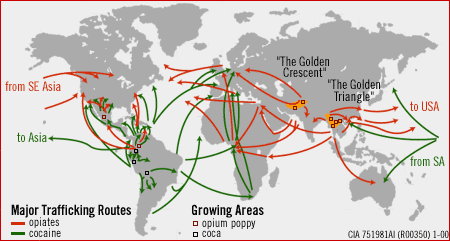
Southern African Narcotic Trafficking Landscape

Drugroutemap

See what the CIA’s Factbook has to say about Southern African countries and their role in the international narcotics supply chain –

Zimbabwe A transit point for cannabis and South Asian heroin, mandrax, and methamphetamines en route to South Africa
Zambia A transshipment point for moderate amounts of methaqualone, small amounts of heroin, and cocaine bound for southern Africa and possibly Europe; a poorly developed financial infrastructure coupled with a government commitment to combating money laundering make it an unattractive venue for money launderers; major consumer of cannabis
South Africa A Transshipment center for heroin, hashish, and cocaine, as well as a major cultivator of marijuana in its own right; cocaine and heroin consumption on the rise; world’s largest market for illicit methaqualone, usually imported illegally from India through various east African countries, but increasingly producing its own synthetic drugs for domestic consumption; attractive venue for money launderers given the increasing level of organized criminal and narcotics activity in the region and the size of the South African economy
Mozambique Southern African transit point for South Asian hashish and heroin, and South American cocaine probably destined for the European and South African markets; producer of cannabis (for local consumption) and methaqualone (for export to South Africa); corruption and poor regulatory capability make the banking system vulnerable to money laundering, but the lack of a well-developed financial infrastructure limits the country’s utility as a money-laundering center
Angola Used as a transshipment point for cocaine destined for Western Europe and other African states, particularly South Africa

Should the Rhino horn trade be legalized?

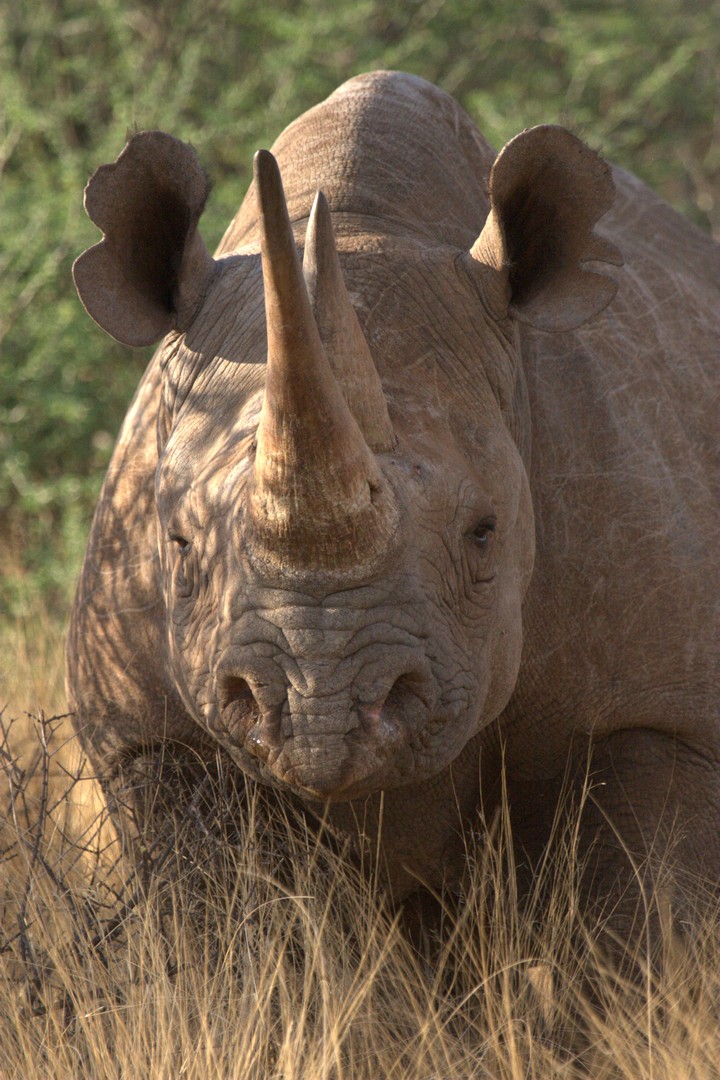
black-rhino-2Rampant poaching in Africa is a cause of major concern to wildlife organizations. Many rhinos are killed every year mainly for Asian markets. In Vietnam, rhino horn is believed to be miraculous, able to heal cancer.

A total of 158 rhino have been poached since the beginning of the year, according to the South African Department of Environmental Affairs. Over 630 rhino were killed by poachers in South Africa during 2012.

If the killing of rhinos continues to increase, African wild rhinos could disappear within a few years. The best protected rhinos live in Kenya. Four of them, known as northern white rhinos, are the last of their kind. Each one of them has four bodyguards to guarantee its survival. But most of the other 25,000 rhinos in Africa do not enjoy such protection. The trade in rhino horn is illegal. However it is flourishing, most of the horn coming from South Africa, where most rhinos live. Hunters are willing to pay up to 20,000 euros ($26,000) to shoot a rhino and take the trophy home.

Rhino poaching on the rise

Rhino poaching has increased tenfold in the last five years, according to the nature and animal protection organization World Wide Fund for Nature (WWF). The conference singled out Vietnam as the main importing country and Mozambique as a major transit country for rhino trafficking. This is the first time that countries were named at CITES.

Vietnamese believe that rhino horn powder can cure cancer

The two countries now have a few months’ time to address the problem constructively. Mozambique is poor but CITES’ regulations are also valid there. To learn how to fight against poachers effectively, the country may seek advice from environmental and conservation organizations. In the case of Vietnam, lack of political will seems to be the major problem. Even Vietnamese embassy staff were involved in the illegal horn trade. Vietnam is now under pressure. By January 2014, Vietnam as well as Mozambique have to prove that they are able to fight against horn trafficking from southern Africa, or else sanctions will be imposed.

Superstition hikes the price

In addition to stricter controls, the WWF and other animal welfare organizations are implementing awareness campaigns. In Vietnam there is a belief that the powder from the horn of the rhinoceros can help against fever, prevent a hangover or even cure cancer. These claims however, are dismissed by scientists. The horn consists of the same material as fingernails and hair. Nevertheless, Vietnamese are willing to pay more than 40,000 euros per kilogram, more than the price of gold.

Thousands of wild rhinos have been killed and their horns trafficked to Asia

South African biologist Duan Biggs says awareness campaigns and banning illegal trade control will not help to solve the problem. Shortly before the CITES conference, Biggs, together with three other scientists, wrote in the journal “Science”, calling for the legalization of the horn trade. “We have a buffer of a very healthy population of rhinos to work with,” Biggs said. He is convinced legalization is the right course to take. If that doesn’t work, it can always be stopped again. “If we wait longer and the current situation continues, we will lose the opportunity to try an alternative strategy.”

Legal breeding instead of illegal slaughter

Since horn grows like fingernails, rhinos should be bred specifically for the horn trade. The horn could be cut off when the animal is under anaesthetic. That way the animal doesn’t suffer pain. This is done to a quarter of the animals living in South African private game reserves, where dead animals’ horns are not allowed to be sold. If these horns are legally harvested and put on the market, prices and poaching would decrease, argues Biggs.

The WWF and many other organizations vehemently opposed the legalization theory. A boom in demand and even worse poaching could result if horns are on the market in large quantities and at cheaper prices. “A change from the elite-trend to mass-trend will be like lighting a fire that will be difficult to extinguish”, said a WWF spokesperson.

The dynamics of illegal rhino poaching paint a vivid reality. Is this really any different of narcotics and money-laundering, human-trafficking and counterfeiting? I think not. In many instances its the same ‘operators’ at play preying on weak human instinct and a complete lack of morals!  On the other hand I suppose, based on the reasoning of scientist Biggs, one could say legalising narcotics and prostitution would be the ‘right thing to do’ since we have a “buffer of healthy unemployed woman and youth” ???

Mastermind Steps Up War Against Counterfeit Goods

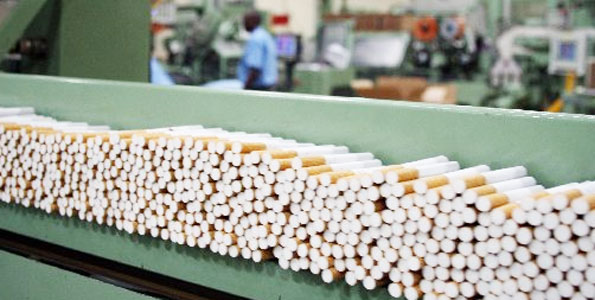
cigaretteNow isnt this a surprise? – Mastermind Tobacco has stepped up the fight against counterfeit cigarettes in the Kenyan market, it announced yesterday (February 27, 2013). It said it has set up security teams in Nairobi, North Lake Zone, South Lake Zone, Meru, Central and Rift Valley. Focus will also be on borders such as Malaba, Chepkube and Lokichogio, the airports and ports.

“The investment in supply chain preventive security measures from the point of manufacture to the point of distribution has seen an improvement in preventing legitimate trade from being infiltrated by counterfeits,” said Mastermind in a statement. Quite rich for a company which was persona non-grata in South Africa for instance. Security teams for what? To assist delinquent Customs officials on what they do when the Mastermind truck arrives at the border?

Just a month earlier (January 2013) Mastermind featured a job advert on jobskenya24.com  (click hyperlink to read the job criteria) wherein one of the key criteria under qualifications and experience reads as follows –

“At least 10 years experience in Kenya Police Service, five (5) of which should have been as Assistant Commissioner of Police (ACP) especially in the Criminal Investigations Department or Anti-Bank Fraud Unit.”

So there you have it, somebody on the inside of government ear-marked for the job of overseeing investigations and no doubt border operations. See links below  on Mastermind’s historical exploits –


Inside track to the local Tobacco ‘Cabal’

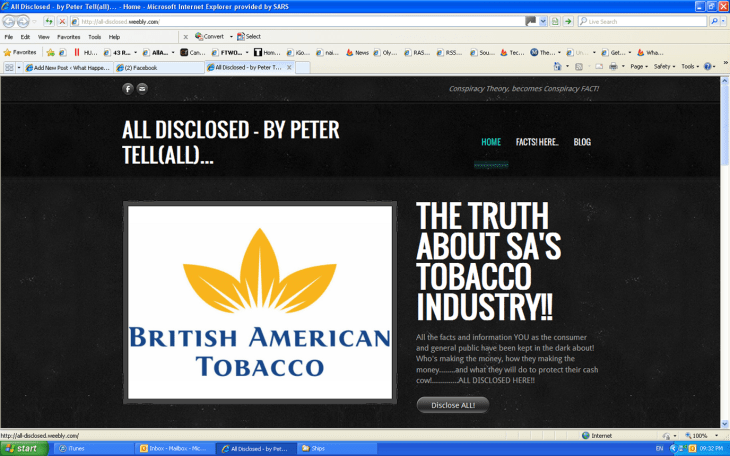
Peter Tell-AllWith much international focus on tobacco and tobacco products its great to read something outside of the mainstream media. Evidently this guy has some real insight in the tobacco industry and he sure is passionate about his views. This is a fine example of ‘Social Media’ providing what your average Google search-and-hit will never reveal. Conspiracy theory or not, this is a site dedicated to one thing – exposing the ‘Anglo-American tobacco cabal’. Aptly titled “All Disclosed by Peter Tell(all)” he invites you………

…………… to browse, interact and explore my website dedicated to the exposure of facts, truths and the responsible sharing of the information contained within these pages, about South Africa’s Tobacco Industry! The compilation of articles and also unpublished fact sheets about how this very lucrative and secretive industry operates has up until now been a very dark and well-kept secret! Why would all this information be kept from us? Why would they not want us to know how much money is being made? Why does the Government play both sides of the fence? Who pulls the strings of the authorities? THESE ARE THE QUESTIONS WE SHOULD BE ASKING!!

Counterfeit luxury products not simply a question of trademark infringement

stock-photo-intellectual-property-and-related-words-in-word-collage-100324247Smart, Biggar, and Fetherstonhaugh, a Canadian law firm practising exclusively in intellectual property and technology law, advises that deterring counterfeiters is particularly important to luxury brand owners. For this reason, they should always keep in mind that augmented damage awards may be available when seeking concurrent relief for copyright infringement as well as trademark infringement. Similarly, brand owners in copyright industries should keep this in mind and consideration should be given to seeking both copyright and trademark relief in all counterfeiting and pirating scenarios in Canada. Considering the question from the point of view of luxury brand owners exemplifies the point.

Copyright aims to protect against the unauthorised reproduction of original literary, dramatic, musical and artistic works. Logos and designs or patterns used by luxury brands may constitute artistic works in which copyright subsists in Canada. Further, in the case of a counterfeit item, such works are clearly reproduced without the consent of the copyright holder.

Smart & Biggar states that even though trademark and copyright law each protect different interests, they are not mutually exclusive and in many cases the sale and distribution of a counterfeit product or a pirated copyright work may constitute both trademark and copyright infringement. In such circumstances, they recommend brand owners to be mindful of the possibility of claiming both trademark infringement and copyright infringement not only to maximise their damages but, ultimately, to have an increased deterrent effect on counterfeiters [in Canada]. Source: Smart & Biggar/Fetherstonhaugh

Customs 2013 – the Year of Innovation

web_innovationWhile contemplating next year’s challenges and opportunities, I suppose it’s not a bad time to reflect on the WCO‘s theme for Customs Inc. in 2013. The Secretary General of the WCO, Kunio Mikuriya, is pleased to announce that 2013 will be dedicated to promoting innovation under the slogan “Innovation for Customs progress”. He believes that WCO Members and their partners will have the opportunity to promote innovative ideas and practices that they have implemented, new partnerships that they have developed, as well as creative solutions and technologies that they have adopted. Customs and its stakeholders are urged to be innovative and creative in taking forward the innovation theme in all its facets throughout 2013.

The Year of innovation will be launched on International Customs Day, celebrated annually by the global Customs community on 26 January in honour of the inaugural session of the Customs Co-operation Council (CCC) which took place on 26 January 1953.

Considering the age of the WCO (CCC), I thought the pictures below might conjure up some yesteryear profiles of male and female customs officers. These come from a book A Ladybird ‘Easy-Reading’ Book – ‘People at Work’ – The CUSTOMS OFFICER, which was around when I was a youngster in primary school. Needless to say, the content is perhaps meaningless where the period ‘gate-keeper’ approach to customs control has since been superseded by ‘automated risk management’, i.e. where a computer tells a customs officer what to search for, or what is suspicious or worthwhile expending energy on. Passenger processing has likewise seen a revolution in technology aids and controlled procedures. In many places it is the biometric reader which ‘facilitates’ expedited passenger/traveller processing. While verbal interrogation is still used it is merely a ‘level’ in the ‘layered’ approach in the modern customs risk management process. X-ray body scanners and drug-loo’s complete the customs officer’s enforcement toolkit. Yet, it still takes the ingenuity of a customs officer (and many instances his detector dog) to raise the ‘portcullis’ on crime.

This slideshow requires JavaScript.