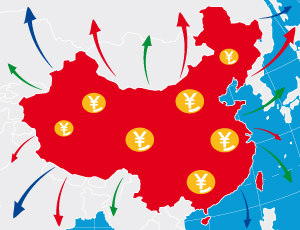
FDI – Where is China Investing?

China-Overseas-FDIFollowing the financial crisis that hit Asia in the late 1990s, the Chinese government introduced its ‘Going Out’ or ‘Going Global’ strategy. The country had been open to inward FDI for a number of years at this stage, and the time had come to promote Chinese companies globally.

While Africa considers itself as a significant destination for China FDI, the numbers indicate that Chinese projects and investment is significantly smaller than it’s investments in other parts of the western world. To see exactly where the money is going, visit this link – Where is China Investing?

The government aimed to increase investment, promote its Chinese brand of companies and improve the country’s free market. The policy became one of the government’s ‘four modernisations’ and encompassed a range of schemes to assist outward FDI, such as using currency reserves to support foreign investment, offering tax rebates to investors and encouraging Chinese embassies globally to offer more and better financial assistance.

The result has been a boom in Chinese outward FDI. Between January 2009 and December 2013, greenfield investment monitor fDi Markets recorded a total of $161.03bn in Chinese outward FDI, creating almost 300,000 jobs across the world. During this period, in terms of investment projects, China was the ninth largest source country for FDI, peaking in 2011 with 429 projects. In terms of both capital expenditure and job creation, China was ranked seventh globally. Source: FDI Magazine
Chinese invest US$260 million in Mozambican SEZ

china_mozTo date Chinese company Dingsheng International Investments has invested US$260 million of a total US$500 million to build infrastructure in the Manga-Mungassa Special Economic Zone, in Mozambique’s Sofala province.

Aiuba Cuereneia, Mozambique’s Minister for Planning and Development, says, “The investment was used to build basic infrastructure, including the power and water supply, roads, industrial warehouses and other facilities, as part of a project that includes construction of an administrative building, customs warehouses, and an exhibition area, as well as a hotel.”

“The infrastructure built in the Manga-Mungassa SEZ would play a crucial role in supporting manufacturing and trading companies that, in turn, would reduce the cost of the initial investment made by Dingsheng International.”

The Manga-Mungassa SEZ was set up following a July 2012 law and covers an area of 217 hectares, which may be increased to 1,000 hectares. Dingsheng International manages the SEZ. Source: macauhub

New Publication – Africa Corridors Handbook

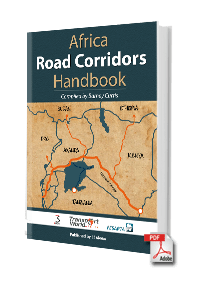
Africa_Road_Corridors_HandbookAs countries across Africa gear themselves towards growing and stimulating inter-regional trade, the transport corridors being developed across the continent are important passageways for the movement of freight.

Though the growth and development of rail across Africa is in the pipeline over 80 percent of all freight being transported is on road.

Transporting goods on trucks is an expensive business. Africa can be challenging at the best of times due to non-tariff barriers even though governments across the continent are trying to make it easier for the flow of goods from one country to another.

The logistics of transporting freight can be a harrowing and expensive exercise.Especially if a transport manager is not armed with key and pertinent information – regarding the route, border posts, costs, relevant documentation required at borders, waiting times at the border posts, location of wellness centres,road conditions and where the tolls and weighbridges are situated.

3S Media in association with FESARTA have released the Africa Corridors Handbook which gives transport and logistics managers all the key information they need before drivers embark on a journey.

Having the correct information on hand is critical for every transport operator that is moving freight across Africa and now it is available in one concise handbook. Click the following hyperlink to purchase the book.

Outlook and reliability of African ports in question

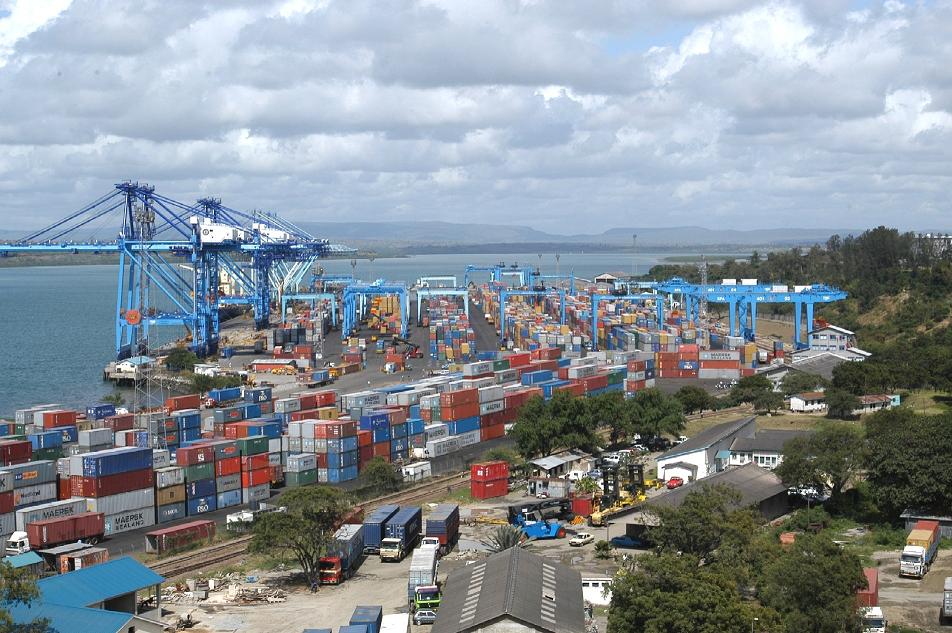
Port of Mombasa

Port of Mombasa

The reliability of African ports for import and export traffic is likely to deteriorate before getting better, according to Portoverview.com which advises importers, exporters and traders in planning their supply chain to and from the continent.

Speaking earlier this week at the Cool Logistics Conference in Cape Town, Africa. Portoverview.com’s Victor Shieh said almost 2,000 incidents were recorded on its portal over the last 16 months, with an average of one weather-related incident per day for South Africa alone.

Current congestion issues will remain a problem whilst port infrastructure is renewed over the next years. However, we see African hinterland connections beyond the terminal gates as the biggest challenge facing shippers,” Shieh emphasised.

In a study presented at the conference, road and rail construction as well as investment in port infrastructure were identified as the main positive developments recorded on the portal.

Greenfield sites along the African coast are cited as having the greatest potential to improve cargo efficiency. Projects such as the 2.5 million teu site at Lekki in Nigeria and the 5 million teu expansion at Tangier-Med, in Morocco, will require similar investments on the intermodal leg to succeed.

Recent research by SeaIntel Maritime Analysis, which is co-owner of the portal, revealed that African exporters have no more than an average 60% chance that their containers will arrive on time in Asia with the percentage falling to 55% for Europe.

“For shippers – especially ones who produce and distribute perishable products – that’s a real challenge” commented Morten Berg Thomsen, a shipping analyst at SeaIntel.

Helen Palmer, director, Sutcliffe’s Maritime, a UK-based shipping agent told Lloyd’s Loading List.com that as far as ro-ro traffic was concerned she was not aware of any serious congestion and delays into African ports

“I can’t speak for box traffic but in the case of ro-ro into ports such as Mombasa, in East Africa, transit is extremely smooth with trucks waiting on the quayside as soon as the ship’s ramp comes down. Dar es Salaam, is perhaps a little less straightforward but certainly nothing major,” she said. Source: Lloydsloaddinglist.com

Former South African President Mbeki visits WCO to discuss the role of Customs in Africa

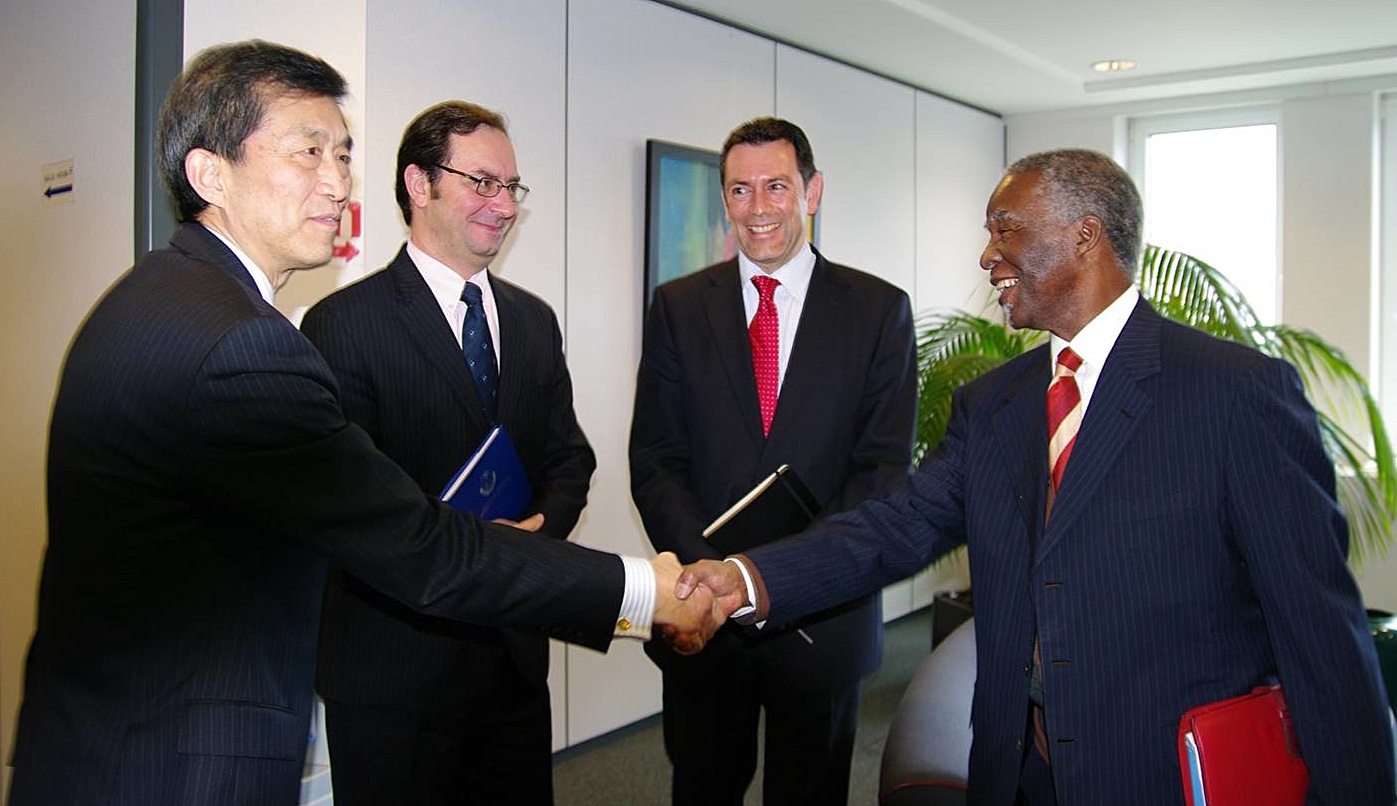
Senior WCO Management welcoming former South African President Thabo Mbeki, who is Chair of the High Level Panel on Illicit Financial Flows from Africa (WCO)

Senior WCO Management welcoming former South African President Thabo Mbeki, who is Chair of the High Level Panel on Illicit Financial Flows from Africa (WCO)

Members of the High Level Panel on Illicit Financial Flows from Africa, headed by former South African President Thabo Mbeki, visited WCO Headquarters on 11 February 2014 to obtain input for their report and recommendations to African countries in order to harness Africa’s hidden resources for development.

Secretary General Kunio Mikuriya explained the problems posed by cash couriers and trade-based money laundering (under-invoicing, over-invoicing, etc.) which had become major risk factors in Africa over the past decade as the continent had experienced economic growth largely based on the mining of its abundant natural resources. The Secretary General also referred to the need for countries to prioritize their policy regarding illicit financial flows and to provide adequate resources and a legal framework for Customs to establish controls in respect of free trade zones, thus enabling the Customs community to combat illicit trade and financial flows.

The discussion also covered, more broadly, the contribution of Customs to economic and social development in Africa, including regional economic integration. Mr. Mbeki and the High Level Panel members acknowledged the crucial part that Customs plays in improving the business climate by ensuring connectivity at borders, evidenced by the recent WTO Agreement on Trade Facilitation, as well as the role of Customs in ensuring transparency and security of the supply chain. They also appreciated the WCO approach of ownership-based capacity building which needed to be backed up by high-level political commitment. Source: WCO

Related articles

Africans roast South Africa for lack of openness

Chris Kirubi is a leading Kenyan businessman [www.kenyan-post.com]

Chris Kirubi is a leading Kenyan businessman [www.kenyan-post.com]

Frustration over Africa’s disparate tax, travel, investment and trading regimes boiled over yesterday as Chris Kirubi, a leading Kenyan businessman and one of the wealthiest people on the continent, tore into South Africa’s failure to be a leading light in opening up the continent for business. Kirubi was a participant in a panel discussion at the “Africa: The Outlook, the Opportunity” event hosted by former New York City mayor Michael Bloomberg in downtown Johannesburg.

To underscore his frustration, the outspoken Kirubi questioned why African travel businesses kept going to Europe and North America to sell African tourism, leaving behind Africans like him who needed no further convincing about visiting Africa. “Open markets are not happening yet. We must open markets for people, goods and services,” Kirubi said. “South Africa needs to take leadership by opening up for smaller countries. How many of us have been allowed to invest here?”

His sentiments on the issue of openness were echoed by Reserve Bank governor Gill Marcus, who said the focus in Africa should be about co-operation and less about competition. Marcus, who seemed rather at ease five days after a slide in global emerging market currencies prompted her to hike interest rates, said the issue was “how do we use our different strength to benefit Africa as a whole”. She said co-operation would be particularly critical in dealing with three core challenges facing the continent: water, food and energy.

To illustrate what was possible if African governments worked together to create a more open investment environment, Aigboje Aig-Imoukhuede, the vice-president of the Nigerian Stock Exchange (NSE), said there was an emerging notion in west Africa, in terms of which Ghana was seen as the gateway and Nigeria as the destination.

He added that the NSE was planning to visit the JSE in the coming months to explore areas of possible co-operation. In that regard, as an economic powerhouse, South Africa had an important role to play in reshaping how Africa did business, not only with the rest of the world but more importantly with itself.

“There are major issues we are not addressing and it is an issue of laws,” added Kirubi, who is also the east Africa chairman of a joint venture with Tiger Brands, South Africa’s biggest consumer goods company.

On tax, he asked why South Africa and Kenya did not have a tax agreement and why he needed to go via Mauritius each time he needed to open a holding company. “We have a problem. We’ve got to wake up.”

Finance Minister Pravin Gordhan was also among the panellists. He acknowledged that there were “huge challenges” in the mining sector, but reiterated the need for perspective on issues relating to labour strikes. “There is a lot of good work being done. In the next few years, skills development and training will be [enhanced] a lot more.” Source: Business Report

Transit – Addressing the plight of Landlocked Countries

AmatiThirty-one countries belong currently to the Group of Landlocked Developing Countries: 15 are located in Africa, 12 in Asia, 2 in Latin America and 2 in Central and Eastern Europe. The lack of territorial access to the sea poses persistent challenges to growth and development of these countries and has been the main factor hindering their ability to better integrate in the global trading system. The transit of export and import goods through the territory of at least one neighboring State and the frequent change of mode of transport result in high transaction costs and reduced international competitiveness.

For more details on LLDCs visit – Landlocked Developing Countries (LLDCs)

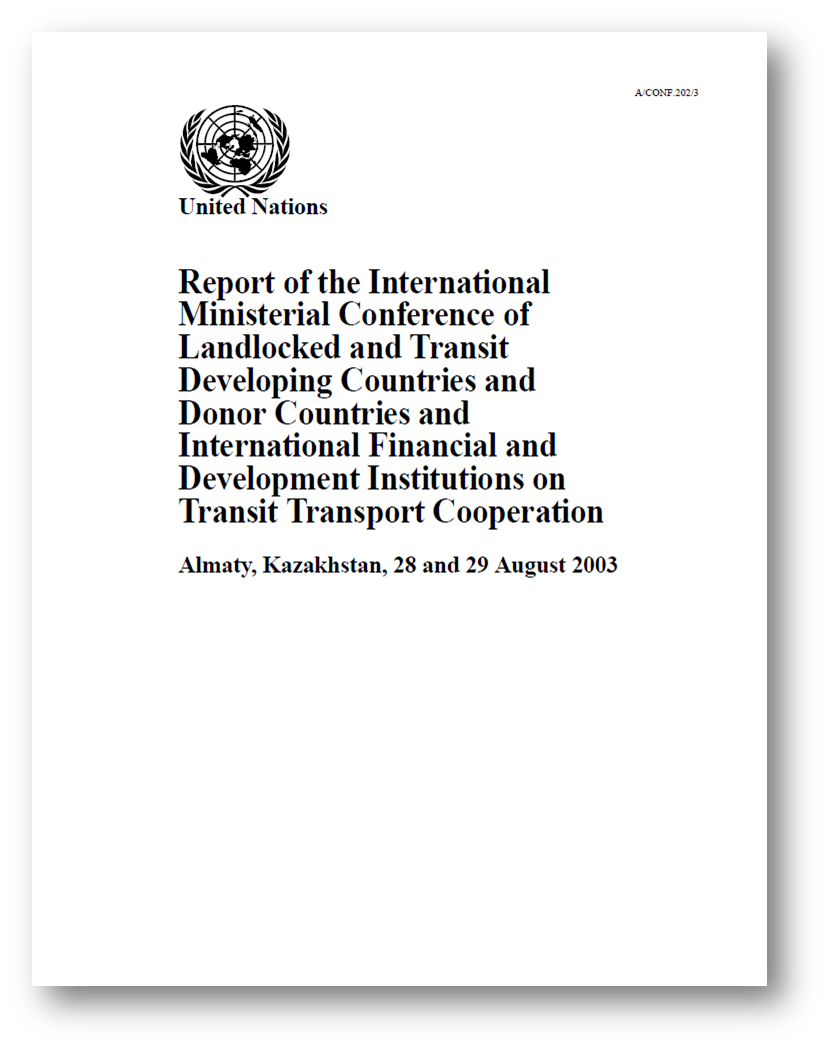
The 2003 Almaty Programme of Action highlighted the link between the ability of LLDCs to harness their trade potential and the state of the transport infrastructure and the efficiency of trade facilitation measures in neighboring transit countries and called for international support in favor of LLDCs. The United Nations General Assembly in its resolution 66/214 of 22 December 2011 and resolution 67/222 of 3 April 2013 decided to hold a Comprehensive Ten-Year Review Conference of the Almaty Programme of Action in 2014 with a view to formulating and adopting a renewed development partnership framework for LLDCs for the next decade.

It is expected that the ten-year review will provide an opportunity for: (i) assessing progress made in establishing efficient transit transport systems in landlocked developing countries since the adoption of APoA in August 2003, and particularly after the midterm review of 2008; and (ii) agreeing on actions needed to sustain achievements and address challenges in overcoming the special problems of landlocked developing countries around the world.

It would appear that this programme very much supports the creation of inland ports connected to the seaports by means of secure and bonded facilities – within the ambit international law, i.e. WTO (Trade Facilitation Agreement) and the WCO (Revised Kyoto Convention). The question arises as to whether an inland port located in Botswana, Zimbabwe or any adjoining country be able to demand such rights where a ‘corridor’ country or country providing international seaport access to LLDCs does not observe or accept international transit principles?

Related articles

Mauritius Revenue Authority – Launch of the WCO Multilingual Regional Training Centre

This slideshow requires JavaScript.

The SADC region is now equipped with a third World Customs Organization accredited Regional Training Centre in addition to the South African and Zimbabwean Regional Training Centre. The Regional Training Centres are excellent platforms for Customs to advance capacity building and to share information and best practices.

The Mauritius Revenue Authority (MRA) has been selected by the WCO to host the RTC as part of the WCO initiative to optimise resources in the region and in line with government’s objective of making of Mauritius a Knowledge Hub. The RTC represents the 25 of its kind adding to the existing Centres across the world and is the fourth one in the WCO ESA region.

The Centre will enable the WCO achieve its mission of enhancing Customs administrations in the WCO ESA region thereby helping these Customs administrations to make an important contribution to the development of international trade and to the socio-economic well-being of their country.

Under the WCO strategy the RTC has four main objectives namely: development of regionally relevant training; maintenance of specialist trainer pools; provision of specialist training at a regional level; and development and support of the WCO’s blended learning programme. Moreover, it has as task to develop and maintain annual training plans and work in partnership with the private sector to maintain effective relationships between Customs and economic operators as well as assist Member countries in their training needs.

The Mauritius RTC is equipped with English, French and Portuguese language facilities as well as an e-learning platform. The Vice-Prime Minister and Minister of Finance and Economic Development, Mr. Xavier Luc Duval, formally opened the RTC on the 25th November 2013. In his opening address, Secretary General Mikuriya commended the leadership and continued engagement of Mauritius, previously as WCO Vice-Chair for the East and Southern Africa (ESA) Region from 2011 to 2013, and now as host of an RTC. He hoped that this RTC would serve to share knowledge and strengthen the human resource network for Customs cooperation and regional integration.


Bali Package has grievous implications for Africa’s people

Africa Trade Network, comments that: “Whatever the expectations with which African countries came to Bali, they are leaving virtually empty-handed. There is hardly anything of substance in the just adopted Bali package that addresses Africa’s developmental imperatives….We will expect our States to wake up, go back to the drawing board, take the negotiations seriously as having grievous implications for their people…”

Read Africa Trade Network’s conclusions in full.


Walvis Bay Container Terminal – AfDB and Namibia sign loan agreement

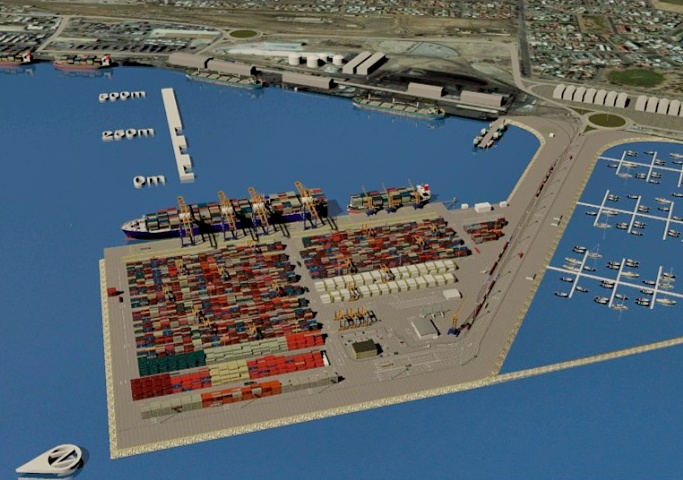
NamPort ExpansionThe African Development Bank Group (AfDB) and Namibia on Friday, November 8, 2013 signed a ZAR 2.9 billion (US $338 million) sovereign guaranteed loan to the Nambian Ports Authority (Namport) to finance the construction of the new container terminal at Port of Walvis Bay and a UA 1.0 million grant (US $1.5 million) to the Government of Namibia for logistics and capacity building complementing the port project loan. The project was approved by the AfDB Group in July 2013.

The project is expected to enable Namport to triple the container-handling capacity at the Port of Walvis Bay from 350,000 TEUs to 1,050,000 TEUs per annum. It will also finance the purchase of up-to-date port equipment and the training of pilots and operators for the new terminal. The grant component will fund the preparation of the National Logistics Master Plan study, technical support and capacity-building for the Walvis Bay Corridor Group and training of freight forwarders.

According to the AfDB Director of Transport and ICT, Amadou Oumarou: “Through this project which potentially serves up to seven major economies in the SADC region, the Bank is assisting in the diversification and distribution of port facilities on the southwest coast of Africa, and provides the much-needed alternative for the region’s landlocked countries.”

The project will stimulate the development and upgrade of multimodal transport corridors linking the port to the hinterland while improving the country’s transport and logistics chains. It will also boost competition among the ports and transport corridors in the region with the ripple effect on reductions in transportation costs and increased economic growth.

The projected project outcomes include improvement in port efficiency and increase in cargo volumes by 70% in 2020 as a result of increased trade in the region. The benefits of the project will include among others, the stimulation of inter-regional trade and regional integration, private sector development, skills transfer and most importantly employment creation, leading to significant economic development and poverty reduction in Namibia, and the SADC region. Source: African Development Bank

Related articles

Reconstruction and deepening project at Durban’s Maydon Wharf

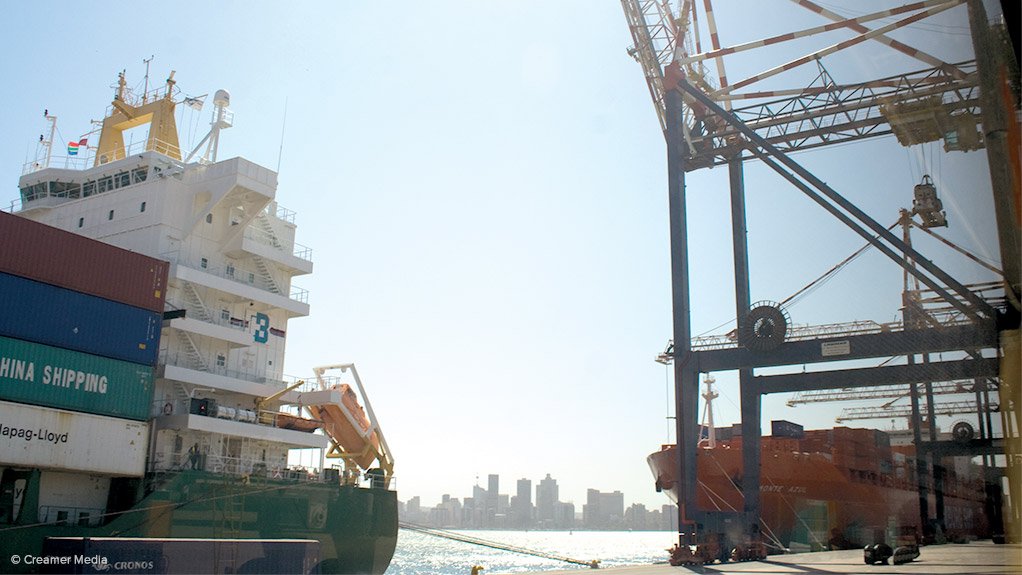
Transnet moves ahead with Maydon Wharf upgrade plan. (Picture credit:  Duane Daws, Creamer Media)

Transnet moves ahead with Maydon Wharf upgrade plan. (Picture credit: Duane Daws, Creamer Media)

Port Technology reports that the IMO’s stricter sulphur emission standards are likely to have a profound impact on the maritime industry. With this in mind, PTI’s sixtieth edition pays a particular focus to the challenges ahead if LNG is to become the shipping fuel of the future and if this is the most viable option for shipping lines vying to meet these new regulations. Elsewhere, we have contributions form Drewry, Liftech consultants and a host of key industry experts, engineers and analysts.

The Port of Durban is situated on the east coast of South Africa, in the KwaZulu- Natal Province. The port is the busiest on the African continent, and the biggest in terms of container capacity with 44 percent of South Africa’s break-bulk cargo and 61 percent of all containerised cargo flowing through it. In 2010 alone, the port handled 2.5 million TEU.

The port has 57 berths and is protected by the north and south breakwaters, which are 335 metres and 700 metres long respectively. It was developed primarily for import cargo but over the years, cargo flows have changed significantly and exports have become more important. Over 4,000 commercial vessels now call at the port each year.

The Maydon Wharf terminal

The Maydon Wharf multi-purpose terminal (MPT) handles a variety of containerised, break-bulk and bulk cargo, and specialises in the handling of specific commodities. The terminal also handles both import and export containers, taking it to an average of 15,000 TEU. It has an annual throughput of more than one million tonnes of break-bulk and neobulk commodities. The Maydon Wharf area consists of 15 berths and the MPT operates principally between berths eight and 13.

Transnet National Ports Authority (TNPA) has initiated an extensive upgrade of the infrastructure at the port. One of the major projects is to rebuild and deepen seven of the 15 berths in the Maydon Wharf area. The new quays will be able to accommodate larger vessels and provide suitable load-carrying capacity for the handling of cargos over the berths. Source: Port Technology

Africa’s first regional Customs – Trade Forum

On the 8th of November 2013 in Maseru, Lesotho, the Southern African Customs Union (SACU) launched the first regional Customs – Trade Forum in Africa. The theme of the historical event was “Government and Business: partners for economic development through regional trade”. At the launch, the Minister of Finance and Chairperson of the SACU Council Leketekete V. Ketso and Minister of Trade and Industry, Cooperatives and Marketing, Sekhulumi P. Ntsoaole addressed the attendees as well as Director Capacity Building Erich Kieck from the WCO. Both ministers mentioned the funding from the Swedish International Development Cooperation Agency as a big contributor to undertake this event.

More than 30 representatives from the private sector in the SACU region attended the forum together with the five Heads of Customs and one delegate from each Member’s private sector presented their expectations on the continuous work within the Forum framework. The first working meeting of the Forum is tentatively scheduled to be held in April 2014. The event was acknowledged also by media and representatives from Lesotho Revenue Authority would discuss its importance in papers, radio and TV.

On the previous day, the 7th of November, the Steering Committee for the SACU – WCO Customs Development Program held its ninth meeting, providing guidance to the project. All project components, Interconnectivity, Risk Management/Enforcement, Legislation and Trade Partnerships were on the agenda. Source: World Customs Organisation

SA-Mozambique One Stop Border, one step closer

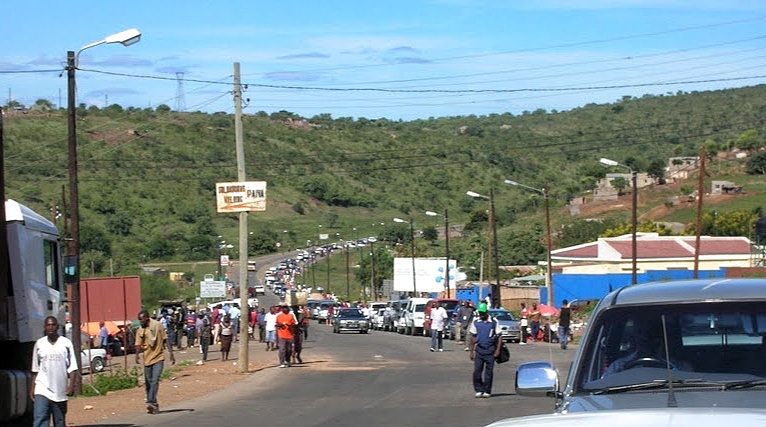
ressano-garcia_snapseedParliment’s standing committee on finance (SCoF) on Wednesday finally adopted a bilateral agreement between South Africa and Mozambique that brings the creation of a one-stop border post between the two countries a step closer.

The move has been six years in the making. The facility is expected to expedite the movement of goods and people, reduce congestion and delays, and lower the cost of cross-border trade.

Members of Parliment heard on Wednesday that the World Bank estimated that a one-day reduction in inland travel time in sub-Saharan Africa could result in a 7% increase in exports. Further, reducing export costs 10% through greater efficiency could increase exports 4.7%.

Parliament is in the process of ratifying the bilateral legal framework for the one-stop border post between South Africa and Mozambique at Lebombo-Ressano Garcia. It is the first bilateral framework of its kind for South Africa and is likely to be replicated in other parts of the Southern African Development Community (SADC).

The facility is expected to expedite the movement of goods and people, reduce congestion and delays, and lower the cost of cross-border trade

SADC has made a commitment to implementing such bilateral agreements throughout the region.

South Africa is in discussion with Zimbabwe about having a one-stop border post at Beitbridge, which is notorious for its congestion and long delays. The committee heard from Department of Home Affairs officials that a single visa for the region was also planned once systems have been integrated and secured.

The one-stop border post facility and access roads to Lebombo-Ressano Garcia have already been built and were just awaiting the go-ahead from the South African and Mozambican governments to begin operating. Each country would have a designated area in the combined facility for customs control but housing them in one unit would mean that goods would only have to be offloaded and loaded back onto trucks once for inspection.

South African Revenue Service senior executive Kosie Louw said the benefits of one-stop border posts were reduced border crossing times and reduced logistics costs. Further, they simplified and harmonised border control and administration, and integrated risk and information management.

A reduction in corruption and illegal imports was another benefit, Mr Louw said. Frequent travellers will be processed speedily through the use of fingerprints. A key element of the agreement is to provide for extraterritorial jurisdiction at the commonly held border posts and to deal with arrest, detention and seizure of goods. Both parties will be entitled to apply their own domestic customs laws within the common control zone.

The formal agreement for the project was signed between the two countries in September 2007 and the Cabinet gave its approval in August 2011 for the bilateral legal framework to be finalised and presented to Parliament. Source: BDlive.co.za

Draft Customs Bills in Parliment

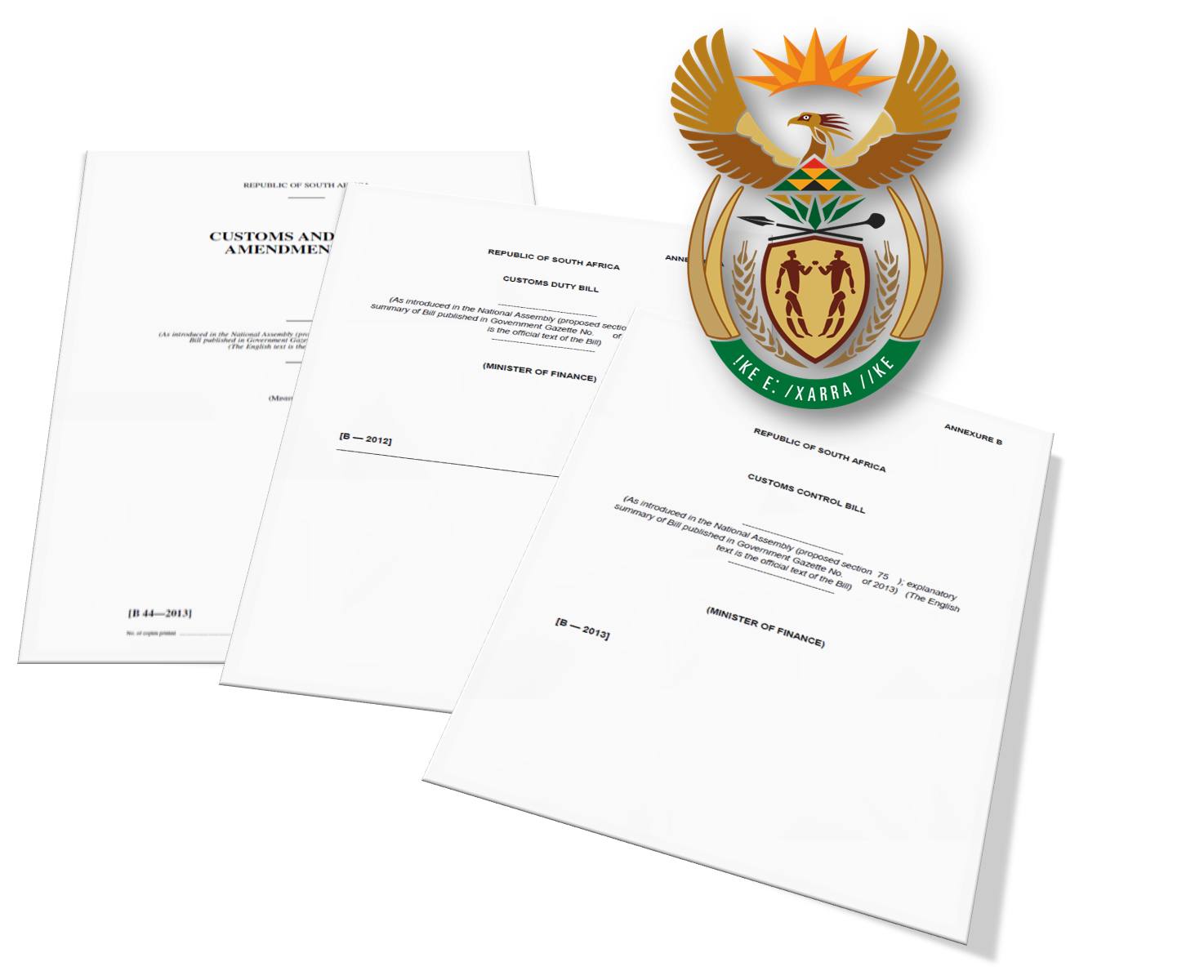
Customs BillsParliament’s Standing Committee on Finance (SCoF) has issued an invitation (17 October 2013) to stakeholders and interested parties to submit written submissions and any indication to make oral presentation for the public hearings in regard to the Customs Control and Customs Duty Bills. The public hearings are set to take place on 30 October 2013. The draft Bills set out a new legal and regulatory framework for Customs controls over the movement of people goods and conveyance in the Republic of South Africa. The proposed new laws will in effect replace the existing Customs and Excise Act, no.91 of 1964 once in force. Copies of the bills can be located on the following website – www.parliament.gov.za – or via the following links:

What Shoprite and Woolworths can tell us about Non-tariff Barriers

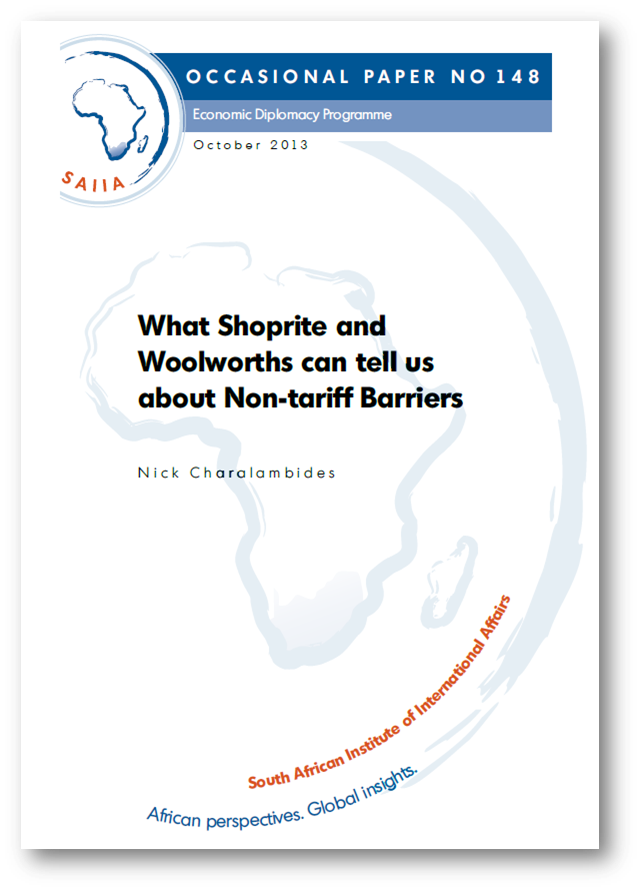
SAIIA PaperGauging from the title of this SAIIA report, it is the first time I ever saw the use of private sector entities as the vehicle for delivery. A nice and welcomed approach. While the report tends towards technical analysis, it does provide some sound thoughts on the extent of non-tariff barriers (NTBs) outside of the traditional barriers such as antidumping duties, quantitative restrictions, import levies. In fact the report focusses on licensing rules, import permits, standards as well  and customs procedures.These NTBs are likely to be less transparent but more prevalent and representative of the constraints Southern African traders face in selling merchandise across borders on a day-to-day basis.

It is interesting to see that corruption features in at least 3 out of the 4 NTBs by category identified by the private sector. While the quest for more automation at borders is definitely feasible, the question of limitation of human intervention at the border will undoubtedly be a stumbling block in many countries. It requires some political will to actually do something about the “rot” at borders. To access the report please visit the SAIIA website

The paper provides an overview of the incidence and impact of non-tariff barriers (NTBs) in the Southern African Development Community (SADC) region. The analysis draws on the growing body of literature on NTBs pertaining to regional trade in Southern and Eastern Africa, but importantly it supplements this with the experience of the private sector in the region. It reviews the current processes and achievements in addressing NTBs within Southern Africa. Practical measures are proposed to facilitate the removal of NTBs within Southern Africa, informed by the lessons from other regions. Source: South African Institute of International Affairs.