Port-to-Hinterland…gearing up for growth?

Proposed Durban-Free State-Gauteng Logistics and Industrial Corridor Plan (SIP2)

Proposed Durban-Free State-Gauteng Logistics and Industrial Corridor Plan (SIP2)

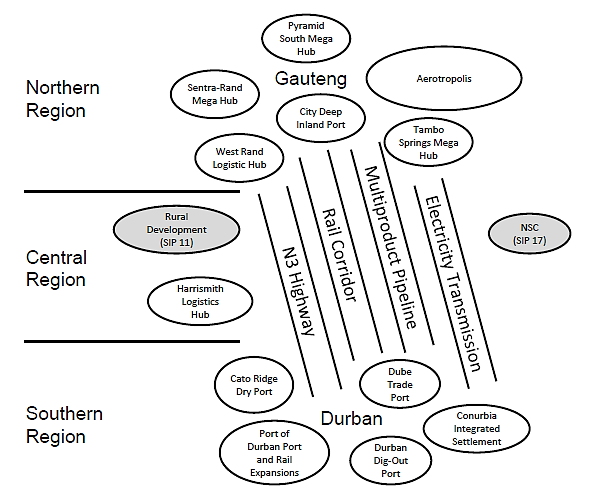
Notwithstanding on-going discontent amongst industry operators in regard to proposed legislative measures mandating customs clearance at first port of entry, the South African government (GCIS) reports that work has already commenced on a massive logistics corridor stretching between Durban and the central provinces of the Free State and Gauteng. Most of the projects that form part of the second Strategic Infrastructure Project (SIP 2), also known as the Durban-Free State-Johannesburg Logistics and Industrial Corridor, are still in the concept or pre-feasibility stage, but construction has already started on several projects.

These include:

  • the building of a R2,3 billion container terminal at City Deep
  • a R3,9 billion project to upgrade Pier 2 at the Port of Durban
  • R14,9 billion procurement of rolling stock for the rail line which will service the corridor.

Work has also started on the R250 million Harrismith logistics hub development to set up a fuel distribution depot, as well as on phase one of the new multi-product pipeline which will run between Johannesburg and Durban and transport petrol, diesel, jet fuel and gas.

The aim of these projects and others which form part of SIP 2, is to strengthen the logistics and transport corridor between South Africa’s main industrial hubs and to improve access to Durban’s export and import facilities. It is estimated that 135 000 jobs will be created in the construction of projects in the corridor. Once the projects are completed a further 85 000 jobs are expected to be created by those businesses that use the new facilities. Source: SA Government Information Service

Interested in more details regarding South Africa’s infrastructure development plan? Click here!

A South African RFID/GPS cross-border logistics and customs solution

Inefficiency of road freight transport is one of the primary factors that hamper the economy of sub-Saharan Africa. Long delays experienced at border posts are the single biggest contributor towards the slow average movement of freight. Cross-border operations are complicated by the conflicting security objectives of customs and border authorities versus efficiency objectives of transport operators. It furthermore suffers from illegal practices involving truck drivers and border officials. In theory the efficiency of cross-border operations can be improved based on the availability of more accurate and complete information – the latter will be possible if different stakeholders can exchange data between currently isolated systems.

Cross-border trade basically comprises 3 distinct but interlinked layers –

An information layer – in which various trade documentation (purchase order, invoice), cargo and conveyance information (packing list, manifest), customs and government regulatory data (declaration, permits) are exchanged between various supply chain entities and the customs authority. These primarily attest to the legal ownership, contract of carriage, reporting and compliance with customs and other regulatory authority formalities (export and import), and delivery at destination.

A logistics layer – for the collection, consolidation, sealing and conveyance of physical cargo from point of despatch via at least two customs control points (export and import), to deconsolidation and delivery at point of destination.

A financial layer – which refers to the monetary exchange flow from buyer (importer) to seller (exporter) according to the terms and conditions of the sale (INCOTERMS). Hmm… no, this does not include ‘bribe’ money.

All three layers are inter-linked and prone to risk at any point of a given transaction. There is also no silver bullet solution to secure supply chains. Moreover, it is a fallacy that Customs and Border Agencies will ever conquer cross-border crime – simply because there are too many angles to monitor. Furthermore, in order to set up cross—border information exchange and joint enforcement operations it is both legally and politically time-consuming. Criminal elements are not hampered by these ‘institutions’, they simply spot the gaps and forge ahead.

One of the areas requiring customs attention is that of chain of custody. In short this implies the formal adoption of the World Customs Organisation’s SAFE Framework principles. Each party with data that needs to be filed with the government for Customs and security screening purposes has responsibilities. Those responsibilities include –

  • Protecting the physical goods from tampering, theft, and damage.
  • Providing appropriate information to government authorities in a timely and accurate manner for security screening purposes.
  • Protecting the information related to the goods from tampering and unauthorized access. This responsibility applies equally to times before, during and after having custody of the goods.

Tenacent RFID Tag

Tenacent RFID Tag

Security seals are an integral part of the chain of custody. The proper grade and application of the security seal is addressed below. Security seals should be inspected by the receiving party at each change of custody for a cargo-laden container. Inspecting a seal requires visual check for signs of tampering, comparison of the seal’s identification number with the cargo documentation, and noting the inspection in the appropriate documentation. More recently the emergence of certain e-seals and container security devices (CSDs) contribute even further to minimizing the amount of ‘physical’ verification required, as they are able to electronically notify the owner of the goods or government authority in the event of an incidence of tampering.

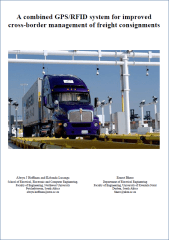
White Paper - GPS-RFID systems for cross-border management of freight consignments

White Paper – GPS-RFID systems for cross-border management of freight consignments

A group of South African specialist engineers have been working closely with transport authorities, logistics specialists, defense experts and customs authorities across the globe. Their e-seal is patented in no less than 16 high volume countries. It is produced in Singapore, China and Indonesia depending on politics, free-trade agreements and demand. May move some to Brazil and US in time. Proof of concept (POC) initiatives are currently underway in Brazil for rail cargo, US Marine Corps for their p-RFID program and other Department of Defense divisions in the USA, and will shortly be included in one of the GSA agreements making it available to any government department in the US. Further adrift, the e-seal is also currently enjoying interest in Guatemala, Mexico, Canada, Panama, Jordan, Italy, Spain, and Malaysia. Here, in South Africa, a POC was conducted at the 1st autogate at Durban Container Terminal, funded by the North West University, and overseen with successfully achieved objectives by Transnet Port Terminals. For technical details of the RFID seal, click here!

With much anticipated success abroad, how much support will this product attain in the local and sub-Saharan African scene? Government authorities, as well as logistics and supply chain operators are therefore encouraged to study the enclosed ‘white paper’ – Click Here!. It firstly quantifies the size of the problem and estimates the potential economic benefits that will be created by improved cross-border operations. It then proposes a combined GPS/RFID system that can provide the required level of visibility to support improved operational management, resulting in a simultaneous increase in the security and efficiency of cross-border freight operations. A brief cost-benefits analysis is performed to show that the expected benefits from such a system will by far exceed the costs of implementation. Source: Tenacent & iPico

UNCTAD – Africa ‘ignores its trade deals’

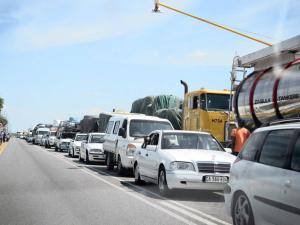
Cars and trucks at the South African border at Musina, Limpopo, queue to cross into Zimbabwe. The Unctad report says there are traditional transport routes in Africa - Photo: Motshwari Mofokeng.

Cars and trucks at the South African border at Musina, Limpopo, queue to cross into Zimbabwe. The Unctad report says there are traditional transport routes in Africa – Photo: Motshwari Mofokeng.

An official in the UN Conference on Trade and Development (Unctad), complains that Africa’s leaders repeatedly sign trade agreements and fail to implement them. Launching the organisation’s 2013 Africa development report in Johannesburg, Patrick Osakwe said leaders should set more realistic targets and “do more serious research” on the viability of the agreements.

Intra-African trade represents only about 11 percent of Africa’s total trade with the world, despite official commitments to improve the flows. Osakwe cited the case of the regional industrial policy adopted by the Economic Community of West African States in June 2010, which “has yet to be fully implemented”.

In June 2011 President Jacob Zuma announced talks on a 26-nation free trade agreement between three existing trading blocs, including the Southern African Development Community, of which South Africa is a member. Experts greeted the proposal with scepticism, noting a long history of leaders signing commitments to free trade or regional integration, but failing to follow through.

The Unctad report, which was launched simultaneously in Geneva and in centres in Africa, said development should be seen in a regional context: co-operation among countries in a broader range of areas than just trade and trade facilitation. It should include investment, research and development, and regional infrastructure development.

The report cited the Maputo Development Corridor linking Gauteng to the port of Maputo as “a successful, true transport corridor that has unlocked landlocked provinces in one of the most highly industrialised and productive regions of southern Africa”.

It said: “There are currently more than 20 corridors in operation in Africa but most tend to be traditional transport corridors. There is a need to move beyond that and to create industrial development corridors as well.

The report focused on intra-African trade and urged governments to unlock the private sector’s potential so that they could successfully diversify their economies. Most African countries are heavily dependent on commodities to grow their economies.

Africa accounts for only 1 percent of global manufacturing, and manufacturing represents only about 10 percent of African gross domestic product, compared with 35 percent for east Asia and the Pacific, and 16 percent for Latin America and the Caribbean.

The share of manufacturing in intra-African trade fell from about 54 percent between 1996 and 2000 to 43 percent between 2007 and 2011, as the value of commodity exports soared.

The report identified a major challenge to expanding the manufacturing sector. The average manufacturing company in sub-Saharan Africa has 47 employees, compared with 171 in Malaysia, 195 in Vietnam and 393 in Thailand. The small size of the operations prevents businesses from achieving economies of scale.

Other barriers were weak linkages between small and large firms, a high share of informal firms, low levels of export competitiveness and a lack of innovation capability. Transport costs were also prohibitive. “In central Africa, transporting 1 ton of goods from Douala in Cameroon to N’Djamena in Chad costs $0.11 (R1.10) per kilometre, more than twice the cost in western Europe and more than five times the cost in Pakistan.” Source: www.iol.co.za

Uganda says it’s time to talk in Africa

Africa-mombasa-mct-aerial

Port of Mombasa (Credit – Port Strategy)

Not for the first time a landlocked country in Africa is attempting to have a say in a remote port operation which functions as a major gateway for its import and export trade. This time it is Uganda proposing that it has a say in the management of Kenya’s major port, the port of Mombasa. In the recent past it was Ethiopia attempting to secure a dedicated terminal in Djibouti.

The Ugandan initiative surfaced at a recent ‘Validation Workshop on Uganda’s Position on the Single Customs Territory for the East African Community. The Permanent Secretary Ministry of EAC Affairs, Edith Mwanje said that Uganda should have a say in the management of gateway ports because of “the many delays that negatively impacted trade”. Ugandan cargo accounts for the largest body of traffic handled by the port of Mombasa for the landlocked countries surrounding Kenya.

It is unlikely, of course, that any country will give up even partial control of a national asset to another country. It is akin to relinquishing sovereignty in the minds of countries owning port assets and being asked to participate in some form of power sharing. Djibouti fought hard to prevent Ethiopian Shipping Lines gaining control of dedicated terminal assets in the old port of Djibouti and won this battle. It is very unlikely that Kenya will even consider the idea of a foreign power participating in the management of its number one port.

It may, however, be a wise course of action for countries such as Djibouti and Kenya to consider establishing some sort of regular stakeholder dialogue. This is the path to a long and sustainable relationship as opposed to a short opportunistic one.

It is known, for example, that in the past Ethiopia has been frustrated by the high price of gateway container and general cargo operations in Djibouti and this has led to tensions. Since these days, however, Djibouti has put considerable effort into having a sensible dialogue with Ethiopia and this has matured into new projects such as the signing of an agreement with Ethiopia and Djibouti to build an oil pipeline that will reduce South Sudan’s dependence on crude shipments via neighbouring Sudan, and plans for a $2.6bn liquefied natural gas terminal in Djibouti, including a liquefaction plant and a pipeline, that will enable the export of 10m cubic meters of gas from Ethiopia to China annually from 2016.

Source and Picture credit: Portstrategy.com

Global market research and business opportunities with Passport

Passport is a global market research database providing statistics, analysis, reports, surveys and breaking news on industries, countries and consumers worldwide. Passport connects market research to your company goals and annual planning, analyzing market context, competitor insight and future trends impacting businesses worldwide. And with 90% of our clients renewing every year, companies around the world rely on Passport to develop and expand business opportunities, answer critical tactical questions and influence strategic decision making.
Passport offers and examines:

  • Detailed analysis of consumer and industrial markets around the world across 781 cities, 210 countries, and 27 industries with historic data from 1997 and forecasts through 2020. Passport data is completely cross-country comparable.
  • Industry analysis across fast moving consumer goods and services, including market performance, market size, company and brand shares and profiles of leading companies and brands
  • Industrial makeup of the world’s largest economies, examining business to business economic influences and the forces behind strategy development, production and supply chains, economic modeling and forecasting, econometrics, data mining, scenario planning, urban economics and wealth distribution.
  • Data and analysis on consumer lifestyles, population trends, and socioeconomic analysis for every country, lifestyle and consumer type down to the city level
  • Timely commentary on factors influencing the global, regional and local business environment.
  • Surveys exploring consumer opinions, attitudes and behaviours.

Source: Euromonitor.com

Non-Tariff Barriers – SADC Secretariat requested to intervene in Mozambique

0b8a0ce6140c04b4f629a97cb5e8d8f34e69d4a1The SADC, COMESA and EAC Tripartite alliance has been urged by various Zimbabwean, Zambian and Malawian exporters to salvage a potential crippling situation occurring at Mozambique borders. This follows the recent implementation of a new transit bond guarantee system which in conjunction with the Single Window system is allegedly causing significant delays, including loss of business and spiralling demurrage for transit goods emanating from these landlocked countries, en route for export from various Mozambique ports, Beira in particular.

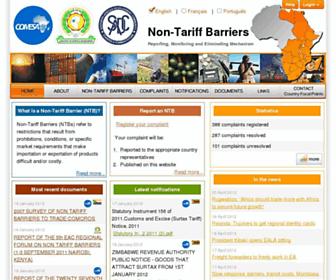
Complaint no. NTB-000-578 in terms of ‘Lengthy and costly customs clearance procedures’ was lodged and can be viewed in full on the Tripartite’s NTB portal. Amongst the various problems sited, the complainants request the following of Mozambique –

  • Mozambique Ministry of Finance is requested to get customs to consider a parallel system to run with the electronic single window programme to clear the backlog in Beira port now and also consider providing release against Report orders to reduce further downtime in port . This will be a stop-gap measure until the customs staff are well versed , fully trained and that the new system can work well.
  • Mozambique authorities to facilitate arrangements with Cornelder to consider waiving storage for this special situation or at least offer 75% credit on the bills due which I must say are now astronomical based on the days the cargo has stayed in port both imports and exports.
  • Mozambique authorities to facilitate arrangements with shipping lines to consider waiving completely the demurrage due on the empty containers or at least give say 15-21 more days grace period before demurrage starts accruing.
  • Mozambique authorities to facilitate arrangements that Mozambique customs get technical assistance to assist roll this new programme out without causing huge catastrophes like this.

Mozambique has acknowledged the complaint and expressed regret over the developments. Mozambique reported that the issue was receiving urgent attention and they would provide feed back shortly.

Airport Cities – a view to a different trading environment for South Africa?

ace_skyscraper_237x352aerotropolisThis past week witnessed the first Airport Cities Convention in South Africa. It came at the timely announcement of the country’s first aerotropolis earmarked for development around Oliver Tambo International airport (ORTIA) and the surrounding industrial complex. While the City of Ekurhuleni gets prized possession of the ‘aerotropolis’ (in title) by virtue of the location of ORTIA, Johannesburg is set to benefit perhaps more greatly due to it being the epi-centre of South African commerce and trade. This represents significant ‘hinterland’ development which bodes well for future multi-modal transport and shipping activity for the Gauteng region and the country as a whole.

In support of government’s National Infrastructure Plan, is Strategic Integrated Project (SIPs) 2, otherwise known as the Durban-Free State-Gauteng logistics and industrial corridor. Infrastructure upgrades are already occurring to road and rail networks linking to the key cargo and distribution hub, City Deep. While the express purpose of an inland port, terminal or logistics hub is to provide relief for congested seaports, it likewise creates possibilities and opportunities to synergise with other transport forms. This serves to maximise capacity through integration offering local suppliers and foreign customers a host of trade, shipment and logistics options.

Foremost, an inland port is a hub designed to move international shipments more efficiently and effectively from maritime ports inland for distribution throughout the heartland. Think of the logistics of inbound freight as a barbell. At one end, inbound containers flood into a seaport, spreading across local storage facilities as they are unloaded. If they aren’t moved quickly enough from the port, they create a bottleneck that bogs down the entire distribution cycle as containers wait longer to get off ships, to get into warehouses, and to get back out and onto trucks and trains for final shipment. The Emergence of the Inland Port (credit: Jones, Lang, LaSalle)

In a world of increasing global integration, focussing more on global distribution of goods and services, it behoves our country to understand the dynamics of global trade and what in fact makes commerce tick. Today’s number 1 spot is not going to remain intact without continuous re-evaluation and innovation. It would indeed be arrogant (if not suicidal) of us to think that our current prominence and strength in the sub-saharan region will remain without innovation for the future. At the same time South Africa should welcome increased competition from its neighbours, both immediate as well as further north in Africa. The latest fDI 2013 Report indicates a decrease in foreign direct investment in South Africa (-5%) and Kenya (-9%), while at the same time a significant increase in foreign investment in Nigeria (+20%) and Egypt (+20%), respectively. True, the latter countries are far removed from South Africa’s immediate ‘playing field’, however do we fully understand the drivers which cause the named countries to attract FDI at such an increasing rate – are they capitalising somehow on our deficiencies, shortcomings, or lack of opportunism?

The National Infrastructure Plan can only be seen as a single cog in the machinery to keep South Africa competitive. And, while it is encouraging to witness these developments, a corresponding economic and commercial enterprise on both government and private sector is required to maximise these developments. Some smidgen of hope could lie in the Department of Trade and Industry’s economic principles which support Industrial Policy Action Plan (IPAP) and Special Economic Zones (SEZs), for example, however, several business commentators have already voiced concerns on exactly how these support the Infrastructure Plan. A further question lies in our country’s ability to facilitate trade, not only at our ports, but more importantly the ‘hinterland’ of our country and the neighbouring regions. Do our existing and future laws adequately provide for expeditious and facilitative procedures in the treatment of import and export goods? Are we sure that we are addressing all real and potential trade barriers?

Anyone desiring more information on the ‘aerotropolis’ concept should find some interest at the following websites – Aerotropolis.com, and the City of Ekurhuleni

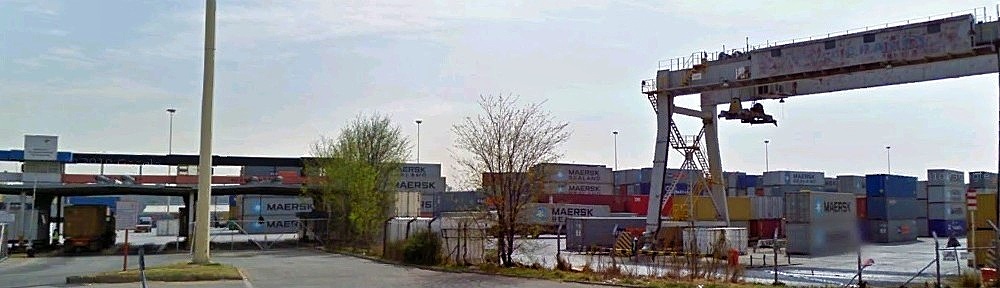
City Deep Inland Terminal [port] to be hit hard by Customs Bill

Trucks at Transnet Freight Rail's City Deep Terminal (Engineering News)

Trucks at Transnet Freight Rail’s City Deep Terminal (Engineering News)

Following up on last year’s meeting (click here!) of the minds, convened by the JCCI, a recent meeting in Johannesburg placed fresh emphasis on the dilemma which impending changes contemplated in Customs Draft Control Bill will have for the import and logistics industry in particular. The following report carried by Engineering News highlights trade’s concerns which are by no means light weight and should be addressed with some consideration before the Bills come into effect. Gauging from the content below, there is a clear disconnect between business and policy makers.

The closure of Johannesburg’s inland port seemed to be a “done deal” as Parliament deliberated the recently tabled Customs Control Bill that would leave the City Deep container depot invalid, Chamber of Commerce and Industry Johannesburg (JCCI) former president Patrick Corbin said on Friday.

The promulgation of the South African Revenue Services’ (Sars’) newly drafted Customs Control Bill, which, in conjunction with the Customs Duty Bill, would replace the current legislation governing customs operations, would have a far-reaching impact on the cost and efficiencies of doing business in South Africa and other fellow Southern African Customs Union (Sacu) countries, he added.

The Bill, which was the product of a three-year development process within the National Economic Development and Labour Council, declared that all imported goods be cleared and released at first port of entry. This was part of efforts by customs officials and government to root out any diversion and smuggling of goods, ensure greater control of goods moving across borders and eliminate risks to national security.

Speaking at the City Deep Forum, held at the JCCI’s offices in Johannesburg, Corbin noted, however, that City Deep had operated as an inland port for the past 35 years, easing the load on the country’s coastal ports, which were already strained to capacity. Despite customs officials assuring the chamber that the operations and facilities in City Deep/Kaserne would retain its licence as a container depot, he believed customs had failed to recognise the critical role City Deep had played in lowering the cost of business, easing the burden on South Africa’s ports and ensuring ease of movement of goods to neighbouring countries. As customs moved full responsibility of container clearances to the ports, port congestion, inefficiencies, shipping delays and costs would rise, and jobs would be lost and import rail volumes decreased, he noted.

Economist Mike Schussler added that the closure of the City Deep inland port operations would add costs, increase unreliability and induce “hassles”, as the Durban port did not have the capacity to handle the extra volumes and its productivity and efficiencies were “questionable” compared with other ports.

“The volume of containers going to overstay or being stopped for examination in City Deep [will] need to be handled by [the coastal] ports. If they can’t cope with the volume at the moment, how are they going to handle increased volumes,” Iprop director Dennis Trotter questioned. He noted that only the containers cleared 72 hours prior to arrival would be allocated to rail transport. Those not cleared three days before arrival would be pushed onto road transport to prevent blocking and delaying rail operations.

This, Schussler said, would also contribute – along with port tariffs and the cost of delays – to higher costs, as road transport was more expensive than rail.

He pointed out that South Africa was deemed third-highest globally in terms of transport pricing. It would also result in less rail capacity returning for export from Johannesburg, further leading to increased volumes moving by road from City Deep to Durban.

Sacu countries, such as Botswana, would also be burdened with higher costs as they relied on City Deep as an inland port. Trotter noted that the region would experience loss of revenue and resultant job losses. Over 50% of South Africa’s economy was located closer to Gauteng than the coastal ports. Johannesburg alone accounted for 34% of the economy, said Schussler, questioning the viability of removing the option of City Deep as a dry port.

However, unfazed by the impending regulations, Transnet continued to inject over R1-billion into expansion and development opportunities at City Deep/Kaserne. Corbin commented that Transnet had accepted the assurances from customs that “nothing would change and the boxes would still be able to move seamlessly once cleared.” The City of Johannesburg’s manager of transport planning Daisy Dwango said the State-owned freight group was ramping up to meet forecast demand of the City Deep/Kaserne depot.

The terminal’s capacity would be increased from the current 280 000 twenty-foot equivalent units (TEUs) a year, to 400 000 TEUs a year by 2016, increasing to 700 000 TEUs a year by 2019. Transnet aimed to eventually move to “overcapacity” of up to 1.2-million TEUs a year. Dwango said projections have indicated that by 2021, the City Deep/Kaserne terminals would handle between 900 000 and one-million TEUs a year. Source: Engineering News

Debate or Mitigate?

City Deep1_SnapseedBrowsing my various sources of news I came across this article featured in the FTW Online a few weeks ago. It prompted me to post it as an item for some detailed discussion in a follow-up post. Many followers have enquired what happened to my discussion on Inland Ports and the National Transit procedure. I guess it’s now time to respond, but not just yet – perhaps after what materializes at the event below.

What will be the impact of the new Customs Bill on City Deep’s inland port status?
This is the issue to be debated at a JCCI event scheduled for March 15. “The Johannesburg Chamber has been closely involved with City Deep, our international gateway for containerised cargo, for the past 36 years,” says the JCCI’s Pat Corbin. “We have actively promoted the benefits for traders of a combined transport (multi-modal) bill of lading allowing seamless movement through the coastal ports.

“But diametrically opposed developments are taking place which could have far-reaching impact on not just the future of the dry port, the supporting logistical suppliers and local employment, but also the coastal ports and the transport mode for inland movement.”

The event will examine Transnet’s major investments in City Deep and the Durban corridor, SACD’s expanded facilities and services, and the Customs Bill – with its intended removal of inland port status. Source: FTW Online

Aerotropolis for Gauteng…stuff’s about to happen

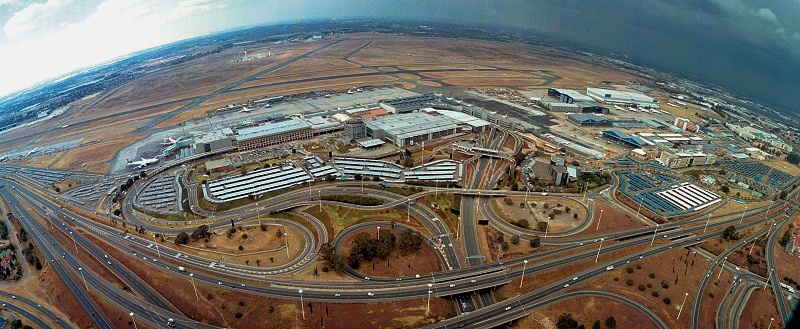
Oliver Reginald Tambo International Airport (east of Johannesburg) to become Africa's first aerotropolis

Oliver Reginald Tambo International Airport (east of Johannesburg) to become Africa’s first aerotropolis

The Gauteng Provinicial government has announced that Africa’s busiest airport, OR Tambo International Airport is set to become the location for the continent’s first aerotropolis. Work on the development of the aerotropolis, centred at OR Tambo International Airport, seeks to leverage public and private sector investment at the airport and surrounding areas. In supporting industrial development in this precinct, approval has been granted for the creation of an Industrial Development Zone (IDZ) in the area surrounding the airport. Heard this all before, but what’s different this time around?

An aerotropolis is an urban plan in which the layout, infrastructure, and economy is centered around an airport, existing as an airport city. It is similar in form and function to a traditional metropolis, which contains a central city core and its commuter-linked suburbs.The term was first proposed by New York commercial artist Nicholas DeSantis, whose drawing of a skyscraper rooftop airport in the city was presented in the November 1939 issue of Popular Science.The term was revived and substantially extended by academic and air commerce expert Dr. John D. Kasarda in 2000, based on his prior research on airport-driven economic development. Wikipedia

Jack van der Merwe, who successfully oversaw the development of the Gautrain project, has been appointed to lead the initiative of developing the aerotropolis. The proposal for the airport to become a terminal city with air, rail and road networks fuelling economic development. It is envisaged to include a commercial component, hotel, conferences, exhibitions and a residential component.

One of the key initiatives of the national government is the e-Thekwini-Free State-Gauteng freight and logistics corridor, known as the Strategic Infrastructure Project 2 (SIP2), which seeks to improve the movement of goods from the Durban port to Gauteng, and to business enterprises nationally as well as in southern Africa.

City Deep/Kazerne cargo terminals and the planned Tambo-Springs Freight and Logistics Hub are to be the focal points for the movement of goods for the export market. Phase 1 of the City Deep/Kazerne Terminal expansion and roads upgrade was underway at the continent’s largest and busiest in-land container terminal. This includes a redesign and upgrading of the roads network in and around the City Deep Terminal to provide for better flow of freight traffic and linkages with the national highways – the cost of the road works would amount to R122 million. At some point the issue of non-tariff barriers to import/export trade will need to be discussed…..and overcome.

Transnet has completed the first phase in the actual improvements of the terminal. It will be investing R900 million in upgrading the terminal. A detailed road design work, including feasibility studies and the development of a master plan, are underway for the Tambo-Springs Inland Port. Now, we’re talking…….

Gauteng  Province is to get 2 484 new modern trains as part of the Passenger Rail Agency of South Africa (PRASA) rolling stock for fleet recapitalisation and refurbishment programme.

The province will be making major investments in road infrastructure in the coming financial year and these include reconstruction and upgrading of the R55 (Voortreker Road) to a dual carriageway road between Olievenhoutbosch and Pretoria West; rehabilitation of the remaining section between Main Road and Maunde Street in Atteridgeville; reconstruction and upgrading of William Nicol Drive (K46) between Fourways and Diepsloot as well as reconstruction and improvement of the remaining section of the Old Pretoria to Cullinan Road between the Chris Hani Flats and Cullinan, among others. Wow, and the toll fees?

The department has been allocated a budget of R4.77 billion for the 2013/14 financial year. Of this amount R1.4 billion has been earmarked for roads maintenance and upgrading, R1.7 billion for public transport operations and R802 million for the running cost of the Gautrain Management Agency. Source: EngineeringNews

So, all-in-all, the above together with other recent noises of incentives and benefits for foreign and local investors in SEZs, the future holds some promise and interest…..

AU considers continental Customs Connectivity

500px-Emblem_of_the_African_Union_svgThe African Union (AU) Technical Working Group on Interconnectivity has developed a ‘draft’ Strategy and Roadmap for Customs-2-Customs IT Connectivity on the continent. This strategy will effectively guide the process of the continental Interconnectivity of Computerized Customs Clearance and Information Systems in Africa. The ‘draft’ Roadmap envisages that the process of interconnectivity will take a period of 11 years with a total of four stages.

Stage 1 – by 2014, National states should have engaged one another (within their respective regions) on the matter of Customs connectivity.

Stage 2 – between 2013 and 2017, the AU has an extremely ambitious expectation that national Customs Administrations would have (at least commenced) if not completed Customs ‘connectivity’ within the various Regional Economic Communities (RECs) in Africa.

Stage 3 – between 2017 and 2020, the suggestion that Customs interconnectivity will be occurring between RECs across the African continent – North Africa: AMU; West Africa: ECOWAS and UEMOA; Central Africa: ECCAS and CEMAC; East Africa: COMESA, EAC, IGAD; and South Africa: SADC and SACU.

Stage 4 – between 2020 and 2025, consolidation of Customs IT-Connectivity across the RECs.

The ‘draft’ Strategy spells out the strategic objectives and activities at the national, regional and continental level that will need to be taken for this to be realized. The strategy also indicates the roles of all the major stake holders in the process.  This comes in the wake of several regional and bi-lateral initiatives to bridge the ‘cross-border divide’ through electronic exchange of structured customs information.

All in all an ambitious plan structured to meet the equally ambitious deadlines of the coming into being of an African Union. The real challenge in all of this lies with the Member States in being able to set aside and commit to regional and continental ambitions, over and above the already pressing and complex national agenda’s of their respective sovereign countries. In context of the African Union, the multiplicity of RECs in themselves add a layer of duplication…..is an “integrated Customs Union” in Africa going to continue to permit the existence of the respective RECs or will they be absorbed into the African Union? Member states need to begin speaking up on this issue otherwise accept being swamped by onerous commitments. No doubt the ‘international donor agencies’ wait eagerly in the wings to capitalise on Africa’s deficiencies.

NRA/BURS – Customs Connectivity Passes Test

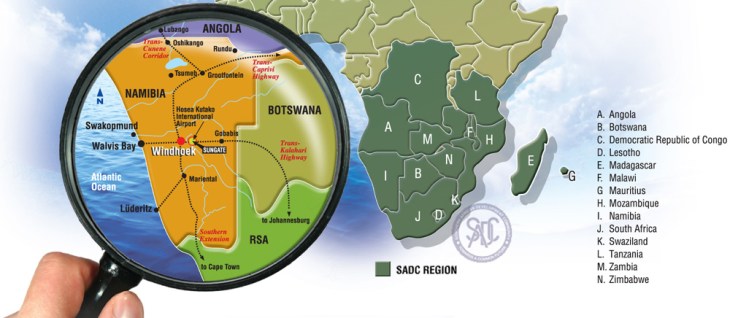
TKCThe first live demonstration of an end-to-end customs connectivity solution was successfully completed in Windhoek, Namibia on December 12, 2012. Customs Connectivity enables customs administrations from different countries to share information seamlessly and instantly across borders: reducing processing time and improving access to reliable, real-time trade statistics.

The demonstration was witnessed by the Commissioners of Botswana (BURS) and Namibia Customs (NRA), senior managers and operational teams. The demonstration involved moving information from an ASYCUDA++ entry in Botswana via the Cloud-based User Portal to an ASYCUDA++ entry in Namibia, and vice-versa from Namibia to Botswana. It demonstrated how clearing agents/traders would manage the flow of their information via the secure online User Portal.

The demonstration marked a “watershed moment” in turning Customs Connectivity into reality. The next steps for the pilot project include full system testing and documentation before end-user training commences. Full implementation is scheduled to take place during the first half of 2013.

Customs Connectivity offers countries in the region a historic opportunity to engage cutting-edge technology and modern tools to facilitate trade throughout Southern Africa, enhancing economic growth and promoting food security. The pilot project is being implemented by Botswana and Namibia, supported by the USAID Southern Africa Trade Hub. Source: SATH

Request – Perhaps some of the TKC clearing agents, NRA and BURS customs staff would like to comment on their experience thus far? 

Comesa adopts IT system to boost trade in the region

Workers offload imported sugar at the port of Mombasa. Comesa has already gazetted transit goods routes, which have been geo-fenced and trucks following these routes will be monitored. Photo/File  Nation Media Group

Workers offload imported sugar at the port of Mombasa. Comesa has already gazetted transit goods routes, which have been geo-fenced and trucks following these routes will be monitored. Photo/File Nation Media Group

A new online system being implemented by the Common Market for Eastern and Southern Africa (Comesa) trading bloc is expected to cut down non-tariff barriers, reduce the cost of doing business and improve intra-regional trade.

The $1 million (Sh84 million) system – which is being developed by Comesa and funded by the European Union – could for instance cut transport costs by up to 40 per cent, Comesa secretary-general Sindiso Ngwenya said.

With three main modules – Transit Bonds, Risk Management and Cargo Tracking — the Comesa Virtual Trade Facilitation System (CVTFS) aims at integrating systems used by regional revenue authorities, transporters, shippers, clearing agents, ports and customs to provide real-time information and facilitate uninterrupted movement of goods across borders.

Besides tracking cargo from origin to destination, the system will facilitate management of transit bonds and capture electronic data contained in the customs seal and assign this information to customs offices at various transit points.

Comesa has already gazetted transit goods routes which have been geo-fenced and trucks following these routes will be monitored. In case seals are tampered with, owners will automatically be notified via Short Message Services (SMSs) or email. Owners who register their trucks with the system will display a ‘Comesa Transit’ plate on their vehicles.

Delays along the major transport corridors arising from lengthy procedures at weight control points and police road blocks within the region have been identified as major non-tariff barriers hindering trade.

Mr Charles Muita, a member of the team that worked on the system and who made the presentation, said they expected most of the countries where industry players do not have their own systems to quickly adopt CVTFS. “The system does not intend to replace the ones used by member countries but would integrate them to achieve a seamless flow of information and documentation,” Mr Ngwenya said during the sensitisation at the Mombasa Beach Hotel.

Truckers buy the fleet management system at Sh24,000 and pay an average of Sh2,000 management fee per month.“We are not interested in making money with the system and the initial cost of the gadget will be less than Sh12,000 and a monthly management fee of about $3 (Sh255),” explained Mr Ngwenya.

The sensitisation in Comesa member states aims at getting volunteers for a free pilot project that will run for three months starting next month. Source: Business Daily Africa.com

Want to help? Shut up and listen!

The subject of “Aid” is perhaps the hottest topic on the African continent, but for a variety of reasons. I came across the following video clip which I believe hits the nail on the head when it comes to international donor aid. No doubt there will be many out there who will denounce the presenter, Ernest Sirolli’s message, but as an African myself I can attest to the many examples of wasted opportunity and bullying which has occurred and continues (till this day) by NGO’s who believe they know better than any what is good for this continent. Thanks to the egotism of most politicians it is easy for such NGO’s to bulldoze their way into lucrative contracts which in most instances never see the light of day, or are so poorly implemented by outsiders, that the target country inevitably has to start all over again at its own cost. Anglo-Saxon involvement and meddling is a particular case in point … brazenly advancing the argument of ‘saving Africa from the Africans!’ I have experienced this several times in the last 15 years. Africa to donors has become little more than a box of Lego – where handpicked consultants experiment – upending all the coloured blocks and after 5 years or more leave a pile of blocks in no better arrangement than what they found when they first arrived. Sadly, the ‘developed nations’ have gotten the whole world into a financial mess and, now more than ever, will apply pressure on African governments into newer and more lucrative deals, because there are no more opportunities in their own back yards. The methods are the same, even the players are the same, just the stakes are now higher. Why, because China and the East are now the new ‘trading partners’ with a bit more bargaining power. Enjoy the video!

About the speaker

Ernesto Sirolli is a noted authority in the field of sustainable economic development and is the Founder of the Sirolli Institute, an international non-profit organization that teaches community leaders how to establish and maintain Enterprise Facilitation projects in their community. The Institute is now training communities in the USA, Canada, Australia, England and Scotland.

In 1985, he pioneered in Esperance, a small rural community in Western Australia, a unique economic development approach based on harnessing the passion, determination, intelligence, and resourcefulness of the local people. The striking results of “The Esperance Experience” have prompted more than 250 communities around the world to adopt responsive, person-centered approaches to local economic development similar to the Enterprise Facilitation® model pioneered in Esperance. Source: TED.com

Related Article

African lament – regional integration too slow

National Planning Commission Minister - Trevor Manual

National Planning Commission Minister – Trevor Manual

South African Minister in the Presidency in charge of the National Planning Commission Trevor Manuel says Africa has a lot to learn from the ongoing European economic crisis in order to avoid making the same mistakes. Delivering a presentation under the theme “Africa and the European Financial Crisis — Opportunities and Risks” at the AMH Conversations dinner in Harare on Monday, Manuel said while the European Union (EU) moved at a fast speed towards convergence “we in Africa have been rather painfully too slow about convergence”.

“In fact, it’s so bad for us as Africans that 21 years after the Abuja Treaty was adopted and set out exactly what we need to do if we want to get to an African common market…we still need to focus on regional building blocks,” he said.

“We aren’t building blocks, I am afraid that we are just pebbles without mortar to hold us together. Its not about EU, not about the US (United States), not about the IMF (International Monetary Fund) and World Bank, its about us and the way we relate to each other, and in this context it is fundamentally important that we talk to each other as Africans about some of the hard truths that confront us.”

The former South Africa Finance minister said regional integration required hard work, honesty and convergence, adding that in a global economy, African countries would not be able to survive as individual entities. “As individual countries, we will not make it in the world. We will be picked off and become markets for the rest,” he said.

“So we can’t look to the rest of the world. We have to look to each other in our neighbourhood and understand that’s where change will be driven from. As we learn from Europe we look at ourselves in understanding what we should not do.”

He said institutions mattered both in good times and during a crisis, adding that it mattered for Africa to understand the speed at which countries develop as it builds regional institutions. Manuel said the Lisbon accord brought everybody together in a short space of time without ensuring that each country in the EU was moving at the same rate.

Meanwhile, speaking at the same event, Finance minister Tendai Biti described regional integration as imperative. “For me, with great respect to our principals and leaders, my great disappointment is with the structure of our regional bodies,” he said.

“If you go into the main summit of a SADC meeting, we spend 90% of the time discussing Madagascar, Zimbabwe, Lesotho and now the Democratic Republic of Congo. The actual reports from key ministers like Ministries of finance, regional integration and trade are basically footnotes that Head of States just sift through.” Source: Newsday (Zimbabwe).

Comment: The sad reality of it all is that it is Africa’s politicians which drive this process – they preside over the regional secretariat’s. Its time to provide the necessary guidance to the regional bodies. Moreover, if the ultimate goal is an African Union, why are multiple (overlapping) regional economic unions being promoted?