The Material Footprint of Nations and ‘True’ Material Cost of Development

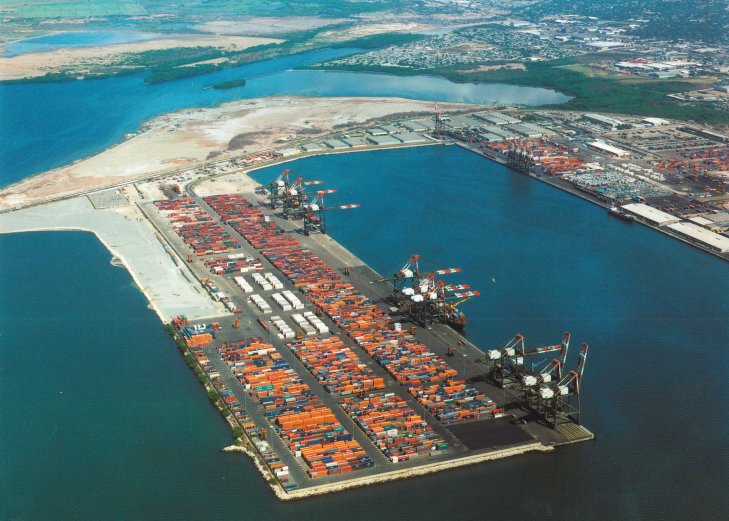
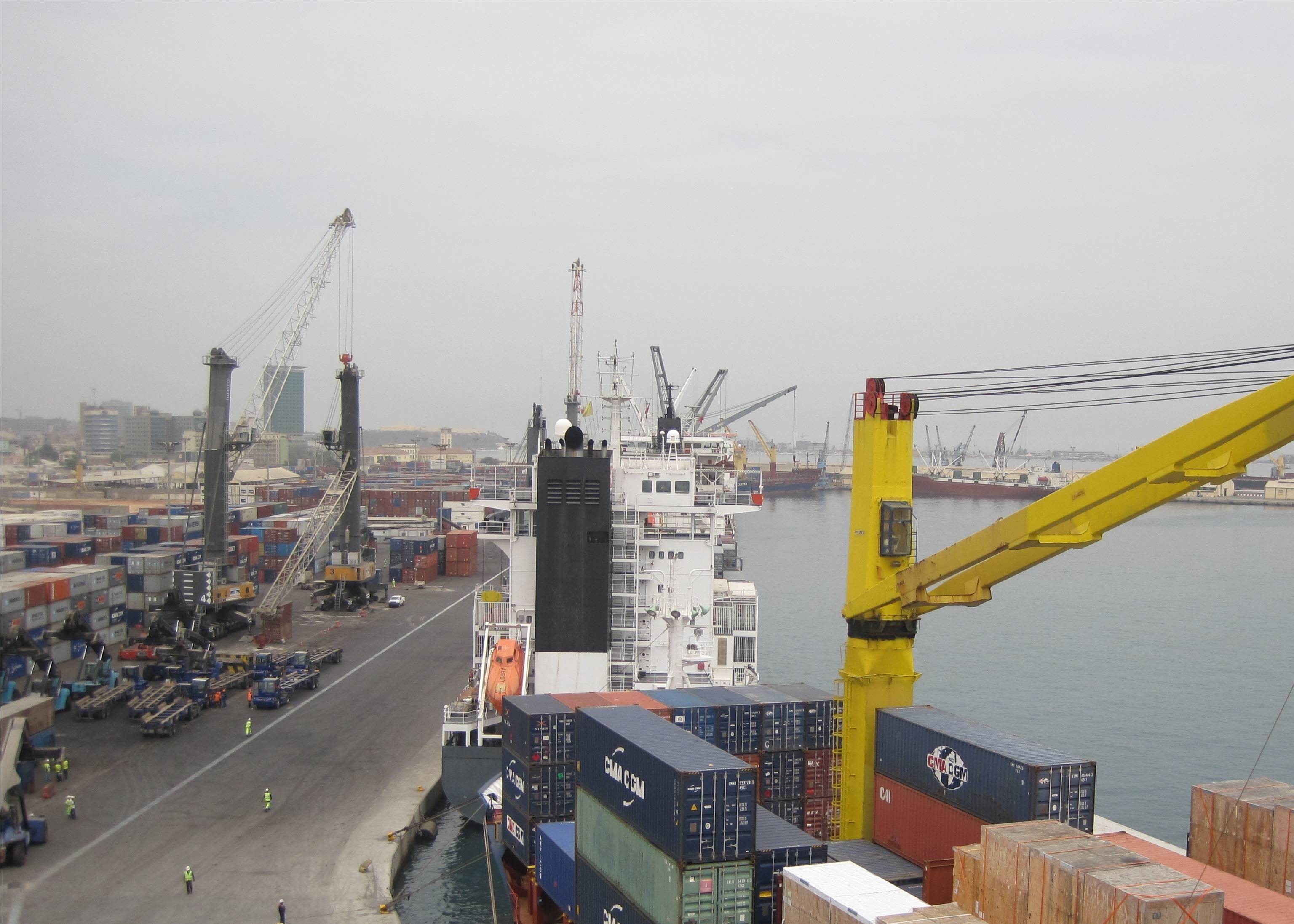
High Density Container Terminal  (Picture credit - Getty Images)

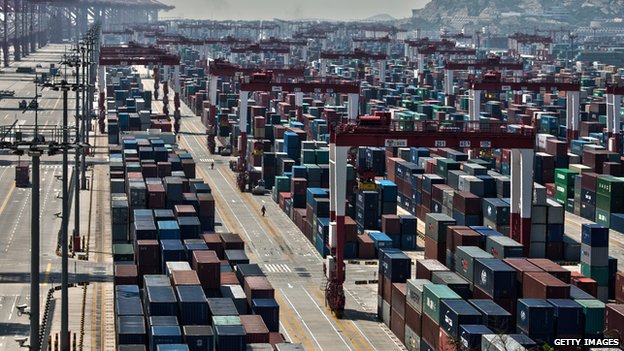
High Density Container Terminal (Picture credit – BBC News/Getty Images)

Thanks to the kind reader who passed me this story. BBC News Environment correspondent, Matt McGrath, reports that current methods of measuring the full material cost of imported goods are highly inaccurate. In a new study, researchers have found that three times as many raw materials are used to process and export traded goods than are used in their manufacture.

Richer countries who believe they have succeeded in developing sustainably are mistaken say the authors. The research has been published  (click hyperlink to access the report) in the Proceedings of the National Academy of Sciences.

Many developed nations believe they are on a path to sustainable development, as their economic growth has risen over the past 20 years but the level of raw materials they are consuming has declined.

According to  Dr Tommy Wiedmann University of New South Wales “We are saying there is something missing, if we only look at the one indicator we get the wrong information”. This new study indicates that these countries are not including the use of raw materials that never leave their country of origin.

The researchers used a new model that looked at metal ores, biomass, fossil fuels and construction materials to produce what they say is a more comprehensive picture of the “material footprint” of 186 countries over a 20 year period.

“The trade figure just looks at the physical amounts of material traded, but it doesn’t take into account the materials that are used to produce these goods that are traded – so for something like fertiliser, you need to mine phosphate rocks, you need machinery, so you need extra materials.”

In this analysis, the Chinese economy had the largest material footprint, twice as large as the US and four times that of Japan and India. The majority comes from construction minerals, reflecting the rapid industrialisation and urbanisation in China over the past 20 years.

The US is by far the largest importer of these primary resources when they are included in trade. Per capita, the picture is different, with the largest exporters of embodied raw materials being Australia and Chile.

According to the model, South Africa was the only country which had increased growth and decreased consumption of materials.

The researchers believe their analysis shows that the pressure on raw materials doesn’t necessarily decline as affluence grows. They argue that humanity is using natural materials at a level never seen before, with far-reaching environmental consequences.

They hope the new material footprint model will inform the sustainable management of resources such as water. The authors believe it could lead to fairer and more effective climate agreements.

“Countries could think about agreements where they help reduce the emissions at that point of material use,” said Dr Wiedmann. “That’s where it is cheapest to do, where it is most efficient, where it makes more sense.” Source: BBC News

Why Do We Import Cure-Dent From China?

The following article is a lesson for all aspiring enterpeneurs on the African continent.

I got curious about the small, mostly unnoticed item in Kigali, what we like to call ‘cure-dent’, the tooth pick. This is how I stumbled onto the fact that we import toothpicks. Yes we import toothpicks from China. Toothpicks here are a symbol for all the things we could make ourselves but import.

toothpicksIt got me wondering – just how complicated is it to make a toothpick? Firstly, toothpicks are made from bamboo and we have plenty of that in Musanze. In any case bamboo can be cultivated. It grows fast and there are new genetically modified reach heights of over 15 metres. A little time on Google showed me that it does not take very much to make them. Indeed the whole process can be done in a woodwork workshop. The process from splitting the bamboo to sharpening the toothpicks takes less than half an hour. That is about 100 packets of toothpicks.

The reason we give for imported stuff is supposedly because we do not have the technology required to make it. This is clearly not true in this case, and, I bet, in the case of a lot of other imports.

Toothpicks are very cheap. They go for between Rwf100 and Rwf500 for each small packet. This is after all the manufacture, freight, taxes and, of course, the shopkeeper’s profits have been considered. Maybe this is why we consider it not to be a profitable venture. Would making toothpicks be profitable? The answer is yes. Let us consider two reasons.

One – the Chinese are not known for time wasting. If they would engage in this enterprise to this extent, they must be something in it. Two – consider being able to make 100 packs of toothpicks in half an hour.

That makes 200 per hour and 1600 per eight hour day (you are by no means tied to this. If you sell them at Rwf50 per pack, you will be grossing Rwf80,000 per day. Now that is profit!

Where is the market? Are we not in the East African Community? We have to start exporting beyond the agricultural produce. Why is urwagwa and akabanga not on the shelves of Kenyan, Ugandan, Tanzanian and Burundian shops?

Why are we always importing? If we are importing toothpicks what do we not import? Unfair Balance of Trade and its accompanying Balance of Payments in addition to aid dependency are the main propagators of poverty in our country. They give us aid… .we use it to buy their products, down to toothpicks!

If we are to make it to self-sufficiency we have to manufacture and export. The journey to self-sufficiency must precede self-reliance. As Bob Marley would say, “We gotta be conscious”.

Article by Sam Kebongo writing for the Rwanda New Times.

Free zones – the potential pitfalls

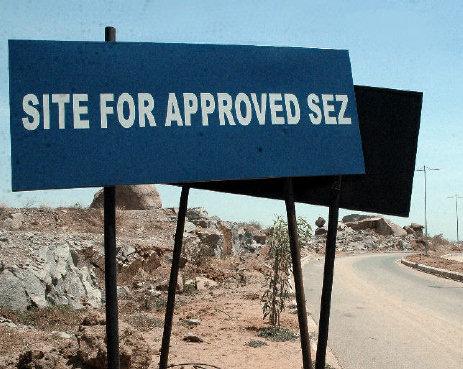
sezFree zones are often seen as a cure-all remedy to the problems developing economies encounter when trying to attract FDI. However, the reality is that such projects need careful planning and long-term support if they are to fulfil such wishes. A report published by fDI Magazine, and featured online – fdiintelligence.com – covers the topic quite comprehensively. While the article it is titled ‘Free Zones’ it’s not quite certain whether all developments sited follow the same business model. Nonetheless it provides some interesting insight to developments across the globe. Of particular interest for Africa are references to developments in Rwanda, Botswana, and the Gambia. In the case of the latter, the Gambian government’s decision to legally enable companies to operate as standalone zones, whereby businesses are permitted to enjoy the benefits of being a ‘free zone’ entity without having to establish in the country’s business park, could enable Gambia to attract investors who wish to have a greater degree of choice over the location of their premises.

Some of the key messages of the article come in the form of cautionary’s –

“the ‘build it and they will come’ assumption over SEZs will not guarantee investor interest”

“while governments are quick to launch them with great fanfare, a lack of on-going support afterwards hinders the zone from developing to a competitive and world-class standard…many projects remain just that – a project”

“while the idea of clustering several companies from a few specific sectors sounds promising on paper, in practice this can be detrimental to foreign enterprises”.

Read the full report here!

SA identifies ten potential ‘special economic zones’

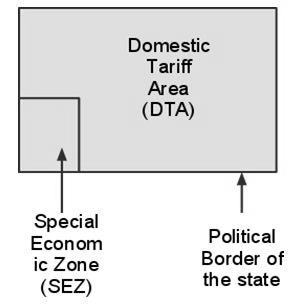
sez-figure-1The Minister of Trade and Industry, Dr Rob Davies says ten potential Special Economic Zones (SEZs) have been agreed upon with provinces. He told the Portfolio Committee on Trade and Industry in Parliament on Friday, that these potential SEZs must still go through a feasibility study to determine their viability. The Department of Trade and Industry was presenting the Special Economic Zones (SEZs) Bill to the Portfolio Committee.

The main objectives of the SEZ Bill, amongst others, are to provide for the designation, development, promotion, operation and management of Special Economic Zones; and to provide for the establishment of the Special Economic Zones Board. The SEZs are designed to promote socio-economic benefits and creation of decent work.

The purposes of the SEZs include facilitating creation of an industrial complex with strategic economic advantage for targeted investment and industries in manufacturing sector and tradable services. This will also focus on developing infrastructure to support development of targeted industrial activities and attracting foreign and domestic direct investment.

There are different categories of the SEZs that South Africa will make use of, namely:

  • A free port;
  • A free trade zone;
  • An industrial development zone; and
  • A sector development zone.

Hopefully Trade and Industry will clarify for both public and investors the differentiation between the four options. From a Customs and Tax perspective there could be divergent legal requirements, formalities and processes. The sooner that this can be finalised all the better for the various ‘zones’ to commence with their vigorous marketing campaigns.

Davies told the Committee that the Industrial Development Zones (IDZs) will continue to be one of the elements of the Special Economic Zones (SEZs). The IDZ programme was initiated in 2000 and four zones were designated, with three currently operational: Coega (Port Elizabeth), East London and Richards Bay. The IDZs including the current ones are types of the SEZs and once the new the Act is passed they will form part of the Special Economic Zone programme, according to the minister.

The existing industrial development zones (IDZs) were beginning to gain traction because of the way they were managed and promoted. He cited the example of the East London IDZ, which had a private sector investment of R600 million in 2009 compared to R4bn in 2012/2013.

Work under the current IDZ regulations include the Saldanha Bay which is about to be designated. The Saldanha Bay Feasibility Study published in October 2011, found that there was sufficient non-environmentally sensitive land upon which an IDZ development could take place. Total direct and indirect jobs are expected to amount to 4 492 in the first year, 8 094 in the second year, 7 274 in the third year, 10 132 in the fourth year and 14 922 in the fifth year. From the seventh year around 14 700 direct and indirect jobs would be sustained in the province as a result of the IDZ. Saldanha Bay is an ideal location for the development of an Oil & Gas and Marine Repair Cluster. The Port of Saldanha Bay is also competitively located between the oil and gas developments on the West Coast of Africa, as well as the recent gas finds on the East Coast of Africa.

The SEZ bill would provide a legal framework for the zones and for granting special incentives for businesses operating there such as duty free inputs. He said major areas of agreement had been reached between business‚ labour and community representatives in the National Economic Development and Labour Council. Labour wanted to have three Nedlac representatives on the 15 member SEZ boards and the department had agreed to this on condition they met the criteria in terms of qualifications and knowledge. Nine representatives would be from government and there would be three independent experts.

Business argued against municipalities having the right under the bill to propose SEZs as it said this was not their core business and they lacked the capacity for this. The department however decided to retain this clause‚ October said‚ because there were municipalities which did have this capacity and in any event the applications for SEZs would undergo rigorous evaluation.

The department also decided to go ahead with the idea of these SEZs being operated on a triple PPP basis (public private partnerships) even though labour disapproved of this on the grounds that it would be a form of private ownership. Sources: Engineering News & businessnews.howzit.msn.com

Airport Cities – a view to a different trading environment for South Africa?

ace_skyscraper_237x352aerotropolisThis past week witnessed the first Airport Cities Convention in South Africa. It came at the timely announcement of the country’s first aerotropolis earmarked for development around Oliver Tambo International airport (ORTIA) and the surrounding industrial complex. While the City of Ekurhuleni gets prized possession of the ‘aerotropolis’ (in title) by virtue of the location of ORTIA, Johannesburg is set to benefit perhaps more greatly due to it being the epi-centre of South African commerce and trade. This represents significant ‘hinterland’ development which bodes well for future multi-modal transport and shipping activity for the Gauteng region and the country as a whole.

In support of government’s National Infrastructure Plan, is Strategic Integrated Project (SIPs) 2, otherwise known as the Durban-Free State-Gauteng logistics and industrial corridor. Infrastructure upgrades are already occurring to road and rail networks linking to the key cargo and distribution hub, City Deep. While the express purpose of an inland port, terminal or logistics hub is to provide relief for congested seaports, it likewise creates possibilities and opportunities to synergise with other transport forms. This serves to maximise capacity through integration offering local suppliers and foreign customers a host of trade, shipment and logistics options.

Foremost, an inland port is a hub designed to move international shipments more efficiently and effectively from maritime ports inland for distribution throughout the heartland. Think of the logistics of inbound freight as a barbell. At one end, inbound containers flood into a seaport, spreading across local storage facilities as they are unloaded. If they aren’t moved quickly enough from the port, they create a bottleneck that bogs down the entire distribution cycle as containers wait longer to get off ships, to get into warehouses, and to get back out and onto trucks and trains for final shipment. The Emergence of the Inland Port (credit: Jones, Lang, LaSalle)

In a world of increasing global integration, focussing more on global distribution of goods and services, it behoves our country to understand the dynamics of global trade and what in fact makes commerce tick. Today’s number 1 spot is not going to remain intact without continuous re-evaluation and innovation. It would indeed be arrogant (if not suicidal) of us to think that our current prominence and strength in the sub-saharan region will remain without innovation for the future. At the same time South Africa should welcome increased competition from its neighbours, both immediate as well as further north in Africa. The latest fDI 2013 Report indicates a decrease in foreign direct investment in South Africa (-5%) and Kenya (-9%), while at the same time a significant increase in foreign investment in Nigeria (+20%) and Egypt (+20%), respectively. True, the latter countries are far removed from South Africa’s immediate ‘playing field’, however do we fully understand the drivers which cause the named countries to attract FDI at such an increasing rate – are they capitalising somehow on our deficiencies, shortcomings, or lack of opportunism?

The National Infrastructure Plan can only be seen as a single cog in the machinery to keep South Africa competitive. And, while it is encouraging to witness these developments, a corresponding economic and commercial enterprise on both government and private sector is required to maximise these developments. Some smidgen of hope could lie in the Department of Trade and Industry’s economic principles which support Industrial Policy Action Plan (IPAP) and Special Economic Zones (SEZs), for example, however, several business commentators have already voiced concerns on exactly how these support the Infrastructure Plan. A further question lies in our country’s ability to facilitate trade, not only at our ports, but more importantly the ‘hinterland’ of our country and the neighbouring regions. Do our existing and future laws adequately provide for expeditious and facilitative procedures in the treatment of import and export goods? Are we sure that we are addressing all real and potential trade barriers?

Anyone desiring more information on the ‘aerotropolis’ concept should find some interest at the following websites – Aerotropolis.com, and the City of Ekurhuleni

Aerotropolis for Gauteng…stuff’s about to happen

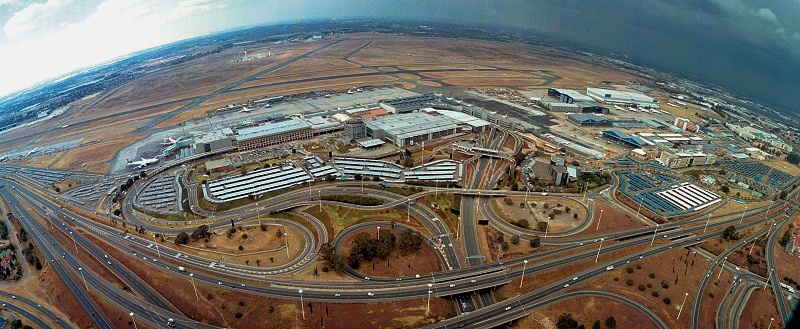
Oliver Reginald Tambo International Airport (east of Johannesburg) to become Africa's first aerotropolis

Oliver Reginald Tambo International Airport (east of Johannesburg) to become Africa’s first aerotropolis

The Gauteng Provinicial government has announced that Africa’s busiest airport, OR Tambo International Airport is set to become the location for the continent’s first aerotropolis. Work on the development of the aerotropolis, centred at OR Tambo International Airport, seeks to leverage public and private sector investment at the airport and surrounding areas. In supporting industrial development in this precinct, approval has been granted for the creation of an Industrial Development Zone (IDZ) in the area surrounding the airport. Heard this all before, but what’s different this time around?

An aerotropolis is an urban plan in which the layout, infrastructure, and economy is centered around an airport, existing as an airport city. It is similar in form and function to a traditional metropolis, which contains a central city core and its commuter-linked suburbs.The term was first proposed by New York commercial artist Nicholas DeSantis, whose drawing of a skyscraper rooftop airport in the city was presented in the November 1939 issue of Popular Science.The term was revived and substantially extended by academic and air commerce expert Dr. John D. Kasarda in 2000, based on his prior research on airport-driven economic development. Wikipedia

Jack van der Merwe, who successfully oversaw the development of the Gautrain project, has been appointed to lead the initiative of developing the aerotropolis. The proposal for the airport to become a terminal city with air, rail and road networks fuelling economic development. It is envisaged to include a commercial component, hotel, conferences, exhibitions and a residential component.

One of the key initiatives of the national government is the e-Thekwini-Free State-Gauteng freight and logistics corridor, known as the Strategic Infrastructure Project 2 (SIP2), which seeks to improve the movement of goods from the Durban port to Gauteng, and to business enterprises nationally as well as in southern Africa.

City Deep/Kazerne cargo terminals and the planned Tambo-Springs Freight and Logistics Hub are to be the focal points for the movement of goods for the export market. Phase 1 of the City Deep/Kazerne Terminal expansion and roads upgrade was underway at the continent’s largest and busiest in-land container terminal. This includes a redesign and upgrading of the roads network in and around the City Deep Terminal to provide for better flow of freight traffic and linkages with the national highways – the cost of the road works would amount to R122 million. At some point the issue of non-tariff barriers to import/export trade will need to be discussed…..and overcome.

Transnet has completed the first phase in the actual improvements of the terminal. It will be investing R900 million in upgrading the terminal. A detailed road design work, including feasibility studies and the development of a master plan, are underway for the Tambo-Springs Inland Port. Now, we’re talking…….

Gauteng  Province is to get 2 484 new modern trains as part of the Passenger Rail Agency of South Africa (PRASA) rolling stock for fleet recapitalisation and refurbishment programme.

The province will be making major investments in road infrastructure in the coming financial year and these include reconstruction and upgrading of the R55 (Voortreker Road) to a dual carriageway road between Olievenhoutbosch and Pretoria West; rehabilitation of the remaining section between Main Road and Maunde Street in Atteridgeville; reconstruction and upgrading of William Nicol Drive (K46) between Fourways and Diepsloot as well as reconstruction and improvement of the remaining section of the Old Pretoria to Cullinan Road between the Chris Hani Flats and Cullinan, among others. Wow, and the toll fees?

The department has been allocated a budget of R4.77 billion for the 2013/14 financial year. Of this amount R1.4 billion has been earmarked for roads maintenance and upgrading, R1.7 billion for public transport operations and R802 million for the running cost of the Gautrain Management Agency. Source: EngineeringNews

So, all-in-all, the above together with other recent noises of incentives and benefits for foreign and local investors in SEZs, the future holds some promise and interest…..

Government heeds the call – Tax Holidays for SEZs

Minister Pravin Gordhan and his 'budget team' on their way to parliment [Picture credit-SARS]

Minister Pravin Gordhan and his ‘budget team’ on their way to parliament [Picture credit – SARS]

After more than a decade of fruitless marketing and billions spent on capital investment, Budget 2013 brings some hope of a turn-around and better fortunes for economic development zones in South Africa.

Minister of Finance, Pravin Gordhan announced, what is an unprecedented move. to bolster support for government’s Special Economic Zone (SEZ)programme. Investors in such zones are expected to qualify for a 15% corporate tax rate, and in addition, a further tax deduction for companies employing workers earning less than R60,000 per year.

This is a significant development in that the previous dispensation under the Industrial Development Zone (IDZ) programme only afforded prospective investors a duty rebate and VAT exemption on imported goods for use in the Customs Controlled Area (CCA) of an IDZ. The reality is that these benefits were simply not enough to woo foreign company’s to set up shop in our back yard, let alone existing big business in South Africa to relocate to these zones. Mozambique, next door, has had much success as are other African countries through the offering of company tax holidays with the introduction of export-focussed special manufacturing facilities.

The SEZ (so it would seem) differs little from the IDZ approach save the fact that the former does not require the location of the economic zone at an international airport, seaport or border crossing. As such, an existing IDZ may ‘house’ a special economic zone, thus maximizing return on investment.

Recent developments in SA Customs realise a provision permitting foreign entities to register as importers or exporters under the ‘foreign principal’ clause in the Customs and Excise Act. Approval of such is dependant on the foreign principal establishing a business relationship with a South African ‘Agent’. This ‘agent’ is required to be registered with the SA Revenue Service as the party representing a ‘foreign principal’ in customs affairs. At this point, the provision is being applied to business entities in BLNS countries who import or move bonded goods into or from South Africa.

Future global application of this provision could boost the possibilities of a broader range of investor to favourably consider SEZ opportunities in South Africa. This option will, no doubt, not go unnoticed by the big audit firms seeking to broker ‘cross-border’ customs facilities for their multi-national clients. I perceive that more introspection is still required concerning ‘non-resident’ banking facilities and transfer pricing issues to enable the global application of the foreign principal concept. But after all this seems a good case for trade liberalisation. Add to this the forthcoming launch of Customs new integrated declaration processing system that will (in time) offer simplified electronic clearance and expedited release facilities for future SEZ clients.

Jamaica plans global logistics hub

The Port of Kingston – ripe for development

The Port of Kingston – ripe for development

The Government of Jamaica has revealed ambitious plans to turn the Caribbean island in to a global logistics hub – and high level talks have already begun with the aim of increasing volumes of sea cargo.

Projects under discussion include developing the Port of Kingston ahead of the expansion of the Panama Canal and the development of a new commodity port to be built in eastern Jamaica which will specifically handle petroleum products, coal, minerals and grain.

At the same time, there is talk of constructing an air cargo airport to help with increased volume of boxes and the construction of large scale ship repair docks to service the increasing volume of post-panamax vessels.

Dr Eric Deans, chairman of the Logistics Task Force, said a market of 800 million people, including the USA and Brazil, can be accessed readily from Jamaica. He said trade opportunities are due to “burst wide open with the expansion of the Panama Canal scheduled to be completed in 2015; the multi-billion stimulus package by Brazil for World Cup 2014 and Olympics 2016; and the growing middle class in Latin America.”

He added that a critical aspect of the global logistics hub initiative is the broadening of bilateral collaborations with Jamaica’s global partners, and encouraging private sector investment and financing through private-public partnerships (PPPs).

Talks regarding the set-up of special economic zones are already underway with local and foreign investors.

The Jamaica Ministry of Industry, Investment and Commerce, which is spearheading the initiative, says that it will help give the country a global logistics supply chain that is able to compete with the likes of Singapore, Dubai and Rotterdam.

Perhaps this initiative could spur on our local authorities to actually move on ‘logistics hubs’ here in South Africa. While the huge expansion plans for our existing harbours, railroads are pursued, it is high time that the likes of Tamboekiesfontein, for instance, and other privately initiated transit hubs are taken seriously, and in an integrated manner to benefit commerce and trade in the Southern African region.

 Related articles

Nigeria – Maximizing Opportunities in Free Trade Zones

Lagos Free Trade Zone

Lagos Free Trade Zone

So how come FTZs, IDZs, EPZs, etc are working in other African countries and not here in South Africa? This Day Live (Nigeria) offers some of the critical success factors which delineate such zones from the normal economic operations in a country. Are we missing the boat? The extent of economic and incentive offering can vary substantially between the different economic and trade zone models – some extremely liberal while others tend to the conservative. Obviously the more liberal and free the regulations are the more stringent the ‘guarantees’ and controls need to be. However, in today’s e-commercial world, risk to revenue can more than adequately be mitigated and managed with through risk management systems. Manufacturing and logistical supply chain operations are likewise managed in automated fashion. I guess the real issue lies in governments appetite for risk and more particularly its willingness to relax tax and labour laws within such zones. Furthermore, a sound economic roadmap demonstrating backward linkages to the local economy and outward linkages to international markets must be defined. Herein lies some of the difficulties which have plagued South African attempts at such economic offerings – no specific economic (export specific) goals. Limited financial/tax incentives for investors, and poor cooperation between the various organs of state to bring about a favourable investment climate.

Free Trade Zones (FTZs) are at the crux of the growth attributed to emerging markets. All the BRIC nations have used the FTZs as a buffer to economic meltdown particularly in the wake of the most recent financial and economic crises. The “great recession” of 2007 – 2009 saw the BRIC nations growing at the rates of 7% to 13%. Consequently, the importance of FTZs as well as maximizing opportunities therein cannot be over-emphasized. The literature defining FTZs vary, but they all have the following characteristics in common:

  • A clearly delimited and enclosed area of a national customs territory, often at an advantageous geographical location, with an infrastructure suited to the conduct of trade and industrial operations and subject to the principle of customs and fiscal segregation.
  • A clearly delineated industrial estate, which constitutes a free trade enclave in the customs and trade regime of a country, and where foreign manufacturing firms, mainly producing for export, benefit from a certain number of fiscal and financial incentives.
  • Industrial zones with special incentives set up to attract foreign investors, in which imported materials undergo some degree of processing before being re-exported.
  • Fulfilling their roles in having a positive effect on the host economy, regulators look at FTZs from a nationalist perspective. Inevitably, they seek the following benefits:
    • Creating jobs and income: one of the foremost reasons for the establishment of FTZs is the creation of employment.
    • Generating foreign exchange earnings and attracting foreign direct investment (FDI): measures designed to influence the size, location, or industry of a FDI investment project by affecting its relative cost or by altering the risks attached to it through inducements that are not available to comparable domestic investors are incentives to promoting FDI. Implicit in this statement lies the definition of FTZ. Other traits that are recognizable when discussing FDI’s include specially negotiated fiscal derogations, grants and soft loans, free land, job training, employment and infrastructure subsidies, product enhancement, R&D support and ad hoc exceptions and derogations from regulations. In addition to FDI, by promoting non-traditional exports, increased export earnings tend to have a positive impact on the exchange rate.
    • Transfer of technology: trans-national corporations (TNCs) are a dominant source of innovation and direct investment by them is a major mode of international technology transfer, possibly contributing to local innovative activities in host countries. It is a government’s primary obligation to its citizenry to provide attractive technology, innovative capacities and mastering, upgrading, and diffusing them throughout the domestic economy. Nevertheless, through national policies, international treaty making, market-friendly approaches, a host country gravitates from providing an enabling environment to stronger pro-innovation regimes that perpetually encourage technology transfer.

FTZs can be both publicly (i.e. government) and or privately owned and managed. Governments own the more traditional older zones, which tend to focus more on policy goals that are primarily socio-economic. They emphasize industry diversification, attracting FDI, job creation and the like. Privately-owned FTZs have the advantage of eliminating government bureaucracy, are more flexible, and are better prepared to deal with technological changes. The global trend towards privatization has made privately-run zones more popular and a number are highly successful. The role of government in the case of privately-run zones is to provide a competitive legal framework with attractive incentive packages that meet the World Trade Organization (WTO) requirements.

FTZ Operations in Nigeria

FTZs were established in 1991 in order to diversify Nigeria’s export activity that had been dominated by the hydrocarbon sector. By 2011, there were nine operational zones; ten under construction; and three in the planning stages. The governing legislation includes the Nigeria Export Processing Zones Act (NEPZA) and the Oil and Gas Export Free Zone Act (OGEFZA). Zones may be managed by public or private entities or a combination of both under supervision of the Authority. For the full article go to – This Day Live

Special Missing Zones

Since the publication of the draft bill, there has been much comment on the advantages and disadvantages of the new Special Economic Zones (SEZ) policy and process in the country. Given the renewed emphasis in economic policy debates on industrial policy and regional integration in the wider Southern Africa context, the article “Special Missing Zones in South Africa’s Policy on Special Economic Zones“, published by Tralac, serves to add to the debate by introducing some hitherto neglected aspects pertinent to the debate on the subject.

A good companion to this article (and perhaps essential prior reading) is the CDE’s “Lessons for South Africa from international evidence and local experience” which I posted on 31 May 2012 (see link under related articles below). There has essentially been little movement on the subject, yet it is clear that South Africa is losing lucrative opportunities in the global warehousing and distribution business to its neighbours. Unless government acknowledges that it has to involve business in the creation of such SEZ’s, the white elephant syndrome which befell IDZs will no doubt plague the latest programme.


Transnet’s loco acquisition programme gaining traction

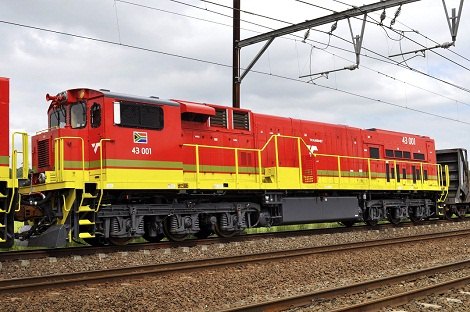
Ports.co.za reports that the US-based General Electric (GE) Transportation has announced that another locomotive, which forms part of a deal sealed with state-owned Transnet, was delivered with local content that exceeds the commitment from GE’s initial Transnet order of 100 locomotives.

The locomotive is the 42nd and is the most advanced diesel-electric locomotive ever built-in South Africa. Its official unveiling took place at an event held at Transnet Rail Engineering’s facilities in Koedoespoort, Pretoria, on Wednesday.

With this order, GE overshot its self-imposed target of 30% local content. The locomotives assembled in South Africa now have 37% local content.Transnet concluded an agreement with GE for a further 33 diesel-electric locomotives, over and above the 100 already being purchased under a deal concluded in 2009. In terms of the contract, 10 of the locomotives were manufactured in Erie and Grove City, Pennsylvania, USA and 133 are being assembled locally at Transnet Rail Engineering’s site in South Africa.

A total of 53 will be deployed in the Phalaborwa-Richards Bay corridor, 30 on the Sishen-Saldanha iron-ore corridor, 32 on the Witbank-Nelspruit-Komatipoort line and the remaining 28 will be used to transport coal to Eskom power stations. Source: ports.co.za

News from Angola

SEZ for Cunene Province

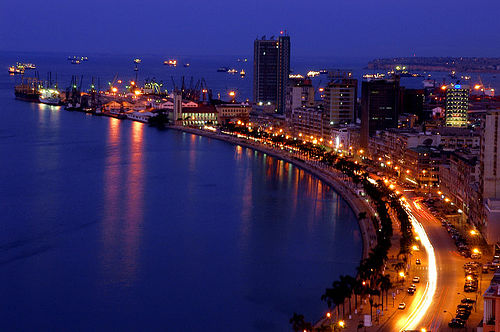
The government of Cunene province in southern Angola, has chosen the border town of Calueque, in Ombadja municipality, to set up the province’s Special Economic Zone (ZEE), the province’s governor, António Didalelwa said in Ondjiva speaking to Angolan news agency Angop. At the end of a meeting of the provincial government, the governor said that Calueque had been chosen due to its potential to drive agri-livestock activities based on the Cunene River’s hyrodgraphic basin and the Calueque hydroelectric facility. Its proximity to Namibia, its conditions in terms of available electricity and water, as well as access roads make it possible to set up economic and administrative facilities in order to drive production and job creation. The entities that attended the provincial government meeting concluded that the existing conditions at the new ZEE would attract investments and drive production by installing factories, retail and services areas. This follows last year’s fomalisation of the Luanda-Bengo Special Economic Zone (SEZ) between the towns of Viana and Cacuaco in Luanda province and the towns of Icolo-e-Bengo, Dande, Ambriz and Namboangongo in Bengo province. Watch a short video on the Luanda-Bengo ZEE here! Source: Macauhub.com.

Customs Modernisation

The Programme to Expand and Modernise Customs Services (PEMA) in Angola, which began in 2002 and officially ended Monday 21 May, cost US$315.5 million, Angolan weekly newspaper Expansão reported. The newspaper added that in a 10-year period the PEMA had led to US$17.7 billion going to the State’s coffers and thus the cost of the programme was just 1.8 percent of the revenues that it had made possible.

During the ceremony to mark the end of a partnership with Crown Agents, a UK company that specialises in modernising public services, the assistant director general of the National Customs Service, Maria da Conceição Matos, said that whilst the programme was being implemented customs revenues had increased steadily and significantly. Matos said that the Programme for Expansion and Modernisation of Customs Services had reformed the institution structurally across the whole of Angola, based on international best practices for the customs sector.Source: Macauhub.com.

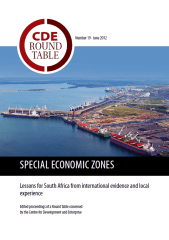
SEZ – Lessons for South Africa from international evidence and local experience

A bold paradigm shift in South Africa’s economic policy is required to ensure the success of the country’s new special economic zones (SEZs) programme, according to Centre for Development and Enterprise (CDE) executive director Ann Bernstein.At the launch of the new CDE report on SEZs, she explained that South Africa’s current economy favoured skill and capital-intensive industry, which was not making the cut in terms of job creation.

“South Africa needs to create the right kind of environment for the emergence of businesses that can employ large numbers of unskilled people. That is what we should use the SEZs to do.“This will require bold leadership and engagement with the difficult choices on labour costs and flexibility that must be made. The alternative is to waste resources and energy yet again on a policy that fails,” Bernstein urged.

The report, titled ‘Special Economic Zones: Lessons for South Africa from international evidence and local experience’ suggested that South Africa should establish at least two large SEZs that were focused on low-skill, labour-intensive industries such as the clothing and textile sectors and enable them to compete globally. “Without reform, the only way South African companies can compete with Chinese, Vietnamese and Indian companies is by mechanisation, which results in fewer people being employed, and a greater reliance on skills,” Bernstein pointed out. “International evidence shows that the most successful SEZs were public–private partnerships,” Bernstein noted. Further, the report showed, as recognised by government, that South Africa’s industrial development zones (IDZs) that include Coega, East London and Richards Bay, had largely failed to boost economic growth, create jobs, promote industrialisation or accelerate exports.

Bernstein attributed this to the lack of a clear definition for what these zones should entail, as well as a strategy for attracting investors. “The IDZs are basically just industrial parks – it’s no wonder they have not been successful in attracting new investors and creating jobs.” Although the Department of Trade and Industry (DTI) had spent R5.3-billion on developing these zones, the vast majority of the 33 000 jobs created were short-term construction jobs, with only 5 000 permanent jobs created.

Bernstein said countries such as China, Costa Rica, Mauritius and Latin America countries could be viewed as benchmarks for South Africa in terms of IDZs. Rising costs in Asia, especially China, where labour-intensive firms were looking for new regional locations, were creating opportunities for IDZs in South Africa. The CDE argued that South Africa should seize the opportunity to compete for a sizable portion of the jobs that could sprout from this.

“A bold new SEZ strategy could become a platform for new companies and new investors that use unskilled labour rather than machines,” Bernstein indicated. “South Africa’s new SEZ programme needs to be a presidential priority. The DTI needs to be fully supported by all other departments of government. Unless the whole of government gets behind the effort, we’re not going to see the kind of investor uptake that would actually make a difference,” CDE research and programme director Antony Altbeker said. Trade and Industry Minister Rob Davies is set to table the draft SEZ Bill in Parliament later this year, while Finance Minister Pravin Gordhan announced that R2.3-billion would be allocated to the establishment of SEZs were in the 2012/13 Budget.

However, the CDE’s report warned that the Bill provided no clarity about what would differentiate SEZs from industrial parks, its envisaged governance arrangements for SEZs was confusing and said the role of the private sector was unclear. Source: Engineering News

Global Free Zones of the Future 2010/11 Winners

Dubai Airport Free ZonefDi Magazine’s first global ranking of economic zones has awarded Shanghai Waigaoqiao Free Trade Zone the title of Global Free Zone of the Future 2010/11.

Shanghai Waigaoqiao Free Trade Zone (WFTZ), the largest free-trade zone in China, has been recognized by fDi Magazine as the ‘Global Free Zone of the Future 2010/11’. This is in part due to the large number of companies that have set up operations in Shanghai WFTZ; more than 9000 companies – accounting for one-third of all foreign companies moving into Shanghai – have set up in this zone. Shanghai WFTZ also came top in the categories of ‘Best Facilities’ and ‘Best Port Zone’.

Economic zones based in the United Arab Emirates dominated the Free Zones of the Future 2010/11 ranking, with seven of the top 25 zones coming from the UAE. Not only did Dubai Airport Free Zone rank as second overall, it also ranked second in the ‘Best FDI Promotion Strategy’ and ‘Best Transportation’ categories.

The top three in the ‘Best Economic Potential’ category was led by the city of San Luis Potosi in Mexico, followed closely by Industrial Estates in Thailand and the Jebel Ali Free Zone in the UAE. Clark Freeport in the Philippines, Togo Export Processing Zone, and Chittagong Export Processing Zone in Bangladesh were the top three in the ‘Best Cost Effectiveness’ category.

fDi Magazine’s rankings, which took more than four months to compile, ranked eight UAE zones in the ‘Best Transportation’ top 10, with Jebel Ali Free Zone and Dubai Airport Free Zone taking the top two positions and Dubai Media City and Dubai Knowledge Village ranking joint in third position. Dubai Media City, Dubai Airport Free Zone and Dubai Knowledge Village also claimed the top positions in the ‘Best FDI Promotion Strategy’ category.

The independent judging panel scored Dubai Knowledge Village, Dubai Media City and Ajman Free Zone (UAE) as the top three zones in ‘Best Incentives’.

South Carolina Foreign Trade Zones 21 & 38, topped the ‘Best Airport Zone’ category, followed by Aqaba Special Economic Zone (Jordan), Tanger Free Zone (Morocco), El Paso FTZ 68 (US) and Bahrain International Airport. Source: FDIntelligence.com

Moving goods efficiently to inland cities – a case for inland container depots

Port of Agapa, NigeriaNearly one in three African countries is landlocked, accounting for 26% of the continent’s landmass, and 25% of the population, or more than 200 million people, indicating that current population growth trends, including the development of population megacities distant from coastal locations will become powerful drivers of inland markets.

At the 3rd Annual Africa Ports, Logistics & Supply Chain Conference, APM Terminals’ Director of Business Development and Infrastructure Investments for the Africa-Middle East Region, Reik Mueller stated that “Ports will compete to become preferred gateways to move goods efficiently to inland cities and landlocked countries” Mr. Meuller added that “The future prosperity of these nations depends on access to the global economy and new markets; high-growth markets need inland infrastructure and logistics capabilities along development corridors. The ports that can provide the best and most efficient connectivity to those Inland markets will be the winners”.

Citing the recent success in reducing port congestion through Inland Container Depots (ICDs) now in operation outside of the APM Terminals operated port of Luanda, Angola, the Meridian Port Services joint venture in Tema, Ghana, and the ICD which was opened four km from APM Terminals Apapa, the busiest container terminal in Nigeria and all of West Africa, Mr. Mueller made the case for integrated transportation solutions, “Importers are not going to wait for improved infrastructure; the cargo will simply move to other ports” said Mr. Mueller.

Mueller described a new model for transportation planning and development in West Africa in which port and terminal operations shift focus from “container lifts” toward “integrated container transport solutions. Dry ports and inland markets are the untapped, overlooked opportunity markets of the future in Africa”. Now ain’t this a contrast to views on the southern tip of the continent – the continent’s biggest port without efficient inland corridors and networks must jeopardize investor confidence not to mention export profitability.   Sources: DredgingToday.com, PortStrategy.com and Greenport.com.