GNC – not just another acronym, but the latest Customs buzz-word

WCO - Globally Networked Customs

With the WCO Council Sessions later in June this year, it is opportune to discuss perhaps one of the single most important developments in Customs Inc, the “Globally Networked Customs (GNC)” concept which aims to realize connectivity, data exchange, and cooperative work amongst the world’s customs administrations.

GNC is set to play a very important role in promoting trade facilitation, enhancing trade efficiency and safeguarding trade security; it will also greatly influence international rules and the development of the customs end-to-end operational process. By and large the SAFE Framework, WCO Data Model and the Revised Kyoto Convention provide specific standards for the development and implementation of national customs legal, procedural and automated systems. It is the GNC that will in future “industrialise” and harmonise Customs-2-Customs (C2C) information exchange requirements which underpin a country’s bilateral and multilateral trade agreements.

Briefly the need for GNC arises from the exchanges of information underpinning International Agreements in the commercial domain. These take time and are costly to implement. They are all different from each other creating diversity both for Members and trade. This is because each one of these agreements is built anew, handcrafted and tailor-made to meet the needs at hand. This approach will not scale up and countries broking an increasing number of International Customs Agreements are already encountering difficulty to maintain their delivery plan in line with their international policy ambitions. Below you will find links to 2 documents explaining the GNC. More information on the GNC will be provided once approved by the WCO’s Policy Commission later on in June 2012. Source: WCO.

Related articles

Dry Ports – their growing role in international trade

Transnet Freight Rail

With rapid regional development of African port infrastructure and regional road corridors, the importance of inland multi-modal hubs is gaining traction. Increasing inter-African port competitiveness, with some countries happy to liberalize their economic trade engagements for increased foreign direct investment will put pressure on traditional emerging economies. In recent weeks there have been several public utterances concerning South Africa’s perceived demise as the ‘gateway to Africa’.

“If a gateway is supposed to be a transmission belt between global and regional markets and production facilities, the question should be whether South Africa can use its physical and material infrastructure to fulfil a connecting function between Africa and the rest of the world”, says Peter Draper senior fellow at the South African Institute for International Affairs. 

Global player General Electric recently chose Nairobi as its sub-Saharan hub – following companies like Coca Cola, Nestle and Heineken – and it based its decision partly, say trade academics, on South Africa’s unpredictable policy environment. With the rehabilitation of the East and West Coasts of Africa, some of it by resource companies needing to find more convenient export routes, trade patterns are starting to change in the region. In time, it is likely that Durban will be just one more port handling regional trade, rather than the main one.

A dry port is generally a rail terminal situated in an inland location with rail connections to one or more container seaports. Container freight trains run excursions between the seaports and the dry port, on a service timetable that is integrated with the schedules of the container ships arriving at the seaport.

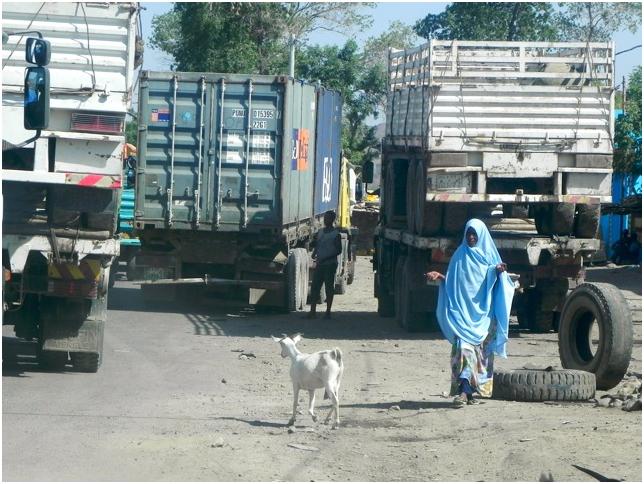
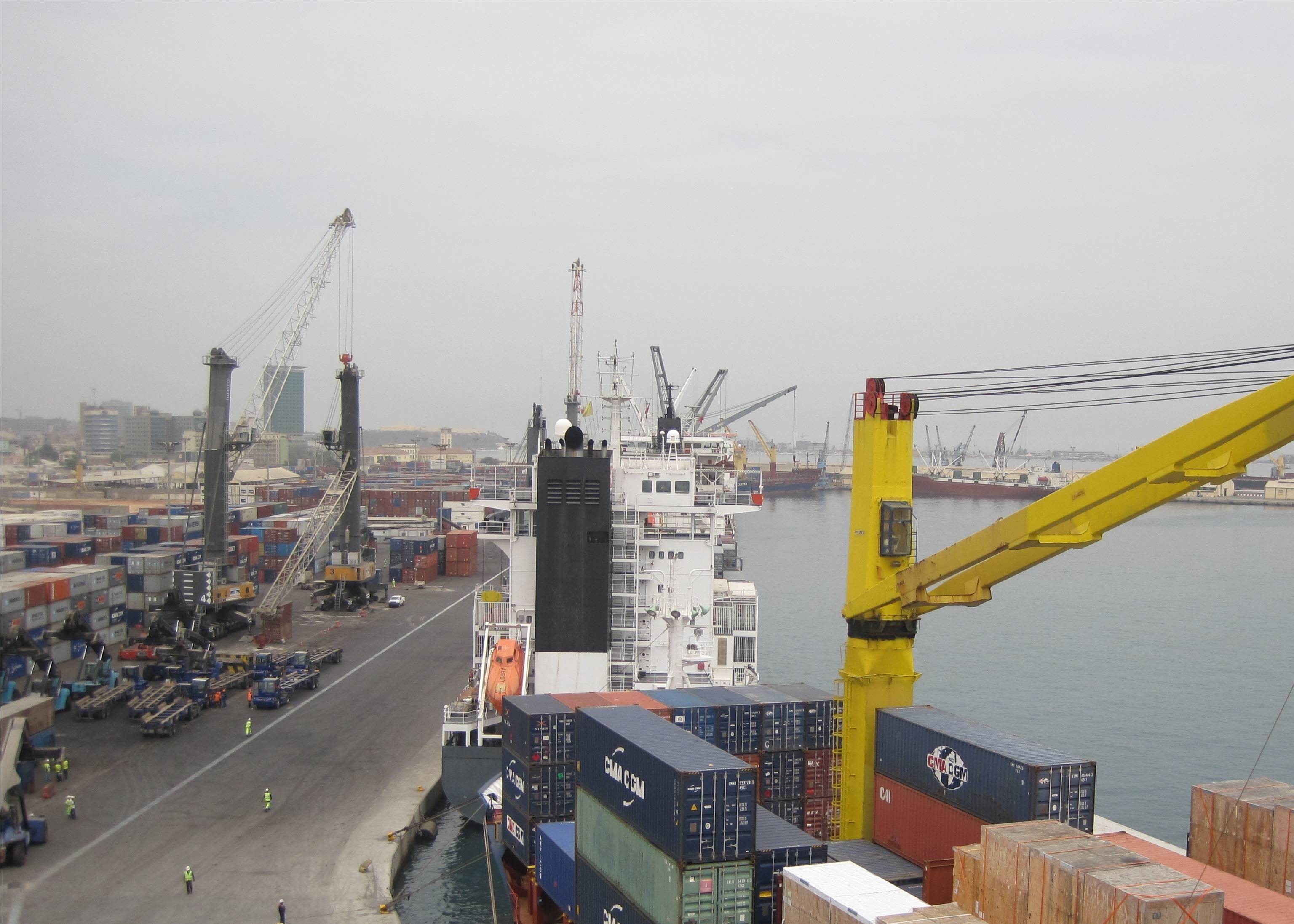
Seaports have grown larger as world trade has increased, and they now lack space to expand and are restricted by congestion on the various routes into the port. While the access to the port from the sea may be highly efficient, with radar-guided systems for tracking the ships and sophisticated ship-to-shore facilities for speedy loading and unloading, land routes out of the seaport can be slow and congested.

The road and rail links are often too congested and inadequate to deal with the traffic from the port. This problem can be eased by a dry port consisting of rail and multi-modal terminals situated inland from the seaport.

In many instances, particularly in South Africa, port facilities are in close proximity to the center of the city, because historically the city grew up around the port. This means that road traffic both to and from the port has to make a circuit through the city along congested motorways or smaller roads. This problem can partially be overcome by the more efficient use of existing rail links to move the freight from the quayside to an inland dry port. The last two decades saw a decline in the ability of the rail service to meet increasing dry port to seaport needs. Over utilization of road transport not only deteriorates the roads but causes significant bottlenecks at sea port terminals.

The infrastructure available at the dry port is similar to that of a seaport in terms of the logistics and the facilities for importers and exporters. The dry port is equipped to handle cargo and transfer freight to warehouses or open storage.

Development of dry ports has become possible owing to the increase in multi-modal transit of goods utilising road, rail and sea. This in turn has become increasingly common due to the spread of containerisation which has facilitated the quick transfer of freight from sea to rail or from rail to road. Dry ports can therefore play an important part in ensuring the efficient transit of goods from a factory in their country of origin to a retail distribution point in the country of destination. Source: AllAfrica.com

If you thought trade in Africa is bad, consider this!

On January 10 2012 the Argentine tax authorities passed General Resolution 3252/2012, requiring importers to file an advance import affidavit before the definitive import of any type of goods. The affidavit is analysed by the tax authorities and by any other relevant government agency; only once approval has been granted may the import be carried out  The resolution applies to all types of product definitively imported into the country as from February 1 2012.

Under the resolution, importers must file an affidavit (through the tax authority’s website) before issuing a purchase order or similar document. The authority will inform importers (through its online application) of any news regarding the status of their petition and, if applicable, the reasons for any objections made and the government agencies where importers can remedy those objections. Importers must enter the affidavit number in the authority’s María Information System when the goods enter customs clearance. The customs clearance process will be automatically stopped if this number is not entered.

The tax authority has a 72-hour period (from the date on which the affidavit is filed by the importer) to make any comments. This time period may be extended by up to 10 calendar days in “those cases in which the specific activities of the agency in charge so requests”. Once the above periods have elapsed with no comments being made, the import operation may continue. Otherwise, the comments should be dealt with by the importer with the agency that raised them.

Import operations that already have an open irrevocable letter of credit (or similar document) or that have been prepaid (in both cases dating from before February 1 2012) are exempt from the obligation to obtain an affidavit. However, there are some contradictions in the text of the resolution that may create problems at the time of applying this exemption. The following import operations, among others, are exempt from the obligation to obtain an affidavit:

  • imports made under the courier or sample regimes;
  • imports that relate to turnkey projects (provided that they were approved before February 1 2012); or
  • imports that are sent in different shipments (provided that they were approved before February 1 2012).

At present, the foreign trade sector of Argentina is almost paralysed, with no clear sense of direction. Only time will tell whether the affidavit system starts processing requests relatively smoothly, or if the paralysis will result in an increase in litigation by desperate importers. Source: taken from the article: “Argentina’s foreign trade paralysis continues” – International Law Office.

How to resolve regional transport problems?

The Freight-Intra Africa Trade Conference in Pretoria, this week, has featured several news articles in the local media, and no doubt some foreign tabloids as well. The Minister of Transport has cleared up the cause of the ills plaguing cross border and regional transport. At least we are now fully informed that [historical] design issues and operational inefficiencies at South Africa’s landborders, and Beit Bridge in particular, are the fundamental causes of under-performance in intra-Africa trade.

“In most cases, the delays at the borders are caused by operational inefficiencies, which result in the duplication of processes. This is a serious cost to the economies of the countries that conduct their trade through such border posts,” the Minister said.

One has to seriously question who advises the minister which leads to such statements, and whether or not these advisers have visited any land borders in recent months.

Now the remedy – Government has budgeted and approved R845-billion for infrastructure development over the medium-term, with a significant proportion, about R262-billion of this investment being earmarked for transport infrastructure and logistics projects. Can anyone question government’s commitment in this respect? Not really. However, the Minister was quick to point out government would resolve inefficiencies at the borders by establishing a mechanism that will bring all border entities under a single command and control structure to address the fragmentation in border operations. “The ultimate vision is to create one-stop border operations to facilitate legitimate trade and travel across the borders”.

The proliferation of border management agencies (integration of enforcement and regulatory authorities under one umbrella) – which has seen the demise of many customs administrations over the last decade – has not proven an effective vehicle to manage cross border travel and trade. It is difficult to see how facilitation procedures can co-exist under a command and control environment. What the situation does create is the opportunity to consolidate a budget for security expenditure. Various Sources: Engineering News, Business Live, Fin24.com and personal opinion.

Global Free Zones of the Future 2010/11 Winners

Dubai Airport Free ZonefDi Magazine’s first global ranking of economic zones has awarded Shanghai Waigaoqiao Free Trade Zone the title of Global Free Zone of the Future 2010/11.

Shanghai Waigaoqiao Free Trade Zone (WFTZ), the largest free-trade zone in China, has been recognized by fDi Magazine as the ‘Global Free Zone of the Future 2010/11’. This is in part due to the large number of companies that have set up operations in Shanghai WFTZ; more than 9000 companies – accounting for one-third of all foreign companies moving into Shanghai – have set up in this zone. Shanghai WFTZ also came top in the categories of ‘Best Facilities’ and ‘Best Port Zone’.

Economic zones based in the United Arab Emirates dominated the Free Zones of the Future 2010/11 ranking, with seven of the top 25 zones coming from the UAE. Not only did Dubai Airport Free Zone rank as second overall, it also ranked second in the ‘Best FDI Promotion Strategy’ and ‘Best Transportation’ categories.

The top three in the ‘Best Economic Potential’ category was led by the city of San Luis Potosi in Mexico, followed closely by Industrial Estates in Thailand and the Jebel Ali Free Zone in the UAE. Clark Freeport in the Philippines, Togo Export Processing Zone, and Chittagong Export Processing Zone in Bangladesh were the top three in the ‘Best Cost Effectiveness’ category.

fDi Magazine’s rankings, which took more than four months to compile, ranked eight UAE zones in the ‘Best Transportation’ top 10, with Jebel Ali Free Zone and Dubai Airport Free Zone taking the top two positions and Dubai Media City and Dubai Knowledge Village ranking joint in third position. Dubai Media City, Dubai Airport Free Zone and Dubai Knowledge Village also claimed the top positions in the ‘Best FDI Promotion Strategy’ category.

The independent judging panel scored Dubai Knowledge Village, Dubai Media City and Ajman Free Zone (UAE) as the top three zones in ‘Best Incentives’.

South Carolina Foreign Trade Zones 21 & 38, topped the ‘Best Airport Zone’ category, followed by Aqaba Special Economic Zone (Jordan), Tanger Free Zone (Morocco), El Paso FTZ 68 (US) and Bahrain International Airport. Source: FDIntelligence.com

Ethiopia Customs Authority – RFID programme under review

Officials at the Ethiopian Revenues & Customs Authority (ERCA) have made a turnaround on their earlier plan to compel IT companies to raise 20 million Br in capital if they are to be registered to supply devises for electronic cargo tracking. Troubled by an increasing practice of pilfering goods on the Addis Abeba to Djibouti transport corridor, the ERCA hired an US-based company for 2.5 million dollars to establish an electronic monitoring system. HI-G-TEK developed the system using Radio Frequency Identification (RFID), which will help customs officials get real-time information on the activities of trucks to and from Djibouti port. There are around 10,000 trucks with varying carrying capacities, of which half are fuel transporting vehicles. A trucking company has to pay around 20,000 Br, including installation fees, to get the devices in each truck under its fleet.

The US company has installed the system in the six selected stations along the corridor and trained around 30 officers of the Authority. However, the system is yet to be functional, for every truck on the highway should be fitted with electronic tracking devices to be supplied by IT vendors certified by the Authority. In order to be certified, a company is required to have 20 million Br in capital, produce a performance bond worth two million Birr, and have a five-year contract with major IT suppliers, according to the directive issued by the ERCA to regulate the new system. No vendor has been certified, yet, for many see the requirement to raise such lofty capital as an impediment. So far, GCS Tracking Plc, Global Tracking Plc, Ramsea Industrial Solution Plc, and FC Tracking are the companies that have applied to get into the business. The companies are to supply the seals, locks, and compact readers as well as GPRS modems to identify locations of the cargoes.

Subsequent to complaints from the IT industry, legal experts at the ERCA are busying themselves, studying the experiences of other countries, which they hope will be used for possible amendments. However, these experts are divided over the proposition to reduce by half the current capital requirement, while others argue that a performance bond is enough, according to sources. Surprised to hear about the amendment, Zelalem Dagna, managing director of Global Tracking Plc, sees the change as an appropriate move by the ERCA. However, he still claims that the requirement for a two million Birr performance bond should not be removed but be determined on a project basis.

Officials at the ERCA, which is enforcing the current requirements, however, declined to comment. The Authority is also negotiating with the Ministry of Transport (MoT), which is implementing a fleet management system that will also monitor and indicate the whereabouts of trucks, negotiating with the Authority to interface the two systems. Most of the devices used for both systems are the same, thus can run with a single subscriber identification module (SIM) card, transferring all data for the respective institution, according to an electrical engineer at the ERCA. He is concerned that failure to interface the systems would allow transport companies to jack up prices, which he fears would trickle down to the end user.

By all accounts it seems like the initiative was launched on impulse and a whim without prior consultation with stakeholders. Per usual it’s the consultants who have scored out of this. Source: Addis Fortune

Moving goods efficiently to inland cities – a case for inland container depots

Port of Agapa, NigeriaNearly one in three African countries is landlocked, accounting for 26% of the continent’s landmass, and 25% of the population, or more than 200 million people, indicating that current population growth trends, including the development of population megacities distant from coastal locations will become powerful drivers of inland markets.

At the 3rd Annual Africa Ports, Logistics & Supply Chain Conference, APM Terminals’ Director of Business Development and Infrastructure Investments for the Africa-Middle East Region, Reik Mueller stated that “Ports will compete to become preferred gateways to move goods efficiently to inland cities and landlocked countries” Mr. Meuller added that “The future prosperity of these nations depends on access to the global economy and new markets; high-growth markets need inland infrastructure and logistics capabilities along development corridors. The ports that can provide the best and most efficient connectivity to those Inland markets will be the winners”.

Citing the recent success in reducing port congestion through Inland Container Depots (ICDs) now in operation outside of the APM Terminals operated port of Luanda, Angola, the Meridian Port Services joint venture in Tema, Ghana, and the ICD which was opened four km from APM Terminals Apapa, the busiest container terminal in Nigeria and all of West Africa, Mr. Mueller made the case for integrated transportation solutions, “Importers are not going to wait for improved infrastructure; the cargo will simply move to other ports” said Mr. Mueller.

Mueller described a new model for transportation planning and development in West Africa in which port and terminal operations shift focus from “container lifts” toward “integrated container transport solutions. Dry ports and inland markets are the untapped, overlooked opportunity markets of the future in Africa”. Now ain’t this a contrast to views on the southern tip of the continent – the continent’s biggest port without efficient inland corridors and networks must jeopardize investor confidence not to mention export profitability.   Sources: DredgingToday.com, PortStrategy.com and Greenport.com.

Who Will Be Africa’s Brazil?

Will there ever be an “African Brazil”? Who will that be? Angola? Congo? Ethiopia? Nigeria? South Africa? Flip that question: what will it take for an African country to become a new Brazil? A lot. First, it will take governments that do not spend or borrow too much, and independent central banks that keep inflation low. That is, the first order of business is a stable “macroeconomic framework.” Brazil managed to do that, but only after decades of rampant inflation and financial crises. Many African countries are making progress in that direction, but none is quite there. Read this objective review by Marcelo Giugale, World Bank’s Director of Economic Policy and Poverty Reduction Programs for Africa. Source: The Huffington Post

SEZ – requires a paradigm shift in government thinking

While there have been several attempts in recent years by various private sector entities to bring about innovation to the South African market, these opportunities are now being lost to other quarters on the African continent, such as Nigeria, Kenya, and closer to home, Angola. Perhaps its time for government authorities to realise that South Africa is in serious danger of losing its competitive edge.

It will do all economic and fiscal policy makers, government administrators and trade practitioners good to view the video below. It portrays the success of Foreign Trade Zone 202, in the Port of L.A. is the largest FTZ in the United States. Learn why and how Sony, Citizen Watch Company, Puma and many others take advantage of FTZ 202 to optimize their inventories and control costs. Then consider whether the local SEZ policy and bill aspires to any of this…

Advancing the argument for sealing cargo and tracking conveyances

South African Customs law provides for a seal integrity regime. This consists in provisions for the sealing of containerised sea cargo as well as sealable vehicles and trailers. These requirements have, however, not been formally introduced into operation due to the non-availability (until recently) of internal systems and cross-functional procedures that would link seal integrity to known entities. To explain this in more layman’s terms, it is little use implementing an onerous cargo sealing program without systems to perform risk assessment, validation of trader profiles and information exchange. It’s  like implementing non-intrusive inspection (X-ray scanning) equipment without backward integration into the Customs Risk Management  and Inspection environment and systems. It has often been stated that a customs or border security programme is a layered approach based on risk mitigation. None of the individual elements will necessarily address risk, and automation alone will likewise not accomplish the objective for safe and secure supply chains. Moreover, neither will measures adopted by Customs or the Border Agency succeed without due and necessary compliance on the part of entities operating the supply chain. It therefore requires a holistic strategy of people, policy, process and technology.

In the African context, it is surmised that the business rationale will be best accomplished with a dual approach on IT connectivity and information exchange. Under the political speak there are active attempts within SACU, SADC, COMESA and the EAC to establish electronic networks to facilitate and safeguard transit goods. Several African states are landlocked and are not readily accessible, some requiring multiple transit trips through countries from international discharge in the continent to place of final destination. National laws of each individual country in most instances provide obstacles to carriers achieving cost effective means in delivering cargoes. Over and above the laws, there exists (regrettably) the need to ‘grease palms’ without which safe passage in some instances  will not be granted. Notwithstanding the existence of customs unions and free trade areas, internal borders remain the biggest obstacle to facilitation.

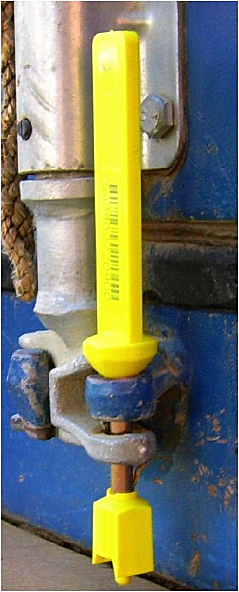
Several African logistics operators already implement track and trace technology in the vehicle and long-haul fleets. This has the dual purpose of safeguarding their assets as well as the cargoes of their clients which they convey. Since 9/11, a few customs administrations have formally adopted ISO PAS 17712 within their legislation to regulate the use of high security seals amongst cargo handlers and carriers. In most cases this mandates the use of high security ‘mechanical’ bolt seals. However, evidence suggests there is a growing trend to adopt electronic seals. Taiwan Customs for one has gone a significant way in this regard. Through technological advances and increased commercial adoption of Radio Frequency Identification (RFID) technology the costs are reducing significantly to warrant serious consideration as both a viable and cost-effective customs ‘control’ measure.

Supply chain custody using RFID as an identifier and physical security audit component – as provided for in ISO 17712 – is characterized by the following:

  • it uniquely identifies seals and associates them with the trader.
  • the seal’s unique identity and memory space can be used to write a digital signature, unique to a trader on the seal, and associating that seal with a customs declaration.
  • using customs trader registration/licensing information, together with infrastructure to read seal information at specified intervals along a route to create a ‘bread-crumb’ audit trail of the integrity of the cargo and conveyance.
  • using existing fleet management units installed in trucks to monitor seal integrity along the high risk legs of a cargo’s transit.
  • record the seal’s destruction at point of destination.

Looking forward to the future, it is not implausible for customs and border authorities to consider the use of RFID:

  • as a common token between autonomous customs systems.
  • to verify and audit that non-intrusion inspections have taken place en-route, and write that occurrence to the seal’s memory with the use of an updated digital signature issued to the customs inspection facility.
  • to create a date and time stamp of the cargo’s transit for compliance and profile classification – to confirm that transit goods have actually left the country as well as confirm arrival at destination (to prevent round tripping).
  • Lastly to archive a history of carrier’s activities for forensic and/or trend analysis.
This is a topic which certainly deserves more exposure in line with current regional developments on IT-connectivity and information exchange. A special word of thanks to Andy Brown for his contribution and insight to this post.
Related articles

Global Preferential Trade Agreement Database (GPTAD)

world-bank-logoThe World Bank International Trade Department has just launched it’s Global Preferential Trade Agreement Database (GPTAD). The GPTAD provides information on preferential trade agreements (PTAs) around the world, including agreements that have not been notified to the World Trade Organization (WTO). It is designed to help trade policy makers, scholars, and business operators better understand and navigate the world of PTAs.

The GPTAD Database contains the original text of PTAs that have been notified to the WTO as well as agreements that have not yet been notified. The database is updated on a regular basis and currently comprises more than 330 PTAs. Agreements in the database have been indexed using a classification consistent with the WTO criteria. The GPTAD is a unique online tool that allows users to search PTAs around the world by provisions or keywords and to compare provisions across multiple agreements. The database can be searched according to the following categories:

  • Duties and charges on imports
  • Quantitative restrictions on imports
  • Rules of origin
  • Sanitary and phytosanitary measures
  • Agriculture
  • Investment
  • Services
  • Dispute settlement procedures
  • Intellectual property
  • Labor
  • Environment

The Library provides the text of all agreements in their original language and archives them by key criteria. It enables users to sort PTAs by membership, date of signature, in-force status, and other key criteria. It also allows users to download and print PDF files of entire agreements.

The GPTAD is designed to be a valuable resource on PTAs for trade policy makers, scholars, and business operators around the world. To that end, the World Bank International Trade Department welcomes your input. If you are aware of bilateral or regional PTAs that are not included in the library or database, please contact us. The GPTAD is work in progress and we actively welcome and solicit your views and suggestions on how the site might be further improved and made more useful. Source: World Bank

Related website:

Special Economic Zones – how special?

Despite having burned its fingers with Industrial Development Zones (IDZs), which involved a few fiscal benefits (shrouded in legalese) and billions in infrastructure, Trade and Industry has gone into overdrive to push its new policy on special economic zones (SEZs). It has relaxed ‘locality’ for one, i.e. such zones need not be located in close proximity to an international port or airport. Moreover, SEZs are now being promoted to ‘compliment’ existing IDZs and not replace them as was erroneously suggested in an earlier post.

While the South African Department of Trade and Industry (the dti) is conducting public hearings on the matter, it is perhaps relevant to consider what the Free Market Foundation (FMF) – a think-tank on limited government and economic freedom – has to say on the matter. The content of the report might well attract support from some in the business community involved with manufacturing, distribution and logistics. Read the FMF’s evaluation of the dti’s SEZ Policy here!

While there are not many trade remedies available to local business many prospective requests have over the last decade been presented to establish so-called distribution centres/hubs and ‘virtual bonded warehouses’, which have not borne much fruit mainly due to the lack of a legal framework for their operation. Moreover, in government there is always a cautious resistance to liberalisation in customs and trade laws (they directly impact the fiscus) in the absence of viable risk mitigation strategies or remedies. Perhaps it has something to do with the dwindling public sector skills and experience levels available to conduct effective audits; although, the big audit firms would readily contest this and advocate the outsourcing of such function to the private sector. As the development of more sophisticated systems in SARS come on stream, ICT will no longer be an obstacle. Through increased automation comes the availability of additional human resources who can be up-skilled to perform audit work. Both Tax and Customs Modernisation programmes bare testimony to this.

The establishment of the IDZ programme (circa 2000) was fraught with inter-departmental tensions around the so-called benefits and concessions to be made available to foreign investors. The lack of a clear framework did not allow for much ‘liberalisation’ of controls and fiscal benefits. In fact the customs dispensation offered procedures and facilities to IDZs identical to that available in the national customs territory. Tax holidays and relaxed red tape are characteristic of some of the more successful SEZs around the world, as the article will attest. The dti’s latest SEZ Bill and Policy do not hint to any great length how things will be different this time round. There is however some firm calls within government to consider relaxed labour regulations – the test however lies in whether the policy makers have the appetite (or vision) to permit liberalisation in this area. I have a simple view on this matter – (i) create a favourable economic environment focusing development on SMMEs and entrepreneurship, and (ii) get the standard customs procedures and controls right through modernisation and there will be no need for ‘tax holidays’ and economic zones in this country!

Where Does the Chain of Custody Begin?

Here follows an article, published by Dr. James Giermanski, an internationally renowned expert in container and supply chain security, international transportation and trade issues. It deals with a crucial but mostly forgotten/unknown aspect of international supply chains – who packed the cargo?

Tracking, tracing, and custody are all generally accepted concepts involving the control of movement. All these concepts have in their fundamental cognitive structure the idea of path, corridor, multiple parts, flow, and coordination.

However, what is often omitted or overlooked is the fundamental sine qua non core principle of “beginning”. What is the beginning of a chain of custody? This article focuses on this core concept and the role it plays as the beginning of the connective custody and control process. Specifically, it addresses the significance of cargo stuffing, the concept of authorized or trusted agent, the means of connectivity, the legal role of the authorized agent, and the consequences of a connected and visible supply chain.

Cargo stuffing

Establishing and maintaining cargo integrity begins with stuffing the container at origin. A chain of custody – chronological documentation or paper trail – involves “the movement and location of physical evidence from the time it is obtained until the time it is presented in court.” As in a criminal case comparison, a supply chain “chain of custody” needs three types of essential assertions:

  1. That the cargo is what it purports to be and in the quantity stated;
  2. That the cargo was in the continuous possession or control by the carrier who took charge of the cargo from the time it was loaded in the container at origin until the time it is delivered at final destination; and
  3. That there is evidence of the identify of each person or entity who had access to it during its movement, and that the cargo remained in the same condition from the moment it was sealed in the container for transfer to the carrier that controlled possession until the moment it released the cargo into the receipted custody of another.
Trusted partner

It is imperative that the initial point of a connectivity process begins at the beginning! Loading cannot take place without a human agent. The agent could be the company’s forklift driver, the dispatcher, the loading dock supervisor, or even an authorizing manager who has a specific duty to verify the cargo and its quantity. It could even be a third party hired by the shipper, for instance, companies that currently provide inspection services around the world.

Various Customs programs discuss, in one way or the other, the concept that supply chain security begins at “stuffing”: the Secure Export Scheme Program (New Zealand); the Partners in Protection Program (Canada); the Golden List Program (Jordan); the Authorized Economic Operator Program (Japan); the Authorized Economic Operator Program (Korea); the Secure Trade Partnership Plus Program (Singapore); and the Authorized Economic Operator.

Establishing ‘connectivity’

Maintaining connectivity depends on the security program, software and hardware utilized. While no system is 100% effective, and one cannot depend on technology alone, there are ‘off-the-shelf’ container security devices (CSDs) that provide connectivity through a sophisticated, comprehensive chain of custody system that begins with loading the container at origin, monitoring it, and reporting on its integrity at the end of the global supply chain path, i.e. at final destination.

CSDs can include the identity of the trusted agent verifying the cargo at loading and the agent’s counterpart at destination. Both parties are electronically connected by a unique identifier to the smart container system along with bill of lading or booking information, or data needed by Customs authorities. Therefore, when the CSD is activated, the accountable party becomes the initiating element in the smart container security system.

Consequences of chain of custody – standards, laws and litigation

If a smart container is opened at destination by an equally accountable person and cargo is missing, and there were no breaches detected, recorded or reported, the accountable person at origin can face either disciplinary, or worse, criminal action by appropriate authorities.

This ESI becomes a source of evidence, should legal action follow. The concept of custody and control from origin to destination also supports Incoterms 2010, a publication of the International Chamber of Commerce (ICC) which provides the playbook of international rules involving international sales of goods. These new terms now contain security requirements for the shipper, making a chain of custody system essential for compliance. There are also changes coming for shippers, consignees, and vessel carriers with respect to carriage of goods by sea: the new Rotterdam Rules.

According to the UN General Assembly, the Rotterdam Rules are a “…uniform and modern global legal regime governing the rights and obligations of stakeholders in the maritime transport industry under a single contract for door-to-door carriage” (cf. American Shipper). The new door-to-door liability places the vessel carrier directly in a chain of custody. Instead of the vessel carrier filing what the shipper said is in the container, the vessel carrier will be automatically and really responsible for knowing what is in the container.

What are the benefits?

The shipper, the consignee, the carrier, and control and regulatory authorities all benefit from a chain of custody system that begins with the loading of the container at origin. CSDs incorporating the identity of the trusted agent at stuffing would assist law enforcement officials to comply with international security and trade standards, solve transhipment problems, impair illegal access to the cargo conveyance, improve supply chain efficiencies, aid in securing hazardous materials and other dangerous cargo movement, reduce counterfeiting, eliminate the in-bond problem of unauthorized container access, and improve bottom line revenue generation for the firms using them. Source: Supply Chain Digest.
Having difficulty understanding economic zones?

You can be forgiven if you have a clouded understanding of what an economic zone is. Countries develop different types of free economic zones (FEZs) as a tool to generate employment opportunities, promote and diversify exports, increase technology transfer and attract investment flows. Developing and emerging economies use FEZs as “economic laboratories”, “incubators” or showcases of a generally strong enabling environment and a competitive market for investment. In order to achieve the intended objectives of zones, governments offer a range of incentives from fiscal to regulatory such as export duty exemptions, streamlined customs and administrative controls and procedures, liberal foreign exchange policies and income tax incentives. Governments have been experimenting with the use of policy tools in ensuring the effectiveness of their zones; however they have not always been successful. Nowadays, governments are trying to move away from the traditional zones with the traditional set of objectives and policy tools to either more comprehensive or sector specific zones. In addition, they are trying to incorporate other development policy instruments to their policy packages to tackle other issues such as skills development, rural development and green growth while achieving the traditional objectives.

The first type of FEZs mostly took the form of free ports – customs free areas within seaports offering little more than warehousing and trade facilities. Over time, some free ports developed into customs-free zones in which light manufacturing and other processing took place. The next step was the development of export processing zones, which encourage more complicated manufacturing operations with the purpose of exporting. Later, special economic zones (SEZs) and specialized zones (SZs) evolved. SEZs offer a wider array of sectors including manufacturing and services that target both foreign and domestic markets. In addition, they permit on-site residence and provide all facilities to employees and hence could be viewed as standalone cities. On the other hand, specialized zones (SZs) focus on specific industries by providing the appropriate infrastructure and building on the concepts of clusters.

The terminology applied to free economic zones, in literature and common usage, is highly confusing. Words like “free zones”, “free trade zones”, “customs-free zones”, “special economic zones”, “export processing zones”, etc. are in practice used almost interchangeably. This reflects the implementing authorities’ linguistic preferences as much as functional differences between different kinds of zones.

Common to most FEZs is the fact that they are ring-fenced enclaves (with the exception of Single Factory/Private EPZs) that enjoy special regulatory, incentive and institutional frameworks that are different from the rest of the economy. The different classifications of FEZs are as follows:

  1. Free trade zones (FTZs; also known as commercial free zones): are fenced-in, duty-free areas, offering warehousing, storage, and distribution facilities for trade, trans-shipment, and re-export operations.
  2. Export processing zones (EPZs): are industrial estates aimed primarily at attracting export-oriented investments. They cover usually a wide array of manufacturing industries.
  3. Private zones/Single factory processing zones: provide incentives to individual enterprises regardless of location.
  4. Special economic zones (SEZs): are larger estates and could be considered cities on their own. They usually cover all industrial and service sectors and target both foreign and domestic markets. They provide an array of incentives ranging from tax incentives to regulatory incentives. In addition, they permit on-site residence.
  5. Specialized zones (SZs): targeted at specific sectors or economic activities. Examples of SZs include science/technology parks, petrochemical zones, logistics parks, airport-based zones, and so on. They may restrict the access of companies in non-priority sectors, and their infrastructure is mostly tailored according to their sectoral targets.

The distinction between the different kinds of zones must involve an element of judgment and sometimes zones fall in between categories. South Africa’s Industrial Development Zones (IDZs) combine elements of both 1 and 2 above. Most free zones restrict the access of certain categories of investors, without necessarily being classified as specialized zones. Also, it is not very clear how “special” a free zone’s regulatory environment must be before it can be classified as a SEZ. FEZs in their general definition can include a combination of characteristics from all the previously identified FEZs. I guess that while you still dont have a clear understanding of what an economic zone is, I hope the above has shed a little more light on the subject?

WCO/SACU – IT Connectivity and Data Exchange

WCO-SACU IT Interconnectivity and Data Exchange Conference

On the occasion of International Customs Day, in January earlier this year, the World Customs Organisation dedicated 2012 as the year “Connectivity”, which encapsulates people connectivity, institutional connectivity and information connectivity among the members of the global Customs community.

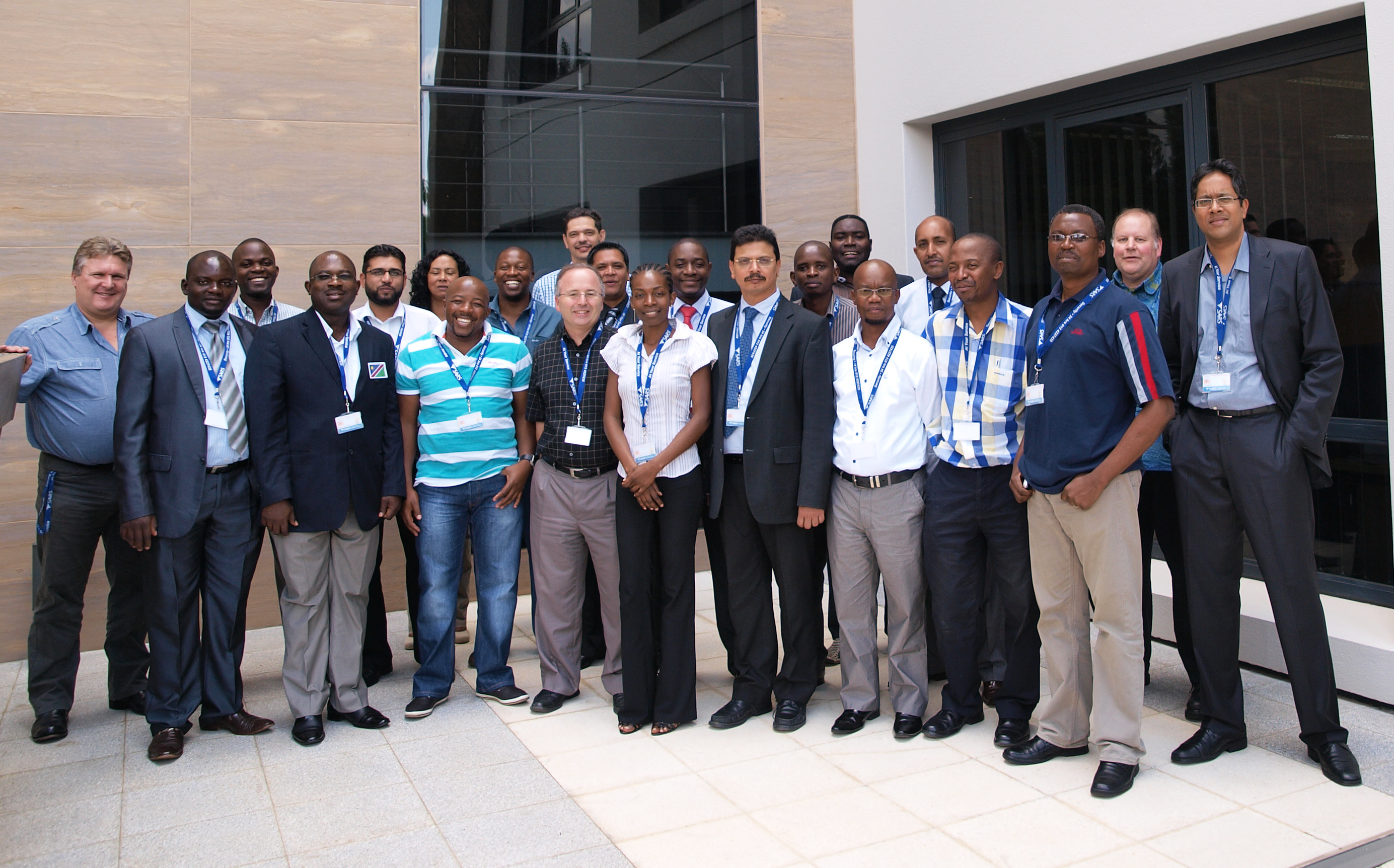
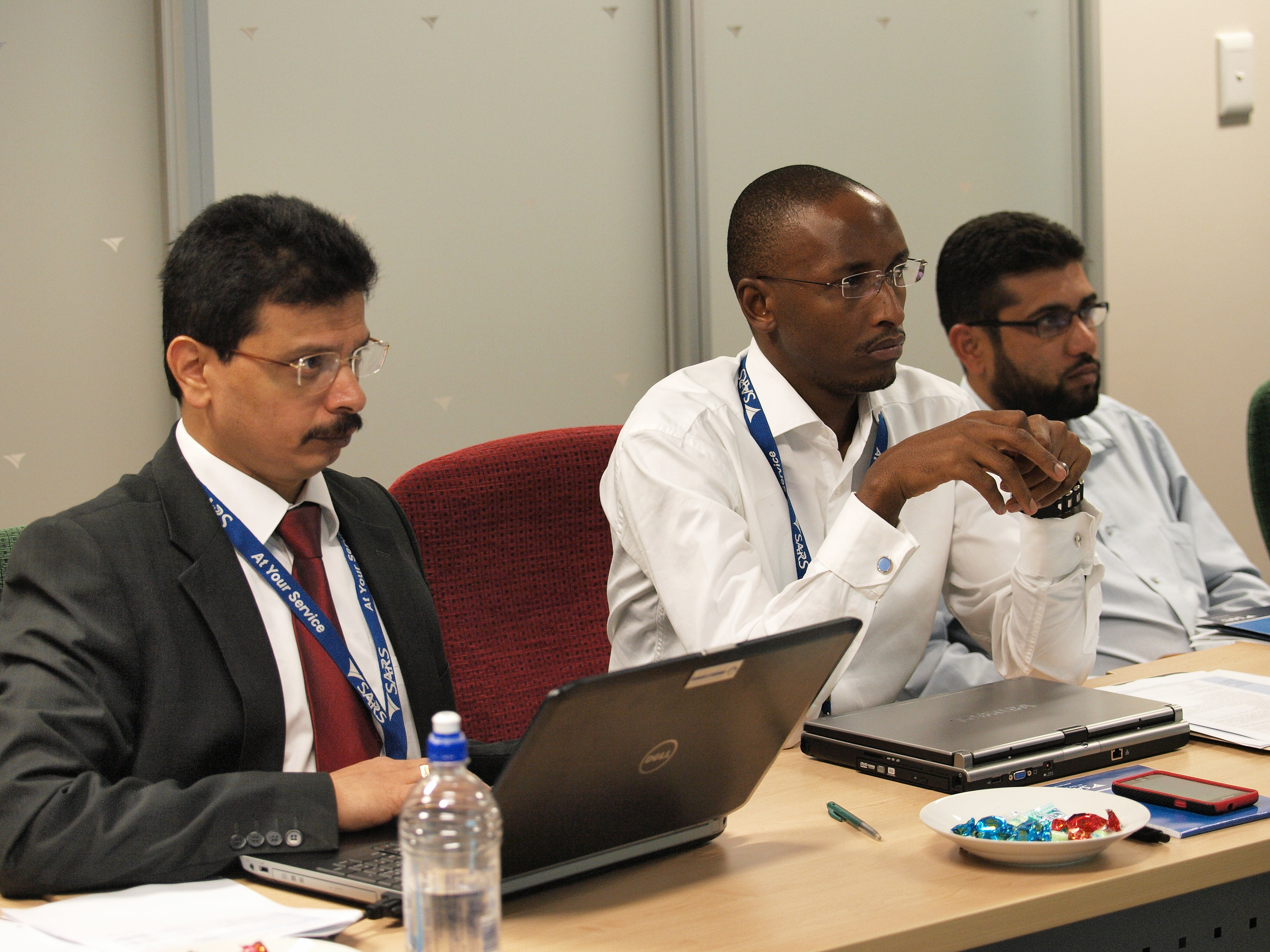
Over the last week and a half delegates from the WCO, SACU, UNCTAD, SADC and COMESA have been hosted at SARS, Pretoria to discuss and deliberate over an approach to implement ‘IT connectivity’ within the Southern African region. During the first week representatives from UNCTAD, SACU and SARS were briefed on important developments at the WCO on IT-Interconnectivity and Information Exchange. We were privileged to have Mr. Satya Prasad Sahu, Technical officer from the WCO – a leading expert in all matters of ICT in international customs matters – present the developments towards finalisation of a future international customs standard called “Globally Networked Customs” (GNC). It entails a structured approach that will enable customs authorities to formulate and document bilateral or regional ‘standards’ on a variety of Customs-to-Customs topics, for instance Authorised Economic Operators, Cross Border Information Exchange, Risk Management, etc. A representative from UNCTAD presented a synopsis of the proposed ‘cloud computing solution’ which the Trans Kalahari Corridor (TKC) plans to pilot between Namibia and Botswana along the TKC route in the next few months. During the course of this week, delegates , under the guidance of Satya, prepared a proposed approach for information exchange between members of the Southern African Customs Region. This document is based on the GNC Utility Block structure (defined by the ad Hoc Committee on Globally Networked Customs at the WCO) and served as the basis for discussion for Week 2.

Mr. SP Sahu (WCO) and delegates from SACU SecretariatWeek 2 saw the arrival of customs and IT representatives from COMESA, SADC, UNCTAD, SACU as well as a delegation from Mozambique Customs. Mr. Sahu was invited to chair the session, given his vast experience on the subject matter as well as international experience in national and regional customs ICT programmes. Delegates were treated to various lectures on the GNC, a comprehensive overview of developments on ASYCUDA (Customs solution developed by UNCTAD), various updates from within the customs region – Botswana, Namibia, Lesotho, Swaziland, Mozambique and SARS. Beyers Theron informed delegates of ongoing developments of the SARS Customs Modernisation Programme as well as key implications for neighbouring countries. SARS presented a live demonstration of SARS’ Service Manager solution, navigating through all the functionality now available to SARS Customs officials. Of significant interest to all was the new iPod inspection tool. This technology is given prominent feature in the latest edition of WCO News.

A large portion of the week was, however, spent on deliberating the proposed scope and content of the draft Utility Block on Information Exchange in the Southern African Region. Significant progress was been made to attain first, a common understanding of the scope as well as the implications this has for participating countries. Delegates will return home with a product with which to create awareness and solicit support in their respective countries. Over the next few months SARS will engage both SACU and SADCOM (combined SADC and COMESA trading blocs) to establish firm commitments for information exchange with customs administrations in these regions. This conference is significant for SARS and South Africa as a whole as it provides a uniform, standardised and practical approach for engagement with other international trading partners. To view photographs of the conference please click here!