 A new instrument of the Technical Committee on Customs Valuation has recently been published. Advisory Opinion 4.15 provides guidance on a case where royalties have been paid to a third party licensor (in other words, the licensor is not the seller of the goods) and determines whether or not it is appropriate to include the royalty fee in the Customs value of the imported goods. Available from WCO Online Bookshop.
Category / WCO
WCO Photo Competion 2013
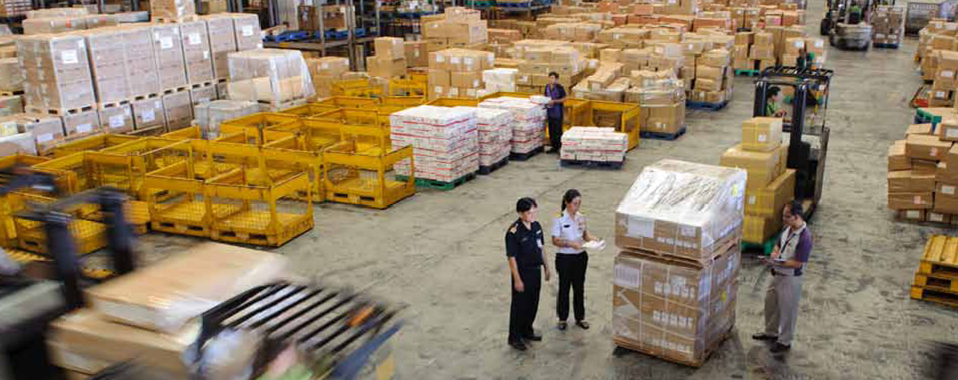 The WCO’s annual photographic competition has been running successfully since 2009. Each year the entries, in general, represent an increase in both photographic and situational awareness. It is clear that entrants are continually seeking to portray a unique, if not ultimate shot of the work of their customs and border management staff in action. This years collection is based on the theme “Customs officers in action”. At least 36 member countries submitted their ‘best’ pictures and the adjudicators awarded first prize to the Thai Customs Administration for its picture illustrating ‘the challenge the Customs community faces to keep up with a fast-moving trade environment’. It depicts two Customs officers inspecting goods in a cargo warehouse, find themselves in the middle of fast paced logistics activities. To view all the excellent entries please visit the WCO Website or click here!
WCO/SACU Regional IT Connectivity Conference 2013
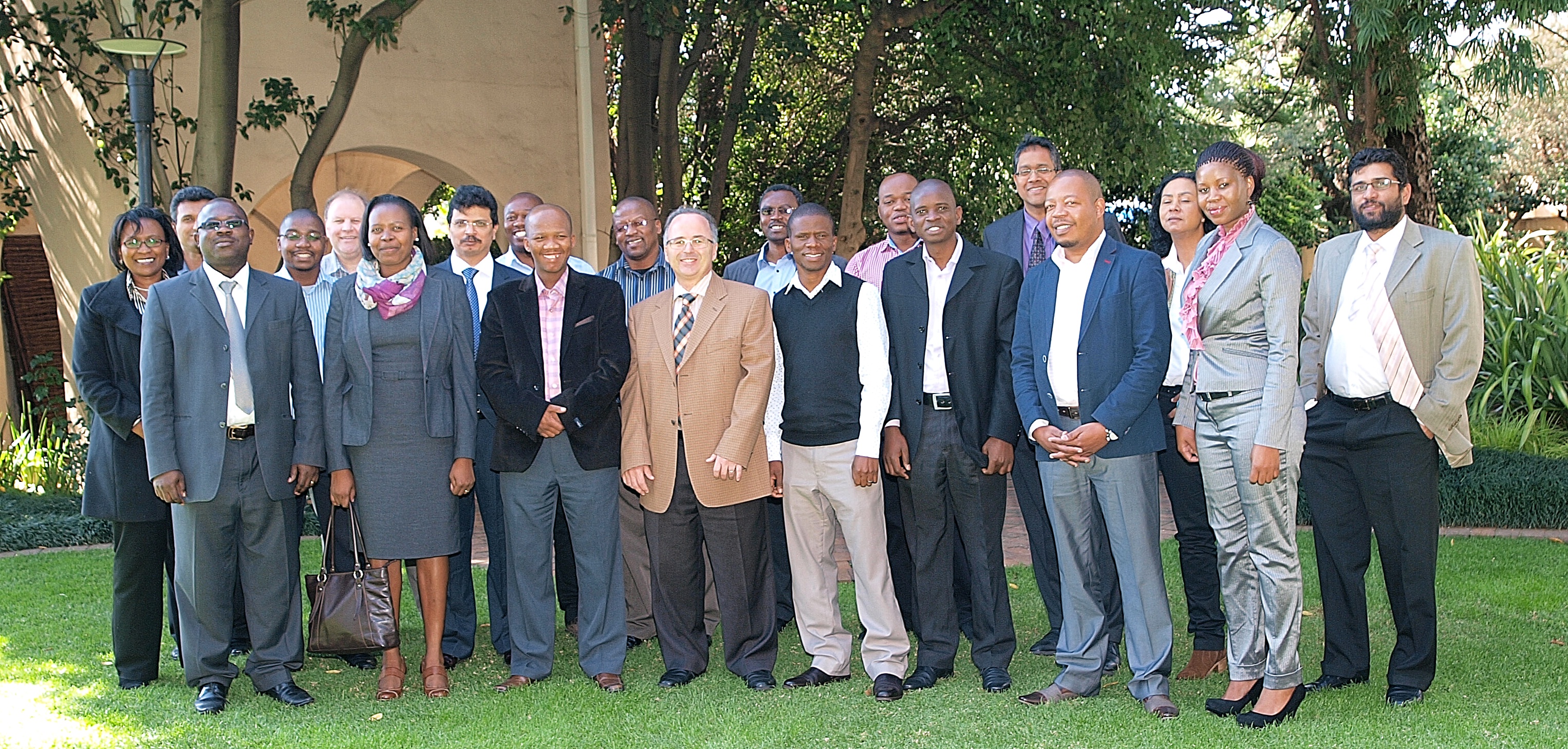
Delegates attending the WCO/SACU IT Connectivity Conference – May 2013
Representatives of the SACU member states recently met in Johannesburg to progress developments concerning IT Connectivity and Customs-to-Customs data exchange in the region. The session served as a follow up to the session held last year in February 2012 in Pretoria. The conference was convened by the SACU secretariat under the sponsorship of the Swedish International Development Agency (SIDA), and was once again pleased to have SP Sahu, senior technical expert from the World Customs Organisation, to facilitate the work session over 3 days. Representatives of UNCTAD ASYCUDA were also in attendance to observe developments. UNCTAD currently supports three (soon to be four) of the five SACU Customs administrations. The session provided an opportunity for delegates to progress this work as well as develop a terms of reference for an independent assessment of the two connectivity pilot projects that are currently being pursued between Botswana-Namibia and South Africa-Swaziland, respectively.
IT Connectivity serves as a catalyst for various customs-to-customs cooperation initiatives seeking to bring about a seamless end-to-end flow of information between point of departure and destination. Some examples include export/transit data exchange, approved economic operator, commercial fraud, eATA and at least 5 other key areas of customs mutual exchange. The concept is driven out of the newly establish WCO model known as Globally Networked Customs (GNC). GNC was formally adopted by the WCO Council in June 2012 where a capacity building approach based on protocols, standards and guidelines (PSG) using utility blocks was recognised to provide the most realistic means to achieve efficiency gains, and a more effective way to manage the negotiation of international agreements between customs administrations.
There exist several pilot projects across the globe wherein customs agreements are being piloted under the GNC approach. Development of a Utility Block and supporting data clusters for interconnectivity within SACU and the broader Southern Africa sub-region already commenced at last year’s session. The concept gained sufficient traction and was soon adopted by both SACU and SADC member states as the means to implementing IT connectivity within the respective regions.
A review of the Utility Block and data clusters was conducted to ensure alignment of customs data requirements across the member states. The resulting product now provides a standard ‘data set’ which members agree as the minimum data required to facilitate data exchange and advance risk management needs. It covers export and transit declaration requirements. Two important criteria exist for successful data exchange and data matching. The first being the availability of appropriate legal provision for two countries to exchange data. The second requires the use of an agreed unique identifier. The identifier is important for Customs as well as the trade community.
Delegates were also presented with current and future developments occurring at the WCO, in particular the on-going work being done to formalise standards for the “My Information Package” concept as well as the WCO Data Model, currently at version 3.3. Another interesting on-going development involves a unique Trader ID.
Member states involved in respective pilot programmes are now preparing themselves for an up-coming evaluation, later this year.


Related articles
WCO ICT Conference 2013 a resounding success!
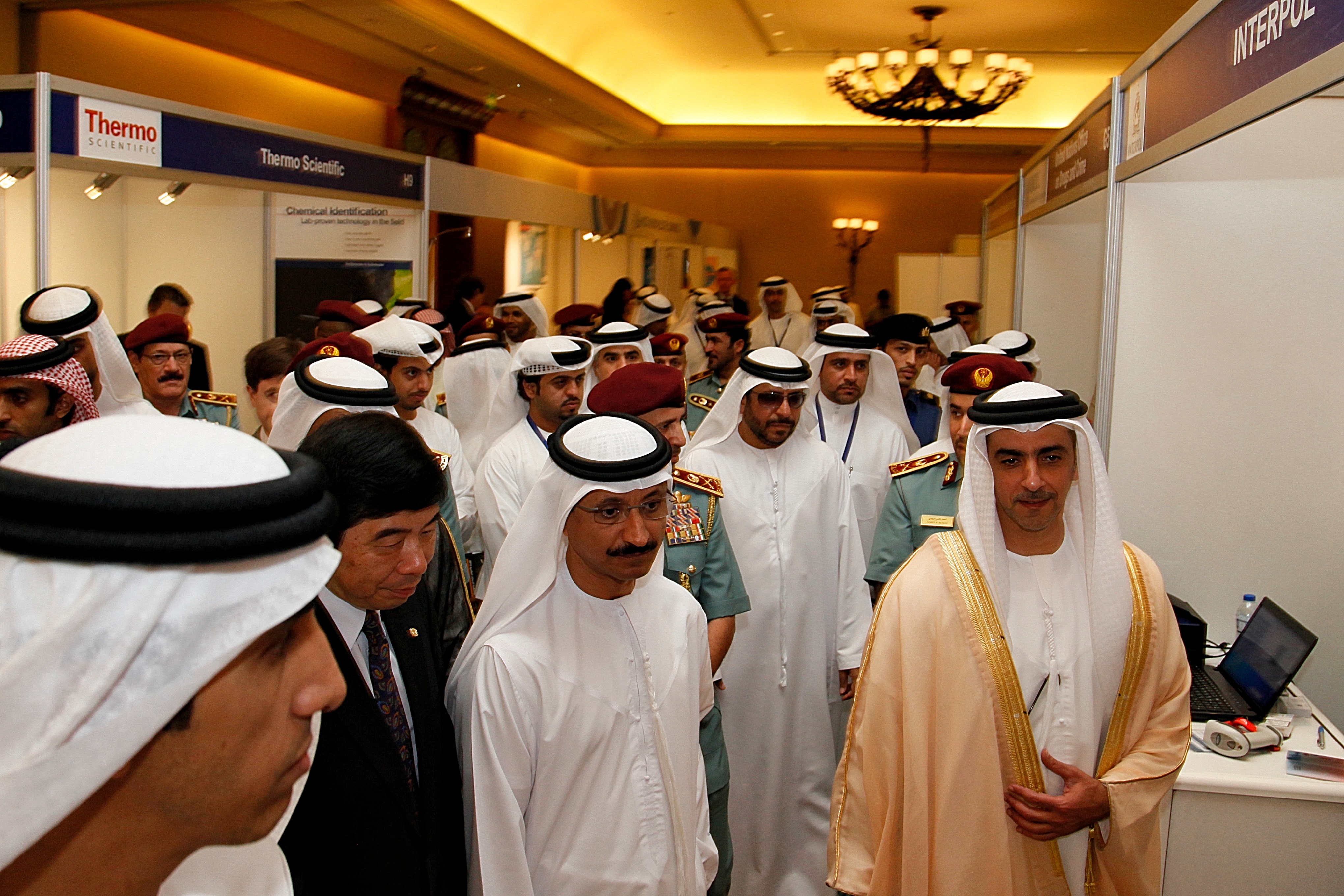
WCO ICT Conference 2013 – Dubai
The 2013 WCO IT Conference & Exhibition was held in Dubai, United Arab Emirates (UAE), from 14 to 16 May 2013 and co-hosted by Dubai Customs. The Conference theme, “Effective Solutions for Coordinated Border Management”, attracted over 1,000 participants from 93 countries and 56 Customs administrations, including 14 Directors General of Customs, other governmental agencies and the private sector, who were actively involved in sharing available information technologies, lessons learned from experience, and future visions.
The Conference was opened in the presence of His Highness Sheikh Mohammed Bin Rashid al Maktoum, UAE Vice-President, Prime Minister and Ruler of Dubai, showing strong support for the innovative approach towards Customs modernization. In his opening speech, His Highness, Lieutenant General, Sheikh Saif Bin Zayed Al Nahyan, UAE Deputy Prime Minister and Minister of the Interior, welcomed the participants and stressed the importance of collaboration for effective, coordinated border management applying technology. Secretary General Kunio Mikuriya said that the contribution of Customs to economic competitiveness required better communication, cooperation, coordination and collaboration with other border agencies. In this connection, technology enabled coordinated border management, and the WCO had developed the Data Model with a standardized data set that met the requirements of border regulatory agencies. He also stressed the importance of partnership with the private sector in finding innovative solutions for IT applications, which was the objective of this Conference.
The participants enjoyed a series of panel sessions with high-level speakers from Customs, other governmental agencies, international organizations and the private sector, discussing various aspects of coordinated border management and effective solutions in applying technology. Dr. Anwar Mohammed Gargash, UAE Minister of State for Foreign Affairs, shared his country’s vision of trade facilitation through investment in infrastructure and technology, as well as consistent policy development, while honouring international obligations.
A very large number of service providers joined the Exhibition and Tech Talks to explain the latest innovations in information technology, and they listened to the needs of Customs and other border regulatory agencies in their efforts to work together to develop joint IT solutions. Source: WCO
Enforcement, Risk Management and Preferred Trade come together in the SACU Region
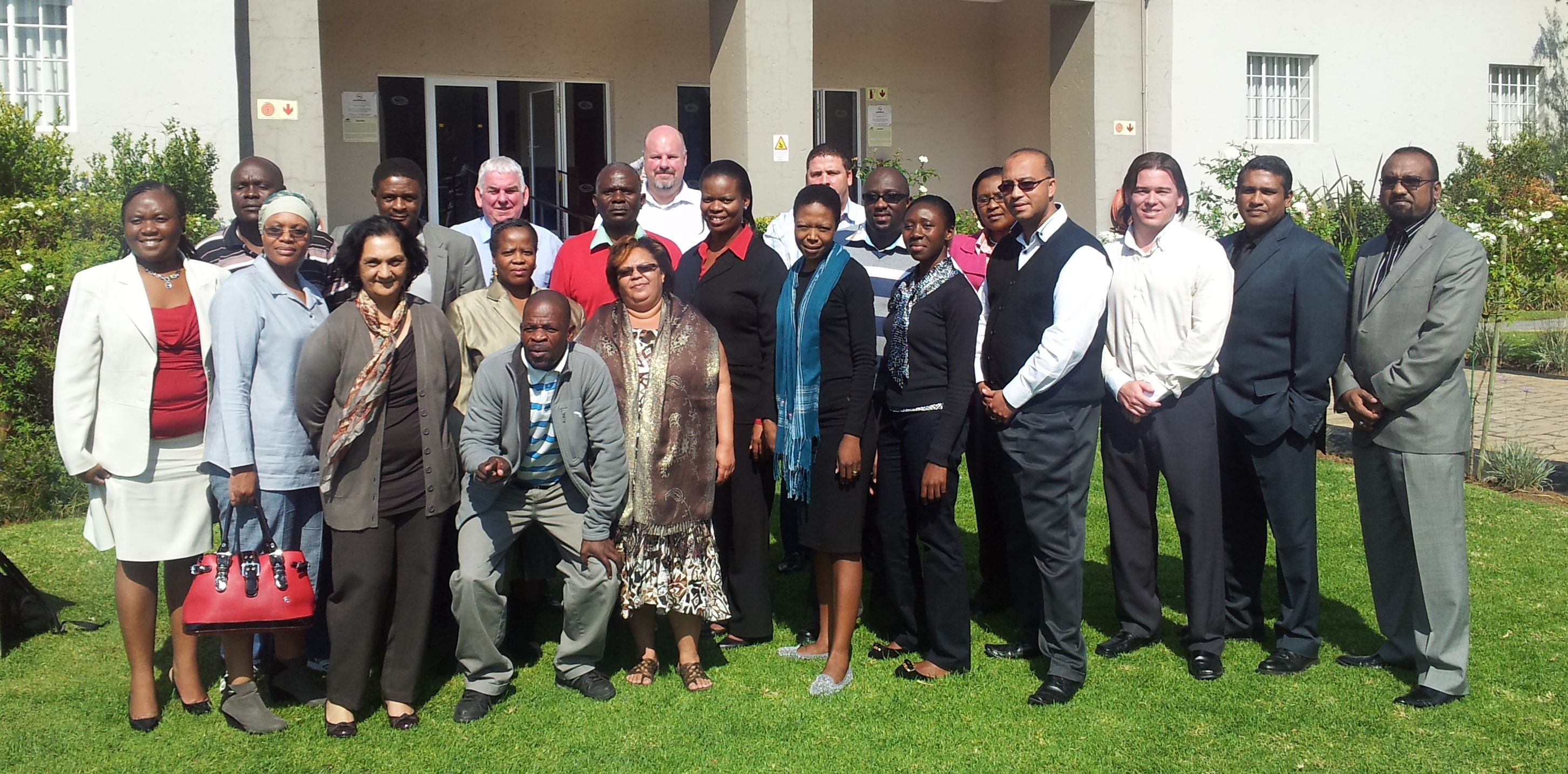
Enforcement, Risk Management and Preferred Trade come together in the SACU Region
A WCO workshop on the topics of Enforcement, Risk Management and Preferred Trader was conducted in April in Johannesburg, South Africa, with the involvement of the WCO Secretariat, UK Customs and the member countries of the Southern African Customs Union – SACU (Botswana, Lesotho, Namibia, South Africa and Swaziland). Capacity Building in the mentioned areas in the SACU Region is part of the WCO Sub-Saharan Customs Capacity Building Programme financed by the Swedish Government through the Swedish International Development Cooperation Agency, SIDA.
An assessment including lessons learned was conducted concerning Operation Auto, targeted at second hand motor vehicles. This first ever regional enforcement operation in the 102 years of history of SACU presented good results as around 250 vehicles were seized by the Customs administrations. The Regional Intelligence Liaison Office contributed actively in the assessment process, ensuring that also future enforcement operations will benefit from the experiences gained.
The development of further risk management capacity is ongoing at the regional level and discussions were held concerning the establishment of common risk profiles. A number of high risk products have been identified and the formulation of profiles to engage illegal trade in these areas is ongoing.
Regarding the Preferred Trader program, progress can also be reported as SACU Members are approaching implementation at operational level. This project component fits very well with the risk management component as the latter is the foundation of the Preferred Trader approach. The process of selecting high compliant, low risk economic operators for the upcoming pilot scheme is well underway while capacity in verification and post clearance audit is being enhanced. A launch of (a pilot of) the regional Preferred Trade program is tentatively envisaged for the second half of 2013. Source: WCO
Related articles
- Singapore and China’s Mutual Recognition Becomes a Reality (mpoverello.com)
US C-TPAT member exports to receive expedited EU customs clearance
 January, 2013 saw the United States and the European Union implemented the mutual recognition arrangement for their respective supply chain security programmes. The US Customs and Border Protection (CBP) administers the Customs-Trade Partnership Against Terrorism (C-TPAT), which is now recognised as equivalent to the European Union’s Authorised Economic Operator (AEO) programme.
Should they elect to allow CBP to share certain information with the European Union, US importers authorised under C-TPAT will be considered secure and their exports will receive a lower-risk score by the customs administrations of EU member states. In practice, certification translates into time and money savings for parties dealing with trusted operators. In that sense, certified operators are successfully marketing their status as a distinguishing competitive advantage.
Both programmes are voluntary, security-based programmes aimed at improving supply chain security. As programme members, importers receive lower risk-assessment scores in customs administrations’ computer targeting software. Therefore, members are subject to fewer security-related inspections and controls. The mutual recognition arrangement between the United States and the European Union allows for members of one programme to receive reciprocal benefits when exporting to the other jurisdiction.
However, not all C-TPAT members qualify for full AEO benefits. Only Tiers 2 and 3 C-TPAT importers (considered as more secure) may receive a lower risk-assessment score, and consequently undergo fewer inspections when exporting to an EU member state. In addition, in order to receive these benefits, C-TPAT members must expressly elect for the United States to share certain information with the European Union and certify that their exports meet all applicable requirements.
The mutual recognition arrangement may also exempt members’ facilities from undergoing validation site visits by both administrations when initially being certified or during revalidation visits. This benefit is available for every tier of C-TPAT membership.
The mutual recognition arrangement applies only to C-TPAT importers which also act as exporters. A C-TPAT manufacturer will benefit from the arrangement only if it also acts as the US exporter. For example, if a US company owns a C-TPAT-certified manufacturer in Mexico that directly ships merchandise to the European Union, those shipments will not benefit from the arrangement.
CBP’s targeting system recognises AEO-certified entities by their manufacturer identification number. Certified manufacturers will receive benefits under the arrangement regardless of whether they are the EU exporter. A certified exporter which is not a manufacturer may obtain a manufacturer identification number to gain from the benefits of mutual recognition. As such, AEO-certified manufacturers and exporters may benefit under the arrangement, but only US exporters are eligible for benefits.
Although the United States and the European Union have recently announced the possibility of a US-EU free trade agreement, this arrangement is a trade facilitation measure that companies may elect to participate in immediately, regardless of the results of potential free trade agreement negotiations.
The United States also has mutual recognition arrangements for supply chain security with Canada, Japan, Jordan, Korea, New Zealand and Taiwan. Source: Sidley Austin LLP, and The International Law Office
Related articles
- What is an Authorised Economic Operator (AEO)? (mpoverello.com)
WCO News – Innovation for Customs Progress
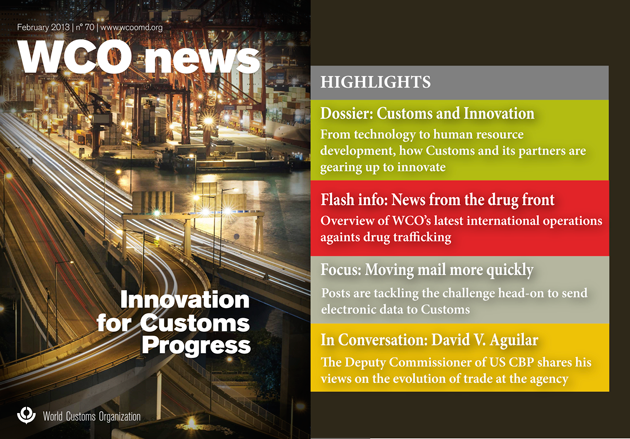 No introduction needed here. This Edition of WCO News focusses on innovation with a collection of articles from around the globe. In addition to the highlights listed above, check out what’s happening in the world of Non-Intrusive Inspection.
- Serbian Customs showcases its new Command and Control centre and anti-smuggling capability demonstrating efficient distribution of information between its head quarters and border-crossings and use of mobile X-ray scanners.
- Dutch Customs discusses its foray into the unique territory of rail scanning, having recently acquired the worlds fastest X-ray rail scanner.
- The head of Rapiscan Systems presents the changing requirements of customs cargo screening, particularly the emergence of ‘fused technologies’ that maximise the capabilities of non-intrusive detection and material discrimination.
Singapore Customs leads the way in the exploration and promotion of ‘green’ technologies having facilitated two R&D projects on eco-friendly vehicles.
Certificates of origin also feature. As part of its commitment to further facilitate trade by strengthening origin compliance through innovative thinking, the International Chamber of Commerce World Chambers Federation (ICC WCF) recently created an international certificate of origin certification and accreditation chain which will, as a first step, concentrate on non-preferential certificates of origin (COs) – the most common certificates issued by Chambers, and the only ones Chambers are authorized to issue in most countries. Learn how they intend to implement the Certificate of Origin (CO) certification and accreditation chain scheme and what the underlying benefits are.
Also, learn how the EU proposes to strengthen supply chain security. Click Here! to access the magazine.
Related articles
- Building Resilience in Supply Chains (mpoverello.com)
- UCR and GS1 data to meet? (mpoverello.com)
- Future X-Ray Insepction Equipment to be based on Industry Standards (mpoverello.com)
Building Resilience in Supply Chains
 On 24 January 2013, the Secretary General of the WCO, Kunio Mikuriya, participated in a press conference dedicated to the launch of the World Economic Forum’s (WEF) Building Resilience in Supply Chains 2013 report. Sander van ‘t Noordende, Accenture’s Group Chief Executive for Management Consulting, introduced the report and its major findings, such as the top supply chain risks that include extreme weather, natural disasters, physical and cyber security threats, along with economic and political volatility. He highlighted that the report argued the need for a coherent and consistent framework to deal with supply chain resilience, partnerships between government, Customs and businesses, and the sharing information flows for risk assessment purposes.
Secretary General Mikuriya pointed out that supply chain resilience is very important for Customs, whose functions include ensuring that legitimate trade continues even in cases of disruption, an issue which has been addressed by a set of standards and instruments developed by the WCO, in particular, the 2011 WCO Resolution on the Role of Customs in Natural Disaster Relief. He also stressed the importance of public-private partnerships in order to share security responsibility with trusted traders through the implementation of the WCO SAFE Framework of Standards to Secure and Facilitate Global Trade and its integral Authorized Economic Operator (AEO) programme.
Cooperation at intergovernmental level with longstanding partners of the WCO, such as the International Maritime Organization (IMO), the International Civil Aviation Organization (ICAO), the Universal Postal Union (UPU), the International Air Transport Association (IATA), the International Road Transport Union (IRU) and the World Shipping Council (WSC), was also emphasized by the Secretary General as being key to harmonizing standards and creating synergies among different stakeholders. In addition, he pointed out that transparency and trust among stakeholders in supply chains was of the utmost importance, as this led to a global cohesive approach and even stronger partnerships.
The Secretary General of the IMO, Koji Sekimizu, addressed the concerns of the maritime sector, in particular, the sustainability of international transportation within the context of supply chain resilience. He mentioned that along with the WCO, the IMO has built its approach on risk assessment and risk management, resulting in the adoption of the International Ship and Port Facility Security Code (ISPS Code), a comprehensive set of measures to enhance the security of ships and port facilities. He also touched on the issues of port infrastructure, piracy and port security, and underlined the importance of cooperation with other stakeholders, such as the WCO and ICAO. Source: WCO
WCO announces the passing of Bill Nolle – proponent of the WCO Data Model

Australian Customs hosted visits from three international experts on trade data harmonisation – Bill Nolle, flanked by Dietmar Jost and Eric Sunstrum of the WCO.
It is with sadness we [WCO] learnt that our former colleague, the former Chairperson of the DMPT passed away on 29 December 2012 after a brief period of illness. He was fighting a very aggressive cancer.
Bill Nolle was a fabulous contributor to our [WCO] area of work and he has left his imprint in many aspects of our work at the Data Model Project Team and the Information Management Sub Committee. Version 3.0 of the WCO Data Model owes its richness and quality thanks to Bill’s splendid contribution. Bill authored the WCO Single Window Data Harmonization Guidelines/ UN/CEFACT Recommendation 34. We [WCO] owe it to Bill the methodology of Gather-Define-Analyze-Reconcile for data simplification and harmonization. Bill brought passion to his work. His speeches and interventions were always intense and engaging and he will be missed in his professional environment.
His legacy includes an eLearning module in which you can hear him explain how data harmonization was carried out in Jordan. The module remains a favorite for the professional users and trainers alike.
Bill retired from US Customs and Border Protection where he worked for 30 years. He and his wife moved to the Outer Banks from Frederick, MD in 2009, to be near the beach that he loved. At the time of his death he was employed by Nathan Associates Incorporated and Crown Agents as a consultant. Bill travelled extensively during his tenures with US Customs and Border Protection, Nathan Incorporated, and Crown Agents, making friends on each continent in the world.
The following obituary was posted by a colleague in Jordan –
Bill has been a breath of fresh air that visited our country (Jordan), every once in a while as Customs Consultant. He was an inspiration and a driving force to all, giving advice when needed, and always willing to help. A proud husband, father and (Opa), that we felt his family was our own, Not to forget, a professional Pita Bread baker, we were hoping to someday try. One would think, God loved him so, and wanted him closer more. Bill will always be in our hearts, a father figure, a teacher, and a colleague holding one of the greatest hearts I’ve known. My deepest condolences to his loving family, and may he rest in peace. Posted by: Juliette Najjar – Amman – Jordan – Friend / Colleague Jan 17, 2013.
Sources: WCO, Gallup Funeral Services, and www.tributes.com
Customs 2013 – the Year of Innovation
 While contemplating next year’s challenges and opportunities, I suppose it’s not a bad time to reflect on the WCO‘s theme for Customs Inc. in 2013. The Secretary General of the WCO, Kunio Mikuriya, is pleased to announce that 2013 will be dedicated to promoting innovation under the slogan “Innovation for Customs progress”. He believes that WCO Members and their partners will have the opportunity to promote innovative ideas and practices that they have implemented, new partnerships that they have developed, as well as creative solutions and technologies that they have adopted. Customs and its stakeholders are urged to be innovative and creative in taking forward the innovation theme in all its facets throughout 2013.
The Year of innovation will be launched on International Customs Day, celebrated annually by the global Customs community on 26 January in honour of the inaugural session of the Customs Co-operation Council (CCC) which took place on 26 January 1953.
Considering the age of the WCO (CCC), I thought the pictures below might conjure up some yesteryear profiles of male and female customs officers. These come from a book A Ladybird ‘Easy-Reading’ Book – ‘People at Work’ – The CUSTOMS OFFICER, which was around when I was a youngster in primary school. Needless to say, the content is perhaps meaningless where the period ‘gate-keeper’ approach to customs control has since been superseded by ‘automated risk management’, i.e. where a computer tells a customs officer what to search for, or what is suspicious or worthwhile expending energy on. Passenger processing has likewise seen a revolution in technology aids and controlled procedures. In many places it is the biometric reader which ‘facilitates’ expedited passenger/traveller processing. While verbal interrogation is still used it is merely a ‘level’ in the ‘layered’ approach in the modern customs risk management process. X-ray body scanners and drug-loo’s complete the customs officer’s enforcement toolkit. Yet, it still takes the ingenuity of a customs officer (and many instances his detector dog) to raise the ‘portcullis’ on crime.
Related articles
- WCO News – October 2012 Edition (mpoverello.com)
Massive Ivory Stash Seized In Malaysia
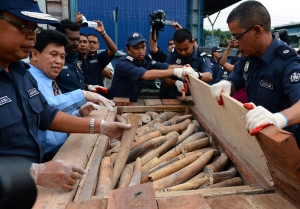
Malaysian Customs officers uncovered illegal ivory concealed within secret compartments in a shipment. (Getty Images)
The Royal Malaysian Customs has received congratulatory messages from South Africa and the World Customs Organisation after thwarting one of the biggest ivory smuggling operations in recent memory. On Monday, Selangor Customs had seized 24 tonnes of elephant tusks and ivory worth US$20 million (RM60 million) in Port Klang from a China-bound ship that is believed to have sailed from Togo.
It is estimated that 750 elephants were killed to produce the quantum of tusks and ivory that was seized. To date, this is the biggest seizure of its kind in Malaysia. Confirming the seizure, Selangor Customs corporate communications chief Mohd Zhafri Johari explained: “In the China market, ivory could fetch a price of approximately US$25,000 per kilogramme”.
Those arrested will be charged in court under Section 133(1)(a) of the Customs Act 1967 for false declaration and under the Convention for International Trade in Endangered Species of Wild Fauna and Flora. This international treaty was drawn up in 1973 to protect wildlife against over-exploitation and to prevent international profiteering which involved threatening of species.
Zhafri also noted that the smuggling of ivory through Port Klang was a rare occurrence prior to 2011. Since then, however, customs have made at least three major seizures. The seized ivory is now considered government property and will be destroyed upon completion of investigation and prosecution of the suspected parties. The 1,500-odd tusks were found in two containers. Although shipping documents listed the containers’ final destination as Port Klang, customs intelligence said the containers were planned to be sent to China. Source: Thesundaily.com
Related articles
- Ivory sales must stop or Africa’s elephants could soon be extinct, says Jane Goodall (guardian.co.uk)
- Massive Malaysian ivory cache seized (www.nature.com)
New WCO Website
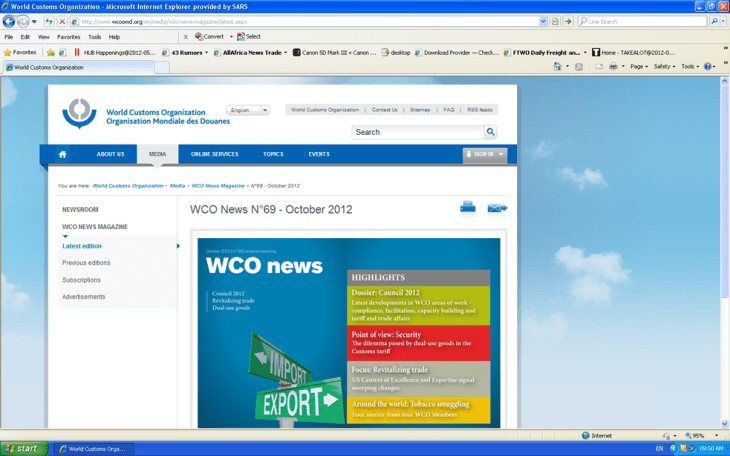 Visit the new WCO website. My impression is a very cool, uncluttered and refreshing design tailored for easy of use and the burgeoning social media space. Navigation is now a synch with the entire website content accessible via menu bar. Visit http://www.wcoomd.org/en.aspx now!
Related articles
- WCO News – October 2012 Edition (mpoverello.com)
New Edition – World Customs Journal
 A much-awaited edition of the World Customs Journal has been published and is available on their website follow this link. In his editorial, Professor David Widdowson reflects on the recent WCO conference on Excise Administration and Enforcement. “An important subject for discussion at the Excise Summit was the increasing incidence of illicit international trade, particularly in relation to alcohol and tobacco products, and we are pleased to provide a useful overview of the topic in Section 3 of this edition of the World Customs Journal”, states Professor Widdowson (World Customs Journal, vol. 6, no. 2, p. v). It is not often that the subject of Excise attracts much or any real conference publicity, so it is all the more a treat to have such a bumper edition on the subject with papers and articles from academics and practitioners.
In South Africa, the subject is somewhat subdued given the emphasis and prominence accorded to the Customs Modernisation Programme. Of late there have been determined efforts within the SARS administration to initiate some focus on Excise. This is only right since many of the so-called excise manufacturers and supporting industries play a significant role not only towards their contribution to the South African fiscus, but likewise have linkages with the import and export logistics supply chain. For this reason alone, the WCJ September 2012 Edition comes at a fortuitous time. I would also encourage you to read the article by Elizabeth Allen (a collaborator on my blog) titled – The Illicit Trade in Tobacco Products and How to Tackle It.
Related articles
- Picard 2012 – with a South African perspective (mpoverello.com)
Reform by Numbers – a reference work on Customs reform
 The word ‘reform’ is a constant in the daily life of a customs officer. No customs administration among the 177 members of the World Customs Organization has not had a reform program in progress or planned. This is ultimately quite normal.A new World Bank publication “Reform by Numbers” will no doubt appeal to customs and tax reform experts and change agents.
It was written in the context of new and innovative policies for customs and tax administration reform. Eight chapters describe how measurement and various quantification techniques may be used to fight against corruption, improve cross-border celerity, boost revenue collection, and optimize the use of public resources. More than presenting ‘best practices’ and due to the association of academics and practitioners, the case studies explore the conditions under which measurement has been introduced and the effects on the administrative structure, and its relations with the political authority and the users. By analyzing the introduction of measurement to counter corruption and improve revenue collection in Cameroon, two chapters describe to which extent the professional culture has changed and what effects have been noted or not on the public accountability of fiscal administrations. Two other chapters present experiments of uses of quantification to develop risk analysis in Cameroon and Senegal.
By using mirror analysis on the one hand and data mining on the other hand, these two examples highlight the importance of automated customs clearance systems which collect daily extensive data on users, commodities flows and officials. One chapter develops the idea of measuring smuggling to improve the use of human and material resources in Algeria and nurture the questioning on the adaptation of a legal framework to the social context of populations living near borders. Finally, two examples of measurement policies, in France and in South Korea, enlighten the diversity of measurement, the specificities of developing countries and the convergences between developing and developed countries on common stakes such as trade facilitation and better use of public funds.
The “gaming effect” is well known in literature about performance measurement and contracts performance, because there is a risk of reduced performance where targets do not apply, which is detrimental to the overall reform. It is crucial to keep in mind that, by themselves, indicators “provide an incomplete and inaccurate picture” and therefore cannot wholly capture the reality on the ground. Measurement indicators must be carefully chosen to ensure that knowledge is being uncovered.
Measurement, for purposes of reform, should not be “copied and pasted” from one country to another. Due consideration must be given to the varying aims of the customs service and the specific political, social, economic, and administrative conditions in the country.
Measurement applied to experimentation is also about how donors, experts, and national administrations work together. On the one hand, national administrations in developing countries ask for technical assistance, standards, and expertise that are based on experiences of developing countries and use experts from such countries.These requests encourage the dissemination of such models. On the other hand, reforms of customs or tax administrations are represented as semi-failures in terms of the initial expected outcomes set by donors and politicians – usually the end of a reform is the time when donors and local administrations become aware of the gaps of their own representations of success.
While scientific and academic in approach, lets hope it means more than just miserable experimentation in target countries.
The book is available for free reading online – www.scribd.com or you can purchase from amazon.com.
Building hard and soft infrastructure to minimise regional costs
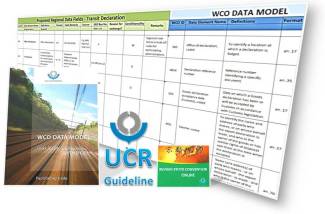 I post this article given it ties together many of the initiatives which I have described in previous articles. The appears to be an urgency to implement these initiatives, but the real question concerns the sub-continent’s ability to entrench the principles and maintain continuity. At regional fora its too easy for foreign ministers, trade practitioners and the various global and financial lobbies to wax lyrical on these subjects. True there is an enormous amount of interest and ‘money’ waiting to be ploughed into such programs, yet sovereign states battle with dwindling skills levels and expertise. Its going to take a lot more than talk and money to bring this about.
South Africa is championing an ambitious integration and development agenda in Southern Africa in an attempt to advance what Trade and Industry Minister Rob Davies describes as trade and customs cooperation within the Southern African Customs Union (SACU), the Southern African Development Community (SADC) and other regional trade organisations.
Central to pursuing this intra-regional trade aspiration are a series of mechanisms to combine market integration and liberalisation efforts with physical cross-border infrastructure and spatial-development initiatives. Also envisaged is greater policy coordination to advance regional industrial value chains. “Trade facilitation can be broadly construed as interventions that include the provision of hard and soft infrastructure to facilitate the movement of goods, services and people across borders, with SACU remaining the anchor for wider integration in the region,” Davies explains.
This approach is also receiving support from the US Agency for International Development (USAid), which recently hosted the Southern African Trade Facilitation Conference, held in Johannesburg.
Trade programme manager Rick Gurley says that virtually every study on trade in sub- Saharan Africa identifies time and cost factors of exporting and importing as the most significant constraints to regional trade potential. Limited progress has been made by SADC member States and SACU partners to tackle the factors undermining trade-based growth, limiting product diversification and increasing the price of consumer goods, including of foodstuffs. However, far more would need to be done to realise the full potential of intra-regional trade.
Regional Alliance
One high-profile effort currently under way is the Tripartite Free Trade Area (T-FTA), which seeks to facilitate greater trade and investment harmonisation across the three existing regional economic communities of the SADC, the Common Market of Eastern and Southern Africa and the East African Community.
The existing SADC FTA should be fully implemented by the end of the year, with almost all tariff lines traded duty-free and, if established, the T-FTA will intergrate the markets of 26 countries with a combined population of nearly 600-million people and a collective gross domestic product (GDP) of $1-trillion. At that size and scale, the market would be more attractive to investors and could launch the continent on a development trajectory, Davies avers. It could also form the basis for a later Africa-wide FTA and a market of some $2.6-trillion.
However, as things stand today, intra- regional trade remains constrained not merely by trade restrictions but by a lack of cross-border infrastructure, as well as poor coordination and information sharing among border management agencies such as immigration, customs, police and agriculture.Cross-national connectivity between the customs management systems is also rare, often requiring the identical re-entry of customs declarations data at both sides of the border, causing costly and frustrating delays.
USAid’s regional economic growth project, the Southern African Trade Hub, is a strong proponent of the introduction of several modern trade-facilitation tools throughout the SADC – a number of which have already been successfully pioneered. These tools, endorsed by the World Customs Organisation (WCO) Framework of Standards, which offers international best-practice guidelines, are aimed at tackling the high costs of exporting and importing goods to, from, and within Southern Africa, which has become a feature of regional trade and discouraged international investment.
Bringing up the Rear
A country’s competitiveness and the effec- tiveness of its trade facilitation regime are measured by its ranking on World Bank indices and, with the exception of Mozambique, Southern African States perform poorly – with most in the region settling into the lowest global quartile of between 136 and 164, out of a total of 183. “Our transaction costs in Africa across its borders are unacceptably high and inhibit trade by our partners in the private sector,” says WCO capacity building director Erich Kieck. “We need our States to develop good ideas and policies, but the true test lies in their ability to implement them,” he notes.
He adds that not only does trade facilitation require efficient customs-to-customs connectivity, but also demands effective customs-to-business engagement, adding that, while customs units are responsible for international trade administration, they are not responsible for international trade. “The private sector is the driver of economic activity and international trade, and government’s responsibility is to understand the challenges faced by the business community and develop symbiotic solutions,” Kieck notes.
Despite the establishment of regional trade agreements and regional economic communities in Southern Africa, many partner- ships have failed to deliver on their full potential to increase domestic competitiveness.
In a report, African Development Bank (AfDB) senior planning economist Habiba Ben Barka observes that, despite the continent’s positive GDP growth record – averaging 5.4% a year between 2005 and 2010 – it has failed to improve its trading position or integration into world markets. In 2009, Africa’s contribution to global trade stood at just under 3%, compared with nearly 6% for Latin America and a significant 28% for Asia.
“Since 2000, a new pattern of trade for the continent has begun to take centre stage, as Africa has witnessed an upsurge in its trade with the emerging Brazil, Russia, India and China economies. Overall, Africa is trading more today than in the past, but that trade is more with the outside world than internally,” says Ben Barka. She adds that while many African regional economic communities have made some progress in the area of trade facilitation, much greater effort is required to harmonise and integrate sub-regional markets.
To address enduring trade barriers, consensus among business, government and trade regulators appears to lean towards the adoption of one or a combination of five facilitation tools. These include the National Single Window (NSW), the One-Stop Border Post (OSBP), cloud-based Customs Connectivity, Coordinated Border Management (CBM) and Customs Modernisation Tools.
A National Single Window
NSWs connect trade-related stakeholders within a country through a single electronic-data information-exchange platform, related to cross-border trade, where parties involved in trade and transport lodge standardised trade-related information or documents to be submitted once at a single entry point to fulfil all import, export and transit-related regulatory requirements.Mauritius was the first SADC country to implement the NSW and consequently improved its ranking on the ‘Trading Across Borders Index’ to 21 – the highest in Africa. It was closely followed by Ghana and Mozambique, which have also reported strong improvements.
Developed in Singapore, the benefits of government adoption include the reduction of delays, the accelerated clearance and release of goods, predictable application, improved application of resources and improved transparency, with several countries reporting marked improvement in trade facilitation indicators following the NSW implementation.
In South Africa, the work on trade facili-tation is led by the South African Revenue Service (SARS), which focuses on building information technology (IT) connectivity among the SACU member States, and strengthen- ing risk-management and enforcement measures. However, SARS’ approach to the NSW concept remains cautious, Davies explains. “SARS has considered the viability of this option as a possible technological support for measures to facilitate regional trade, but considers that this would fall outside the scope of its current approach and priorities in the region,” he said.
One-Stop Border Posts
As reported by Engineering News in December last year, effective OSBPs integrate the data, processes and workflows of all relevant border agencies of one country with those of another, which culminates in a standardised operating model that is predictable, trans- parent and convenient. An OSBD success story in Southern Africa is the Chirundu border post, where a collaboration between the Zambia and Zimbabwe governments has culminated in a single structure, allowing officers from both States to operate at the same location, while conducting exit and entry procedures for both countries.
Launched in 2009, this OSBP model is a hybrid of total separation, joint border operations and shared facilities in a common control zone. Implementation of the model has reduced clearance times to less than 24 hours, significantly reduced fraudulent and illegal cross-border activity, enabled increased information sharing between border agencies and reduced the overall cost of export and import activities in the area.
Earlier this year, former South African Transport Minister Sibusisu Ndebele indicated that Cabinet was looking into establishing a mechanism that would bring all border entities under a single command and control structure to address the fragmentation in the country’s border operations, particularly at the high-traffic Beitbridge post between South Africa and Zimbabwe. “The ultimate vision is to create one-stop border operations to facilitate legitimate trade and travel across the borders,” he said.
Customs Connectivity and Data Exchange
Improved connectivity between customs limbs in sub-Saharan Africa has perhaps made the most indelible strides in the region, with improved IT connectivity between States identified as a priority by Sacu.
This includes customs-to-customs inter- connectivity, customs-to-business inter- connectivity and interconnectivity between customs and other government agencies. SACU members have agreed to pursue the automation and interconnectivity of their customs IT systems to enable the timely electronic exchange of data between administrations in respect of cross-border movement of goods. “As a consequence of this acquiescence, we have identified two existing bilateral connectivity programmes as pilot projects to assess SACU’s preferred connectivity approach, cloud computing between Botswana and Namibia and IT connectivity between South Africa and Swaziland,” says SACU deputy director for trade facilitation Yusuf Daya. He adds that a regional workshop was recently convened to explore business processes, functions, data clusters and the application of infrastructure at national level to improve and develop intra-regional links.
Coordinated Border Management
The SADC has been a strong proponent of CBM efforts in the region, which promotes coordination and cooperation among relevant authorities and agencies involved in, specifically, the protection of interests of the State at borders. “The union has drafted CBM guidelines for its members on implementation, based on international best practice, and has received indications of interest from several member States,” explains SADC Customs Unit senior programme officer Willie Shumba.He adds that CBM is a key objective of regional integration, enabling the transition from an FTA to a customs union and, eventually, to a common market, through effective controls of the internal borders.
Customs Modernisation
South Africa’s customs modernisation initiative is well advanced and came about following Sars’ accession to the WCO’s revised Kyoto Convention in 2004, which required customs agencies to make significant changes to it business and processing models. These changes included the introduction of simplified procedures, which would have fundamental effects on and benefits for trade and would require a modern IT solution.
Since its inception, the SARS Customs Modernisation Programme has gained tremendous momentum, with amendments to the Passenger Processing System and the replacement of SARS’s Manifest Acquittal System in the Automated Cargo Management system. Further adjustments were made to enable greater ease of movement of goods, faster turnaround times and cost savings, as well as increased efficiency for SARS. This phase included the introduction of an electronic case-management system, electronic submission of supporting documents, the centralisation of back-end processing in four hubs and an electronic release system and measures to enhance the flow of trucks through borders – in particular at the Lebombo and Beitbridge borders.
Proper Planning
AfDB’s Ben Barka warns that, prior to the implementation of any border improvement efforts by countries in Southern Africa, a thorough analysis and mapping of each agency’s existing procedures, mandate and operations should be undertaken.“Based on these findings, a new set of joint operational procedures need to be agreed upon by all involved agencies and must comply with the highest international standards,” she says.
Development coordination between States is essential, as the largest disparity among regional groupings, in terms of intra-regional trade, is clearly attributable to their differentiated levels of progress in various areas, including the removal of tariffs and non-tariff barriers, the freedom of movement of persons across borders and the development of efficient infrastructure. Source: Engineering News.
Related articles
- Regional Blocs seek to remove Trade Barriers (mpoverello.com)
- SADC Member States driving the Customs regional integration agenda (mpoverello.com)
- Trade Facilitation Implementation Guide (mpoverello.com)
 What Happened to the Portcullis?
You must be logged in to post a comment.