Nigerian Trade Procedures – Customs, Freight Forwarders on a warpath

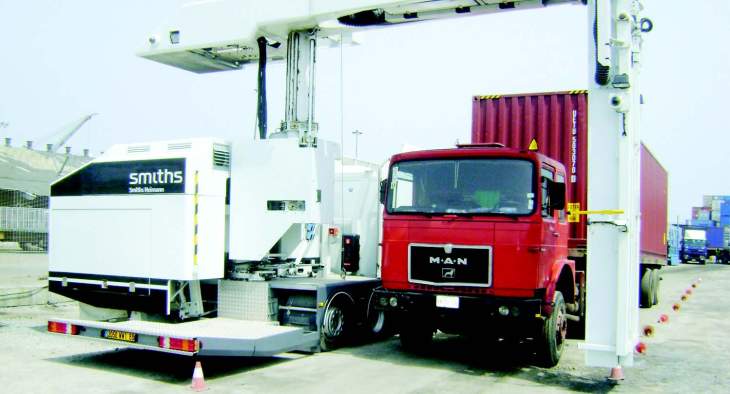
Mobile-scanner installed at Apapa Port as part of DI contract

Mobile-scanner installed at Apapa Port as part of DI contract

Destination Inspection takeover – it seems that all is not well. A stand-off between officers of the Nigeria Customs Service (NCS) and members of the freight forwarding community is festering over trade facilitation issues. The  long association between officials of the Nigeria Customs Service (NCS) and big time freight forwarders, including association leaders may have gone sour. THISDAY checks at the ports revealed that most leaders of freight forwarding associations are on the warpath with the Customs. The agents are aggrieved over what they described as high handedness on the implementation of trade policies by the Customs. They alleged that the Customs has in a bid to meet revenue targets embarked on measures that will force most traders who are mainly their clients out of business.

It is lead to believe that made some leaders of customs agents associations work against the Customs Service concerning the take-over of Destination Inspection from agencies handling the project. The Federal Government had extended the contracts of the Destination Inspection Agents (DIAs) by six months at a time that the Customs had prepared to take over the scheme. Customs had trained about 2000 officers for the scheme. The Service, it was gathered had also planned to inherit the scanning machines from the DIAs before the contract was extended. Indications are that the contracts may be further extended by more than one year at the expiration of six months. Since the extension was announced, many leaders of customs agents have not come out openly to condemn it.

Bone of Contention – When the NCS failed to introduce duty benchmark at the ports last year, the relationship between the it and freight forwarders has changed.Customs issues Debit Note (DN) to recover what is lost due in terms of under-valuation, this has often been abused as importers and their customs agents negotiate what to pay with some of the valuation officers responsible for this. So, the management of the Customs believed that the only way to address this problem was a duty benchmark which saves the importer. The idea of the benchmark was to check revenue losses as a result of under-valuation of goods coming into the country. However, the benchmark arrangement was dropped on the order of the Presidency. Since then, the Service has adopted other means to ensure that no revenue is lost, a development that has angered the clearing agents.

Duty Targets – With a revenue target of N1trillion last year, the Customs had worked hard to ensure that it meets its revenue target. The Service realised about N800bn. Freight forwarders are bitter that so many containers have been abandoned by their owners at the ports due to high-handedness by the Customs in terms of outrageous DNs on the goods. A member of National Association of Government Approved Freight Forwarders (NAGAFF) told THISDAY that the amount being issued as DN is such that many importers have been unable to pay. A top official of NAGAFF who did not want to be quoted said that it appears there is a grand plan by some officials of customs to frustrate some importers out of business by issuing outrageous DNs. “In some cases, the DN is such that the importer will be at total loss after clearing the goods. We have appealed to the management of the customs about this thing, but their officers have failed to come down on the value placed on these goods. Source: This Day (Nigeria)

Building Resilience in Supply Chains

WEF - Building Resilience in Supply ChainsOn 24 January 2013, the Secretary General of the WCO, Kunio Mikuriya, participated in a press conference dedicated to the launch of the World Economic Forum’s (WEF) Building Resilience in Supply Chains 2013 report. Sander van ‘t Noordende, Accenture’s Group Chief Executive for Management Consulting, introduced the report and its major findings, such as the top supply chain risks that include extreme weather, natural disasters, physical and cyber security threats, along with economic and political volatility. He highlighted that the report argued the need for a coherent and consistent framework to deal with supply chain resilience, partnerships between government, Customs and businesses, and the sharing information flows for risk assessment purposes.

Secretary General Mikuriya pointed out that supply chain resilience is very important for Customs, whose functions include ensuring that legitimate trade continues even in cases of disruption, an issue which has been addressed by a set of standards and instruments developed by the WCO, in particular, the 2011 WCO Resolution on the Role of Customs in Natural Disaster Relief.  He also stressed the importance of public-private partnerships in order to share security responsibility with trusted traders through the implementation of the WCO SAFE Framework of Standards to Secure and Facilitate Global Trade and its integral Authorized Economic Operator (AEO) programme.

Cooperation at intergovernmental level with longstanding partners of the WCO, such as the International Maritime Organization (IMO), the International Civil Aviation Organization (ICAO), the Universal Postal Union (UPU), the International Air Transport Association (IATA), the International Road Transport Union (IRU) and the World Shipping Council (WSC), was also emphasized by the Secretary General as being key to harmonizing standards and creating synergies among different stakeholders. In addition, he pointed out that transparency and trust among stakeholders in supply chains was of the utmost importance, as this led to a global cohesive approach and even stronger partnerships.

The Secretary General of the IMO, Koji Sekimizu, addressed the concerns of the maritime sector, in particular, the sustainability of international transportation within the context of supply chain resilience. He mentioned that along with the WCO, the IMO has built its approach on risk assessment and risk management, resulting in the adoption of the International Ship and Port Facility Security Code (ISPS Code), a comprehensive set of measures to enhance the security of ships and port facilities. He also touched on the issues of port infrastructure, piracy and port security, and underlined the importance of cooperation with other stakeholders, such as the WCO and ICAO. Source: WCO

SARS – Modernisation milestone materialising

Interfront logo2

Its been some time since I’ve penned an article on the South African Customs Modernisation Programme. Aside from it being the SA Revenue Service’s prerogative to communicate and publish notice of its internal developments and plans, some caution always needs to be exercised observing bureaucratic protocol, ensuring that the official message is forthcoming from SARS. Given the widespread interest in the programme as well as the development of the Interfront [formerly Tatis] integrated customs border management solution (iCBMs) as a wholly owned development of South Africa, I think it not out of place to inform the public interest on this matter. Readership of this blog has an extensive global following and a specific interest in Interfront developments.

Unlike ASYCUDA, Sofix, e-Biscus, and a host of other integrated Customs-tailored business solution offerings, Interfront’s solution for SARS will not include a client user frontend. In other words, the Interfront system (iCBMs) will essentially drive declaration backend processing. This comprises a fully integrated declaration validation and processing engine, supported by a sophisticated tariff engine and duty calculator; the latter offering future web-based services for customs users. In order to compliment the SARS corporate and standardised user interface approach, the iCBMs interfaces with SARS’s revenue accounting, trader registration, risk management, and case management workflow systems. Not only does this leverage cost savings and efficiencies, but ensures a unified ‘workspace’ for all of SARS employees.

Much of the Interfront technology is therefore hidden to the customs user, with traders experiencing an identical interface with SARS Customs, as it does today. From the outset of the Customs Modernisation Programme (July 2010), the approach has followed pragmatic migration of customs electronic clearance processing – across its 30 odd legacy systems – towards an integrated clearance process that could mimic the functionality featured on the new iCBMs. The modern technology and scalability of Interfront offers the ability and agility to enhance service levels and efficiencies to another level. At the same time, operational policies and procedures have been modernised with the aim and intent of meeting the requirements contained in Customs new Control and Duty Bills.

Much of the ‘change’ experienced by both customs officers and the trade over the last 2 years has prepared the country for the eventual migration to the new system. These have been significant, and at times painful changes, not without anxiety and apprehension. Over the last 6 months an even more painstaking and taxing effort has been expended by the Customs Modernisation Team, Interfront and other service providers in addressing a seamless harmonisation and switchover of customs business from disparate legacy systems to a new customs technology platform. The “Parallel Run” has witnessed the daily comparison of customs clearance data between the old and new systems, identification and logging of disparities (bugs), modification of the two environments to ensure the same result is achieved. This has not been an easy and simple process, as any country having undergone a system switchover can attest to.

This month, February 2013, service providers to the customs industry are readying their resources to commence user testing. This implies that service providers (computer bureaus) will engage their clients to prepare test cases for submission to customs to test the new Interfront process. Given that Customs legacy systems and Interfront have been synchronised to a high level of compatibility, the process for traders should not reveal much difference to what they have experienced over the period of modernisation over the last 2 years. One area of note will be the structure and content of Customs Response messages. Traders will have to familiarise themselves and test their interpretation of these messages to ensure they perform or respond appropriately to the instructions.

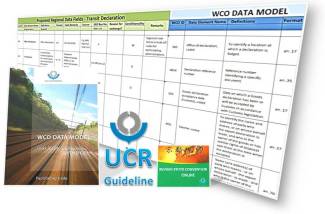
Satya Prasad Sahu - Technical Officer at the WCO provided members of SACU, SADC and the EAC comprehensive guidelines for the development of the GNC Utility Block concept in Africa (February 2012)

Satya Prasad Sahu – Senior Technical Officer at the WCO provided members of SACU, SADC and the EAC comprehensive guidelines for the development of the GNC Utility Block concept in Africa (February 2012)

In terms of compliance and compatibility with international developments, the new iCBMs is engineered on the WCO Data Model. All relevant simplification processes as exemplified in the Revise Kyoto Convention are likewise factored into its design, although not all of these will be immediately available with the initial rollout. Introduction of the new Customs Control and Duty Acts will require these principles to be fully functional and operational, however.

The WCO Data Model is the pivotal design component around which most of the new system’s business and validation rules are centred. This in itself is a major achievement as it bodes well for all future ‘cross border’, customs-2-customs connectivity initiatives. In this regard SARS is well advanced in bilateral and multilateral projects with key trading partners, for example IBSA (cross-global trilateral initiative), and in Africa, we are working with SACU, SADC, COMESA and the EAC to bring about regional customs connectivity. On a bilateral basis, initiatives with Swaziland, Mozambique and Zimbabwe are developing nicely. A significant contributor to cross border/cross global customs connectivity is undoubtedly the excellent work brought about by the dedicated members of the WCO’s Globally Networked Customs adhoc workgroup. In June last year, the WCOs policy Commission unanimously endorsed the GNC architecture and Utility Block approach. African customs connectivity efforts have likewise adopted this model which ensures harmonisation and uniformity in approach, legal dispensation, data exchange, risk management and procedure. The WCO moreover plays a overseeing role in many of these GNC and capacity building initiatives across the globe – this assists greatly in sharing and learning of experiences.

I would think that the above should be sufficient to wet the appetites of customs practitioners, traders, ICT technocrats, and perhaps even legislators and bureaucrats on developments in South Africa. Subsequent to the launch of Interfront SARS will make its ideas and strategy relating to forthcoming initiatives known to trade and the business community. A Year of Innovation? Yes, and hopefully a happy tale that will bode well for the South African trade and supply chain logistics community, and some good fortune for Interfront in its business development in the region and beyond!

Nigeria – Maximizing Opportunities in Free Trade Zones

Lagos Free Trade Zone

Lagos Free Trade Zone

So how come FTZs, IDZs, EPZs, etc are working in other African countries and not here in South Africa? This Day Live (Nigeria) offers some of the critical success factors which delineate such zones from the normal economic operations in a country. Are we missing the boat? The extent of economic and incentive offering can vary substantially between the different economic and trade zone models – some extremely liberal while others tend to the conservative. Obviously the more liberal and free the regulations are the more stringent the ‘guarantees’ and controls need to be. However, in today’s e-commercial world, risk to revenue can more than adequately be mitigated and managed with through risk management systems. Manufacturing and logistical supply chain operations are likewise managed in automated fashion. I guess the real issue lies in governments appetite for risk and more particularly its willingness to relax tax and labour laws within such zones. Furthermore, a sound economic roadmap demonstrating backward linkages to the local economy and outward linkages to international markets must be defined. Herein lies some of the difficulties which have plagued South African attempts at such economic offerings – no specific economic (export specific) goals. Limited financial/tax incentives for investors, and poor cooperation between the various organs of state to bring about a favourable investment climate.

Free Trade Zones (FTZs) are at the crux of the growth attributed to emerging markets. All the BRIC nations have used the FTZs as a buffer to economic meltdown particularly in the wake of the most recent financial and economic crises. The “great recession” of 2007 – 2009 saw the BRIC nations growing at the rates of 7% to 13%. Consequently, the importance of FTZs as well as maximizing opportunities therein cannot be over-emphasized. The literature defining FTZs vary, but they all have the following characteristics in common:

  • A clearly delimited and enclosed area of a national customs territory, often at an advantageous geographical location, with an infrastructure suited to the conduct of trade and industrial operations and subject to the principle of customs and fiscal segregation.
  • A clearly delineated industrial estate, which constitutes a free trade enclave in the customs and trade regime of a country, and where foreign manufacturing firms, mainly producing for export, benefit from a certain number of fiscal and financial incentives.
  • Industrial zones with special incentives set up to attract foreign investors, in which imported materials undergo some degree of processing before being re-exported.
  • Fulfilling their roles in having a positive effect on the host economy, regulators look at FTZs from a nationalist perspective. Inevitably, they seek the following benefits:
    • Creating jobs and income: one of the foremost reasons for the establishment of FTZs is the creation of employment.
    • Generating foreign exchange earnings and attracting foreign direct investment (FDI): measures designed to influence the size, location, or industry of a FDI investment project by affecting its relative cost or by altering the risks attached to it through inducements that are not available to comparable domestic investors are incentives to promoting FDI. Implicit in this statement lies the definition of FTZ. Other traits that are recognizable when discussing FDI’s include specially negotiated fiscal derogations, grants and soft loans, free land, job training, employment and infrastructure subsidies, product enhancement, R&D support and ad hoc exceptions and derogations from regulations. In addition to FDI, by promoting non-traditional exports, increased export earnings tend to have a positive impact on the exchange rate.
    • Transfer of technology: trans-national corporations (TNCs) are a dominant source of innovation and direct investment by them is a major mode of international technology transfer, possibly contributing to local innovative activities in host countries. It is a government’s primary obligation to its citizenry to provide attractive technology, innovative capacities and mastering, upgrading, and diffusing them throughout the domestic economy. Nevertheless, through national policies, international treaty making, market-friendly approaches, a host country gravitates from providing an enabling environment to stronger pro-innovation regimes that perpetually encourage technology transfer.

FTZs can be both publicly (i.e. government) and or privately owned and managed. Governments own the more traditional older zones, which tend to focus more on policy goals that are primarily socio-economic. They emphasize industry diversification, attracting FDI, job creation and the like. Privately-owned FTZs have the advantage of eliminating government bureaucracy, are more flexible, and are better prepared to deal with technological changes. The global trend towards privatization has made privately-run zones more popular and a number are highly successful. The role of government in the case of privately-run zones is to provide a competitive legal framework with attractive incentive packages that meet the World Trade Organization (WTO) requirements.

FTZ Operations in Nigeria

FTZs were established in 1991 in order to diversify Nigeria’s export activity that had been dominated by the hydrocarbon sector. By 2011, there were nine operational zones; ten under construction; and three in the planning stages. The governing legislation includes the Nigeria Export Processing Zones Act (NEPZA) and the Oil and Gas Export Free Zone Act (OGEFZA). Zones may be managed by public or private entities or a combination of both under supervision of the Authority. For the full article go to – This Day Live

Air-to-sea cost differential narrows

Multimodal Freight

Just to keep them on their toes – the following will undoubtedly play a factor in many customs administration’s risk management and intel systems.

Air freight rates slipped in December as the trade returned to business-as-usual following the volume boost of earlier hi-tech product launches, according to Drewry’s new monthly report, Sea & Air Shipper Insight. Drewry’s recently launched East-West Air Freight Price Index, a weighted average of air freight rates across 21 east-west trades, fell by 1.4 points from November to reach 110.8 in December, bringing to an end four consecutive months of gains in the index. “The waning effect of new hi-tech product launches on traffic demand was the primary contributor to declining rates from Asia into North America and Europe,” said Simon Heaney, research manager at Drewry. “Drewry expects pricing on routes out of Asia to decline further, though the impact will be softened by an uptick in demand levels in advance of Chinese New Year.”

Evidence of a tentative recovery in air freight demand comes in the form of a 2% year-on-year rise (the first such increase in 16 months) in November of worldwide semiconductor sales, a traditional bellwether for air cargo. Air cargo demand could also see a temporary boost at the expense of the ocean market. With ocean currently facing capacity issues such as the looming threat of strike action at US ports and carriers cancelling voyages, some shippers, particularly those wanting to move higher-value goods, might well be tempted to shift some cargo to the air. Demand growth for air cargo has lagged behind ocean, which Drewry believes is due to a combination of shippers having access to better IT systems, leaner inventory strategies and greater faith in liner service reliability, which has been improving steadily in the last year or so.

Recent issues in the ocean sector are testing that faith, although of course shippers that do switch to air freight will have to pay a considerable premium. East-west air freight rates and comparable ocean rates have almost mirrored their ups and downs since May 2012, with air prices showing a steeper upswing since October. However, the fall in air freight pricing and a corresponding rise in container shipping rates in December sent Drewry’s east-west air freight price multiplier down 1.3 points to 11.8. The multiplier measures the relationship between the cost of shipping by air relative to sea. “Air cargo is not a viable Plan B for all shippers,” said Heaney, “but for those moving expensive goods it remains a justifiable alternative, particularly at a time when the reliability of the ocean supply chain is threatened.”  Source: Lloyds List

2012 in review

The WordPress.com stats helper monkeys prepared a 2012 annual report for “What Happened to the Portcullis?“. A special thanks to everyone who has browsed regularly, commented or contributed to this blog. I am deeply grateful and appreciative! Mike

Here’s an excerpt:

4,329 films were submitted to the 2012 Cannes Film Festival. This blog had 52,000 views in 2012. If each view were a film, this blog would power 12 Film Festivals

Click here to see the complete report.

Is Google moving into box tracking?

container-trackingThe US Patent and Trademark Office has granted Internet search giant Google a patent on a system for securing, monitoring and tracking containers. According to United States Patent 8284045, it describes a two-way communication system, supported by an electronic bolt seal, a network gateway, a web-based platform, and a mobile device, that allows containers to be networked for the transfer of data. Shipping containers are networked for transferring data between the shipping containers. The shipping containers include sensors for detecting conditions associated with the shipping containers. The conditions sensed by any shipping container whether transported by rail or ship is transmitted from an ad hoc network, via a gateway configured for satellite or cellular communications for example, to a container-tracking application server or equivalent computer system. The computer system is remotely located to the shipping container for central compilation, analysis, and/or display of data regarding the shipping containers.

The system describes an environmental sensor that can travel with a product within a carrier’s logistics network. The environmental sensor being configured to sense an environmental condition capable of affecting the product to generate product environment data. The system includes a scanner configured to read product environment data from the environmental sensor. The system also includes a hub control unit configured to communicate with the scanner and receive the product environment data from the scanner and determines whether the product environment data transcends a limit of exposure of the product to an environmental condition. The hub control unit is also configured to generate a transporting instruction to redirect transport of the product to an alternate destination different from its original destination if the hub control unit determines that the product environment data indicates the environmental condition of the product has transcended the limit of exposure. What a mouthful! I dare say that there are people out there that can decipher the patent content and relate to its various diagrams. If you are interested in this topic, please visit the following link – http://www.archpatent.com/patents/8284045. Also visit the Patent Buddy for similar information. Hopefully as the business case for this patent unfolds things may become a bit more clearer – and perhaps a little sinister too for some!

Comesa adopts IT system to boost trade in the region

Workers offload imported sugar at the port of Mombasa. Comesa has already gazetted transit goods routes, which have been geo-fenced and trucks following these routes will be monitored. Photo/File  Nation Media Group

Workers offload imported sugar at the port of Mombasa. Comesa has already gazetted transit goods routes, which have been geo-fenced and trucks following these routes will be monitored. Photo/File Nation Media Group

A new online system being implemented by the Common Market for Eastern and Southern Africa (Comesa) trading bloc is expected to cut down non-tariff barriers, reduce the cost of doing business and improve intra-regional trade.

The $1 million (Sh84 million) system – which is being developed by Comesa and funded by the European Union – could for instance cut transport costs by up to 40 per cent, Comesa secretary-general Sindiso Ngwenya said.

With three main modules – Transit Bonds, Risk Management and Cargo Tracking — the Comesa Virtual Trade Facilitation System (CVTFS) aims at integrating systems used by regional revenue authorities, transporters, shippers, clearing agents, ports and customs to provide real-time information and facilitate uninterrupted movement of goods across borders.

Besides tracking cargo from origin to destination, the system will facilitate management of transit bonds and capture electronic data contained in the customs seal and assign this information to customs offices at various transit points.

Comesa has already gazetted transit goods routes which have been geo-fenced and trucks following these routes will be monitored. In case seals are tampered with, owners will automatically be notified via Short Message Services (SMSs) or email. Owners who register their trucks with the system will display a ‘Comesa Transit’ plate on their vehicles.

Delays along the major transport corridors arising from lengthy procedures at weight control points and police road blocks within the region have been identified as major non-tariff barriers hindering trade.

Mr Charles Muita, a member of the team that worked on the system and who made the presentation, said they expected most of the countries where industry players do not have their own systems to quickly adopt CVTFS. “The system does not intend to replace the ones used by member countries but would integrate them to achieve a seamless flow of information and documentation,” Mr Ngwenya said during the sensitisation at the Mombasa Beach Hotel.

Truckers buy the fleet management system at Sh24,000 and pay an average of Sh2,000 management fee per month.“We are not interested in making money with the system and the initial cost of the gadget will be less than Sh12,000 and a monthly management fee of about $3 (Sh255),” explained Mr Ngwenya.

The sensitisation in Comesa member states aims at getting volunteers for a free pilot project that will run for three months starting next month. Source: Business Daily Africa.com

World’s Best (and Worst) Economies

Global Competitiveness Report 2012-13According to the WEF, competitiveness reflects the level of productivity of a country, based on its institutions, policies and economic factors. In its study, the WEF groups the 144 countries it surveys into one of three economic categories. “Factor-driven” economies are the least developed and rely on low-skilled labor and natural resources. More developed countries are considered “efficiency-driven” economies because they turn to improving output. The most developed economies, which focus on improving technology and new product and idea development, are considered “innovative.”

To create the Global Competitiveness Index (GCI) score for each country, the WEF ranked more than 100 economic indicators divided into 12 broad categories, referred to as pillars, that quantify the extent to which a country is competitive. The economic indicators and pillars were then scored 1 to 7. To rank the countries, some economic measures were weighted more heavily than others, depending on how the economy was categorized.

Based on WEF’s Global Competitiveness Report, which ranks 144 countries that make up almost 99% of the world’s GDP, 24/7 Wall St. reviewed the economies with the highest and lowest Global Competitiveness Index scores. Data from the World Bank and the World Health Organization were used to provide additional information on some economies.

For a summary of the results, read – The World’s Best (and Worst) Economies – 24/7 Wall St.

For the full report, a PDF download (<500 pages) is available from: World Economic Forum

For a view on the impact for South Africa, read – Global South Africans

Building hard and soft infrastructure to minimise regional costs

I post this article given it ties together many of the initiatives which I have described in previous articles. The appears to be an urgency to implement these initiatives, but the real question concerns the sub-continent’s ability to entrench the principles and maintain continuity. At regional fora its too easy for foreign ministers, trade practitioners and the various global and financial lobbies to wax lyrical on these subjects. True there is an enormous amount of interest and ‘money’ waiting to be ploughed into such programs, yet sovereign states battle with dwindling skills levels and expertise. Its going to take a lot more than talk and money to bring this about.

South Africa is championing an ambitious integration and development agenda in Southern Africa in an attempt to advance what Trade and Industry Minister Rob Davies describes as trade and customs cooperation within the Southern African Customs Union (SACU), the Southern African Development Community (SADC) and other regional trade organisations.

Central to pursuing this intra-regional trade aspiration are a series of mechanisms to combine market integration and liberalisation efforts with physical cross-border infrastructure and spatial-development initiatives. Also envisaged is greater policy coordination to advance regional industrial value chains. “Trade facilitation can be broadly construed as interventions that include the provision of hard and soft infrastructure to facilitate the movement of goods, services and people across borders, with SACU remaining the anchor for wider integration in the region,” Davies explains.

This approach is also receiving support from the US Agency for International Development (USAid), which recently hosted the Southern African Trade Facilitation Conference, held in Johannesburg.

Trade programme manager Rick Gurley says that virtually every study on trade in sub- Saharan Africa identifies time and cost factors of exporting and importing as the most significant constraints to regional trade potential. Limited progress has been made by SADC member States and SACU partners to tackle the factors undermining trade-based growth, limiting product diversification and increasing the price of consumer goods, including of foodstuffs. However, far more would need to be done to realise the full potential of intra-regional trade.

Regional Alliance
One high-profile effort currently under way is the Tripartite Free Trade Area (T-FTA), which seeks to facilitate greater trade and investment harmonisation across the three existing regional economic communities of the SADC, the Common Market of Eastern and Southern Africa and the East African Community.

The existing SADC FTA should be fully implemented by the end of the year, with almost all tariff lines traded duty-free and, if established, the T-FTA will intergrate the markets of 26 countries with a combined population of nearly 600-million people and a collective gross domestic product (GDP) of $1-trillion. At that size and scale, the market would be more attractive to investors and could launch the continent on a development trajectory, Davies avers. It could also form the basis for a later Africa-wide FTA and a market of some $2.6-trillion.

However, as things stand today, intra- regional trade remains constrained not merely by trade restrictions but by a lack of cross-border infrastructure, as well as poor coordination and information sharing among border management agencies such as immigration, customs, police and agriculture.Cross-national connectivity between the customs management systems is also rare, often requiring the identical re-entry of customs declarations data at both sides of the border, causing costly and frustrating delays.

USAid’s regional economic growth project, the Southern African Trade Hub, is a strong proponent of the introduction of several modern trade-facilitation tools throughout the SADC – a number of which have already been successfully pioneered. These tools, endorsed by the World Customs Organisation (WCO) Framework of Standards, which offers international best-practice guidelines, are aimed at tackling the high costs of exporting and importing goods to, from, and within Southern Africa, which has become a feature of regional trade and discouraged international investment.

Bringing up the Rear
A country’s competitiveness and the effec- tiveness of its trade facilitation regime are measured by its ranking on World Bank indices and, with the exception of Mozambique, Southern African States perform poorly – with most in the region settling into the lowest global quartile of between 136 and 164, out of a total of 183. “Our transaction costs in Africa across its borders are unacceptably high and inhibit trade by our partners in the private sector,” says WCO capacity building director Erich Kieck. “We need our States to develop good ideas and policies, but the true test lies in their ability to implement them,” he notes.

He adds that not only does trade facilitation require efficient customs-to-customs connectivity, but also demands effective customs-to-business engagement, adding that, while customs units are responsible for international trade administration, they are not responsible for international trade. “The private sector is the driver of economic activity and international trade, and government’s responsibility is to understand the challenges faced by the business community and develop symbiotic solutions,” Kieck notes.

Despite the establishment of regional trade agreements and regional economic communities in Southern Africa, many partner- ships have failed to deliver on their full potential to increase domestic competitiveness.

In a report, African Development Bank (AfDB) senior planning economist Habiba Ben Barka observes that, despite the continent’s positive GDP growth record – averaging 5.4% a year between 2005 and 2010 – it has failed to improve its trading position or integration into world markets. In 2009, Africa’s contribution to global trade stood at just under 3%, compared with nearly 6% for Latin America and a significant 28% for Asia.

“Since 2000, a new pattern of trade for the continent has begun to take centre stage, as Africa has witnessed an upsurge in its trade with the emerging Brazil, Russia, India and China economies. Overall, Africa is trading more today than in the past, but that trade is more with the outside world than internally,” says Ben Barka. She adds that while many African regional economic communities have made some progress in the area of trade facilitation, much greater effort is required to harmonise and integrate sub-regional markets.

To address enduring trade barriers, consensus among business, government and trade regulators appears to lean towards the adoption of one or a combination of five facilitation tools. These include the National Single Window (NSW), the One-Stop Border Post (OSBP), cloud-based Customs Connectivity, Coordinated Border Management (CBM) and Customs Modernisation Tools.

A National Single Window
NSWs connect trade-related stakeholders within a country through a single electronic-data information-exchange platform, related to cross-border trade, where parties involved in trade and transport lodge standardised trade-related information or documents to be submitted once at a single entry point to fulfil all import, export and transit-related regulatory requirements.Mauritius was the first SADC country to implement the NSW and consequently improved its ranking on the ‘Trading Across Borders Index’ to 21 – the highest in Africa. It was closely followed by Ghana and Mozambique, which have also reported strong improvements.

Developed in Singapore, the benefits of government adoption include the reduction of delays, the accelerated clearance and release of goods, predictable application, improved application of resources and improved transparency, with several countries reporting marked improvement in trade facilitation indicators following the NSW implementation.

In South Africa, the work on trade facili-tation is led by the South African Revenue Service (SARS), which focuses on building information technology (IT) connectivity among the SACU member States, and strengthen- ing risk-management and enforcement measures. However, SARS’ approach to the NSW concept remains cautious, Davies explains. “SARS has considered the viability of this option as a possible technological support for measures to facilitate regional trade, but considers that this would fall outside the scope of its current approach and priorities in the region,” he said.

One-Stop Border Posts
As reported by Engineering News in December last year, effective OSBPs integrate the data, processes and workflows of all relevant border agencies of one country with those of another, which culminates in a standardised operating model that is predictable, trans- parent and convenient. An OSBD success story in Southern Africa is the Chirundu border post, where a collaboration between the Zambia and Zimbabwe governments has culminated in a single structure, allowing officers from both States to operate at the same location, while conducting exit and entry procedures for both countries.

Launched in 2009, this OSBP model is a hybrid of total separation, joint border operations and shared facilities in a common control zone. Implementation of the model has reduced clearance times to less than 24 hours, significantly reduced fraudulent and illegal cross-border activity, enabled increased information sharing between border agencies and reduced the overall cost of export and import activities in the area.

Earlier this year, former South African Transport Minister Sibusisu Ndebele indicated that Cabinet was looking into establishing a mechanism that would bring all border entities under a single command and control structure to address the fragmentation in the country’s border operations, particularly at the high-traffic Beitbridge post between South Africa and Zimbabwe. “The ultimate vision is to create one-stop border operations to facilitate legitimate trade and travel across the borders,” he said.

Customs Connectivity and Data Exchange
Improved connectivity between customs limbs in sub-Saharan Africa has perhaps made the most indelible strides in the region, with improved IT connectivity between States identified as a priority by Sacu.

This includes customs-to-customs inter- connectivity, customs-to-business inter- connectivity and interconnectivity between customs and other government agencies. SACU members have agreed to pursue the automation and interconnectivity of their customs IT systems to enable the timely electronic exchange of data between administrations in respect of cross-border movement of goods. “As a consequence of this acquiescence, we have identified two existing bilateral connectivity programmes as pilot projects to assess SACU’s preferred connectivity approach, cloud computing between Botswana and Namibia and IT connectivity between South Africa and Swaziland,” says SACU deputy director for trade facilitation Yusuf Daya. He adds that a regional workshop was recently convened to explore business processes, functions, data clusters and the application of infrastructure at national level to improve and develop intra-regional links.

Coordinated Border Management
The SADC has been a strong proponent of CBM efforts in the region, which promotes coordination and cooperation among relevant authorities and agencies involved in, specifically, the protection of interests of the State at borders. “The union has drafted CBM guidelines for its members on implementation, based on international best practice, and has received indications of interest from several member States,” explains SADC Customs Unit senior programme officer Willie Shumba.He adds that CBM is a key objective of regional integration, enabling the transition from an FTA to a customs union and, eventually, to a common market, through effective controls of the internal borders.

Customs Modernisation
South Africa’s customs modernisation initiative is well advanced and came about following Sars’ accession to the WCO’s revised Kyoto Convention in 2004, which required customs agencies to make significant changes to it business and processing models. These changes included the introduction of simplified procedures, which would have fundamental effects on and benefits for trade and would require a modern IT solution.

Since its inception, the SARS Customs Modernisation Programme has gained tremendous momentum, with amendments to the Passenger Processing System and the replacement of SARS’s Manifest Acquittal System in the Automated Cargo Management system. Further adjustments were made to enable greater ease of movement of goods, faster turnaround times and cost savings, as well as increased efficiency for SARS. This phase included the introduction of an electronic case-management system, electronic submission of supporting documents, the centralisation of back-end processing in four hubs and an electronic release system and measures to enhance the flow of trucks through borders – in particular at the Lebombo and Beitbridge borders.

Proper Planning
AfDB’s Ben Barka warns that, prior to the implementation of any border improvement efforts by countries in Southern Africa, a thorough analysis and mapping of each agency’s existing procedures, mandate and operations should be undertaken.“Based on these findings, a new set of joint operational procedures need to be agreed upon by all involved agencies and must comply with the highest international standards,” she says.

Development coordination between States is essential, as the largest disparity among regional groupings, in terms of intra-regional trade, is clearly attributable to their differentiated levels of progress in various areas, including the removal of tariffs and non-tariff barriers, the freedom of movement of persons across borders and the development of efficient infrastructure. Source: Engineering News.
Singapore – megaport to double its TEU capacity

Singapore is relocating its transshipment port operations to Tuas in 10 years, a move that will add 65 million TEU in annual capacity, nearly doubling today’s capacity at local PSA terminals, announced Transport Minister Lui Tuck Yew. Consolidating transshipment operations at Tuas will bolster efficiency, economies of scale, eliminate inter-terminal transfers and result in cost savings and increased productivity.

Located close to the island’s industrial centre, Tuas is a new port development that can handle up to 65 million TEU annually, nearly double Singapore’s present capacity at PSA terminals. The first phase of Tuas is scheduled to open in 10 years, ahead of the 2027 expiration of the leases of Singapore city terminals at Tanjong Pagar, Keppel, and Pulau Brani, noted Dredging Today.

The recently completed Terminals 1 and 2 of Pasir Panjang will be merged in Tuas as well. But PSA Singapore will proceed with Phases 3 and 4, which will cover 250 hectares and add 15 new berths with a six kilometre quay.

The Pasir Panjang expansion, which is estimated to cost about US$3.5 billion, will increase PSA Singapore’s maximum draft from 16 to 18 metres to accommodate fully laden 18,000 TEUers now on order. By 2020, both phases will add an annual capacity of 15 million TEU, bringing the port total to 50 million TEU, but is still less than the additional Tuas planned capacity, which alone is estimated to handle 15 million TEU on completion. Source: www.seanews.com

Nigeria Customs – Exiting the era of ‘contracted services’

Goodluck Jonathan addressing the WCO in June 2012

As the Nigeria Customs Service (NCS) gets set to assume all hitherto contracted services from the service providers come December 31, 2012, kudos must be given to the administration of President Goodluck Jonathan for the political will which has brought this to fruition. This is a highly significant development that should encourage other African nations to follow suit.

Over the years, the functions of the Customs administrations have evolved from revenue collection to include protection of industries, protection of citizens, trade facilitation as well as trade security and environmental issues and Customs administrations have continued to improve with the dynamism brought about by the evolving global world.

Therefore, if any country must rely on contracting core Customs services to private companies, then such a country should as well disband its Customs administration. What this means is that no one can ‘Captain’ a ship better than a ‘Captain’, even the best pilot in the world would fail woefully when saddled with sailing a ship.

This is because, whilst it is necessary to contract some of these services to the private sector, such services are usually treated by benefiting firms as mere business ventures and as such, create a situation where governments use such contracts to benefit close allies, even as organisations will go to the extremes to secure such contracts, primarily for profit making.

Having critically studied the scenario, the World Customs Organisation (WCO), summed up that such practice usually results in a situation where there will be no trust in the Customs frontline and post clearance capability. This has prompted the Organisation to, in recent years, develop several diagnostic studies and programmes aimed at championing broader international Customs capability with high benefits to governments of its member countries.

Findings have however, shown that governments may choose the private-sector to complement its resources and capabilities in which supporting operations ranging from printing Customs legislation and tariff to designing Customs websites, repairing and maintaining facilities and equipment and conducting research into specific topics may be outsourced to private companies.

Core Customs responsibilities were also, through contracts with a government, outsourced to private companies that conduct pre-shipment Inspection (PSI) or Destination Inspection (DI) activities. As their names suggest, PSI activities are conducted in exporting countries in order to verify the quality, quantity, price and classification of such exported goods, while DI activities are carried out in combination with scanning technology on imported goods in importing countries.

However, this option, according to the world Customs body, has been observed to be usually more cost effective than in-house operations for many reasons including the stimulation provided by competition in the private sector.

It is therefore time that such organisations which front themselves with the ‘be all’ systems in Customs tariff and valuation appraisal rather seek a more practical and benefit-delivering model than one which not only scams governments of service and inspection fees, but also offers no benefit to trade.

Some of them offer government free cargo scanning equipment in exchange for a lucrative inspection fee. None of this is based on risk management and mostly purely profit focussed. The concept forgoes most, if not all the modern Customs principles and standards promoted by the WCO.

Rather than this concept which adds no value to trade, the focus of government should be capacity building for Customs officers; and with a commitment to capacity building under the Dikko-led management, the NCS now has capable hands to take-over the running of all its functions, and thereby retaining capital flight.

It is worthy to note that PSI and DI is normally introduced to enhance Customs functions as a stop-gap measure while waiting for Customs reforms and modernisation.

According to the WTO, as at November 2011, at least 25 countries, most of which are in sub-Sahara Africa, had contracts with private inspection entities for PSI and DI of which Nigeria was one of them, but this would no longer be after 31st December, 2012, when Nigeria would exit from that category.

Furthermore, it is also important to note that the WCO position is that such contracted core Customs services should not be considered as a permanent substitute for the Customs administration, but only as a temporary measure.

As a consequence of critical assessments of the performance of inspection companies and inefficient capacity-building and training activities, many Customs administrations have exited these outsourcing contracts and the WCO, with its accumulated knowledge, is able to assist its members with the process of discontinuing these contracts.

Nonetheless, there are certain circumstances where the hiring of inspection companies could be justified because of lack of expertise as in the case of post-conflict reconstruction situation. However, in such cases, contracts with PSI, DI companies as service providers should be accompanied by an active exit plan strategy within the context of a capacity-building or Customs modernisation programme. Even the PSI companies are in this case, expected to work in compliance with the WTO agreement on PSI and relevant WTO’s recommendations.

When Abdullahi Dikko, on assumption of office as Comptroller-General of the Nigeria Customs Service in 2009, began a campaign for the modernisation of the NCS as captured in his six point agenda with more emphasis on capacity building and improved welfare, he was criticised for embarking on such a capital intensive venture by many, who then didn’t believe in his vision. But today, the result of the huge investment on capacity building is evident as the NCS, come December 31, 2012, would pride itself among the 21st century Customs administrations, measuring with its counterparts in developed countries, by taking over full control of all Customs operations.

There are arguments that the outsourcing of supporting functions to the private sector enables the Customs administration to focus their scarce resources on their functions, but this is no longer the case with the NCS.

Facts have shown a sharp rise in the resources of the Service due to an improved revenue collection. Monthly collection has risen from the inherited N30 billion to N90 billion. The increased revenue collection has made it possible for Customs officers to have a 100 per cent salary increase and even freeing more resources for the acquisition of quarters for officers and men, renovation of Customs barracks nationwide, provision of staff buses, uniforms and clinics in most commands.

This landmark achievements have been made successful with the full deployment of the NICIS platform for e-Customs declaration and processing, manifest submission, duty payment and final release. Records show that e-manifest processing which usually took seven days and above in 2009, is now been processed same day. Same goes for e-remittance processing. Same transformation has being noticed in the number of processed SGDs which has risen from an average of 367,897 in 2009 to about 526,604 currently.

Summarily, it must be noted that the scanning aspect of the Customs supply chain security paradigm contributed to the evolution from pre-shipment inspection to destination inspection. Traditionally, many developed countries, especially in Africa, employ companies from developed countries to do pre-shipment inspection of imports to Africa primarily for classification and valuation purposes.

The pressure to consider exports as well as imports and for national security contributed to the emergence of destination inspection companies, where the Customs controls are conducted in the African country. This has reduced the internal costs of such service companies and increased their incomes but has done little or nothing to reduce checks at the border or import points. Source: Leadership (Nigeria)

SADC Member States driving the Customs regional integration agenda

Delegates from the SADC member states gathered in Port Louis, Mauritius between 9 and 13 October to establish a SADC Customs ICT strategy for the region. The conference, sponsored by the United Nations Economic Commission for Africa, coincided with the 200th anniversary of Customs in Mauritius.

Following recent developments on IT connectivity and data exchange in the region, the conference addressed other areas of ICT in Customs which have a significant influence not only for internal Customs processing but its impact and effect on the broader stakeholder community. The conference was well attended with representatives from Angola, Mozambique, Lesotho, Swaziland, Namibia, Botswana, Tanzania, Zimbabwe, Seychelles, Mauritius, Democratic Republic of Congo, Malawi, and South Africa.

The event also drew international interest with representatives from the World Customs Organisation, Trans-Kalahari Corridor, SA Trade Hub, the East African Community, Southern African Customs Union, and the UN Economic Commission for Africa.

“Customs Connects, Borders Divide” conveyed the central theme for the event with the WCO IT and Capacity Building expert, Mats Wicktor, providing an enabling platform upon which the conference deliberations occurred. A detailed presentation clearly outlined the WCO’s the basis for standards, recommendations and guidelines, with specific reference to the Data Model, the Unique Consignment Reference and the most recent developments on Globally Networked Customs (GNC).

Other keynote addresses were made by Mozambique (DGA) on their experience in implementing the Single Window concept (for more details on this project visit URL: http://tfig.unece.org/case-stories.html).  Host nation Mauritius presented their Cargo Community System, and a number of other IT developments namely, e-Certificate of Origin, valuation database for 2nd hand motor vehicles, and the recently implemented Customs Enforcement Network (CEN) solution. SARS presented its Customs Modernisation journey highlighting some of the key ICT products and features and the respective efficiencies and trade facilitation benefits introduced for trade. Furthermore, it elaborated on its current bilateral data exchange initiatives with Swaziland, Zimbabwe, Mozambique as well as the IBSA countries.

The business end of the conference saw the finalisation, tabling and vetting of a draft SADC Customs ICT strategy. The strategy provides a broad framework, focussed around the concept of Customs-to-Customs data exchange. It seeks to create synergy between member states in regard to aspects such as transit management, common risk and enforcement principles, the entrenching of the One Stop Border Post concept, as well as automation of certificates of origin. From a SADC point of view, the strategy will support the realisation of its Strategic Plan – envisaged to include a Customs Union.

Uganda prepares to introduce AEO

Authorised Economic Operators (AEO), a scheme focusing on compliant companies to facilitate trade starts before the year ends. The Uganda Revenue Authority (URA) Public and Corporate Affairs Assistant Commissioner Sarah Banage recently disclosed that AEO is meant to enhance compliance “by removing barriers for the most complaint taxpayer”.

“Under the scheme, the benefit of being complaint will be red-carpet treatment offered by URA,” she stated, adding, “we want to demonstrate that there are rewards for being compliant.” Banage cited electronic submission of declaration without supporting documents, pre-arrival clearance of cargo, and self-management of bonded warehouses as some of the benefits. Others are: priority treatment when cargo is selected for control, choosing the place for examination, automatic renewal of licences and withholding tax exemption status.

Because the relationship between URA and its clients is “symbiotic”, it is expected that there will be an increase in taxes, Banage argued. Potential beneficiaries of AEO are: agents, importers, exporters, shippers, internal container depot operators, and others involved in international shipment of goods, among others.

To be eligible, Banage said, one should be involved in international trade, have a good compliance history, be financially sound, install and use customs automated systems like e-tax and should implement the AEO compliance programme. To be authorized, companies/organizations will apply to the commissioner, after which a preliminary consultation is done.

“We will then determine who should formally apply. Officials will adjudicate submitted documents before a site is inspected to ensure compliance with guidelines,” she said. Subsequently, a one-year certificate will be issued.

“An AEO is an individual, a business entity or a government department that is involved in international trade and is duly authorized by the Commissioner of Customs of Uganda Revenue Authority.”

Banage said that implementing AEO does not only have short-term results but also resultant long-term benefits to the business community. These include reduction of the cost of doing business and increased turnover over time, among others. In the middle of April, customs officials held a breakfast meeting at Serena hotel, Kampala where Chief Executive Officers of major organizations were sensitized about the plan.

Later, customs officials interacted with personnel of the Auditor General, Export Promotion Board, the Trade, Industry and Cooperatives ministry, the Agriculture, Animal Industry and Fisheries ministry and Uganda National Bureau of Standards. Also at Serena, it was meant to “share with them the programme in order to capture their ideas,” according to Banage.

Weeks ago, URA asked companies to express interest in joining the scheme. Over 20 organizations applied and are currently involved in talks expected to culminate in attaining AEO status. “Admission to the scheme will depend on how the companies implement the compliance programme. By December, some companies should be authorized,” Banage added. Among others, those expected to benefit from the first phase are importers, clearing agents and transporters.

Regarding the East African Community (EAC), customs administrators have adopted an AEO policy framework. It was adopted in 2010 as a basis for implementing trade facilitation initiatives that drive economic development for the EAC. Under AEO’s mutual recognition arrangement, a government formally recognizes the AEO programme of another country, thereby granting benefits to the AEOs of that country. Under a regional project, companies in the five countries receive benefits related to the scheme. Among the benefits is priority treatment at customs points. Source: The Observer (Kampala) 

Trade Facilitation Implementation Guide

UNECE-Trade Facilitation Implementation GuideHaving spent the better part of the last fortnight amongst customs authorities and implementors of Single Window, I’m compelled to share with you a site (if you have not already been there) which attempts in a simple but comprehensive way to articulate the concept and principles of Trade Facilitation and its relationship and connotation with Single Window. The UNECE Trade Facilitation Implementation Guide should come as a welcomed resource, if not a companion, to trade facilitation practitioners and more specifically Customs Authorities wishing to embark on a trade facilitation approach. Of course it is a very useful reference for the many avid scholars on customs and trade matters across the global village. Of particular interest are the case studies – two of which feature African countries (Mozambique and Senegal) – providing a welcomed introduction of trade facilitation and Single Window on our continent. It is good to note that Single Window has less to do with technology and more to do with inter-governmental and trade relationships and an understanding of how these are meant to co-exist and support one another  – Enjoy!

Trade facilitation is emerging as an important factor for international trade and the economic development of countries. This is due to its impact on competitiveness and market integration and its increasing importance in attracting direct foreign investments. Over the last decade, it has gained prominence in the international political agenda as part of the ongoing WTO multilateral trade negotiations as well as of wide international technical assistance programs for developing and transition economies.

The primary goal of trade facilitation is to help make trade across borders faster and cheaper, whilst ensuring its safety and security. In terms of focus, it is about formalities, procedures, and the related exchange of information and documents between the various partners in the supply chain. For UNECE and its UN Centre for Trade Facilitation and Electronic Business (UN/CEFACT), trade facilitation is “the simplification, standardization and harmonization of procedures and associated information flows required to move goods from seller to buyer and to make payment”. Such a definition implies that not only the physical movement of goods is important in a supply chain, but also the associated information flows. It also encompasses all governmental agencies that intervene in the transit of goods, and the various commercial entities that conduct business and move the goods. This is in line with discussions on trade facilitation currently ongoing at the WTO. Source: UNECE