UCR and GS1 data to meet?

Kunio Mikuriya, WCO Secretary General, and Maria Palazzolo, Chief Executive Officer of GS1 Australia and GS1 Board Member, at the GS1 Global Forum 2013

Kunio Mikuriya, WCO Secretary General, and Maria Palazzolo, Chief Executive Officer of GS1 Australia and GS1 Board Member, at the GS1 Global Forum 2013

GS1 is a non-profit organization dedicated to the development and implementation of global specifications to manage the supply chain, including product identification codes, barcodes and business-to-business standards for the exchange of accurate data. After longstanding cooperation at the technical level, the WCO concluded a Memorandum of Understanding (MoU) with GS1 in 2007 to formalize cooperative ties.

At the invitation of GS1, the Secretary General of the WCO, Kunio Mikuriya, spoke at the GS1 Global Forum 2013 in Brussels on 18 February 2013 where he highlighted the increasing cooperation between the two organizations. Recalling the evolution of Customs with a heightened focus on data management for assessing risks in the supply chain, the Secretary General underlined the importance for Customs to explore the possibility of making use of supply chain specifications that are available in the trade, such as codes and specifications developed by GS1.

He specifically referred to the new WCO Economic Competitiveness Package to explain how Customs contributes to enhancing national competitiveness by facilitating trade using a risk management approach. As this requires the application of information technology, data and message standards, and consignment identifiers, it is important to employ existing technologies and tools in the trade supply chain, through a partnership with business.

Sharing a common interest in supply chain management, including track and trace systems, both organizations have been cooperating in many areas in a complementary manner, as the WCO facilitates Customs-to-Customs and Customs-to- business data exchange while GS1 also facilitates business-to-business data exchange.

Areas of cooperation between the two organizations include the work at the United Nations Centre for Trade Facilitation and Electronic Business (UN/CEFACT) and the International Standards Organization (ISO) on standardization and specifications for supply chain management, the work on the Unique Consignment Reference Number (UCR) and the use of GS1 data for Customs risk assessment purposes.

The most recent collaboration includes the addition of a barcode function to the Interface Public Members (IPM) – the WCO’s information tool to fight violations of intellectual property rights at borders. Secretary General Mikuriya urged GS1 members to leverage the collaboration with the WCO at the global level by getting in touch with their respective local Customs administrations. GS1 members appreciated his speech and pledged to explore and enhance cooperation with Customs administrations. Source: WCO

For more of the latest news and happenings at the WCO, please follow the news feed alongside (right).

Future X-Ray Insepction Equipment to be based on Industry Standards

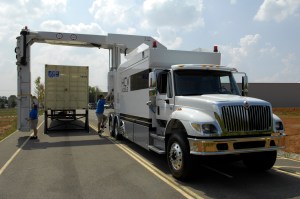
Smiths Detection HCV Scanner setup routine (Picture credit - Mercator Media)

Smiths Detection HCV Scanner setup routine (Picture credit – Mercator Media)

Innovative technology for the non-intrusive inspection of cargo and vehicles has rapidly emerged over the last decade to become a significant factor in port and border protection and homeland security. Several hundred high-energy mobile and fixed-site X-ray inspection stations are deployed throughout the world to examine passenger cars, trucks, trains, and shipping containers that transport goods bound for international destinations. Behind the scenes, cargo screening technology continues to be a story of innovation and change, driven by keen competition and a common mission to improve global security.

Early cargo screening systems were relatively slow and expensive to operate. They produced a limited resolution single-energy X-ray image, often using an isotope source such as Cobalt-60. The imaging software was rudimentary, and limited to simple controls such as pan and zoom, while computer processing speeds significantly limited inspection throughput. By contrast, most systems today are accelerator-based, which allows for higher energies, faster operation, and more precise controls. These systems incorporate software that takes advantage of improved computing platforms and features increasingly sophisticated analytics – this power has paved the way for the use of dual-energy accelerator sources and advanced detectors to facilitate material discrimination, enabling inspectors to identify threat objects more quickly, based on their composition.

Future developments in cargo screening are likely to follow a common innovation trajectory that is fostered by market needs and new technology, while being strengthened by existing intellectual property and evolving industry standards. Innovation is often perceived as a circular path beginning with customer needs that are identified by a technology developer. The developer then creates application technology in the form of products to meet those needs. With numerous competitors in the market, suppliers are motivated to continually improve their products. However, a more nuanced understanding incorporates the role of component technologies and the core capabilities of the technology developer. Each of these constituents influence and are influenced by their respective technology and regulatory standards, which then ultimately impact the products available to the customer. For the full report with diagrams, Click Here!

Component technologies and their standards are often driven by the needs of other markets and may only be tangentially connected with the market of interest. Consequently, developers often have minimal influence on these technology standards but will benefit by leveraging the investments already made by other organizations. ‘Components’ may be subassemblies (such as a computer graphics card) or entirely separate systems (such as a cloud computing service) that can be incorporated into a screening system to provide a complete customer solution. System providers benefit from these parallel technologies and component standards because they provide innovative insights and functional capabilities, such as interoperability, interchangeability, and known performance characteristics. In the case of cargo screening, there are many component technologies that are potential sources of future innovation. A few notable examples are described later in the report.

Because cargo screening is a youthful market with changing customer requirements and technology that is evolving to meet those requirements, existing industry standards are still in flux. This is beneficial for the cargo screening industry in that it provides ample room for innovation and development. As cargo screening technology continues to evolve and mature, the community will develop consensus in more areas and create additional standards. However, the standards process is slow and seldom speaks to the most current technology issues in an industry. For example, material discrimination is an important new feature offered by many cargo screening systems, yet there is little guidance from current industry standards to assess the performance of this technology. Source: www.porttechnology.org

AU considers continental Customs Connectivity

500px-Emblem_of_the_African_Union_svgThe African Union (AU) Technical Working Group on Interconnectivity has developed a ‘draft’ Strategy and Roadmap for Customs-2-Customs IT Connectivity on the continent. This strategy will effectively guide the process of the continental Interconnectivity of Computerized Customs Clearance and Information Systems in Africa. The ‘draft’ Roadmap envisages that the process of interconnectivity will take a period of 11 years with a total of four stages.

Stage 1 – by 2014, National states should have engaged one another (within their respective regions) on the matter of Customs connectivity.

Stage 2 – between 2013 and 2017, the AU has an extremely ambitious expectation that national Customs Administrations would have (at least commenced) if not completed Customs ‘connectivity’ within the various Regional Economic Communities (RECs) in Africa.

Stage 3 – between 2017 and 2020, the suggestion that Customs interconnectivity will be occurring between RECs across the African continent – North Africa: AMU; West Africa: ECOWAS and UEMOA; Central Africa: ECCAS and CEMAC; East Africa: COMESA, EAC, IGAD; and South Africa: SADC and SACU.

Stage 4 – between 2020 and 2025, consolidation of Customs IT-Connectivity across the RECs.

The ‘draft’ Strategy spells out the strategic objectives and activities at the national, regional and continental level that will need to be taken for this to be realized. The strategy also indicates the roles of all the major stake holders in the process.  This comes in the wake of several regional and bi-lateral initiatives to bridge the ‘cross-border divide’ through electronic exchange of structured customs information.

All in all an ambitious plan structured to meet the equally ambitious deadlines of the coming into being of an African Union. The real challenge in all of this lies with the Member States in being able to set aside and commit to regional and continental ambitions, over and above the already pressing and complex national agenda’s of their respective sovereign countries. In context of the African Union, the multiplicity of RECs in themselves add a layer of duplication…..is an “integrated Customs Union” in Africa going to continue to permit the existence of the respective RECs or will they be absorbed into the African Union? Member states need to begin speaking up on this issue otherwise accept being swamped by onerous commitments. No doubt the ‘international donor agencies’ wait eagerly in the wings to capitalise on Africa’s deficiencies.

Keeping manifest information confidential

confidentialAn interesting and pertinent issue has been raised in the social media area on the ‘confidentiality’ of carrier information submitted to Customs. In this particular regard it relates to the practice of the US Customs and Border Protection Agency. One blogger commented “It’s kind of ironic in the U.S. for example that importers/consignees are required to submit a request to customs to opt-in to keep manifest information confidential.”

CustomsNow, a direct filing solution for US traders relates “As a common practice, importers and consignees may submit a request to US Customs, pursuant to 19 CFR 103.31, to keep manifest information confidential.  Our previous blog post on this topic  includes several tips to ensure these requests result in the broadest degree of confidentiality.”

Recently, importers and consignees who have submitted confidentiality requests have complained to CBP that confidential shipping data — party/shipper/consignee name and address — for ocean freight have nevertheless been disclosed to the public.  After reviewing the matter, Customs has determined that “improper data entry” was the cause.  To avoid this, CBP advises in a recent CSMS publication, when filing e-Manifests in ACE, “the commercial party name fields must ONLY contain commercial party name data.”  Otherwise, “…the name of the party stored in the ACE database is corrupted because it includes address data. This inaccurate party name data fails the confidentiality edits resulting in confidential business information being shared publicly. This inadvertent disclosure is tied directly to the way in which data is transmitted by users.” Additional information can be found in CBP’s CSMS #13-000064.

In South Africa, and I’m sure a great many other countries too, one just has to accept that the Customs authorities will secure such information, because they say its safe. Read the link below – cause for concern.

CUSTOMS Info – New Regulatory Screening Data

cigdm_newlogoCUSTOMS Info (Ci) now offers import regulations by HTS code for 220 countries. This data will help Trade Professionals to screen items shipped across borders for importation restrictions and requirements from each country.

This data can be used for automating red flags by HS code. Once a flag is obtained, users may research the regulations under the GistNet tab in CUSTOMS Info’s subscription site or on their own. “We are excited about this new data set because it is new and bound to get more detailed,” Ron Lackey, President of CUSTOMS Info.

For a sample file of this data that includes Chapters 28 & 38 of the Harmonized Schedule, visit: http://www.customsinfo.com/download-a-free-sample-of-new-regulatory-content/. (You will find South African customs regulatory reference detail here as well)

Ci provides the world’s most comprehensive trade data repository delivered via web-based subscription, API web services or as data to populate any GTM or Landed Cost application. Ci is the largest provider of duty and tax content for international e-commerce with hundreds of e-commerce sites utilizing our data to provide accurate landed cost information.

SARS – Modernisation milestone materialising

Interfront logo2

Its been some time since I’ve penned an article on the South African Customs Modernisation Programme. Aside from it being the SA Revenue Service’s prerogative to communicate and publish notice of its internal developments and plans, some caution always needs to be exercised observing bureaucratic protocol, ensuring that the official message is forthcoming from SARS. Given the widespread interest in the programme as well as the development of the Interfront [formerly Tatis] integrated customs border management solution (iCBMs) as a wholly owned development of South Africa, I think it not out of place to inform the public interest on this matter. Readership of this blog has an extensive global following and a specific interest in Interfront developments.

Unlike ASYCUDA, Sofix, e-Biscus, and a host of other integrated Customs-tailored business solution offerings, Interfront’s solution for SARS will not include a client user frontend. In other words, the Interfront system (iCBMs) will essentially drive declaration backend processing. This comprises a fully integrated declaration validation and processing engine, supported by a sophisticated tariff engine and duty calculator; the latter offering future web-based services for customs users. In order to compliment the SARS corporate and standardised user interface approach, the iCBMs interfaces with SARS’s revenue accounting, trader registration, risk management, and case management workflow systems. Not only does this leverage cost savings and efficiencies, but ensures a unified ‘workspace’ for all of SARS employees.

Much of the Interfront technology is therefore hidden to the customs user, with traders experiencing an identical interface with SARS Customs, as it does today. From the outset of the Customs Modernisation Programme (July 2010), the approach has followed pragmatic migration of customs electronic clearance processing – across its 30 odd legacy systems – towards an integrated clearance process that could mimic the functionality featured on the new iCBMs. The modern technology and scalability of Interfront offers the ability and agility to enhance service levels and efficiencies to another level. At the same time, operational policies and procedures have been modernised with the aim and intent of meeting the requirements contained in Customs new Control and Duty Bills.

Much of the ‘change’ experienced by both customs officers and the trade over the last 2 years has prepared the country for the eventual migration to the new system. These have been significant, and at times painful changes, not without anxiety and apprehension. Over the last 6 months an even more painstaking and taxing effort has been expended by the Customs Modernisation Team, Interfront and other service providers in addressing a seamless harmonisation and switchover of customs business from disparate legacy systems to a new customs technology platform. The “Parallel Run” has witnessed the daily comparison of customs clearance data between the old and new systems, identification and logging of disparities (bugs), modification of the two environments to ensure the same result is achieved. This has not been an easy and simple process, as any country having undergone a system switchover can attest to.

This month, February 2013, service providers to the customs industry are readying their resources to commence user testing. This implies that service providers (computer bureaus) will engage their clients to prepare test cases for submission to customs to test the new Interfront process. Given that Customs legacy systems and Interfront have been synchronised to a high level of compatibility, the process for traders should not reveal much difference to what they have experienced over the period of modernisation over the last 2 years. One area of note will be the structure and content of Customs Response messages. Traders will have to familiarise themselves and test their interpretation of these messages to ensure they perform or respond appropriately to the instructions.

Satya Prasad Sahu - Technical Officer at the WCO provided members of SACU, SADC and the EAC comprehensive guidelines for the development of the GNC Utility Block concept in Africa (February 2012)

Satya Prasad Sahu – Senior Technical Officer at the WCO provided members of SACU, SADC and the EAC comprehensive guidelines for the development of the GNC Utility Block concept in Africa (February 2012)

In terms of compliance and compatibility with international developments, the new iCBMs is engineered on the WCO Data Model. All relevant simplification processes as exemplified in the Revise Kyoto Convention are likewise factored into its design, although not all of these will be immediately available with the initial rollout. Introduction of the new Customs Control and Duty Acts will require these principles to be fully functional and operational, however.

The WCO Data Model is the pivotal design component around which most of the new system’s business and validation rules are centred. This in itself is a major achievement as it bodes well for all future ‘cross border’, customs-2-customs connectivity initiatives. In this regard SARS is well advanced in bilateral and multilateral projects with key trading partners, for example IBSA (cross-global trilateral initiative), and in Africa, we are working with SACU, SADC, COMESA and the EAC to bring about regional customs connectivity. On a bilateral basis, initiatives with Swaziland, Mozambique and Zimbabwe are developing nicely. A significant contributor to cross border/cross global customs connectivity is undoubtedly the excellent work brought about by the dedicated members of the WCO’s Globally Networked Customs adhoc workgroup. In June last year, the WCOs policy Commission unanimously endorsed the GNC architecture and Utility Block approach. African customs connectivity efforts have likewise adopted this model which ensures harmonisation and uniformity in approach, legal dispensation, data exchange, risk management and procedure. The WCO moreover plays a overseeing role in many of these GNC and capacity building initiatives across the globe – this assists greatly in sharing and learning of experiences.

I would think that the above should be sufficient to wet the appetites of customs practitioners, traders, ICT technocrats, and perhaps even legislators and bureaucrats on developments in South Africa. Subsequent to the launch of Interfront SARS will make its ideas and strategy relating to forthcoming initiatives known to trade and the business community. A Year of Innovation? Yes, and hopefully a happy tale that will bode well for the South African trade and supply chain logistics community, and some good fortune for Interfront in its business development in the region and beyond!

WCO announces the passing of Bill Nolle – proponent of the WCO Data Model

Australian Customs hosted visits from three international experts on trade data harmonisation - Bill Nolle, Dietmar Jost and Eric Sunstrum.

Australian Customs hosted visits from three international experts on trade data harmonisation – Bill Nolle, flanked by Dietmar Jost and Eric Sunstrum of the WCO.

It is with sadness we [WCO] learnt that our former colleague, the former Chairperson of the DMPT passed away on 29 December 2012 after a brief period of illness. He was fighting a very aggressive cancer.

Bill Nolle was a fabulous contributor to our [WCO] area of work and he has left his imprint in many aspects of our work at the Data Model Project Team and the Information Management Sub Committee. Version 3.0 of the WCO Data Model owes its richness and quality thanks to Bill’s splendid contribution. Bill authored the WCO Single Window Data Harmonization Guidelines/ UN/CEFACT Recommendation 34.  We [WCO] owe it to Bill the methodology of Gather-Define-Analyze-Reconcile for data simplification and harmonization. Bill brought passion to his work. His speeches and interventions were always intense and engaging and he will be missed in his professional environment.

His legacy includes an eLearning module in which you can hear him explain how data harmonization was carried out in Jordan. The module remains a favorite for the professional users and trainers alike.

Bill retired from US Customs and Border Protection where he worked for 30 years. He and his wife moved to the Outer Banks from Frederick, MD in 2009, to be near the beach that he loved. At the time of his death he was employed by Nathan Associates Incorporated and Crown Agents as a consultant. Bill travelled extensively during his tenures with US Customs and Border Protection, Nathan Incorporated, and Crown Agents, making friends on each continent in the world.

The following obituary was posted by a colleague in Jordan –

Bill has been a breath of fresh air that visited our country (Jordan), every once in a while as Customs Consultant. He was an inspiration and a driving force to all,  giving advice when needed, and always willing to help. A proud husband, father and (Opa), that we felt his family was our own, Not to forget, a professional Pita Bread baker,  we were hoping to someday try. One would think, God loved him so,  and wanted him closer more. Bill will always be in our hearts,  a father figure, a teacher, and a colleague holding one of the greatest hearts I’ve known. My deepest condolences to his loving family, and may he rest in peace.   Posted by: Juliette Najjar – Amman – Jordan – Friend / Colleague   Jan 17, 2013.

Sources: WCO, Gallup Funeral Services, and www.tributes.com

Is Google moving into box tracking?

container-trackingThe US Patent and Trademark Office has granted Internet search giant Google a patent on a system for securing, monitoring and tracking containers. According to United States Patent 8284045, it describes a two-way communication system, supported by an electronic bolt seal, a network gateway, a web-based platform, and a mobile device, that allows containers to be networked for the transfer of data. Shipping containers are networked for transferring data between the shipping containers. The shipping containers include sensors for detecting conditions associated with the shipping containers. The conditions sensed by any shipping container whether transported by rail or ship is transmitted from an ad hoc network, via a gateway configured for satellite or cellular communications for example, to a container-tracking application server or equivalent computer system. The computer system is remotely located to the shipping container for central compilation, analysis, and/or display of data regarding the shipping containers.

The system describes an environmental sensor that can travel with a product within a carrier’s logistics network. The environmental sensor being configured to sense an environmental condition capable of affecting the product to generate product environment data. The system includes a scanner configured to read product environment data from the environmental sensor. The system also includes a hub control unit configured to communicate with the scanner and receive the product environment data from the scanner and determines whether the product environment data transcends a limit of exposure of the product to an environmental condition. The hub control unit is also configured to generate a transporting instruction to redirect transport of the product to an alternate destination different from its original destination if the hub control unit determines that the product environment data indicates the environmental condition of the product has transcended the limit of exposure. What a mouthful! I dare say that there are people out there that can decipher the patent content and relate to its various diagrams. If you are interested in this topic, please visit the following link – http://www.archpatent.com/patents/8284045. Also visit the Patent Buddy for similar information. Hopefully as the business case for this patent unfolds things may become a bit more clearer – and perhaps a little sinister too for some!

Comesa adopts IT system to boost trade in the region

Workers offload imported sugar at the port of Mombasa. Comesa has already gazetted transit goods routes, which have been geo-fenced and trucks following these routes will be monitored. Photo/File  Nation Media Group

Workers offload imported sugar at the port of Mombasa. Comesa has already gazetted transit goods routes, which have been geo-fenced and trucks following these routes will be monitored. Photo/File Nation Media Group

A new online system being implemented by the Common Market for Eastern and Southern Africa (Comesa) trading bloc is expected to cut down non-tariff barriers, reduce the cost of doing business and improve intra-regional trade.

The $1 million (Sh84 million) system – which is being developed by Comesa and funded by the European Union – could for instance cut transport costs by up to 40 per cent, Comesa secretary-general Sindiso Ngwenya said.

With three main modules – Transit Bonds, Risk Management and Cargo Tracking — the Comesa Virtual Trade Facilitation System (CVTFS) aims at integrating systems used by regional revenue authorities, transporters, shippers, clearing agents, ports and customs to provide real-time information and facilitate uninterrupted movement of goods across borders.

Besides tracking cargo from origin to destination, the system will facilitate management of transit bonds and capture electronic data contained in the customs seal and assign this information to customs offices at various transit points.

Comesa has already gazetted transit goods routes which have been geo-fenced and trucks following these routes will be monitored. In case seals are tampered with, owners will automatically be notified via Short Message Services (SMSs) or email. Owners who register their trucks with the system will display a ‘Comesa Transit’ plate on their vehicles.

Delays along the major transport corridors arising from lengthy procedures at weight control points and police road blocks within the region have been identified as major non-tariff barriers hindering trade.

Mr Charles Muita, a member of the team that worked on the system and who made the presentation, said they expected most of the countries where industry players do not have their own systems to quickly adopt CVTFS. “The system does not intend to replace the ones used by member countries but would integrate them to achieve a seamless flow of information and documentation,” Mr Ngwenya said during the sensitisation at the Mombasa Beach Hotel.

Truckers buy the fleet management system at Sh24,000 and pay an average of Sh2,000 management fee per month.“We are not interested in making money with the system and the initial cost of the gadget will be less than Sh12,000 and a monthly management fee of about $3 (Sh255),” explained Mr Ngwenya.

The sensitisation in Comesa member states aims at getting volunteers for a free pilot project that will run for three months starting next month. Source: Business Daily Africa.com

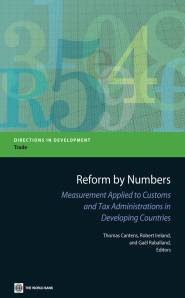
Reform by Numbers – a reference work on Customs reform

The word ‘reform’ is a constant in the daily life of a customs officer. No customs administration among the 177 members of the World Customs Organization has not had a reform program in progress or planned. This is ultimately quite normal.A new World Bank publication “Reform by Numbers” will no doubt appeal to customs and tax reform experts and change agents.

It was written in the context of new and innovative policies for customs and tax administration reform. Eight chapters describe how measurement and various quantification techniques may be used to fight against corruption, improve cross-border celerity, boost revenue collection, and optimize the use of public resources. More than presenting ‘best practices’ and due to the association of academics and practitioners, the case studies explore the conditions under which measurement has been introduced and the effects on the administrative structure, and its relations with the political authority and the users. By analyzing the introduction of measurement to counter corruption and improve revenue collection in Cameroon, two chapters describe to which extent the professional culture has changed and what effects have been noted or not on the public accountability of fiscal administrations. Two other chapters present experiments of uses of quantification to develop risk analysis in Cameroon and Senegal.

By using mirror analysis on the one hand and data mining on the other hand, these two examples highlight the importance of automated customs clearance systems which collect daily extensive data on users, commodities flows and officials. One chapter develops the idea of measuring smuggling to improve the use of human and material resources in Algeria and nurture the questioning on the adaptation of a legal framework to the social context of populations living near borders. Finally, two examples of measurement policies, in France and in South Korea, enlighten the diversity of measurement, the specificities of developing countries and the convergences between developing and developed countries on common stakes such as trade facilitation and better use of public funds.

The “gaming effect” is well known in literature about performance measurement and contracts performance, because there is a risk of reduced performance where targets do not apply, which is detrimental to the overall reform. It is crucial to keep in mind that, by themselves, indicators “provide an incomplete and inaccurate picture” and therefore cannot wholly capture the reality on the ground. Measurement indicators must be carefully chosen to ensure that knowledge is being uncovered.

Measurement, for purposes of reform, should not be “copied and pasted” from one country to another. Due consideration must be given to the varying aims of the customs service and the specific political, social, economic, and administrative conditions in the country.

Measurement applied to experimentation is also about how donors, experts, and national administrations work together. On the one hand, national administrations in developing countries ask for technical assistance, standards, and expertise that are based on experiences of developing countries and use experts from such countries.These requests encourage the dissemination of such models. On the other hand, reforms of customs or tax administrations are represented as semi-failures in terms of the initial expected outcomes set by donors and politicians – usually the end of a reform is the time when donors and local administrations become aware of the gaps of their own representations of success.

While scientific and academic in approach, lets hope it means more than just miserable experimentation in target countries.

The book is available for free reading online – www.scribd.com or you can purchase from amazon.com.

Building hard and soft infrastructure to minimise regional costs

I post this article given it ties together many of the initiatives which I have described in previous articles. The appears to be an urgency to implement these initiatives, but the real question concerns the sub-continent’s ability to entrench the principles and maintain continuity. At regional fora its too easy for foreign ministers, trade practitioners and the various global and financial lobbies to wax lyrical on these subjects. True there is an enormous amount of interest and ‘money’ waiting to be ploughed into such programs, yet sovereign states battle with dwindling skills levels and expertise. Its going to take a lot more than talk and money to bring this about.

South Africa is championing an ambitious integration and development agenda in Southern Africa in an attempt to advance what Trade and Industry Minister Rob Davies describes as trade and customs cooperation within the Southern African Customs Union (SACU), the Southern African Development Community (SADC) and other regional trade organisations.

Central to pursuing this intra-regional trade aspiration are a series of mechanisms to combine market integration and liberalisation efforts with physical cross-border infrastructure and spatial-development initiatives. Also envisaged is greater policy coordination to advance regional industrial value chains. “Trade facilitation can be broadly construed as interventions that include the provision of hard and soft infrastructure to facilitate the movement of goods, services and people across borders, with SACU remaining the anchor for wider integration in the region,” Davies explains.

This approach is also receiving support from the US Agency for International Development (USAid), which recently hosted the Southern African Trade Facilitation Conference, held in Johannesburg.

Trade programme manager Rick Gurley says that virtually every study on trade in sub- Saharan Africa identifies time and cost factors of exporting and importing as the most significant constraints to regional trade potential. Limited progress has been made by SADC member States and SACU partners to tackle the factors undermining trade-based growth, limiting product diversification and increasing the price of consumer goods, including of foodstuffs. However, far more would need to be done to realise the full potential of intra-regional trade.

Regional Alliance
One high-profile effort currently under way is the Tripartite Free Trade Area (T-FTA), which seeks to facilitate greater trade and investment harmonisation across the three existing regional economic communities of the SADC, the Common Market of Eastern and Southern Africa and the East African Community.

The existing SADC FTA should be fully implemented by the end of the year, with almost all tariff lines traded duty-free and, if established, the T-FTA will intergrate the markets of 26 countries with a combined population of nearly 600-million people and a collective gross domestic product (GDP) of $1-trillion. At that size and scale, the market would be more attractive to investors and could launch the continent on a development trajectory, Davies avers. It could also form the basis for a later Africa-wide FTA and a market of some $2.6-trillion.

However, as things stand today, intra- regional trade remains constrained not merely by trade restrictions but by a lack of cross-border infrastructure, as well as poor coordination and information sharing among border management agencies such as immigration, customs, police and agriculture.Cross-national connectivity between the customs management systems is also rare, often requiring the identical re-entry of customs declarations data at both sides of the border, causing costly and frustrating delays.

USAid’s regional economic growth project, the Southern African Trade Hub, is a strong proponent of the introduction of several modern trade-facilitation tools throughout the SADC – a number of which have already been successfully pioneered. These tools, endorsed by the World Customs Organisation (WCO) Framework of Standards, which offers international best-practice guidelines, are aimed at tackling the high costs of exporting and importing goods to, from, and within Southern Africa, which has become a feature of regional trade and discouraged international investment.

Bringing up the Rear
A country’s competitiveness and the effec- tiveness of its trade facilitation regime are measured by its ranking on World Bank indices and, with the exception of Mozambique, Southern African States perform poorly – with most in the region settling into the lowest global quartile of between 136 and 164, out of a total of 183. “Our transaction costs in Africa across its borders are unacceptably high and inhibit trade by our partners in the private sector,” says WCO capacity building director Erich Kieck. “We need our States to develop good ideas and policies, but the true test lies in their ability to implement them,” he notes.

He adds that not only does trade facilitation require efficient customs-to-customs connectivity, but also demands effective customs-to-business engagement, adding that, while customs units are responsible for international trade administration, they are not responsible for international trade. “The private sector is the driver of economic activity and international trade, and government’s responsibility is to understand the challenges faced by the business community and develop symbiotic solutions,” Kieck notes.

Despite the establishment of regional trade agreements and regional economic communities in Southern Africa, many partner- ships have failed to deliver on their full potential to increase domestic competitiveness.

In a report, African Development Bank (AfDB) senior planning economist Habiba Ben Barka observes that, despite the continent’s positive GDP growth record – averaging 5.4% a year between 2005 and 2010 – it has failed to improve its trading position or integration into world markets. In 2009, Africa’s contribution to global trade stood at just under 3%, compared with nearly 6% for Latin America and a significant 28% for Asia.

“Since 2000, a new pattern of trade for the continent has begun to take centre stage, as Africa has witnessed an upsurge in its trade with the emerging Brazil, Russia, India and China economies. Overall, Africa is trading more today than in the past, but that trade is more with the outside world than internally,” says Ben Barka. She adds that while many African regional economic communities have made some progress in the area of trade facilitation, much greater effort is required to harmonise and integrate sub-regional markets.

To address enduring trade barriers, consensus among business, government and trade regulators appears to lean towards the adoption of one or a combination of five facilitation tools. These include the National Single Window (NSW), the One-Stop Border Post (OSBP), cloud-based Customs Connectivity, Coordinated Border Management (CBM) and Customs Modernisation Tools.

A National Single Window
NSWs connect trade-related stakeholders within a country through a single electronic-data information-exchange platform, related to cross-border trade, where parties involved in trade and transport lodge standardised trade-related information or documents to be submitted once at a single entry point to fulfil all import, export and transit-related regulatory requirements.Mauritius was the first SADC country to implement the NSW and consequently improved its ranking on the ‘Trading Across Borders Index’ to 21 – the highest in Africa. It was closely followed by Ghana and Mozambique, which have also reported strong improvements.

Developed in Singapore, the benefits of government adoption include the reduction of delays, the accelerated clearance and release of goods, predictable application, improved application of resources and improved transparency, with several countries reporting marked improvement in trade facilitation indicators following the NSW implementation.

In South Africa, the work on trade facili-tation is led by the South African Revenue Service (SARS), which focuses on building information technology (IT) connectivity among the SACU member States, and strengthen- ing risk-management and enforcement measures. However, SARS’ approach to the NSW concept remains cautious, Davies explains. “SARS has considered the viability of this option as a possible technological support for measures to facilitate regional trade, but considers that this would fall outside the scope of its current approach and priorities in the region,” he said.

One-Stop Border Posts
As reported by Engineering News in December last year, effective OSBPs integrate the data, processes and workflows of all relevant border agencies of one country with those of another, which culminates in a standardised operating model that is predictable, trans- parent and convenient. An OSBD success story in Southern Africa is the Chirundu border post, where a collaboration between the Zambia and Zimbabwe governments has culminated in a single structure, allowing officers from both States to operate at the same location, while conducting exit and entry procedures for both countries.

Launched in 2009, this OSBP model is a hybrid of total separation, joint border operations and shared facilities in a common control zone. Implementation of the model has reduced clearance times to less than 24 hours, significantly reduced fraudulent and illegal cross-border activity, enabled increased information sharing between border agencies and reduced the overall cost of export and import activities in the area.

Earlier this year, former South African Transport Minister Sibusisu Ndebele indicated that Cabinet was looking into establishing a mechanism that would bring all border entities under a single command and control structure to address the fragmentation in the country’s border operations, particularly at the high-traffic Beitbridge post between South Africa and Zimbabwe. “The ultimate vision is to create one-stop border operations to facilitate legitimate trade and travel across the borders,” he said.

Customs Connectivity and Data Exchange
Improved connectivity between customs limbs in sub-Saharan Africa has perhaps made the most indelible strides in the region, with improved IT connectivity between States identified as a priority by Sacu.

This includes customs-to-customs inter- connectivity, customs-to-business inter- connectivity and interconnectivity between customs and other government agencies. SACU members have agreed to pursue the automation and interconnectivity of their customs IT systems to enable the timely electronic exchange of data between administrations in respect of cross-border movement of goods. “As a consequence of this acquiescence, we have identified two existing bilateral connectivity programmes as pilot projects to assess SACU’s preferred connectivity approach, cloud computing between Botswana and Namibia and IT connectivity between South Africa and Swaziland,” says SACU deputy director for trade facilitation Yusuf Daya. He adds that a regional workshop was recently convened to explore business processes, functions, data clusters and the application of infrastructure at national level to improve and develop intra-regional links.

Coordinated Border Management
The SADC has been a strong proponent of CBM efforts in the region, which promotes coordination and cooperation among relevant authorities and agencies involved in, specifically, the protection of interests of the State at borders. “The union has drafted CBM guidelines for its members on implementation, based on international best practice, and has received indications of interest from several member States,” explains SADC Customs Unit senior programme officer Willie Shumba.He adds that CBM is a key objective of regional integration, enabling the transition from an FTA to a customs union and, eventually, to a common market, through effective controls of the internal borders.

Customs Modernisation
South Africa’s customs modernisation initiative is well advanced and came about following Sars’ accession to the WCO’s revised Kyoto Convention in 2004, which required customs agencies to make significant changes to it business and processing models. These changes included the introduction of simplified procedures, which would have fundamental effects on and benefits for trade and would require a modern IT solution.

Since its inception, the SARS Customs Modernisation Programme has gained tremendous momentum, with amendments to the Passenger Processing System and the replacement of SARS’s Manifest Acquittal System in the Automated Cargo Management system. Further adjustments were made to enable greater ease of movement of goods, faster turnaround times and cost savings, as well as increased efficiency for SARS. This phase included the introduction of an electronic case-management system, electronic submission of supporting documents, the centralisation of back-end processing in four hubs and an electronic release system and measures to enhance the flow of trucks through borders – in particular at the Lebombo and Beitbridge borders.

Proper Planning
AfDB’s Ben Barka warns that, prior to the implementation of any border improvement efforts by countries in Southern Africa, a thorough analysis and mapping of each agency’s existing procedures, mandate and operations should be undertaken.“Based on these findings, a new set of joint operational procedures need to be agreed upon by all involved agencies and must comply with the highest international standards,” she says.

Development coordination between States is essential, as the largest disparity among regional groupings, in terms of intra-regional trade, is clearly attributable to their differentiated levels of progress in various areas, including the removal of tariffs and non-tariff barriers, the freedom of movement of persons across borders and the development of efficient infrastructure. Source: Engineering News.

Customs Modernisation – positive impact on Doing Business in South Africa!

South Africa ranks 39th out of 185 countries surveyed in the latest International Finance Corporation (IFC)-World Bank ‘Doing Business’ report, which was published on Tuesday.Last year, South Africa ranked 35 out of 183 countries assessed.

The country is placed above Qatar and below Israel in the Doing Business 2013 report, which covers issues such as starting a business, dealing with construction permits, getting electricity, registering property, accessing credit, protecting investors, paying taxes, trading across borders, enforcing contracts and resolving insolvency.

Singapore remains at the top of the ease-of-doing-business ranking for the seventh consecutive year, followed by Hong Kong and New Zealand. Poland improved the most in making it easier to do business, by implementing four regulatory reforms in the past year.

South Africa led the pack in terms of improving in the ease of trading across borders through its customs modernisation programme, which reduced the time, cost and documents required for international trade. “We hope that through the streamlining of procedures, we will see the growth of commerce in the country,” said coauthor of the report Santiago Croci Downes.

The Doing Business 2013 report stated that improvements in South Africa have effects throughout Southern Africa. “Since overseas goods to and from Botswana, Lesotho, Swaziland and Zimbabwe transit through South Africa, traders in these economies are also enjoying the benefits,” it stated.

Another 21 economies also implemented reforms aimed at making it easier to trade across borders in the past year. Trading across borders remains the easiest in Singapore, while it is the most difficult in Uzbekistan.

Out of the 185 economies assessed in the 2013 report, South Africa ranked 53rd for starting a business, 39th for dealing with construction permits, 79th for registering property, 10th for protecting investors, 32nd for paying taxes, 82nd for enforcing contracts and 84th for resolving insolvency.

The country ranked low, at 150, for ease of access to electricity, while it tied at the top with the UK and Malaysia for ease of access to credit. Croci Downes added that it was still too early to tell whether the recent labour unrest in the mining and transport industries would have an impact on South Africa’s ranking or on foreign direct investment .

Meanwhile, the IFC and World Bank reported that of the 50 economies making the most improvement in business regulation for domestic firms since 2005, 17 were in sub-Saharan Africa.

From June 2011 to June 2012, 28 of 46 governments in sub-Saharan Africa implemented at least one regulatory reform making it easier to do business – a total of 44 reforms.

Mauritius and South Africa were the only African economies among the top 40 in the global ranking. World Bank global indicators and analysis director Augusto Lopez-Claros said Doing Business was about smart business regulations, not necessarily fewer regulations. “We are very encouraged that so many economies in Africa are among the 50 that have made the most improvement since 2005 as captured by the Doing Business indicators.”

IFC human resources director Oumar Seydi added that lower costs of business registrations encouraged entrepreneurship, while simpler business registrations translated to greater employment opportunities in the formal sector.

“Business reforms in Africa will continue to have a strong impact on geopolitical stability. We encourage governments to go beyond their rankings. Ranking does matter, and competition is important, but that is not all that counts. What truly matters is how reforms are positively impacting growing economies,” he said.

African economies that have improved the most since 2005 include Rwanda, Burkina Faso, Mali, Sierra Leone, Ghana, Burundi, Guinea-Bissau, Senegal, Angola, Mauritius, Madagascar, Mozambique, Côte d’Ivoire, Togo, Niger, Nigeria, and São Tomé and Príncipe. Source: http://www.polity.org.za

SADC Member States driving the Customs regional integration agenda

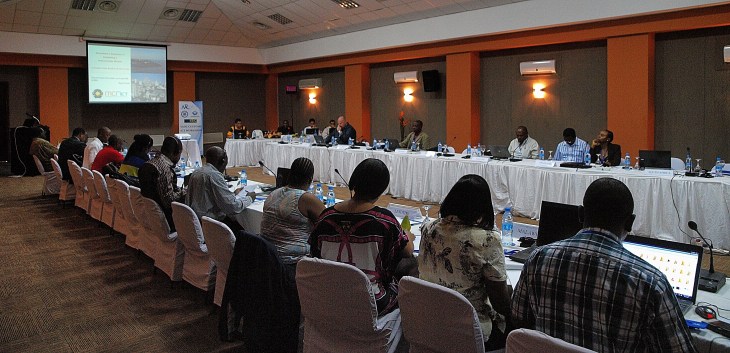
Delegates from the SADC member states gathered in Port Louis, Mauritius between 9 and 13 October to establish a SADC Customs ICT strategy for the region. The conference, sponsored by the United Nations Economic Commission for Africa, coincided with the 200th anniversary of Customs in Mauritius.

Following recent developments on IT connectivity and data exchange in the region, the conference addressed other areas of ICT in Customs which have a significant influence not only for internal Customs processing but its impact and effect on the broader stakeholder community. The conference was well attended with representatives from Angola, Mozambique, Lesotho, Swaziland, Namibia, Botswana, Tanzania, Zimbabwe, Seychelles, Mauritius, Democratic Republic of Congo, Malawi, and South Africa.

The event also drew international interest with representatives from the World Customs Organisation, Trans-Kalahari Corridor, SA Trade Hub, the East African Community, Southern African Customs Union, and the UN Economic Commission for Africa.

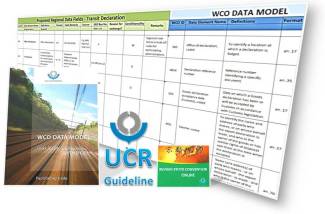
“Customs Connects, Borders Divide” conveyed the central theme for the event with the WCO IT and Capacity Building expert, Mats Wicktor, providing an enabling platform upon which the conference deliberations occurred. A detailed presentation clearly outlined the WCO’s the basis for standards, recommendations and guidelines, with specific reference to the Data Model, the Unique Consignment Reference and the most recent developments on Globally Networked Customs (GNC).

Other keynote addresses were made by Mozambique (DGA) on their experience in implementing the Single Window concept (for more details on this project visit URL: http://tfig.unece.org/case-stories.html).  Host nation Mauritius presented their Cargo Community System, and a number of other IT developments namely, e-Certificate of Origin, valuation database for 2nd hand motor vehicles, and the recently implemented Customs Enforcement Network (CEN) solution. SARS presented its Customs Modernisation journey highlighting some of the key ICT products and features and the respective efficiencies and trade facilitation benefits introduced for trade. Furthermore, it elaborated on its current bilateral data exchange initiatives with Swaziland, Zimbabwe, Mozambique as well as the IBSA countries.

The business end of the conference saw the finalisation, tabling and vetting of a draft SADC Customs ICT strategy. The strategy provides a broad framework, focussed around the concept of Customs-to-Customs data exchange. It seeks to create synergy between member states in regard to aspects such as transit management, common risk and enforcement principles, the entrenching of the One Stop Border Post concept, as well as automation of certificates of origin. From a SADC point of view, the strategy will support the realisation of its Strategic Plan – envisaged to include a Customs Union.

Mozambique – Single Window and other Customs developments

The Single Electronic Window (JUE) is a modern system of clearance of goods. After the revision of the whole legislation to allow the implementation of the JUE, the pilot project began in September 2011 in the port of Maputo. Here follows an interview with Kekobad Patel, the President of the Working Group On Tax Policy, Customs and International Trade of the CTA.

What was the adherence of international traders?

“We hoped more adherence of all concerned traders, unfortunately, very few participated in the pilot phase. During this period, both systems (manual and electronic) coexisted. There is always some resistance to change.”

When did the use of the JUE become mandatory?

“The use of JUE became mandatory on April 9, 2012 in the port of Maputo,on April 23 in the port of Beira, early May in the port of Nacala. The city of Tete is now also covered by the system because of the current requirements due to the establishment of large enterprises in the region.”

How many organizations have used the JUE?

“Since its entry into force until 15th of June 2012, over 7,000 import entries were submitted. We still do not deal with export declarations, transit, or special arrangements. These processes are handled manually.”

What are the next areas to be covered by the JUE?

“The second phase will begin in July 2012 and will focus on automotive, multi-modal and road terminals in Maputo, as well as the land borders of Goba, Namaacha (Swaziland) and Ressano Garcia (South Africa) that have received the equipment to begin operations. At the end of the year, the port of Pemba and the land borders of the province of Manica and Tete will be also covered. It will also be possible to treat the other procedures for export and transit. This is crucial, given the geographical location of Mozambique and its relations with the countries of the hinterland. Meanwhile, three Ministries will be electronically linked to award the import licenses: the ministries of Health, Industry and Commerce, and Agriculture. We should not forget that banks are also involved in the JUE. The BCI bank has supported the JUE since the pilot phase. Other banks have joined in recent months: Millenium BIM, Mozabanco and Standard Bank. We expect the membership of other banks.”

What is the biggest challenge of the JUE?

“The implementation of the JUE has led to a change of mentality: “paperless” in the country: less buffer, less paper. The government itself is also involved in the process of e-taxation that ensures that taxpayers should pay their taxes electronically. We still have problems to solve. For example, when a ministry inspects companies, papers are asked for… We need to think about alternatives. The castle must be built stone by stone to ensure it is strong and other sectors such as the public one and banking, are also involved.We believe that the entry into force of the JUE shows how to modernize the country.”

Is the JUE to eliminate the clearing agents?

“The law allows companies to make their own clearance process, but many of them are not prepared. In other countries such as Singapore, the most advanced country in terms of customs, clearing agents continue to exercise thanks to their perfect knowledge of the system.” Source: allAfrica.com

Other news – Mozambique accedes to the WCO’s Revised Kyoto Convention

On 11 July 2012, the Embassy of the Republic of Mozambique to Belgium deposited Mozambique’s instrument of accession to the International Convention on the Simplification and Harmonization of Customs Procedures (Revised Kyoto Convention) with the World Customs Organization. The Convention is regarded as a blueprint for effective and modern Customs procedures, and will enter into force in Mozambique on 11 October 2012. Mozambique becomes the 82nd signatory to the Convention. Some of the Convention’s key elements include the application of simplified Customs procedures in a predictable and transparent environment, the maximum use of information technology, the utilization of risk management, a strong partnership with the trade and other stakeholders, and a readily accessible system of appeals. Will be interesting to see how Mozambique Customs treats the national transit procedure?

Cloud Computing update

Cliffe Dekker Hofmeyr offers an appraisal on the Working Paper on Cloud Computing – Privacy and Data Issues, recently published by International Working Group on Data Protection in Telecommunications. Although the guidelines detailed in the Working Paper are not mandatory, it appears that the intended approach to data protection in the cloud is one of uniformity, with a view to ultimately developing best practice based processing of personal information. It would be interesting to understand to what extent S ATrade Hub  and Microsoft, in conjunction with the Customs of Namibia and Botswana, considered any such guideline in regard to their cloud computing initiative on the Trans-Kalahari Corridor?

The recommendations under the Working Paper highlight some of the risks and complexities associated with cloud computing. The overreaching nature of the Working Paper will serve to ensure that there is no lowering of general data protection standards for processing personal data in the cloud. The Working Paper specifically advocates the following general recommendations:

  • Carrying out privacy impact and risk assessments prior to embarking on cloud computing projects.
  • Development of practices by cloud service providers to ensure greater transparency, security and accountability regarding information on potential data breaches; and also more balanced contractual clauses to promote data portability and data control by cloud users.
  • Research, third-party certification, standardisation, privacy by design technologies and other related schemes in order to achieve a desired level of trust in cloud computing.
  • Legislative reassessment of the adequacy of existing legal frameworks allowing cross border transfer of personal information and consideration of additional privacy safeguards.
  • Accounting for independent audit trails with regards to the location of the personal information. Continuity in the provision of information by data controllers to privacy and data protection authorities. These recommendations are aligned to the general principles set out in the European Union and Safe Harbor data privacy frameworks.

The Working Paper also provides more specific recommendations, on ‘best practice’, ‘controllers’, ‘cloud service providers’ and ‘auditing’. These specific recommendations contemplate the implementation of technical measures that can be used to determine the exact physical location where personal information is held and stored, with an audit trail specifying any copying and/or deletion of personal information. In addition, the Working Paper includes a suggestion for encryption of all personal information (both at rest and in transit) and also recommends the conclusion of agreements between data controllers and cloud service providers to expressly designate and limit the physical locations where personal information will be processed. The Working Paper specifically provides that the cloud service provider should not be entitled to use personal information in the cloud for its own purposes.

It is likely that significant steps will need to be taken by cloud service providers in order to comply with the recommendations under the Working Paper and/or applicable data protection laws, which may potentially require substantial financial resources, including for procuring and implementing the appropriate technology required to give effect to the recommendations and/or laws.

In the South African context, the principles under the current draft of the Protection of Personal Information Bill(PPI) (in particular, the provisions which relate to the conditions for lawful processing of personal information and transborder information flows) can be aligned to the recommendations under the Working Paper. The real test for cloud service providers and their customers will however be in the practical implementation of the principles under PPI. Many of the recommendations under the Working Paper will serve to provide guidance in this respect, particularly in the measures which need to be implemented to maintain a level of transparency in the supply chain of personal information in the cloud. Source: www.cliffedekkerhofmeyr.com

RELATED ARTICLES