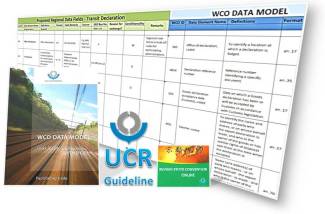
Building hard and soft infrastructure to minimise regional costs

I post this article given it ties together many of the initiatives which I have described in previous articles. The appears to be an urgency to implement these initiatives, but the real question concerns the sub-continent’s ability to entrench the principles and maintain continuity. At regional fora its too easy for foreign ministers, trade practitioners and the various global and financial lobbies to wax lyrical on these subjects. True there is an enormous amount of interest and ‘money’ waiting to be ploughed into such programs, yet sovereign states battle with dwindling skills levels and expertise. Its going to take a lot more than talk and money to bring this about.

South Africa is championing an ambitious integration and development agenda in Southern Africa in an attempt to advance what Trade and Industry Minister Rob Davies describes as trade and customs cooperation within the Southern African Customs Union (SACU), the Southern African Development Community (SADC) and other regional trade organisations.

Central to pursuing this intra-regional trade aspiration are a series of mechanisms to combine market integration and liberalisation efforts with physical cross-border infrastructure and spatial-development initiatives. Also envisaged is greater policy coordination to advance regional industrial value chains. “Trade facilitation can be broadly construed as interventions that include the provision of hard and soft infrastructure to facilitate the movement of goods, services and people across borders, with SACU remaining the anchor for wider integration in the region,” Davies explains.

This approach is also receiving support from the US Agency for International Development (USAid), which recently hosted the Southern African Trade Facilitation Conference, held in Johannesburg.

Trade programme manager Rick Gurley says that virtually every study on trade in sub- Saharan Africa identifies time and cost factors of exporting and importing as the most significant constraints to regional trade potential. Limited progress has been made by SADC member States and SACU partners to tackle the factors undermining trade-based growth, limiting product diversification and increasing the price of consumer goods, including of foodstuffs. However, far more would need to be done to realise the full potential of intra-regional trade.

Regional Alliance
One high-profile effort currently under way is the Tripartite Free Trade Area (T-FTA), which seeks to facilitate greater trade and investment harmonisation across the three existing regional economic communities of the SADC, the Common Market of Eastern and Southern Africa and the East African Community.

The existing SADC FTA should be fully implemented by the end of the year, with almost all tariff lines traded duty-free and, if established, the T-FTA will intergrate the markets of 26 countries with a combined population of nearly 600-million people and a collective gross domestic product (GDP) of $1-trillion. At that size and scale, the market would be more attractive to investors and could launch the continent on a development trajectory, Davies avers. It could also form the basis for a later Africa-wide FTA and a market of some $2.6-trillion.

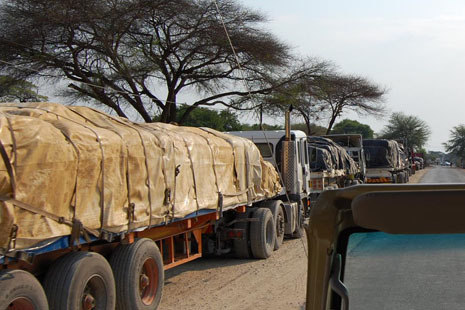
However, as things stand today, intra- regional trade remains constrained not merely by trade restrictions but by a lack of cross-border infrastructure, as well as poor coordination and information sharing among border management agencies such as immigration, customs, police and agriculture.Cross-national connectivity between the customs management systems is also rare, often requiring the identical re-entry of customs declarations data at both sides of the border, causing costly and frustrating delays.

USAid’s regional economic growth project, the Southern African Trade Hub, is a strong proponent of the introduction of several modern trade-facilitation tools throughout the SADC – a number of which have already been successfully pioneered. These tools, endorsed by the World Customs Organisation (WCO) Framework of Standards, which offers international best-practice guidelines, are aimed at tackling the high costs of exporting and importing goods to, from, and within Southern Africa, which has become a feature of regional trade and discouraged international investment.

Bringing up the Rear
A country’s competitiveness and the effec- tiveness of its trade facilitation regime are measured by its ranking on World Bank indices and, with the exception of Mozambique, Southern African States perform poorly – with most in the region settling into the lowest global quartile of between 136 and 164, out of a total of 183. “Our transaction costs in Africa across its borders are unacceptably high and inhibit trade by our partners in the private sector,” says WCO capacity building director Erich Kieck. “We need our States to develop good ideas and policies, but the true test lies in their ability to implement them,” he notes.

He adds that not only does trade facilitation require efficient customs-to-customs connectivity, but also demands effective customs-to-business engagement, adding that, while customs units are responsible for international trade administration, they are not responsible for international trade. “The private sector is the driver of economic activity and international trade, and government’s responsibility is to understand the challenges faced by the business community and develop symbiotic solutions,” Kieck notes.

Despite the establishment of regional trade agreements and regional economic communities in Southern Africa, many partner- ships have failed to deliver on their full potential to increase domestic competitiveness.

In a report, African Development Bank (AfDB) senior planning economist Habiba Ben Barka observes that, despite the continent’s positive GDP growth record – averaging 5.4% a year between 2005 and 2010 – it has failed to improve its trading position or integration into world markets. In 2009, Africa’s contribution to global trade stood at just under 3%, compared with nearly 6% for Latin America and a significant 28% for Asia.

“Since 2000, a new pattern of trade for the continent has begun to take centre stage, as Africa has witnessed an upsurge in its trade with the emerging Brazil, Russia, India and China economies. Overall, Africa is trading more today than in the past, but that trade is more with the outside world than internally,” says Ben Barka. She adds that while many African regional economic communities have made some progress in the area of trade facilitation, much greater effort is required to harmonise and integrate sub-regional markets.

To address enduring trade barriers, consensus among business, government and trade regulators appears to lean towards the adoption of one or a combination of five facilitation tools. These include the National Single Window (NSW), the One-Stop Border Post (OSBP), cloud-based Customs Connectivity, Coordinated Border Management (CBM) and Customs Modernisation Tools.

A National Single Window
NSWs connect trade-related stakeholders within a country through a single electronic-data information-exchange platform, related to cross-border trade, where parties involved in trade and transport lodge standardised trade-related information or documents to be submitted once at a single entry point to fulfil all import, export and transit-related regulatory requirements.Mauritius was the first SADC country to implement the NSW and consequently improved its ranking on the ‘Trading Across Borders Index’ to 21 – the highest in Africa. It was closely followed by Ghana and Mozambique, which have also reported strong improvements.

Developed in Singapore, the benefits of government adoption include the reduction of delays, the accelerated clearance and release of goods, predictable application, improved application of resources and improved transparency, with several countries reporting marked improvement in trade facilitation indicators following the NSW implementation.

In South Africa, the work on trade facili-tation is led by the South African Revenue Service (SARS), which focuses on building information technology (IT) connectivity among the SACU member States, and strengthen- ing risk-management and enforcement measures. However, SARS’ approach to the NSW concept remains cautious, Davies explains. “SARS has considered the viability of this option as a possible technological support for measures to facilitate regional trade, but considers that this would fall outside the scope of its current approach and priorities in the region,” he said.

One-Stop Border Posts
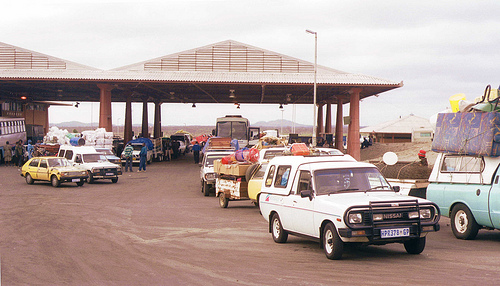
As reported by Engineering News in December last year, effective OSBPs integrate the data, processes and workflows of all relevant border agencies of one country with those of another, which culminates in a standardised operating model that is predictable, trans- parent and convenient. An OSBD success story in Southern Africa is the Chirundu border post, where a collaboration between the Zambia and Zimbabwe governments has culminated in a single structure, allowing officers from both States to operate at the same location, while conducting exit and entry procedures for both countries.

Launched in 2009, this OSBP model is a hybrid of total separation, joint border operations and shared facilities in a common control zone. Implementation of the model has reduced clearance times to less than 24 hours, significantly reduced fraudulent and illegal cross-border activity, enabled increased information sharing between border agencies and reduced the overall cost of export and import activities in the area.

Earlier this year, former South African Transport Minister Sibusisu Ndebele indicated that Cabinet was looking into establishing a mechanism that would bring all border entities under a single command and control structure to address the fragmentation in the country’s border operations, particularly at the high-traffic Beitbridge post between South Africa and Zimbabwe. “The ultimate vision is to create one-stop border operations to facilitate legitimate trade and travel across the borders,” he said.

Customs Connectivity and Data Exchange
Improved connectivity between customs limbs in sub-Saharan Africa has perhaps made the most indelible strides in the region, with improved IT connectivity between States identified as a priority by Sacu.

This includes customs-to-customs inter- connectivity, customs-to-business inter- connectivity and interconnectivity between customs and other government agencies. SACU members have agreed to pursue the automation and interconnectivity of their customs IT systems to enable the timely electronic exchange of data between administrations in respect of cross-border movement of goods. “As a consequence of this acquiescence, we have identified two existing bilateral connectivity programmes as pilot projects to assess SACU’s preferred connectivity approach, cloud computing between Botswana and Namibia and IT connectivity between South Africa and Swaziland,” says SACU deputy director for trade facilitation Yusuf Daya. He adds that a regional workshop was recently convened to explore business processes, functions, data clusters and the application of infrastructure at national level to improve and develop intra-regional links.

Coordinated Border Management
The SADC has been a strong proponent of CBM efforts in the region, which promotes coordination and cooperation among relevant authorities and agencies involved in, specifically, the protection of interests of the State at borders. “The union has drafted CBM guidelines for its members on implementation, based on international best practice, and has received indications of interest from several member States,” explains SADC Customs Unit senior programme officer Willie Shumba.He adds that CBM is a key objective of regional integration, enabling the transition from an FTA to a customs union and, eventually, to a common market, through effective controls of the internal borders.

Customs Modernisation
South Africa’s customs modernisation initiative is well advanced and came about following Sars’ accession to the WCO’s revised Kyoto Convention in 2004, which required customs agencies to make significant changes to it business and processing models. These changes included the introduction of simplified procedures, which would have fundamental effects on and benefits for trade and would require a modern IT solution.

Since its inception, the SARS Customs Modernisation Programme has gained tremendous momentum, with amendments to the Passenger Processing System and the replacement of SARS’s Manifest Acquittal System in the Automated Cargo Management system. Further adjustments were made to enable greater ease of movement of goods, faster turnaround times and cost savings, as well as increased efficiency for SARS. This phase included the introduction of an electronic case-management system, electronic submission of supporting documents, the centralisation of back-end processing in four hubs and an electronic release system and measures to enhance the flow of trucks through borders – in particular at the Lebombo and Beitbridge borders.

Proper Planning
AfDB’s Ben Barka warns that, prior to the implementation of any border improvement efforts by countries in Southern Africa, a thorough analysis and mapping of each agency’s existing procedures, mandate and operations should be undertaken.“Based on these findings, a new set of joint operational procedures need to be agreed upon by all involved agencies and must comply with the highest international standards,” she says.

Development coordination between States is essential, as the largest disparity among regional groupings, in terms of intra-regional trade, is clearly attributable to their differentiated levels of progress in various areas, including the removal of tariffs and non-tariff barriers, the freedom of movement of persons across borders and the development of efficient infrastructure. Source: Engineering News.

Special Missing Zones

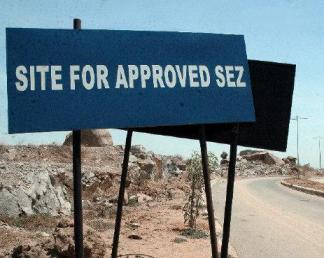
Since the publication of the draft bill, there has been much comment on the advantages and disadvantages of the new Special Economic Zones (SEZ) policy and process in the country. Given the renewed emphasis in economic policy debates on industrial policy and regional integration in the wider Southern Africa context, the article “Special Missing Zones in South Africa’s Policy on Special Economic Zones“, published by Tralac, serves to add to the debate by introducing some hitherto neglected aspects pertinent to the debate on the subject.

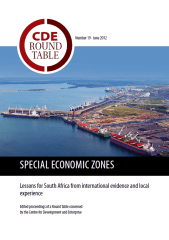
A good companion to this article (and perhaps essential prior reading) is the CDE’s “Lessons for South Africa from international evidence and local experience” which I posted on 31 May 2012 (see link under related articles below). There has essentially been little movement on the subject, yet it is clear that South Africa is losing lucrative opportunities in the global warehousing and distribution business to its neighbours. Unless government acknowledges that it has to involve business in the creation of such SEZ’s, the white elephant syndrome which befell IDZs will no doubt plague the latest programme.


Customs Modernisation – positive impact on Doing Business in South Africa!

South Africa ranks 39th out of 185 countries surveyed in the latest International Finance Corporation (IFC)-World Bank ‘Doing Business’ report, which was published on Tuesday.Last year, South Africa ranked 35 out of 183 countries assessed.

The country is placed above Qatar and below Israel in the Doing Business 2013 report, which covers issues such as starting a business, dealing with construction permits, getting electricity, registering property, accessing credit, protecting investors, paying taxes, trading across borders, enforcing contracts and resolving insolvency.

Singapore remains at the top of the ease-of-doing-business ranking for the seventh consecutive year, followed by Hong Kong and New Zealand. Poland improved the most in making it easier to do business, by implementing four regulatory reforms in the past year.

South Africa led the pack in terms of improving in the ease of trading across borders through its customs modernisation programme, which reduced the time, cost and documents required for international trade. “We hope that through the streamlining of procedures, we will see the growth of commerce in the country,” said coauthor of the report Santiago Croci Downes.

The Doing Business 2013 report stated that improvements in South Africa have effects throughout Southern Africa. “Since overseas goods to and from Botswana, Lesotho, Swaziland and Zimbabwe transit through South Africa, traders in these economies are also enjoying the benefits,” it stated.

Another 21 economies also implemented reforms aimed at making it easier to trade across borders in the past year. Trading across borders remains the easiest in Singapore, while it is the most difficult in Uzbekistan.

Out of the 185 economies assessed in the 2013 report, South Africa ranked 53rd for starting a business, 39th for dealing with construction permits, 79th for registering property, 10th for protecting investors, 32nd for paying taxes, 82nd for enforcing contracts and 84th for resolving insolvency.

The country ranked low, at 150, for ease of access to electricity, while it tied at the top with the UK and Malaysia for ease of access to credit. Croci Downes added that it was still too early to tell whether the recent labour unrest in the mining and transport industries would have an impact on South Africa’s ranking or on foreign direct investment .

Meanwhile, the IFC and World Bank reported that of the 50 economies making the most improvement in business regulation for domestic firms since 2005, 17 were in sub-Saharan Africa.

From June 2011 to June 2012, 28 of 46 governments in sub-Saharan Africa implemented at least one regulatory reform making it easier to do business – a total of 44 reforms.

Mauritius and South Africa were the only African economies among the top 40 in the global ranking. World Bank global indicators and analysis director Augusto Lopez-Claros said Doing Business was about smart business regulations, not necessarily fewer regulations. “We are very encouraged that so many economies in Africa are among the 50 that have made the most improvement since 2005 as captured by the Doing Business indicators.”

IFC human resources director Oumar Seydi added that lower costs of business registrations encouraged entrepreneurship, while simpler business registrations translated to greater employment opportunities in the formal sector.

“Business reforms in Africa will continue to have a strong impact on geopolitical stability. We encourage governments to go beyond their rankings. Ranking does matter, and competition is important, but that is not all that counts. What truly matters is how reforms are positively impacting growing economies,” he said.

African economies that have improved the most since 2005 include Rwanda, Burkina Faso, Mali, Sierra Leone, Ghana, Burundi, Guinea-Bissau, Senegal, Angola, Mauritius, Madagascar, Mozambique, Côte d’Ivoire, Togo, Niger, Nigeria, and São Tomé and Príncipe. Source: http://www.polity.org.za

Most African countries to be middle income by 2025?

As many as 38 of sub-Saharan Africa’s 48 countries could be regarded as ‘middle income’ by 2025, but World Bank chief economist for Africa Shantayanan Devarajan warned that such an advancement would not necessarily translate into a reduction in poverty. Currently, 21 countries, collectively with 400-million citizens, have middle-income status, which the World Bank defines as countries with yearly per-capita income levels of higher than $1 000.

Speaking following the release of the October edition of the bank’s ‘Africa Pulse’ publication, Devarajan noted that at least ten countries, representing 200-million people, were poised to transition to middle-income status over the coming 13 years on the back of prevailing growth rates. Included in the list are countries such as Zimbabwe and Comoros, which would require both growth and stablisation.

Over the past 15 years, the continent had expanded at a rate of two percentage points better than the average global growth rate, and the bank was still expecting sub-Saharan Africa to expand by 4.8% in 2012 – excluding slow-growing South Africa, the region’s largest economy, average growth for the region was forecast at closer to 6% for the year.

But there was potential for a further seven countries, with 70-million citizens, to be included in the middle-income mix over the period if rates of growth accelerated beyond levels achieved over the past 15 years. Only ten African countries, representing 230-million people, almost certainly will not achieve middle-income status by 2025.

But while Africa’s recent growth spurt had resulted in the first overall reversal in the continent’s poverty rate since the 1970s – from 58% in 1999 to 47.5% in 2008 – the bank cautioned that continued progress would depend on continued macroeconomic prudence and improved governance, particularly in the area of natural resources.

Africa Pulse showed that resource-rich countries had seen a strengthening of economic growth, while poverty rates and inequality levels had not performed as impressively. “Some countries, such as Angola, Republic of Congo and Gabon have actually witnessed an increase in the percent of the population living in extreme poverty.”

“Resource-rich African countries have to make the conscious choice to invest in better health, education, and jobs, and less poverty for their people because it will not happen automatically when countries strike it rich,” Devarajan said. “Gabon, for example, with a per-capita income of $10 000 has one of the lowest child immunisation rates in Africa.”

To ensure that the benefits of rising growth were “pro poor”, more jobs would need to be created. And, in the context of high levels of informal sector employment, efforts would also need to be made to improve access to finance and skills, in the informal sector. Source: Engineeringnews.co.za


South Africa – Stalling Regional Integration

Yes, you’ll be forgiven if you thought this was some belated April-fools joke. South Africa has been accused of frustrating plans to create a regional customs union and instead preferring to bolster the South African Customs Union (Sacu), where it holds sway. 

A customs union is a trade agreement by which a group of countries charge a common set of tariffs to the rest of the world, while granting free trade among members. Regional Integration minister, Priscilla Misihairabwi-Mushonga, said there was a feeling that South Africa wanted to use Sacu as its basis to form a regional customs union, instead of working towards creating a new one.

“What we see is that South Africa wants to use Sacu as the basis for forming a regional customs union and sometimes, this is viewed as having a big brother mentality,” she said. Misihairabwi-Mushonga said, for this reason, negotiations towards a holistic Southern African Customs Union (Sadc) had not gone very far. Botswana, Lesotho, Namibia, Swaziland and South Africa make up Sacu, with the four countries having benefited by aligning themselves to South Africa, Africa’s largest economy. A Sadc customs union would involve the 15 countries of the region, instead of Sacu, which is considered narrow.

But Catherine Grant, the head of economic diplomacy at the South African Institute of International Affairs, reckons the smaller nations in Sacu, like Lesotho, may be opposed to Sacu morphing into a regional customs union. “This will be opposed by other Sacu members, not necessarily just South Africa, as this (Sacu) is not just a trade agreement, but involves a broader range of economic issues,” she said.

“Up to 60% of the Lesotho budget is Sacu revenue, so the vested issues, whether Sacu is the basis of a customs union, are not just South African.” Grant felt that it was impossible to expand Sacu in its current form, as it would cost South Africa too much and would dilute the resources that were meant for other projects.

The head of the trade and policy think-tank said instead, South Africa preferred to see the implementation of a free trade area (FTA) as a first step, since customs union negotiations were usually lengthy and time-consuming. “The preference is to first channel scarce resources to existing commitments and trying to make them as beneficial as possible,” she explained.

Grant said while South Africa was the dominant player in the region, hence engendering a feeling that it was imposing itself as the big brother, the country was actually holding back from taking a leading role and this cost the region.

“Sometimes South Africa holds back because they are conscious of not being a big brother and that could be detrimental to the region,” she explained. However, Grant said energies should be directed towards the conclusion of negotiations to set up the Tripartite Free Trade Area (TFTA), which includes the Common Market for East and Southern Africa, the East African Community and Sadc.

“The TFTA will resolve some of the overlapping issues that can be difficult to solve when it comes to a customs union,” she said. Since Zimbabwe adopted multicurrencies in 2009, there has been a call that the nation either join Sacu or push for the formation of a regional customs union. Zimbabwe remains wary of joining Sacu, as it fears for its economic independence, yet negotiations for a regional customs union are moving at a snail’s pace.

Sacu was established in 1910, making it the world’s oldest customs union. It consists of Botswana, Lesotho, Namibia, South Africa and Swaziland. Source: AllAfrica.com

The African transhipment race

Have you noticed the debate in the on-line Global Ports Forum about who will become the main container terminals in East and West Africa? Portstrategy.com has taken it upon themselves to score some of the suggestions.

Nigeria is strongly identified as a hub for the west coast of Africa – we score that 7 out of 10. It has the potential but will new port development be delivered in time? Will the off-take infrastructure development be implemented in concert with port development at places like Lekki? Will Lekki’s hub function be undermined by other deepwater facilities being delivered first on the African coast?

Generally, they agree with the view expressed by one wise head in the Forum that the race for hub status on the West African coast is now a fierce one. However, we don’t agree with the contention that Angola will have a serious say in becoming a major hub for West Africa. It will struggle for some time yet to meet its own port capacity needs let alone fulfil a regional function. We score this suggestion 2 out of 10; go to the bottom of the class!

South Africa as a hub for East and West Africa? Well to a limited extent it does already fulfil this role but when South Africa booms its priority has to be gateway cargo and it is limited in terms of its economic and geographical reach. It is also not ideal because of position; we won’t score the suggestion down but conversely we also won’t score it up because it is a fair point. We do, however, see as a negative the continuing emphasis on the public operation of this country’s ports – it spells very high cost comparatively speaking and coupled with this, ironically, not the best service.

Doraleh Container Terminal, Djibouti? Yes we would agree that this has a role to play in container transhipment for East Africa and particularly with its phase two expansion now underway. The price is right for transhipment here but the cost of cargo movement to the main transit destination of Ethiopia is coming in for increasing criticism. It also has a limited reach along the East Coast. Another score of 7.

Mombasa? Yes huge potential for the East Coast of Africa but as history shows no political will to deliver new port capacity in line with demand. Nine in theory but five in practice.

The new port of Lamu? Designed to act as an export gateway for South Sudan, construction has begun on the $23bn (£14.5bn) port project and oil refinery in south-east Kenya’s coastal Lamu region near war-torn Somalia’s border. With a planned multi-purpose port function, because it is a ‘clean slate’ it could take on the hub function. Another 7.

So what is Port Strategy’s view?

In West Africa, we note that new purpose-built, deep draft container port capacity has either recently been installed or is about to be installed in West Africa in six or seven locations. In Lome in Togo and Pointe Noire in the Congo, for example, new facilities are set to come on-stream by end 2014 at the latest which will be able to handle vessels of up to 7,000 teu. We therefore suggest that there will be a split of hubbing activity between all these locations but with the first two or three terminals on-line grabbing the main part of transhipment activity. We also see a continuing role in the short-term at least for hubs such as Algeciras that ‘face’ Africa.

In East Africa we cannot escape the logic of Mombasa and Dar es Salaam but will they pick up the pace quick enough to seize the opportunity? Sadly, not so far. Lamu, therefore, may have a big role to play. Source: Portstrategy.com

Politicians – they’re all the same

A strong and informed opposition is always healthy, so the exponents of the modern democracy continually advocate. Well if the speech of the Democratic Alliance‘s shadow minister on trade and industry, Dr. Wilmot James,  to the House of Commons in London is anything to go by, is just a case of “same old, same old“, filled with cliches and boring statistics scrounged from publications such as Doingbuisness.org. Furthermore, it illustrates why poor legislation comes about, in many cases uncontested unless it touches a political nerve.

The speech concludes with a set policy proposals that will form part of the official opposition’s manifesto for the 2014 elections. Read the full speech here! To what extent the opposition has canvassed the real import/export community is questionable, and reveals a level of understanding that is ‘uninformed’ at best. I’m not impressed and totally uninspired.

News from Angola

SEZ for Cunene Province

The government of Cunene province in southern Angola, has chosen the border town of Calueque, in Ombadja municipality, to set up the province’s Special Economic Zone (ZEE), the province’s governor, António Didalelwa said in Ondjiva speaking to Angolan news agency Angop. At the end of a meeting of the provincial government, the governor said that Calueque had been chosen due to its potential to drive agri-livestock activities based on the Cunene River’s hyrodgraphic basin and the Calueque hydroelectric facility. Its proximity to Namibia, its conditions in terms of available electricity and water, as well as access roads make it possible to set up economic and administrative facilities in order to drive production and job creation. The entities that attended the provincial government meeting concluded that the existing conditions at the new ZEE would attract investments and drive production by installing factories, retail and services areas. This follows last year’s fomalisation of the Luanda-Bengo Special Economic Zone (SEZ) between the towns of Viana and Cacuaco in Luanda province and the towns of Icolo-e-Bengo, Dande, Ambriz and Namboangongo in Bengo province. Watch a short video on the Luanda-Bengo ZEE here! Source: Macauhub.com.

Customs Modernisation

The Programme to Expand and Modernise Customs Services (PEMA) in Angola, which began in 2002 and officially ended Monday 21 May, cost US$315.5 million, Angolan weekly newspaper Expansão reported. The newspaper added that in a 10-year period the PEMA had led to US$17.7 billion going to the State’s coffers and thus the cost of the programme was just 1.8 percent of the revenues that it had made possible.

During the ceremony to mark the end of a partnership with Crown Agents, a UK company that specialises in modernising public services, the assistant director general of the National Customs Service, Maria da Conceição Matos, said that whilst the programme was being implemented customs revenues had increased steadily and significantly. Matos said that the Programme for Expansion and Modernisation of Customs Services had reformed the institution structurally across the whole of Angola, based on international best practices for the customs sector.Source: Macauhub.com.

SEZ – Lessons for South Africa from international evidence and local experience

A bold paradigm shift in South Africa’s economic policy is required to ensure the success of the country’s new special economic zones (SEZs) programme, according to Centre for Development and Enterprise (CDE) executive director Ann Bernstein.At the launch of the new CDE report on SEZs, she explained that South Africa’s current economy favoured skill and capital-intensive industry, which was not making the cut in terms of job creation.

“South Africa needs to create the right kind of environment for the emergence of businesses that can employ large numbers of unskilled people. That is what we should use the SEZs to do.“This will require bold leadership and engagement with the difficult choices on labour costs and flexibility that must be made. The alternative is to waste resources and energy yet again on a policy that fails,” Bernstein urged.

The report, titled ‘Special Economic Zones: Lessons for South Africa from international evidence and local experience’ suggested that South Africa should establish at least two large SEZs that were focused on low-skill, labour-intensive industries such as the clothing and textile sectors and enable them to compete globally. “Without reform, the only way South African companies can compete with Chinese, Vietnamese and Indian companies is by mechanisation, which results in fewer people being employed, and a greater reliance on skills,” Bernstein pointed out. “International evidence shows that the most successful SEZs were public–private partnerships,” Bernstein noted. Further, the report showed, as recognised by government, that South Africa’s industrial development zones (IDZs) that include Coega, East London and Richards Bay, had largely failed to boost economic growth, create jobs, promote industrialisation or accelerate exports.

Bernstein attributed this to the lack of a clear definition for what these zones should entail, as well as a strategy for attracting investors. “The IDZs are basically just industrial parks – it’s no wonder they have not been successful in attracting new investors and creating jobs.” Although the Department of Trade and Industry (DTI) had spent R5.3-billion on developing these zones, the vast majority of the 33 000 jobs created were short-term construction jobs, with only 5 000 permanent jobs created.

Bernstein said countries such as China, Costa Rica, Mauritius and Latin America countries could be viewed as benchmarks for South Africa in terms of IDZs. Rising costs in Asia, especially China, where labour-intensive firms were looking for new regional locations, were creating opportunities for IDZs in South Africa. The CDE argued that South Africa should seize the opportunity to compete for a sizable portion of the jobs that could sprout from this.

“A bold new SEZ strategy could become a platform for new companies and new investors that use unskilled labour rather than machines,” Bernstein indicated. “South Africa’s new SEZ programme needs to be a presidential priority. The DTI needs to be fully supported by all other departments of government. Unless the whole of government gets behind the effort, we’re not going to see the kind of investor uptake that would actually make a difference,” CDE research and programme director Antony Altbeker said. Trade and Industry Minister Rob Davies is set to table the draft SEZ Bill in Parliament later this year, while Finance Minister Pravin Gordhan announced that R2.3-billion would be allocated to the establishment of SEZs were in the 2012/13 Budget.

However, the CDE’s report warned that the Bill provided no clarity about what would differentiate SEZs from industrial parks, its envisaged governance arrangements for SEZs was confusing and said the role of the private sector was unclear. Source: Engineering News

Africa – ready for rich pickings?

While on the theme of African economic and trade emancipation, it is interesting to consider the detailed analysis and evaluation occurring in regard to African continental readiness for information and communication technologies. One such study is the Transformation Ready or eTransform Africa programme, a joint programme of the African Development Bank and the World Bank, in partnership with the African Union. Bear in mind that the WCO and African Development Bank recently signed a cooperation agreement to enhance the capacity of Customs administrations in Africa. 

The study (Click Here!) is a series of  case studies of certain countries. The aim of the programme as a whole, as set out in the terms of reference, is to:

  • Take stock of emerging uses of ICT across sectors and of good practices in Africa and in other continents, including how ICTs are changing business models in strategic sectors.
  • Identify key ICT applications that have had significant impact in Africa or elsewhere and that have the potential of being scaled up, both from the public and private sectors.
  • Identify binding constraints that impact ICT adoption and scaling-up of effective models, such as the need to develop a regional culture of cyber security, and measures to address these constraints, including in relation to the role of different actors and stakeholders (private, public, development community, civil society, etc).
  • Commission a series of country case studies, to formulate a guide for rolling out and scaling up key applications in Africa, in each of the focus sectors, and thereby to identify opportunities for public/private partnership, as well as identifying areas where intervention can be reduced or eliminated.
  • Develop a common framework for providing support in ICT for development to countries that brings together the operations of the two Bank Groups and their respective departments.

The terms of reference for individual sectors were as follows:

  • Within each sector, identify specific opportunities and challenges in Africa that can possibly be addressed with an increased or better use of ICT. Constraints that are hindering ICT uptake and scale-up will be examined within the context of each sector/industry, including human capacity in IT skills and sustainable business models such as for public private partnerships (PPP). Further, the appropriate role of governments in the provision of priority ICT applications and services will be examined in order to maximize private sector development;
  • Undertake a quick scan of ICT applications in the different sectors and identify a few applications that have had significant impact in Africa or elsewhere and that have the potential of being scaled up. The scan should refer to a matrix of selection criteria on which to select case study countries that are considered ripe for the creation of public/private partnerships. On this basis, specific country case studies will be chosen – two to three per sector — on a representative basis, for deep dive analysis. The selection of case studies should be made in consultation with the partners and the other consultants. A workshop should be organized by the coordinator firm at an early stage in the project to finalise this selection.
  • Analyze and understand the barriers to the greater adoption and mainstreaming of ICTs. Barriers may include, for instance, low purchasing power, illiteracy, infrastructure constraints, lack of regulation, poorly functioning mobile ecosystem, power shortages, political instability etc. Identify cases/examples on how these have been dealt with;
  • Analyze and understand the enabling factors of success, including political economy, policy, institutional, human, financial and operational factors;
  • Consider the option of developing multi-country programs or special facilities that would allow fast-tracking specific programs across countries;
  • Provide guidelines on designing appropriate and sustainable ICT components for sector projects (including building effective public and private partnerships) and on evaluating the impact of these interventions; and
  • Propose a course of action on how to include ICT in policy dialogue and planning with country counterparts on sectoral development goals and priorities. Experiences and best practices from other regions will be drawn upon to define the role of the public sector, bearing in mind that government is increasingly positioned as a lead user of ICTs as well as a regulator of the sector.
Related articles

The following article provides a disturbing – some would call it conspiracy theory – on what lies in store for the continent of Africa. Perhaps the colonial days will be viewed as mild should some of the suggested schemes materialise.

Open Borders and Integrated Supply Chains break down Global Trade Barriers

East Asian economies have recorded marked improvements in their ability to enable trade, while traditional frontrunners Singapore and Hong Kong retain a clear lead at the top of the global rankings, according to the Global Enabling Trade Report 2012, released today by the World Economic Forum.

The report, which is published every two years, also confirms strong showings for Europe’s major economies, with Finland and the United Kingdom both advancing six places to 6th and 11th, respectively, and Germany and France remaining stable at 13th and 20. Other large economies fare less well: the US continues its decline to 23rd, as does China (56th) and India (100th). Among emerging economies, Turkey (62nd) and Mexico (65th) remain stable while Chile (14th), Saudi Arabia (27th) and South Africa (63rd) climb in the ranking. ASEAN members Thailand (57th), Indonesia (58th) and the Philippines (72nd) also improve. Perhaps the proponents of OSBPs and a BMA in South Africa have not read this or have deeper insight into the matter.

As well as ranking nations’ trade openness, the report finds that traditional notions of trade are increasingly outdated as global value chains require new measurements, policies and cooperation. The report also finds that security, quality and trade can be mutually reinforcing through supply chain integrity efforts, but a knowledge gap in identifying buyers remains an important barrier. The biennial report, covering 132 economies worldwide, measures the abilities of economies to enable trade and highlights areas where improvements are most needed. A widely used reference, it helps countries integrate global value chains and companies with their investment decisions.

At the core of the report is the Enabling Trade Index, which measures institutions, policies and services facilitating the free flow of goods over borders and to destination. It breaks the enablers into four issue areas: market access, border administration, transport and communications infrastructure, and business environment. The Index uses a combination of data from publicly available sources, as well as the results of the Executive Opinion Survey, a comprehensive annual survey conducted by the World Economic Forum with its network of partner research institutes and business organizations in the countries included in the report. The 2012 results demonstrate that the ASEAN Trade in Goods Agreement has facilitated trade since its entry into force in 2010. This year, the report also directly captures the most important obstacles to exporting and importing in each country, and notes the strong links between import and export success. Source: AllAfrica.com / WEF

Enhancing South Africa’s and Africa’s development through Regional and Continental Integration

Hardly a week goes by without some or other African politician waxing lyrical about continental integration, continental trade diversification, and a wholesome analysis of the ‘barriers’ which prevent the African continent  from reaching its full economic potential. No doubt I’m a bit biased in relaying the recent ‘public lecture’ of our deputy President Kgalema Motlanthe at the University of Finlandread the full speech here! Plenty of insight clearly delineating a plethora of barriers; yet, are we African’s so naive not to have identified these barriers before? Evidently yes.

In recent weeks, on the local front, we have learnt that One Stop Border Posts (OSBPs) is the solution to non-tariff barriers. This topic was drilled amongst the press till it got boring. The focus soon thereafter shifted to the implementation of a border management agency (BMA) – all of government under one roof – so simple. The reality is that there is no silver-bullet solution to African continental integration. Of this, affected business, Customs administrations and the international donor community is acutely aware. While the WTO and the multitude of trade lawyers will ‘yadder’ on about ‘diversification’ in trade, the reality is that Africa’s raw materials are even more sought after today than at an any time before. Certainly those countries which contain vast resources of oil and strategic minerals are about to reap the benefits. So why would African countries be concerned about diversification when the petro-dollars are rolling in? Perhaps greed or lack of foresight for the medium to long-term well-being of countries and their citizens? The fact remains, without homegrown industries producing goods from raw materials, most of  Africa’s eligible working class will continue to be employed by foreign mineral moguls or the public service.

Several customs and infrastructure solutions have over the last few years emerged with the usual credential of “WCO or WTO compliant”. Africa has been a guinea pig for many of these solutions – ‘experiments’ if you prefer. Literally millions of dollars are being spent every year trying out so-called ‘best-of-breed’ technology which users unfortunately accept without much questioning. The cart is being placed before the horse. Why? because the underlying route cause/s are not being identified, understood (sufficiently) and prioritized. Insofar as there exists no silver bullet solution, neither is there a single route cause in most cases. Unfortunately, donor aid often comes with its own pre-conceived outcomes which don’t necessarily tie in with those of the target country or the well-being of the continent.

While governments like to tout the ‘big-hitting’ projects, there are several ‘less exciting’ (technical) areas which countries can address to kick-start the process. One of these has even been recognised by the likes of the World Bank and OECD notwithstanding capital-intensive programs which promised much and have not delivered fully on their promise.  The issue at hand is the harmonisation of customs data. It might at first sound irrelevant or trivial, yet it is the key enabler for most Customs Modernisation initiatives. While there is still much anticipation in regard to the forthcoming deliberation and outcome of the WCO’s Globally Networked Customs (GNC) initiative at June’s WCO Policy Commission session in Brussels, there is significant support for this approach on the African continent. The momentum needs to be maintained.

 Related articles

What westerners don’t understand about modern economy

Why is the Chinese economy thriving while that of the West is in crisis? The answer is of great relevance to Africans who have for decades embraced development models created in the boardrooms of Western capitals. Source: AllAfrica.com

Social dumping, unfair competition, undervaluation of the Chinese currency, the Yuan … these is some of the blame that most Western economists and politicians are laying on China. What about if this small beautiful world was off-target?

The growth of China and its strategic position as the first world emerging power have caused unprecedented disarray among the former powerful nations and a consistent visual navigation among Western economists and politicians who were undeniably a few years ago a reference for the success of their economic model which seemed to be irreplaceable. There was a state of complete disarray over 10 years in developed countries struggling to find a compass to better guide their ideas and understand where the position of the East is over the 21st century.

WHAT WOULD HAPPEN IF COMPETITIVENESS TOOK A NEW FACE?

It is disconcerting to see Western economists take childish considerations to explain their lack of competitiveness with China and saying that a huge industrial desert seems to have comfortably established itself in the West and arguing that employees are low wage-earners in China. It is not true. This assertion is wrong because wages are twice lower in Africa and South America than in China, although these two regions of the world do not attract the same amount of investments. The real reasons lie elsewhere.

1. There is a strong state in China exercising influence in almost all the economic process with clear and visible objectives to help millions of Chinese out of poverty.

2. In the make-up of product cost, labour accounts for about 2 to 4 percent or 10 percent at most. It is absurd that in the West, people use the issue of alleged high wages as an excuse to justify non-competitiveness of businesses. If an Italian producer put an item in the market for 100 Euros, whereas his/her Chinese rival is able to sell the same item for 25 Euros, the 200 percent difference cannot be justified as 10 percent of labour cost.

Even if wage cost was granted for free to Europeans producers, there will always be a 190 percent gap to be filled. Focusing on the value, the West will possibly find an initial solution to its current economic crisis which is, unfortunately, at its beginning; a solution to the costs of industrial architecture in the country, purchase of raw materials, the quality of vocational training and logistics to capture the customers who are at the other side of the world. We will review this issue below.

3. State purchased raw materials: Each manufacturer in the West has to find inputs on his own throughout the world, but China is using other methods through state giants to combine all purchases and, therefore enabling the country to be more successful and enjoy the best purchase conditions than a private Western individual waging a humanitarian war.

4 State semi-finished products: A car manufacturing company, for example, in the West has to get supplies from sub-contractors, but in China the government provides necessary stuff and bike manufacturers, for instance, will buy state-provided parts.

It is the same case for air-conditioner manufacturers and other key economic sectors; where an Italian manufacturer has to ensure alone the whole production, his Chinese counterpart, with whom he will be competing in the market, will only deal with a part of the production process, very often, when it comes to assembling and selling items. The parts that Chinese assemble in their factories are donated by their government in need of more revenues by creating more jobs with a view of revitalizing the national economy.

5. Energy is not sold in the opinion of the Chinese. In terms of stock exchange capitalisation, according to the news article published in the magazine Fortune Global for 2010, among the seven largest companies in the world, six of them are dealing with energy: American, British and Dutch companies and the three others are Chinese.

But the most interesting thing is the gap between Western and Chinese companies regarding the profits made by the former; they are higher than for the latter. For example, oil company Shell with 97,000 employees makes $20.116 billion in profits; Exxon Mobile with 103,000 employees generated a net profit of $30.40 billion. The Chinese company Sinopec seems to lag behind; with its 640,000 employees it made only $7.63 billion while its counterpart China National Petroleum, employing 1.5 million people, made just a profit of $14.37 billion.

According to conventional assessments in the West, Shell and Exxon are to be praised for their good job. However, in the pragmatic view of the Chinese, high profits are an indicator of impediment to nation to remain competitive. Chinese authorities consider that business competitiveness begins with energy cost. Companies operating in the energy sector should make profits to conduct their own market research and to explore potential customers, whereas in the West, generating huge profits will delight shareholders, because their names will be on the list of richest individuals in the world.

This different view on the economy was even more acute in 2008 during the crisis marked by a rapid rise in crude oil prices in the markets enabling all Western oil companies to make historically high profits. Exxon Mobile, for example, says there has been an 11 percent increase in its profits last year, $45 billion compared with 2007’s figures in France.

During the same year, the French company Total said that its profits were $22 billion (17 billion Euros), but its Chinese rival, Petrochina, a leader in terms of quantity of petroleum products, lost money because, I think, a very smart political decision made by Beijing government on freezing fuel prices led to a drastic drop of 22 percent in the net income in order to allow Chinese companies to remain always the most competitive in the world.

It is obvious that many petroleum products, such as plastic toys, car accessories, and packaging materials are made in China. Labour costs are not cheaper in the country, but the government expects real benefits at the end of the production line in terms of job creation, accumulating foreign currencies and trade surplus. China is not speculating foolishly in everything that moves, because it can cause a hard blow to the economy following the current situation of the West. China has set a clear objective to distribute generated wealth, to contribute to help millions of people out of poverty, and not to praise the glory of people whose names are on the annual list of the world billionaires in Forbes news.

In terms of petroleum products in Europe, it seems that those in power want to have their cake and eat it at the same time. We want business competitiveness, but at the same time put a 77 percent tax on energy products, accounting for nearly 40 percent in the make-up of the cost of finished products to be transported to the shop and delivered; even the travelling cost incurred by the buyer can also be taken into consideration.

The rise in oil prices is similar to this, but it is even worse in the electricity sector in China, which is almost free of charge. In 2010, power company State Grid Beijing Corporation, the top in the world, with its 1,564,000 employees and hundreds of millions of subscribers, made only $4.56 billion in profits, that is to say less than $5 billion generated by EDF, the French Power company, in 2009 (before it plummeted to 74 percent in 2010 due to setbacks suffered in foreign markets). This company has 158,000 employees, 10 times less people working for its Chinese rival and the number of its subscribers as well is 20 times fewer. The truth is that EDF, a state-owned company’s subscribers are like pigeons that need to be plucked with increases at the beginning of each year by using various pretexts, such as approval is to be obtained for a change in the oil price when it rises.

LOGISTICS AS A GEOSTRATEGIC TOOL FOR POWER

China has got sea behemoths that determine very often political prices. It is not dumping, but operators are just charged at cost price. For example, China Ocean Shipping Company (COSCO), owner of 201 container ships equivalent of 900,000 20-feet average size of a container, allowing freight forwarders to charge 20-40 feet containers from China for delivery in any port in Europe at incredibly low prices, in line with the goals the Chinese government wants to achieve in terms of export. It means that COSCO, a state-owned company, is not looking for profits for itself but looking for benefits of the whole Chinese nation. It is a very powerful geostrategic instrument contributing to the achievement of objectives, winning potential markets in order to bring the Chinese coasts closer to the rest of the world. So, the paradoxical thing is that the cost of land transport within Europe is often four times more expensive than a 30-day maritime transport from China to Europe. We know that 75 percent of trades in Europe are done between European countries and it is easy to guess that this represents an opportunity for China in the coming years if nothing is done by European economists to find a long-term solution to the current economic situation.

On 7 June, 2010, Cosco purchased parcels of land for 1.90 billion Yuan sold by Shanghai local authorities, meaning that this area will become in 10 years the first financial centre in the world. The real estate business is still under the Chinese government control. In fact, out of 11 parcels of land offered for sale, nine were purchased at auction by state-owned companies and only two were purchased by Chinese private companies.

The image of Cosco reflects the versatility of Chinese state-owned giant companies controlling almost everything in the industrial sector, ranging from port management ($ 3.4 billion to handle containers in the port of Piraeus in Greece in 2008) to real estate through the construction of ships and manufacture of containers.

This type of business provides the company with great advantages relating to competitiveness of Chinese businesses while their rivals have to go through a wide range of specializations, let’s say, to make as much profit as possible, according to the capitalist development model. For example, the French branch of COSCO, headquartered in Paris, has been operating in all the French port cities, primarily as a shipping company in the field of consignment, ship repair and air freight in order to achieve the same objective as a new product out of a Chinese factory and it should reach every destination without suffering any penalties regarding transportation or logistics.

In June 2011, 52 Airbus A320 were built in a new plant in Tianjin, China. Once again COSCO acted as a major contractor to execute programmes of Tianjin Airbus Company and was responsible for shipping heavy pieces from Europe to Tianjin, especially barge, inland and maritime transportation of containers, including domestic air transport to the unit in Tianjin.

Once again, the choice of a Chinese state-owned company is not made by chance, but it is the result of a geostrategic decision carefully thought out. In fact, COSCO has been chosen to conduct the same operation, but in the opposite direction, from China to Africa, for assembling an aircraft called XIAN MA-60, with which China pledged to replace the bad habits of Africans who buy only old airplanes from the West. This type of airplanes have been proved as real flying coffins over Africa and are paradoxically more expensive than the new ones built in China. The Chinese company, Xia MA-60, has already been providing equipment to Zimbabwe, Burkina, Burundi and South African airlines.

The Chinese People Daily newspaper of May 25, 2011 said that British Caledonian and Laos Airline and Sri Lankan Air-Force are serving about a hundred destinations and several companies in Asia, Africa and South America. Some indiscreet sources in Beijing report that COSCO will shortly transport aircraft pieces from Chinese coasts to Africa, in the port city of Kribi in Cameroon, where a deep water port is being built to dock large boats.

When the European Aeronautic and Defence Space (EADS) was installed in China, the Chinese government required this company to purchase a large number of its aircraft, but the country is planning to build airplanes for Africa to be used on African soil. Chinese economists and strategists are showing that they understand what Western economists are still struggling to understand about modern economy. The West cannot persist to be successful alone while everything goes perfectly. It’s the right time to help them build new partnerships with other countries to help them when tough times come, because you can provide them with means and opportunity to find a way out.

DEMOCRATIC WEAKNESS

If the democracy of universal suffrage was something so wonderful, there’s no doubt that the West would prefer to keep it or even hide it as a military secret with a view of using its advantage over the rest of the world. If democracy of universal suffrage could allow the development of a nation, it is obvious that the West would not commit itself to back ad hoc opposition groups in such countries to help them become redoubtable rivals in terms of industrial and intellectual production. The truth is quite different and much bitterer. The West understands that one reason for its decline is universal suffrage democracy which brought to power the most mediocre personalities, provided that they are supported by rich people who rarely serve public interest.

The mediocrity of politicians was accompanied by economists trapped over the alleged unwavering superiority of ultra-liberalism. We saw famous economists in Spain, Greece, Portugal, France and Italy arguing that Germany should provide financial assistance to European countries in crisis, because they believe that Germany has been generating huge revenues from the sale of large saloon cars in those countries.

This kind of reasoning betrays the state of collapse of the economists who are unable to understand that Germany cannot afford to save itself and the beginning of its economic crisis is a matter of time; all Western countries seem to be unaffected by this situation because they are governed by the same economic models. The worst is that, the same nations are planning to compete with China. How can they achieve if they refuse to do the easiest exercise in order to share profits generated by Germany, and they have to wonder if they can manage to sell their items in Germany, the first marketplace in the European Union?

The truth is that these economists have already surrendered themselves and given up fighting for lack of ideas. They are moving on to the secondary plan saying that the West would become a tourist destination for people coming from developing countries. President Barack Obama revealed on January 18, 2012 at a tourist park in Florida that he wants to make the United States the first tourist destination in the world in order to boost employment. Mr. Obama does not know that tourism has never helped a country to develop.

He is challenging France as the first tourist destination in the world with 77 million visitors in 2010 (against 59 million in the United States, the second), but the country would not have faced the current financial crisis if tourism was a magic wand. Western economists who believe they have found a miraculous plan to end the crisis by predisposing infrastructure to house rich people from China, India and Brazil, will ask themselves why the French Riviera, the prestigious place for tourist attraction in Paca region where the number of poor people is paradoxically the highest than in the rest of the country.

No country will be able to fight poverty if some people refuse to be in the production trade. Even the richest tourist in the world is not going to consume alone food for five people and if he has to import it to meet his needs, he will return to the starting point, regardless of the difficulty he will encounter to become a specialist on rich people. As some Western paedophiles visited Thailand, the Mauritius government fearing the spread of sex tourism in the country decided to promote luxury tourism.

Unfortunately, 30 years later, drugs are being smuggled into the capital Port Louis by luxury yachts and private jet aircraft, which are not controlled by the authorities who do not want to offend the rich. Nevertheless, we wonder if the current crisis in the West can transform institutional racism because only white people could enter the United States without a visa. The keen interest of the American president in tourism will be a progress for the world, primarily Taiwan, a long-standing US ally, will be the first country to benefit from it. The truth is that the North in crisis is no longer attracting many people, even the poor from the South.

INTELLECTUAL COMPETITION

According to an article by Christine Murris published in Valeurs Actuelles, a French magazine, dated 19 January 2012, in France only 14,700 students enrolled at engineering schools out of 16,800 seats available in 2011. The worst thing happened to graduate engineers in 2010: only 42 percent of them have been able to create wealth. The others have been hired by job speculators in the financial sector. Before students’ graduation, several insurance companies and banking institutions are interested in their mathematical skills to make them earn more money without making any efforts.

At the same time, nine universities out of 11 in Tianjin, the third largest city in China, provide engineering education. In the West, political power is held by people who studied law or literature, whereas in Chine political power is in the hands of engineers. So, we can now understand why Chinese and Western young people are keenly interested in a wealth creating profession. However, both parties are competing with each other. It is surprising to see that all measures taken against industrial desertification in the West will not affect the true values of the whole society.

Today, there is a real intellectual competition among nations. A nation will develop if it has the ability to be ahead of the competition by making sure that sufficient numbers of people are trained and are available to work for factories where they can imagine and create things.

The West believed for over two centuries that intelligence was related to the DNA of so-called white Caucasians. The West is unable to take up a huge challenge represented by the East; that is to say engineers’ competition. A computer and a phone get old after three months of use, that’s the challenge. Symbols are not going to change things.

NATIONALLY COMMUNIST AND INTERNATIONALLY CAPITALIST

In the 2011-2012 report of the forum of 1600 European companies operating in China, it is said that China is a communist country on the national level and capitalistic abroad. This severe report says that ‘it must be particularly good for China to practice the most unbridled export-oriented economic liberalism policy while building up fundamentals of state-controlled economic system in the domestic market following the examples of the Soviet.’ This 338-page report signed by the chairman of European Union Chamber of Commerce, Davide Cucino, and his general secretary, Dirk Moens, reflects the frustration of all Western entrepreneurs operating in China in the hope of getting a billion Chinese consumers. They have no choice other than exporting from China to their native countries.

We are all concerned by this and we need to review thoroughly any economic theories of the two previous centuries taking no consideration of a country’s possibility to play two roles simultaneously: A communist system practiced within the country and unbridled capitalism abroad. Without this rewriting, there is no solution to competitiveness of Western businesses. It may even reduce to nothing the labour cost in the West and will not change significantly the path of the race towards the wall when the issue is vitiated by an uncontrolled variable, such as the role played by the state in modern economy.

WHAT LESSONS FOR AFRICA?

Mandatory privatisation urged by the International Monetary Fund and the World Bank are monumental blunders not be made. For example, the privatisation of the state-owned power company, SONEL, in Cameroon taken over by AES, a US private company, was a strategic mistake of great importance because not only electricity cuts continued but also in a country that intends to develop from its industries, the energy price, especially for electricity, should be determined in comprehensive policy measures to ensure that businesses remain competitive and are better prepared to operate and increase their shares in the international market.

The recipe that Western-educated Africans applied providing that tax should be levied on everything that moves is another strategic mistake that leads straight to failure.

The urgency for Africa is to produce wealth and the government should make sure that production is effective on a large-scale and distributing it will be easier if there is something to share. Africa must export its finished products in order to get foreign currencies necessary to the welfare of its people. The strategic energy prices (gas, diesel, electricity) are more important than the low cost of labour. Taxing people trading at the edge of paved roads may give the illusion of alleviating the state financial burden in Africa. This is a wrong revenue economic system in the West that impedes African competitiveness.

The issue Westerners are faced with is the morality of their system. African economists must endeavour to draft their own economic theories that take into consideration the African interests and realities, instead of being in a permanent standby in order to occupy a subordinate position in Western institutions .In my opinion, what is needed is the courage and independence of African economists to distance themselves from the formulas developed by bureaucrats in Washington to find their own way through new African variables. These variables modified in the context of the 21st century would do a great honour to intellectuals who have the ambition to be creators of a new Africa.

So, an international institution acting against the interest of Africa but dedicated to defend the interest of the West will be created. Africans must ask themselves why the European Union failed to prevent China from investing in Africa. Why the US administration, as well, failed to slow Chinese investment in Africa. Regardless of this, everybody wants to work in the future for Western institutions. How is it that Africa will be out of poverty with Chinese investment than the International Monetary Fund (IMF) turning everything upside down by taking a stand?

In early August 2011 in Nouakchott, Mauritania, the African Caucus was held, a meeting of African countries and their creditors, led by the IMF director. What can be remembered from the meeting is the excitement about a thousand billion dollars that China had drawn from its reserves to inject into the African economy (as a comparison, the famous Marshall Plan worth of $100 billion, is 10 times lower than the former).

There was astounding news from Burundian authorities, very happy for signing contracts with China, they feared reprisals from the IMF. On December 21, 2010 in virtue of a decree, the US President Barak Obama excluded the Democratic Republic of Congo from the list of African countries eligible for the AGOA project and no duty-free export to the United States from the country was possible, because of massive Chinese investments in DR Congo, even if the official reasons for this were the decline of democracy in the country.

Paradoxically, while taking advantage of AGOA and exporting finished products to the United States, authorities in Congo really needed someone to invest in their country to set up processing plants. How can we blame them for accepting Chinese funds?

African municipalities must compete in a smart way to create wealth and therefore create jobs for their own people. Ninety percent of the Bibles used by many religious groups in the United States are printed in China. Most of those printers are owned by local governments deriving income from this business to pave new roads and create more jobs. Municipalities are able to create resources that can ensure the emergence of a strong state in a position to resist and stop the selfish and individualist force. Otherwise, it is not excluded that the continent will free itself from the yoke of the West and to see an internal yoke of a few clans who cheerfully install a revenue economy, exactly the same model that is leading the West into a wall.

Jean-Paul Pougala, a Cameroonian, is director of the Institute of Geostrategic Studies in Geneva, Switzerland.

Mafikeng IDZ fails!

A state-owned enterprise, the Mafikeng Industrial Development Zone (MIDZ), once mooted as an industrialisation solution and economic booster for the province, has been dissolved. The failure of the industrial development zone was confirmed at the weekend following a review by the provincial government of state-owned enterprises in the North West. Established in 2000, the development zone was said to have the potential to industrialise the North West, starting in Mafikeng with a staggering R7bn turnover, once the entity was operational.

However, it got off to a rocky start and has for the past several years been dormant despite having millions of rands pumped into its coffers. But it turned into a white elephant.Provincial government spokesperson Lesiba Kgwele said: “The decisive resolve to wind down the development zone was taken because the organisation was technically insolvent as its liabilities had exceeded its assets.”

He pointed out that an administrator had been appointed and former MIDZ CEO Tebogo Kebotlhale’s contract had recently been terminated. After the appointment of a caretaker administrator on January 18, the contract of its former CEO, who had been on suspension from April 2011, was terminated on February 29. The provincial government had noted that besides the completion of the first phase of the development amounting to R126m, the entity has not achieved any of its strategic intents.The entity was intended to design, build, operate and manage a world-class industrial development zone from the Mafikeng Airport. It was supposed to establish viable investment opportunities and recruit potential public and private investors, but the entity failed.

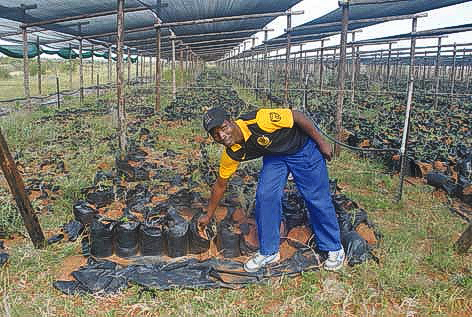
As part of the winding down process, assets belonging to the zone, irregular payments, verification of past salary adjustments and overpayments to staff are to be recovered. For instance, a bio-diesel project started on the outskirts of Mafikeng was a huge flop as the jatropha plants never left the nursery and the site currently resembles a wasteland.

Democratic Alliance provincial leader Chris Hattingh said the MIDZ was a waste from its inception. “The entity should never have been started and should have been closed at least six years ago. It received millions for nothing and has only succeeded in downgrading a Grade 7 airport to Grade 1 standards, making it equal to a farm airstrip,” he said. Source: The New Age

Related articles

SA auto industry to gain from 2013 policy shift

Trade remedies are by their very nature complex and most often ill-thought-out. This is said not so much from an entity whom gains to benefit from such an incentive scheme but more from an administrative and compliance perspective. These schemes require more than your average customs and trade consultant; someone who in fact not only knows  customs and trade law very well, but the motor industry as well. Similarly, on the side of the administrating authority an equally adept and experienced team is required to audit this process. I would like to believe that every attempt has been made to ensure that clear legal and procedural guidelines are in the offing, compared to the current MIDP process. On the other side of the coin, exactly how will the local community benefit from the ‘auto cartel’s’ new fortune? Based on SARS recent publication of its Compliance Programme it is noted that the tobacco and textile industries are singled out for scrutiny. Has the motor industry been purposely overlooked?

The SA motor industry stands to benefit from the introduction of a new programme next year, which will affect firm-level strategies, according to Standard Bank research analyst, Shireen Darmalingam. The Automotive Production Development Programme (APDP) aims to raise volumes to 1.2 million vehicles produced per annum by 2020, and to diversify and deepen the components supply chain. The new programme replaces the Motor Industry Development Programme (MIDP), which has been in existence since 1995. The soon-to-be phased out programme centred, among other things, on encouraging motor vehicle and component exports by allowing duty-free imports or reduced import tariffs, depending on the level of local content of exports.

Darmalingam said the replacement of the MIDP should not be viewed as a failure but rather as a point from which to move on and encourage further development of the SA motor industry. She said the APDP would offer the local automotive industry a sense of certainty through to 2020, which should encourage further growth.

“Whether the APDP will benefit certain industries more than others is still a contested question. Indeed, it appears that some benefits may be in favour of larger firms. Nonetheless, all firms are in line to benefit from the new APDP programme.” She said there was a concern that multinational companies were choosing to source leather products from suppliers closer to the major markets. She added that there was a further concern that the APDP, which aimed to provide a production incentive rather than an export incentive, might impact negatively on export-orientated component companies such as those in the leather sector.
However, she said sectors that supplied the aftermarket should benefit from the shift in policy, from MIDP to APDP, due to be implemented from January next year. Source: Business Live