 From time to time it is nice to reflect on a good news story within the local customs and logistics industry. Freight & Trade Weekly’s (2015.11.06, page 4) article – “SA will be base for development of single customs platform” provides such a basis for reflection. The article reports on the recent merger of freight industry IT service providers Compu-Clearing and Core Freight and their plans to establish a robust and agile IT solution for trade on the African sub-continent.
In recent years local software development companies have facilitated most of the IT changes emerging from the Customs Modernisation Programme. Service Providers also known as computer bureaus have been in existence as far back as the early 1980’s when Customs introduced its first automated system ‘CAPE’. They have followed and influenced Customs developments that have resulted in the modern computerised and electronic communication platforms we have today. For those who do not know there are today at least 20 such service providers bringing a variety of software solutions to the market. Several of these provide a whole lot more than just customs software, offering solutions for warehousing, logistics and more. As the FTW article suggests, ongoing demands by trade customers and the ever-evolving technology space means that these software solutions will offer even greater customization, functionality, integration and ease of use for customers.
What is also clear is that these companies are no longer pure software development houses. While compliance with Customs law applies to specific parties required to registered and/or licensed for Customs purposes, the terrain on which the software company plays has become vital to enable these licensees or registrants the ‘ability to comply’ within the modern digital environment. This means that Service Providers need to have more than just IT skills, most importantly a better understanding of the laws affecting their customers – the importers, exporters, Customs brokers, freight forwarders, warehouse operators, etc.
Under the new Customs Control Act, for instance, the sheer level of compliance – subject to punitive measures in the fullness of time – will compel Service Providers to have a keen understanding of both the ‘letter of the law’ as well as the ability to translate this into user-friendly solutions that will provide comfort to their customers. Comfort to the extent that Customs registrants and licensees will have confidence that their preferred software solutions not only provide the tools for trading, but also the means for compliance of the law. Then, there is also the matter of scalability of these solutions to keep pace with ongoing local, regional and global supply chain demands.
The recent Customs Modernisation Programme realised significant technological advances with associated benefits for both SARS and trade alike. For the customs and shipping industry quantification of these benefits probably lies more in ‘improved convenience’ and ‘speed’ of the customer’s interaction with SARS than cost-savings itself. My next installment on this subject will consider the question of cross-border trade and how modern customs systems can influence and lead to increased regional trade.


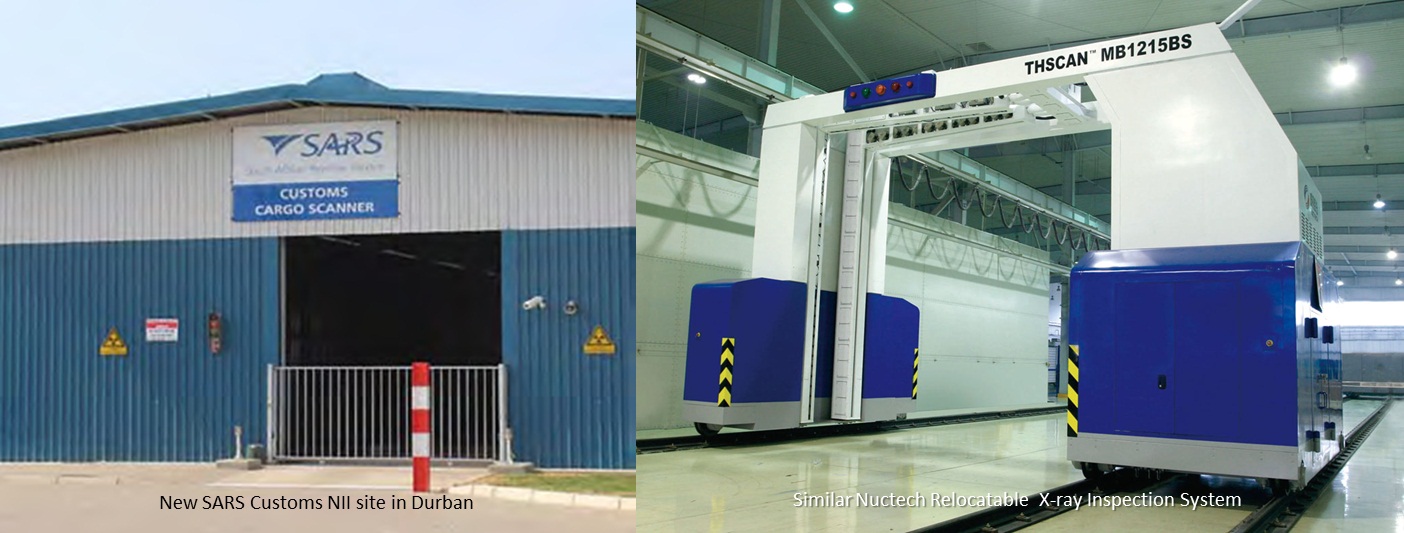
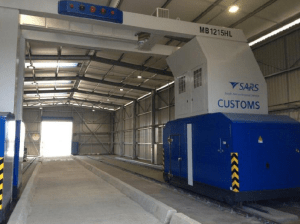 The following article suggests the need for greater consultation and collaboration between all supply chain parties. While the associated costs relating to supply chain movements is not the purview of SARS, these should be considered as part of the overall impact assessment in the lead up to such an implementation. For all intents and purposes this is an unintended consequence. Stakeholders should also note that the SA government has not imposed any fee for the scanning of cargoes to re-coup costs. Non-intrusive inspection (NII) capability is a tenet of international customs control intended to mitigate security threats and incidents of cargo misdeclaration, even legitimate cargo that can be used to mask harmful products stowed in vehicles/containers. The issue of increased cost of compliance has unfortunately been a trait of many international customs developments ever since the advent of ‘heightened security’ – post 9/11 and seems destined to remain a ‘challenge’ as we supposedly move into an era of increased trade facilitation.Joint collaboration between all parties not only assists in better understanding of the broader supply chain landscape but can also contribute to positive measures on the ‘ease of doing business’.
![[Picture Credit: John Moore - Getty Images]](https://mpoverello.com/wp-content/uploads/2015/06/zim-rsa-border-john-moore-getty-images.jpg?w=300&h=187)
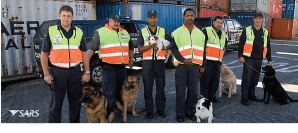
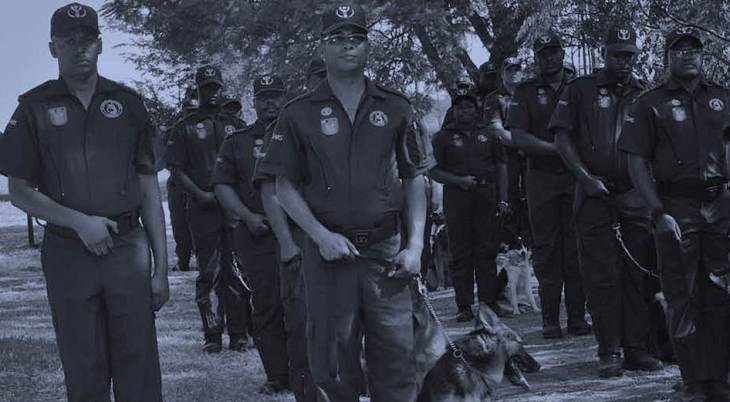 A gruelling four months of training came to an end during May 2015 as 33 Customs officers and their detector dogs graduated from the SARS Detector Dog Training Academy. A graduation ceremony was held in Pretoria. It was the culmination of a training course where officers were, together with their canine charges, were trained in the finer aspects of the detection of illegal substances and goods in vehicles, vessels, aircraft, containers, cargo, mail, rail, luggage and buildings.


 Three Zimbabweans and a South African were arrested in Limpopo province for allegedly teaming up and smuggling cigarettes worth $200,000 into the neighbouring country. The Zimbabwean trio, Takuzo Mutswiro, 22, Tatenda Nyamhunga, 31, Joseph Mhembwe, 27 and Gilbert Mamburu, 54, a South African from Tshiozwi village in Limpopo province, were arrested last week at Tshilwavhusiku near Thohoyandou after police intercepted a truck they were using to transport the cigarettes.
 A draft Notice for the rules under section 21A relating to Special Economic Zones has been made available for public comment. The draft rule amendments proposed under section 21A refer to the substitution of Industrial Development Zone (IDZ) for Special Economic Zone (SEZ). The draft rules can be accessed on the

 What Happened to the Portcullis?
You must be logged in to post a comment.