
The consumption of illicit cigarettes fell below 8 per cent of total cigarette use last year, but was still equivalent to nearly 39bn smokes and €9.5bn in lost tax revenues, says a new report.
The latest edition of the annual study – carried out by KPMG on behalf of tobacco giant Philip Morris International – also found that imports of illicit cigarettes from non-EU countries such as Ukraine and Belarus declined in 2019, with law enforcement reports suggesting there are “increasing volumes from illegal factories within the EU.”
Illicit ‘whites’ with no country specific labelling – i.e. legally produced cigarettes that are smuggled and traded illegally, often through free trade zones (FTZs) – remain the largest element of the counterfeit and contraband (C&C) category, representing 23.1 per cent of total EU illicit consumption or 9bn cigarettes.
Counterfeit of brands owned by manufacturers participating in empty pack surveys grew to 7.6bn cigarettes, an increase of more than 38 percent over 2018’s figure, and is the highest level ever recorded by KPMG. Counterfeit consumption was the highest in the UK and Greece.
The overall picture is one of increasing sophistication by the criminal networks behind the illicit trade, with multiple production units to compensate if one is raised, and increasingly high tech manufacturing equipment. New groups are also emerging that are focusing specifically on smuggling raw and fine cut tobacco.
“Illicit manufacturers are producing counterfeit, established and new illicit white brands to order at scale for organisations and smugglers who can arrange distribution of large volumes, either in large shipments or increasingly via high frequency, low volume shipments,” says KPMG.
Criminal groups are exploiting new distribution channels, such as rail, as it is faster than traditional shipping routes, as well as courier packages which are small and hard for law enforcement to detect, according to the report.
“The continued decline of illicit tobacco trade in the EU is a positive development and reinforces the importance of supply chain control measures, strict enforcement, and collaboration in combating this issue,” said Alvise Giustiniani, vice president of Illicit Trade Prevention at PMI.
However, while considerable efforts have taken place to stem contraband cigarettes from flowing into the EU, “we are once again seeing criminal organisations shifting their operations to stay one step ahead of anti-illicit programmes, according to the company.
Source: Phil Taylor, Securing Industry, 26 June 2020

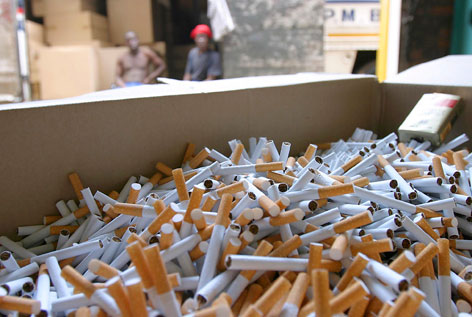
 Rampant cigarette smuggling isn’t the problem in New York–“sky-high” tobacco taxes are, according to an op-ed by Patrick M. Gleason, director of state affairs at Americans for Tax Reform, in The Wall Street Journal.
 Three Zimbabweans and a South African were arrested in Limpopo province for allegedly teaming up and smuggling cigarettes worth $200,000 into the neighbouring country. The Zimbabwean trio, Takuzo Mutswiro, 22, Tatenda Nyamhunga, 31, Joseph Mhembwe, 27 and Gilbert Mamburu, 54, a South African from Tshiozwi village in Limpopo province, were arrested last week at Tshilwavhusiku near Thohoyandou after police intercepted a truck they were using to transport the cigarettes.
 The nation awaits the 2015 Budget Speech with trepidation to know if income taxes will rise. But there is unanimous certainty there will, as per usual, be an increase in ‘Specific Excise Duties’. The only question is by how much? Taxation of cigarettes and tobacco products appears to be the path of least resistance for tax-collectors. It receives little backlash from the wider public (unlike e-tolls) and even support in some quarters.
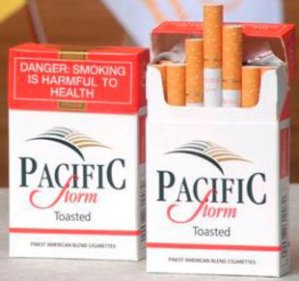 An intricate web of smugglers, which reportedly involves manufacturers and middlemen, has been illegally carting cigarettes worth millions of dollars out of the country over the years, prejudicing the treasury of vital revenue.
![Revenue officials unload the Shingle at Dublin Port after 32 million cigarettes were seized [Picture: Irish Mirror]](https://mpoverello.com/wp-content/uploads/2014/12/revenue-officials-unload-the-shingle-at-dublin-port-after-32-million-cigarettes-were-seized.jpg?w=300)
 South Africa leads Africa in the illicit trade in tobacco and is listed among the top five illicit markets globally, according to the Tobacco Institute of Southern Africa, which represents tobacco growers, leaf merchants, processors, manufacturers, importers and exporters of tobacco products in SA.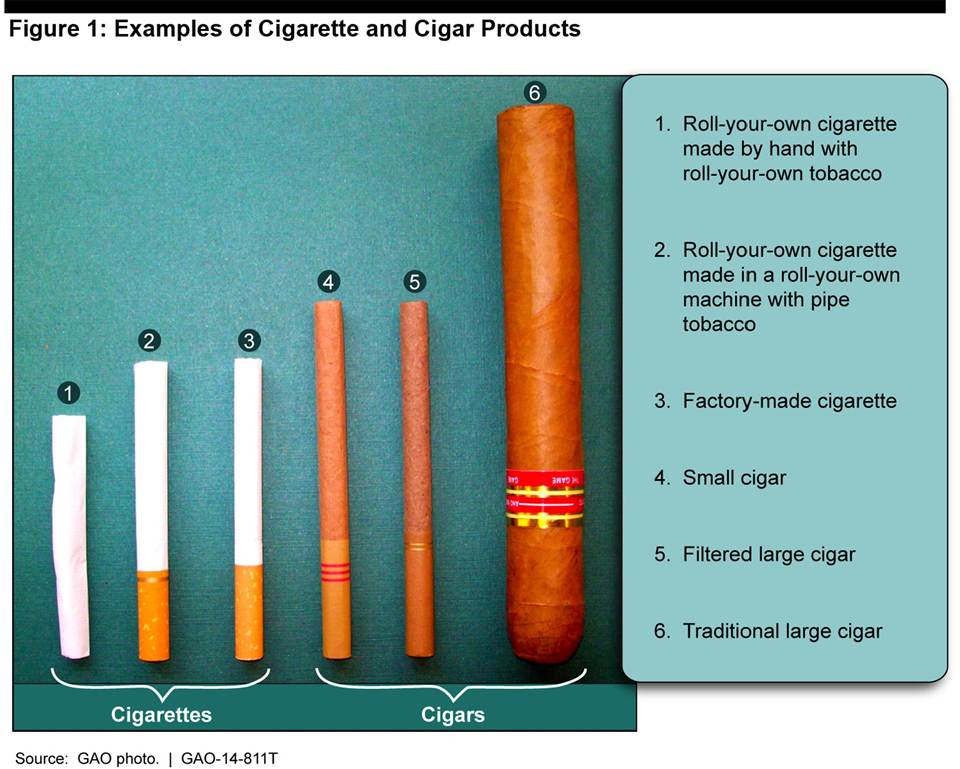


 What Happened to the Portcullis?
You must be logged in to post a comment.