Africans roast South Africa for lack of openness

Chris Kirubi is a leading Kenyan businessman [www.kenyan-post.com]

Chris Kirubi is a leading Kenyan businessman [www.kenyan-post.com]

Frustration over Africa’s disparate tax, travel, investment and trading regimes boiled over yesterday as Chris Kirubi, a leading Kenyan businessman and one of the wealthiest people on the continent, tore into South Africa’s failure to be a leading light in opening up the continent for business. Kirubi was a participant in a panel discussion at the “Africa: The Outlook, the Opportunity” event hosted by former New York City mayor Michael Bloomberg in downtown Johannesburg.

To underscore his frustration, the outspoken Kirubi questioned why African travel businesses kept going to Europe and North America to sell African tourism, leaving behind Africans like him who needed no further convincing about visiting Africa. “Open markets are not happening yet. We must open markets for people, goods and services,” Kirubi said. “South Africa needs to take leadership by opening up for smaller countries. How many of us have been allowed to invest here?”

His sentiments on the issue of openness were echoed by Reserve Bank governor Gill Marcus, who said the focus in Africa should be about co-operation and less about competition. Marcus, who seemed rather at ease five days after a slide in global emerging market currencies prompted her to hike interest rates, said the issue was “how do we use our different strength to benefit Africa as a whole”. She said co-operation would be particularly critical in dealing with three core challenges facing the continent: water, food and energy.

To illustrate what was possible if African governments worked together to create a more open investment environment, Aigboje Aig-Imoukhuede, the vice-president of the Nigerian Stock Exchange (NSE), said there was an emerging notion in west Africa, in terms of which Ghana was seen as the gateway and Nigeria as the destination.

He added that the NSE was planning to visit the JSE in the coming months to explore areas of possible co-operation. In that regard, as an economic powerhouse, South Africa had an important role to play in reshaping how Africa did business, not only with the rest of the world but more importantly with itself.

“There are major issues we are not addressing and it is an issue of laws,” added Kirubi, who is also the east Africa chairman of a joint venture with Tiger Brands, South Africa’s biggest consumer goods company.

On tax, he asked why South Africa and Kenya did not have a tax agreement and why he needed to go via Mauritius each time he needed to open a holding company. “We have a problem. We’ve got to wake up.”

Finance Minister Pravin Gordhan was also among the panellists. He acknowledged that there were “huge challenges” in the mining sector, but reiterated the need for perspective on issues relating to labour strikes. “There is a lot of good work being done. In the next few years, skills development and training will be [enhanced] a lot more.” Source: Business Report

SRA to migrate to ASYCUDA World before year end

SRA-logoThe Swaziland Revenue Authority (SRA) will before the end of the year migrate from the Automated System of Customs Declaration Administration Plus (ASYCUDA) to ASYCUDA World. ASYCUDA Plus is about 25 years old and sits on very old technology. The migration to a more modern web based system would improve the processes of customs clearance. Ministry of Commerce, Industry and Trade acting Principal Secretary Titus Khumalo said this change would also improve data collection as well as reconciliation, particularly with the country’s major trading partner South Africa in the context of the Southern African Customs Union (SACU) revenue sharing formula.

He said the Common Market for Eastern and Southern Africa (COMESA) Fund had provided SRA with funding and technical assistance for the migration to take shape and be fully implemented.

“The ministry is eagerly looking forward to full implementation of the migration of ASYCUDA Plus to ASYCUDA World, which will greatly improve our systems of customs clearance. We are looking forward to implementation of the findings of the Time Release Study (TRS) which was funded by the World Bank. The TRS is aimed at improving the movement of trucks and the clearance of goods across our borders as well as in our inland and dry port in Matsapha,” he said during the International Customs Day celebrations hosted by the SRA on Friday evening at the Royal Swazi Convention Centre.

Khumalo said they welcomed the substantial progress made on the trade facilitation negotiations by the World Trade Organisation (WTO) during the ministerial conference that was held in Bali, Indonesia in December 2013. The acting PS said agreements of the meeting included transit of goods as well as fees and formalities in relation to exportation and importation. He said the framework also spoke to issues of publication and administration of trade regulations.

“Another section deals with the necessary technical assistance that may be required by developing members of the WTO including Swaziland to implement the trade facilitation agreement. We were very fortunate as a country that before the ministerial conference in Bali, we hosted a workshop with the assistance of TradeMark Southern Africa (TMSA), which focused on self-assessment and priorities for Swaziland in the area of trade facilitation in the context of the WTO negotiations,” he said.

Khumalo said the report on the workshop identified trade facilitation needs for Swaziland, which would trigger funding from cooperating partners in line with provisions of the Multilateral Trade Facilitation Agreement. Source: Swaziland Observer

South Africa Economic Update – Focus on Export Competitiveness

WB-South Africa-Export CompetitivenessThe report, South Africa Economic Update 5: Focus on Export Competitiveness, examines the performance of South Africa’s export firms against that of peers in other emerging markets— and analyzes the challenges. It assesses South Africa’s economic prospects in the context of the global economic environment and prospects.

With this Economic Update, we hope to enrich the on-going debate on growing a sector critical for South Africa’s economic growth. As with previous editions, this report is intended not to be prescriptive but to offer evidence-based analysis that will help bring South Africa’s policymakers, researchers, and export stakeholders closer to finding innovative and sustainable ways to grow the sector. The report highlights opportunities for growth, particularly with Sub-Saharan Africa being the largest market for non-mineral exports. It also explores strategic directions that can ignite export growth and help South Africa realize its goals of creating jobs and reducing poverty and inequality.

The report identifies three areas that present opportunities to promote the competitiveness and spur the growth in South Africa’s export sector:

  • Boosting domestic competition would increase efficiency and productivity. By opening local markets to domestic and foreign entry, South Africa would enable new, more productive firms to enter and place downward pressure on high markups. This would lower input costs and tip incentives in favor of exporting by reducing excess returns in domestic markets. Competition would also stimulate investment in innovation and, over time, condition the market to ensure that firms entering competitive global markets have reached the productivity threshold to support their survival and growth.
  • Alleviating infrastructure bottlenecks, especially in power, and removing distortions in access to and pricing of trade logistics in rail, port, and information and communication technologies would reduce overall domestic prices and further enhance competitiveness. It would be especially beneficial for small and medium-size exporters and non-traditional export sectors, which these costs tend to hit harder.
  • Promoting deeper regional integration in goods and services within Africa would generate the right conditions for the emergence of Factory Southern Africa, a regional value chain that could feed into global production networks. South Africa could play a central role in such a chain, leveraging the scale of the regional market, exploiting sources of comparative advantage across Africa to reduce production costs, and providing other countries in the region a  platform for reaching global markets. Progress on all three fronts would help catapult South Africa toward faster-growing exports, allowing it to realize the higher, more inclusive, job-intensive growth articulated in the National Development Plan.

Source: World Bank

Hundreds of dead animals found at South Africa airport

Some 400 endangered amphibians and reptiles have died from dehydration and improper shipping in South Africa, animal inspectors say.

More than 1,600 animals were discovered crammed into two crates at the OR Tambo International Airport. The survivors are being treated at a local zoo.

The animals, from Madagascar, had been without water and food for at least five days, reports say. They are believed to have been destined for the exotic pet market in the US.

The surviving animals have been taken to the Johannesburg Zoo, where they are said to be “stable”.

“A substantial number have stabilised, eating and drinking, there are about over 1,200 that have survived – others with irreparable damage,” the zoo’s veterinarian Brett Gardener told the BBC.

Mr Gardener said while some losses can be expected when shipping animals over long distances, what possibly exacerbated this particular case was the delay to the connecting flight to the US.

“The boxes arrived on Tuesday morning and were scheduled to connect on a flight that evening. The flight was delayed indefinitely due to bad weather and attempts to put them in another flight failed,” he said.

The animals were found on Wednesday after an inspector from the National Society for the Prevent of Cruelty to Animals (NSPCA) noticed “a bad smell” during a routine cargo inspection and found that some of the animals in the boxes had begun decomposing and some were barely alive.

The animals, which included at least 30 different species of frogs, chameleons, lizards and toads and geckos, had been placed in two crates about half a metre in size – one on top of the other.

The chameleons were tied in small muslin bags, while the other reptiles and amphibians were crammed into small plastic tubs.

Some of the animals were so tightly packed together that they were unable to move or turn around, local media report.

Many of the recovered animals were classified as endangered, vulnerable, or threatened, according to the Convention on the International Trade in Endangered Species (Cites).

Those on Cites appendix II protocol, meaning that they can be traded, but only with a special permit.

The Star newspaper reports that they did have the authorisation but local animal rights groups have called for an investigating into how the consignment came to arrive in South Africa.

The NSPCA and the Department of Agriculture, Forestry and Fisheries are further investigating the matter.

“The authorities suspect that there are South African agents involved [who work as middle men] and once investigations are finalised they would be charged with animal cruelty,” said Ainsley Hay, head of the NSPCA’s Wildlife Unit.

The department will be contacting authorities from Madagascar to discuss what should be done with the animals, until then they will be treated in some zoos locally.

Madagascar, the fourth largest island on the planet, is deemed one of the world’s biological hotspots. Source: BBC

Rapid progress on City Deep Container Terminal upgrade

Rapid progress is being made on a multimillion rand contract awarded by Transnet Capital Projects to Concor Civils for the construction of new concrete paving, civil services and electrical lighting at its City Deep Container Terminal. The terminal is currently being upgraded as part of Transnet’s rolling capital investment programme.

The container terminal at City Deep is known to be the largest “dry port” in the world and the City Deep area has been declared an IDZ (Industrial Development Zone) by the Gauteng government. (?)

The contract is scheduled for completion in May 2014 and includes the removal of 36 500 m3 of existing concrete paving, 110 000 m3 of earthworks, the installation of a new drainage system and all service ducting and manholes for lighting, fire mains, CCTV equipment, 360 t of mesh reinforcing and the placing of approximately 146 000 m2 of concrete paving.

The Concor Civils team is making use of as many emerging contractors as possible to supply services such as pipe laying, ducting and manholes and has undertaken to employ about 90 general workers at peak from the local community at a cost of some R10 million. These temporary workers will be given on the job training in basic technical skills, as well as in life skills. Source: Transport World Africa

Africa – Strange Deliveries by DHL in 2013

Gorilla-weekinbrief-bigAn unusual cargo list has been released by DHL Express Sub-Saharan Africa of their 2013 deliveries.

In Kenya live human eyes are transported frequently. Sumesh Rahavendra, head of marketing for DHL Express Sub-Saharan Africa, said: “The corneas have an extremely short lifespan and are therefore highly perishable, which possess a significant challenge to us.

“What adds to the complexity is the fact that the recipient is booked and prepped for surgery while the cornea is in transit.

“The successes of these deliveries rely on prior customs releases, dedicated delivery vehicles and a passionate team of certified international specialists on the ground.

“When there is no margin for error and the result could affect another person’s opportunity for sight, every stop is pulled out from pickup to delivery.”

Rahavendra continued: “One unique shipment to mention is a 32kg consignment of Haggis which was moved from the UK to Tanzania for an event.

“The Scottish delicacy was swiftly transported through Customs and delivered in time for the prestigious event.”

For conservation, there was a transport of butterfly larvae in Kenya. Rahavendra said: “Any delay in the transport process would result in the premature hatching of the butterflies, from which they would not have survived. Following a similar operational process as the transport of the corneas previously mentioned, another successful, yet another unique delivery was completed.”

Another astonishing delivery was 1.7 tons of fresh flowers sent from Johannesburg to Douala in Cameroon for a wedding.

This personal request came from a customer whose two sons were getting married on the same day,” said Rahavendra.

“Fast forward a few short hours, and a splendor of colour was delivered to the event in time for the all-important nuptials.”

Other strange and prompt delivery requests included transporting nine gorillas across two continents, a specific heart internal defibrillator, the Rugby World Cup Webb Ellis trophy, and a customer’s laundry from the UK to South Africa for dry cleaning!

Rahavendra said. “Although sometimes challenging and stressful, such requests certainly help bring a smile to our faces on a busy day.” Source: APO (African Press Organization)

SA Government to Prioritise and Pass Customs Bills

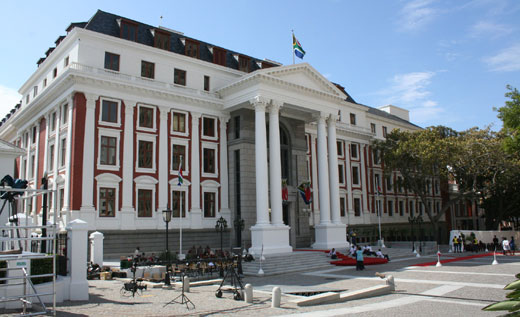
Parliment, Cape Town (Eye Witness News)

Parliament, Cape Town (Eye Witness News)

Government has decided to prioritise the passage of eight bills through Parliament. The bills deal with land restitution, labour relations, and customs and excise.

There are currently 42 bills before the National Assembly and the National Council of Provinces. With the fourth Parliament set to be dissolved ahead of looming general elections, Members of Parliament (MPs) are unlikely to deal with all 42 bills.

A statement just released by the ANC’s office in Parliament to the media states –

“The African National Congress in Parliament has taken note of the huge parliamentary workload which the institution has to process in the next few months before the expiry of the current five-year term of parliament. In terms of the Constitution, the current term of Parliament is set to end ahead of the 2014 national elections. The workload confronting the institution includes committee oversights, constituency programmes, adoption of committee reports, debates on the state of the nation address and the budget, and finalisation and adoption of Bills.”

“Currently, there are 24 Bills before the National Assembly (NA) and 18 currently before the National Council of Provinces (NCOP) – which is a total of 42 Bills the institution must pass before the elections. Our view is that all these Bills are important and therefore the institution should spare neither strength nor effort in ensuring they are processed qualitatively and thoroughly to ensure that they are converted into laws within the stipulated period. We are however alive to the possibility that not all these Bills may be passed in the next few remaining months of parliament.”

“We have therefore sought to prioritise the following Bills, which we believe Parliament should give special attention to ensure they are passed into laws. In terms of the rules of Parliament, Bills that are not passed within the current term of Parliament may be resuscitated in the next parliamentary term. This will be done for those Bills that might not be passed during this term.”

“In determining priority Bills, we have looked at criteria such as complexity, contentiousness, technicality, effect on provinces, and requirement for exhaustive consultation. [Three of the eight bills relate to Customs and Excise]

  1. Customs Control Bill of 2013 – The Customs Control Bill is intended to replace certain provisions of the Customs and Excise Act of 1964 relating to customs control of all means of transport, goods and persons entering or leaving South Africa. The Bills aims to ensure that taxes imposed by various other laws on imported or exported goods are collected and that various other laws regulating imports and exports of goods are complied with. To ensure effective implementation of customs control, the Bill provides for elaborate systems for customs processing of goods at places of entry and exit such as seaports, airports and land border posts;
  2. Customs Duty Bill of 2013 – The Customs Duty Bill is intended to replace certain provisions of the Customs and Excise Act of 1964 which relates to the imposition and collection of imports and export duties. The Bill primarily aims to provide for the levying, payment and recovery of import and export duties on goods imported or exported from South Africa. The Bill will be dealt with in terms of Section 77 of the Constitution; and
  3. Customs and Excise Amendment Bill of 2013 – The Customs and Excise Amendment Bill seeks to amend the provisions of the Customs and Excise Act of 1964 and to remove from the Act all the provisions that have now been incorporated into both the Customs Control Bill and the Customs Duty Bill. Essentially, because the Customs and Excise Amendment Act of 1964 strongly reflected rigidity reminiscent of the apartheid era controls, which are unsuitable to the current modern control systems, it has been split into both the Customs Control Bill and the Customs Duty Bill. The Customs and Excise Amendment Act of 1964 will for now be retained in an amended form for the continued administration of excise duties and relevant levies until it is completely replaced with a new law in future (i.e. Excise Duty Bill).”

Source: Excerpt of a press statement of the Office of the Chief Whip of the ANC, Parliament.

Zimbabwe to use the Chinese currency as legal tender

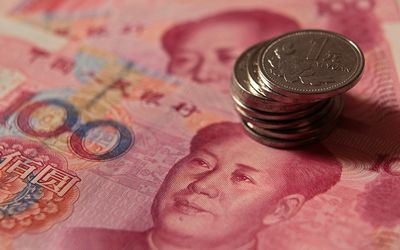
yuanZimbabwe’s central bank on Wednesday said it would allow the Chinese yuan, Indian rupee, Japanese yen, and Australian dollar to be added into the basket of multiple currencies to be circulated inside the country.

The decision was unveiled by the monetary statement issued by acting governor of the Reserved Bank of Zimbabwe Charity Dhliwayo.

“We wish to advise exporters and the general transacting public that individuals and corporates can also open accounts denominated in the Australian Dollar (AUD), Chinese Yuan (CYN), Indian Rupee (INR) and Japanese Yen (JPY),” Dhliwayo said.

She said the decision to include the three foreign currencies is made upon the consideration that trade and investment ties between Zimbabwe, China, India, Japan and Australia have grown appreciably in recent years.

Zimbabwe has adopted a multiple currency system since the collapse of its local currency, the Zimbabwean dollar in 2009. The most used currency in the southern African country since then has been the US dollar and South African rand. The Botswana pula and British pound are also among the foreign currencies allowed to circulate.

Zimbabwe’s Finance Minister Patrick Chinamasa said last December during his annual budget statement that the multiple currency system is to stay for foreseeable future.

China is Zimbabwe’s major trading partner. Bilateral trade exceeded 1 billion US dollars for two consecutive years since 2012. While Zimbabwean officials have expressed the intention to add Chinese yuan into the currency basket, no formal agreement has been signed between the central banks of the two countries yet. Source: zimdev.wordpress.com

Landmark East and Southern African Customs forum focuses on modernisation

WCO ESA_Snapseed

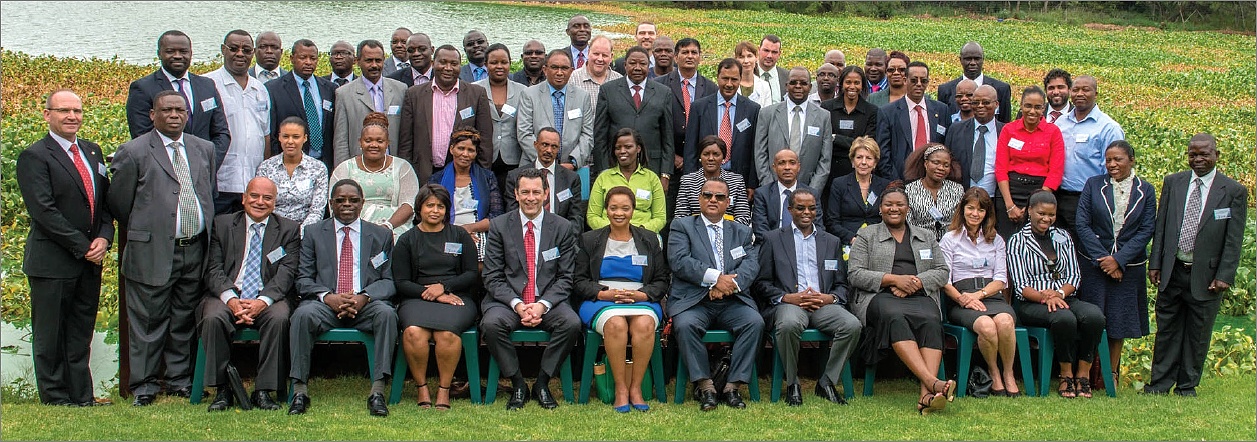
Participants from all 24 members of the WCO’s Eastern and South African region attended the forum. [SARS]

Customs officials from 24 eastern and southern African countries met in Pretoria this week to share knowledge and experience with regard to the successful modernisation of Customs administrations.

Opening the three-day forum, Erich Kieck, the World Customs Organisation’s Director for Capacity Building hailed it as a record breaking event.

“This is the first forum where all 24 members of the Eastern and Southern African region (ESA) of the WCO were all in attendance,” he noted. Also attending were officials from the WCO, SACU, the African Development Bank, Finland, the East African Community and the UK’s Department for International Development (DFID).

Michael Keen in the 2003 publication “Changing Customs: Challenges and Strategies for the Reform of Customs Administrations” said – “the point of modernisation is to reduce impediments to trade – manifested in the costs of both administration incurred by government and compliance incurred by business – to the minimum consistent with the policy objectives that the customs administration is called on to implement, ensuring that the rules of the trade game are enforced with minimum further disruption”

The three-day event witnessed several case studies on Customs modernisation in the region, interspersed with robust discussion amongst members. The conference also received a keynote addressed by Mr. Xavier Carim, SA Representative to World Trade Organisation (WTO), which provided first hand insight to delegates on recent events at Bali and more specifically the WTO’s Agreement on Trade Facilitation.

The WCO’s Capacity Building Directorate will be publishing a compendium of case studies on Customs Modernisation in the ESA region during the course of 2014.

WCO ESA members – Angola, Botswana, Burundi, Comoros, Djibouti, Eritrea, Ethiopia, Kenya, Lesotho, Madagascar, Malawi, Mauritius, Mozambique, Namibia, Rwanda, Seychelles, Somalia, South Sudan, Swaziland, South Africa, Tanzania, Uganda, Zambia and Zimbabwe.

This slideshow requires JavaScript.

Source: SARS

Message from the WCO – International Customs Day 26 January 2014

WCO_background image POSTER_CommunicationThis year’s International Customs Day heralds the launch of the WCO Year of Communication, a year in which we, as a Customs community, move to further enhance our communication strategies and worldwide outreach programmes.

Under the slogan “Communication: sharing information for better cooperation,” we are signaling our aspiration to do more at the national, regional and international level to raise awareness of the vital role Customs plays in international trade, economic prosperity and social development.

Communication is a sharing process which fosters cooperation, and as Customs is at the centre of a network of relations, developing a sound internal and external communication strategy promotes transparency, facilitates dialogue, builds trust and ensures mutual understanding.

With our unique expertise, Customs has made great strides over recent years in achieving better visibility with national governments, international organizations, the business sector, the donor community, development banks and other international trade stakeholders.

Good communication practices by WCO Members are abundant: national Customs websites, specialized magazines, media outreach and social networks are trailblazing the way towards greater awareness of the contribution of Customs to a more resilient trade environment.

Complementing these efforts, the WCO Secretariat also has a number of communications tools to help get the word out, including the Organization’s new dynamic website, its popular and insightful WCO News magazine and our growing online social media presence.

Just as important, is the WCO’s efforts to engage as many Presidents, Ministers, leaders and international policy makers as possible in order to defend Customs’ interests, further raise its profile and create better awareness of the opportunities and challenges it faces.

It is equally imperative that we also focus on how we communicate with our stakeholders and partners, how we listen to their feedback and how we decide to respond, as this will encourage stronger support for the work we do and ensure greater buy-in to WCO strategies.

In fact, communication is a two-way process by which information and knowledge are exchanged and shared between individuals – it is not only about sending a message or passing on information, it is also about exploring, discovering, researching and generating knowledge.

As in previous years, I am fully convinced that Customs administrations and the greater Customs community will rise to the occasion, committed to actively taking the communication theme forward and thereby ensuring the success of the WCO Year of Communication.

Wishing you all a joyful International Customs Day!

Kunio Mikuriya Secretary General

Durban Harbour – a Pictorial History from 1835 to the Present Day

During December 2013, I received a fabulous book from a business acquaintance. Titled ‘Durban Harbour’, this special souvenir issue tells the fascinating history of Durban Harbour from 1835 to the present day. It reveals the extraordinary engineering skills and resilience that shaped Durban harbour into the largest and busiest harbour on the African continent and a major player in Global trade.

Recently another milestone was achieved for Durban harbour with the arrival in Durban of the largest container ship to dock in South African waters the MSC Sola – a giant of 131,771 tons and capable of carrying 11,660 containers, with a length of three and a half rugby fields. The ship’s visit to Durban was as a result of the widening and deepening of the port in 2010. See post – Durban awaiting arrival of 11, 660 TEU container ship.

But the story of Durban as a viable deepwater port is weaved in rich history and as Durban harbour approaches its second century – it is also time to toast the entrepreneurs for their innovation and the workers, harbour pilots, tug and train crews who played such a vital part in the day to day operations of the harbour.

For more information regarding the publication, and details of purchasing it visit the author, Stuart Freedman’s website – History of Durban Harbour.

Related articles

Death by China

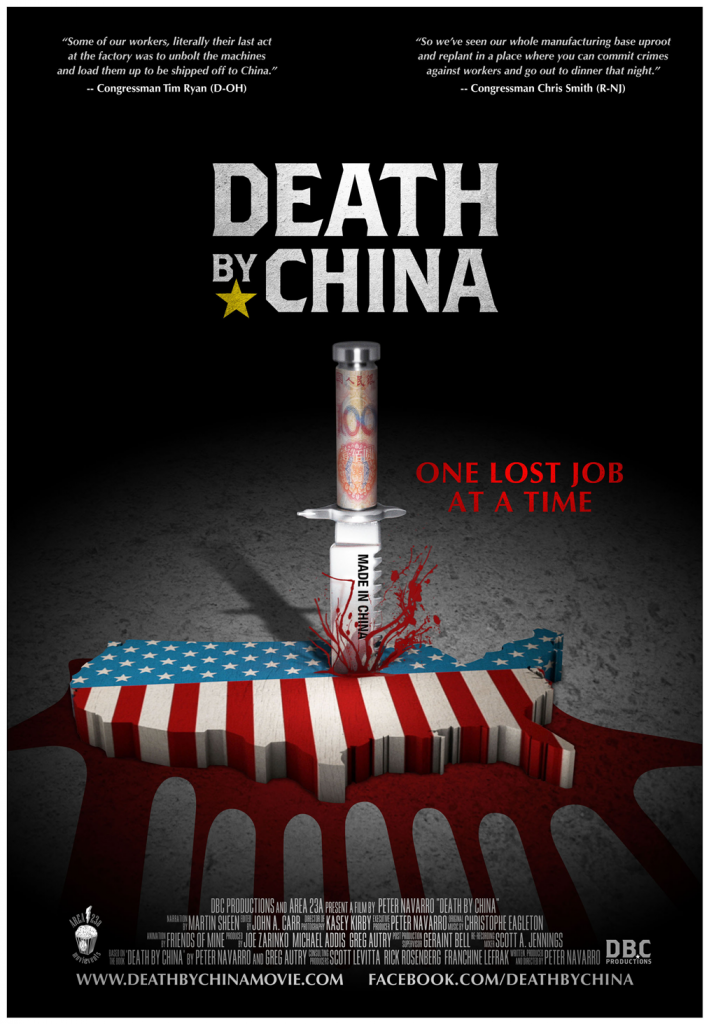
DeathByChina1013x1463-709x1024The featured documentary should be mandatory viewing for all small to medium company owners, economic and foreign trade advisers. While we are inclined to blame the Chinese for all prevailing economic woes, it is in fact the blatant greed of western CEO’s – multinational companies in particular – who have placed profit above prosperity of their country. The film clearly spells out the causes for the systematic destruction of the american economy and manufacturing base, all for the sake of shareholders and outrageous CEO bonuses. The rampant expansion of China in Africa should raise serious concerns for all sub-Saharan African citizens whose elected leaders appear happy, but oblivious, in courting the Chinese with little or no consideration of the realities of their economic and human rights track record.

DEATH BY CHINA is a documentary feature that pointedly confronts the most urgent problem facing America today – its increasingly destructive economic trade relationship with a rapidly rising China. Since China began flooding U.S. markets with illegally subsidized products in 2001, over 50,000 American factories have disappeared, more than 25 million Americans can’t find a decent job, and America now owes more than 3 trillion dollars to the world’s largest totalitarian nation. Through compelling interviews with voices across the political spectrum, DEATH BY CHINA exposes that the U.S.-China relationship is broken and must be fixed if the world is going to be a place of peace and prosperity. Visit – www.deathbychina.com for details on acquiring this powerful documentary.

“A truly life-changing, mouth-dropping documentary film…Peter Navarro’s ‘Death by China’ grabs you by the throat and never lets go.” Francesca McCaffery, Blackbook Magazine

Operation “Warehouse” – Joint Customs Operation prevents losses to the EU States

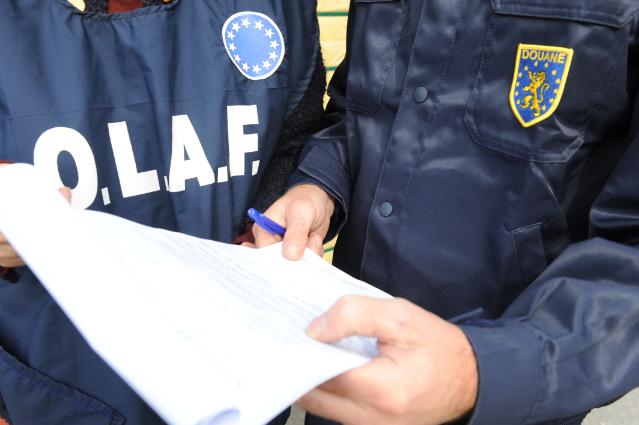
OLAFAlmost 45 million smuggled cigarettes, nearly 140.000 litres of diesel fuel and about 14.000 litres of vodka were seized during a major Joint Customs Operation (JCO). The Operation code-named “Warehouse” was carried-out in October 2013 by the Lithuanian Customs Service and the Lithuanian Tax Inspectorate in close cooperation with the European Anti-Fraud Office (OLAF), and with the participation of all 28 EU member states. As a result of Operation “Warehouse”, a significant potential loss to the budgets of the European Union and its Member States was prevented. According to preliminary estimates, this would have amounted to about € 9 million in the form of evaded customs duties and taxes. The final results of the Operation were discussed by the participants last week at a debriefing meeting in Vilnius and were made public today across Europe.

Algirdas Šemeta, Commissioner for taxation, customs, anti-fraud and audit, welcomed the very good results of the operation. “The fight against the smuggling of excise goods is one of our political priorities and we have launched a number of initiatives to better equip Europe against such harmful practices being run by organised criminal networks. JCO Warehouse is a good example of how the EU and Member States’ authorities can cooperate effectively to protect their revenue. Joint Customs Operations safeguard the EU’s financial interests and also protect our citizens and legitimate businesses”, he said. “Such Operations also highlight the added-value of OLAF in helping facilitate the exchange of information between our partners across Europe and in providing effective operational support.”

Operation “Warehouse” focused on cargo movement by road transport. It targeted the smuggling and other forms of illegal trade of excise goods such as mineral oil, tobacco products and alcohol throughout Europe. By using several complex scenarios in multiple EU Member States, fraudsters lawfully import goods into the EU but request a VAT and excise exemption by declaring the goods as subject to tax and duty exemption regimes (e.g. declaring the goods to be in transit). The trace of the goods is then lost through the fictitious disappearance of the traders or through a fictitious export. Fraudsters avoid paying VAT and excise duties, but the goods remain in the internal market, causing a substantial loss to the EU’s and Member States’ revenues.

JCO “Warehouse” was the first Operation carried-out in close cooperation with tax authorities to target excise and VAT fraud specifically, besides customs fraud. For the first time, customs and tax authorities cooperated on a European scale in a JCO. This is a significant achievement since the different competences and legal regimes applicable at national and EU level make it difficult to address complex fraud schemes with uniform measures. In this Operation, customs and tax authorities joined their expertise, resources and shared intelligence to prevent losses to the EU’s and Member States’ budget.

Eight seizures were made during the Operation. Among these, authorities seized 6.617.400 cigarettes in Sweden and Lithuania; 135.831 litres of diesel in Poland and the United Kingdom, and 14.025,6 litres of vodka in United Kingdom alone. Overall, 44.957.160 cigarettes were seized.

During the entire Operation “Warehouse”, OLAF provided organisational, logistical, financial and technical support to allow for an exchange of information and intelligence in real-time. This was coordinated from the Physical Operational Coordination Unit (P-OCU) at the OLAF premises in Brussels which facilitated direct communication with the national contact points. A group of liaison officers from some Member States representing all the participating 28 EU countries, worked from here during the Operation and experts from the Commission’s Directorate-General for Taxation and Customs Union provided support.

EUROPOL participated as an observer in the Operation. A representative of the office was present at the P-OCU during the operational phase of the operation. It was also possible to make direct cross-checks of suspect individuals and companies appearing during the JCO with EUROPOL via a secure internet connection. Source: EU Commission

“Captain Phillips” lands Six Oscar Nominations

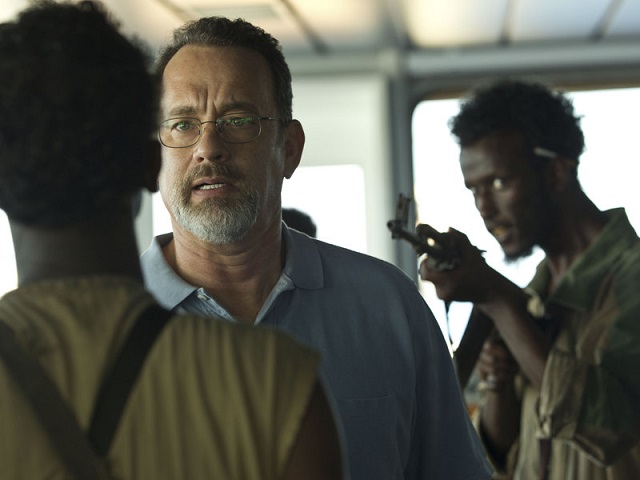
phillips-oscarsThe blockbuster film “Captain Phillips” has lived up to the hype, receiving a total of 6 Oscar Nominations including Best Picture and Best Supporting Actor for the first-time Somali actor who played the pirate leader, Muse.

“Captain Phillips”, directed by Paul Greengrass and starring Tom Hanks, was released in October and tells the story of the 2009 Maersk Alabama hijacking in the Indian Ocean and subsequent kidnapping of the captain, Capt. Richard Phillips.

Perhaps the biggest talk of today is the nomination of Barkhad Abdi in the Best Support Actor category for his role as Muse, the leader of a band of Somali pirates who seized the MV Maersk Alabama. Born in Somalia and raised in Yemen, Abdi moved to the U.S. as a teenager and was living and working as a limo driver in Minnesota when he was cast for the role, his first acting job ever.

Tom Hanks, on the other, did not receive any nominations for his role as Captain Richard Phillips.

While the film has been the focus of some controversy over the Captain’s decision to sail close to the Somali coast, overall it has taken center stage in promoting a strong U.S. Merchant marine, not to mention hailed by critics.

“The courage shown by Captain Phillips and his crew during their ordeal is a shining example of the brave American mariners who receive the best training in the world,” said Tom Allegretti, Chairman of the American Maritime Partnership. “American mariners continually prepare for various operational challenges and are dedicated to the highest standards of safety and security. When it comes to the world-class training of America’s Merchant Marine, Captain Phillips and his crew are the rule rather than the exception.”

“Captain Phillips” also received four Golden Globe nominations, including Best Actor drama, Best Supporting Actor drama, Best Director and Best Picture, but failed to take home any awards last Sunday. Source: gCaptain.com

WCO to develop Implementation Tool for WTO ATF

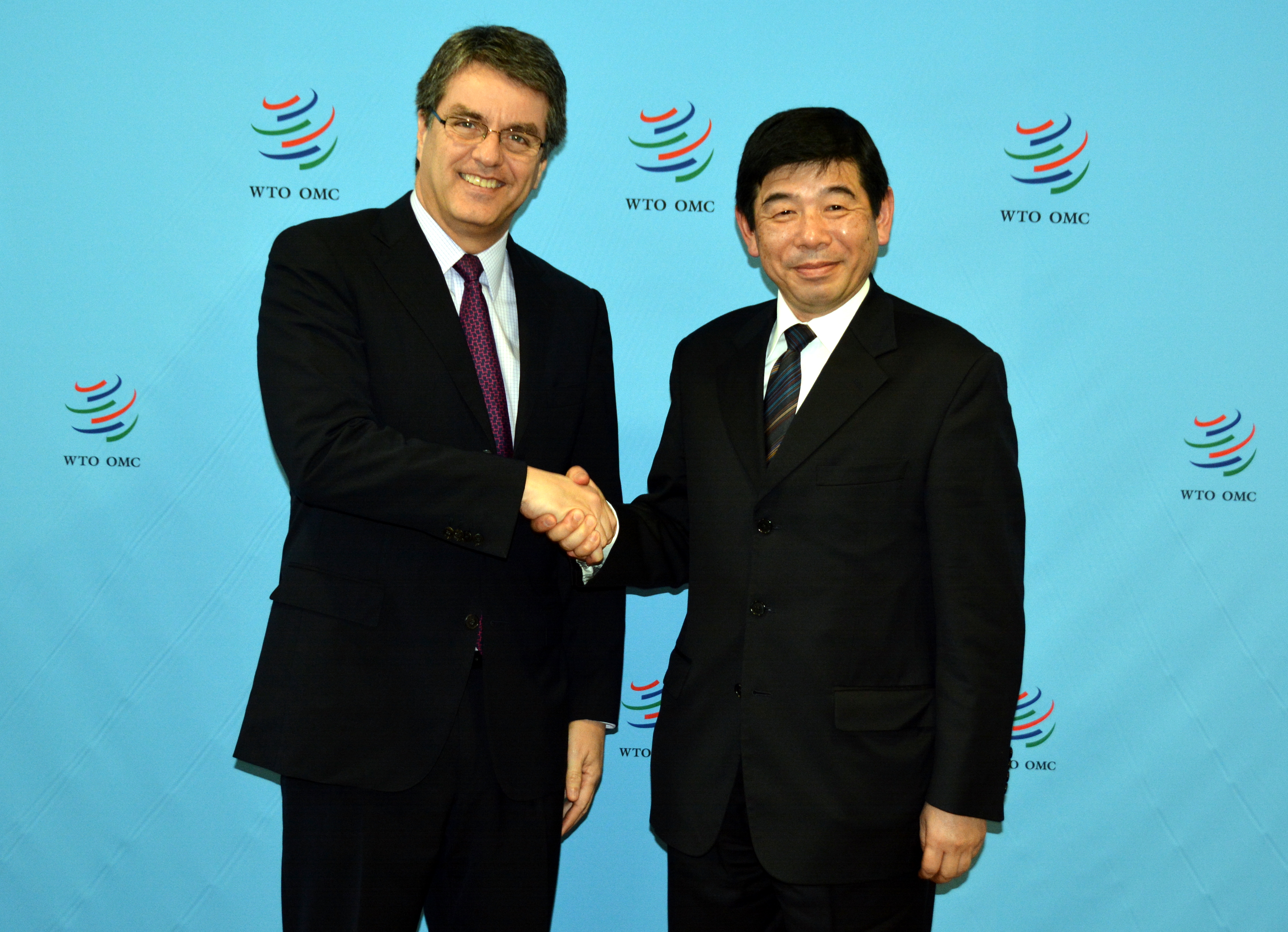
WCO and WTO leaders meet in Geneva (WCO)

WCO and WTO leaders meet in Geneva (WCO)

At the invitation of WTO Director General Roberto Azevedo, WCO Secretary General Kunio Mikuriya met with Mr. Azevedo at WTO headquarters in Geneva, Switzerland on 20 January 2014. They agreed that close cooperation between the two organizations is vital for successful implementation of the WTO Agreement on Trade Facilitation (ATF).

Secretary General Mikuriya emphasized the consistent and complementary nature between the ATF and the WCO Revised Kyoto Convention (RKC). He also described how the WCO Economic Competitiveness Package, that includes the RKC and all other Customs trade facilitation instruments, guidelines and best practices, will support implementation of ATF. Mr. Mikuriya also confirmed his readiness to involve other international organizations, development banks, donors and other stakeholders at a WCO forum to contribute to cooperation in support of the ATF.

Director General Azevedo was pleased to hear that the WCO was planning to publish an implementation tool to connect each provision of the ATF to WCO tools as well as a briefing document enabling Customs administrations to communicate with trade ministries. He expressed his willingness to leverage WCO expertise and experts for the WTO Preparatory Committee on Trade Facilitation as well as ATF needs assessment and implementation. Mr. Azevedo also suggested that the ATF provides another opportunity for the two organizations to enhance the good working relations that already exist in many areas beyond trade facilitation.

The two leaders also discussed how multilateral institutions could work on regional integration matters and agreed on the importance of adopting global standards and best practices to ensure connectivity at borders. Source: WCO