In December 2021, the World Customs Organization (WCO) and the European Union (EU) successfully signed a partnership agreement for a comprehensive programme on the implementation and application of rules of origin (RoO) for enhanced Intra-African trade, commonly referred to as the EU-WCO Rules of Origin RoO Africa Programme. This 48 months initiative aims to support the African continent to improve its capacity to deal with rules of origin and ultimately to support the harmonized and well-coordinated implementation and application of the rules of origin under Annex 2 of the African Continental Free Trade Area (AfCFTA) and other regional and international commitments.
The AfCFTA is a landmark achievement in fostering regional integration to unify the African continent and further its socio-economic development. Under the AfCFTA Agreement, it is the rules of origin – establishing the nationality of products produced in Africa – that will determine whether preferential trade liberalization can be a game changer for Africa’s industrialization.
The EU-WCO RoO Africa Programme was launched on 19-20 July 2022 in Accra, Ghana, complementing and building up on the EU-WCO HS Africa Programme success.
The Programme provides tailored-made demand driven technical assistance, with an emphasis on training, and includes diagnostic and needs assessments, forums and consultations, Guidelines, Manuals and Standard operating Procedures and implementation of flagship initiatives.
The EU-WCO Rules of Origin Africa Programme aims to facilitating and increasing intra-African trade, trade between Africa and Europe, and between Africa and the rest of the world. The Programme is a concrete step taken by the European Union and the World Customs Organization in consultation with key stakeholders to support African partners in the implementation of the AfCFTA.
The outcome of the Programme is that beneficiaries at continental (AfCFTA Secretariat and African Union Commission), regional (African Regional Economic Communities – RECs) and national level (African Customs Administrations, Government Administrations and Private Sector) implement and apply the rules of origin in compliance with Annex 2 of the AfCFTA and in line with international commitments and best practices.
The following is a blog article by Taku Fundira, published via Tralac dated 28 March 2023.
The African Continental Free Trade Area (AfCFTA) which is set to be the largest free trade area (FTA) in the world with 54 of the 55 members of the Africa Union being signatories to the Agreement. The AfCFTA if fully implemented, is expected to provide a major opportunity for African countries to attract Foreign Direct Investment (FDI), diversify exports, boost intra-African trade, boost growth, reduce poverty, foster economic inclusion, and promote sustainable economic development.
Currently, countries are not trading under the AfCFTA trading regime, however, Phases I and Phase II negotiations have been completed albeit tariff concessions and rules of origin (RoO) negotiations for some products are still underway. These two issues, partly attribute to the reasons why it is not yet possible to trade under the AfCFTA. Phase III negotiations are currently underway and include protocols on additional topics such e-commerce. Trade and Women and Youth in Trade Protocol which was added to the AfCFTA agenda has since been concluded is expected to be approved later in 2023.
The Guided Trade Initiative
Despite countries, not yet trading fully under the AfCFTA, a pilot initiative called; the Guided Trade Initiative (GTI) which aims to stress test trading in goods between member countries within the operational, institutional, legal and trade policy environment under the AfCFTA was launched in Accra on 7th October 2022. Eight countries are participating in this pilot. Tanzania following Rwanda, Kenya, and Ghana, have begun trading under the GTI. The AfCFTA GTI has identified 96 products, including tea, coffee, processed meat products, sugar, and dried fruits, to be traded among the participating countries. Tanzania aims to sell 10 products under the AfCFTA’s GTI including coffee and glassware. Plans are underway to have a similar GTI for services subject to State Parties agreeing on modalities.
Initial assessment of the GTI reveals that there remain significant challenges for African countries to trade smoothly and boost intra-African trade mainly because non-tariff barriers (NTBs) to trade remain prevalent, massive infrastructure gaps especially transport infrastructure pose a threat to the success of not only the GTI but also to the AfCFTA. For Africa to make the most of free trade, the continent must address these challenges. Estimates suggest most African landlocked countries face high transport prices which are three to four times more than in most developed countries. Several institutional, political and other factors that combine to limit competition, encourage corruption, discourage investment and encourage informal activity attribute to the prevalent high prices in Africa.
Non-tariff trade costs extremely high
Latest available data from the World Bank on non-tariff trade costs (NTTCs) reveal that on average goods traded between African states accrue 292% ad valorem equivalent (AVE) in NTTCs. Non-tariff trade costs include among others, transport costs; direct and indirect costs associated with differences in languages and currencies, cumbersome import, and export procedures. Despite commitments by regional economic communities (RECs) to reduce NTTCs through mechanisms such as the NTB online monitoring mechanism under the Tripartite FTA and under the AfCFTA demonstrate the importance of ensuring that NTBs do not impede intra-Africa trade, reducing NTTCs.
Tralac has produced an infographic on intra-Africa NTTCs using the ESCAP – World Bank Trade Cost Database which can be found on the tralac website and it reveals the following:
Over a 10-year period (2011 – 2020) there have been no significant changes in non-tariff trade costs (NTTC). NTTCs decline by 2% CAGR (compound annual growth rate) over the review period (2011-2020).
Agricultural products’ NTTC remain much higher than manufacturing products’ NTTCs over the review period (2011-2020), although declining relatively much faster over the last 5 years relative to manufacturing products’ NTTCs. Between 2016 and 2020, agricultural and manufacturing NTTCs declined by 2.5% (CAGR) and 1.4% (CAGR) respectively.
The average intra-Africa NTTC on agriculture and manufacturing in 2020 (latest available data) is 330% (AVE) and 253% (AVE).
Intra-REC NTTCs are lower than between RECs (inter-REC)
COMESA has the highest average intra-REC NTTCs (285% AVE) and EAC has the lowest (135% AVE)
ECOWAS has the highest average inter-REC NTTCs (347% AVE) and EAC has the lowest (269% AVE)
ECOWAS – EAC inter-REC average NTTCs are the highest at 416% (AVE) followed by ECOWAS – COMESA at 389% (AVE)
SADC and COMESA’s inter-REC average non-tariff trade costs are more or less the same at 300% (AVE) and 306% (AVE) respectively
Based on these findings it is not surprising why intra-Africa trade has remained low averaging 18% of Africa’s global trade over the past decade. Intra-Africa trade remains regional and limited to neighbouring countries partly due to these NTTCs which if left unchecked will hamper the goals of the AfCFTA. Therefore, their reduction can be a gamechanger for the AfCFTA and more specifically for African economic development.
Trade facilitation key to reducing NTTCs
The extent to which the AfCFTA will be effective to reduce trade costs depends importantly on governments addressing NTBs, including in services markets. Trade facilitation becomes key to the success of reducing NTTCs, by improving trade and customs procedures as well as facilitating the relationship between businesses and government agencies at the border to reduce costs, while protecting the intended regulatory objectives. Estimates from the UNECA (United Nations Economic for Africa) project that intra-Africa trade could double through enhanced trade facilitation and the reduction of NTBs in the AfCFTA.
The AfCFTA Agreement provides a legal framework with specific undertakings for trade facilitation and the elimination of barriers contained in Annex 3 on Customs Co-operation and Mutual Administrative Assistance; Annex 4 on Trade Facilitation; and Annex 8 on Transit. Annex 3 deals with trade facilitation in customs administration. Within RECs efforts to reduce NTBs have yielded significant progress (e.g., Tripartite FTA NTBs monitoring mechanism), however more needs to be done on trade facilitation as little progress has been made here.
What needs to be done?
A limited number of Strategic Corridors has been identified considering their potentialities to facilitate sustainable, efficient, smart, resilient, fair, affordable, secure, and safe mobility and trade within Africa.
State parties should be serious about implementing their trade facilitation obligations or fulfilling their duties under the AfCFTA Agreement and therefore legally binding and justiciable mechanisms should be put in place to ensure transparency, certainty and predictability. These must be complemented by regional and national instruments and measures. In effect Member States should implement their binding obligations. State parties’ customs authorities/agencies should be capacitated and coordinated. This would go a long way in improving trade facilitation governance in Africa and leveraging AfCFTA benefits.
Financing the AfCFTA and associated trade facilitation measures will go a long way in ensuring the success of regional integration in Africa. Furthermore, transport infrastructure should be prioritised. It is important to note that projects are already in progress to boost the development of continent-wide infrastructure. For example, Tanzania’s construction of the Standard Gauge Railway Project is expected to provide a safe and reliable means for efficiently transporting people and cargo to and from the existing Dar-es-Salaam port. Other large projects underway include the Trans-Maghreb Highway in North Africa, North-South Multimodal Corridor, the Central Corridor project, and the Abidjan-Lagos Corridor Highway project.
In conclusion, reducing the NTTCs will be a gamechanger for the AfCFTA. What’s needed is for Member States to rise to the occasion by concluding the outstanding negotiations, especially resolving teething issues with respect to specific products especially outstanding RoO issues and finalising tariff concessions. Furthermore, the political, social, and economic environment should be managed both at the regional and national levels with the ultimate goal of ensuring the success of the AfCFTA.
The World Customs Organization with the support of the European Union under the EU-WCO Rules of Origin Africa Programme has developed a quick guide to the private sector to assist with the practical implementation of the African Continental Free Trade Area (AfCFTA) Agreement Annex 2 on Rules of Origin of the Protocol on Trade and its relevant appendices.
The main objectives of the AfCFTA Agreement are to create a single continental market for goods and services, with free movement of business persons and investments, and thus pave the way for accelerating the establishment of a Customs Union in the future.
Wamkele Mene, Secretary-General of the AfCFTA Secretariat
In order to support the implementation processes of the African Continental Free Trade Area agreement, Regional Economic Communities (RECs) need to make informed choices about how to reap the benefits presented by the agreement, while at the same time managing the challenges that may be encountered in the course of the implementation.
Wamkele Mene, Secretary-General of the AfCFTA Secretariat, stressed this Tuesday, June 7, on the occasion of the second coordination meeting of the CEOs of RECs, on the implementation of the AfCFTA held at the EAC Headquarters, in Arusha, Tanzania.
The meeting sought to take stock of the progress made since the last meeting in Accra in 2021.
The role of the continent’s eight RECs is critical especially as the latter are building blocks for the AfCFTA.
Mene said the implementation of the AfCFTA will likely influence future trade policies of the RECs.
“In this regard, effective collaboration between the RECs and the AfCFTA Secretariat is necessary to ensure that the AfCFTA outcomes are consistent with regional advancements in trade integration made thus far and the projections for the future,” Mene said.
“Therefore, the coordination meetings offer us an opportunity to listen to one another, to better understand our areas of difference, and to work together to build consensus around common positions critical to our success at creating an African Economic Community.”
African leaders mandated the AfCFTA Secretariat, the African Union Commission, and the RECs to develop a framework of collaboration to enhance complementarity, synergies, and alignment of programmes and activities to facilitate the effective implementation of the AfCFTA. The negotiation of the AfCFTA is now in phase two which covers investments, intellectual property rights, women and youth in Trade competition policy and digital trade.
It is Mene’s strong conviction that by agreeing on a workable framework which will strengthen the interdependence of RECs on the one hand, and strengthen the cooperation between RECs and the AfCFTA Secretariat on the other hand, “we will be taking steps critical to the success of the AfCFTA.”
“We have already received instructions from the Assembly of Heads of State and Government of the African Union to take all necessary steps to ensure the effective implementation of the AfCFTA, including facilitating commercially meaningful flow of goods and services under the AfCFTA preferential regime, across the continent. We were also instructed to develop a coordinated approach to the implementation of the AfCFTA Agreement, with the existing RECs as building blocks.”
Peter Mathuki, the EAC Secretary-General, noted that Africa is one of the world’s fastest-growing economies, but trade in goods and services accounts for an estimated 3% of global exports and imports on average.
As noted, the share of Intra African trade remains low: on average, 13% for intra-imports and 20% for intra-exports, while ExtraAfrican trade accounts for more than 80% of the total trade. Africa’s exports to the rest of the world consist of raw materials, such as oil, gas, minerals, and agricultural commodities, with little to no value addition.
Mathuki said: “There are many reasons why intra-Africa trade is low; these include differences in trade regimes (8 AU recognised RECs), inadequacies of trade-related infrastructure (poor intermodal connectivity), trade finance and trade information.
“Other constraints are customs, administrative and technical barriers, limited productive capacity, lack of factor market integration and inadequate focus on internal market issues.”
With a market of around 1.3 billion consumers and a GDP of $ 3.4 trillion, Mathuki reiterated, AfCFTA will unlock many opportunities in the continent and redesign the architectural framework of its economic systems.
“The eight AU recognised RECs are the official pillars of the African Economic Community (AEC) set out in the Abuja Treaty establishing the AEC. The RECs play a critical role in coordinating and submitting REC tariff offers, schedules, and commitments on trade in services and are fully involved in negotiations on outstanding issues,” Mathuki said.
“Active engagement and input from the private sector and interest groups at the national and REC level are needed to shape the AfCFTA trade regime and resolve challenges ahead.”
Amb. Liberata Mulamula, Tanzania’s Minister of Foreign Affairs, said her country commends the initiative of establishing collaboration between the AfCFTA and RECs towards implementation of the AfCFTA Agreement.
“Tanzania as a member of EAC Customs Union has ratified the AfCFTA agreement and is also a member of SADC and EAC. In order to have a meaningful implementation of the agreement, the United Republic of Tanzania needs to align its participation in the AfCFTA to that of the RECs as its member.”
“I am confident that this framework will underpin the interface between the AfCFTA and RECs Free Trade Area and laydown actionable policy proposals that would assist in ensuring coherent, coordinated and fully responsive collaboration between the AfCFTA and RECs.”
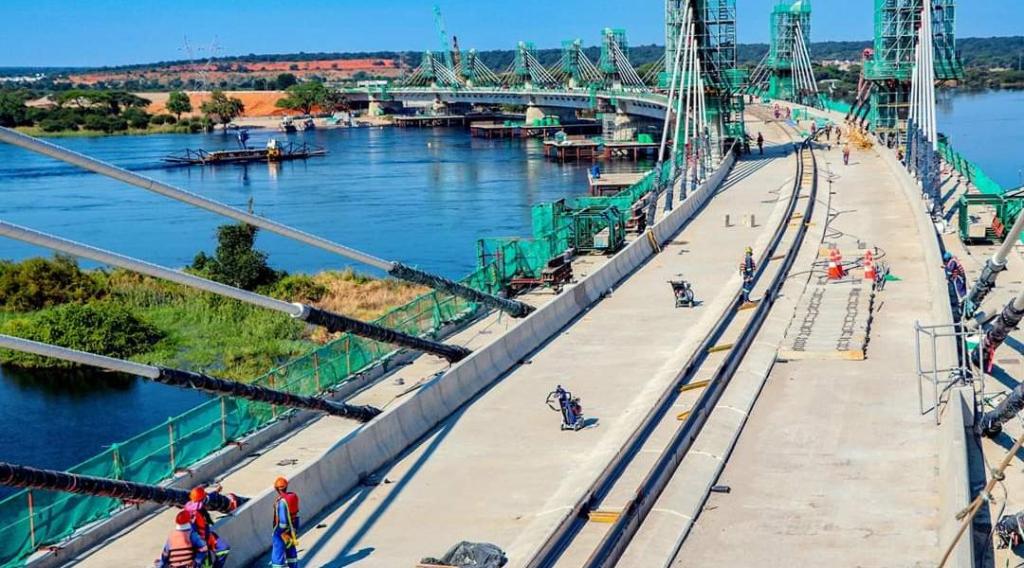
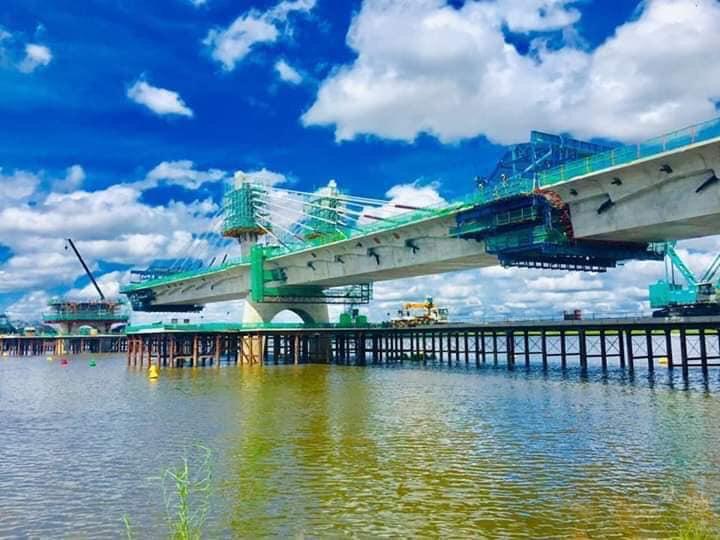
Construction of the Kazungula bridge which will connect Zambia and Botswana and ultimately link the port of Durban in South Africa to the Democratic Republic of the Congo nears completion and by end of 2020 it is expected to be open to the public.
The Kazungula Bridge is located at the Kazungula crossing, where Botswana and Zambia share a border measuring about 750m over the Zambezi River. It is also at the confluence of Zambezi and Chobe rivers, and the meeting point of the four southern Africa countries – Botswana, Namibia, Zambia and Zimbabwe.
The US $259.3m project was officially launched in September 2014 by then Vice-presidents of Zambia and Botswana, and is financed by the African Development Bank (AfDB) and the two governments. The multi-million-dollar project was hailed as the Southern African Development Community (SADC) economic integration success stories, one of the missing links to realizing the North-South Corridor identified under the Regional Infrastructure Development Master Plan (RIDMP).
Kazungula Bridge under Construction
The new bridge will facilitate trade with Botswana and within the SADC region. The project, which entails a 923 metre-long rail/road extra dosed cable stayed bridge with approach roads as well as construction of one stop border posts on the Zambia and Botswana sides; was scheduled for completion last year but failed due to Zambia’s failure to pay.
The bridge is expected to reduce transit time for freight and passengers, boost the regional economy and even increase global competitiveness of goods from Botswana and Zambia due to reduced time-based trade and transport costs.
The Southern African Development Community (SADC) is gearing up for a full reopening of cross-border trading.
This comes after experts in the region expressed satisfaction over the precautionary measures countries within the 16-member bloc have taken to prevent further spread of the novel coronavirus which causes Covid-19.
The move comes after about 50 days when the body adopted its regional guidelines for harmonising and facilitating movement of critical goods and services across the region during the Covid-19 pandemic.
The guidelines, adopted after a meeting of the SADC Council of Ministers on April 6, 2020, aimed at –
limiting the spread of Covid-19 through transport across borders;
facilitating the implementation of transport related national Covid-19 measures in cross-border transportation and facilitating flow of essential goods such as fuel, food and medicines.
The guidelines also sought to limit unnecessary and mass movement of passengers across borders and harmonising and coordinating transport-related national Covid-19 policies, regulations and response measures.
But with some countries – including Tanzania – making some important milestones in their fight against Covid-19, a virtual meeting of experts met yesterday to draw the roadmap for a meeting of SADC Council of Ministers today (Thursday, May 28) resolved that some things must now change.
“This meeting is being held in preparation for a meeting for the SADCCouncil of Ministers. Key on the agenda that we will be presenting to the Sadc Council of Ministers is that some of the issues that we knew about Covid-19 must now change,” said the meeting chairman and Permanent Secretary (PS) in Tanzania’s Foreign Affairs and East African Cooperation Ministry, Colonel Wilbert Ibuge.
He said permanent secretaries for SADC foreign affairs ministries had agreed in principle to remove a provision that allowed only the facilitation of movement of critical goods and services across the region during the Covid-19 period.
“The truth is that all products that [move across borders] seek to improve lives of our people within SADC. All business goods must move across our borders,” he said.
He said recommendations from the meeting of PS’ would be forwarded to a virtual meeting of council of ministers today (Thursday) for deliberations.
The meeting of experts comprised senior officials from six ministries from each Sadc member state.
They deliberated on eight items that had been approved by the council of ministers last early month.
“The experts noted that people must learn to live with Covid-19 because the disease could be here to stay and therefore, all kind of businesses must continue so that together we can build our economies,” he said.
The ministers will also deliberate on issues pertaining to the financial position of SADC, implementation of a resolution on disaster management within the bloc and progress towards implementation of the theme that was adopted during the 39th Sadc meeting.
The ministers will also deliberate on the state of business operations among SADC member states, industrial development in Sadc and implementation of the SADC Industrial Development Strategy and its work plan.
Source: Article by Kelvin Matandiko, The Citizen, Dar es Salaam, 28 May 2020
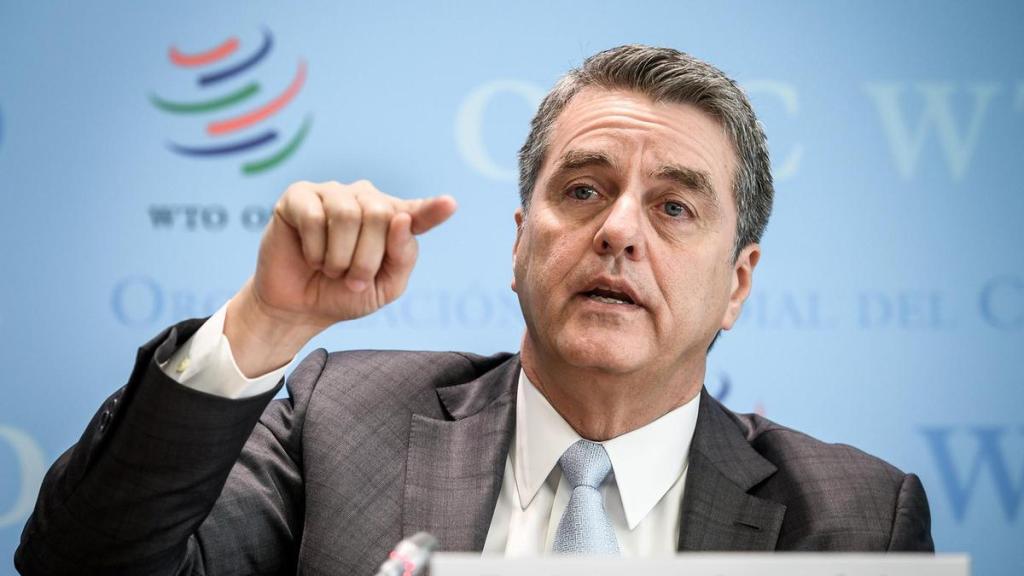
The World Trade Organization’s Director General, Roberto Azevêdo announced his resignation effective 31 August of this year. His tenure will end three years into his second four year term which was otherwise due to expire in 2021.
Azevêdo’s departure annouoncement comes in a week where a bill to withdraw the United States from the organization was introduced in the US House of Representatives by the Democratic Chairs of the Transportation & Infrastructure, and Energy and Commerce Committees. This following the introduction of a Joint Resolution to the same effect in the US Senate by Republican Senator Josh Hawley of Missouri.
It comes as the organisation finds its dispute resolution function paralyzed by a US Appellate Body blockade, a potentially existential budget battle looms, its scheduled ministerial conference cancelled and even supportive members eyeing unilateral trade action in contravention of its principles.
At perhaps the most perilous time in its 25-year history, the WTO will be without a formally appointed leader, and the forthcoming selection process for his replacement hands the US yet another opportunity to exercise an effective veto over the organization’s future.
While not likely to be the straw that breaks its back, this unfortunately timed resignation is still a hefty new weight for an exhausted WTO camel whose knees were already trembling. As the kids would say, “It’s not great.”
While opinions on the Roberto Azevêdo’s performance vary, his departure couldn’t come at a worse time, and the process to replace him is both very long and just as susceptible to being held hostage by an ornery member as everything else in the organisation.
As a global champion of rules based trade, the WTO’s ‘DG’ has an important role to play in making the full throated case against the rising tide of export restrictions, protectionism and unilateralism unleashed by the US-China trade tensions and exacerbated by Covid-19. Now is no time for the system to be without its Knight in Shiny Armani.
As the head of the WTO secretariat, the director general was poised to play a key role in steering the organisation through what now seems a near inevitable battle over its budget at the end of the year. If the US once again blocked adoption of the WTO’s budget, it would have been up to him to try and forge a compromise, or make the difficult and controversial decisions required to keep the lights on, staff paid and fondue pot glowing in the face of an unapproved budget.
As the chair of the trade negotiations committee, the director general offers convening power, good offices, and a consensus building voice. With critical negotiations around fisheries subsidies, e-commerce, investment, and WTO reform all hanging in the balance, the absence of a Director-General only further decreases the likelihood of progress (perhaps from Hail Mary Pass to Igloo in Hell).
What happens now – Interim Director-General?
Upon Mr Azevêdo’s departure at the end of August, The rules now require the WTO General Council – a meeting of all WTO Members which serves as its highest decision making-body outside of a ministerial conference to appoint one of the four Deputy-Directors General as an interim director.
This presents a potential hurdle, as the WTO General Council makes decisions by consensus. Therefore, even a single member’s objection could prevent the appointment of an interim leader for the organisation.
The current deputies are Yonov Frederick Agah of Nigeria, Karl Brauner of Germany, Alan Wolff of the United States and Yi Xiaozhun of China. For obvious reasons, neither the US nor the Chinese DDGs are likely candidates for unanimous approval, and it is not impossible to envisage objections to Agah and Brauner as well – either personally or on general principle to sabotage the organisation further.
What happens next – A new Director-General?
Whether an interim DG is appointed or not, the WTO members will need to begin the process of selecting a new Director-General.
The procedure is lengthy and would ordinarily begin nine months before a DG’s term is set to expire. Once the process begins, WTO members have one month to nominate candidates, which must be their own nationals.
After this month is over, the candidates are expected to come to Geneva and meet with the WTO missions. The next seven months are to be spent weening the applicants down to a single final consensus candidate.
Is there politics?
Oh my god yes. While the Director-General has no legal authority to make or enforce the rules, WTO members are still intensely jealous of the position and allergic to any candidate they feel might impede their interests.
Arriving at a single consensus candidate requires a raft of compromises, trades and deals even at the best of times, which of course the current situation is not.
What happens if no consensus candidate can be found?
Theoretically, the rules do allow for a vote by the membership to select a Director-General. However, this procedure is both a measure of last-resort and intended primarily for a situation where the membership is split between two or more valid candidates and agrees by consensus on a vote to break the deadlock.
Were the US or some other member to block all candidates as a matter of principle, they would also likely oppose a vote. Even if a vote could then be forced regardless, it would only fuel the fires of those who argue the WTO has gone rogue.
So what does it all mean?
On its own, this resignation does not fundamentally change the state of play. The WTO is severely weakened, partially paralysed and increasingly in the crosshairs of the US, where concerns about it extend beyond the Trump administration and across party lines.
It does however rob the WTO of an experienced, consensus-approved leader at a time when both the organisation and the cause of rules-based trade desperately need one.
Still, though slim, there is hope the DG selection process might serve to revitalise the organisation. Long rumored candidacies like that of Kenya’s formidable Amina Mohamed, who chaired the 10th WTO Ministerial Conference to a successful conclusion and would be the organization’s first female and first African Director-General, offer a path to a more globally representative future.
The following article was published by Bloomberg and sketches the day-to-day hardship for cross border trucking through Africa. In a sense it asks the very questions and challenges which the average African asks in regard to the highly anticipated free trade area. While rules of origin and tariffs form the basis of trade across borders, together with freedom of movement of people, these will mean nothing if African people receive no benefit. As globalisation appears to falter across Europe and the West, it begs the question whether this is in fact is the solution for Africa; particularly for the reason that many believe globalisation itself is an extension of capitalism which some of the African states are at loggerheads with. Moreover, how many of these countries can forego the much need Customs revenue to sustain their economies, let alone losing political autonomy – only time will tell.
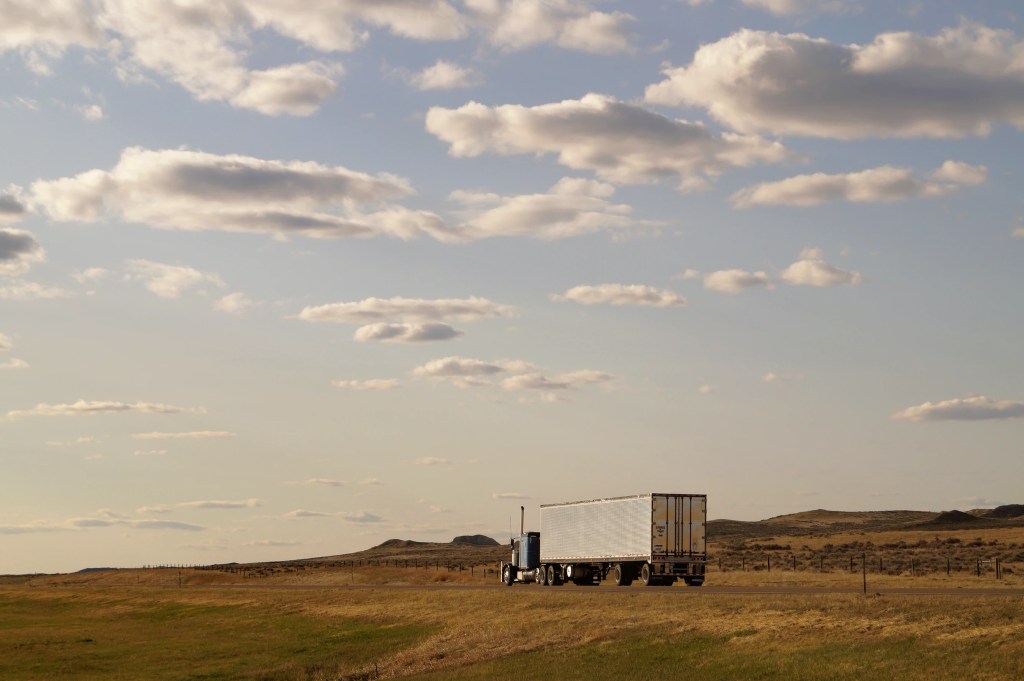
Nyoni Nsukuzimbi drives his 40-ton Freightliner for just over half a day from Johannesburg to the Beitbridge border post with Zimbabwe. At the frontier town—little more than a gas station and a KFC—he sits in a line for two to three days, in temperatures reaching 104F, waiting for his documents to be processed.
That’s only the start of a journey Nsukuzimbi makes maybe twice a month. Driving 550 miles farther north gets him to the Chirundu border post on the Zambian frontier. There, starting at a bridge across the Zambezi River, trucks snake back miles into the bush. “There’s no water, there’s no toilets, there are lions,” says the 40-year-old Zimbabwean. He leans out of the Freightliner’s cab over the hot asphalt, wearing a white T-shirt and a weary expression. “It’s terrible.”
By the time he gets his load of tiny plastic beads—the kind used in many manufacturing processes—to a factory on the outskirts of Zambia’s capital, Lusaka, he’s been on the road for as many as 10 days to traverse just 1,000 miles. Nsukuzimbi’s trials are typical of truck drivers across Africa, where border bureaucracy, corrupt officials seeking bribes, and a myriad of regulations that vary from country to country have stymied attempts to boost intra-African trade.
The continent’s leaders say they’re acting to change all that. Fifty-three of its 54 nations have signed up to join only Eritrea, which rivals North Korea in its isolation from the outside world, hasn’t. The African Union-led agreement is designed to establish the world’s biggest free-trade zone by area, encompassing a combined economy of $2.5 trillion and a market of 1.2 billion people. Agreed in May 2019, the pact is meant to take effect in July and be fully operational by 2030. “The AfCFTA,” South African President Cyril Ramaphosa said in his Oct. 7 weekly letter to the nation, “will be a game-changer, both for South Africa and the rest of the continent.”
It has to be if African economies are ever going to achieve their potential. Africa lags behind other regions in terms of internal trade, with intracontinental commerce accounting for only 15% of total trade, compared with 58% in Asia and more than 70% in Europe. As a result, supermarket shelves in cities such as Luanda, Angola, and Abidjan, Ivory Coast, are lined with goods imported from the countries that once colonized them, Portugal and France.
By lowering or eliminating cross-border tariffs on 90% of African-produced goods, the new regulations are supposed to facilitate the movement of capital and people and create a liberalized market for services. “We haven’t seen as much institutional will for a large African Union project before,” says Kobi Annan, an analyst at Songhai Advisory in Ghana. “The time frame is a little ambitious, but we will get there.”
President Nana Akufo-Addo of Ghana and other heads of state joined Ramaphosa in hailing the agreement, but a number of the businesspeople who are supposed to benefit from it are skeptical. “Many of these governments depend on that duty income. I don’t see how that’s ever going to disappear,” says Tertius Carstens, the chief executive officer of Pioneer Foods Group Ltd., a South African maker of fruit juices and cereal that’s being acquired by PepsiCo Inc. for about $1.7 billion. “Politically it sounds good; practically it’s going to be a nightmare to implement, and I expect resistance.”
Under the rules, small countries such as Malawi, whose central government gets 7.7% of its revenue from taxes on international trade and transactions, will forgo much-needed income, at least initially. By contrast, relatively industrialized nations like Egypt, Kenya, and South Africa will benefit from the outset. “AfCFTA will require huge trade-offs from political leaders,” says Ronak Gopaldas, a London-based director at Signal Risk, which advises companies in Africa. “They will need to think beyond short-term election cycles and sovereignty in policymaking.”
Taking those disparities into account, the AfCFTA may allow poorer countries such as Ethiopia 15 years to comply with the trade regime, whereas South Africa and other more developed nations must do so within five. To further soften the effects on weaker economies, Africa could follow the lead of the European Union, says Axel Pougin de La Maissoneuve, deputy head of the trade and private sector unit in the European Commission’s Directorate General for Development and International Cooperation. The EU adopted a redistribution model to offset potential losses by Greece, Portugal, and other countries.
There may be structural impediments to the AfCFTA’s ambitions. Iron ore, oil, and other raw materials headed for markets such as China make up about half of the continent’s exports. “African countries don’t produce the goods that are demanded by consumers and businesses in other African countries,” says Trudi Hartzenberg, executive director of the Tralac Trade Law Center in Stellenbosch, South Africa.
Trust and tension over illicit activity are also obstacles. Beginning in August, Nigeria shut its land borders to halt a surge in the smuggling of rice and other foodstuffs. In September, South Africa drew continentwide opprobrium after a recurrence of the anti-immigrant riots that have periodically rocked the nation. This could hinder the AfCFTA’s provisions for the free movement of people.
Considering all of these roadblocks, a skeptic would be forgiven for giving the AfCFTA little chance of success. And yet there are already at least eight trade communities up and running on the continent. While these are mostly regional groupings, some countries belong to more than one bloc, creating overlap. The AfCFTA won’t immediately replace these regional blocs; rather, it’s designed to harmonize standards and rules, easing trade between them, and to eventually consolidate the smaller associations under the continentwide agreement.
The benefits of the comprehensive agreement are plain to see. It could, for example, limit the sort of unilateral stumbling blocks Pioneer Foods’ Carstens had to deal with in 2019: Zimbabwe insisted that all duties be paid in U.S. dollars; Ghana and Kenya demanded that shippers purchase special stickers from government officials to affix to all packaging to prevent smuggling.
The African Export-Import Bank estimates intra-African trade could increase by 52% during the first year after the pact is implemented and more than double during the first decade. The AfCFTA represents a “new pan-Africanism” and is “a pragmatic realization” that African countries need to unite to achieve better deals with trading partners, says Carlos Lopes, the former executive secretary of the United Nations Economic Commission for Africa and one of the architects of the agreement.
From his closer-to-the-ground vantage point, Olisaemeka Anieze also sees possible benefits. He’s relocating from South Africa, where he sold secondhand clothes, to his home country of Nigeria, where he wants to farm fish and possibly export them to neighboring countries. “God willing,” he says, “if the free-trade agreement comes through, Africa can hold its own.”
In the meantime, there are those roads. About 80% of African trade travels over them, according to Tralac. The World Bank estimates the poor state of highways and other infrastructure cuts productivity by as much as 40%.
If the AfCFTA can trim the red tape, at least driving the roads will be more bearable, says David Myende, 38, a South African trucker resting after crossing the border post into South Africa on the way back from delivering a load to the Zambian mining town of Ndola. “The trip is short, the borders are long,” he says. “They’re really long when you’re laden, and customs officers can keep you waiting up to four or five days to clear your goods.”
Source: article by Anthony Sguazzin, Prinesha Naidoo and Brian Latham, Bloomberg, 30 January 2020
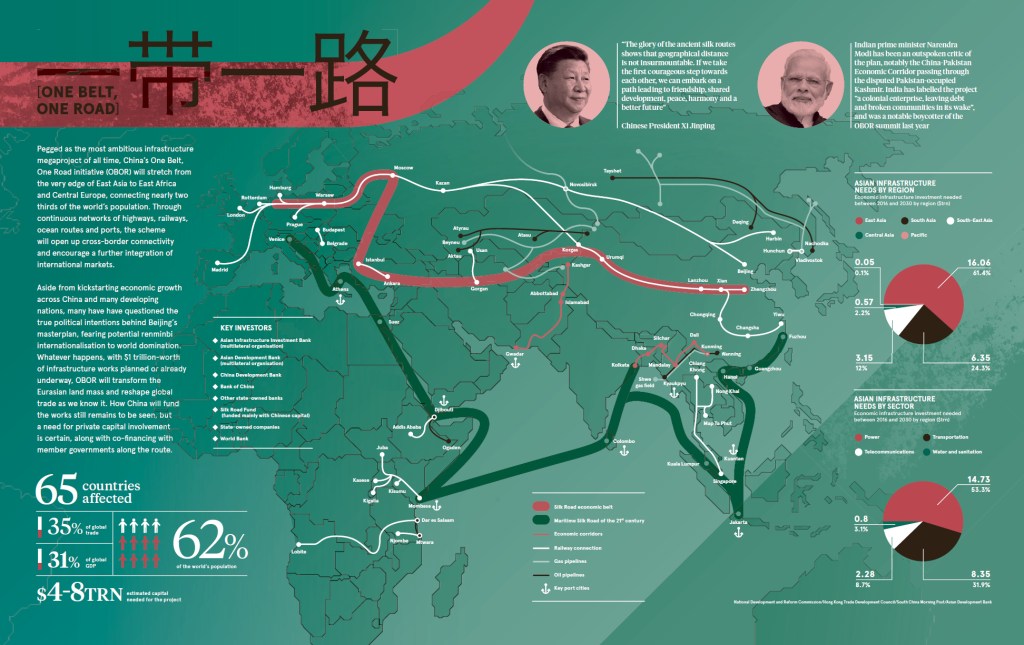
Visual Capitalist – Costing between $4-8 trillion and affecting 65 countries, China’s ambitious One Belt, One Road (OBOR) initiative is the granddaddy of all megaprojects.
By the time of it’s estimated completion in 2049, OBOR will stretch from the edge of East Asia all the way to East Africa and Central Europe, and it will impact a lengthy list of countries that account for 62% of the world’s population and 40% of its economic output.
Today’s infographic from Raconteur helps visualize the initiative’s tremendous size, scale, and potential impact on Asian infrastructure.
The tangible concept behind OBOR is to build an extensive network of infrastructure – including railways, roads, pipelines, and utility grids – that help link China to the rest of Asia, as well as Africa and Europe.
This multi-trillion dollar project will fill the infrastructure gap that currently inhibits economic growth potential on the world’s largest continent, but it has other important objectives as well. By connecting all of these economies together, China is hoping to become the gatekeeper for a new platform international trade cooperation and integration.
But that’s not all: if China’s economic corridor does what it’s supposed to, the countries in it will see more social and cultural links, financial cooperation, and a merger of policy goals and objectives to accomplish.
Naturally, this will expand the clout and influence of China, and it may even create the eventual scaffolding for the renminbi to flourish as a trade currency, and eventually a reserve currency.
One Road or Roadblock?
When billions of dollars are at play, the stakes become higher. Although some countries agree with the OBOR initiative in principle – how it plays out in reality is a different story.
Most of the funding for massive deep-water ports, lengthy railroads, and power plants will be coming from the purse strings of Chinese companies. Some will be grants, but many are taking the form of loans, and when countries default there can be consequences.
In Pakistan, for example, a deep-water port in Gwadar is being funded by loans from Chinese banks to the tune of $16 billion. The only problem? The interest rate is over 13%, and if Pakistan defaults, China could end up taking all sorts of collateral as compensation – from coal mines to oil pipelines.
Meanwhile, Sri Lanka was unable to pay its $8 billion loan for the Hambantota Port. In the middle of 2017, the country gave up the controlling interest in the port to a state-owned company in China in exchange for writing off the debt. China now has a 99-year lease on the asset – quite useful, since it happens to be right in the middle of one of China’s most important shipping lanes to Africa, the Middle East, and Europe.
Natural Opposition
While most economies in Asia are willing to accept some level of risk to develop OBOR, there is one country that is simply not a fan of the megaproject.
India, a very natural rival to China, has a few major qualms:
The China-Pakistan Economic Corridor (CPEC) goes right through Kashmir, a disputed territory
Chinese investment in maritime trade routes through the Indian Ocean could displace India’s traditional regional dominance
India sees the OBOR megaproject as lacking transparency
Meanwhile, with neighboring states such as Sri Lanka and Pakistan getting billions of dollars of investment from Chinese state-run companies, it likely creates one more issue that Indian Prime Minister Modi is not necessarily happy about, either.
Source: Original article by Jeff Desjardins, Visual Capitalist, published on 15 March 2018
An online platform developed by UNCTAD and the African Union to help remove non-tariff barriers to trade in Africa became operational on 13 January.
Traders and businesses moving goods across the continent can now instantly report the challenges they encounter, such as quotas, excessive import documents or unjustified packaging requirements.
The tool, tradebarriers.africa, will help African governments monitor and eliminate such barriers, which slow the movement of goods and cost importers and exporters in the region billions annually.
An UNCTAD report shows that African countries could gain US$20 billion each year by tackling such barriers at the continental level – much more than the $3.6 billion they could pick up by eliminating tariffs.
“Non-tariff barriers are the main obstacles to trade between African countries,” said Pamela Coke-Hamilton, director of UNCTAD’s trade division.
“That’s why the success of the African Continental Free Trade Area depends in part on how well governments can track and remove them,” she said, referring to the agreement signed by African governments to create a single, continent-wide market for goods and services.
The AfCFTA, which entered into force in May 2019, is expected to boost intra-African trade, which at 16% is low compared to other regional blocs. For example, 68% of the European Union’s trade take place among EU nations. For the Asian region, the share is 60%.
The agreement requires member countries to remove tariffs on 90% of goods. But negotiators realized that non-tariff barriers must also be addressed and called for a reporting, monitoring and elimination mechanism.
The online platform built by UNCTAD and the African Union is a direct response to that demand.
Hands-on training
Complaints logged on the platform will be monitored by government officials in each nation and a special coordination unit that’s housed in the AfCFTA secretariat.
The unit will be responsible for verifying a complaint. Once verified, officials in the countries concerned will be tasked with addressing the issue within set timelines prescribed by the AfCFTA agreement.
Hands-on training
UNCTAD and the African Union trained 60 public officials and business representatives from across Africa on how to use the tool in December 2019 in Nairobi, Kenya.
They practiced logging and responding to complaints, in addition to learning more about non-tariff barriers and their effects on trade and business opportunities.
“The AfCFTA non-tariff barriers mechanism is a transparent tool that will help small businesses reach African markets,” said Ndah Ali Abu, a senior official at Nigeria’s trade ministry, who will manage complaints concerning Africa’s largest economy.
UNCTAD and the African Union first presented tradebarriers.africa in July 2019 during the launch of the AfCFTA’s operational phase at the 12th African Union Extraordinary Summit in Niamey, Niger.
Following the official presentation, they conducted multiple simulation exercises with business and government representatives to identify any possible operational challenges.
Lost in translation
One of the challenges was linguistic. Africa is home to more than 1,000 languages. So the person who logs a complaint may speak a different language from the official in charge of dealing with the issue.
Such would be the case, for example, if an English-speaking truck driver from Ghana logged a complaint about the number of import documents required to deliver Ghanaian cocoa to importers in Togo – a complaint that would be sent to French-speaking Togolese officials.
“For the online tool to be effective, communication must be instantaneous,” said Christian Knebel, an UNCTAD economist working on the project.
The solution, he said, was to add a plug-in to the online platform that automatically translates between Arabic, English, French, Portuguese and Swahili – languages that are widely spoken across the continent. More languages are being added.
UNCTAD’s work on the AfCFTA non-tariff barriers mechanism is funded by the German government.
Land borders in the SADC region are critical zones for unlocking economic development, regional value chains and trade. In this light the Global Economic Governance Africa programme is working with the Zimbabwe Trade Forum and the University of Zambia to look at two case studies on the border regions around Beitbridge and Chirundu. The borders, between South Africa and Zimbabwe, and Zimbabwe and Zambia, represent critical links in the North-South Corridor and are vital in both regional development initiatives as well as bilateral ones between the countries.
The seminar, attended by trade experts, policy makers and researchers from South Africa and the region discussed the field research findings of a study at the Beitbridge and Chirundu border posts conducted on behalf of the programme in June 2018.
The following presentation documents should be of interest to all parties concerned with inter regional trade and trade facilitation development initiatives.
It is also worthwhile to visit Tutwa Consulting’swebpage as it explains how the surveys were conducted and provides salient features in relation to each of the border posts concerned which may not necessarily be apparent in the presentation documents as such.
Two millennia ago, camel caravans trekked across an inland route centered around Chang’an – today’s Xi’an, the capital of Shaanxi province – serving to connect China to western-lying regions of the world through trade and exchange.
Today, under the guidelines of the Belt and Road Initiative, cross-border and transcontinental transactions are booming online as well, with a key difference: unlike the ancient model, the online businesses of today’s digital era are more efficient, more diverse and far more extensive.
Smart technologies and modern logistics have enabled people to pick and choose products from overseas – from Argentina’s red prawns, Mexico’s avocados and Chile’s cherries to the Czech’s crystals, Myanmar’s emeralds and Bulgaria’s rose oil – and receive them within hours or days after a simple click.
The Belt and Road online
Countries involved in the Belt and Road Initiative have launched businesses on China’s online shopping platforms, among which the e-commerce giant JD.com alone has attracted more than 50 overseas e-stores.
At the same time, these e-platforms facilitate the export of Chinese products to 54 countries, among them Russia, Ukraine, Poland, Thailand, Egypt and Saudi Arabia.
China’s e-commerce sector, projected to reach 2 billion consumers globally by 2020, has become a pillar industry supporting worldwide trade, said Xing Yue, vice president of Alibaba.com, one of China’s leading e-commerce conglomerates headquartered in Hangzhou, the capital of Zhejiang province.
“With circumstances highlighting digital dividends, cross-border e-businesses do not only focus on selling products, but also on creating service-centered trade, a signal epitomizing digital commerce,” added Xing at the second Cross-Border E-Commerce Summit held in Zhengzhou, capital of Henan Province, in May this year.
According to Alibaba.com, the company’s annual online shopping spree hosted last November 11 – a day evolved from China’s Singles’ Day into an annual online shopping frenzy – attracted buyers from 225 countries and regions, generating a revenue of 168.2 billion yuan (US$26.25 billion) and producing 812 million orders.
AliExpress, a global business division of Alibaba.com established eight years ago, reached 100 million overseas customers as of April 2017. “We may be underestimating the actual size as people under the same roof may use the same account,” said Shen Difan, the general manager of AliExpress.
“Products made in China are nothing inferior to the rest of the world. However, the problem is that the small-and-medium-sized enterprises in China were unable to reach overseas customers,” Shen said, adding that e-commerce has allowed these businesses to tap into other markets, extending connections between the two sides.
E-commerce and drones reshaping trade
The change in delivery speeds in Russia exemplifies the convenience of online business. Before e-commerce took off there, overseas packages often took as long as 60 days to arrive to Russian households, after being sent to Moscow for a security check.
Now, however, with the adoption of big data, Russian customs is no longer required to send deliveries to Moscow for unpacking and examination. Instead, detailed information about each package, including dates, types and values of commodities, is made available online, enabling direct delivery to customers.
E-commerce – arising as one of China’s four major modern inventions, along with high-speed railway, Alipay and bicycle sharing platforms – has overhauled traditional industrial chains and reshaped the trade system across the world, the People’s Daily reported.
“I have been greatly interested in the rural logistics run by JD.com,” Wu Min, the editor in chief of the Italian weekly newspaper Il Tempo Europa Cina, said while paying a visit to JD.com’s Beijing headquarters on June 1 of this year.
“In the past few years, it cost us heavily to send newspapers to the countryside, where difficult geographic conditions blocked entrance. Today, with the use of drones, we are able to surmount the last-mile challenge and send our newspapers to rural readers at much lower costs,” Wu explained.
JD.com has also developed drones, weighing 13 kilograms each, to manage deliveries to outlying areas. Additionally, smart technologies including robotic couriers and unmanned inventory have enabled the companies’ shipments to cover 99 percent of the population nationwide, saving 70 percent of total logistical costs, the People’s Daily reported.
Source: China.org.cn, article by Wu Jin, 14 June 2018
“Is the Africa Growth and Opportunity Act (AGOA) always a poisoned chalice from the United States of America?”, asks an editorial in The East African. The Kenya newspaper suggests it appeared to be so after the US allowed a petition that could see Tanzania, Uganda and Rwanda lose their unlimited opening to its market.
This follows the US Trade Representative assenting last week to an appeal by Secondary Materials and Recycled Textiles Association, a used clothes lobby, for a review of the three countries’ duty-free, quota-free access to the country for their resolve to ban importation of used clothes, the The East African continues.
The US just happens to be the biggest source of used clothes sold in the world. Some of the clothes are recycled in countries like Canada and Thailand before being shipped to markets mostly in the developing world.
In East Africa, up to $125 million is spent on used clothes annually, a fifth of them imported directly from the US and the bulk from trans-shippers including Canada, India, the UAE, Pakistan, Honduras and Mexico.
The East Africa imports account for 22 percent of used clothes sold in Africa. Suspending the three countries from the 2000 trade affirmation would leave them short of $230 million in foreign exchange that they earn from exports to the US.
That would worsen the trade balance, which is already $80 million in favour of the US. In trade disputes, numbers do not tell the whole story. Agoa now appears to have been caught up in the nationalism sweeping across the developed world and Trumponomics.
US lobbies have been pushing for tough conditions to be imposed since it was enacted, including the third country rule of origin which would require that apparel exports be made from local fabric.
The rule, targeted at curbing China’s indirect benefits from Agoa through fabric sales, comes up for a legislative review in 2025, making it prudent for African countries to prepare for the worst. Whether that comes through a ban or phasing out of secondhand clothing (the wording that saved Kenya from being listed for a review) is immaterial.
What is imperative is that African countries have to be resolute in promoting domestic industries. In textiles and leather, for instance, that effort should include on-farm incentives for increasing cotton, hides and skins output, concessions for investments in value-adding plants like ginneries and tanneries and market outlets for local textile and shoe companies.
The world over, domestic markets provide the initial motivation for production before investors venture farther afield. Import bans come in handy when faced with such low costs of production in other countries that heavy taxation still leaves those products cheaper than those of competitors in the receiving countries.
The US has also been opposed to heavy taxation of used clothes, which buyers say are of better quality and more durable. For Kenya to be kept out of the review, it had to agree to reduce taxes on used apparel.
These factors have left Agoa beneficiaries in a no-win situation: Damned if you ban, damned if you do not. With their backs to the wall, beneficiaries like Tanzania, Uganda and Rwanda have to think long term in choosing their industrial policies and calling the US bluff.
Beneficiaries must speak with one voice to effectively guard against trade conditions that over time hamper domestic industrial growth. Source: The East African, Picture: US GAO
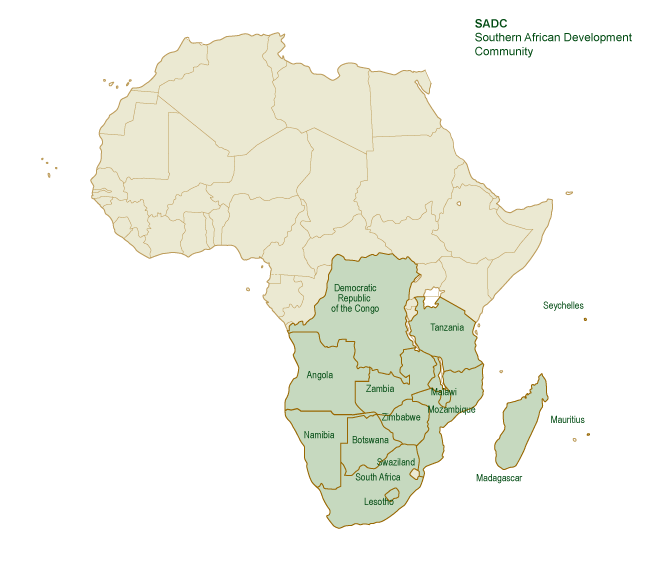
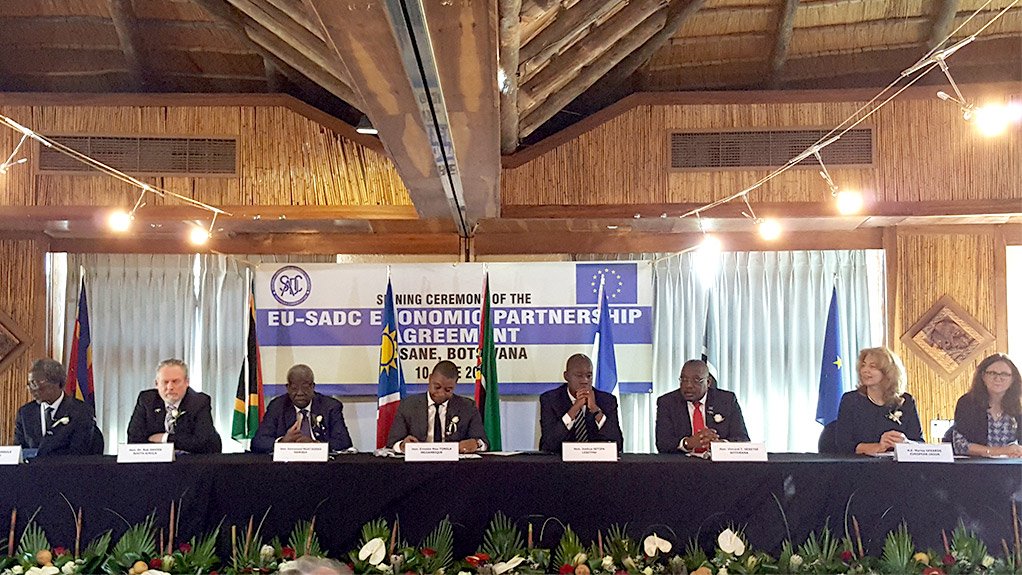
The EU has signed an Economic Partnership Agreement (EPA) on 10 June 2016 with the SADC EPA Group comprising Botswana, Lesotho, Mozambique, Namibia, South Africa and Swaziland. Angola has an option to join the agreement in future.
The other six members of the Southern African Development Community region – the Democratic Republic of the Congo, Madagascar, Malawi, Mauritius, Zambia and Zimbabwe – are negotiating Economic Partnership Agreements with the EU as part of other regional groups, namely Central Africa or Eastern and Southern Africa.
For specific details on the key envisaged benefits of the agreement click here!
The EU-SADC EPA is the first EPA signed between the EU and an African region, with an East African agreement expected to follow in a few months, but with the West African agreement having met fresh resistance. EU Trade Commissioner Cecilia Malmström stressed at the signing ceremony the developmental bias in the agreement, which extended duty- and quota-free access to all SADC EPA members, except South Africa. Africa’s most developed economy has an existing reciprocal trade framework known as the Trade and Development Cooperation Agreement, which came into force in 2000.
South Africa, meanwhile, had secured improved access to the EU market on a range of agricultural products, as well as greater policy space to introduce export taxes. EU statistics show that bilateral trade between South Africa and the EU stood at €44.8-billion in 2015, with the balance tilted in favour of European exports to South Africa, which stood at €25.4-billion. This improved access had been facilitated in large part by South Africa’s concession on so-called geographical indications (GIs) – 252 European names used to identify agricultural products based on the region from which they originate and the specific process used in their production, such as Champagne and Feta cheese. In return, the EU has agreed to recognise over 100 South African GIs, including Rooibos and Honeybush teas, Karoo lamb and various wines.Sources: EU Commission and Engineering News
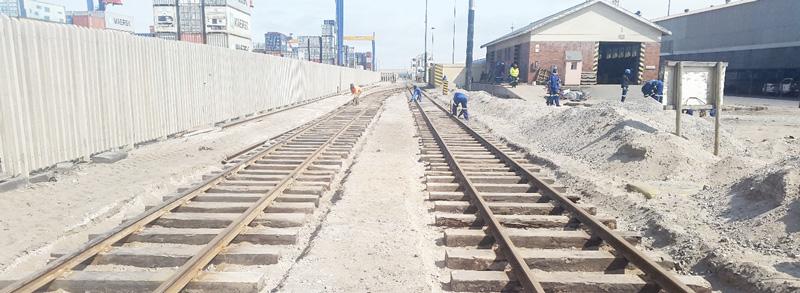
The Namibian Ports Authority has completed the upgrade of all railway infrastructure at the Port of Walvis Bay at a cost of N$20M (US$1.3M)
The work was included in Namports maintenance programme in 2010, but is now part of wider plans to upgrade facilities at Walvis Bay in preparation for the completion of the new container terminal.
A total of 4.5kms of track inside the port and the section of railway running from the city into the port have been replaced using material that can cope with heavier loads.
A spokesperson for Namport said: “Although the project was of relatively low value, its execution was complex as we had to ensure minimum operational interruption to the track, which is in daily use.”
The new container terminal is being constructed on 40-ha of reclaimed land and will add 700,000 TEU of annual handling capacity to the existing 350,000 TEU. Walvis Bay is already attracting bigger ships and recently handled its biggest ever container vessel the CMA CGM DANUBE, a 112,580 dwt vessel with a nominal intake of 9200 TEU.
A statement from Namports read: “The visit of CMA CGM DANUBE complements our port expansion project, which accommodates greater carrying capacity. Following the completion of the port expansion project vessels such as this will be accommodated at the new container terminal.”
The Walvis Bay Corridor Group, which was set up to promote the use of the port among neighbouring states, is keen to improve ancillary infrastructure at Walvis Bay to make the most of the new terminal.
Namport manager for corporate communication Taná Pesat said: “The benefits are our safe and secure corridors to and from landlocked SADC markets. The frequency of direct ship calls and flexibility of doing business with ease.”
However, the plot of land at the port given to Zimbabwe in 2009 for the construction of a dedicated dry port has still not been developed. Source: World Cargo News



![Cross-border e-commerce freight train [Xinhua]](https://mpoverello.com/wp-content/uploads/2018/06/cross-border-e-commerce-freight-train-xinhua.jpg)

 The EU has signed an Economic Partnership Agreement (EPA) on 10 June 2016 with the SADC EPA Group comprising Botswana, Lesotho, Mozambique, Namibia, South Africa and Swaziland. Angola has an option to join the agreement in future.
 The Namibian Ports Authority has completed the upgrade of all railway infrastructure at the Port of Walvis Bay at a cost of N$20M (US$1.3M)
 What Happened to the Portcullis?
You must be logged in to post a comment.