The SACU Utility Block – My Export is Your Entry

SACU IT Connectivity ConferenceRepresentatives from the Southern African Customs Union (SACU) gathered in Johannesburg, South Africa recently to refine requirements towards the development IT connectivity and electronic data exchange to facilitate cross-border customs clearance in the region. The workshop was convened by the SACU Secretariat under the sponsorship of the Swedish government and technical support from the World Customs Organisation.

Work already commenced way back in 2012 on this initiative. Progress in the main has been hampered by the legal agreement which to date not all members of the Customs Union have ratified. One of the features of this initiative, however, has been the continuity of support rendered by the WCO.

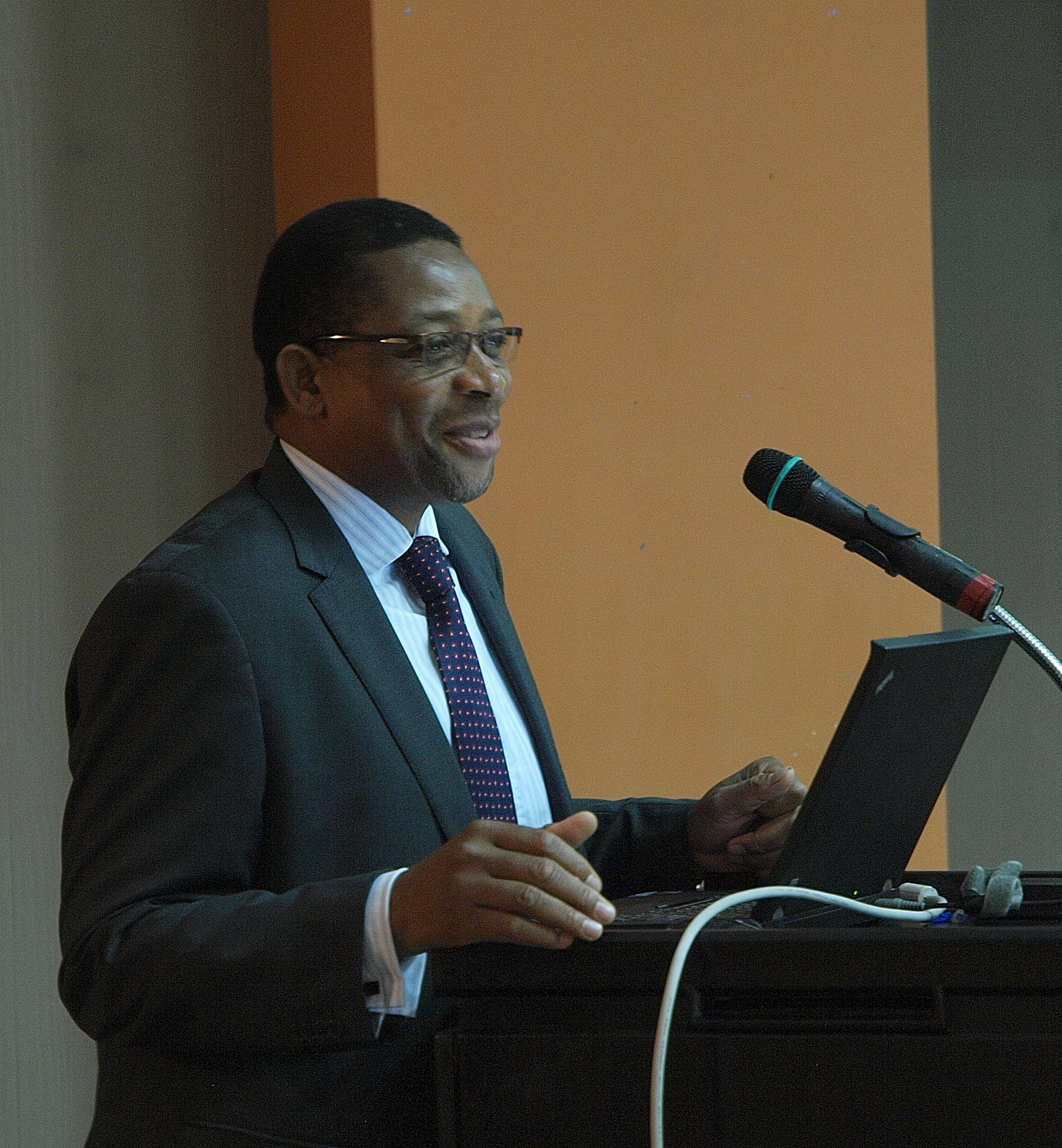
This event was indeed fortunate to secure – once again – the services of S.P. Sahu, former head of Information Technology at the WCO. After his secondment to the WCO he is now back in his home country where he is the Commissioner for Single Window based in Delhi, India.

S.P’s years of experience in both the technical and operational spheres of customs and the international supply chain enable him to articulate concepts and solutions in a manner which are practical and simple to understand. The workshop recognised the need to accelerate border processes and to this end the border process should be limited to physical examination, inspection, release; declaration processes should be done away from borders.

While simple enough in theory, the notion of clearance away from borders could pose challenges. Many of Africa’s borders – including those of a ‘One Stop’ kind – have not fully embraced the need to integrate processing and synchronize Customs activities. The challenge posed by ‘regional integration’ is one of surrendering national imperatives for a common regional good. It imposes a co-ordination of and development towards ‘regional objectives’ with the same level of purpose as national states do for their domestic agenda’s. In the case of SACU, it challenges member state’s stance on what real benefits the customs union should aspire to, beyond the mere sharing of the common revenue pool.

The outcome of the workshop resulted in a more refined, do-able scope and objective. With Mr. Sahu’s experience and guidance, the revised Utility Block (UB) speaks to all facets (legal, operational and technical) of the ‘regional agreement’ to the extent it specifies in the required detail the programme of action required on the part of the member stats as well as the SACU Secretariat. Refinement of the UB includes the removal from scope of the Release Message, Manifest Information and bond/guarantee message for the purpose of simplification of customs processes.

What remains are –

  • An Export & Transit Message – which includes the Unique Consignment Reference (UCR) validated and approved by the Export/Exit country.
  • An Arrival Confirmation/Notification Message – where the arrival date time would be when the import country recognises goods as received and places the goods under its customs procedure.
  • A Control Results Message – which includes the results of data matching, inspection and risk assessment based on agreed business rules.

In support of the above, SACU recently agreed on a framework of a UCR which must be further discussed and agreed upon by the respective member states. The UCR is a structured reference number which will be used by customs administrations of the respective member states to ‘link up’ import declaration data with the corresponding ‘export declaration’ data electronically exchanged by the export country.

Regional traders who have electronic clearance and forwarding capability will also play a role in the exchange of data through the exchange of the UCR on export and transit information with their counterparts or clients in the destination country. Once the exchange of data is operational between member states, it will be imperative for the importer to receive/obtain the UCR from the exporting country and apply it to his/her import declaration when making clearance with Customs.

The SACU Utility block will be tabled at a future Permanent Technical Committee meeting of the WCO for consideration and approval. A Utility Block is a concept structure which is proposed under the WCO’s Globally Networked Customs (GNC) initiative which seeks to aid and assist its members in the operationalisation of Mutual Administrative Assistance agreements.

Time to modernise trade rules for digital era

digital-ownershipIn the past, nations with the best ships and ports were able to establish global trade leadership and the growth that came along with it. Today, global trade has gone digital.

In the digital economy software-enabled products and services such as cloud computing and data analytics are the key drivers of growth and competitiveness. In fact, the world now invests more than $3.7 trillion (R40 trillion) on information and communications technologies a year.

In South Africa, we spend $26 billion a year and the total for the Middle East/Africa region is $228bn. However, to maximise our return on that investment, it is important for policymakers to eliminate barriers that could inhibit the continued expansion of digital trade.

It is clear that software-driven technology is transforming every sector of the global economy. For example, thanks to unprecedented processing power and vast data storage capabilities, banks can detect and prevent fraud by analyzing large numbers of transactions; doctors are now able to study historical trends in medical records to find more effective treatments; and manufacturers can pinpoint the sources of delays in global supply chains.

Against the backdrop of this kind of innovation, any country that wants to compete in today’s international marketplace must have a comprehensive digital agenda at the core of its growth and development strategy. In addition to domestic initiatives such as investment in education and skills training, or development of information technology infrastructure, policymakers can succeed in laying the groundwork for broad-based growth in the digital age if they focus on three big priorities.

First, any bilateral or multilateral trade agreement needs to facilitate the growth of innovative services such as cloud computing. As part of this, there should be clear rules that allow information to move securely across borders and prevent governments from mandating where servers must be located except in very specific situations.

Second, to promote innovation and foreign investment, continued intellectual property protection is vital and the use of voluntary, market-led technology standards – instead of country-specific criteria that force firms to jump through different technical hoops every time they enter a new local market – should be encouraged.

Third, all governments should ensure there are level playing fields for all competitors so customers have access to the best products and services the world has to offer.

At the same time, disclosures about government surveillance programmes in the US and other countries have sparked a renewed focus on data protection and personal privacy. Those concerns are worthy of debate and careful reform. But it is critically important not to conflate separate issues: We can’t let national security concerns derail digital trade.

There is precedent for navigating periods of change such as this in the global trade arena. Policymakers stood at a similar inflection point in the 1980s when they recognised the keys to growth in the coming decades would be intellectual property, services and foreign direct investment.

With foresight and hard work, they updated trade rules in the Uruguay Round of multilateral negotiations to ensure commitments were in place to provide a check against protectionist impulses. Now, as governments pursue robust growth agendas for the digital economy, it is critical we modernise trade rules again. Source: The Software Alliance (South Africa).

WCO/SACU Regional IT Connectivity Conference 2013

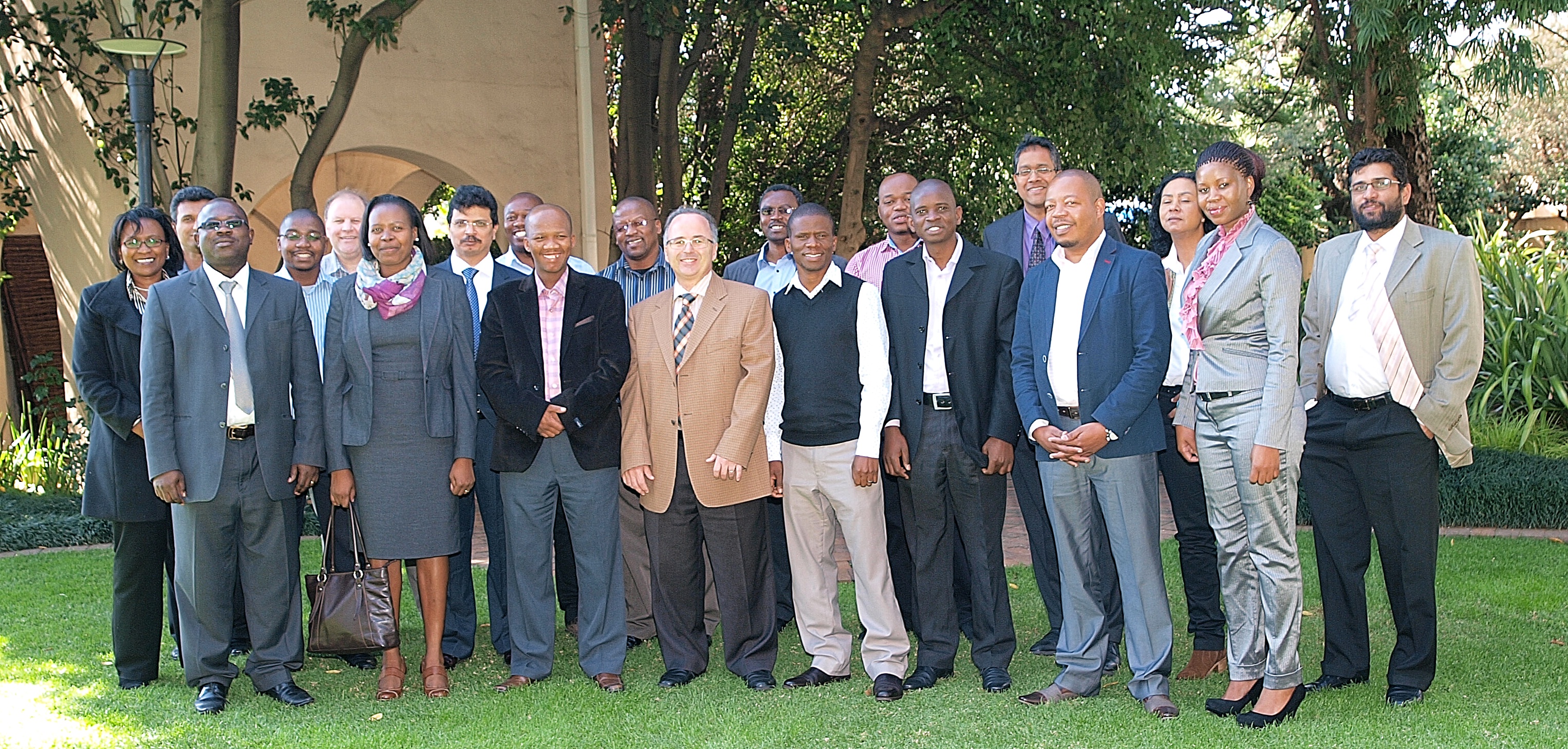
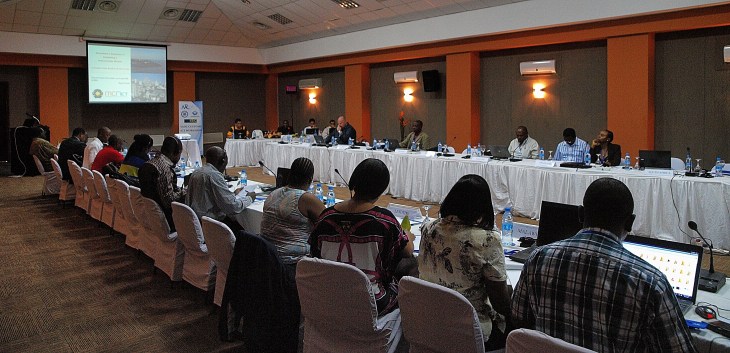
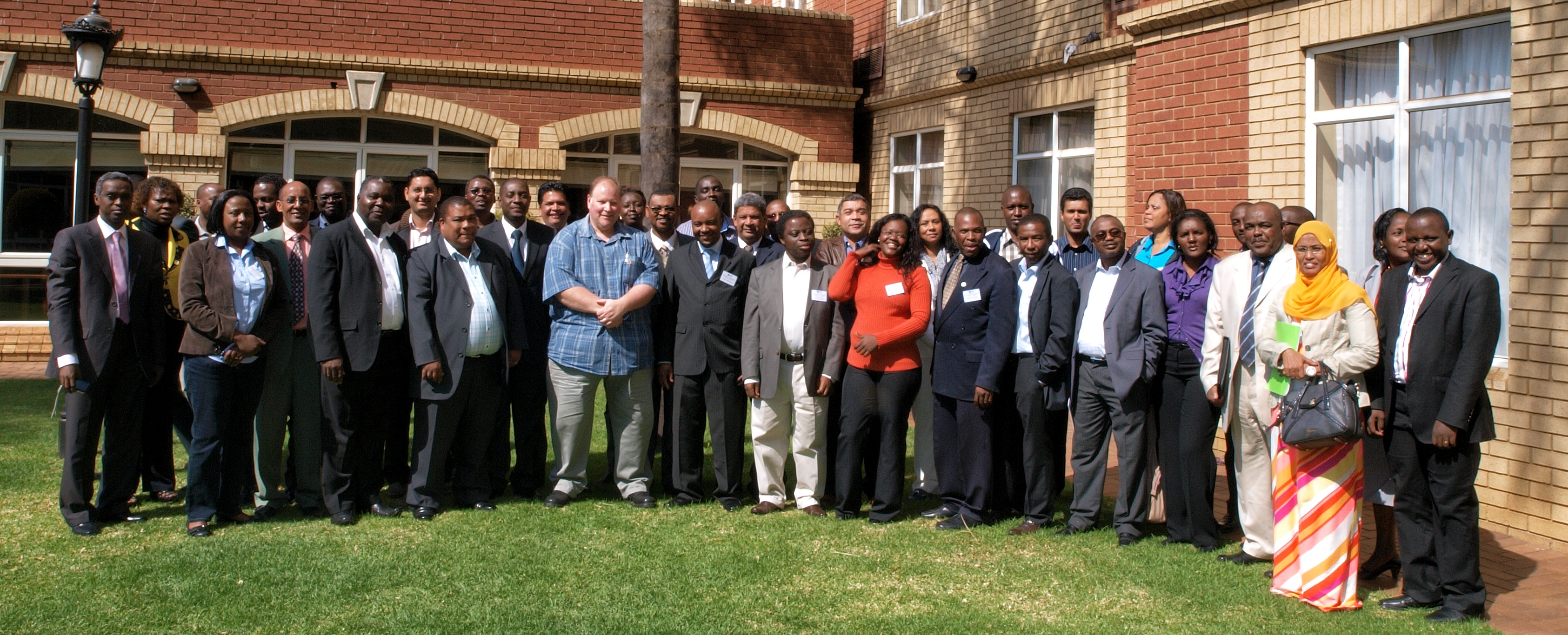
Delegates attending the WCO/SACU IT Connectivity Conference - May 2013

Delegates attending the WCO/SACU IT Connectivity Conference – May 2013

Representatives of the SACU member states recently met in Johannesburg to progress developments concerning IT Connectivity and Customs-to-Customs data exchange in the region. The session served as a follow up to the session held last year in February 2012 in Pretoria. The conference was convened by the SACU secretariat under the sponsorship of the Swedish International Development Agency (SIDA), and was once again pleased to have SP Sahu, senior technical expert from the World Customs Organisation, to facilitate the work session over 3 days. Representatives of UNCTAD ASYCUDA were also in attendance to observe developments. UNCTAD currently supports three (soon to be four) of the five SACU Customs administrations. The session provided an opportunity for delegates to progress this work as well as develop a terms of reference for an independent assessment of the two connectivity pilot projects that are currently being pursued between Botswana-Namibia and South Africa-Swaziland, respectively.

IT Connectivity serves as a catalyst for various customs-to-customs cooperation initiatives seeking to bring about a seamless end-to-end flow of information between point of departure and destination. Some examples include export/transit data exchange, approved economic operator, commercial fraud, eATA and at least 5 other key areas of customs mutual exchange.  The concept is driven out of the newly establish WCO model known as Globally Networked Customs (GNC). GNC was formally adopted by the WCO Council in June 2012 where a capacity building approach based on protocols, standards and guidelines (PSG) using utility blocks was recognised to provide the most realistic means to achieve efficiency gains, and a more effective way to manage the negotiation of international agreements between customs administrations.

There exist several pilot projects across the globe wherein customs agreements are being piloted under the GNC approach. Development of a Utility Block and supporting data clusters for interconnectivity within SACU and the broader Southern Africa sub-region already commenced at last year’s session. The concept gained sufficient traction and was soon adopted by both SACU and SADC  member states as the means to implementing IT connectivity within the respective regions.

A review of the Utility Block and data clusters was conducted to ensure alignment of customs data requirements across the member states. The resulting product now provides a standard ‘data set’ which members agree as the minimum data required to facilitate data exchange and advance risk management needs. It covers export and transit declaration requirements. Two important criteria exist for successful data exchange and data matching. The first being the availability of appropriate legal provision for two countries to exchange data. The second requires the use of an agreed unique identifier. The identifier is important for Customs as well as the trade community.

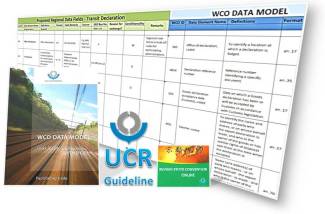
Delegates were also presented with current and future developments occurring at the WCO, in particular the on-going work being done to formalise standards for the “My Information Package” concept as well as the WCO Data Model, currently at version 3.3. Another interesting on-going development involves a unique Trader ID.  

Member states involved in respective pilot programmes are now preparing themselves for an up-coming evaluation, later this year.

Big Brother is here and his name is PRISM

Picture credit - Gismag.com

Picture credit – Gizmag.com

First came news from The Guardian that the NSA was collecting phone records from millions of Verizon customers under a top-secret government order:  “The National Security Agency is currently collecting the telephone records of millions of US customers of Verizon, one of America’s largest telecoms providers, under a top-secret court order issued in April.

The order, a copy of which has been obtained by the Guardian, requires Verizon on an “ongoing, daily basis” to give the NSA information on all telephone calls in its systems, both within the US and between the US and other countries.”

Then, in the last few hours, more layers were peeled back by The Washington Post:  “The National Security Agency and the FBI are tapping directly into the central servers of nine leading U.S. Internet companies, extracting audio and video chats, photographs, e-mails, documents, and connection logs that enable analysts to track one target or trace a whole network of associates, according to a top-secret document obtained by The Washington Post.”

The story continues to list the companies who allegedly gave the US government unfettered access to customer data (emphasis is ours): “Equally unusual is the way the NSA extracts what it wants, according to the document: ‘Collection directly from the servers of these U.S. Service Providers: Microsoft, Yahoo, Google, Facebook, PalTalk, AOL, Skype, YouTube, Apple.”

According to a series of alleged PowerPoint slides obtained by The Washington Post, Microsoft was the first to join the program, in September of 2007. The most recent addition was Apple, in October of 2012. Dropbox is reportedly “coming soon.”

Interestingly, most of the companies named are responding to requests for comment by flat-out denying awareness or involvement. According to The Next Web, Facebook, Apple, Google, Microsoft, Dropbox and Yahoo have all denied participation. PRISM reportedly began collecting data in 2007, which means it was introduced under President Bush. However, The Washington Post says the program has experienced “exponential growth” under the Obama administration.

Video: The U.S. goverment is accessing top Internet companies’ servers to track foreign targets. Reporter Barton Gellman talks about the source who revealed this top-secret information and how he believes his whistleblowing was worth whatever consequences are ahead.

Video: The U.S. goverment is accessing top Internet companies’ servers to track foreign targets. Reporter Barton Gellman talks about the source who revealed this top-secret information and how he believes his whistleblowing was worth whatever consequences are ahead.

The slides reveal an annual budget of US$20 million for the program with data monitored by the program including e-mails, instant messages, videos, photos, stored data (presumably in the cloud), voice chats, file transfers, video conferences, log-in times, and social network profile details. Although the program is supposedly aimed at surveillance of foreign targets, such as spies and terrorists, and is intended to take advantage of the fact that most of the world’s data flows through the US, it is inevitable that data of US citizens is caught up in the mix. The NSA Powerpoint slides describe this as “incidental.”

It shouldn’t be too shocking that the US government spies on its citizens. What may be more surprising is just how far-reaching, and possibly unconstitutional, this program is. Perhaps the most significant part will be the fallout now that the secrets are out in the open.

Recent developments concerning customs data exchange via “cloud-type” mediums will therefore come under more scrutiny given current revelations in the US. It serves little purpose for countries to agree on data confidentiality and unwittingly (?) make such data available for ‘harvesting’ via third-party technology providers. Let this come as a fore-warning to governments.

Sources: The Guardian, The Washington Post, The Next Web, and Gizmag.

Mozambique Customs gets a new DG

Guilherma Mambo presenting the Mozambique Single Electronic Window at the SADC ICT Conference, in Mauritius, 2012.

Guilherma Mambo presenting the Mozambique Single Electronic Window at the SADC ICT Conference, in Mauritius, 2012.

Guilherme Mambo has just been appointed Director General Mozambique Customs on the 10th May 2013. Until then he was Board Director of MCNet – Mozambique Community Network the PPP responsibly for implementation of Electronic Single Window for customs clearance in Mozambique where he were responsible for implementation and operations. In recent months he has lead Mozambique’s bi-lateral engagement on IT-Connectivity and Data Exchange with his counterparts at the South African Revenue Service (SARS).

For the past 10 years Mambo served as director IT Mozambique Customs and then for Mozambique Revenue Authority. On this role he participated in various modernization projects aimed at improving the business environment in Mozambique through improvement of public services particularly the complete organizational transformation of customs and internal tax areas.

Prior to working with customs and MRA, he worked in aviation industry and a UN lead project in Chechnya, Liberia, Angola were he was exposed multifaceted international experience.

As Director General – Mozambique Customs his responsibility is to manage the General Directorate of Customs (DGA) a paramilitary organization with around 2000 staff, one of the two major collectors of government revenue derived from external trade largely from customs duty, excise duty and the Value Added Tax (IVA).  DGA is also a law enforcement agency that undertakes the control of imports and exports for the protection of revenue to prevent evasion of duties and taxes and assists in the promotion of the community’s well-being to prevent the smuggling of controlled, prohibited and restricted goods (such as illicit narcotic drugs and firearms). The Director General heads the DGA and his assisted by three Deputy Director General each of one have a specific area of responsibility.

UCR and GS1 data to meet?

Kunio Mikuriya, WCO Secretary General, and Maria Palazzolo, Chief Executive Officer of GS1 Australia and GS1 Board Member, at the GS1 Global Forum 2013

Kunio Mikuriya, WCO Secretary General, and Maria Palazzolo, Chief Executive Officer of GS1 Australia and GS1 Board Member, at the GS1 Global Forum 2013

GS1 is a non-profit organization dedicated to the development and implementation of global specifications to manage the supply chain, including product identification codes, barcodes and business-to-business standards for the exchange of accurate data. After longstanding cooperation at the technical level, the WCO concluded a Memorandum of Understanding (MoU) with GS1 in 2007 to formalize cooperative ties.

At the invitation of GS1, the Secretary General of the WCO, Kunio Mikuriya, spoke at the GS1 Global Forum 2013 in Brussels on 18 February 2013 where he highlighted the increasing cooperation between the two organizations. Recalling the evolution of Customs with a heightened focus on data management for assessing risks in the supply chain, the Secretary General underlined the importance for Customs to explore the possibility of making use of supply chain specifications that are available in the trade, such as codes and specifications developed by GS1.

He specifically referred to the new WCO Economic Competitiveness Package to explain how Customs contributes to enhancing national competitiveness by facilitating trade using a risk management approach. As this requires the application of information technology, data and message standards, and consignment identifiers, it is important to employ existing technologies and tools in the trade supply chain, through a partnership with business.

Sharing a common interest in supply chain management, including track and trace systems, both organizations have been cooperating in many areas in a complementary manner, as the WCO facilitates Customs-to-Customs and Customs-to- business data exchange while GS1 also facilitates business-to-business data exchange.

Areas of cooperation between the two organizations include the work at the United Nations Centre for Trade Facilitation and Electronic Business (UN/CEFACT) and the International Standards Organization (ISO) on standardization and specifications for supply chain management, the work on the Unique Consignment Reference Number (UCR) and the use of GS1 data for Customs risk assessment purposes.

The most recent collaboration includes the addition of a barcode function to the Interface Public Members (IPM) – the WCO’s information tool to fight violations of intellectual property rights at borders. Secretary General Mikuriya urged GS1 members to leverage the collaboration with the WCO at the global level by getting in touch with their respective local Customs administrations. GS1 members appreciated his speech and pledged to explore and enhance cooperation with Customs administrations. Source: WCO

For more of the latest news and happenings at the WCO, please follow the news feed alongside (right).

AU considers continental Customs Connectivity

500px-Emblem_of_the_African_Union_svgThe African Union (AU) Technical Working Group on Interconnectivity has developed a ‘draft’ Strategy and Roadmap for Customs-2-Customs IT Connectivity on the continent. This strategy will effectively guide the process of the continental Interconnectivity of Computerized Customs Clearance and Information Systems in Africa. The ‘draft’ Roadmap envisages that the process of interconnectivity will take a period of 11 years with a total of four stages.

Stage 1 – by 2014, National states should have engaged one another (within their respective regions) on the matter of Customs connectivity.

Stage 2 – between 2013 and 2017, the AU has an extremely ambitious expectation that national Customs Administrations would have (at least commenced) if not completed Customs ‘connectivity’ within the various Regional Economic Communities (RECs) in Africa.

Stage 3 – between 2017 and 2020, the suggestion that Customs interconnectivity will be occurring between RECs across the African continent – North Africa: AMU; West Africa: ECOWAS and UEMOA; Central Africa: ECCAS and CEMAC; East Africa: COMESA, EAC, IGAD; and South Africa: SADC and SACU.

Stage 4 – between 2020 and 2025, consolidation of Customs IT-Connectivity across the RECs.

The ‘draft’ Strategy spells out the strategic objectives and activities at the national, regional and continental level that will need to be taken for this to be realized. The strategy also indicates the roles of all the major stake holders in the process.  This comes in the wake of several regional and bi-lateral initiatives to bridge the ‘cross-border divide’ through electronic exchange of structured customs information.

All in all an ambitious plan structured to meet the equally ambitious deadlines of the coming into being of an African Union. The real challenge in all of this lies with the Member States in being able to set aside and commit to regional and continental ambitions, over and above the already pressing and complex national agenda’s of their respective sovereign countries. In context of the African Union, the multiplicity of RECs in themselves add a layer of duplication…..is an “integrated Customs Union” in Africa going to continue to permit the existence of the respective RECs or will they be absorbed into the African Union? Member states need to begin speaking up on this issue otherwise accept being swamped by onerous commitments. No doubt the ‘international donor agencies’ wait eagerly in the wings to capitalise on Africa’s deficiencies.

NRA/BURS – Customs Connectivity Passes Test

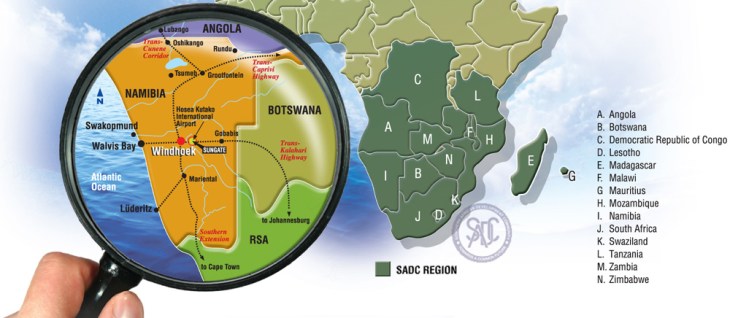
TKCThe first live demonstration of an end-to-end customs connectivity solution was successfully completed in Windhoek, Namibia on December 12, 2012. Customs Connectivity enables customs administrations from different countries to share information seamlessly and instantly across borders: reducing processing time and improving access to reliable, real-time trade statistics.

The demonstration was witnessed by the Commissioners of Botswana (BURS) and Namibia Customs (NRA), senior managers and operational teams. The demonstration involved moving information from an ASYCUDA++ entry in Botswana via the Cloud-based User Portal to an ASYCUDA++ entry in Namibia, and vice-versa from Namibia to Botswana. It demonstrated how clearing agents/traders would manage the flow of their information via the secure online User Portal.

The demonstration marked a “watershed moment” in turning Customs Connectivity into reality. The next steps for the pilot project include full system testing and documentation before end-user training commences. Full implementation is scheduled to take place during the first half of 2013.

Customs Connectivity offers countries in the region a historic opportunity to engage cutting-edge technology and modern tools to facilitate trade throughout Southern Africa, enhancing economic growth and promoting food security. The pilot project is being implemented by Botswana and Namibia, supported by the USAID Southern Africa Trade Hub. Source: SATH

Request – Perhaps some of the TKC clearing agents, NRA and BURS customs staff would like to comment on their experience thus far? 

2012 in review

The WordPress.com stats helper monkeys prepared a 2012 annual report for “What Happened to the Portcullis?“. A special thanks to everyone who has browsed regularly, commented or contributed to this blog. I am deeply grateful and appreciative! Mike

Here’s an excerpt:

4,329 films were submitted to the 2012 Cannes Film Festival. This blog had 52,000 views in 2012. If each view were a film, this blog would power 12 Film Festivals

Click here to see the complete report.

Building hard and soft infrastructure to minimise regional costs

I post this article given it ties together many of the initiatives which I have described in previous articles. The appears to be an urgency to implement these initiatives, but the real question concerns the sub-continent’s ability to entrench the principles and maintain continuity. At regional fora its too easy for foreign ministers, trade practitioners and the various global and financial lobbies to wax lyrical on these subjects. True there is an enormous amount of interest and ‘money’ waiting to be ploughed into such programs, yet sovereign states battle with dwindling skills levels and expertise. Its going to take a lot more than talk and money to bring this about.

South Africa is championing an ambitious integration and development agenda in Southern Africa in an attempt to advance what Trade and Industry Minister Rob Davies describes as trade and customs cooperation within the Southern African Customs Union (SACU), the Southern African Development Community (SADC) and other regional trade organisations.

Central to pursuing this intra-regional trade aspiration are a series of mechanisms to combine market integration and liberalisation efforts with physical cross-border infrastructure and spatial-development initiatives. Also envisaged is greater policy coordination to advance regional industrial value chains. “Trade facilitation can be broadly construed as interventions that include the provision of hard and soft infrastructure to facilitate the movement of goods, services and people across borders, with SACU remaining the anchor for wider integration in the region,” Davies explains.

This approach is also receiving support from the US Agency for International Development (USAid), which recently hosted the Southern African Trade Facilitation Conference, held in Johannesburg.

Trade programme manager Rick Gurley says that virtually every study on trade in sub- Saharan Africa identifies time and cost factors of exporting and importing as the most significant constraints to regional trade potential. Limited progress has been made by SADC member States and SACU partners to tackle the factors undermining trade-based growth, limiting product diversification and increasing the price of consumer goods, including of foodstuffs. However, far more would need to be done to realise the full potential of intra-regional trade.

Regional Alliance
One high-profile effort currently under way is the Tripartite Free Trade Area (T-FTA), which seeks to facilitate greater trade and investment harmonisation across the three existing regional economic communities of the SADC, the Common Market of Eastern and Southern Africa and the East African Community.

The existing SADC FTA should be fully implemented by the end of the year, with almost all tariff lines traded duty-free and, if established, the T-FTA will intergrate the markets of 26 countries with a combined population of nearly 600-million people and a collective gross domestic product (GDP) of $1-trillion. At that size and scale, the market would be more attractive to investors and could launch the continent on a development trajectory, Davies avers. It could also form the basis for a later Africa-wide FTA and a market of some $2.6-trillion.

However, as things stand today, intra- regional trade remains constrained not merely by trade restrictions but by a lack of cross-border infrastructure, as well as poor coordination and information sharing among border management agencies such as immigration, customs, police and agriculture.Cross-national connectivity between the customs management systems is also rare, often requiring the identical re-entry of customs declarations data at both sides of the border, causing costly and frustrating delays.

USAid’s regional economic growth project, the Southern African Trade Hub, is a strong proponent of the introduction of several modern trade-facilitation tools throughout the SADC – a number of which have already been successfully pioneered. These tools, endorsed by the World Customs Organisation (WCO) Framework of Standards, which offers international best-practice guidelines, are aimed at tackling the high costs of exporting and importing goods to, from, and within Southern Africa, which has become a feature of regional trade and discouraged international investment.

Bringing up the Rear
A country’s competitiveness and the effec- tiveness of its trade facilitation regime are measured by its ranking on World Bank indices and, with the exception of Mozambique, Southern African States perform poorly – with most in the region settling into the lowest global quartile of between 136 and 164, out of a total of 183. “Our transaction costs in Africa across its borders are unacceptably high and inhibit trade by our partners in the private sector,” says WCO capacity building director Erich Kieck. “We need our States to develop good ideas and policies, but the true test lies in their ability to implement them,” he notes.

He adds that not only does trade facilitation require efficient customs-to-customs connectivity, but also demands effective customs-to-business engagement, adding that, while customs units are responsible for international trade administration, they are not responsible for international trade. “The private sector is the driver of economic activity and international trade, and government’s responsibility is to understand the challenges faced by the business community and develop symbiotic solutions,” Kieck notes.

Despite the establishment of regional trade agreements and regional economic communities in Southern Africa, many partner- ships have failed to deliver on their full potential to increase domestic competitiveness.

In a report, African Development Bank (AfDB) senior planning economist Habiba Ben Barka observes that, despite the continent’s positive GDP growth record – averaging 5.4% a year between 2005 and 2010 – it has failed to improve its trading position or integration into world markets. In 2009, Africa’s contribution to global trade stood at just under 3%, compared with nearly 6% for Latin America and a significant 28% for Asia.

“Since 2000, a new pattern of trade for the continent has begun to take centre stage, as Africa has witnessed an upsurge in its trade with the emerging Brazil, Russia, India and China economies. Overall, Africa is trading more today than in the past, but that trade is more with the outside world than internally,” says Ben Barka. She adds that while many African regional economic communities have made some progress in the area of trade facilitation, much greater effort is required to harmonise and integrate sub-regional markets.

To address enduring trade barriers, consensus among business, government and trade regulators appears to lean towards the adoption of one or a combination of five facilitation tools. These include the National Single Window (NSW), the One-Stop Border Post (OSBP), cloud-based Customs Connectivity, Coordinated Border Management (CBM) and Customs Modernisation Tools.

A National Single Window
NSWs connect trade-related stakeholders within a country through a single electronic-data information-exchange platform, related to cross-border trade, where parties involved in trade and transport lodge standardised trade-related information or documents to be submitted once at a single entry point to fulfil all import, export and transit-related regulatory requirements.Mauritius was the first SADC country to implement the NSW and consequently improved its ranking on the ‘Trading Across Borders Index’ to 21 – the highest in Africa. It was closely followed by Ghana and Mozambique, which have also reported strong improvements.

Developed in Singapore, the benefits of government adoption include the reduction of delays, the accelerated clearance and release of goods, predictable application, improved application of resources and improved transparency, with several countries reporting marked improvement in trade facilitation indicators following the NSW implementation.

In South Africa, the work on trade facili-tation is led by the South African Revenue Service (SARS), which focuses on building information technology (IT) connectivity among the SACU member States, and strengthen- ing risk-management and enforcement measures. However, SARS’ approach to the NSW concept remains cautious, Davies explains. “SARS has considered the viability of this option as a possible technological support for measures to facilitate regional trade, but considers that this would fall outside the scope of its current approach and priorities in the region,” he said.

One-Stop Border Posts
As reported by Engineering News in December last year, effective OSBPs integrate the data, processes and workflows of all relevant border agencies of one country with those of another, which culminates in a standardised operating model that is predictable, trans- parent and convenient. An OSBD success story in Southern Africa is the Chirundu border post, where a collaboration between the Zambia and Zimbabwe governments has culminated in a single structure, allowing officers from both States to operate at the same location, while conducting exit and entry procedures for both countries.

Launched in 2009, this OSBP model is a hybrid of total separation, joint border operations and shared facilities in a common control zone. Implementation of the model has reduced clearance times to less than 24 hours, significantly reduced fraudulent and illegal cross-border activity, enabled increased information sharing between border agencies and reduced the overall cost of export and import activities in the area.

Earlier this year, former South African Transport Minister Sibusisu Ndebele indicated that Cabinet was looking into establishing a mechanism that would bring all border entities under a single command and control structure to address the fragmentation in the country’s border operations, particularly at the high-traffic Beitbridge post between South Africa and Zimbabwe. “The ultimate vision is to create one-stop border operations to facilitate legitimate trade and travel across the borders,” he said.

Customs Connectivity and Data Exchange
Improved connectivity between customs limbs in sub-Saharan Africa has perhaps made the most indelible strides in the region, with improved IT connectivity between States identified as a priority by Sacu.

This includes customs-to-customs inter- connectivity, customs-to-business inter- connectivity and interconnectivity between customs and other government agencies. SACU members have agreed to pursue the automation and interconnectivity of their customs IT systems to enable the timely electronic exchange of data between administrations in respect of cross-border movement of goods. “As a consequence of this acquiescence, we have identified two existing bilateral connectivity programmes as pilot projects to assess SACU’s preferred connectivity approach, cloud computing between Botswana and Namibia and IT connectivity between South Africa and Swaziland,” says SACU deputy director for trade facilitation Yusuf Daya. He adds that a regional workshop was recently convened to explore business processes, functions, data clusters and the application of infrastructure at national level to improve and develop intra-regional links.

Coordinated Border Management
The SADC has been a strong proponent of CBM efforts in the region, which promotes coordination and cooperation among relevant authorities and agencies involved in, specifically, the protection of interests of the State at borders. “The union has drafted CBM guidelines for its members on implementation, based on international best practice, and has received indications of interest from several member States,” explains SADC Customs Unit senior programme officer Willie Shumba.He adds that CBM is a key objective of regional integration, enabling the transition from an FTA to a customs union and, eventually, to a common market, through effective controls of the internal borders.

Customs Modernisation
South Africa’s customs modernisation initiative is well advanced and came about following Sars’ accession to the WCO’s revised Kyoto Convention in 2004, which required customs agencies to make significant changes to it business and processing models. These changes included the introduction of simplified procedures, which would have fundamental effects on and benefits for trade and would require a modern IT solution.

Since its inception, the SARS Customs Modernisation Programme has gained tremendous momentum, with amendments to the Passenger Processing System and the replacement of SARS’s Manifest Acquittal System in the Automated Cargo Management system. Further adjustments were made to enable greater ease of movement of goods, faster turnaround times and cost savings, as well as increased efficiency for SARS. This phase included the introduction of an electronic case-management system, electronic submission of supporting documents, the centralisation of back-end processing in four hubs and an electronic release system and measures to enhance the flow of trucks through borders – in particular at the Lebombo and Beitbridge borders.

Proper Planning
AfDB’s Ben Barka warns that, prior to the implementation of any border improvement efforts by countries in Southern Africa, a thorough analysis and mapping of each agency’s existing procedures, mandate and operations should be undertaken.“Based on these findings, a new set of joint operational procedures need to be agreed upon by all involved agencies and must comply with the highest international standards,” she says.

Development coordination between States is essential, as the largest disparity among regional groupings, in terms of intra-regional trade, is clearly attributable to their differentiated levels of progress in various areas, including the removal of tariffs and non-tariff barriers, the freedom of movement of persons across borders and the development of efficient infrastructure. Source: Engineering News.
SADC Member States driving the Customs regional integration agenda

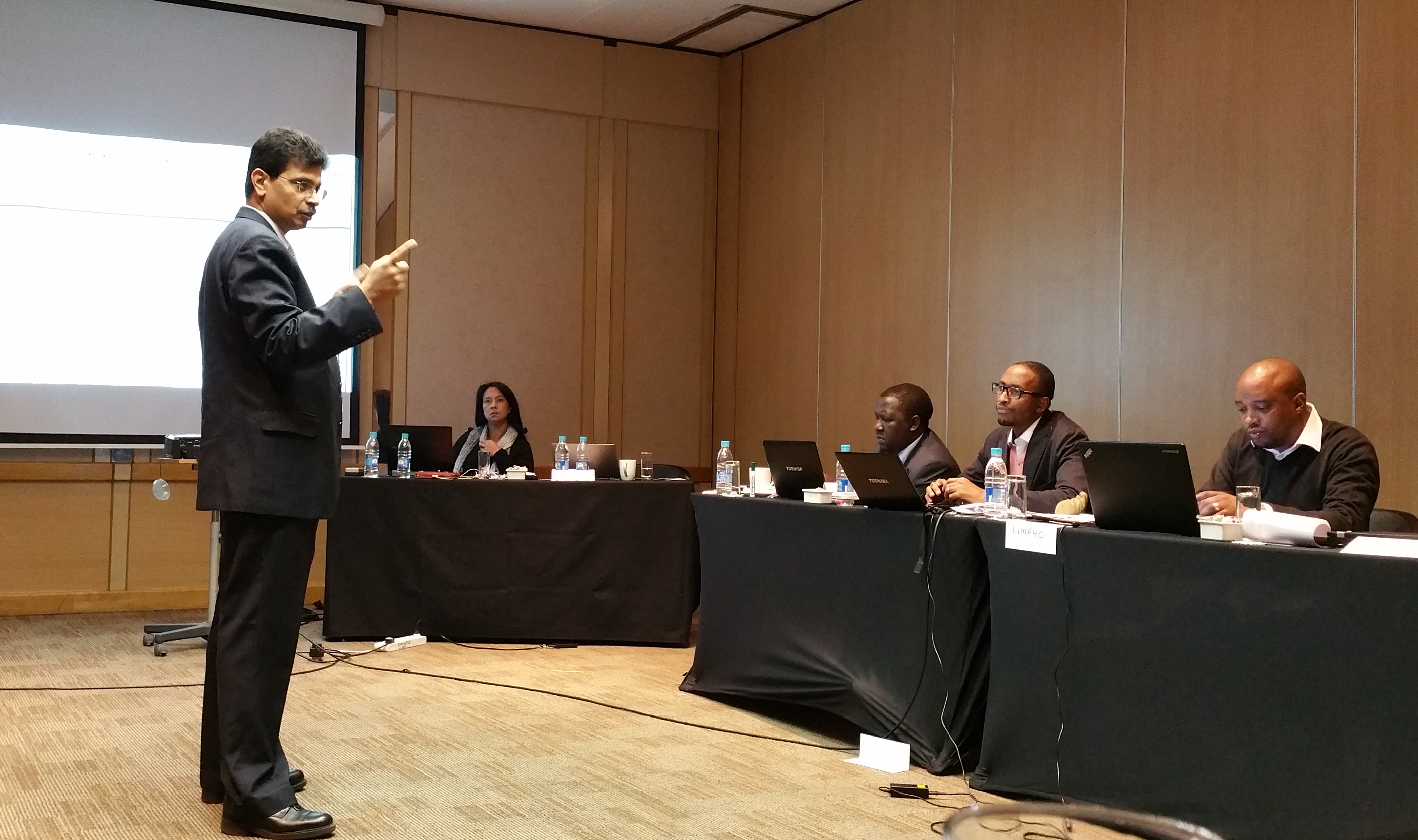
Delegates from the SADC member states gathered in Port Louis, Mauritius between 9 and 13 October to establish a SADC Customs ICT strategy for the region. The conference, sponsored by the United Nations Economic Commission for Africa, coincided with the 200th anniversary of Customs in Mauritius.

Following recent developments on IT connectivity and data exchange in the region, the conference addressed other areas of ICT in Customs which have a significant influence not only for internal Customs processing but its impact and effect on the broader stakeholder community. The conference was well attended with representatives from Angola, Mozambique, Lesotho, Swaziland, Namibia, Botswana, Tanzania, Zimbabwe, Seychelles, Mauritius, Democratic Republic of Congo, Malawi, and South Africa.

The event also drew international interest with representatives from the World Customs Organisation, Trans-Kalahari Corridor, SA Trade Hub, the East African Community, Southern African Customs Union, and the UN Economic Commission for Africa.

“Customs Connects, Borders Divide” conveyed the central theme for the event with the WCO IT and Capacity Building expert, Mats Wicktor, providing an enabling platform upon which the conference deliberations occurred. A detailed presentation clearly outlined the WCO’s the basis for standards, recommendations and guidelines, with specific reference to the Data Model, the Unique Consignment Reference and the most recent developments on Globally Networked Customs (GNC).

Other keynote addresses were made by Mozambique (DGA) on their experience in implementing the Single Window concept (for more details on this project visit URL: http://tfig.unece.org/case-stories.html).  Host nation Mauritius presented their Cargo Community System, and a number of other IT developments namely, e-Certificate of Origin, valuation database for 2nd hand motor vehicles, and the recently implemented Customs Enforcement Network (CEN) solution. SARS presented its Customs Modernisation journey highlighting some of the key ICT products and features and the respective efficiencies and trade facilitation benefits introduced for trade. Furthermore, it elaborated on its current bilateral data exchange initiatives with Swaziland, Zimbabwe, Mozambique as well as the IBSA countries.

The business end of the conference saw the finalisation, tabling and vetting of a draft SADC Customs ICT strategy. The strategy provides a broad framework, focussed around the concept of Customs-to-Customs data exchange. It seeks to create synergy between member states in regard to aspects such as transit management, common risk and enforcement principles, the entrenching of the One Stop Border Post concept, as well as automation of certificates of origin. From a SADC point of view, the strategy will support the realisation of its Strategic Plan – envisaged to include a Customs Union.

Regional IT inter-connectivity takes another step

Delegates from at least 20 African Customs Administrations met in Pretoria, South Africa between 13 and 15 August to advance developments towards a common framework and approach to IT inter-connectivity and information exchange in the region. Convened by the SADC secretariat in consultation with COMESA and Trademark Southern Africa (TMSA), the three day work session focussed on uniform acceptance of the WCO‘s Globally Networked Customs (GNC) methodology, regional awareness of customs developments in the Southern and East African region, as well as joint agreement on customs data to be exchanged between the member states.

Mauritius Revenue Authority (MRA) shared its experience with delegates on the launch of its Customs Enforcement Network (CEN). Kenya Revenue Authority will soon be sharing enforcement information with its MRA counterpart. At least 22 African countries are expected to link up with the CEN network over a period of time. Customs enforcement information is the second pillar of the WCO’s GNC information exchange methodology; the first pillar being Customs information exchange. The latter provides for a holistic approach to the dissemination of common customs data derived from supply chain exchanges, for example declaration information, cargo information, and AEO information to name but a few. This information is vital for trading countries to administer advance procedures and better validate the information being provided by the trade.

Rwanda Revenue Authority introduced it’s RADDex programme which is a web-based IT solution for the exchange of cargo manifest information between participating states in the East African Community (EAC) – see related article below.

SADC and COMESA are rallying their members to participate in the initiative. At the current juncture, various member states have expressed keen interest to participate. While the regional intention is the linking of all customs administration’s electronically, initial developments envisage bi-lateral exchanges between Customs administrations which are ready to engage. The importance of the adoption of the GNC methodology is to ensure that customs connectivity and information exchange is harmonised and consistent across the Southern and East African region irrespective of whether countries are ‘early adopters’ or not.

EAC authorities share cargo data online

East African tax authorities have launched an online system to share customs cargo information in the region. The system, RADDEx 2.0 (Revenue Authorities Digital Data Exchange), will enable the tax authorities to instantly know what is in transit in the region. Uganda Revenue Authority says RADDEx 2.0 is web-based, has more “functionality and better performance” and will be used by clearing agents. If cargo destined to Uganda poses any risk, notifications  will be sent via e-mail so that authorities can plan action prior to arrival of the cargo. All data on cargo will be sent to a central server at the East African Community headquarters in Arusha, Tanzania. Any East Africa partner state that needs data about expected cargo will interrogate the system, which will automatically provide feedback. The system was developed by IT and customs expert staff from Uganda, Kenya, Tanzania, Rwanda and Burundi and sponsored by USAID/COMPETE (Competitiveness and Trade Expansion Programme). Source: The New Vision, Uganda

Cloud Computing update

Cliffe Dekker Hofmeyr offers an appraisal on the Working Paper on Cloud Computing – Privacy and Data Issues, recently published by International Working Group on Data Protection in Telecommunications. Although the guidelines detailed in the Working Paper are not mandatory, it appears that the intended approach to data protection in the cloud is one of uniformity, with a view to ultimately developing best practice based processing of personal information. It would be interesting to understand to what extent S ATrade Hub  and Microsoft, in conjunction with the Customs of Namibia and Botswana, considered any such guideline in regard to their cloud computing initiative on the Trans-Kalahari Corridor?

The recommendations under the Working Paper highlight some of the risks and complexities associated with cloud computing. The overreaching nature of the Working Paper will serve to ensure that there is no lowering of general data protection standards for processing personal data in the cloud. The Working Paper specifically advocates the following general recommendations:

  • Carrying out privacy impact and risk assessments prior to embarking on cloud computing projects.
  • Development of practices by cloud service providers to ensure greater transparency, security and accountability regarding information on potential data breaches; and also more balanced contractual clauses to promote data portability and data control by cloud users.
  • Research, third-party certification, standardisation, privacy by design technologies and other related schemes in order to achieve a desired level of trust in cloud computing.
  • Legislative reassessment of the adequacy of existing legal frameworks allowing cross border transfer of personal information and consideration of additional privacy safeguards.
  • Accounting for independent audit trails with regards to the location of the personal information. Continuity in the provision of information by data controllers to privacy and data protection authorities. These recommendations are aligned to the general principles set out in the European Union and Safe Harbor data privacy frameworks.

The Working Paper also provides more specific recommendations, on ‘best practice’, ‘controllers’, ‘cloud service providers’ and ‘auditing’. These specific recommendations contemplate the implementation of technical measures that can be used to determine the exact physical location where personal information is held and stored, with an audit trail specifying any copying and/or deletion of personal information. In addition, the Working Paper includes a suggestion for encryption of all personal information (both at rest and in transit) and also recommends the conclusion of agreements between data controllers and cloud service providers to expressly designate and limit the physical locations where personal information will be processed. The Working Paper specifically provides that the cloud service provider should not be entitled to use personal information in the cloud for its own purposes.

It is likely that significant steps will need to be taken by cloud service providers in order to comply with the recommendations under the Working Paper and/or applicable data protection laws, which may potentially require substantial financial resources, including for procuring and implementing the appropriate technology required to give effect to the recommendations and/or laws.

In the South African context, the principles under the current draft of the Protection of Personal Information Bill(PPI) (in particular, the provisions which relate to the conditions for lawful processing of personal information and transborder information flows) can be aligned to the recommendations under the Working Paper. The real test for cloud service providers and their customers will however be in the practical implementation of the principles under PPI. Many of the recommendations under the Working Paper will serve to provide guidance in this respect, particularly in the measures which need to be implemented to maintain a level of transparency in the supply chain of personal information in the cloud. Source: www.cliffedekkerhofmeyr.com

RELATED ARTICLES

Interfront – Customs know-how and software

Forgive my exuberance and national pride, for one minute. After some years of intense re-organisation and strategization a new dynamic organization is set to spearhead ICT development in the Customs and Border Management industry. Many will know it by its previous name TATIS or TATIScms. The Cape Town based IT outfit is responsible for the intuitive customs software solution which currently operates in Luxembourg Customs. Let it be known that this is one tough space to operate and succeed in.

Africa, in particular, has  suffered the stigma of UN and World Bank ‘freebies’ by way of customs automated solutions – designed and developed by the west, on western philosophy with little concern for the longer term sustainability and development on the African continent. Before the emergence of commercial Windows-based software, African states (and most developing countries for that matter) had little option but to adopt ASYCUDA. The French colonies in the main sought franco-developed SOFIX. Bull Computers were particularly strong in this space and received great support from the French government in their ventures.

Just as the ‘power’ of the west is waning under financial and political turmoil, so developmental states and economies are looking to their own resources and expertise to fulfil their needs and destinies. A similar phenomenon occurred in the border and port control security space during the first decade of the 21st century, where the Chinese have virtually stolen international market share in NII (Cargo scanning) equipment.  Therefore the emergence of InterFront on the Customs ICT scene is both unique and timely. For more details on the new company and its partners, solutions and expertise please visit their website: http://www.interfront.co.za. Also read their corporate and product profile brochure – click here!

This week, Interfront are show-casing their solution and expertise at the WCO‘s 2012 ICT Conference in Tallinn, Estonia. With the international customs and border management relatively young and seeking stability, Interfront have a great opportunity to develop a regional and international footprint. SARS, in particular, looks forward to its new integrated customs solution; setting a new bench mark in global customs processing.