WCO/SACU Regional IT Connectivity Conference 2013

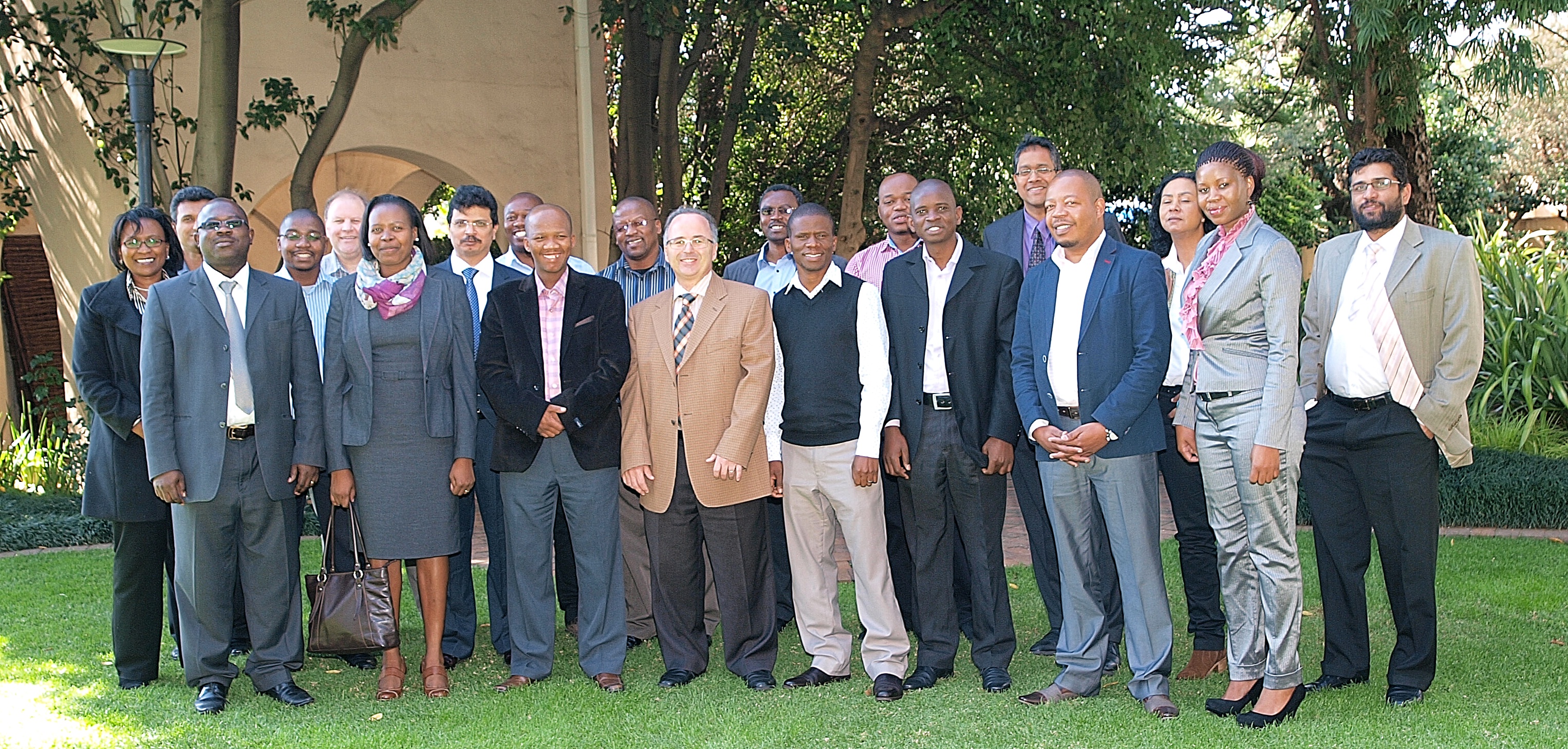
Delegates attending the WCO/SACU IT Connectivity Conference - May 2013

Delegates attending the WCO/SACU IT Connectivity Conference – May 2013

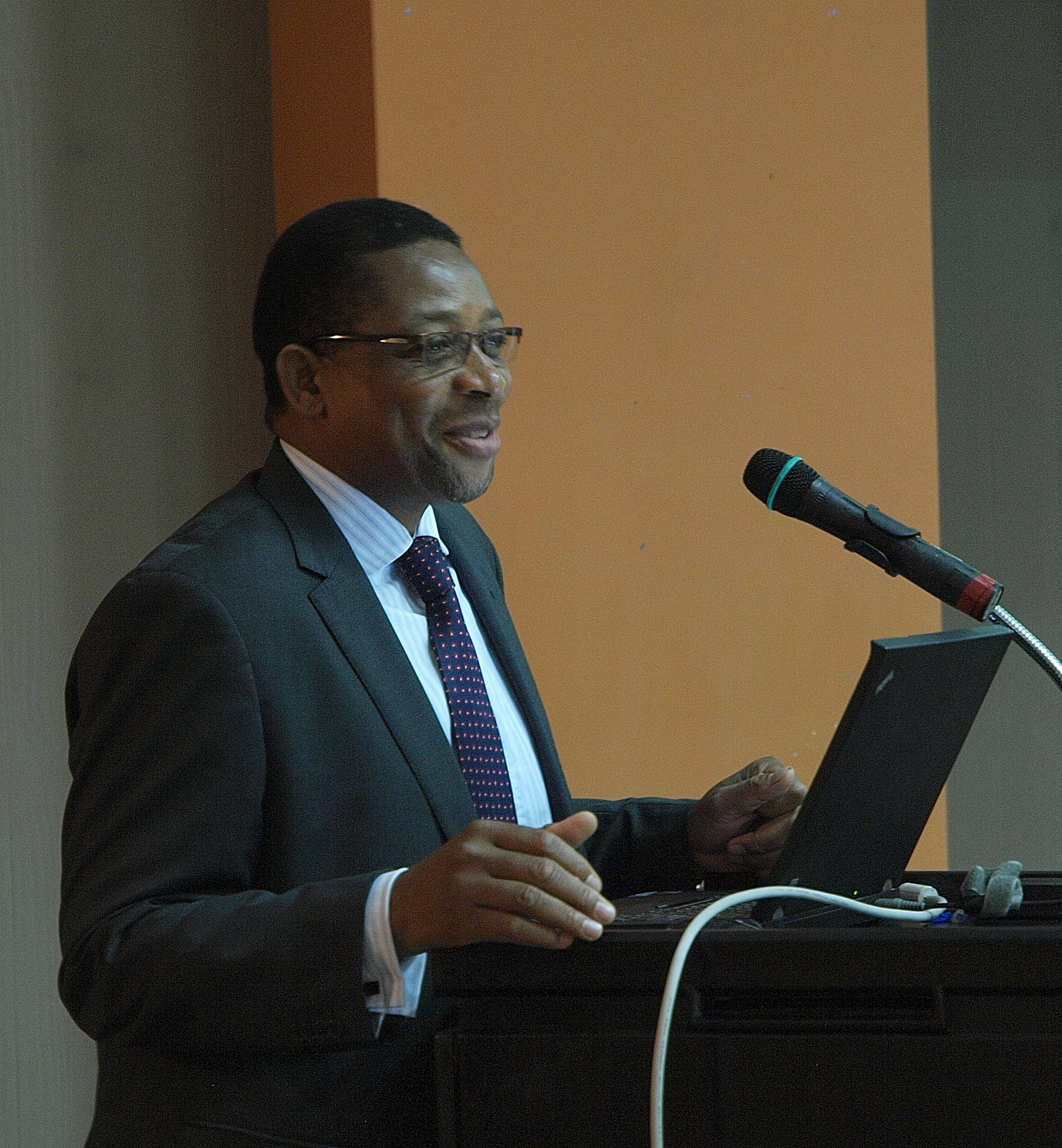
Representatives of the SACU member states recently met in Johannesburg to progress developments concerning IT Connectivity and Customs-to-Customs data exchange in the region. The session served as a follow up to the session held last year in February 2012 in Pretoria. The conference was convened by the SACU secretariat under the sponsorship of the Swedish International Development Agency (SIDA), and was once again pleased to have SP Sahu, senior technical expert from the World Customs Organisation, to facilitate the work session over 3 days. Representatives of UNCTAD ASYCUDA were also in attendance to observe developments. UNCTAD currently supports three (soon to be four) of the five SACU Customs administrations. The session provided an opportunity for delegates to progress this work as well as develop a terms of reference for an independent assessment of the two connectivity pilot projects that are currently being pursued between Botswana-Namibia and South Africa-Swaziland, respectively.

IT Connectivity serves as a catalyst for various customs-to-customs cooperation initiatives seeking to bring about a seamless end-to-end flow of information between point of departure and destination. Some examples include export/transit data exchange, approved economic operator, commercial fraud, eATA and at least 5 other key areas of customs mutual exchange.  The concept is driven out of the newly establish WCO model known as Globally Networked Customs (GNC). GNC was formally adopted by the WCO Council in June 2012 where a capacity building approach based on protocols, standards and guidelines (PSG) using utility blocks was recognised to provide the most realistic means to achieve efficiency gains, and a more effective way to manage the negotiation of international agreements between customs administrations.

There exist several pilot projects across the globe wherein customs agreements are being piloted under the GNC approach. Development of a Utility Block and supporting data clusters for interconnectivity within SACU and the broader Southern Africa sub-region already commenced at last year’s session. The concept gained sufficient traction and was soon adopted by both SACU and SADC  member states as the means to implementing IT connectivity within the respective regions.

A review of the Utility Block and data clusters was conducted to ensure alignment of customs data requirements across the member states. The resulting product now provides a standard ‘data set’ which members agree as the minimum data required to facilitate data exchange and advance risk management needs. It covers export and transit declaration requirements. Two important criteria exist for successful data exchange and data matching. The first being the availability of appropriate legal provision for two countries to exchange data. The second requires the use of an agreed unique identifier. The identifier is important for Customs as well as the trade community.

Delegates were also presented with current and future developments occurring at the WCO, in particular the on-going work being done to formalise standards for the “My Information Package” concept as well as the WCO Data Model, currently at version 3.3. Another interesting on-going development involves a unique Trader ID.  

Member states involved in respective pilot programmes are now preparing themselves for an up-coming evaluation, later this year.

What’s In Store for ACE?

ACE_image_csonLast week, the National Customs Brokers & Forwarders Association of America, Inc. (NCBFAA) hosted a conference in Baltimore, MD targeting software developers interested in obtaining more information about US Customs and Border Protection’s (CBP’s) Automated Commercial Environment (ACE) and upcoming technical changes related to the PGA Message Set, Entry Summary Edits, Automated Corrections/Cancellations and AES Re-Engineering/Manifest Baseline development. During the conference, CBP made two important announcements which were heard and noted first hand from an Integration Point representative. These two announcements included:

  • CBP announced that it plans to mandate the use of manifest and cargo release in ACE by December 31, 2015 and mandate the use of ACE by December 31, 2016. CBP also provided a tentative release schedule for seven deployments that will lead up to this mandate.  Each deployment will consist of one or two increments, and each increment will span over a period of twelve to thirteen weeks. On this road map, CBP announced some exciting functionalities to be released in the near future such as automated cancellation and/or correction of entries, integration of simplified entry with other modes of transport and certifying simplified entry through summary. In addition to the enhanced simplified entry process, CBP also gradually plans to include the validations that were not initially included in ACE entry summaries.
  • CBP is also working on the reengineering of AES and pilot programs of entry data collection for various Participating Government Agencies such as the US Environmental Protection Agency (EPA) and US Food Safety and Inspection Service (FSIS) and CBP plans to deploy this later on in 2013 and early in 2014.

Now there is relevance in all of this. It reinforces the growing importance of Customs’ focus on “cargo management”.  Far too much emphasis is placed on the goods declaration alone. This is not only short-sighted but demonstrates an ignorance of the global supply chain. Without the ‘cargo report’ (manifest) the goods declaration is little more than a testament of what is purported to have been imported and exported.

Mozambique Customs gets a new DG

Guilherma Mambo presenting the Mozambique Single Electronic Window at the SADC ICT Conference, in Mauritius, 2012.

Guilherma Mambo presenting the Mozambique Single Electronic Window at the SADC ICT Conference, in Mauritius, 2012.

Guilherme Mambo has just been appointed Director General Mozambique Customs on the 10th May 2013. Until then he was Board Director of MCNet – Mozambique Community Network the PPP responsibly for implementation of Electronic Single Window for customs clearance in Mozambique where he were responsible for implementation and operations. In recent months he has lead Mozambique’s bi-lateral engagement on IT-Connectivity and Data Exchange with his counterparts at the South African Revenue Service (SARS).

For the past 10 years Mambo served as director IT Mozambique Customs and then for Mozambique Revenue Authority. On this role he participated in various modernization projects aimed at improving the business environment in Mozambique through improvement of public services particularly the complete organizational transformation of customs and internal tax areas.

Prior to working with customs and MRA, he worked in aviation industry and a UN lead project in Chechnya, Liberia, Angola were he was exposed multifaceted international experience.

As Director General – Mozambique Customs his responsibility is to manage the General Directorate of Customs (DGA) a paramilitary organization with around 2000 staff, one of the two major collectors of government revenue derived from external trade largely from customs duty, excise duty and the Value Added Tax (IVA).  DGA is also a law enforcement agency that undertakes the control of imports and exports for the protection of revenue to prevent evasion of duties and taxes and assists in the promotion of the community’s well-being to prevent the smuggling of controlled, prohibited and restricted goods (such as illicit narcotic drugs and firearms). The Director General heads the DGA and his assisted by three Deputy Director General each of one have a specific area of responsibility.

Single Electronic Window for New Zealand importers and exporters

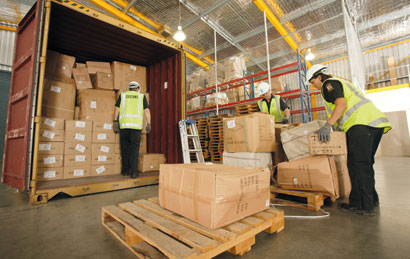
Customs' JBMS will ultimately provide the Trade Single Window, through which importers and exporters can deal directly with government agencies, and Customs  and MPI can more ­effectively manage risks for goods crossing the border (credit: FTD Supply Chain Magazine)

Customs’ JBMS will ultimately provide the Trade Single Window, through which importers and exporters can deal directly with government agencies, and Customs
and MPI can more ­effectively manage risks for goods crossing the border (credit: FTD Supply Chain Magazine)

The Joint Border Management System (JBMS) programme is a replacement information system that will meet New Zealand’s future border management needs. Comprising a set of integrated information technology products, owned and hosted by Customs and jointly operated with the MPI, it will give Customs, MPI and industry better information and risk-assessment tools to protect New Zealand’s society, trade and biosecurity.

“An agile, effective and efficient border management system is essential for protecting New Zealand from economic, social and environmental harm, for maintaining and improving our international competitiveness, and for collecting over $9 billion a year of government revenue,” says Customs deputy comptroller Robert Lake. “We need a system that keeps us secure, can handle increasing numbers of people, goods and craft, and meets trading partners’ expectations of integrated systems.”

The JBMS will ultimately provide a single electronic point of contact – the Trade Single Window (TSW) – through which the import and export industry can deal directly with government agencies for customs and biosecurity requirements, and Customs and MPI can more effectively manage risks for goods crossing the border.

Companies will be able to submit a single application to both Customs and MPI to lodge import declarations. It’s faster and more efficient. And they can do so directly, not through a third party like they do now.”

The key functions of the Single Window were to have been progressively available to industry from April 2013, however, Customs said it would take three months longer than it originally anticipated for importers and exporters to experience any benefits from the initial $75 million investment in a new Joint Border Management computer system, JBMS.  IBM had been due to deliver the first tranche of JBMS, which is a joint initiative between Customs and the Primary Industries Ministry, last month. Customs deputy comptroller Robert Lake said the agencies had decided to push back the launch and deliver the project in stages. Click here for more details.

Risk management

Customs has taken a phased approach to designing and building the JBMS programme to ensure secure information management and to enable Customs to manage the risks of turning on a major new IT system. “Each stage – or tranche – will be thoroughly tested with industry until it is performing as expected. Industry will be able to migrate over to the new system over time. Our current systems will remain in place until the new system is fully proven,” Mr Lake adds.

Tranche 1 has been funded by the government and has been underway since July 2011. Costs of the JBMS are shared with industry, and cost recovery charges will start from 1 July.

“From April, the system will support border agencies to use shared information to work collaboratively in analysing travellers and goods. This will allow border agencies to target risk more accurately and will therefore provide greater consistency and certainty in the end-to-end border clearance process for all goods,” Mr Lake says.

In the second tranche, Customs plans to fully replace all background systems, and add further enhancements and the remaining business functions to the TSW. The second tranche is subject to further government approval and funding.

Trade Single Window

The TSW is one of the major components of the JBMS and will enable parties involved in international trade and transport to submit the craft and cargo clearance data that is required by New Zealand’s border agencies electronically, once, through one entry point. They will also be able to register themselves as users of the TSW, and maintain their own details.

As part of the first tranche, the TSW will include registration (of customers and users), most lodgements (craft and cargo clearances, such as import and export entries, and cargo reports), status enquiries and response functions. In the second tranche, Customs and MPI will investigate options for providing further functions, including remaining lodgements, a reference library, information updates, transaction history and other payments. Customs and MPI are also working on a plan to join up MPI’s animal products and plant export certification systems to the TSW.

“The TSW is expected to deliver significant benefits to importers, exporters and others in the international trade supply chain,” Mr Lake says. “These will include improved coordination of processes and earlier certainty of border agency requirements when advance data is provided. Compliant traders will be able to get their goods through the border with greater speed, consistency and certainty. However, the potential benefits for industry will depend on how individual participants use the information from the TSW to make their supply chains more effective and efficient.” The JBMS is expected to deliver significant benefits to the import and export industry over the next 10–15 years. Source: www.ftdmag.co.nz

For further information also visit New Zealand Customs website – Joint Border Management System (JBMS)


WCO ICT Conference 2013 a resounding success!

WCO ICT Conference 2013 - Dubai

WCO ICT Conference 2013 – Dubai

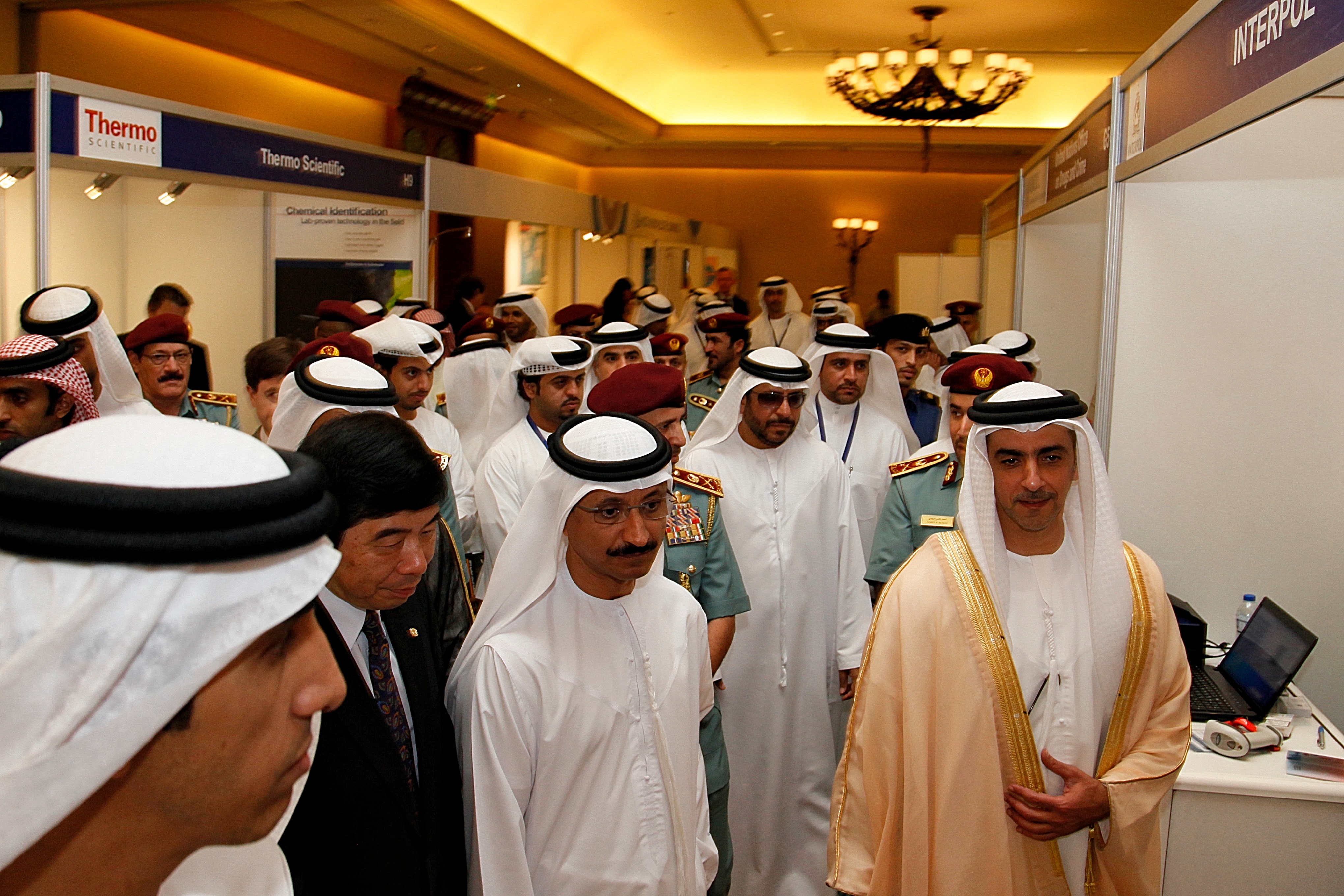
The 2013 WCO IT Conference & Exhibition was held in Dubai, United Arab Emirates (UAE), from 14 to 16 May 2013 and co-hosted by Dubai Customs. The Conference theme, “Effective Solutions for Coordinated Border Management”, attracted over 1,000 participants from 93 countries and 56 Customs administrations, including 14 Directors General of Customs, other governmental agencies and the private sector, who were actively involved in sharing available information technologies, lessons learned from experience, and future visions.

The Conference was opened in the presence of His Highness Sheikh Mohammed Bin Rashid al Maktoum, UAE Vice-President, Prime Minister and Ruler of Dubai, showing strong support for the innovative approach towards Customs modernization. In his opening speech, His Highness, Lieutenant General, Sheikh Saif Bin Zayed Al Nahyan, UAE Deputy Prime Minister and Minister of the Interior, welcomed the participants and stressed the importance of collaboration for effective, coordinated border management applying technology. Secretary General Kunio Mikuriya said that the contribution of Customs to economic competitiveness required better communication, cooperation, coordination and collaboration with other border agencies. In this connection, technology enabled coordinated border management, and the WCO had developed the Data Model with a standardized data set that met the requirements of border regulatory agencies. He also stressed the importance of partnership with the private sector in finding innovative solutions for IT applications, which was the objective of this Conference.

The participants enjoyed a series of panel sessions with high-level speakers from Customs, other governmental agencies, international organizations and the private sector, discussing various aspects of coordinated border management and effective solutions in applying technology. Dr. Anwar Mohammed Gargash, UAE Minister of State for Foreign Affairs, shared his country’s vision of trade facilitation through investment in infrastructure and technology, as well as consistent policy development, while honouring international obligations.

A very large number of service providers joined the Exhibition and Tech Talks to explain the latest innovations in information technology, and they listened to the needs of Customs and other border regulatory agencies in their efforts to work together to develop joint IT solutions. Source: WCO


Rwanda Customs Process Made Easier for Tax Compliant Traders

Headquarters of the Rwanda Revenue Authority

Headquarters of the Rwanda Revenue Authority

Thirteen companies, three of them Rwandan, last week signed a Memorandum of understanding with Rwanda Revenue Authority to be accorded preferential treatment when clearing their goods at customs. The Authorized Economic Operator (AEO) is a regional trade facilitation program recommended by the world customs organization to ease trade and customs clearance for tax compliant and prominent importers and exporters.

Delay in clearing goods at customs is one of the major impediments to smooth trading within the East African Community (EAC). It also contributes to making the EAC region one of the most expensive places to do business despite being the second most growing economy in the world. The AEO creates some kind of obstacle-free zone where traders in the import or export business, known to be complaint with customs requirements, are accorded special treatment to ease the process of clearing their goods while in transit.

The pilot project will see how the system works in reality and the beneficiaries have all been informed of their rights and which ports or borders to claim them from. Rwanda customs officials issue special identifiers to the beneficiaries to help them identify the benefiting traders once their goods appear at any of the designated custom points. These identifiers will be recognizable everywhere in the five partner states of the EAC where the beneficiaries will pass and claim their privileges as AEO.

The growth of global trade and increasing security threats to the international movement of goods have forced customs administrations to shift their focus more and more to securing the international trade flow and away from the traditional task of collecting customs duties.

Recognizing these developments, the World Customs Organization (WCO) drafted the WCO Framework of Standards to Secure and Facilitate global trade (SAFE). In the framework, several standards are included that can assist customs administrations in meeting these new challenges and developing an Authorized Economic Operator programme is a core part of SAFE. Source: AllAfrica.com

Home Affairs announces plans for Border Management Agency

safrica1Minister for Home Affairs, Naledi Pandor, in her recent budget debate  (click hyperlink to view full speech) to parliment, made brief allusion to the establishment of a Border Management Agency (BMA) in South Africa. The Agency will ensure coordination of and co-operation among the departments operating at South African points of entry and along our borders. The BMA will be led by the Department of Home Affairs and will involve SARS, SANDF, SAPS, Health and Agriculture. At present, focused attention is being paid to improving the management, capacity, and infrastructure at ports of entry. Last year over R110 million was allocated to ports of entry infrastructure via the Public Works budget. This year over R130 million is being made available in the DHA budget. A number of our ports of entry have been equipped with the enhanced movement control system (EMCS) while introducing the advanced passenger processing system (APP) for airlines. Source: Info.gov.za

Non-Tariff Barriers – SADC Secretariat requested to intervene in Mozambique

0b8a0ce6140c04b4f629a97cb5e8d8f34e69d4a1The SADC, COMESA and EAC Tripartite alliance has been urged by various Zimbabwean, Zambian and Malawian exporters to salvage a potential crippling situation occurring at Mozambique borders. This follows the recent implementation of a new transit bond guarantee system which in conjunction with the Single Window system is allegedly causing significant delays, including loss of business and spiralling demurrage for transit goods emanating from these landlocked countries, en route for export from various Mozambique ports, Beira in particular.

Complaint no. NTB-000-578 in terms of ‘Lengthy and costly customs clearance procedures’ was lodged and can be viewed in full on the Tripartite’s NTB portal. Amongst the various problems sited, the complainants request the following of Mozambique –

  • Mozambique Ministry of Finance is requested to get customs to consider a parallel system to run with the electronic single window programme to clear the backlog in Beira port now and also consider providing release against Report orders to reduce further downtime in port . This will be a stop-gap measure until the customs staff are well versed , fully trained and that the new system can work well.
  • Mozambique authorities to facilitate arrangements with Cornelder to consider waiving storage for this special situation or at least offer 75% credit on the bills due which I must say are now astronomical based on the days the cargo has stayed in port both imports and exports.
  • Mozambique authorities to facilitate arrangements with shipping lines to consider waiving completely the demurrage due on the empty containers or at least give say 15-21 more days grace period before demurrage starts accruing.
  • Mozambique authorities to facilitate arrangements that Mozambique customs get technical assistance to assist roll this new programme out without causing huge catastrophes like this.

Mozambique has acknowledged the complaint and expressed regret over the developments. Mozambique reported that the issue was receiving urgent attention and they would provide feed back shortly.

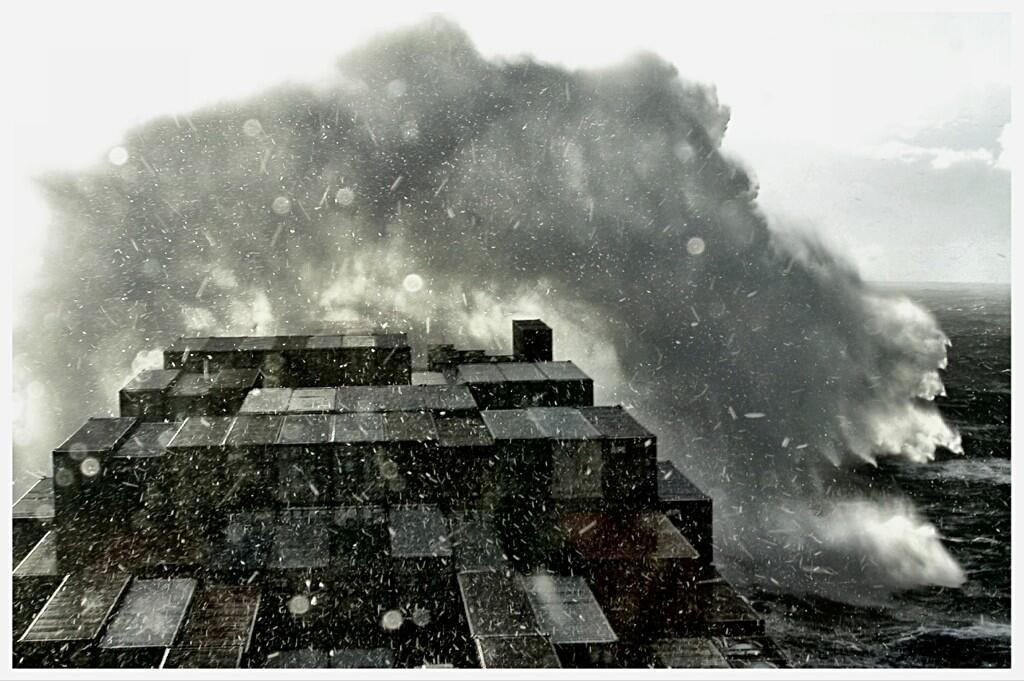
478477_489375474451177_1413654826_o“A good seafarer weathers the storm he cannot avoid, and avoids the storm he cannot weather.” – Captain Gaurav Lal.

SA identifies ten potential ‘special economic zones’

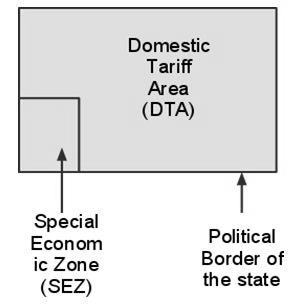
sez-figure-1The Minister of Trade and Industry, Dr Rob Davies says ten potential Special Economic Zones (SEZs) have been agreed upon with provinces. He told the Portfolio Committee on Trade and Industry in Parliament on Friday, that these potential SEZs must still go through a feasibility study to determine their viability. The Department of Trade and Industry was presenting the Special Economic Zones (SEZs) Bill to the Portfolio Committee.

The main objectives of the SEZ Bill, amongst others, are to provide for the designation, development, promotion, operation and management of Special Economic Zones; and to provide for the establishment of the Special Economic Zones Board. The SEZs are designed to promote socio-economic benefits and creation of decent work.

The purposes of the SEZs include facilitating creation of an industrial complex with strategic economic advantage for targeted investment and industries in manufacturing sector and tradable services. This will also focus on developing infrastructure to support development of targeted industrial activities and attracting foreign and domestic direct investment.

There are different categories of the SEZs that South Africa will make use of, namely:

  • A free port;
  • A free trade zone;
  • An industrial development zone; and
  • A sector development zone.

Hopefully Trade and Industry will clarify for both public and investors the differentiation between the four options. From a Customs and Tax perspective there could be divergent legal requirements, formalities and processes. The sooner that this can be finalised all the better for the various ‘zones’ to commence with their vigorous marketing campaigns.

Davies told the Committee that the Industrial Development Zones (IDZs) will continue to be one of the elements of the Special Economic Zones (SEZs). The IDZ programme was initiated in 2000 and four zones were designated, with three currently operational: Coega (Port Elizabeth), East London and Richards Bay. The IDZs including the current ones are types of the SEZs and once the new the Act is passed they will form part of the Special Economic Zone programme, according to the minister.

The existing industrial development zones (IDZs) were beginning to gain traction because of the way they were managed and promoted. He cited the example of the East London IDZ, which had a private sector investment of R600 million in 2009 compared to R4bn in 2012/2013.

Work under the current IDZ regulations include the Saldanha Bay which is about to be designated. The Saldanha Bay Feasibility Study published in October 2011, found that there was sufficient non-environmentally sensitive land upon which an IDZ development could take place. Total direct and indirect jobs are expected to amount to 4 492 in the first year, 8 094 in the second year, 7 274 in the third year, 10 132 in the fourth year and 14 922 in the fifth year. From the seventh year around 14 700 direct and indirect jobs would be sustained in the province as a result of the IDZ. Saldanha Bay is an ideal location for the development of an Oil & Gas and Marine Repair Cluster. The Port of Saldanha Bay is also competitively located between the oil and gas developments on the West Coast of Africa, as well as the recent gas finds on the East Coast of Africa.

The SEZ bill would provide a legal framework for the zones and for granting special incentives for businesses operating there such as duty free inputs. He said major areas of agreement had been reached between business‚ labour and community representatives in the National Economic Development and Labour Council. Labour wanted to have three Nedlac representatives on the 15 member SEZ boards and the department had agreed to this on condition they met the criteria in terms of qualifications and knowledge. Nine representatives would be from government and there would be three independent experts.

Business argued against municipalities having the right under the bill to propose SEZs as it said this was not their core business and they lacked the capacity for this. The department however decided to retain this clause‚ October said‚ because there were municipalities which did have this capacity and in any event the applications for SEZs would undergo rigorous evaluation.

The department also decided to go ahead with the idea of these SEZs being operated on a triple PPP basis (public private partnerships) even though labour disapproved of this on the grounds that it would be a form of private ownership. Sources: Engineering News & businessnews.howzit.msn.com

Airport Cities – a view to a different trading environment for South Africa?

ace_skyscraper_237x352aerotropolisThis past week witnessed the first Airport Cities Convention in South Africa. It came at the timely announcement of the country’s first aerotropolis earmarked for development around Oliver Tambo International airport (ORTIA) and the surrounding industrial complex. While the City of Ekurhuleni gets prized possession of the ‘aerotropolis’ (in title) by virtue of the location of ORTIA, Johannesburg is set to benefit perhaps more greatly due to it being the epi-centre of South African commerce and trade. This represents significant ‘hinterland’ development which bodes well for future multi-modal transport and shipping activity for the Gauteng region and the country as a whole.

In support of government’s National Infrastructure Plan, is Strategic Integrated Project (SIPs) 2, otherwise known as the Durban-Free State-Gauteng logistics and industrial corridor. Infrastructure upgrades are already occurring to road and rail networks linking to the key cargo and distribution hub, City Deep. While the express purpose of an inland port, terminal or logistics hub is to provide relief for congested seaports, it likewise creates possibilities and opportunities to synergise with other transport forms. This serves to maximise capacity through integration offering local suppliers and foreign customers a host of trade, shipment and logistics options.

Foremost, an inland port is a hub designed to move international shipments more efficiently and effectively from maritime ports inland for distribution throughout the heartland. Think of the logistics of inbound freight as a barbell. At one end, inbound containers flood into a seaport, spreading across local storage facilities as they are unloaded. If they aren’t moved quickly enough from the port, they create a bottleneck that bogs down the entire distribution cycle as containers wait longer to get off ships, to get into warehouses, and to get back out and onto trucks and trains for final shipment. The Emergence of the Inland Port (credit: Jones, Lang, LaSalle)

In a world of increasing global integration, focussing more on global distribution of goods and services, it behoves our country to understand the dynamics of global trade and what in fact makes commerce tick. Today’s number 1 spot is not going to remain intact without continuous re-evaluation and innovation. It would indeed be arrogant (if not suicidal) of us to think that our current prominence and strength in the sub-saharan region will remain without innovation for the future. At the same time South Africa should welcome increased competition from its neighbours, both immediate as well as further north in Africa. The latest fDI 2013 Report indicates a decrease in foreign direct investment in South Africa (-5%) and Kenya (-9%), while at the same time a significant increase in foreign investment in Nigeria (+20%) and Egypt (+20%), respectively. True, the latter countries are far removed from South Africa’s immediate ‘playing field’, however do we fully understand the drivers which cause the named countries to attract FDI at such an increasing rate – are they capitalising somehow on our deficiencies, shortcomings, or lack of opportunism?

The National Infrastructure Plan can only be seen as a single cog in the machinery to keep South Africa competitive. And, while it is encouraging to witness these developments, a corresponding economic and commercial enterprise on both government and private sector is required to maximise these developments. Some smidgen of hope could lie in the Department of Trade and Industry’s economic principles which support Industrial Policy Action Plan (IPAP) and Special Economic Zones (SEZs), for example, however, several business commentators have already voiced concerns on exactly how these support the Infrastructure Plan. A further question lies in our country’s ability to facilitate trade, not only at our ports, but more importantly the ‘hinterland’ of our country and the neighbouring regions. Do our existing and future laws adequately provide for expeditious and facilitative procedures in the treatment of import and export goods? Are we sure that we are addressing all real and potential trade barriers?

Anyone desiring more information on the ‘aerotropolis’ concept should find some interest at the following websites – Aerotropolis.com, and the City of Ekurhuleni

EAC Traders Encouraged to Grab AEO Business Opportunities

EACThe EAC business community has been asked to take advantage of the Authorized Economic Operator (AEO) scheme that seeks to cut down costs of doing business in the East African member states.

The AEO programme, launched in Dar es Salaam on Wednesday, is an entity involving importers, clearing agents, transport companies authorized to import and move cargo within the EAC region with minimal inspections and other customs interventions at checkpoints.

The Permanent Secretary in the Ministry of East African Cooperation Dr Stergomena Tax, launching the World Customs Organisation (WCO)-AEO pilot programme said, “The AEO status can provide companies with significant competitive advantages in terms of supply chain certainty and reduced import costs and finally to the final consumer.”

Apart from reduced transport costs, Dr Tax said the programme would also pull down storage charges because of minimal customs border inspections as well as few checkpoints or road blocks for transit goods.

The Swedish Ambassador to Tanzania Mr Lennarth Hjelmåker said the AEO scheme is a broader compliance strategy to reward compliant traders with simplification benefits which are concrete and predictable.

“Regional integration and cooperation are factors which are important for development, including creation of favourable conditions under which private sector can operate and provide for economic growth with focus on sustainability,” he said.

Sweden, through the Swedish International Development Cooperation (SIDA), has been supporting the work carried out by the WCO-EAC-AEO programme since 2008. Speaking on behalf of the Tanzania Revenue Authority (TRA) Commissioner General Mr Saleh Mshoro, the revenues body’s Finance Director said efficiency and effectiveness of customs procedures can significantly boost the nation’s economic competitiveness.

The launching of AEO programme marks the beginning of a journey between the region’s revenues authorities and the business communities in facilitating smooth and win win trading activities. Source: Tanzania Daily News

ASYCUDA – more technical glitches

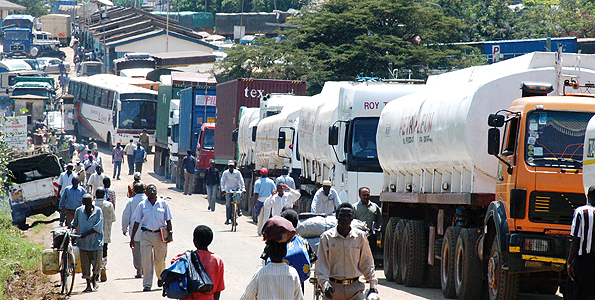
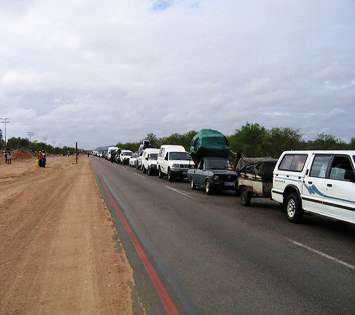
In the waiting... vehicle queue at Beitbridge

In the waiting… vehicle queue at Beitbridge

Scores of car importers were left stranded at Beitbridge Border Post on Wednesday after the Zimbabwe Revenue Authority‘s (Zimra) vehicle clearance system went offline for eight hours.

Zimra introduced the ASYCUDA plus system for processing vehicle imports in March this year in a bid to ensure efficiency and reduce regular interface between the customs officers and its clients. Asycuda is (Automated System for Customs Data) is a more efficient and advanced system for customs data processing since it is internet based. Upon its introduction the system left little room for wheeling and dealing between Zimra employees and criminals.

However, connectivity has remained a major challenge at the Manica Bonded warehouse where vehicle imports are processed. When The Herald visited the bonded warehouse yesterday restless car importers were seen moving around the yard while others were making numerous inquiries from the Zimra help desk.

In separate interviews motorists advised the revenue authorities to consider having a back-up plan in case of the Asycuda system breakdown. He said it was worrying that the revenue authority had introduced the Asycuda system yet they had little capacity to sustain it.

It was the second time in a week that the Asycuda system went offline after operations came to a standstill on Friday last week. Prior to the introduction of Asycuda system, Zimra had been using a station based system which operated with very few technical glitches.

Figures from Zimra show that between 60 and 100 vehicle imports are processed at Manica per day and rise to 120 during peak times. Asycuda system is connected to the parastatal’s national grid which is accessible at any of its stations countrywide. Efforts to get a comment form Zimra spokesperson were fruitless. Source: The Herald (Zimbabwe)

US C-TPAT member exports to receive expedited EU customs clearance

4209_image002January, 2013 saw the United States and the European Union implemented the mutual recognition arrangement for their respective supply chain security programmes. The US Customs and Border Protection (CBP) administers the Customs-Trade Partnership Against Terrorism (C-TPAT), which is now recognised as equivalent to the European Union’s Authorised Economic Operator (AEO) programme.

Should they elect to allow CBP to share certain information with the European Union, US importers authorised under C-TPAT will be considered secure and their exports will receive a lower-risk score by the customs administrations of EU member states. In practice, certification translates into time and money savings for parties dealing with trusted operators. In that sense, certified operators are successfully marketing their status as a distinguishing competitive advantage.

Both programmes are voluntary, security-based programmes aimed at improving supply chain security. As programme members, importers receive lower risk-assessment scores in customs administrations’ computer targeting software. Therefore, members are subject to fewer security-related inspections and controls. The mutual recognition arrangement between the United States and the European Union allows for members of one programme to receive reciprocal benefits when exporting to the other jurisdiction.

However, not all C-TPAT members qualify for full AEO benefits. Only Tiers 2 and 3 C-TPAT importers (considered as more secure) may receive a lower risk-assessment score, and consequently undergo fewer inspections when exporting to an EU member state. In addition, in order to receive these benefits, C-TPAT members must expressly elect for the United States to share certain information with the European Union and certify that their exports meet all applicable requirements.

The mutual recognition arrangement may also exempt members’ facilities from undergoing validation site visits by both administrations when initially being certified or during revalidation visits. This benefit is available for every tier of C-TPAT membership.

The mutual recognition arrangement applies only to C-TPAT importers which also act as exporters. A C-TPAT manufacturer will benefit from the arrangement only if it also acts as the US exporter. For example, if a US company owns a C-TPAT-certified manufacturer in Mexico that directly ships merchandise to the European Union, those shipments will not benefit from the arrangement.

CBP’s targeting system recognises AEO-certified entities by their manufacturer identification number. Certified manufacturers will receive benefits under the arrangement regardless of whether they are the EU exporter. A certified exporter which is not a manufacturer may obtain a manufacturer identification number to gain from the benefits of mutual recognition. As such, AEO-certified manufacturers and exporters may benefit under the arrangement, but only US exporters are eligible for benefits.

Although the United States and the European Union have recently announced the possibility of a US-EU free trade agreement, this arrangement is a trade facilitation measure that companies may elect to participate in immediately, regardless of the results of potential free trade agreement negotiations.

The United States also has mutual recognition arrangements for supply chain security with Canada, Japan, Jordan, Korea, New Zealand and Taiwan. Source:  Sidley Austin LLP, and The International Law Office

Serbia – History of Customs Law & Customs Tariffs

The following comes from the Serbian Customs website – darn interesting! I would indeed like to learn of any other Customs administrations who have preserved “with diginity” their relics of the past.

The Customs profession, one of the oldest trades (emerging immediately after the clerical, ruling and military professions – lets not forget prostitution) withstood many turbulences and assaults, but it persevered, survived and developed. The number of customs officers and customs houses reflects the greatness of a state. And there lies also the greatness of the customs profession.”  These words end a text written on his profession by Veljko Velikić, a customs officer from Vršac, published in the magazine “Carinik” (Customs Officer) in November 1926.

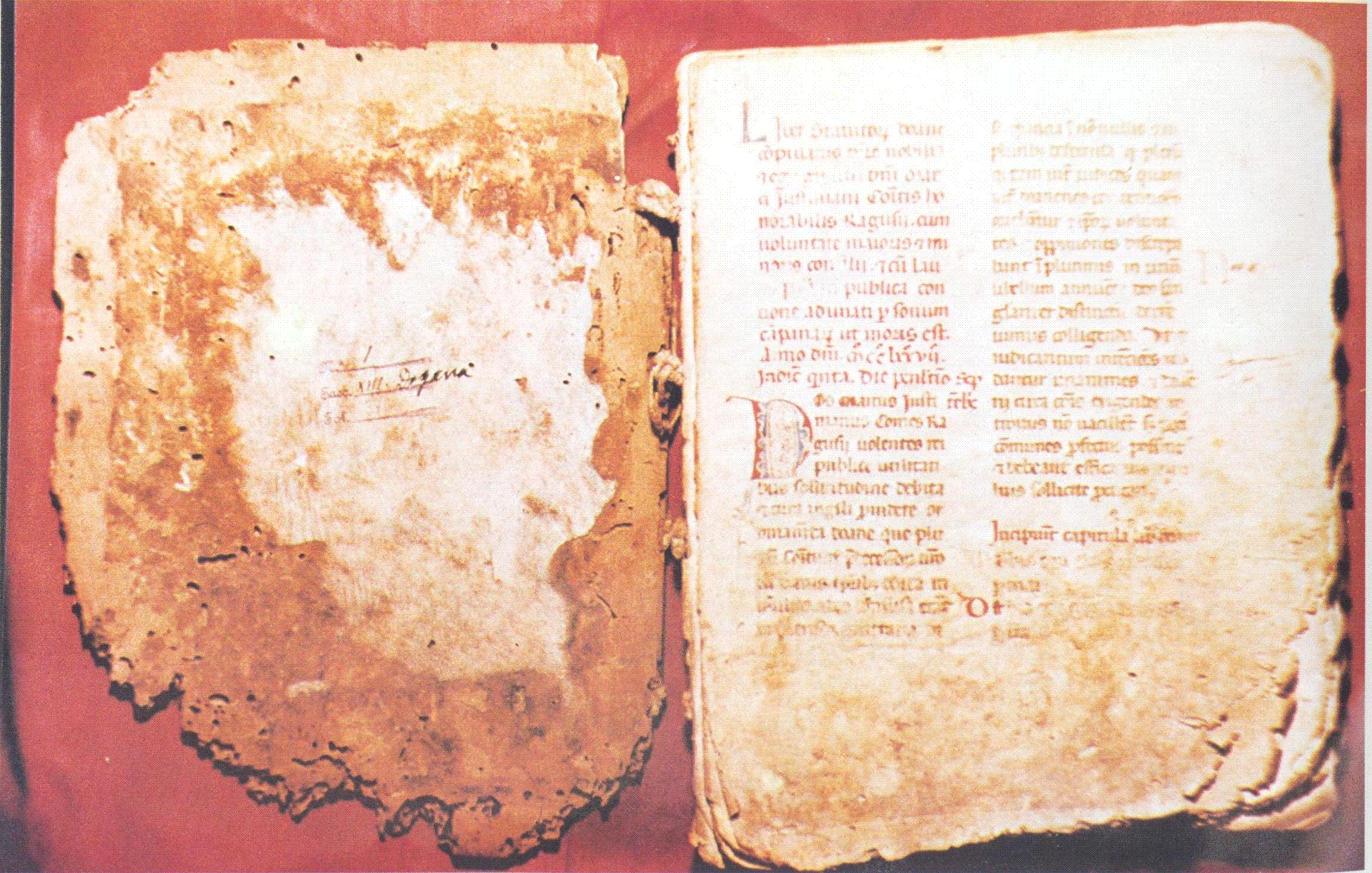
The oldest preserved customs law related to our region was the Dubrovnik customs statute – Liber Statutorum Doane – from 1277 A.D. in Serbia, in addition to case law and national written legal sources, as early back as 13th century the first written legal source of Byzantine origin was applied. Sava Nemanjić, Saint Sava, on declaration of autocephaly of Serbian Orthodox Church in 1219, issued the Nomokanon, a collection of ecclesiastical and civil law regulations.

The oldest preserved customs law related to our region was the Dubrovnik customs statute – Liber Statutorum Doane – from 1277 A.D. in Serbia, in addition to case law and national written legal sources, as early back as 13th century the first written legal source of Byzantine origin was applied. Sava Nemanjić, Saint Sava, on declaration of autocephaly of Serbian Orthodox Church in 1219, issued the Nomokanon, a collection of ecclesiastical and civil law regulations.

This view of our colleague from early XX century was based on historical facts, since customs duties, in the form of tolls or taxes, were known back in the Old Ages.  They were levied by the state or individual cities.  The Old Greeks in Athens imposed a duty of 2% on imports and exports over the Pierian Mountains. The Romans also used to levy such duties as state and provincial or city taxes.  As early back as the Roman times customs duties made up a significant part of public revenues for the state treasury. At certain communication points in the provinces there were customs stations (stationes) where the duties were charged for the goods passing such points. The amount of duties was 2.5% (quadrogesimo) of the value of imported goods. The collection of customs duties was also farmed out, at the beginning granted even to farmers from the ranks of domiciled population, and later on, from mid-2nd century on, duties were collected by officials that in our territory were called publicum portarii Illyrici et ripae Thraciae. In the Middle Ages, in addition to import and export duties, the so-called transit duties were also levied. 

It was the basis for Dušan’s Code, drawn up at the times of developed feudal state in 1349, and amended in 1354, and this Code provided rules for the largest number of social relations.  Medieval Serbian rulers usually farmed out the collection of customs duties, most often to Dubrovnik citizens. After the arrival of Ottoman Turks in the Balkans the structure of revenues was changed entirely. The most important tax was the one paid in money, the so-called desetak (tithe), and also in “fruit of the land” and in labour; also levied were a district surcharge (nahijski prirez), fines, and revenues were also collected from customs duties, transportation and fishing taxes. On liberation from Ottoman Turks, the revenues from customs duties and charges on ferry transportation started to be collected for the first time in May of 1804, when Karadjordje established a customs house with a ferry at Ostružnica. Similar to the rate during the Ottoman rule, the customs duties stood at 3%. The vassal Serbia had to establish its customs tariffs in line with the then applicable provisions of agreements with the Holy See, and Prince Miloš fully complied with the Holy See’s instructions in that area.

Continue reading →