In many countries, companies involved in international trade must prepare and submit large volumes of information and documents to governmental authorities to comply with import, export and transit-related regulatory requirements. Often, this information and documentation must be submitted to several different agencies, each with their own specific (manual or automated) systems and paper forms. These extensive requirements, together with their associated compliance costs, can constitute a serious burden to both Governments and the business community and represents a serious barrier to the development of international trade.
One approach to addressing this problem is the establishment of a Single Window federating all relevant government administrations whereby all trade related information and/or documents need only be submitted once at a single entry point. This can enhance the availability and handling of information, expedite and simplify information flows between trade and government and can result in greater harmonization and sharing of the relevant data across governmental systems, bringing meaningful gains to all parties involved in cross-border trade. The use of such a facility can result in the improved efficiency and effectiveness of official controls and can reduce costs for both Governments and traders due to better use of resources.
The Single Window is therefore a practical application of trade facilitation concepts meant to reduce non-tariff trade barriers.
UN COVID-19 project to support data exchange for international supply chain processes
The emergence of COVID-19 has shown an increased demand for coordination, efficient planning, modelling and risk control in many areas. The United Nations Economic Commission for Europe (UNECE) and its trade related United Nations Centre for Trade Facilitation and Electronic Business (UN/CEFACT) are strongly supporting multilateral engagement for interoperable cross-border standards, such as UN/CEFACT Data exchange Standards.
Multi-Model Transport Reference Data Model Ready for use
Many current regulations, standards, instructions and business capacity-building measures are available already. The comprehensive Multi-modal Transport Reference Data Model (MMT RDM) covers the requirements of international forwarding and transport, including related trade, insurance, customs and other regulatory documentary requirements based on the integration of trade facilitation best practices, developed by UN/CEFACT.
COVID-19 Project lead by GEFEG: Development of a standardised data set for the Transport sector
On behalf of the UN, GEFEG provides the project lead for the COVID 19 project. The project concentrates on ensuring the flow of goods and the transport across the various transport modes. Its overall objective is to set up a multi-modal harmonized set of mainly transport documents as a profile of the UN/CEFACT Multi-modal Transport Reference Data Model (MMT RDM).
The data sets developed include seven electronic exchange messages such as Booking Instruction, Shipping Instruction, Waybill, Bill of Lading, Packing List, Status Messages, Rapid Alert Security Food and Feed (RASFF) and their Business Requirement Specifications (BRSs). It has been checked that every data element with the same name also has the same semantic meaning.
The new profile of the MMT RDM will build a bridge to the already existing electronic exchange formats and allow a better use of state-of-the-art technologies such as block chain and APIs regarding the different transport modes.
Focusing on the different transport modes in the next phase
Additional information will be collected in the next phase, with a stronger focus on the different modes of transport. Results will be reported back to the Multi-modal Transport RDM and change processes initiated regarding relevant yet missing information in the MMT RDM. And last but not least, profiles of the MMT for the different modes of transport, such as air, rail, road, and maritime will be published.
Michael Dill, CEO of GEFEG is looking forward to welcome further participants in the project: “It will be important to get advice and hints on any missing data requirements across the various modes of transport! I would like to encourage colleagues involved in transport processes to join the next phase of the project. Your valuable input and expert knowledge would be very much appreciated.”
Interested parties wishing to participate in the project should contact info@gefeg.com with subject detail: New Participant in COVID-19 project.
The Department of Trade, Industry and Competition (the dtic) launched the Export Barriers Monitoring Mechanism (EBMM) that will put South Africa in a strong position to provide the type of consistent, ongoing support that is needed to continuously improve the country’s export environment. The Department’s e Deputy Director-General of Export Development, Promotion and Outward Investments, Ms Lerato Mataboge said the fundamental aim of EBMM is to make the government’s support to exporters facing barriers more effective, more flexible, and more accessible.
By creating a systematic approach to monitoring these barriers, the government can develop a long-term agenda to target the most important export barriers. By addressing each individual barrier, government can begin to manage each problem with the level of nuance and detail needed for these complex challenges.
During an initial pilot project, 28 key export barriers were processed by the EBMM and during the initial phase of the national lockdown, the EBMM methodology was used to process 76 barriers related to COVID-19. From today, the EBMM is open to any firm that encounters an export barrier of any kind, whether locally or in any foreign market.
In 2018, South African exporters faced an estimated 154,571 unique customs requirements worldwide. Over the last ten years, 23,795 new or amended technical barriers to trade have been registered with the World Trade Organisation; while over the same period 13,364 sanitary and phytosanitary barriers were registered or amended.
DTIC’s priority is to work progressively to smooth these barriers, the experience of the last decade of trade has demonstrated that we need to be prepared to manage this growing complexity. Increasingly, a key component of global competitiveness will be how we manage a constantly changing global trading environment. Managing this environment will only be possible through a close working partnership between the government and the private sector.
Speaking at the same launch, the Executive Director of the South African Electrotechnical Export Council, Ms Chiboni Evans, highlighted the importance of maximising content and projects in the African continent, and the important role played by export barriers in reducing competitiveness in the region.
Persistent logistics barriers meant that transporting goods by road took longer from all our major cities to mines in the Southern African Development Community (SADC) region. It was then easy for these countries to import goods from Asia, Americas and Europe rather than waiting on South Africa.
Highlighting previous experiences of partnering with the dtic to resolve export barriers, Ms Evans noted that a lot of the barriers to export can only be resolved by the private sector working together with government. She added that this new mechanism will assist greatly in opening up government support to a much broader spectrum of private sector individuals.
The British government has started to conduct research on its new post-Brexit customs IT system, with four months left before the service is due to go live.
Her Majesty’s Revenue & Customs, which is in charge of handling the new customs paperwork that will apply to UK-EU trade from 2021, has invited hauliers to participate in rounds of remote-user testing in the coming months for its Goods Vehicle Movement Service (GVMS), according to a memo to the freight forwarding industry.
The GVMS – which is set to be used to police cross-Irish Sea trade from Jan 1 2021, and then all UK-EU goods flows from July – will give freight companies a unique reference number that proves that they have filed the necessary post-Brexit paperwork, such as customs declarations.
Without a reference from the GVMS, trucks will not be allowed to cross between the UK and EU.
The fact that the GVMS is still in the research and design phase less than 90 working days before it is due to be introduced is a cause for concern in the logistics industry: one freight forwarder, who spoke under condition of anonymity, said they are worried the service won’t be completed and functional on time.
The new system will be required even if Britain and the EU sign a free-trade agreement.
And while consultation with the industry is welcome, it would have been preferable to do such research during the system design process, said Anna Jerzewska, founder of Trade and Borders, a customs and trade consultancy.
“The Government has made it clear that GVMS is unlikely to be ready for January 1 and as far as we understand there will be back-up procedures in place,” she said.
“It will be crucial to ensure that such alternatives are available in places where traffic management will be important,” she said, citing Kent and the Irish Sea.
In the memo, HMRC says it wants to start the first round of testing “ASAP” due to the shortage of time.
The tests will involve hour-long video calls where hauliers try prototypes and give feedback.
“When designing a system that the industry will be using, it is important we work in partnership with them to make sure it suits their and our needs,” HMRC said by email.
“We will continue to develop our systems in readiness for the end of the transition period and when full border controls are implemented from July 2021.”
Source: Bloomberg, article authored by Joe Mayes, 28 August 2020
The World Bank has suspended its Doing Business report, which ranks countries based on the costs of doing business. It is the latest crisis to beset the institution.
“A number of irregularities have been reported regarding changes to the data in the Doing Business 2018 and Doing Business 2020 reports,” the global institution said in a statement on August 27.
The institution said it had informed the authorities of the most affected countries, but did not name them. “We will act based on the findings and will retrospectively correct the data of countries that were most affected by the irregularities,” the statement added.
The Wall Street Journal reported that data on China, Azerbaijan, the United Arab Emirates and Saudi Arabia “appeared to have been inappropriately altered.”
If confirmed, the revised data could affect the rankings of the five countries. The latest report, for example, showed vast improvement among Middle Eastern economies with Saudi Arabia climbing 30 places.
The latest report, published last year, ranked Togo and Nigeria among the 10 countries that had shown the most improvement and collectively accounted for “one-fifth of all the reforms recorded worldwide.”
There are no reports that the scores of either country were tampered with.
In the report, only two Sub-Saharan economies, Mauritius and Rwanda, ranked among the top 50. Kenya, South Africa, Zambia, Botswana, and Togo ranked among the top 100 while South Sudan, Eritrea and Somalia ranked among the lowest globally.
The decision to suspend the rankings is also likely to reignite controversy around the annual report, particularly in the methodologies behind the rankings.
In the 17 years it has been published, the Doing Business reports have amassed “surprising influence over global regulatory policies,” researchers wrote in a paper published in 2019. The researchers found that the rankings strongly affect policy as governments make reforms to improve their ranking.
“Changes over time in the Doing Business rankings are not particularly meaningful. They largely reflect changes in methodology and sample—which the World Bank makes every year, without correcting earlier numbers—not changes in reality on the ground,” Researchers at the Center for Global Development wrote in February 2018.
In June, the Bretton Woods institution appointed Carmen Reinhart as its new chief economist. Reinhart’s two predecessors, Penelope Koujianou Goldberg and Paul Romer, resigned after less than two years on the job. Pinelope Goldberg quit in February, effective 1 March.
Romer quit in January 2018 after igniting a controversy around Chile’s ranking in the Ease of Doing Business Report, which he suggested may have been deliberately lowered under the presidency of left-leaning Michelle Bachelet.
The World Bank is also struggling to counter the fallout from the publication of an internal paper that looks at elite capture of foreign aid.
A new information note published by the WTO Secretariat highlights how trade in goods and services has been affected by temporary border closures and travel restrictions linked to the COVID-19 pandemic.
It describes how the cross-border mobility of individuals plays an important role in both the cross-border provision and consumption of services and in manufacturing value chains.
The paper notes that sweeping travel barriers introduced in the early stages of the pandemic have given way to more fine-tuned policies aimed at allowing through “essential” foreign workers, or creating quarantine-free “travel bubbles” among partners. Nevertheless, mobility barriers have had a particularly heavy impact on tourism and education services, as well as on trade in goods, due to their effect on transport services and on information and transaction costs.
The paper notes that international cooperation has a potentially important role to play in minimizing the economic impact of mobility restrictions. For instance, exchanging information on lessons learnt about mobility restrictions and trade could help WTO members foster greater resilience in the face of future crises. Such an exercise could help with identifying options to implement travel measures that meet public health protection objectives while minimizing the negative effects on trade.
Key points
International trade and investment have always relied on the cross-border mobility of individuals.
To contain the spread of COVID-19, many WTO members imposed temporary border closures and travel restrictions. The severe restrictions on cross-border movement are not motivated by trade considerations but by public health reasons. Nevertheless, they have had a significant impact on trade. In several members, initial sweeping travel barriers have been replaced by more fine-tuned policies, aimed at allowing the movement of “essential” foreign workers, or creating “travel bubbles” permitting quarantine-free mobility among partners.
A significant amount of services trade requires physical proximity between producers and consumers. International mobility to consume or provide services abroad is one way to attain this proximity. Mobility is also important to the operations of services providers who establish a commercial presence in other countries, as well as to those who ordinarily provide services remotely across international borders.
Border measures and travel restrictions have had a particularly heavy impact on sectors such as tourism and education services. COVID-19 has triggered an unprecedented crisis for the tourism sector. In terms of travellers and revenue, international tourism in 2020 is expected to register its worst performance since 1950. In higher education, some institutions are facing a potential drop in international student enrolment of 50 to 75 per cent.
Mobility barriers also significantly affect trade in goods, through their impact on transport services and on information and transaction costs.
Restarting international mobility is unlikely to proceed in a linear fashion. Given the crossborder spill-overs resulting from measures affecting transnational mobility, a case can be made for supplementing domestic action with international cooperative efforts. WTO members may eventually wish to look into building greater preparedness and resilience for future crises, for example starting with information exchange about lessons learnt about mobility restrictions and trade. The exercise could help with identifying ways to implement travel measures that meet public health protection objectives while producing the least trade distortive effects.
President Cyril Ramaphosa has signed the Border Management Authority Bill of 2020 into law.
The new legislation is in force from today, 21 July 2020.
The legislation addresses a need identified by government and diverse stakeholders in the economy for an integrated and well coordinated border management service that will ensure secure travel and legitimate trade in accordance with the Constitution and international and domestic law.
The new Border Management Authority will, as an objective of the Act, replace the current challenge of different agencies and organs of government all playing different roles in managing aspects of border control.
The integrated Authority will contribute to the socio-economic development of the Republic and ensure effective and efficient border law enforcement functions at ports of entry and borders.
The new law provides for the establishment, organisation, regulation, functions and control of the Border Management Authority, the appointment of its Commissioner and Deputy Commissioners and officials.
The law also provides for their terms of office, conditions of service and functions and powers.
Furthermore, the law provides for the establishment of an Inter-Ministerial Consultative Committee, Border Technical Committee and advisory committees, for the review or appeal of decisions of officers, and the definition of certain things offences and the levying of penalties.
The legislation therefore contributes to the security of the country and the integrity and ease of trade and the general movement of persons and goods in and out of the country.
The following report (Working Paper) was issued in March 2019, a while back, but should not be considered too outdated for analysis and consideration, nevertheless.
A study was conducted to explore how the illicit trade in licit goods supports organized crime, corruption, and erodes state structures. The illicit tobacco trade in southern Africa occupies a prominent place in southern African politics, due to its prominent role in the ‘state capture’ scandals that characterized politics in South Africa between 2013 and 2018. Indeed, the illicit tobacco trade occupies a prominent place in public debate in South Africa, both about crimes that may have been committed in the last five years, and about how the current administration responds to the illicit economy right now.
The study maps the key dimensions of the illicit cigarette trade in Zimbabwe and South Africa, including the key actors, the pathways of trade and the accompanying ‘modalities’ of criminality, as well as other important dimensions of the illicit cigarette market in southern Africa. It then identifies ‘good-faith actors,’ primarily in South Africa, whose positions could be strengthened by policy and technical interventions, explores opportunities for such intervention, and assesses the practi- cal solutions that can be applied to combat illicit trade and tax evasion in the tobacco industry. The paper contributes to expanding awareness among policymakers and the public of the nexus between the illicit trade in licit goods, corruption, and organized criminal networks.
Customs authorities are age-old institutions whose missions have been subject to numerous changes over time. Historically, the main role was to levy customs duties, which, in other words meant collecting resources for the benefit of local authorities. Today, customs performs many other functions, from securing national borders, recording import and export trade and prevention of fraud and illegal trade activity.
From the customs authority’s perspective, there is a constant focus on finding innovative technology and new methods and techniques to become more effective on risk assessment and inspection of the goods circulating across their borders. At the same time, customs authorities must examine the consequences these changes will have on trade, avoiding the creation of additional burden and obstacles for industries and entities involved in the exchange. Adopting flexible technology is often key for meaningful strategic transformations.
More quality data with accuracy and speed
Each country has its own policies for operating border control when goods arrive or depart from their territory. Most of these policies work from systems built off a central repository, powered by data collected from different sources. Time and effort are often spent in sorting and cleansing data from these various sources but disconsonant data can still create confusing outcomes when analyzed.
While globalization gives an incentive to operate in an open market, the increased amount of trade activity also conceals illicit activities that must be supervised by customs authorities, such as tax evasion, drug traffic or smuggling. It is in the best interest of the entire industry to cooperate, allowing data sharing to flag the early recognition of risky trade transactions.
Receiving data related to the supply chain activities prior to and during the transportation process can assist authorities, supporting them to pinpoint risky elements on international trade. Data validation across various trade and transportation documents allows authorities to manage detailed risk assessment processes and is enhanced with access to earlier and more granular information.
Providing government authorities with access to upstream transport data is one of the features of TradeLens. On the platform, customs authorities have access to data related to their countries from the moment a booking is placed with a carrier. Updates on documents from different data sources and transportation milestones are shared in near real-time.
Additional data is not only a way to make sure that accurate risk assessments are being made, but it can also help decrease the burden placed by the bureaucracy related to importing or exporting goods. Increasing the accuracy of the inspection of goods, can enable authorities to focus their resources on the most important targets and improve trade documentation processing for reliable shippers, truckers and carriers. Enhancing global trade and the upstream exchange of information can drive growth and prosperity for the entire ecosystem.
Doing more with less
While many technologies and platforms exist in the marketplace, organizations are often constrained by limited public resources that must be utilized wisely. TradeLens does not aim at replacing existing systems but enhancing them with additional data from the supply chain. The TradeLens Platform provides a forum for authorities to run pilots and test innovative solutions in a true end-to-end shipment lifecycle.
In order to contribute to the logistics operations of the entire ecosystem, customs authorities can send notifications related to their inspection and release activities to TradeLens. This information will be made available in near real-time to all the players involved in the shipment and permissioned to see the data.
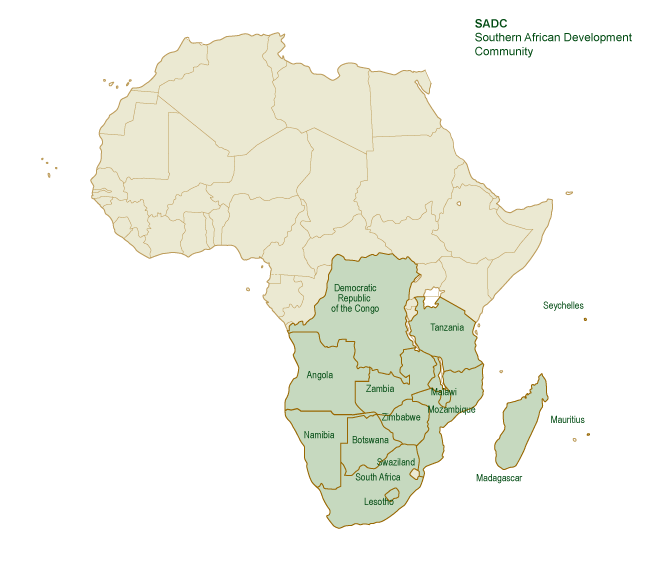
The Southern African Development Community (SADC) is gearing up for a full reopening of cross-border trading.
This comes after experts in the region expressed satisfaction over the precautionary measures countries within the 16-member bloc have taken to prevent further spread of the novel coronavirus which causes Covid-19.
The move comes after about 50 days when the body adopted its regional guidelines for harmonising and facilitating movement of critical goods and services across the region during the Covid-19 pandemic.
The guidelines, adopted after a meeting of the SADC Council of Ministers on April 6, 2020, aimed at –
limiting the spread of Covid-19 through transport across borders;
facilitating the implementation of transport related national Covid-19 measures in cross-border transportation and facilitating flow of essential goods such as fuel, food and medicines.
The guidelines also sought to limit unnecessary and mass movement of passengers across borders and harmonising and coordinating transport-related national Covid-19 policies, regulations and response measures.
But with some countries – including Tanzania – making some important milestones in their fight against Covid-19, a virtual meeting of experts met yesterday to draw the roadmap for a meeting of SADC Council of Ministers today (Thursday, May 28) resolved that some things must now change.
“This meeting is being held in preparation for a meeting for the SADCCouncil of Ministers. Key on the agenda that we will be presenting to the Sadc Council of Ministers is that some of the issues that we knew about Covid-19 must now change,” said the meeting chairman and Permanent Secretary (PS) in Tanzania’s Foreign Affairs and East African Cooperation Ministry, Colonel Wilbert Ibuge.
He said permanent secretaries for SADC foreign affairs ministries had agreed in principle to remove a provision that allowed only the facilitation of movement of critical goods and services across the region during the Covid-19 period.
“The truth is that all products that [move across borders] seek to improve lives of our people within SADC. All business goods must move across our borders,” he said.
He said recommendations from the meeting of PS’ would be forwarded to a virtual meeting of council of ministers today (Thursday) for deliberations.
The meeting of experts comprised senior officials from six ministries from each Sadc member state.
They deliberated on eight items that had been approved by the council of ministers last early month.
“The experts noted that people must learn to live with Covid-19 because the disease could be here to stay and therefore, all kind of businesses must continue so that together we can build our economies,” he said.
The ministers will also deliberate on issues pertaining to the financial position of SADC, implementation of a resolution on disaster management within the bloc and progress towards implementation of the theme that was adopted during the 39th Sadc meeting.
The ministers will also deliberate on the state of business operations among SADC member states, industrial development in Sadc and implementation of the SADC Industrial Development Strategy and its work plan.
Source: Article by Kelvin Matandiko, The Citizen, Dar es Salaam, 28 May 2020
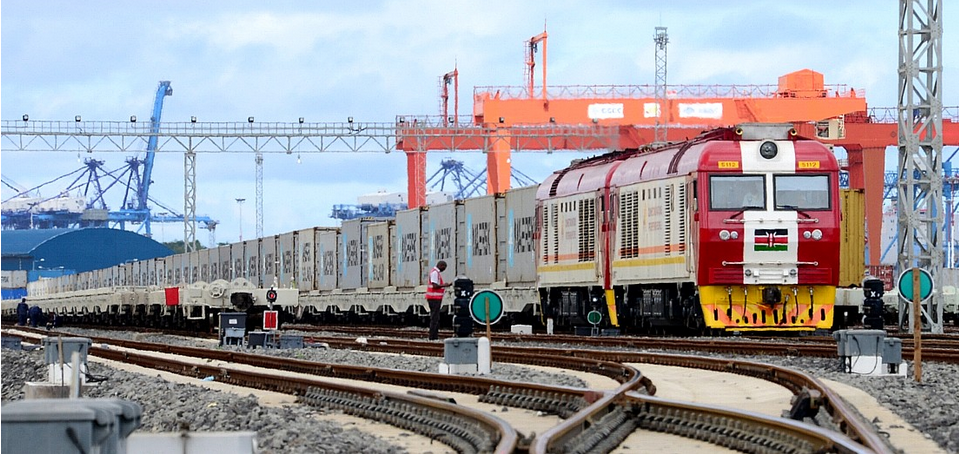
Transit cargo destined for Uganda, Rwanda and South Sudan will be transported by Standard Gauge Railway (SGR) to Naivasha then to Tororo Kampala from June 1st, the government has said.
Transport Cabinet Secretary James Macharia said the move was arrived at during a meeting with his counterparts from the three countries as a key measure to curb cross border transmissions of COVID-19.
“All transit cargo/containers transported on SGR will be armed only at the Inland Container Depot (ICD) AT Naivasha to be tracked through the Regional Electronic Cargo Tracking System,” a part of the statement read.
Macharia further pointed out that all cargo railed to the Inland Container Depot at Naivasha will be collected by trucks to the partner states via Busia or Malaba.
He however, pointed out that fuel products will be transported by pipeline to Kisumu and thereafter through Lake Victoria to Port Bell or Jinja in Uganda.
Cases of coronavirus among truck drivers who transport cargo across East African member states have tested positive with high numbers prompting Kenya to close its borders with Somalia and Tanzania.
Kenya has subsequently banned any truck driver who turn positive at the border from corssing into the country, with Tanzania having adopted a similar approach lately.
Health Cabinet Secretary Mutahi Kagwe said the development explained why President Uhuru Kenyatta ordered the mandatory screening of truck drivers at border posts before clearance into the country.
Kenya also closed its borders with Somalia, following increased coronavirus cases in Wajir which borders Somalia.
Since the border closure, Tanzanian government officials in Arusha and other border towns have publicly protested, accusing Kenya of discriminating their truck drivers.
Martin Shigella, the Tanga Regional Commissioner was blunt last week, declaring that no Kenyan truck driver will be allowed to cross into Tanzania, accusing them of exporting COVID-19 to the country which is largely seen as the weak link in managing coronavirus in the region, and the world. He also warned Tanzanians against buying goods in Kenya.
But on Wednesday, President John Pombe Magufuli announced on a tour to Singinda region, that “COVID-19 pandemic will not threaten our association with Kenya.”
He said he had held talks with his Kenyan counterpart Kenyatta, and agreed to have their ministers resolve the matter.
“Our economies need each other, our onions are sold in Kenya and Kenya exports milk and other items here,” he said, rooting for a diplomatic solution to the crisis.
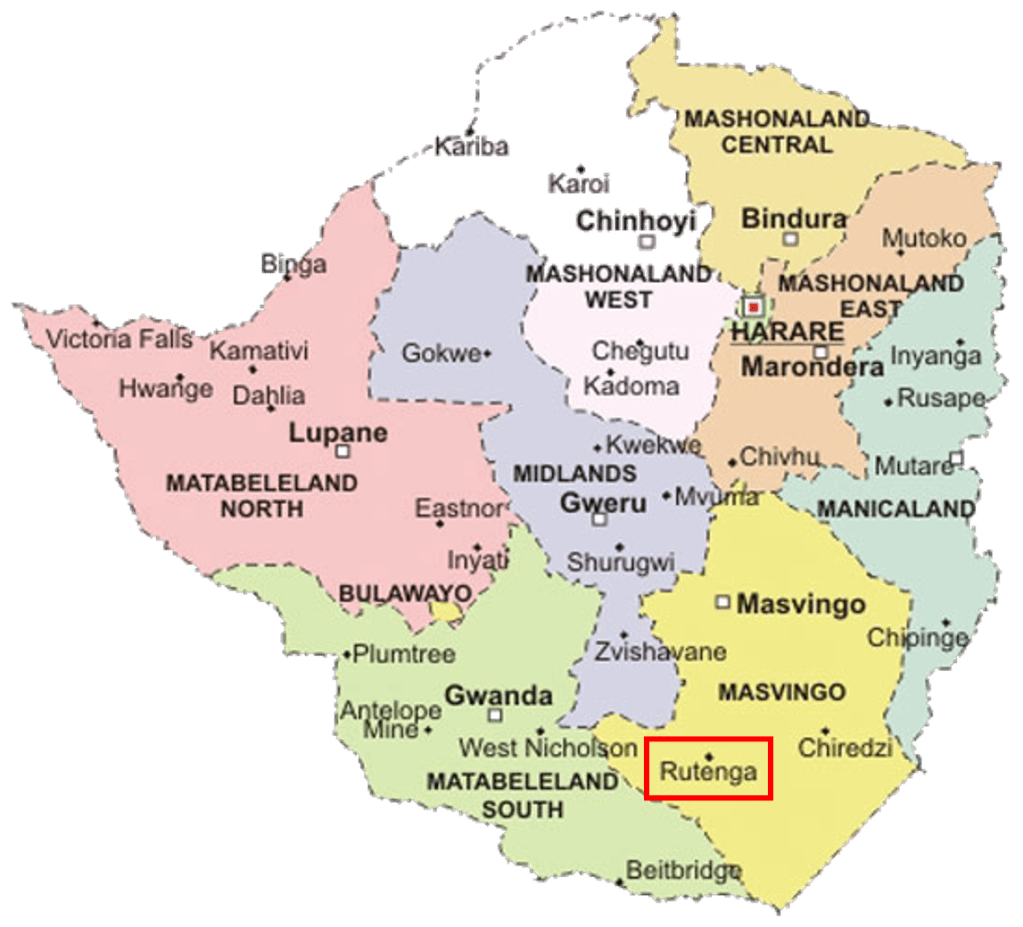
The face of Rutenga in Mwenezi District, Zimbabwe is fast changing with the growth point undergoing rapid expansion as it reaps huge benefits from its designation as a dry port.
The Second Republic, led by President Mnangagwa, wants to expedite opening of a dry port at Rutenga to de-congest Beitbridge Border Post and quicken human and land cargo movement as part of efforts to meet vision 2030 targets.
Rutenga, which is the district’s capital, was identified as a suitable place for a dry port owing to its location at the centre of a road and rail network linking Zimbabwe and South Africa — its largest trading partner — together with Mozambique.
Since its designation as a dry port, the urban settlement is now home to a new Government complex while private players are rushing to open service stations and hardware shops with financial institutions expected to follow suit.
Mwenezi Rural District Council is expected to adopt a local development plan that will designate land for both residential and industrial purposes at the growth point.
Council chief executive Mr Albert Chivanga last week said the development plan was awaiting approval by a full council.
“We have worked on the local development plan and a full council meeting will soon meet to approve it after which various companies and businesses that have been allocated land will start actual construction work.”
“We are excited by the level of interest to invest in Rutenga and the future looks good because companies are stampeding to come and invest thanks to the planned opening of a dry port here.”
Among the big companies eyeing a piece of the cake at Rutenga are beef processing firms seeking to exploit Mwenezi’s vast cattle herd.
“More than two abattoirs have applied for land in the recent past while there is a Marula processing plant being earmarked for the growth point. The plan is to make Rutenga a major producer of export quality beef and processed Marula juice,” said Mr Chivanga.
He said his council had also offered Zimbabwe Revenue Authority 12 hectares of land to set up a holding bay for the envisaged dry port.
Some investors making inquiries were from Asian countries such as India, which he said was evidence of the growth point’s vast potential.
Government has already taken the lead by completing a new modern complex, housing State offices to make sure provision of key services is housed at one place for easy logistical processes. Future water problems were also being forestalled by upgrading works undertaken by Zimbabwe National Water Authority.
Rutenga draws its water from Manyuchi Dam, one of the largest water bodies in Masvingo province, which remains largely underutilised. The urban settlement’s population is billed to quadruple to over 20 000 in the next few years, buoyed by the opening of a dry port and other investment that will flow.
It is hoped that the dry port opening and subsequent growth of Rutenga will also have a domino effect on the growth of Sango Border Post, which is a gateway to Mozambique to the south east.
Government has already started upgrading the Rutenga-Sango and Rutenga-Zvishavane roads to create a faster and accessible link between the growth point and both eastern and western parts of the country.
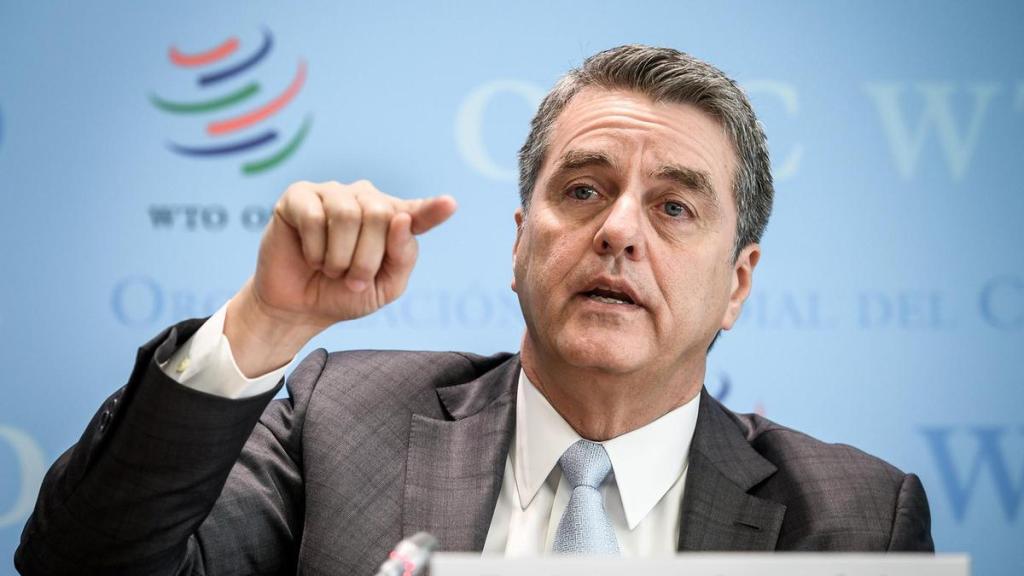
The World Trade Organization’s Director General, Roberto Azevêdo announced his resignation effective 31 August of this year. His tenure will end three years into his second four year term which was otherwise due to expire in 2021.
Azevêdo’s departure annouoncement comes in a week where a bill to withdraw the United States from the organization was introduced in the US House of Representatives by the Democratic Chairs of the Transportation & Infrastructure, and Energy and Commerce Committees. This following the introduction of a Joint Resolution to the same effect in the US Senate by Republican Senator Josh Hawley of Missouri.
It comes as the organisation finds its dispute resolution function paralyzed by a US Appellate Body blockade, a potentially existential budget battle looms, its scheduled ministerial conference cancelled and even supportive members eyeing unilateral trade action in contravention of its principles.
At perhaps the most perilous time in its 25-year history, the WTO will be without a formally appointed leader, and the forthcoming selection process for his replacement hands the US yet another opportunity to exercise an effective veto over the organization’s future.
While not likely to be the straw that breaks its back, this unfortunately timed resignation is still a hefty new weight for an exhausted WTO camel whose knees were already trembling. As the kids would say, “It’s not great.”
While opinions on the Roberto Azevêdo’s performance vary, his departure couldn’t come at a worse time, and the process to replace him is both very long and just as susceptible to being held hostage by an ornery member as everything else in the organisation.
As a global champion of rules based trade, the WTO’s ‘DG’ has an important role to play in making the full throated case against the rising tide of export restrictions, protectionism and unilateralism unleashed by the US-China trade tensions and exacerbated by Covid-19. Now is no time for the system to be without its Knight in Shiny Armani.
As the head of the WTO secretariat, the director general was poised to play a key role in steering the organisation through what now seems a near inevitable battle over its budget at the end of the year. If the US once again blocked adoption of the WTO’s budget, it would have been up to him to try and forge a compromise, or make the difficult and controversial decisions required to keep the lights on, staff paid and fondue pot glowing in the face of an unapproved budget.
As the chair of the trade negotiations committee, the director general offers convening power, good offices, and a consensus building voice. With critical negotiations around fisheries subsidies, e-commerce, investment, and WTO reform all hanging in the balance, the absence of a Director-General only further decreases the likelihood of progress (perhaps from Hail Mary Pass to Igloo in Hell).
What happens now – Interim Director-General?
Upon Mr Azevêdo’s departure at the end of August, The rules now require the WTO General Council – a meeting of all WTO Members which serves as its highest decision making-body outside of a ministerial conference to appoint one of the four Deputy-Directors General as an interim director.
This presents a potential hurdle, as the WTO General Council makes decisions by consensus. Therefore, even a single member’s objection could prevent the appointment of an interim leader for the organisation.
The current deputies are Yonov Frederick Agah of Nigeria, Karl Brauner of Germany, Alan Wolff of the United States and Yi Xiaozhun of China. For obvious reasons, neither the US nor the Chinese DDGs are likely candidates for unanimous approval, and it is not impossible to envisage objections to Agah and Brauner as well – either personally or on general principle to sabotage the organisation further.
What happens next – A new Director-General?
Whether an interim DG is appointed or not, the WTO members will need to begin the process of selecting a new Director-General.
The procedure is lengthy and would ordinarily begin nine months before a DG’s term is set to expire. Once the process begins, WTO members have one month to nominate candidates, which must be their own nationals.
After this month is over, the candidates are expected to come to Geneva and meet with the WTO missions. The next seven months are to be spent weening the applicants down to a single final consensus candidate.
Is there politics?
Oh my god yes. While the Director-General has no legal authority to make or enforce the rules, WTO members are still intensely jealous of the position and allergic to any candidate they feel might impede their interests.
Arriving at a single consensus candidate requires a raft of compromises, trades and deals even at the best of times, which of course the current situation is not.
What happens if no consensus candidate can be found?
Theoretically, the rules do allow for a vote by the membership to select a Director-General. However, this procedure is both a measure of last-resort and intended primarily for a situation where the membership is split between two or more valid candidates and agrees by consensus on a vote to break the deadlock.
Were the US or some other member to block all candidates as a matter of principle, they would also likely oppose a vote. Even if a vote could then be forced regardless, it would only fuel the fires of those who argue the WTO has gone rogue.
So what does it all mean?
On its own, this resignation does not fundamentally change the state of play. The WTO is severely weakened, partially paralysed and increasingly in the crosshairs of the US, where concerns about it extend beyond the Trump administration and across party lines.
It does however rob the WTO of an experienced, consensus-approved leader at a time when both the organisation and the cause of rules-based trade desperately need one.
Still, though slim, there is hope the DG selection process might serve to revitalise the organisation. Long rumored candidacies like that of Kenya’s formidable Amina Mohamed, who chaired the 10th WTO Ministerial Conference to a successful conclusion and would be the organization’s first female and first African Director-General, offer a path to a more globally representative future.
The U.K. risks failing to recruit the 50,000 customs agents the logistics industry says are needed before Britain’s final parting with the European Union, spelling potential chaos at the country’s busiest border.
The coronavirus has hampered efforts to train staff to handle the extra paperwork firms will need to complete after the U.K. exits the EU’s customs union at the year-end, according to industry bodies involved with the process. One lobby group says its offer to help plug the shortage of recruits has met with silence from Whitehall.
Without enough agents, goods traveling to and from the EU, the U.K.’s single biggest trading partner, risk being delayed at ports, disrupting supply chains and heaping more pain on companies reeling from coronavirus. Even if the two sides strike a trade deal by December, agents will still be needed to process an additional 200 million customs declarations, according to estimates by Her Majesty’s Revenue and Customs.
“This is all blown out the water by the virus,” said Robert Keen, director-general of the British International Freight Association, which is helping to train workers to process the new paperwork with funding from a 34 million-pound ($43 million) government program. “Everybody is fighting to keep their businesses going.”
Keen’s industry group has postponed its classroom training until at least June. The number of monthly registrations for its online learning course has dropped by 80% since February.
Asked by lawmakers on April 27 how many agents have been recruited so far, Cabinet Office Minister Michael Gove said he didn’t know.
He told members of Parliament the government had been in talks with the logistics industry about creating a training school. Such an initiative already exists — the U.K. Customs Academy was started in September with the Institute of Export. 876 courses have been initiated or completed since the academy opened, according to KGH Customs, which helps run the program.
“There is a significantly long way to go,” said Marco Forgione, director-general of the Institute for Export. According to him, the 50,000 figure is almost certainly a conservative estimate of how many agents will be needed. He is calling on the government to encourage people who have lost their jobs because of the virus to re-train as customs officials.
‘Full Stop’
In a sign of how the virus has sapped attention away from Brexit in Whitehall, the Freight Transport Association submitted a proposal to the Treasury on March 17 about how to set up a mass education program to train up agents. More than a month later, the lobby group hasn’t received a reply.
“My impression is it has come to a full stop,” said Rod McKenzie, managing director of policy and public affairs at the Road Haulage Association. He expressed surprised he hadn’t seen any job ads for customs agents.
Talks to seal a trade deal between Britain and the EU have been disrupted by the virus. The U.K. is seeking a Canada-style accord which would eliminate tariffs on goods but create new non-tariff barriers like customs declarations and rules-of-origin paperwork. Without a deal, the U.K. would trade with the EU on terms set by the World Trade Organization, meaning steep duties on products from cars to beef.
Need to Prepare
The two sides have until the end of June to extend the standstill period Britain entered after Brexit on Jan. 31 – but the government has repeatedly ruled out seeking a delay. Business groups such as BIFA and the FTA have called for an extension, arguing firms shouldn’t have to face the double whammy of higher trade costs while still recovering from the negative effects of coronavirus.
A government spokesman said thousands of agents, freight forwarders and parcel operators had used the 34 million-pound fund to improve their IT hardware and train staff.
“The U.K. has a well-established industry of customs intermediaries who serve British businesses trading outside the EU,” the spokesman added.
Even if firms are able to divert resources into training later in the year, by when the virus might have abated, companies will still need time to prepare, said Arne Mielken, founder of Customs Manager, an advisory firm for importers and exporters.
“You can’t hammer in customs knowledge overnight,” he said. “We urge companies not to neglect the fact that Brexit is still happening.”
Source: Article by Joe Mayes, Bloomberg, 4 May 2020
Many African states have closed their borders due to COVID-19. The movement of goods continues, albeit slowly. For people, transiting countries is difficult and the consequences for workers and small businesses are dire.
2020 should be the year of open borders in Africa. After years of negotiations, the concrete implementation of the African Free Trade Area (AfCFTA) was finally on the agenda. The common African passport was also to become a reality this year.
It is true that many countries allow goods to pass through, at least partially. However, the consequences for the continent, especially the long-term effects, can hardly be estimated. The African Union warns that border closures for people and goods could have a “devastating effect on the health, economy and social stability of many African states” that rely on trade with neighbors.
Africa thrives on mobility
The restricted transportation of goods is only one of the negative outcomes of border closures Africa is heavily dependent on the mobility of its workforce, explains to Robert Kappel, Professor Emeritus of the Institute for African Studies at the University of Leipzig. But right now, that workforce is stuck in place.
“Mobility is part of everyday life for most Africans,” Kappel told DW. “You go somewhere else for a while, work, earn income and send it to your family, acquire and bring back skills, create networks across borders,” Kappel said. The economist is certain that the longer mobility is restricted, the more African states will suffer from reduced economic growth.
Kappel cites Ivory Coast as an example. Just as Western European countries depend on eastern European harvest workers, many people come from Burkina Faso to work on Ivorian cocoa plantations.
Even people who have been living in Ivory Coast for a long time are now being sent back because of the COVID-19 pandemic. Kappel said the reason for their expulsion is simply because they are foreigners. “Cote d’Ivoire, one of the world’s largest cocoa producers, has been relying on the exchange of workers for decades and now suddenly has to limit this,” he said.
Southern Africa moving in the ‘right direction’
For goods transported by truck, meanwhile, the restrictions on the continent appear to be slowly easing. That’s according to Sean Menzies, responsible for road freight transport at the South African logistics company CFR Freight. The company’s trucks transport goods to almost all neighboring countries and member states of southern Africa’s regional bloc, SADC, including food to Zimbabwe and mining equipment to the Democratic Republic of Congo or to Zambia. The spread of coronavirus and the resulting border closures brought restrictions for CFR Freight.
Initially, only essential goods such as food, hygiene products or personal protective equipment could be transported across borders, Menzies said. Shortly afterwards, the regulations were also relaxed for cargo that reaches South Africa by sea but is destined for other SADC countries. These containers may be transported across borders, regardless of whether their contents are vital or not.
Menzies said the new regulations and controls will not delay the transport too much. “At the very beginning there were problems and a lot of confusion about what is required. But within a week, the customs officers understood and implemented the guidelines,” said the logistics expert. From then on, he said, traffic at the border posts has been fairly smooth. Menzies praised the cooperation in the region regarding the movement of goods during the pandemic.
COVID-19 test for East Africa truck drivers
The East African Community (EAC) is also trying to simplify the transport of goods between member states. On Monday the EAC issued new guidelines. Among other things, the regional bloc suggested that all border crossings should be kept open for freight traffic so that trucks can be cleared as quickly as possible.
EAC member states are interlinked at many levels, Kenneth Bagamuhunda, Director General for Customs and Trade in the Secretariat, the executive body of the EAC, said. “This forces us to really come together and issue regional guidelines,” Bagamuhunda told DW in an interview. Although the guidelines are not binding, they are intended to enable joint action.
The situation at the borders in East Africa could not be described as “very stable,” it was changing from day to day. But things were beginning to improve. Some states had started to test all truck drivers. “This led to some delays at first,” Bagamuhunda said.
30 kilometers (18 miles) – that’s how long the traffic jam was last weekend at the Kenyan town of Malaba on the border with Uganda, a Kenyan media house, Citizen TV, reported. Because truck drivers are particularly mobile, there is a risk that they will contribute to the spread of the virus. At least 20 of the 79 officially registered cases in Uganda are truck drivers, according to the BBC.
The EAC’s new guidelines now require testing for all truck drivers. The states are also to set up special stopping points so that drivers have as little contact with the population as possible.
Impact on farmers and small businesses
Small and medium-sized companies that depend on cross-border trade are particularly threatened by delays and restrictions, economist Robert Kappel said. “Many of the farmers or small entrepreneurs must now try to sell their products elsewhere but often the local market is limited.”
The EAC is now considering how to support these small businesses. According to Bagamuhunda, different approaches are being discussed: “Can we, for example, create an online mechanism so that they can handle their goods? Or systems that help them to trade with as little interaction as possible?” Soon, proposals will be made to politicians.
Source: article by Uta Steinwehr, DW.com, 2 May 2020





 What Happened to the Portcullis?
You must be logged in to post a comment.