Africa – ready for rich pickings?

While on the theme of African economic and trade emancipation, it is interesting to consider the detailed analysis and evaluation occurring in regard to African continental readiness for information and communication technologies. One such study is the Transformation Ready or eTransform Africa programme, a joint programme of the African Development Bank and the World Bank, in partnership with the African Union. Bear in mind that the WCO and African Development Bank recently signed a cooperation agreement to enhance the capacity of Customs administrations in Africa. 

The study (Click Here!) is a series of  case studies of certain countries. The aim of the programme as a whole, as set out in the terms of reference, is to:

  • Take stock of emerging uses of ICT across sectors and of good practices in Africa and in other continents, including how ICTs are changing business models in strategic sectors.
  • Identify key ICT applications that have had significant impact in Africa or elsewhere and that have the potential of being scaled up, both from the public and private sectors.
  • Identify binding constraints that impact ICT adoption and scaling-up of effective models, such as the need to develop a regional culture of cyber security, and measures to address these constraints, including in relation to the role of different actors and stakeholders (private, public, development community, civil society, etc).
  • Commission a series of country case studies, to formulate a guide for rolling out and scaling up key applications in Africa, in each of the focus sectors, and thereby to identify opportunities for public/private partnership, as well as identifying areas where intervention can be reduced or eliminated.
  • Develop a common framework for providing support in ICT for development to countries that brings together the operations of the two Bank Groups and their respective departments.

The terms of reference for individual sectors were as follows:

  • Within each sector, identify specific opportunities and challenges in Africa that can possibly be addressed with an increased or better use of ICT. Constraints that are hindering ICT uptake and scale-up will be examined within the context of each sector/industry, including human capacity in IT skills and sustainable business models such as for public private partnerships (PPP). Further, the appropriate role of governments in the provision of priority ICT applications and services will be examined in order to maximize private sector development;
  • Undertake a quick scan of ICT applications in the different sectors and identify a few applications that have had significant impact in Africa or elsewhere and that have the potential of being scaled up. The scan should refer to a matrix of selection criteria on which to select case study countries that are considered ripe for the creation of public/private partnerships. On this basis, specific country case studies will be chosen – two to three per sector — on a representative basis, for deep dive analysis. The selection of case studies should be made in consultation with the partners and the other consultants. A workshop should be organized by the coordinator firm at an early stage in the project to finalise this selection.
  • Analyze and understand the barriers to the greater adoption and mainstreaming of ICTs. Barriers may include, for instance, low purchasing power, illiteracy, infrastructure constraints, lack of regulation, poorly functioning mobile ecosystem, power shortages, political instability etc. Identify cases/examples on how these have been dealt with;
  • Analyze and understand the enabling factors of success, including political economy, policy, institutional, human, financial and operational factors;
  • Consider the option of developing multi-country programs or special facilities that would allow fast-tracking specific programs across countries;
  • Provide guidelines on designing appropriate and sustainable ICT components for sector projects (including building effective public and private partnerships) and on evaluating the impact of these interventions; and
  • Propose a course of action on how to include ICT in policy dialogue and planning with country counterparts on sectoral development goals and priorities. Experiences and best practices from other regions will be drawn upon to define the role of the public sector, bearing in mind that government is increasingly positioned as a lead user of ICTs as well as a regulator of the sector.
Related articles

The following article provides a disturbing – some would call it conspiracy theory – on what lies in store for the continent of Africa. Perhaps the colonial days will be viewed as mild should some of the suggested schemes materialise.

TKC Pilot – linking regional Customs systems through the “Cloud”

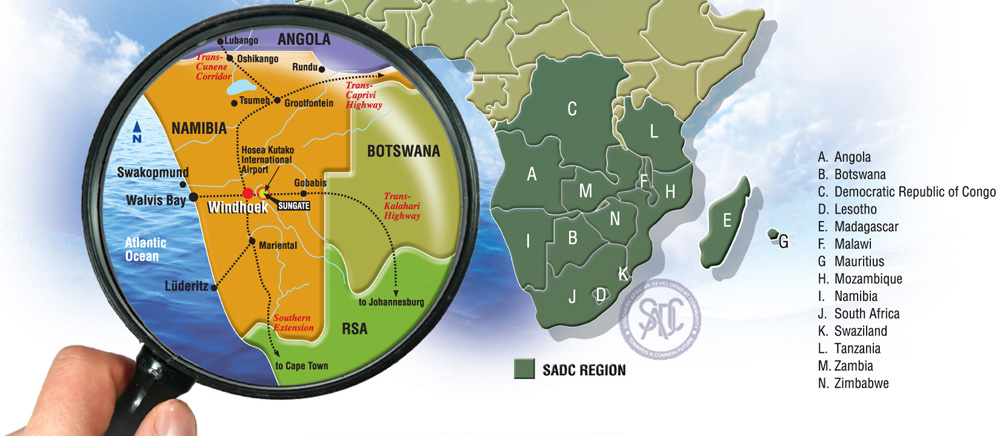
FTW Online recently published an update on recent developments occurring along the Trans-Kalahari Corridor (TKC). It suggests that customs systems throughout the SADC region could soon be talking to each other through the Internet, if the pilot project between Namibia and Botswana is successful. During July 2011, the Southern African Trade Hub unveiled a plan to initiate a pilot programme to link the ASYCUDA systems of Namibia and Botswana via Microsoft’s Cloud Computing technology. Both Microsoft and USAID are partners in this initiative seeking to enable the two customs systems to communicate with each other through a secure portal. View the keynote presentation at the 2011 World Customs Organization IT Conference and Exhibition – Seattle, Ranga Munyaradzi (SATH) and Namibian Customs Commissioner, Bevan Simataa, were invited on-stage to elaborate on this initiative – click here!

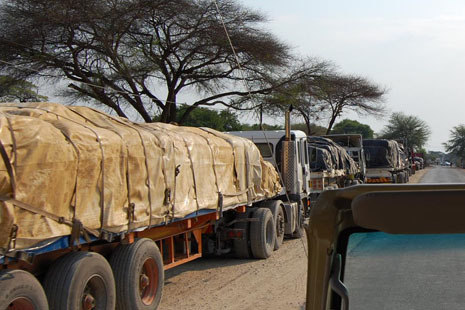
According to Oscar Muyatwa, executive director of the Trans-Kalahari Corridor Secretariat, the initiative holds the prospect of opening up African opportunities in the United States for exports, as it is being supported by USAID as part of the African Growth and Opportunities Act (AGOA). Both Namibian and Botswana Customs officials are to be trained in Cape Town over the next few months. The TKC Secretariat believe this initiative will bring about its vision of a ‘automated corridor’. Further ahead the TKCs envisages the establishment of One Stop Border Posts (OSBPs) to reduce border dwell and transit times. Muyatwa says ‘The ‘cloud’ will maintain vast volumes of transit data that will assist future planning along the corridor as well as revenue and budgeting forecasts’. Source: FTW Online.

Comment: lest there be any confusion amongst Customs users, traders and carriers, the concept of cloud computing in the Customs sphere is very ‘clouded’ at this point. What needs to be considered is the ‘ownership’, rights to ‘access’ and ‘integrity of use’ of such information. Furthermore, as this is a first-of-its-kind initiative (in Africa at least); it would be highly recommended that the participants and developers ‘share’ details of the approach with other SACU members in order to better understand the programme. Up to this point it is very unclear how the developer has gone about the integration of customs information, for instance, since ‘users’ have not been fully involved in the scope, proof-of-concept or design of the system. 

Related articles

Enhancing South Africa’s and Africa’s development through Regional and Continental Integration

Hardly a week goes by without some or other African politician waxing lyrical about continental integration, continental trade diversification, and a wholesome analysis of the ‘barriers’ which prevent the African continent  from reaching its full economic potential. No doubt I’m a bit biased in relaying the recent ‘public lecture’ of our deputy President Kgalema Motlanthe at the University of Finlandread the full speech here! Plenty of insight clearly delineating a plethora of barriers; yet, are we African’s so naive not to have identified these barriers before? Evidently yes.

In recent weeks, on the local front, we have learnt that One Stop Border Posts (OSBPs) is the solution to non-tariff barriers. This topic was drilled amongst the press till it got boring. The focus soon thereafter shifted to the implementation of a border management agency (BMA) – all of government under one roof – so simple. The reality is that there is no silver-bullet solution to African continental integration. Of this, affected business, Customs administrations and the international donor community is acutely aware. While the WTO and the multitude of trade lawyers will ‘yadder’ on about ‘diversification’ in trade, the reality is that Africa’s raw materials are even more sought after today than at an any time before. Certainly those countries which contain vast resources of oil and strategic minerals are about to reap the benefits. So why would African countries be concerned about diversification when the petro-dollars are rolling in? Perhaps greed or lack of foresight for the medium to long-term well-being of countries and their citizens? The fact remains, without homegrown industries producing goods from raw materials, most of  Africa’s eligible working class will continue to be employed by foreign mineral moguls or the public service.

Several customs and infrastructure solutions have over the last few years emerged with the usual credential of “WCO or WTO compliant”. Africa has been a guinea pig for many of these solutions – ‘experiments’ if you prefer. Literally millions of dollars are being spent every year trying out so-called ‘best-of-breed’ technology which users unfortunately accept without much questioning. The cart is being placed before the horse. Why? because the underlying route cause/s are not being identified, understood (sufficiently) and prioritized. Insofar as there exists no silver bullet solution, neither is there a single route cause in most cases. Unfortunately, donor aid often comes with its own pre-conceived outcomes which don’t necessarily tie in with those of the target country or the well-being of the continent.

While governments like to tout the ‘big-hitting’ projects, there are several ‘less exciting’ (technical) areas which countries can address to kick-start the process. One of these has even been recognised by the likes of the World Bank and OECD notwithstanding capital-intensive programs which promised much and have not delivered fully on their promise.  The issue at hand is the harmonisation of customs data. It might at first sound irrelevant or trivial, yet it is the key enabler for most Customs Modernisation initiatives. While there is still much anticipation in regard to the forthcoming deliberation and outcome of the WCO’s Globally Networked Customs (GNC) initiative at June’s WCO Policy Commission session in Brussels, there is significant support for this approach on the African continent. The momentum needs to be maintained.

 Related articles

Border Posts, Checkpoints and Intra-African Trade

You may recall earlier this year the African Development Bank and the WCO agreed to a partnership to advance the economic development of African countries by assisting Customs administrations in their reform and modernization efforts.

The AfDB’s regional infrastructure financing and the WCO’s technical Customs expertise will complement each other and improve the efficiency of our efforts to facilitate trade which includes collaboration in identifying, developing and implementing Customs capacity building initiatives by observing internationally agreed best practice and supporting Customs cooperation and regional integration in Africa.

In addition, the partnership will seek to promote a knowledge partnership, including research and knowledge sharing in areas of common interest, as well as close institutional dialogue to ensure a coherent approach and to identify comparative advantages as well as complementarities between the WCO and AfDB. Customs professionals, trans-national transporters and trade practitioners will find the featured article of some interest. It provides a synopsis of the key inhibitors for trade on the continent, and will hopefully mobilise “African expertise” in the provision of solutions and capacity building initiatives.

WCO/SACU – IT Connectivity and Data Exchange

WCO-SACU IT Interconnectivity and Data Exchange Conference

On the occasion of International Customs Day, in January earlier this year, the World Customs Organisation dedicated 2012 as the year “Connectivity”, which encapsulates people connectivity, institutional connectivity and information connectivity among the members of the global Customs community.

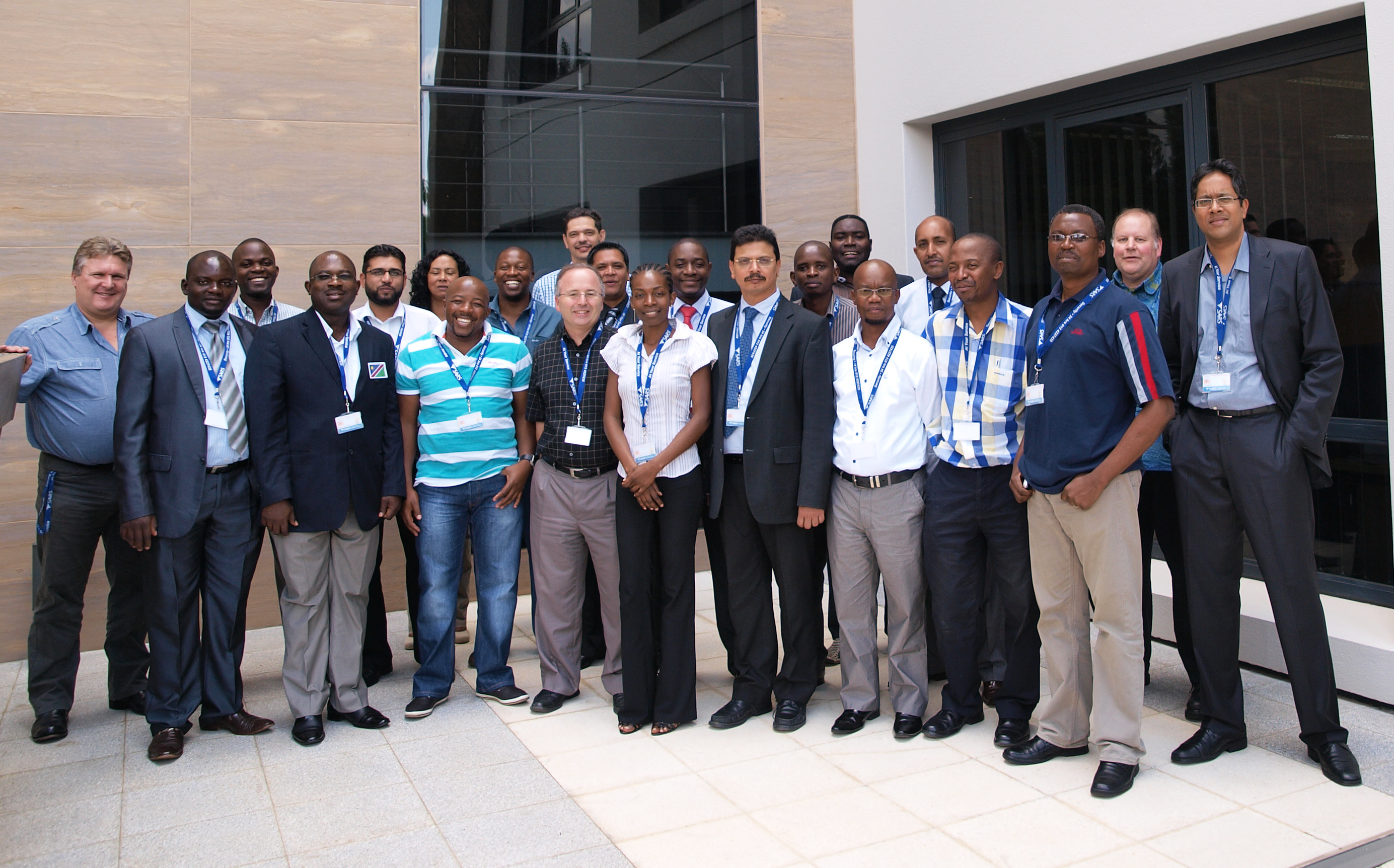
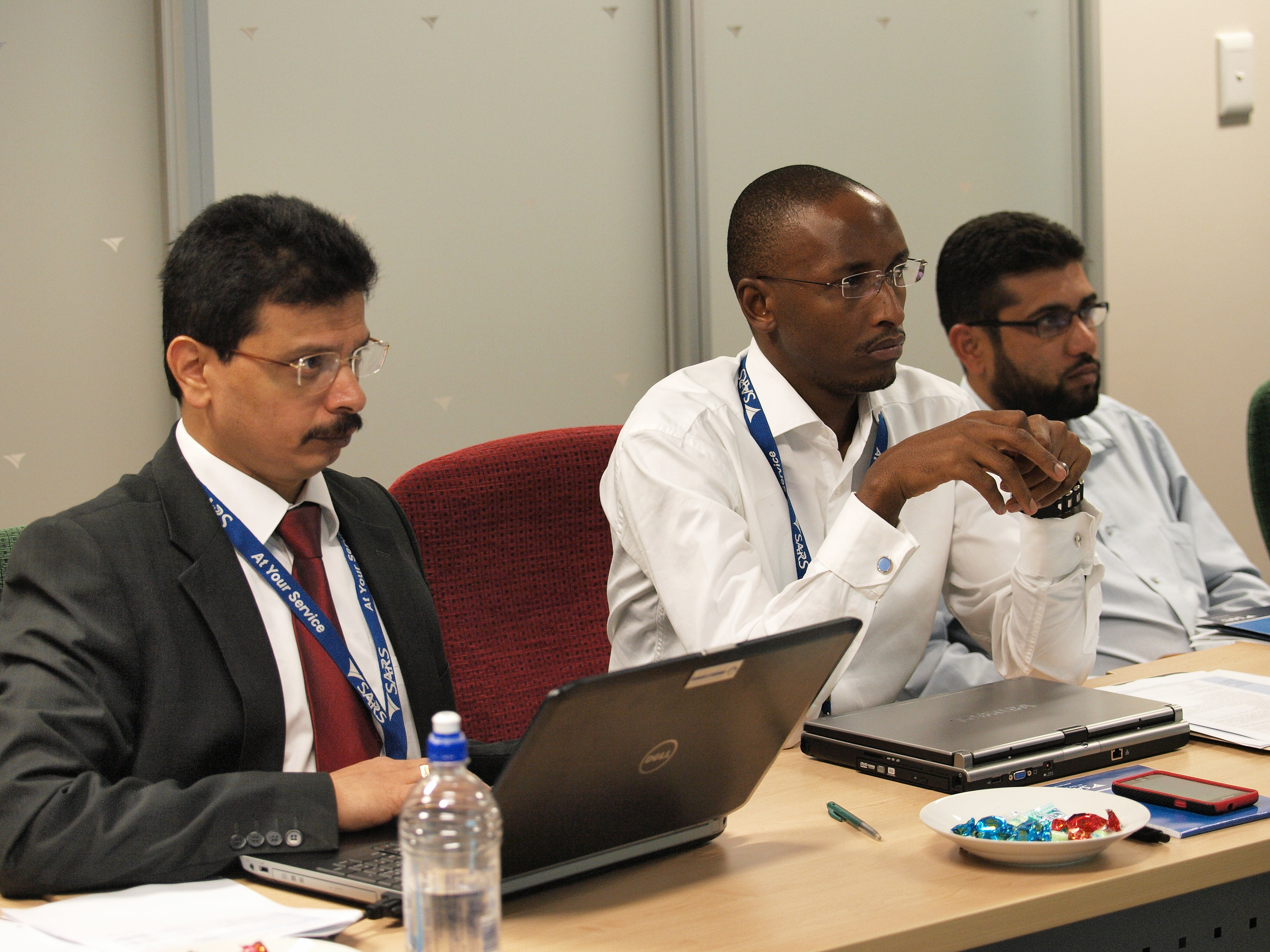
Over the last week and a half delegates from the WCO, SACU, UNCTAD, SADC and COMESA have been hosted at SARS, Pretoria to discuss and deliberate over an approach to implement ‘IT connectivity’ within the Southern African region. During the first week representatives from UNCTAD, SACU and SARS were briefed on important developments at the WCO on IT-Interconnectivity and Information Exchange. We were privileged to have Mr. Satya Prasad Sahu, Technical officer from the WCO – a leading expert in all matters of ICT in international customs matters – present the developments towards finalisation of a future international customs standard called “Globally Networked Customs” (GNC). It entails a structured approach that will enable customs authorities to formulate and document bilateral or regional ‘standards’ on a variety of Customs-to-Customs topics, for instance Authorised Economic Operators, Cross Border Information Exchange, Risk Management, etc. A representative from UNCTAD presented a synopsis of the proposed ‘cloud computing solution’ which the Trans Kalahari Corridor (TKC) plans to pilot between Namibia and Botswana along the TKC route in the next few months. During the course of this week, delegates , under the guidance of Satya, prepared a proposed approach for information exchange between members of the Southern African Customs Region. This document is based on the GNC Utility Block structure (defined by the ad Hoc Committee on Globally Networked Customs at the WCO) and served as the basis for discussion for Week 2.

Mr. SP Sahu (WCO) and delegates from SACU SecretariatWeek 2 saw the arrival of customs and IT representatives from COMESA, SADC, UNCTAD, SACU as well as a delegation from Mozambique Customs. Mr. Sahu was invited to chair the session, given his vast experience on the subject matter as well as international experience in national and regional customs ICT programmes. Delegates were treated to various lectures on the GNC, a comprehensive overview of developments on ASYCUDA (Customs solution developed by UNCTAD), various updates from within the customs region – Botswana, Namibia, Lesotho, Swaziland, Mozambique and SARS. Beyers Theron informed delegates of ongoing developments of the SARS Customs Modernisation Programme as well as key implications for neighbouring countries. SARS presented a live demonstration of SARS’ Service Manager solution, navigating through all the functionality now available to SARS Customs officials. Of significant interest to all was the new iPod inspection tool. This technology is given prominent feature in the latest edition of WCO News.

A large portion of the week was, however, spent on deliberating the proposed scope and content of the draft Utility Block on Information Exchange in the Southern African Region. Significant progress was been made to attain first, a common understanding of the scope as well as the implications this has for participating countries. Delegates will return home with a product with which to create awareness and solicit support in their respective countries. Over the next few months SARS will engage both SACU and SADCOM (combined SADC and COMESA trading blocs) to establish firm commitments for information exchange with customs administrations in these regions. This conference is significant for SARS and South Africa as a whole as it provides a uniform, standardised and practical approach for engagement with other international trading partners. To view photographs of the conference please click here!

WCO News – February 2012 Edition

WCONews Edition February 2012Herewith a link to the latest edition of WCO News, providing a wealth of customs news and developments from across the globe. This edition focuses almost entirely on regional initiatives involving C-2-C information exchange. On pages 20 to 22 you’ll read about new developments emerging on customs inter-connectivity and information exchange in the Southern African Region. At this time, a conference lead by the WCO, involving representatives from UNCTAD, SACU, SADC and COMESA and SARS is taking place in Pretoria to establish a firm framework for introduction of customs information exchange. I will devote a dedicated article on these developments shortly, as this has implications for the business community as well. Also, don’t miss the feature on South Africa’s modernisation developments, pages 29 and 30. Besides the usual editorials this edition includes –

  • WCO Secretary General launches Year of Connectivity.
  • Evolving technology landscape and its impact on Customs.
  • Latest developments in Latin America, Southern Africa and Europe.
  • West Africa implements airport task forces to fight drug trafficking.
  • South Africa to roll out mobile Customs controls.
  • Operation “Short Circuit” successes and challenges.
  • WCO Tariff and Trade Affairs Directorate

SAD Story – Part 2

What is clear in regard to modern day business is the fact that ‘harmonisation’ in the international supply chain is essentially built around ‘data’. E-commerce has been around for decades, plagued by incompatibilities in messaging standards, and computer software, network and hardware architecture. However, one of the key inhibitors has been organisations and administrations having to adhere to domestic ‘dated’ legislation and so-called standard operating procedures – seemingly difficult to change, and worst of all suggesting that law has to adapt!

A lot has had to do with the means of information presentation (format) and conveyance (physical versus electronic) rather than the actual information itself. Standards such as the UN Layout key sought to standardise or align international trade and customs documentation with the view to simplifying cross-border trade and regulatory requirements. In other words, each international trade document being a logical ‘copy and augmentation’ of a preceding document.  This argument is still indeed valid. The generally accepted principle of Customs Administrations is to maximise its leverage of latent information in the supply chain and augment this with national (domestic) regulatory requirements – within a structured format.

The Single Administrative Document (SAD) was itself borne out of this need. The layout found acceptance with UNCTAD’s ASYCUDA which used it as a marketing tool (in the 1990’s) in promoting ‘What-You-See-Is-What-You-Get’ (WYSIWYG). It certainly provided a compelling argument for under-developed countries seeking first-time customs automation. Yet, the promise of compatibility with other systems and neighbouring customs administrations has not lived up to this promise.

Simultaneous to document harmonisation, we find development of the Customs data model, initially the work of the Group of 7 (G7) nations at the United Nations. Its mandate was to simplify and standardize Customs procedures Customs procedures. In 2002, the WCO took over this responsibility and after further refinement the G7 version became version 1 of the WCO Customs Data Model. Once more a logical progression lead to the inclusion of security and other government regulatory requirements. This has culminated in the recent release of WCO Data Model 3. Take note the word “Customs” is missing from the title, indicating that Version 3 gives effect to its culminating EDI message standard – Government Cross Border Regulatory (GOVCBR) message – an all inclusive message standard which proposes to accommodate ALL government regulatory reporting requirements.

Big deal! So what does this mean? The WCO’s intent behind GOVCBR is as follows –

  • Promoting safe and secure borders by establishing a common platform for regulatory data exchange enabling early sharing of information.
  • Helping co-operating export and import Customs to offer authorized traders end end-to to- end premium procedures and simple integrated treatment of the total transaction.
  • Contributing to rapid release.
  • Elimination redundant and repetitive data submitted by the carrier and the importer.
  • Reducing the amount of data required to be presented at time of release.
  • Reducing compliance costs.
  • Promoting greater Customs Co-operation.

Undertaking such development is no simple matter, although a decision in this direction is a no brainer! Over a decade’s work in the EDI space in South Africa is certainly not lost. Most of the trade’s electronic goods declaration and cargo reporting requirements remain intact, all be they require re-alignment to meet Data Model 3 standard. Over and above this, the matter of government regulatory requirements (permits, certificates, prohibitions and restrictions, letters of authority, etc.) will require more ‘political will’ to ensure that all authorities administering regulations over the importation and exportation of goods are brought into the ‘electronic space’. Some traction is already evident here largely thanks to ITAC and SA Reserve Bank willingness and capability to collaborate. In time all remaining authorities will be brought on board to ensure a true ‘paperless’ clearance process.

So, I digress somewhat from the discussion on the SAD. However, the bottom line for all customs and border authorities, traders and intermediaries is that ‘harmonisation’ of the supply chain operation follows the principal and secondary data required to administer ALL controls via a process of risk assessment, to facilitate release including any intervention required to ensure the compliance of import and export goods. As such even legislative requirements need to enable ‘harmonisation’ to occur otherwise we end up with a non-tariff barrier, uncertainty in decision-making, and a business community unable to capitalise on regional and international market opportunities. Positively, the draft SA Customs Control Bill makes abundant reference to reporting – of the electronic kind.

In Part 3, I will discuss regional ‘integration’ and the desire for end-to-end transit clearance harmonisation.

CBP – An ode in modesty

There’s nothing like beating the breast and extolling the homeland’s unselfish generosity for the benefit of mankind, or am I being facetious? Today’s post on the US Customs and Border Protection‘s website titled “CBP Leads World Customs Organization on Natural Disaster Responsiveness” , is a case in point. The reader is left in no doubt as to who was responsible for recent developments that provide for a Customs role in natural disasters. I read with interest New Zealand Customs‘ role in the Christchurch earthquakes last year – very understated and with empathy for the survivors. The WCO consists over 177 affiliated customs administrations / border agencies each of whom make some form of contribution to it’s various committees and resulting accords or standards. So what if CBP made a major contribution, its a cheap shot to boast at the expense of others who might also have contributed, if not to the same extent. Read the article here!

African Bank and WCO create partnership to strengthen customs administrations

Brussels, 30, January 2012 – The African Development Bank (AfDB) and the World Customs Organization (WCO) will work together, to enhance the capacity of Customs administrations in Africa. This declaration was made today in Addis Ababa, Ethiopia, during the signing ceremony of a comprehensive Memorandum of Understanding, on the margins of the 18th African UnionSummit. The summit, which is taking place in Ethiopia from 23-30 January, is focusing on boosting intra-African trade – an area in which Customs administrations can play a vital role in strengthening national and regional economies in Africa.

The enhanced cooperation between AfDB and the WCO will help advance the economic development of African countries by assisting Customs administrations in their reform and modernization efforts.

The partnership includes collaboration in identifying, developing and implementing Customs capacity building projects by observing internationally agreed best practices and supporting Customs cooperation and regional integration in Africa. For the full article follow this link or the WCO News feed below in the left margin.

International Customs Day 2012

Borders Divide, Customs Connects” is the theme for this years international Customs Day celebrations, highlighting the central and integral role of Customs administration in the global trade supply chain. As the World Customs Organization prepares to celebrate its 60th anniversary this year, it is only fitting that  this opportunity is used to acknowledge the heritage that the founders of the Customs Co-operation Council bestowed on us, namely the importance of cooperation, particularly the value of inter-connectedness among Customs and its partners. For the official WCO International Customs Day 2012 poster click here!

For the international Customs community, connectivity connotes a vision of arrangements worldwide that support the smooth and lawful flow of goods, services, people, technologies, capital, culture, and ideas. It galvanizes the establishment of partnerships, the preparation of research, the sharing of knowledge, and the delivery of capacity building. Connectivity thus paves the way for community protection, modernization, and economic development. Connectivity encapsulates strengthened coordination, cooperation, and communication between Customs administrations, with other government agencies and institutions, and with the private sector, at national, regional and international levels.

Because borders are synonymous with division, the main challenge for Customs administrations is to identify and pursue the best methods to increase connectivity, which refers to people-to-people, institutional, and information linkages, that underpin and facilitate the achievement of objectives.

In fact, Connectivity is a natural progression from previous International Customs Day themes: Knowledge in 2011, particularly the sharing of knowledge to enhance the effectiveness and efficiency of Customs authorities; Customs-Business Partnerships in 2010, with a focus on supporting and improving the connective, working relationships between Customs and the private sector; and Environment Protection in 2009, underscoring the need for coordinated border management to save our natural heritage.

It is, of course, important to emphasize that connectivity encompasses three main pillars:

  • people connectivity, which includes a partnership with the business sector, and knowledge and professionalism;
  • institutional connectivity, which includes Customs-to-Customs connectivity and Customs-to-other government agency connectivity; and
  • information connectivity, which acts as an enabler and includes Globally Networked Customs, the electronic Single Window, and technology and knowledge solutions.

Here at home in South Africa, SARS Commissioner Oupa Magashula confirmed SARS’ proud history as a “connected” organisation fulfilling its Customs mandate –

  • We connect with our partners in business, those who drive the international supply chain, to provide them with a world-class service offering that will enhance their competitiveness in the global marketplace.
  • We connect across Government administrations and agencies that collectively form the regulatory and physical frontline of this country, working towards enhanced facilitation and security for the country, its economy and society.
  • We connect with our counterparts in Customs administration around the world on matters ranging from the sharing of best practice to active cooperation on improved Customs administration to the combating of Customs fraud and illicit trade.
  • We connect within our region, on the continent and beyond to work towards greater integration and cooperation, ensuring that the benefits of global trade enhance the economic and social well-being not only of South Africa, but of our neighbours and the continent as well.

Sources: WCO and SARS.

WCO – the role of Customs in natural disaster relief

With the increase in the number of natural disasters, Customs administrations have been called to react more efficiently and effectively, by applying modern procedures to facilitate the rapid entry, exit and transit of disaster relief consignments, including relief personnel, needed to assist victims.

As a concrete response, in June 2011, the World Customs Organization (WCO) adopted a coherent strategy, in the form of a Resolution with a set of practical recommendations for Customs on what to do in the event of a natural disaster to speed up the clearance and release of relief consignments at borders.

Among other things, the Resolution instructs the WCO Secretariat to create a dedicated web page on the WCO public website, containing all existing instruments of relevance to natural disaster relief, including useful links to tools developed by various WCO partners involved in managing natural disaster relief operations.

The WCO Secretariat is pleased to announce that this dedicated web page on the role of Customs in natural disaster relief is now available on the WCO public website and includes a discussion forum hosted by Club de la Réforme – an online WCO think-tank to facilitate communication and exchange of experiences and best practices between WCO Members.

The Customs Community and all interested persons are invited to visit the web page:

http://www.wcoomd.org/home_pfoverviewboxes_pfoverview_naturaldisaster8b.htm

New Zealand releases trade implementation guidelines for GOVCBR

New Zealand Customs ServiceThe New Zealand Customs Service has recently released draft guidelines for it’s Trade Single Window (TSW), which is currently under development. This will require all potential users to be able to send and receive electronic messages. The introduction of the TSW therefore means that organisations will need to submit lodgement messages that meet the WCO3 data model. Current message format for import entries, export entries, inward and outward cargo reports, will be accepted for 18 months after TSW is introduced (likely to be in the first quarter of 2013). However, following that 18-month period, all users of TSW will need to have adopted the new NZ WCO version 3 data model for messages.

New Zealand Customs expects that some users of TSW may adopt the new messages earlier to take advantage of the benefits, which include the ability to submit cargo manifest and Customs data in one message.To understand the new messages, a draft set of message implementation guidelines is now available for consultation and feedback from software developers and companies intending to use the TSW on the following draft messages:

  • Advance Notice of Arrival
  • Advance Notice of Departure
  • Cargo Report Export
  • Excise Declaration
  • Inward Cargo Report
  • Import Declaration
  • Outward Cargo Report
  • Border Agency Response Message.

Message implantation guidelines for the new export declaration is still be drafted, and will be made available as soon as possible.

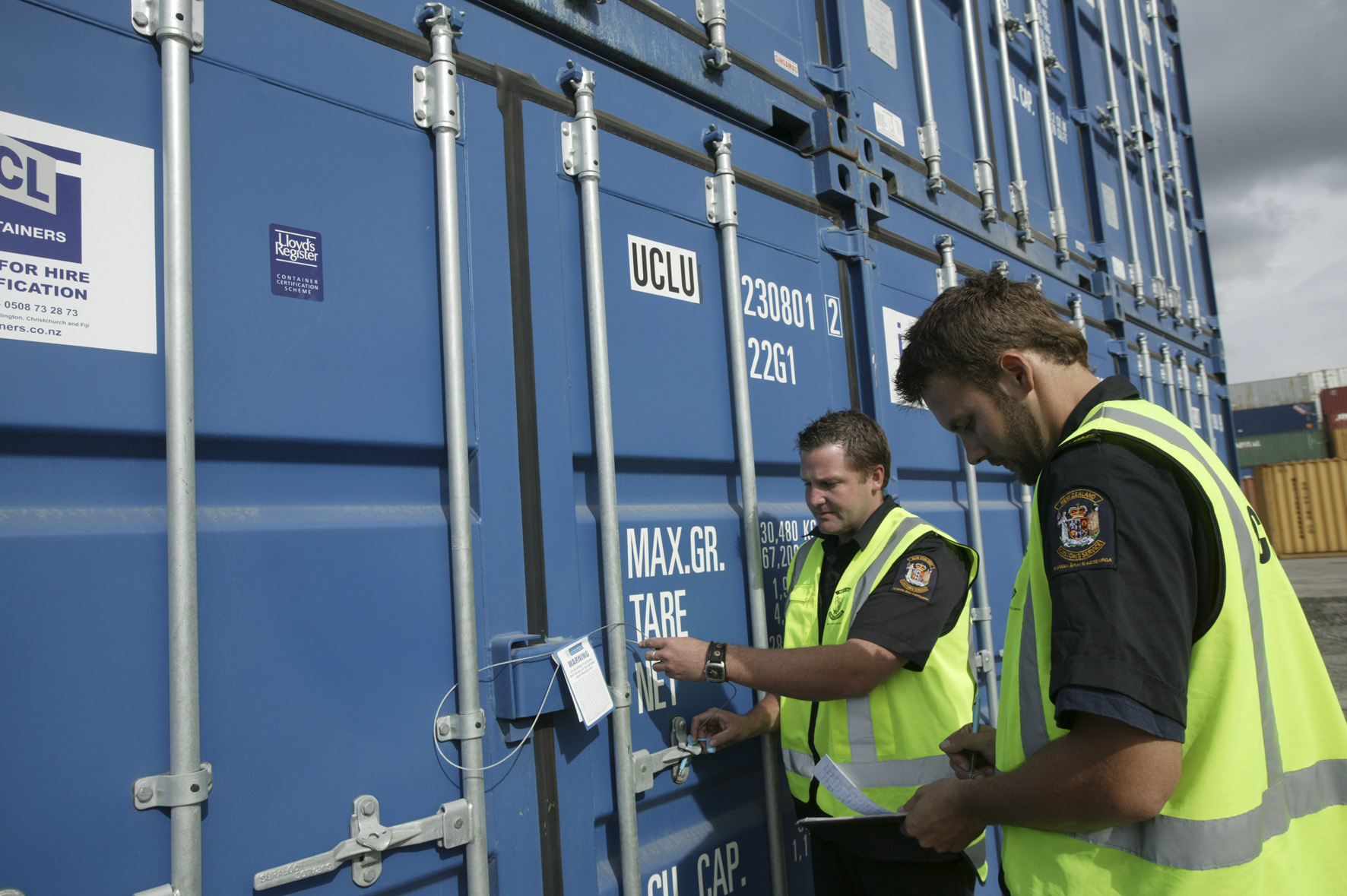
Five main government agencies operate at the border – the Customs Service, the Ministry of Agriculture and Forestry, the Department of Labour, the Ministry of Transport, and the Department of Internal Affairs. With the participation of almost 20 other associated agencies, they work to prevent the traffic of prohibited goods and materials in and out of the country. They also collect government revenue, promote travel and trade, support New Zealand’s national interests, and uphold international laws and agreements. Now, as the border sector grows more complex and volumes of goods and travellers increase, a new era of inter-agency collaboration aims for more control, easier flows, and greater efficiency. Source – New Zealand Customs Service

X-Ray Security Screening -Technologies & Global Market 2011-2016

X-Ray Security Screening Market 2011-2016Despite years of cutting edge weapon and explosives screening technology Research, Development, Test & Evaluation (RDT&E), there is no competitive modality on the market, which challenges the cost-performance of X-ray screening technologies. This is a significant drawback for security agencies and funding bodies when considering the multi-year investments which need to be costed to operate a successful and effective scanner inspection solution. The capital cost of the equipment is but one facet, one also needs to consider the HR and facilities which need to be procured to make all this work. The Homeland Security Research Corporation (HSRC) have therefore made significant improvements over the years to the scope and content of their market analysis to make visible the scope, application and longevity of such equipment.

Over the next six years, HSRC analysts forecast that, led by the USA, China and India, the global X-ray security screening market (including systems sales, service, and upgrades) will grow from $1.0 billion in 2010 to $1.9 billion by 2016.

HSRC’s latest report, is the most comprehensive review of the multibillion global X-ray security screening market available today. It analyses and forecasts the market by application, by country and by business transaction.

The report, segmented into 50 sub-markets, offers for each sub-market 2010 data and 2011-2016 forecasts and analysis. In 210 pages, 87 tables and 118 figures, the report analyses and projects the 2011-2016 market and technologies from several perspectives, including:

  • Market forecast by application: Air cargo, Airport-cabin baggage, Secured facilities, Postal items, Supply chain cargo and People.
  • National and regional markets: e.g., US, UK, Germany, France, Saudi Arabia, China, India, Japan, Korea, Malaysia, Singapore, Brazil
  • X-Ray Technologies: conventional, back-scatter, multi-view, coherent, dual energy
  • Systems Sales, post warranty service and upgrade markets
  • Competitive environment:6 leading vendors and their products
  • Market analysis: e.g., market drivers & inhibitors, SWOT analysis
  • Business environment: e.g., competitive analysis
  • Current and pipeline technologies
  • Business opportunities and challenges

At a purchase cost just shy of US$ 4,500 for this market analysis, procurement officers would do well to familiarise themselves with the WCO’s Guidelines for the Purchase and Deployment of Scanning/Imaging Equipment. While it won’t provide all the answers, it certainly outlines the key areas for evaluation. Better still, secure the services of a non-intrusive inspection expert, typically with procurement and implementation experience who can guide and recommend the most cost-effective and practical solution. These experts can also offer significant help in the development of associated organisation planning and performance structures.

Related articles:

Pre-shipment Inspection (PSI) – an antiquated approach

Recently, an organisation called Global Inspection Group (GIG) has advocated PSI – an import verification system – as a solution to counteract South Africa’s trade deficit. The article Import verification would outlaw customs fraud’ alludes to the apparent success of these mechanisms in other African states to support quality and import standards in those countries, respectively. Because South Africa has no verification of imports system ‘it is easy to systematically under-declare goods’, the article states. Furthermore, it mentions that a Finance ministry would benefit from such a system ensuring the collection of the correct duties. [Really? how naive].

South Africa is a free country, and it follows that organisations will go to extremes to secure a business foothold in the country. The question is – to what length and to what end? If any ministry of finance were to rely on a PSI company, it would first disband its customs department, because there is evidently no trust in its frontline and post clearance capability.  Most governments (if not all) are pretty much aware of the broader international customs developments championed by the WCO. In recent years, the WCO has developed several diagnostic studies and programmes – with the option of donor funding if required. There would therefore be no sense or credibility in a government that would persist in pursuance of PSI services for fiscal assurance.

Any trade practitioner and supply chain operator in South Africa will readily confirm the hectic ‘change’ programme which is being pursued under Customs Modernisation. These changes and their associated systematic innovations and efficiencies are by no means the result of government capitulating in the face of illegitimate trade. No, it’s a conscious decision to take responsibility for the problem, and together with the allied trade to improve the situation.

It is therefore high time that such organisations which front themselves with the ‘be-all and end-all’ systems in Customs’ tariff and valuation appraisal rather seek a more practical and benefit-delivering model than one which not only scams governments for service and inspection fees, but also offers no benefit to trade. Included are those BOT vehicles offering governments ‘free’ cargo scanning equipment in exchange for a lucrative inspection fee. None of this is based on risk management and is purely profit focussed. The concept forgoes most if not all, the modern customs principles and standards promoted by the WCO. The buzz word is ‘Capacity Building!’

The reality in all of this should be clear. No private sector entity can replace Customs. Outsourcing in any event would require government to set up a vehicle of its own to ‘ensure’ that the outsourcer is doing his job. If there is a dearth in knowledge and skills, then it is up to government to rectify the situation.  Source: FTW Print version.

WCO – 2012 is the year of Connectivity

WCO 60 Years AnniversarySecretary General of the WCO, Kunio Mikuriya, is pleased to announce that 2012 will be dedicated to promoting connectivity, including enhanced cooperation and communication, under the slogan “Borders divide, Customs connects”.

“Connectivity encompasses people-to-people, institutional, and information linkages that underpin and facilitate the achievement of Customs’ main goals,” said the Secretary General. “This theme is particularly relevant as the WCO prepares to commemorate its 60th anniversary in 2012,” he added.

The Year of Connectivity will be launched on International Customs Day, celebrated annually by the global Customs community on 26 January in honour of the inaugural session of the Customs Co-operation Council (CCC) which took place on 26 January 1953.

In 1994, the CCC adopted the informal working name “World Customs Organization” to better reflect its worldwide growth in membership which now totals 177 Customs administrations.

Customs and its stakeholders are urged to be innovative and creative in taking forward the connectivity theme in all its facets throughout 2012. The WCO invites the Customs community to diarise 26 January. Source WCO.