New WCO Instrument on Transfer Pricing and Customs Valuation

New WCO InstrumentAn important new instrument was finalised at the 42nd Session of the Technical Committee on Customs Valuation which took place in Brussels from 18 to 22 April 2016 under the Chairmanship of Ms. Yuliya Gulis of the United States.

The instrument contains a case study illustrating a scenario where Customs took into account transfer pricing information in the course of verifying the Customs value.

The WTO Valuation Agreement sets out the methodology for establishing the Customs value, used as the basis for calculating Customs duties. The Agreement foresees that Customs may examine transactions between related parties where they have doubts that the price has been influenced by the relationship.

The Organisation for Economic Cooperation and Development (OECD) has developed Guidelines for establishing the transfer price, that is the price for goods and services sold between controlled or related legal entities, in order to determine business profit taxes where businesses are related.

Over recent years, the similar objectives but different methodologies of transfer pricing and Customs valuation have been noted, and it has been recognised that business documentation developed for transfer pricing purposes may contain useful information for Customs. An earlier instrument of the Technical Committee, Commentary 23.1, confirmed this principle.

The new case study provides an example of Customs making use of transfer pricing information based on the transactional net margin method. On the basis of this information, Customs accepted that the sale price in question had not been influenced by the relationship.

The OECD has provided valuable input to the Technical Committee discussions in the development of the new instrument which provides helpful guidance to both Customs administrations and the business community.

Both the WCO and the OECD advocate closer cooperation between Customs and tax administrations in order to strengthen governments’ ability to identify the correct tax and duties legally due and enhance trade facilitation for the compliant business sector.

WCO Secretary General, Mr. Kunio Mikuriya, has congratulated the Technical Committee on the work achieved : “This new instrument is an important step for the WCO and demonstrates its relevance by providing guidance on the management of Customs valuation in an increasingly complex trade landscape, whilst maintaining consistency and strengthening cooperation with Tax authorities.”

The case study (Case Study 14.1) will be made available in the WCO Valuation Compendium, subject to approval by the WCO Council in July 2016.

Further information on this topic can be found in the WCO Guide to Customs Valuation and Transfer Pricing, available via this link

WCO makes the “Technical Guidelines on Advance Rulings for Classification, Origin and Valuation” publicly available

WCO - Technical Guidelines on Advance Rulings for Classification, Origin and ValuationThe World Customs Organization (WCO) has made the “Technical Guidelines on Advance Rulings for Classification, Origin and Valuation” publicly available. These guidelines were developed in order to support the implementation of Article 3 (Advance rulings) of the Bali Ministerial Decision on the Agreement on Trade Facilitation (TFA) and shared only among the WCO Members.

The purpose of publishing this document is to further enhance the transparency of the WCO’s work in this area as well as to provide additional information to any interested party. The Technical Guidelines are available here. Source: WCO

East African countries set-up of cargo control unit

KRA-Customs-Transit-Control

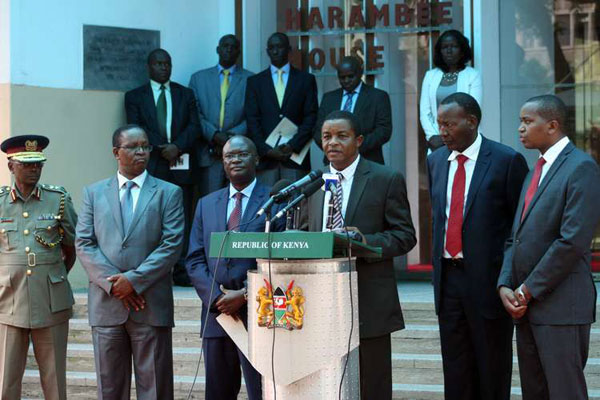
Kenya Revenue Authority Commissioner-General John Njiraini announces the implementation of a common customs and transit cargo control framework to rid Mombasa port of corruption

Four East African countries on Tuesday agreed to fast-track implementation of a common customs and transit cargo control framework to enhance regional trade.

Commissioners-general from the Kenyan, Ugandan, Rwandan and Tanzanian revenue authorities said adoption of an excise goods management system would curb illicit trade in goods that attract excise duty across borders.

They said creation of a single regional bond for goods in transit would ease movement of cargo, with taxation being done at the first customs port of entry.

The meeting held in Nairobi supported formation of the Single Customs Territory, terming it a useful measure that will ease clearance of goods and reduce protectionist tendencies, thereby boosting business.

Implementation of the territory is being handled in three phases; the first will address bulk cargo such as fuel, wheat grain and clinker used in cement manufacturing.

Phase two will handle containerised cargo and motor vehicles, while the third will deal with intra-regional trade among countries implementing the arrangement.

The treaty for establishment of the East African Community provides that a customs union shall be the first stage in the process of economic integration.

Kenya Revenue Authority (KRA) commissioner-general John Njiraini said the recently introduced customs and border control regulations were designed to enhance revenue collection and beef up security at the entry points.

“At KRA, we have commenced the implementation of a number of revenue enhancement programmes particularly on the customs and border control front that will address security and revenue collection at all border points while enhancing swift movement of goods,” he said.

To address cargo diversion cases, the regional revenue authorities resolved that a joint programme be rolled out to reform transit goods clearance and monitoring processes. Source: DailyNation (Kenya)

Rapiscan introduces advanced dual-view X-ray system

rapiscan_638dv-320_version2__largeThe new Rapiscan 638DV 320kV is an advanced dual-view X-ray system with a 1837 mm wide by 1800 mm high tunnel opening for screening ULD type, ISO standard, and large cargo pallet type freight.

The new 638DV 320kV features high penetration, dual-view technology and explosives and narcotics detection alert supporting secure inspection and higher throughput for air cargo screening and customs applications.

Detection of Explosives and Narcotics Alert
Target™ and NARCScan™ are designed to assist operators in the detection of a wide range of explosives and narcotics respectively in real time during the scanning process by marking a potential threat on the X-ray image. Rapiscan detection algorithms are based on regulatory material analysis techniques.

Dual View Advanced Technology
As mandated by US and EU regulators, the 638DV 320kV utilizes a dual-view technology which produces two simultaneous images (vertical and horizontal views) of the scanned object. It provides a more complete image, thereby reducing the need for repositioning and rescanning and enabling rapid, accurate and comprehensive threat detection.

Ease of Use Providing Highest Throughput
With over 14 image processing tools and detection alert algorithms, the feature-rich software allows the operator to more easily and accurately search for contraband. Source: Rapiscan

SA Customs lends Detector Dog support to Mozambique

The SARS Customs Detector Dog Unit (DDU) recently deployed two trained detector dog handlers and dogs on foreign soil in Maputo, Mozambique. This forms part of a Customs co-operation agreement between the governments of South Africa and Mozambique.

The capacity-building programme provides for the training of at least eight detector dog handlers and dogs for Mozambique in over a period of 14 weeks followed by a ‘Train-the-Trainer’ programme for purposes of sustainability.

The deployment of SARS Detector Dog Handlers and dogs trained to interdict endangered species and narcotics in Maputo will promote and strengthen a  cross-border intergovernmental approach in the prevention and detection of smuggling of illicit, illegal goods or substances via ports of entry between Mozambique and South Africa.

The programme is designed to capacitate Mozambique Customs in the establishment of its own canine unit that will further enhance its current non-intrusive scanning enforcement capability at ports of entry and exit. Source and pictures: SARS

WCO facilitates Data Model training for SARS

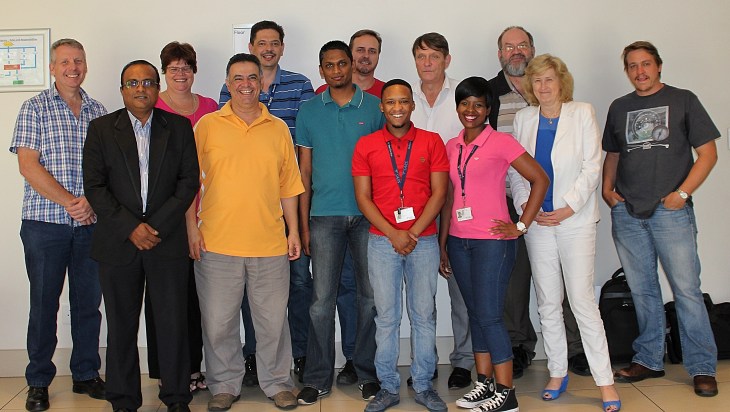
WCO Data Model Workshop, Pretoria, South Africa, Dec. 2015

SARS’ EDI and Customs Business Systems representatives with WCO Data Model facilitators Mr. Giandeo Mungroo (2nd from the left) and Ms. Sue Probert (2nd from the right) [Photo – SARS]

Officials of the South African Revenue Service (SARS) last week attended a WCO workshop on the Data Model facilitated by Ms. Sue Probert and Mr. Giandeo Mungroo. The event, held in Pretoria, South Africa was sponsored by the CCF of China as part of the WCO’s Capacity Building endeavours to promote the adoption and use of customs standards and best practice amongst it’s  member states.

The workshop was requested by SARS ahead of new technical and systems developments and requirements informed by SARS’ new Customs Control and Duty Acts. Moreover, there are also political ambition to institute a Border Management Agency for the Republic of South Africa. All of this requires that SARS Customs has a robust electronic tool to assist the organisation in mapping national data requirements according to specific needs.

Besides the use of a value added Data Model tool – GEFEG, it is imperative for the organisation to develop capacity in the knowledge and understanding of the WCO Data Model. SARS has successfully EDI (Electronic Data Interchange) for the last 15 years with various local supply chain trading partners and government agencies. Over the last few years SARS has been actively pursuing and promoting IT connectivity with regional trading partners with the express purpose to extend the benefits of eCommerce across borders.

GEFEG.FX software is used to model data formats and develop implementation guidelines for data interchange standards such as UN/EDIFACT. It is a software tool that brings together modelling, XML schema development, and editing of classic EDI standards under a unified user interface, and supports the development of multilingual implementation guidelines.

Version 3 of the WCO Data Model brought about a distinct shift towards an ‘all-of-government’ approach at international borders with the introduction of the GOVCBR (Government Cross Border Regulatory) message. The message and underlying data requirements facilitate the exchange of customs and other government regulatory information to support a Single Window environment.

WCO Data Model not only includes data sets for different customs procedures but also information needed by other Cross-border Regulatory Agencies for the cross-border release and clearance at the border. The WCO Data Model supports the implementation of a Single Window as it allows the reporting of information to all government agency through the unique way it organizes regulatory information. This instrument is already 10 years old and is seeing increased use by WCO members.

Amongst the benefits derived from the workshop, SARS staff acquired the following competencies that will not only aid their work but business user support as well –

  • Competence in operating the tool to build a source control collaborative environment to support national and regional harmonization;
  • Competence to build a base to conduct national/ regional data harmonization based on the WCO Data Model to support national Single Window implementation as well as Regional Integration;
  • Competence to build systems/ electronic interfaces between Customs and its partner government agencies including a Border Management Agency; and
  • Provide needed competence to develop, maintain and publish national and regional information packages based on the WCO Data Model.

WCO declares 2016 to be the year of Digital Customs

WCO Customs Theme 2016The Secretary General of the WCO, Kunio Mikuriya, announced today that 2016 will be dedicated to promoting the digitalization of Customs processes under the slogan “Digital Customs: Progressive Engagement.” WCO Members will have the opportunity to showcase and further promote their use of Information and Communication Technologies (ICT).

The term Digital Customs refers to any automated or electronic activity that contributes to the effectiveness, efficiency, and coordination of Customs activities, such as automated Customs clearance systems, the Single Window concept, electronic exchange of information, websites to communicate information and promote transparency, and the use of smart phones.

This new era of Digital Customs has transformed the way that Customs operates. Ultimately, it ensures progression – the enhanced ability of Customs Administrations to communicate, process goods, receive and exchange information, coordinate border activities, collaborate on law enforcement actions, and promote transparency. Improved technologies thus have the ability to positively impact and transform the Customs landscape through:

  • Improved compliance as a result of increased access to regulatory information and functions, as well as services, on the part of all international trade stakeholders;
  • Faster clearance times for legitimate trade;
  • Enhanced coordination between Customs units, as well as between Customs and other border regulatory agencies at the national and international level;
  • Increased transparency in regulatory processes and decision-making;
  • The use of performance measurement to improve Customs procedures and levels of integrity, such as through the techniques presented in the WCO Performance Measurement Contracts (PMC) Guide;
  • Enhanced detection of irregularities and illicit consignments through the collection and analysis of data.

Such positive outcomes will contribute significantly towards the realization of Customs’ objectives, including improved revenue collection, border security, the collection of trade statistics, and trade facilitation. “Border agencies are increasingly embracing digitalisation to enhance their effectiveness and efficiency.

The WCO has an extensive portfolio of instruments and tools to support WCO Members in their efforts to further adopt Digital Customs.” said WCO Secretary General Kunio Mikuriya.

“Over the course of 2016, I invite all WCO Members to promote and share information on how they are implementing and using digital technologies to advance and achieve their objectives.” Mr. Mikuriya added.

The WCO’s annual theme will be launched on International Customs Day, which is celebrated annually by the global Customs community on 26 January in honour of the inaugural session of the Customs Co-operation Council (CCC) which took place on 26 January 1953.

The WCO invites the Customs community to mark 26 January 2016 in their diary. Source: WCO

Border Management Agency (BMA) Bill introduced into Parliment

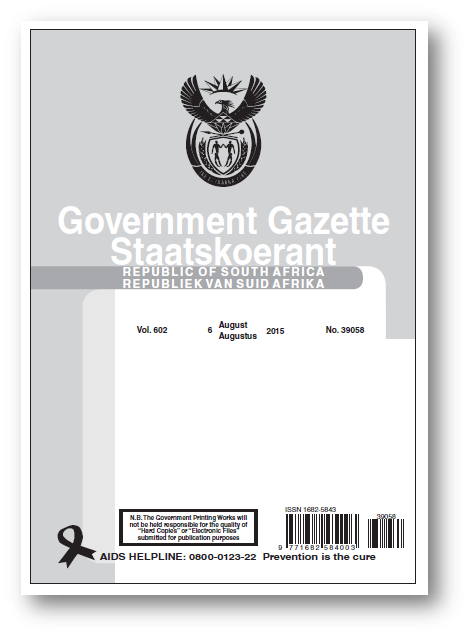
The BMA Bill No.39058Cabinet [has] approved the introduction of the Border Management Agency (BMA) Bill, 2015 into Parliament. The Bill aims to establish the BMA, which will balance secure cross-border travel, trade facilitation and national security imperatives within the context of South Africa’s regional, African and international obligations. This single authority for border law enforcement provides the potential for more cost-effective services, enhanced security and better management of the border environment. Source: Statement on the Cabinet meeting of 23 September 2015 (SA Government)

War Against Ivory Smuggling

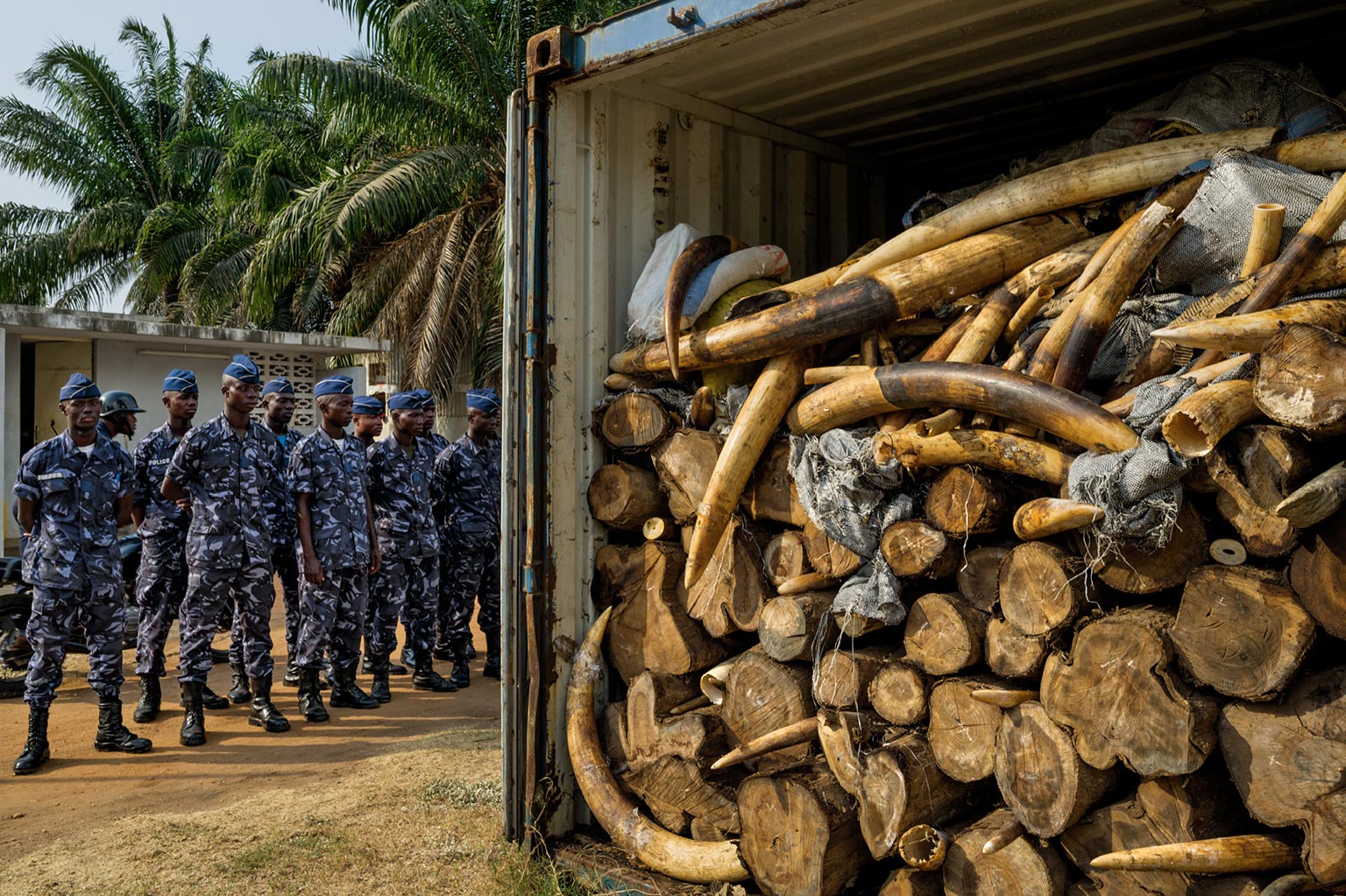
Smuggled Ivory

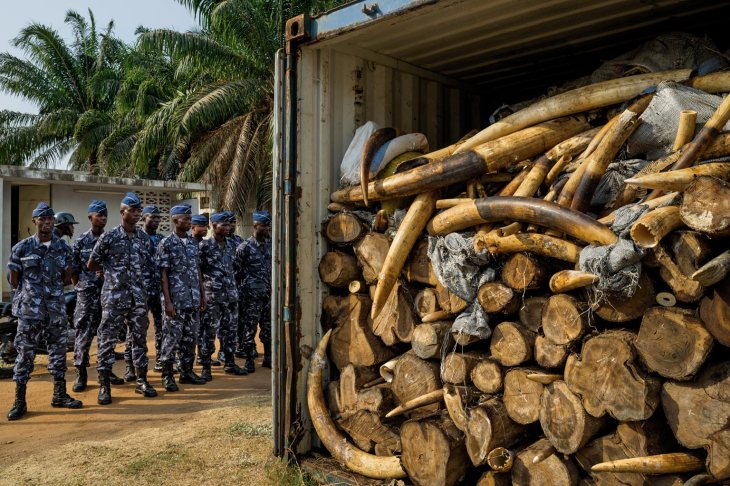
In January 2014, while x-raying a Vietnam-bound container declared to hold cashews, Togolese port authorities saw something strange: ivory. Eventually, more than four tons was found, Africa’s largest seizure since the global ivory trade ban took effect in 1990. [Photo: Brent Stirton, National Geographic]

Last year, one of Kenya’s most adored elephants, Satao, was killed for his ivory. Poachers shot the bull elephant with a poisoned arrow in Tsavo East National Park, waited for him to die a painful death, and then hacked off his face to remove his massive tusks.

Poachers continue to kill an estimated 30,000 elephants a year, one every 15 minutes, fueled to a large extent by China’s love of ivory. Thirty-five years ago, there were 1.2 million elephants in Africa; now around 500,000 remain.

A recent documentary, 101 East, released by Al Jazeera, traces the poaching of elephants and smuggling of ivory from Tanzania’s port of Dar es Salaam through the port of Zanzibar to Hong Kong and Shanghai.

Hong Kong is one of the busiest ports in the world. It handled nearly 200,000 vessels last year and is a key transit hub for smugglers transporting ivory from Africa to China. Between 2000 and 2014, customs officials seized around 33 tons of ivory, taken from an estimated 11,000 elephants.

With the huge challenge faced by customs and other law enforcement agencies in West Africa, wildlife crime is on the rise. Regional traffickers and organized crime groups are exploiting weak, ineffective and inconsistent port controls throughout the region.

U.N. Action in Africa
To address the issue, the United Nations Office on Drugs and Crime (UNODC) organized a workshop in Accra, Ghana, from August 25 to 27 August, and in Dakar, Senegal, from August 31 to September 2. The objective was to provide training for national law enforcement agencies to better fight wildlife crime through the control of maritime containers. The workshop was led by trainers and experts from UNODC, the World Customs Organization (WCO) and the CITES Management Authority.

The Container Control Programme has been developed jointly by UNODC and WCO to assist governments to create sustainable enforcement structures in selected sea and dry ports to minimize the risk of shipping containers being exploited for illicit drug trafficking and other transnational organized crime. The implementation of the program is an opportunity for UNODC to work with governments in establishing a unit dedicated to targeting and inspecting high-risk containers.

UNODC, in partnership with WCO, delivers basic training programs and provides technical and office equipment. For example, the equipment connects the units to the WCO’s ContainerCOMM – a restricted branch of the Customs Enforcement Network dedicated to sharing information worldwide on the use of containers for illicit trafficking.
Sustainability.

UN Secretary-General Ban Ki-moon argues: “Illegal wildlife trade undermines the rule of law, degrades ecosystems and severely hampers the efforts of rural communities striving to sustainably manage their natural resources.”

Wildlife trade is a transnational organized crime that raises profits of about $19 billion annually. In addition, it is often linked to other crimes such as arms trafficking, drug trafficking, corruption, money-laundering and terrorism – that can deprive developing economies of billions of dollars in lost revenues.

Shipping
It’s hardly surprising that many of the big ivory seizures made in recent years have been detected in shipping containers, says Dr. Richard Thomas, Global Communications Coordinator for the environmental organization TRAFFIC. “Partly that’s due to the sheer quantity of ivory being moved (the largest-ever ivory seizure was 7.1 tons) – which from a practical and cost point of view makes sea carriage more attractive than air carriage.

“Also in the smugglers’ favor is the huge numbers of containers moved by sea. Some of the big ports in Asia deal with literally thousands of containers per day. Obviously it’s not practical or feasible to inspect each and every one, and that’s something the organized criminal gangs behind the trafficking rely upon.”

There’s lots of issues to be dealt with, says Thomas: For example, even when an enforcement agency makes a seizure, it’s not easy to find out who actually booked the passage for the container and who knew precisely what was in it and actually put it there. “That’s one area where transport companies can collaborate with enforcement agencies to assist follow-up enquiries. Obviously companies have records of where the container is headed too, obviously key information for follow-up actions,” says Thomas.

TRAFFIC recently ran a workshop in Bangkok under the auspices of the Wildlife Trafficking Response, Assessment and Priority Setting (Wildlife TRAPS) project, targeting the movement of illicit wildlife cargoes across borders.

“The transport industry can serve as the eyes and ears of enforcement agencies as part of a global collaboration to eliminate the poaching and trafficking of illegal wildlife commodities,” said Nick Ahlers, Leader of TRAFFIC’s Wildlife TRAPS project.

“To be successful, the entire logistics sector needs to be part of a united push to eliminate wildlife trafficking from supply chains. In particular, we would welcome participation from major shipping lines and the cargo and baggage-handling sector.”

If nothing is done to stop the ivory trade, Africa’s wild elephants could be gone in a few decades. Source: Reuters.

Related articles
SARS R78 million Airport Cash Bust

Johannesburg – They [smugglers] had cash stashed in 11 pieces of luggage including four backpacks – R78 million destined for the United Arab Emirates.

But eagle-eyed customs officials at OR Tambo International Airport were on to them and confiscated the bags with R23m and $3.775m in notes.

On the same day, R50m worth of cocaine stashed in hair product bottles was seized at the same airport, in one of the biggest crime-busting days at OR Tambo.

On Monday, SA Revenue Service (Sars) officials said five people had been arrested after being caught with the undeclared cash as they were about to leave South Africa.

“Risk profiling earlier by Sars custom officials identified the passengers, and led to their apprehension as they boarded the aircraft at 9.45pm.

“Upon noticing the officials, the passengers retreated and headed back to the entrance of the boarding gate. At this point, officials closed the boarding gate door and the passengers were compelled to wait for the Sars officials,” Sars said.

When asked whether they had any currency, one of the passengers apparently said he had R100 000 and that the other members of the group had currency with them.

“The five individuals were escorted back to immigration at international arrivals, booked back into South Africa and escorted to customs.”

Sars spokesperson Luther Lebelo said the bags with the cash had been handed over to the SA Reserve Bank.

“The matter has been handed over to the SA Reserve Bank for further investigations. Once the bank is satisfied that there is an element of criminality, they can take the matter to the police,” he said.

The arrests on Friday – details of which were released on Tuesday – followed a R50m drug bust at the airport. National police spokesman Brigadier Vishnu Naidoo said the consignment of cocaine, weighing about 143kg, was one of the largest drug recoveries at a South African port of entry.

“The drugs were hidden in 147 hair products bottles and were found during a routine inspection at the cargo section. The consignment arrived from Brazil, and information displayed on the cargo indicated it was in transit to Cotonou, Benin, in West Africa,” he said.

Other drug busts at OR Tambo over the past month include:

  • The confiscation of 60 000 Viagra tablets with a street value of R6m at the airport’s mailing centre.
  • Cocaine weighing 3.46kg and valued at R993 020, found in the backpack of a passenger in transit from Sao Paulo and headed for Lagos, Nigeria.
  • Sixty-five packages of crystal meth valued at R4.2m, confiscated while being loaded into a bakkie in the cargo area.
  • Heroin valued at R201 810 destined for Spain and Ireland, discovered along with 2kg of cannabis at the airport’s mailing centre.

Source: The Star

The BMA Bill – a little more for stakeholders to ponder over

The BMA Bill No.39058In recent months ‘Joe Public’ has witnessed developments relating to new visa requirements regarding international travel to and from South Africa. Tourism and the hospitality industry have been impacted in no small way while government has now established a committee to investigate the claims to the effect that the country’s tourism industry has been severely impacted.

It is now commercial trade’s time to consider the next set of legal requirements emanating from the Department of Home Affairs which, in the main, affect legislation under other departments and organ’s of state – in particular SARS Customs. Interested parties can find/download the document by clicking the link http://www.gpwonline.co.za/ and searching for eGazette No.39058.

In essence function of the Border Management Agency (BMA) Bill is – To provide for the establishment, organisation, regulation and control of the Border Management Agency; to provide for the transfer, assignment, and designation of law enforcement border related functions to the Border Management Agency; and to provide for matters connected thereto.

Be sure to digest the content of the Schedules to the Bill which contain the extent of the ‘meat’ and authority which the proposed Border Management Agency will exert if, or once approved. The Department of Home Affairs (DHA) invites comments to the draft Bill which must reach DHA no later than 14 September 2015.

Watch Ghana President’s reaction to Corruption

The following video is somewhat dated, but reports still abound regarding corruption within the Customs division of the Ghana Revenue Authority. The video appears to be about 4 years old. The president, John Evans Atta Mills, seen here rebuking staff at the Port of Tema, has since passed on. His message is nevertheless timeless and should be heeded by all customs officials across the continent.

French Customs seizes un-exportable Picasso’s art work worth €25m

Picasso, Head of a Young WomanA painting by Pablo Picasso estimated at more than €25 million (CHF26.5 million) and considered “unexportable” by the Spanish authorities has been seized by French customs officials on a boat moored in the French island of Corsica.
“An attempt to export to Switzerland a picture by Picasso, Head of a Young Woman, through the customs office of Bastia [a town in Corsica] last Thursday attracted the attention of French officials,” customs agents said in a statement to French news agency AFP on Tuesday.

On Friday, customs officials from the Corsican town of Calvi “boarded the ship which was moored in the marina at Calvi and demanded the documents relating to the painting which it was transporting”. According to the statement, the captain was able to produce only one document assessing the painting plus a ruling, in Spanish, from May 2015 made by the Audienca Nacional, a Spanish high court which has jurisdiction over all Spanish territory and international crimes which come under the competence of Spanish courts. This ruling confirmed that the painting was a Spanish national treasure which could never leave Spain. Source: CustomsToday

Some of the World’s Crazy Customs Regulations

Barrington_Freight_Crazy_Customs_RegulationsBarrington Freight (UK) website features a humorous infographic on strange customs regulations around the world. Customs officials are the front line in preventing prohibited items from entering the country. They quiz passengers at air and sea ports, and search freight shipments for concealed goods.

Most countries share a standard list of banned items, such as guns and explosives. However, some nations are stricter than others, and there are some very unusual regulations around the world. For example, Saint Lucia bans the import of Japanese shaving brushes, thanks to an anthrax contamination scandal in the early 1900s.

From communist contraband to banned books, here are some of the most unusual customs regulations from around the world.

India Customs and Airlines in Tug of War over Information Exchange

Customs_&_Central_Excise_logoThe Indian Customs department and international airlines have locked horns over providing confidential data of passengers to the former.

According to a senior Customs official, airlines were not providing information regarding commuters due to which officials were facing problems in curbing smuggling. Due to lack of details, Customs’ anti-smuggling operations were suffering. Another issue was that airlines staff was not present round-the-clock.

“We have asked airlines to provide details over phone as per law. They have to deploy someone in the office all the time as it is in the national interest to curb smuggling. Airlines have been asked to provide details and also depute a staff to answer phone calls and provide relevant details. There is not at all violation of rules in any manner. If airlines refuse to provide details or don’t reply to phone calls, a notice will be issued,” a senior Customs official told media.

Meanwhile, airlines are challenging the authority of the Customs department in this regard. According to sources, Customs department has to provide a written request that was done earlier for getting information regarding travellers. On the other hand, an airline official said, “According to guidelines laid down by the International Civil Aviation Organisation (ICAO), passenger data should be transmitted electronically. Agencies shall not require a written declaration of baggage from passenger and crew when no dutiable or restricted goods are being carried.”