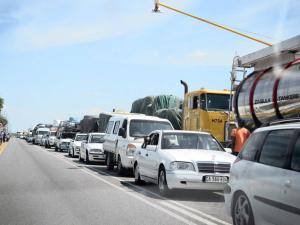
UNCTAD – Africa ‘ignores its trade deals’

Cars and trucks at the South African border at Musina, Limpopo, queue to cross into Zimbabwe. The Unctad report says there are traditional transport routes in Africa - Photo: Motshwari Mofokeng.

Cars and trucks at the South African border at Musina, Limpopo, queue to cross into Zimbabwe. The Unctad report says there are traditional transport routes in Africa – Photo: Motshwari Mofokeng.

An official in the UN Conference on Trade and Development (Unctad), complains that Africa’s leaders repeatedly sign trade agreements and fail to implement them. Launching the organisation’s 2013 Africa development report in Johannesburg, Patrick Osakwe said leaders should set more realistic targets and “do more serious research” on the viability of the agreements.

Intra-African trade represents only about 11 percent of Africa’s total trade with the world, despite official commitments to improve the flows. Osakwe cited the case of the regional industrial policy adopted by the Economic Community of West African States in June 2010, which “has yet to be fully implemented”.

In June 2011 President Jacob Zuma announced talks on a 26-nation free trade agreement between three existing trading blocs, including the Southern African Development Community, of which South Africa is a member. Experts greeted the proposal with scepticism, noting a long history of leaders signing commitments to free trade or regional integration, but failing to follow through.

The Unctad report, which was launched simultaneously in Geneva and in centres in Africa, said development should be seen in a regional context: co-operation among countries in a broader range of areas than just trade and trade facilitation. It should include investment, research and development, and regional infrastructure development.

The report cited the Maputo Development Corridor linking Gauteng to the port of Maputo as “a successful, true transport corridor that has unlocked landlocked provinces in one of the most highly industrialised and productive regions of southern Africa”.

It said: “There are currently more than 20 corridors in operation in Africa but most tend to be traditional transport corridors. There is a need to move beyond that and to create industrial development corridors as well.

The report focused on intra-African trade and urged governments to unlock the private sector’s potential so that they could successfully diversify their economies. Most African countries are heavily dependent on commodities to grow their economies.

Africa accounts for only 1 percent of global manufacturing, and manufacturing represents only about 10 percent of African gross domestic product, compared with 35 percent for east Asia and the Pacific, and 16 percent for Latin America and the Caribbean.

The share of manufacturing in intra-African trade fell from about 54 percent between 1996 and 2000 to 43 percent between 2007 and 2011, as the value of commodity exports soared.

The report identified a major challenge to expanding the manufacturing sector. The average manufacturing company in sub-Saharan Africa has 47 employees, compared with 171 in Malaysia, 195 in Vietnam and 393 in Thailand. The small size of the operations prevents businesses from achieving economies of scale.

Other barriers were weak linkages between small and large firms, a high share of informal firms, low levels of export competitiveness and a lack of innovation capability. Transport costs were also prohibitive. “In central Africa, transporting 1 ton of goods from Douala in Cameroon to N’Djamena in Chad costs $0.11 (R1.10) per kilometre, more than twice the cost in western Europe and more than five times the cost in Pakistan.” Source: www.iol.co.za

Global market research and business opportunities with Passport

Passport is a global market research database providing statistics, analysis, reports, surveys and breaking news on industries, countries and consumers worldwide. Passport connects market research to your company goals and annual planning, analyzing market context, competitor insight and future trends impacting businesses worldwide. And with 90% of our clients renewing every year, companies around the world rely on Passport to develop and expand business opportunities, answer critical tactical questions and influence strategic decision making.
Passport offers and examines:

  • Detailed analysis of consumer and industrial markets around the world across 781 cities, 210 countries, and 27 industries with historic data from 1997 and forecasts through 2020. Passport data is completely cross-country comparable.
  • Industry analysis across fast moving consumer goods and services, including market performance, market size, company and brand shares and profiles of leading companies and brands
  • Industrial makeup of the world’s largest economies, examining business to business economic influences and the forces behind strategy development, production and supply chains, economic modeling and forecasting, econometrics, data mining, scenario planning, urban economics and wealth distribution.
  • Data and analysis on consumer lifestyles, population trends, and socioeconomic analysis for every country, lifestyle and consumer type down to the city level
  • Timely commentary on factors influencing the global, regional and local business environment.
  • Surveys exploring consumer opinions, attitudes and behaviours.

Source: Euromonitor.com

SA identifies ten potential ‘special economic zones’

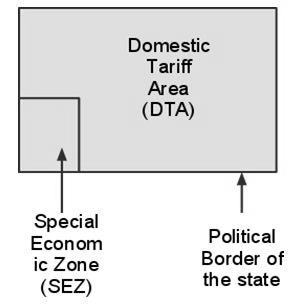
sez-figure-1The Minister of Trade and Industry, Dr Rob Davies says ten potential Special Economic Zones (SEZs) have been agreed upon with provinces. He told the Portfolio Committee on Trade and Industry in Parliament on Friday, that these potential SEZs must still go through a feasibility study to determine their viability. The Department of Trade and Industry was presenting the Special Economic Zones (SEZs) Bill to the Portfolio Committee.

The main objectives of the SEZ Bill, amongst others, are to provide for the designation, development, promotion, operation and management of Special Economic Zones; and to provide for the establishment of the Special Economic Zones Board. The SEZs are designed to promote socio-economic benefits and creation of decent work.

The purposes of the SEZs include facilitating creation of an industrial complex with strategic economic advantage for targeted investment and industries in manufacturing sector and tradable services. This will also focus on developing infrastructure to support development of targeted industrial activities and attracting foreign and domestic direct investment.

There are different categories of the SEZs that South Africa will make use of, namely:

  • A free port;
  • A free trade zone;
  • An industrial development zone; and
  • A sector development zone.

Hopefully Trade and Industry will clarify for both public and investors the differentiation between the four options. From a Customs and Tax perspective there could be divergent legal requirements, formalities and processes. The sooner that this can be finalised all the better for the various ‘zones’ to commence with their vigorous marketing campaigns.

Davies told the Committee that the Industrial Development Zones (IDZs) will continue to be one of the elements of the Special Economic Zones (SEZs). The IDZ programme was initiated in 2000 and four zones were designated, with three currently operational: Coega (Port Elizabeth), East London and Richards Bay. The IDZs including the current ones are types of the SEZs and once the new the Act is passed they will form part of the Special Economic Zone programme, according to the minister.

The existing industrial development zones (IDZs) were beginning to gain traction because of the way they were managed and promoted. He cited the example of the East London IDZ, which had a private sector investment of R600 million in 2009 compared to R4bn in 2012/2013.

Work under the current IDZ regulations include the Saldanha Bay which is about to be designated. The Saldanha Bay Feasibility Study published in October 2011, found that there was sufficient non-environmentally sensitive land upon which an IDZ development could take place. Total direct and indirect jobs are expected to amount to 4 492 in the first year, 8 094 in the second year, 7 274 in the third year, 10 132 in the fourth year and 14 922 in the fifth year. From the seventh year around 14 700 direct and indirect jobs would be sustained in the province as a result of the IDZ. Saldanha Bay is an ideal location for the development of an Oil & Gas and Marine Repair Cluster. The Port of Saldanha Bay is also competitively located between the oil and gas developments on the West Coast of Africa, as well as the recent gas finds on the East Coast of Africa.

The SEZ bill would provide a legal framework for the zones and for granting special incentives for businesses operating there such as duty free inputs. He said major areas of agreement had been reached between business‚ labour and community representatives in the National Economic Development and Labour Council. Labour wanted to have three Nedlac representatives on the 15 member SEZ boards and the department had agreed to this on condition they met the criteria in terms of qualifications and knowledge. Nine representatives would be from government and there would be three independent experts.

Business argued against municipalities having the right under the bill to propose SEZs as it said this was not their core business and they lacked the capacity for this. The department however decided to retain this clause‚ October said‚ because there were municipalities which did have this capacity and in any event the applications for SEZs would undergo rigorous evaluation.

The department also decided to go ahead with the idea of these SEZs being operated on a triple PPP basis (public private partnerships) even though labour disapproved of this on the grounds that it would be a form of private ownership. Sources: Engineering News & businessnews.howzit.msn.com

Airport Cities – a view to a different trading environment for South Africa?

ace_skyscraper_237x352aerotropolisThis past week witnessed the first Airport Cities Convention in South Africa. It came at the timely announcement of the country’s first aerotropolis earmarked for development around Oliver Tambo International airport (ORTIA) and the surrounding industrial complex. While the City of Ekurhuleni gets prized possession of the ‘aerotropolis’ (in title) by virtue of the location of ORTIA, Johannesburg is set to benefit perhaps more greatly due to it being the epi-centre of South African commerce and trade. This represents significant ‘hinterland’ development which bodes well for future multi-modal transport and shipping activity for the Gauteng region and the country as a whole.

In support of government’s National Infrastructure Plan, is Strategic Integrated Project (SIPs) 2, otherwise known as the Durban-Free State-Gauteng logistics and industrial corridor. Infrastructure upgrades are already occurring to road and rail networks linking to the key cargo and distribution hub, City Deep. While the express purpose of an inland port, terminal or logistics hub is to provide relief for congested seaports, it likewise creates possibilities and opportunities to synergise with other transport forms. This serves to maximise capacity through integration offering local suppliers and foreign customers a host of trade, shipment and logistics options.

Foremost, an inland port is a hub designed to move international shipments more efficiently and effectively from maritime ports inland for distribution throughout the heartland. Think of the logistics of inbound freight as a barbell. At one end, inbound containers flood into a seaport, spreading across local storage facilities as they are unloaded. If they aren’t moved quickly enough from the port, they create a bottleneck that bogs down the entire distribution cycle as containers wait longer to get off ships, to get into warehouses, and to get back out and onto trucks and trains for final shipment. The Emergence of the Inland Port (credit: Jones, Lang, LaSalle)

In a world of increasing global integration, focussing more on global distribution of goods and services, it behoves our country to understand the dynamics of global trade and what in fact makes commerce tick. Today’s number 1 spot is not going to remain intact without continuous re-evaluation and innovation. It would indeed be arrogant (if not suicidal) of us to think that our current prominence and strength in the sub-saharan region will remain without innovation for the future. At the same time South Africa should welcome increased competition from its neighbours, both immediate as well as further north in Africa. The latest fDI 2013 Report indicates a decrease in foreign direct investment in South Africa (-5%) and Kenya (-9%), while at the same time a significant increase in foreign investment in Nigeria (+20%) and Egypt (+20%), respectively. True, the latter countries are far removed from South Africa’s immediate ‘playing field’, however do we fully understand the drivers which cause the named countries to attract FDI at such an increasing rate – are they capitalising somehow on our deficiencies, shortcomings, or lack of opportunism?

The National Infrastructure Plan can only be seen as a single cog in the machinery to keep South Africa competitive. And, while it is encouraging to witness these developments, a corresponding economic and commercial enterprise on both government and private sector is required to maximise these developments. Some smidgen of hope could lie in the Department of Trade and Industry’s economic principles which support Industrial Policy Action Plan (IPAP) and Special Economic Zones (SEZs), for example, however, several business commentators have already voiced concerns on exactly how these support the Infrastructure Plan. A further question lies in our country’s ability to facilitate trade, not only at our ports, but more importantly the ‘hinterland’ of our country and the neighbouring regions. Do our existing and future laws adequately provide for expeditious and facilitative procedures in the treatment of import and export goods? Are we sure that we are addressing all real and potential trade barriers?

Anyone desiring more information on the ‘aerotropolis’ concept should find some interest at the following websites – Aerotropolis.com, and the City of Ekurhuleni

Storm in a Teacup – South Africa to apply “the system” to protect Rooibos

South African rooibos (Afrikaans for red bush) is caffeine-free, high in anti-oxidants and minerals, and traditionally grown in the Cederberg region, 250 kilometres to the north of Cape Town. Credit: John Fraser/IPS

South African rooibos (Afrikaans for red bush) is caffeine-free, high in anti-oxidants and minerals, and traditionally grown in the Cederberg region, 250 kilometres to the north of Cape Town. Credit: John Fraser/IPS

A trademark system which is used to protect Europe’s finest wines, cheeses and hams could soon brew up benefits for a humble tea from a remote region of South Africa.

The trade protection system called Geographic Indications (GIs), which is highly favoured by the eurocrats of Brussels, could be used to protect a South African red tea, locally known as rooibos (Afrikaans for red bush) as French firm Compagnie de Trucy is trying to secure the exclusive rights to market it in France.

GIs are increasingly important in the global trade arena, although it is wrong to think they offer enormous bulk trade opportunities. This form of food copyright already applies widely to specialty products, which can be linked to a specific region – such as French champagne, Parma ham and many types of cheese.

They (GIs) open-up niche markets for increased value add products, which taken together can total something significant. In addition, they involve cutting-edge frontiers in trade that largely rely on intellectual property rights for value, and are also linked to trade issues regarding brands and logos.

South African rooibos is caffeine-free, high in anti-oxidants and minerals, and traditionally grown in the Cederberg region, 250 kilometres to the north of Cape Town. It is growing in popularity worldwide due to its healthy properties, which helps to explain Compagnie de Trucy’s move to obtain marketing rights.

The issue has been elevated to diplomatic level between the European Union and South Africa at a time when both parties hope to finally conclude negotiations on updating their wide-ranging trade framework, after more than a decade of discussion. The GI system has enabled EU countries to clinch niche markets for brands such as champagne, which have enormous growth potential on a global basis.

While China as a country is South Africa’s biggest trading partner, the EU as a bloc is more important in value terms, and there are powerful arguments that both sides should expand GIs in their future relations. Soekie Snyman, the spokeswoman for the South African Rooibos Council, which represents rooibos producers, told IPS that the red tea needed to receive official trademark status in South Africa itself before it could qualify as a GI.

Rooibos, Aspalathus linearis (N.L.Burm.) R.Dah...

Rooibos, Aspalathus linearis (N.L.Burm.) R.Dahlgr., Clanwilliam, Western Cape, South Africa (Photo credit: Wikipedia)

The EU supports the protection of indigenous crops, with one of the main requirements being that the product must be protected in its country of origin, and we are nearly ready to file for trademark protection in South Africa. Rooibos is a unique plant, coming from the Cederberg mountain area. It is a caffeine-free beverage.

The EU ambassador in Pretoria, Roeland van de Geer, confirmed in a news release in March that he received a request from South Africa’s Minister of Trade and Industry Rob Davies “for the protection of South African food product names as Geographic Indications in the EU.

As well as rooibos, there have been requests for Honeybush, which is another type of tea, and for lamb from the Karoo desert region. The development of a GI system for South African farmers will reinforce the uniqueness and quality of South African products. South African wine makers have used the GI system for many years and have found it an effective way to protect famous names like Paarl and Stellenbosch.

There is a range of other South African products that might also be eligible for GI protection, such as ostrich and springbok meat, and the marula fruit from which the Amarula liquor is made. Meanwhile, the same criteria could apply to produce from other countries of the Southern African region – such as Mozambican prawns, Botswana beef and Namibian oysters. Source: AllAfrica.com

Zim-EU Agreement to Suffocate Trade

ZimbabweThe Interim Economic Partnership Agreement (IEPA) Zimbabwe signed with the European Union (EU) is set to suffocate the country’s trade and industrial development policies due to the removal of taxes, a regional non-governmental organisation has warned. Zimbabwe alongside Mauritius, Seychelles and Madagascar concluded the IEPA with the EU that would result in the removal of taxes between the African countries and the EU.

But in an analysis of the trade pact, the Southern and Eastern Africa Trade, Information and Negotiations Institute (Seatini) said the elimination of the export taxes is a blow to both the National Trade Policy (NTP) and Industrial Development Policy (IDP) meant to promote the trade and industrial revival respectively.

Last year, the Zimbabwean government launched the Industrial Development Policy 2012-2016 that advocates value-addition or beneficiation and the NTP to guide the country’s trade with the rest of the world.

“There is no doubt that for Zimbabwe to successfully implement the NTP and IDP it will need to use tools such as export taxes. However, Article 15 of the interim EPA agreement that Zimbabwe signed and ratified provides for elimination of export taxes, thereby suffocating the policy space Zimbabwe is referring to in its National Trade policy on the need for value-adding natural resources,” Seatini said in a discussion paper, Zimbabwe’s control over its natural resources in the WTO context.

Article 15 of the IEPA provides that for the duration of the agreement, the parties shall not institute any new duties or taxes on, or in connection with, the exportation of goods to any other party in excess of those imposed on products destined for sale. The organisation recommended that Zimbabwe “must exercise its right to develop its economy and protect the environment through the use of export taxes, until such a time when the economy can competitively trade with the rest of the world enabling it to then gradually eliminate the taxes on a product by-product basis”.

It also recommended that government should consult widely all relevant ministries and the private sector on its existing and proposed laws relating to any prohibitions and restrictions on the export of natural resources especially metals and minerals. Seatini warned that the use of export restrictions would be in violation of World Trade Organisation (WTO) rules.

Article XI:2(a) of the General Agreement on Tariffs and Trade does not allow WTO members to impose prohibitions and restrictions on the importation of any product, unless they (restrictions and prohibitions) are temporary, addresses critical shortages, relates to foodstuffs or other products and are essential to the exporting WTO member. It said it would be difficult for Zimbabwe to prove the critical shortage requirement. Source: The Standard – Zimbabwe

Aerotropolis for Gauteng…stuff’s about to happen

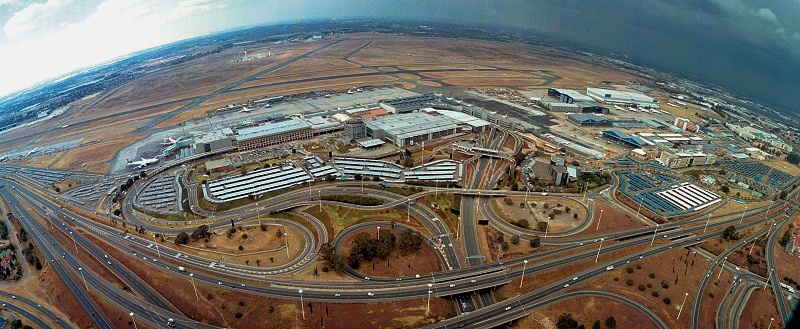
Oliver Reginald Tambo International Airport (east of Johannesburg) to become Africa's first aerotropolis

Oliver Reginald Tambo International Airport (east of Johannesburg) to become Africa’s first aerotropolis

The Gauteng Provinicial government has announced that Africa’s busiest airport, OR Tambo International Airport is set to become the location for the continent’s first aerotropolis. Work on the development of the aerotropolis, centred at OR Tambo International Airport, seeks to leverage public and private sector investment at the airport and surrounding areas. In supporting industrial development in this precinct, approval has been granted for the creation of an Industrial Development Zone (IDZ) in the area surrounding the airport. Heard this all before, but what’s different this time around?

An aerotropolis is an urban plan in which the layout, infrastructure, and economy is centered around an airport, existing as an airport city. It is similar in form and function to a traditional metropolis, which contains a central city core and its commuter-linked suburbs.The term was first proposed by New York commercial artist Nicholas DeSantis, whose drawing of a skyscraper rooftop airport in the city was presented in the November 1939 issue of Popular Science.The term was revived and substantially extended by academic and air commerce expert Dr. John D. Kasarda in 2000, based on his prior research on airport-driven economic development. Wikipedia

Jack van der Merwe, who successfully oversaw the development of the Gautrain project, has been appointed to lead the initiative of developing the aerotropolis. The proposal for the airport to become a terminal city with air, rail and road networks fuelling economic development. It is envisaged to include a commercial component, hotel, conferences, exhibitions and a residential component.

One of the key initiatives of the national government is the e-Thekwini-Free State-Gauteng freight and logistics corridor, known as the Strategic Infrastructure Project 2 (SIP2), which seeks to improve the movement of goods from the Durban port to Gauteng, and to business enterprises nationally as well as in southern Africa.

City Deep/Kazerne cargo terminals and the planned Tambo-Springs Freight and Logistics Hub are to be the focal points for the movement of goods for the export market. Phase 1 of the City Deep/Kazerne Terminal expansion and roads upgrade was underway at the continent’s largest and busiest in-land container terminal. This includes a redesign and upgrading of the roads network in and around the City Deep Terminal to provide for better flow of freight traffic and linkages with the national highways – the cost of the road works would amount to R122 million. At some point the issue of non-tariff barriers to import/export trade will need to be discussed…..and overcome.

Transnet has completed the first phase in the actual improvements of the terminal. It will be investing R900 million in upgrading the terminal. A detailed road design work, including feasibility studies and the development of a master plan, are underway for the Tambo-Springs Inland Port. Now, we’re talking…….

Gauteng  Province is to get 2 484 new modern trains as part of the Passenger Rail Agency of South Africa (PRASA) rolling stock for fleet recapitalisation and refurbishment programme.

The province will be making major investments in road infrastructure in the coming financial year and these include reconstruction and upgrading of the R55 (Voortreker Road) to a dual carriageway road between Olievenhoutbosch and Pretoria West; rehabilitation of the remaining section between Main Road and Maunde Street in Atteridgeville; reconstruction and upgrading of William Nicol Drive (K46) between Fourways and Diepsloot as well as reconstruction and improvement of the remaining section of the Old Pretoria to Cullinan Road between the Chris Hani Flats and Cullinan, among others. Wow, and the toll fees?

The department has been allocated a budget of R4.77 billion for the 2013/14 financial year. Of this amount R1.4 billion has been earmarked for roads maintenance and upgrading, R1.7 billion for public transport operations and R802 million for the running cost of the Gautrain Management Agency. Source: EngineeringNews

So, all-in-all, the above together with other recent noises of incentives and benefits for foreign and local investors in SEZs, the future holds some promise and interest…..

Boost for Intra-African, BRICS Trade

BRICS-logoSouth African companies, including foreign companies based in South Africa, stand to benefit from relaxed cross-border financial regulations and tax requirements, Finance Minister Pravin Gordhan announced in Cape Town on Wednesday.

Delivering his 2013 National Budget speech in Parliament, Gordhan said that outward investment reforms that applied as part of a new set of “gateway to Africa” reforms would also apply to companies seeking to invest in countries outside of Africa, including in the BRICS (Brazil, Russia, India and China) countries

Boost for cross-border trade

These reforms include the relaxation of cross-border financial regulations and tax requirements on companies in South Africa, as well as reforms making it easier for banks and other financial institutions in South Africa to invest and operate in other countries.

Brand South Africa welcomed these moves as being in line with South Africa’s National Development Plan (NDP), which acknowledges the global shift of economic power from West to East, while also highlighting the rise of Africa.

“This is an important step to enabling trade and supporting regional integration,” Brand South Africa CEO Miller Matola said in a statement following Wednesday’s Budget speech.

Gordhan said Africa now accounts for 18 percent of South Africa’s exports, including nearly a quarter of its manufactured exports, and that the SA Reserve Bank had approved over 1 000 large investments into 36 African countries over the last five years.

Southern Africa development projects

South Africa is also helping to fund several development projects in the wider southern African region, with the Development Bank of Southern Africa (DBSA) accelerating investment into neighbouring countries, particularly in the field of electricity generation and transmission and road transport.

Added to this, South Africa’s Industrial Development Corporation (IDC) last year funded 41 projects in 17 countries to the tune of R6.2-billion. Most of these projects were in industrial infrastructure, agro-processing and tourism.

State company Eskom was also now considering investing in several regional generation and transmission projects outside South Africa. (Comment: I would have thought Eskom would ensure the money was spent on the local South African electrical grid! After having its expected 16% tariff increase halved last week, its quite incredible that such a notion can be in the cards. The South African public are truely being kept in the dark!!!)

Gordhan said there was a proposal to pool the foreign exchange reserves of the five BRICS member countries, with the idea of using this to support one another in times of balance of payments or currency crisis. Brazil, Russia, India, China and South Africa collectively hold reserves of US$4.5-trillion.

He said work was under way to create a trade and development insurance risk pool, with the aim of setting up a sustainable and alternative insurance and reinsurance network for BRICS members. Source: SA News.gov.za

Government heeds the call – Tax Holidays for SEZs

Minister Pravin Gordhan and his 'budget team' on their way to parliment [Picture credit-SARS]

Minister Pravin Gordhan and his ‘budget team’ on their way to parliament [Picture credit – SARS]

After more than a decade of fruitless marketing and billions spent on capital investment, Budget 2013 brings some hope of a turn-around and better fortunes for economic development zones in South Africa.

Minister of Finance, Pravin Gordhan announced, what is an unprecedented move. to bolster support for government’s Special Economic Zone (SEZ)programme. Investors in such zones are expected to qualify for a 15% corporate tax rate, and in addition, a further tax deduction for companies employing workers earning less than R60,000 per year.

This is a significant development in that the previous dispensation under the Industrial Development Zone (IDZ) programme only afforded prospective investors a duty rebate and VAT exemption on imported goods for use in the Customs Controlled Area (CCA) of an IDZ. The reality is that these benefits were simply not enough to woo foreign company’s to set up shop in our back yard, let alone existing big business in South Africa to relocate to these zones. Mozambique, next door, has had much success as are other African countries through the offering of company tax holidays with the introduction of export-focussed special manufacturing facilities.

The SEZ (so it would seem) differs little from the IDZ approach save the fact that the former does not require the location of the economic zone at an international airport, seaport or border crossing. As such, an existing IDZ may ‘house’ a special economic zone, thus maximizing return on investment.

Recent developments in SA Customs realise a provision permitting foreign entities to register as importers or exporters under the ‘foreign principal’ clause in the Customs and Excise Act. Approval of such is dependant on the foreign principal establishing a business relationship with a South African ‘Agent’. This ‘agent’ is required to be registered with the SA Revenue Service as the party representing a ‘foreign principal’ in customs affairs. At this point, the provision is being applied to business entities in BLNS countries who import or move bonded goods into or from South Africa.

Future global application of this provision could boost the possibilities of a broader range of investor to favourably consider SEZ opportunities in South Africa. This option will, no doubt, not go unnoticed by the big audit firms seeking to broker ‘cross-border’ customs facilities for their multi-national clients. I perceive that more introspection is still required concerning ‘non-resident’ banking facilities and transfer pricing issues to enable the global application of the foreign principal concept. But after all this seems a good case for trade liberalisation. Add to this the forthcoming launch of Customs new integrated declaration processing system that will (in time) offer simplified electronic clearance and expedited release facilities for future SEZ clients.

X-Ray Scanners – WTO panel rules on EU-China dumping row

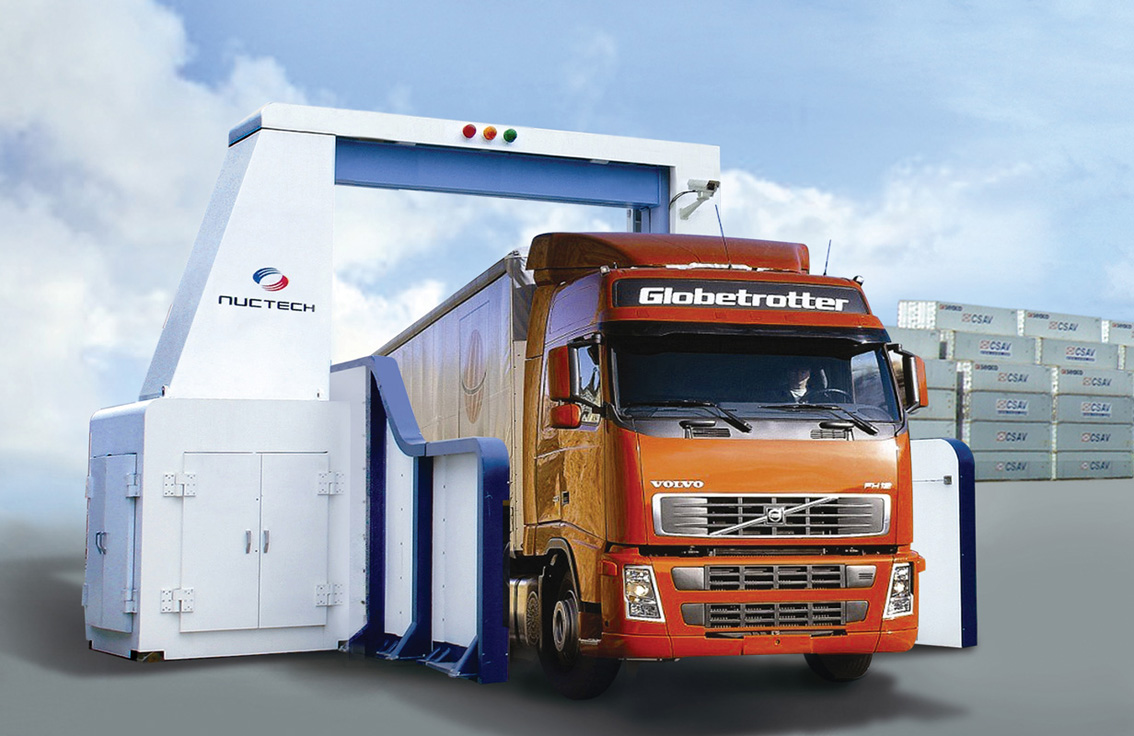
Nuctech Fast Scan Vehicle and Container inspection system

Nuctech Fast Scan Vehicle and Container inspection system

Part of the problem here is that the Chinese have a significant market share in this type of equipment. In a short period of 10 years they have outstripped some of the more fancied American and European players in this business. While the dispute in question raises ‘ethical’ questions of the Chinese, it does seem to be a matter of sour grapes.

China’s anti-dumping duties on imports of x-ray security scanners from the EU violated global trade rules, according to a WTO panel ruling that was issued yesterday. [WTO Dispute Settlement, DS425]

Brussels brought the dispute in July 2011 after Beijing imposed duties ranging from 33.5 to 71.8 percent on the x-ray scanners. (See Bridges Weekly, 25 January 2012) The EU exports approximately €70 million of these scanners to China annually.

China imposed the duties after the EU had applied anti-dumping duties on Chinese cargo scanners one year earlier, which some viewed at the time as a “tit-for-tat” move.

The panel report primarily focused on procedural issues in Beijing’s investigation, specifically regarding how China calculated the anti-dumping margin, loosely defined as the difference between the price – or cost – in the foreign market and the price in the importing domestic market.

Beijing included more expensive “high-energy” scanners – which do not “look remotely like” the cheaper scanners, according to the panel report – in calculating the average domestic price, even though only cheaper “low-energy” scanners were exported. The panel found that this price comparison was “not consistent with an objective examination of positive evidence” required under WTO rules.

The panel also found that Beijing did not comply with certain due process and transparency requirements before imposing the duties.

The panel did not rule with the EU on all points, however, noting that Brussels had not established that Beijing had acted inconsistently in certain other procedural matters.

“I expect China to remove the measures immediately,” EU Trade Commissioner Karel De Gucht said on Tuesday in response to the panel ruling. “I will not accept tit-for-tat retaliation against European companies through the misuse of trade defence instruments.”

Under WTO rules, both sides have 60 days to appeal the ruling. In a statement, China’s Ministry of Commerce indicated that they would make a serious assessment of the case and reserved the right to appeal.

Jamaica plans global logistics hub

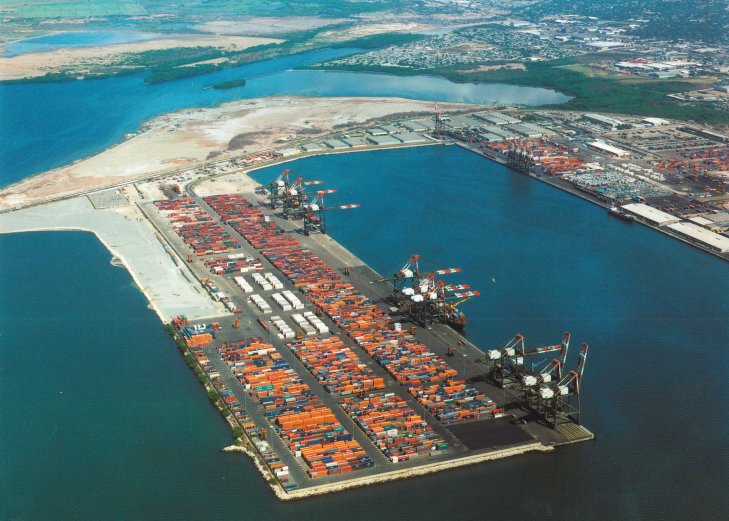
The Port of Kingston – ripe for development

The Port of Kingston – ripe for development

The Government of Jamaica has revealed ambitious plans to turn the Caribbean island in to a global logistics hub – and high level talks have already begun with the aim of increasing volumes of sea cargo.

Projects under discussion include developing the Port of Kingston ahead of the expansion of the Panama Canal and the development of a new commodity port to be built in eastern Jamaica which will specifically handle petroleum products, coal, minerals and grain.

At the same time, there is talk of constructing an air cargo airport to help with increased volume of boxes and the construction of large scale ship repair docks to service the increasing volume of post-panamax vessels.

Dr Eric Deans, chairman of the Logistics Task Force, said a market of 800 million people, including the USA and Brazil, can be accessed readily from Jamaica. He said trade opportunities are due to “burst wide open with the expansion of the Panama Canal scheduled to be completed in 2015; the multi-billion stimulus package by Brazil for World Cup 2014 and Olympics 2016; and the growing middle class in Latin America.”

He added that a critical aspect of the global logistics hub initiative is the broadening of bilateral collaborations with Jamaica’s global partners, and encouraging private sector investment and financing through private-public partnerships (PPPs).

Talks regarding the set-up of special economic zones are already underway with local and foreign investors.

The Jamaica Ministry of Industry, Investment and Commerce, which is spearheading the initiative, says that it will help give the country a global logistics supply chain that is able to compete with the likes of Singapore, Dubai and Rotterdam.

Perhaps this initiative could spur on our local authorities to actually move on ‘logistics hubs’ here in South Africa. While the huge expansion plans for our existing harbours, railroads are pursued, it is high time that the likes of Tamboekiesfontein, for instance, and other privately initiated transit hubs are taken seriously, and in an integrated manner to benefit commerce and trade in the Southern African region.

 Related articles

Chinese Imports surge – outpace Exports

Port of Shanghai

Port of Shanghai

China’s exports rose 25 percent in January from a year earlier while imports increased 28.8 percent, resulting in a trade surplus of $29.15 billion, the customs administration said today in Beijing.

The growth in overseas shipments compares with the median estimate in a Bloomberg News survey for a 17.5 percent expansion and a 14.1 percent increase the previous month.

The gain in imports compares with the median estimate for a 23.5 percent jump and a 6 percent increase in December. The trade surplus compared with the median projection for $24.7 billion and a $27.1 billion excess a year ago.

The Chinese customs administration last month defended the quality of its trade data after analysts at Australia & New Zealand Banking Group Ltd. and UBS AG said it may fail to capture the true picture of imports and exports.

Trade data in the first two months of the year is distorted by the timing of the Lunar New Year holiday, which fell in January in 2012 and is in early February this year, making the figures tough to interpret, according to economists including Louis Kuijs, chief China economist at Royal Bank of Scotland Plc in Hong Kong. Source: Bloomberg

IDZ – the ‘BS’ marketing approach continues

Saldanha Fabrication Centre, Port of Saldanha

Saldanha Fabrication Centre, Port of Saldanha

After all the negative criticism of the South African IDZ programme over the years, its remarkable that the latest offering situated at Saldanna Bay is plagued by the same misrepresentations as preceding zones. When will the IDZ Operators and their marketing/communication teams learn that the South African government does not provide ‘free ports’ within its IDZ programme. For that matter neither does the Special Economic Zone (SEZ) facility. Such statements are misleading and in effect only create confusion for investors.

Ports.co.za recently reported that, as a result of the sub-lessees failing to secure any business (lack of business benefits and government incentives?), the facility that was built as the Saldanha Fabrication Centre in 2007 is now to be converted into a multi-disciplinary facility to support the sectors of Oil & Gas; Petrochemicals; Renewable Energy Power; Desalination; Mineral Mining, Environmental & Chemical Industries.

This facility will be in the Customs Controlled Area (CCA) and will therefore enjoy ‘free-port’ status. The CCA will then be extended as the IDZ phases in the port’s hinterland come into being. Oh really?

KNM Grinaker-LTA will be retaining a certain area including the 25 metre high Bay 1 and Bay 2 workshops. This is intended to house equipment for the Oil & Gas majors which will require the height to be increased. Their work will be fabrication.

The facility has its own dedicated jetty, ideally for loading large diameter, heavy and long vessels, jackets and modules. KNM Grinaker-LTA Fabrication remains the sole local fabricator for the untapped market of pressure vessels above 100mm thicknesses.

The other areas, workshops, etc, are available for leasing on a long-term basis and the rental rates will be determined by the size of area required and the length of the lease. Saldanha Freight Services (SFS) are working with KNM Grinaker-LTA in searching for potential lessees. The screening of lessees will be intensive as the core activities must fit with the KNM Grinaker-LTA vision.

This facility is leased from and located in the Transnet National Port Authority (TNPA) zone designated primarily for the oil & gas sector. West of this facility (off-picture) is an area earmarked for a large graving dock, should such a dock be deemed sustainable in the long-term. East of the facility is open land also designated by TNPA for Oil & Gas developments.

This is the area where the Oil & Gas Base will be established. It will be linked to the shore-front with workshops and other facilities as well as deep-drafted quayside (berths) and lay-down areas suited to the maintenance & repair of vessels in the oil & gas industry.

The roads to the 4-berth multi-purpose terminal (MPT will be upgraded in the short-term to facilitate handing of imports & exports over this terminal. This land is available for leasing from TNPA and SFS is in a position to facilitate this for interested parties. These developments are planned for the 0-5 year and 6-10 year period commencing in 2013.

Export tax mooted on iron ore and steel

Iron ore (Engineering News)

Iron ore (Engineering News)

The South African cabinet has endorsed the final report on the work of the Intra-Departmental Task Team (IDTT) on iron ore and steel, says Minister in the Presidency responsible for Performance Monitoring, Evaluation and Administration, Collins Chabane.

Briefing reporters following Cabinet’s last meeting of year on Thursday, Chabane said in keeping with prior decisions to enhance the competitiveness of the steel value chain, Cabinet endorsed the final report on the work of the IDTT and the recommendations contained in the report for urgent implementation.

He said there had been a lot of debate and interaction between the Departments of Trade and Industry, Economic Development and steel producers and mining houses with regards to the pricing of steel.

In August 2010, the dti announced the formation of a task team to make recommendations into the viability of local steel production. This as it had expressed concern about the high price of steel in the South African economy.

“Within the context of the beneficiation programme where the government is emphasising and wanting to expand the beneficiation of South African mineral products as it is one of the critical aspects,” said Chabane.

Among the recommendations of the task team are the amendments to the Competition Act and the introduction of export taxes on iron ore and steel where appropriate. The recommendations also include the promotion of new steel investments and prioritisation of electricity available and connections to such investments.

“Government would want, among other things, to expand the number of participants in terms of those who are producing steel as part of the reason to introduce new competition. Secondly [we] also want to take measures which are going to contain the expansion of prices of steel countrywide in order to stimulate the domestic production of various products which need to be processed in the country.

“The government is going to take several steps with regards to that in order to lower the price for domestic consumption and to redirect the steel products to provide for the South African economy,” explained Chabane.

He further added that the Industrial Development Corporation (IDC) will have to play a greater role in the industrialisation of the country through being involved in manufacturing as well as beneficiation. Source: SAnews.gov.za

Saldanha Bay IDZ?

Its difficult not to be cynical…..after several failed and half-baked attempts at IDZs whats different about this one? Have the labour and tax issues changed?

A 60 day public consultation period for the designation of an Industrial Development Zone (IDZ) in Saldanha Bay has begun. Members of the public can make use of this opportunity to voice their opinions on the proposed vision for Saldanha Bay as presented in the Application for IDZ Designation and Operator Permit for the Saldanha Bay IDZ document gazetted earlier last week. View the document here!

Collaboration between government, citizens and business is necessary to build a Western Cape that is a better place to invest, to do business, get a job and earn a living, for everyone. Saldanha Bay has long been acknowledged as an important resource for the sustainable growth and development of the West Coast region, and indeed, the whole of the Western Cape.

All indicators show that an Industrial Development Zone in Saldanha Bay would be to the benefit of the Western Cape, South Africa and the African continent as a whole in creating a functional, self-sustaining industry that contributes to economic development and sustainable employment. The Saldanha Bay Feasibility Study published in October 2011, found that there was sufficient non-environmentally sensitive land upon which an IDZ development could take place.

After a process of consolidation into an attainable business plan focussing on the Oil & Gas and Marine Repair Cluster, the socio-economic impacts were found to be that after 20 years, an IDZ in Saldanha Bay developed around these industries, would generate a minimum annual return of R11 billion for the economy and create over 25 000 sustainable jobs nationally.

The total contribution to GDP for the IDZ is expected to amount to R3.4 billion in the first year, increasing to nearly R6 billion in the second year. In the third year the contribution is expected to be slightly lower at R5.5 billion due to a decrease in capital spend, but then increasing by the twentieth year with a total annual contribution to GDP amounting to R11 billion.

Total direct and indirect jobs in the Western Cape are expected to amount to 4 492 in the first year, 8 094 in the second year, 7 274 in the third year, 10 132 in the fourth year and 14 922 in the fifth year. From the seventh year around 14 700 direct and indirect jobs would be sustained in the province as a result of the IDZ.

Saldanha Bay is an ideal location for the development of an Oil & Gas and Marine Repair Cluster. The Port of Saldanha Bay is also competitively located between the oil and gas developments on the West Coast of Africa, as well as the recent gas finds on the East Coast of Africa. South Africa is a significant industrial economy in the sub Saharan region and is logistically well connected to the region. It is therefore a natural location for providing repair and maintenance services, warehousing and logistics and professional/technical services where proximity to end location is an advantage. Source: Western Cape Minister of Finance, Economic Development & Tourism