Enhancing South Africa’s and Africa’s development through Regional and Continental Integration

Hardly a week goes by without some or other African politician waxing lyrical about continental integration, continental trade diversification, and a wholesome analysis of the ‘barriers’ which prevent the African continent  from reaching its full economic potential. No doubt I’m a bit biased in relaying the recent ‘public lecture’ of our deputy President Kgalema Motlanthe at the University of Finlandread the full speech here! Plenty of insight clearly delineating a plethora of barriers; yet, are we African’s so naive not to have identified these barriers before? Evidently yes.

In recent weeks, on the local front, we have learnt that One Stop Border Posts (OSBPs) is the solution to non-tariff barriers. This topic was drilled amongst the press till it got boring. The focus soon thereafter shifted to the implementation of a border management agency (BMA) – all of government under one roof – so simple. The reality is that there is no silver-bullet solution to African continental integration. Of this, affected business, Customs administrations and the international donor community is acutely aware. While the WTO and the multitude of trade lawyers will ‘yadder’ on about ‘diversification’ in trade, the reality is that Africa’s raw materials are even more sought after today than at an any time before. Certainly those countries which contain vast resources of oil and strategic minerals are about to reap the benefits. So why would African countries be concerned about diversification when the petro-dollars are rolling in? Perhaps greed or lack of foresight for the medium to long-term well-being of countries and their citizens? The fact remains, without homegrown industries producing goods from raw materials, most of  Africa’s eligible working class will continue to be employed by foreign mineral moguls or the public service.

Several customs and infrastructure solutions have over the last few years emerged with the usual credential of “WCO or WTO compliant”. Africa has been a guinea pig for many of these solutions – ‘experiments’ if you prefer. Literally millions of dollars are being spent every year trying out so-called ‘best-of-breed’ technology which users unfortunately accept without much questioning. The cart is being placed before the horse. Why? because the underlying route cause/s are not being identified, understood (sufficiently) and prioritized. Insofar as there exists no silver bullet solution, neither is there a single route cause in most cases. Unfortunately, donor aid often comes with its own pre-conceived outcomes which don’t necessarily tie in with those of the target country or the well-being of the continent.

While governments like to tout the ‘big-hitting’ projects, there are several ‘less exciting’ (technical) areas which countries can address to kick-start the process. One of these has even been recognised by the likes of the World Bank and OECD notwithstanding capital-intensive programs which promised much and have not delivered fully on their promise.  The issue at hand is the harmonisation of customs data. It might at first sound irrelevant or trivial, yet it is the key enabler for most Customs Modernisation initiatives. While there is still much anticipation in regard to the forthcoming deliberation and outcome of the WCO’s Globally Networked Customs (GNC) initiative at June’s WCO Policy Commission session in Brussels, there is significant support for this approach on the African continent. The momentum needs to be maintained.

 Related articles

Tolls ‘slush fund’ a threat to US trucking

US TruckingThe American Trucking Association slammed the “irresponsible behaviour of some tolling authorities which, along with complicit state officials, seemingly view toll revenue as a slush fund for investment in all manner of projects, programmes and activities which have nothing to do with maintaining their highways, bridges and tunnels”.

The Chief Financial Officer of National Freight Incorporated (NFI), told last week’s hearing of the US Senate Commerce, Science and Transportation Committee’s Subcommittee on Surface Transportation and Merchant Marine Infrastructure, Safety and Security that New Jersey-based NFI had paid $14 million in tolls last year. He said that as a result of this his company has been forced to re-route their trucks to less efficient secondary roads, which raises costs and increases congestion and safety concerns.

Further increases planned for tolls on the six interstate bridges and tunnels between New York and New Jersey, operated by the Port Authority of New York and New Jersey (PANYNJ), would by 2015 raise the charges by 163%, to a total of $105 per truck – nearly three times higher than any other toll in the country. By 2015, a trip from Baltimore to New York City will cost a five-axle truck more than $209 in tolls.

He said the authority had refused to reveal where the extra revenue would be spent, but it was clear that billions would be diverted to major PANYNJ projects like raising the Bayonne Bridge to accomodate bigger ships at the port. He added: “The most egregious use of toll revenue is the approximately $11 billion dedicated to the completion of the World Trade Center office buildings. It is unclear why trucking companies and commuters are being forced to foot the bill for a real estate project.”

He told the hearing: “The process and the outcome points to an authority with unchecked power that shows little regard for the impacts of its decisions on the community which it purports to serve.”

The tolls distorted the market by penalising vehicles that use toll roads and rewarding those diverting to local routes. No doubt this article strikes a ‘tender nerve’ for truckers and commuters in South Africa around this time – SANRAL vs Public. Source: www.ifw-net.com

Economic sanctions and international trade

Despite global automation and harmonisation of trade, customs operations and procedures, the following article exemplifies the continued need and importance of knowledgeable trade practitioners and customs specialists. Human intellect and ‘expertise’ will forever play a critical role in the interpretation international trade law and national customs procedure.

Long used by governments to punish rogue countries, regimes, entities and individuals, trade and economic sanctions impact an ever-widening range of goods, technology and services. Recent developments in Iran, Syria and Libya, for example, resulted in far-reaching sanctions by Australia, Canada, the European Union and its 27 Member States, the United Nations, the United States and others. The complexity of sanctions and the speed with which governments implement them to address rapidly changing political situations create serious compliance challenges.

Companies are therefore well advised to implement compliance from management through all levels of sales, logistics and finance. The stakes are extremely high because compliance failures—even unintentional ones—can result in the imposition of substantial fines, debarment from government contracts, damage to public reputation and even imprisonment. Recent penalties illustrate the risks and the high governmental enforcement priority for trade sanctions. These include fines of up to US$536 million imposed by US and UK regulators against financial institutions and major businesses. Individuals may also be subject to prison sentences of up to 10 years in the United States and the United Kingdom.

Anyone involved in cross-border transactions therefore needs to determine if their conduct and that of persons acting on their behalf is regulated by trade sanctions. At a minimum, businesses must understand: which countries, regimes and individuals are targeted by trade sanctions; who is obliged to comply; which transactions are prohibited or restricted; and which authorisations may be available or required for any restricted action.

Businesses should also consider the long reach of US and EU sanctions. US sanctions generally apply to “US persons” wherever they are located in the world and to anyone located in the United States. Similarly, EU sanctions apply to “EU persons” wherever they are located in the world and to anyone located in the European Union. Adding to the breadth of coverage, US rules prohibit “facilitation”, which means neither persons nor companies subject to the rules may support a transaction undertaken by another party, including a foreign affiliate, from which a US person would be prohibited from engaging in directly. EU rules likewise prohibit covered persons from infringing sanctions rules indirectly – so much for economic freedom!

Law firm McDermott Will & Emery recommends that companies should take appropriate steps to minimise the risk of infringing trade sanctions by introducing the following safeguards:

  • Require due diligence in connection with all transactions. This should involve at least the screening of all counterparties against the ever-changing sanctions lists that identify the countries, regimes, entities and persons blacklisted. Trade sanctions can apply to goods, technology licensing and the provision of technical assistance, and to ancillary services such as financing, insurance and transport.
  • Establish internal procedures to ensure prompt legal review in the event a transaction with a sanctioned party is identified.
  • Check that the due diligence checklist for merger or acquisition transactions includes an assessment for compliance with trade sanctions.

Source: McDermott Will & Emery 

East Africa – Harmonisation of Border Procedures

Operations of all agencies working at border posts should be harmonised if the East African countries are to easily facilitate movement of goods and persons at their borders, Trade Mark East Africa (TMEA) has said. TMEA is a multi-donor funded agency that provides support for increased regional trade and economic integration in East Africa.

It takes a trader importing goods from the EAC member countries an average of 30 minutes to process documents, at the Gatuna/Katuna border. Border agencies need to collaborate on planning, monitoring, organisation and other related activities to ease the movement of traders, according to Theo Lyimo, TMEA’s director of Integrated Border Management and One Stop Border Posts.

This was at the sidelines of a one-day workshop on the establishment of the Integrated Border Management Concept and presentation on the final design of Kagitumba One Stop Border Post facilities. “Integrated border management should have a system controlling all the agencies at the borders and this will help to eliminate all trade challenges affecting the region including high prices of products, high costs of transport and others,” he noted. He cited the Chirundu Integrated border management between Zambia and Zimbabwe which he said had totally cleared trade barriers between the two countries.

However, though the One Stop Border Post (OSBP) had been introduced at some borders of the EAC member countries, they are yet to yield the expected results as traders still encounter some challenges.

The establishment of Integrated Border Management has been recognised as one of the ten building blocks of Customs in the 21st Century, a new strategic perspective and policy agreed upon by heads of the world’s customs administrations to shape the role of Customs in the current century, a century with unique demands.

Better border management entails coordination and cooperation among all the relevant authorities and agencies involved in border regulatory requirements,” said Tusabe Jane Nkubana, chairman of the exporters association, welcomed the border management saying that traders have always been affected by delays at the border posts leading to an increase in the cost of goods.

Delays at the borders are some of the non-tariff barriers affecting us in the region, and if the operations of agencies are harmonised, this would reduce on the time we spend clearing goods at the borders. Transport costs in East Africa are regarded amongst the highest in the world damaging the region’s ability to trade competitively in the international market, according to economic experts. Source: AllAfrica.com

Border Posts, Checkpoints and Intra-African Trade

You may recall earlier this year the African Development Bank and the WCO agreed to a partnership to advance the economic development of African countries by assisting Customs administrations in their reform and modernization efforts.

The AfDB’s regional infrastructure financing and the WCO’s technical Customs expertise will complement each other and improve the efficiency of our efforts to facilitate trade which includes collaboration in identifying, developing and implementing Customs capacity building initiatives by observing internationally agreed best practice and supporting Customs cooperation and regional integration in Africa.

In addition, the partnership will seek to promote a knowledge partnership, including research and knowledge sharing in areas of common interest, as well as close institutional dialogue to ensure a coherent approach and to identify comparative advantages as well as complementarities between the WCO and AfDB. Customs professionals, trans-national transporters and trade practitioners will find the featured article of some interest. It provides a synopsis of the key inhibitors for trade on the continent, and will hopefully mobilise “African expertise” in the provision of solutions and capacity building initiatives.

If you thought trade in Africa is bad, consider this!

On January 10 2012 the Argentine tax authorities passed General Resolution 3252/2012, requiring importers to file an advance import affidavit before the definitive import of any type of goods. The affidavit is analysed by the tax authorities and by any other relevant government agency; only once approval has been granted may the import be carried out  The resolution applies to all types of product definitively imported into the country as from February 1 2012.

Under the resolution, importers must file an affidavit (through the tax authority’s website) before issuing a purchase order or similar document. The authority will inform importers (through its online application) of any news regarding the status of their petition and, if applicable, the reasons for any objections made and the government agencies where importers can remedy those objections. Importers must enter the affidavit number in the authority’s María Information System when the goods enter customs clearance. The customs clearance process will be automatically stopped if this number is not entered.

The tax authority has a 72-hour period (from the date on which the affidavit is filed by the importer) to make any comments. This time period may be extended by up to 10 calendar days in “those cases in which the specific activities of the agency in charge so requests”. Once the above periods have elapsed with no comments being made, the import operation may continue. Otherwise, the comments should be dealt with by the importer with the agency that raised them.

Import operations that already have an open irrevocable letter of credit (or similar document) or that have been prepaid (in both cases dating from before February 1 2012) are exempt from the obligation to obtain an affidavit. However, there are some contradictions in the text of the resolution that may create problems at the time of applying this exemption. The following import operations, among others, are exempt from the obligation to obtain an affidavit:

  • imports made under the courier or sample regimes;
  • imports that relate to turnkey projects (provided that they were approved before February 1 2012); or
  • imports that are sent in different shipments (provided that they were approved before February 1 2012).

At present, the foreign trade sector of Argentina is almost paralysed, with no clear sense of direction. Only time will tell whether the affidavit system starts processing requests relatively smoothly, or if the paralysis will result in an increase in litigation by desperate importers. Source: taken from the article: “Argentina’s foreign trade paralysis continues” – International Law Office.

How to resolve regional transport problems?

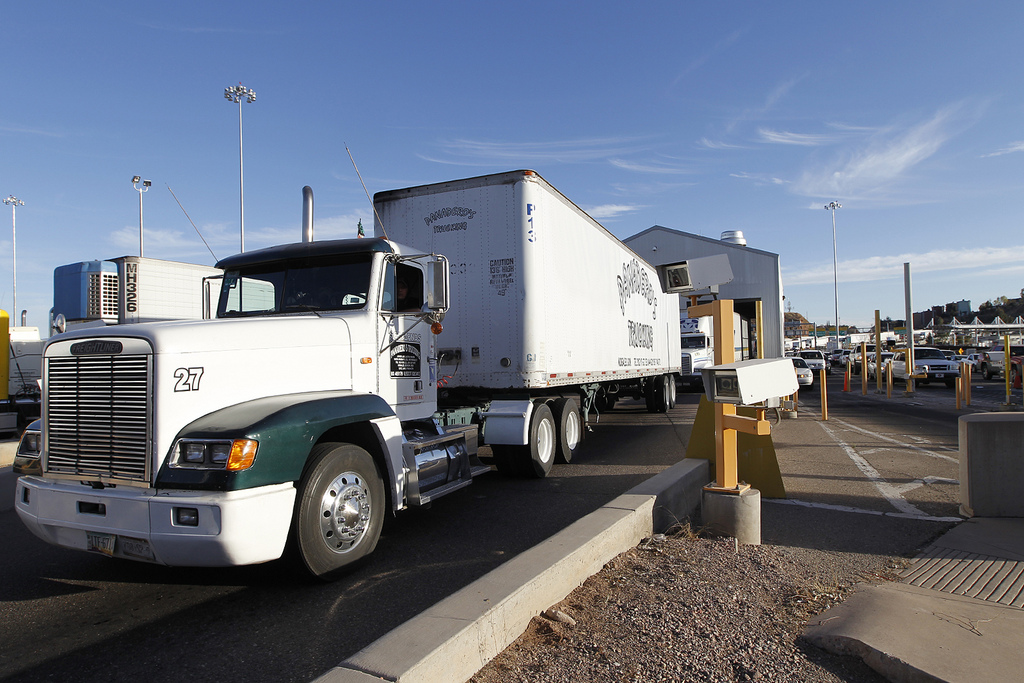
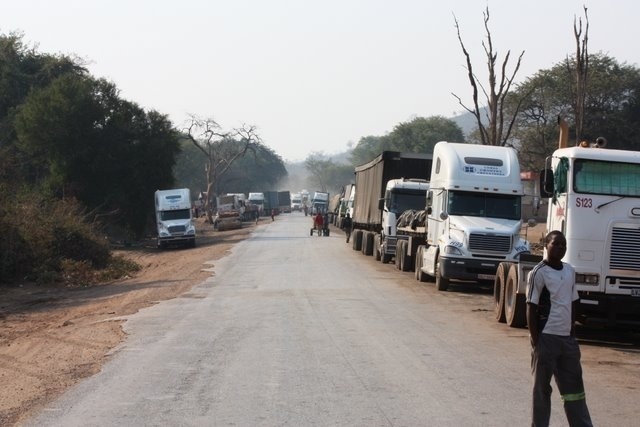
The Freight-Intra Africa Trade Conference in Pretoria, this week, has featured several news articles in the local media, and no doubt some foreign tabloids as well. The Minister of Transport has cleared up the cause of the ills plaguing cross border and regional transport. At least we are now fully informed that [historical] design issues and operational inefficiencies at South Africa’s landborders, and Beit Bridge in particular, are the fundamental causes of under-performance in intra-Africa trade.

“In most cases, the delays at the borders are caused by operational inefficiencies, which result in the duplication of processes. This is a serious cost to the economies of the countries that conduct their trade through such border posts,” the Minister said.

One has to seriously question who advises the minister which leads to such statements, and whether or not these advisers have visited any land borders in recent months.

Now the remedy – Government has budgeted and approved R845-billion for infrastructure development over the medium-term, with a significant proportion, about R262-billion of this investment being earmarked for transport infrastructure and logistics projects. Can anyone question government’s commitment in this respect? Not really. However, the Minister was quick to point out government would resolve inefficiencies at the borders by establishing a mechanism that will bring all border entities under a single command and control structure to address the fragmentation in border operations. “The ultimate vision is to create one-stop border operations to facilitate legitimate trade and travel across the borders”.

The proliferation of border management agencies (integration of enforcement and regulatory authorities under one umbrella) – which has seen the demise of many customs administrations over the last decade – has not proven an effective vehicle to manage cross border travel and trade. It is difficult to see how facilitation procedures can co-exist under a command and control environment. What the situation does create is the opportunity to consolidate a budget for security expenditure. Various Sources: Engineering News, Business Live, Fin24.com and personal opinion.

Advancing the argument for sealing cargo and tracking conveyances

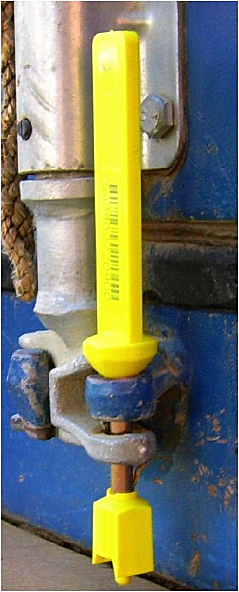
South African Customs law provides for a seal integrity regime. This consists in provisions for the sealing of containerised sea cargo as well as sealable vehicles and trailers. These requirements have, however, not been formally introduced into operation due to the non-availability (until recently) of internal systems and cross-functional procedures that would link seal integrity to known entities. To explain this in more layman’s terms, it is little use implementing an onerous cargo sealing program without systems to perform risk assessment, validation of trader profiles and information exchange. It’s  like implementing non-intrusive inspection (X-ray scanning) equipment without backward integration into the Customs Risk Management  and Inspection environment and systems. It has often been stated that a customs or border security programme is a layered approach based on risk mitigation. None of the individual elements will necessarily address risk, and automation alone will likewise not accomplish the objective for safe and secure supply chains. Moreover, neither will measures adopted by Customs or the Border Agency succeed without due and necessary compliance on the part of entities operating the supply chain. It therefore requires a holistic strategy of people, policy, process and technology.

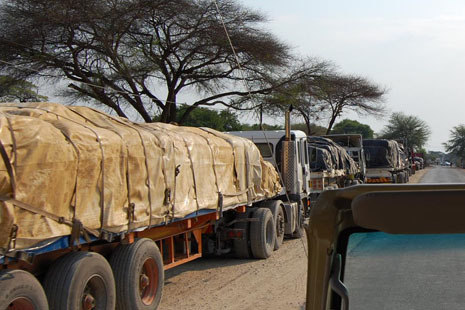
In the African context, it is surmised that the business rationale will be best accomplished with a dual approach on IT connectivity and information exchange. Under the political speak there are active attempts within SACU, SADC, COMESA and the EAC to establish electronic networks to facilitate and safeguard transit goods. Several African states are landlocked and are not readily accessible, some requiring multiple transit trips through countries from international discharge in the continent to place of final destination. National laws of each individual country in most instances provide obstacles to carriers achieving cost effective means in delivering cargoes. Over and above the laws, there exists (regrettably) the need to ‘grease palms’ without which safe passage in some instances  will not be granted. Notwithstanding the existence of customs unions and free trade areas, internal borders remain the biggest obstacle to facilitation.

Several African logistics operators already implement track and trace technology in the vehicle and long-haul fleets. This has the dual purpose of safeguarding their assets as well as the cargoes of their clients which they convey. Since 9/11, a few customs administrations have formally adopted ISO PAS 17712 within their legislation to regulate the use of high security seals amongst cargo handlers and carriers. In most cases this mandates the use of high security ‘mechanical’ bolt seals. However, evidence suggests there is a growing trend to adopt electronic seals. Taiwan Customs for one has gone a significant way in this regard. Through technological advances and increased commercial adoption of Radio Frequency Identification (RFID) technology the costs are reducing significantly to warrant serious consideration as both a viable and cost-effective customs ‘control’ measure.

Supply chain custody using RFID as an identifier and physical security audit component – as provided for in ISO 17712 – is characterized by the following:

  • it uniquely identifies seals and associates them with the trader.
  • the seal’s unique identity and memory space can be used to write a digital signature, unique to a trader on the seal, and associating that seal with a customs declaration.
  • using customs trader registration/licensing information, together with infrastructure to read seal information at specified intervals along a route to create a ‘bread-crumb’ audit trail of the integrity of the cargo and conveyance.
  • using existing fleet management units installed in trucks to monitor seal integrity along the high risk legs of a cargo’s transit.
  • record the seal’s destruction at point of destination.

Looking forward to the future, it is not implausible for customs and border authorities to consider the use of RFID:

  • as a common token between autonomous customs systems.
  • to verify and audit that non-intrusion inspections have taken place en-route, and write that occurrence to the seal’s memory with the use of an updated digital signature issued to the customs inspection facility.
  • to create a date and time stamp of the cargo’s transit for compliance and profile classification – to confirm that transit goods have actually left the country as well as confirm arrival at destination (to prevent round tripping).
  • Lastly to archive a history of carrier’s activities for forensic and/or trend analysis.
This is a topic which certainly deserves more exposure in line with current regional developments on IT-connectivity and information exchange. A special word of thanks to Andy Brown for his contribution and insight to this post.
Related articles

Special Economic Zones – how special?

Despite having burned its fingers with Industrial Development Zones (IDZs), which involved a few fiscal benefits (shrouded in legalese) and billions in infrastructure, Trade and Industry has gone into overdrive to push its new policy on special economic zones (SEZs). It has relaxed ‘locality’ for one, i.e. such zones need not be located in close proximity to an international port or airport. Moreover, SEZs are now being promoted to ‘compliment’ existing IDZs and not replace them as was erroneously suggested in an earlier post.

While the South African Department of Trade and Industry (the dti) is conducting public hearings on the matter, it is perhaps relevant to consider what the Free Market Foundation (FMF) – a think-tank on limited government and economic freedom – has to say on the matter. The content of the report might well attract support from some in the business community involved with manufacturing, distribution and logistics. Read the FMF’s evaluation of the dti’s SEZ Policy here!

While there are not many trade remedies available to local business many prospective requests have over the last decade been presented to establish so-called distribution centres/hubs and ‘virtual bonded warehouses’, which have not borne much fruit mainly due to the lack of a legal framework for their operation. Moreover, in government there is always a cautious resistance to liberalisation in customs and trade laws (they directly impact the fiscus) in the absence of viable risk mitigation strategies or remedies. Perhaps it has something to do with the dwindling public sector skills and experience levels available to conduct effective audits; although, the big audit firms would readily contest this and advocate the outsourcing of such function to the private sector. As the development of more sophisticated systems in SARS come on stream, ICT will no longer be an obstacle. Through increased automation comes the availability of additional human resources who can be up-skilled to perform audit work. Both Tax and Customs Modernisation programmes bare testimony to this.

The establishment of the IDZ programme (circa 2000) was fraught with inter-departmental tensions around the so-called benefits and concessions to be made available to foreign investors. The lack of a clear framework did not allow for much ‘liberalisation’ of controls and fiscal benefits. In fact the customs dispensation offered procedures and facilities to IDZs identical to that available in the national customs territory. Tax holidays and relaxed red tape are characteristic of some of the more successful SEZs around the world, as the article will attest. The dti’s latest SEZ Bill and Policy do not hint to any great length how things will be different this time round. There is however some firm calls within government to consider relaxed labour regulations – the test however lies in whether the policy makers have the appetite (or vision) to permit liberalisation in this area. I have a simple view on this matter – (i) create a favourable economic environment focusing development on SMMEs and entrepreneurship, and (ii) get the standard customs procedures and controls right through modernisation and there will be no need for ‘tax holidays’ and economic zones in this country!

WCO/SACU – IT Connectivity and Data Exchange

WCO-SACU IT Interconnectivity and Data Exchange Conference

On the occasion of International Customs Day, in January earlier this year, the World Customs Organisation dedicated 2012 as the year “Connectivity”, which encapsulates people connectivity, institutional connectivity and information connectivity among the members of the global Customs community.

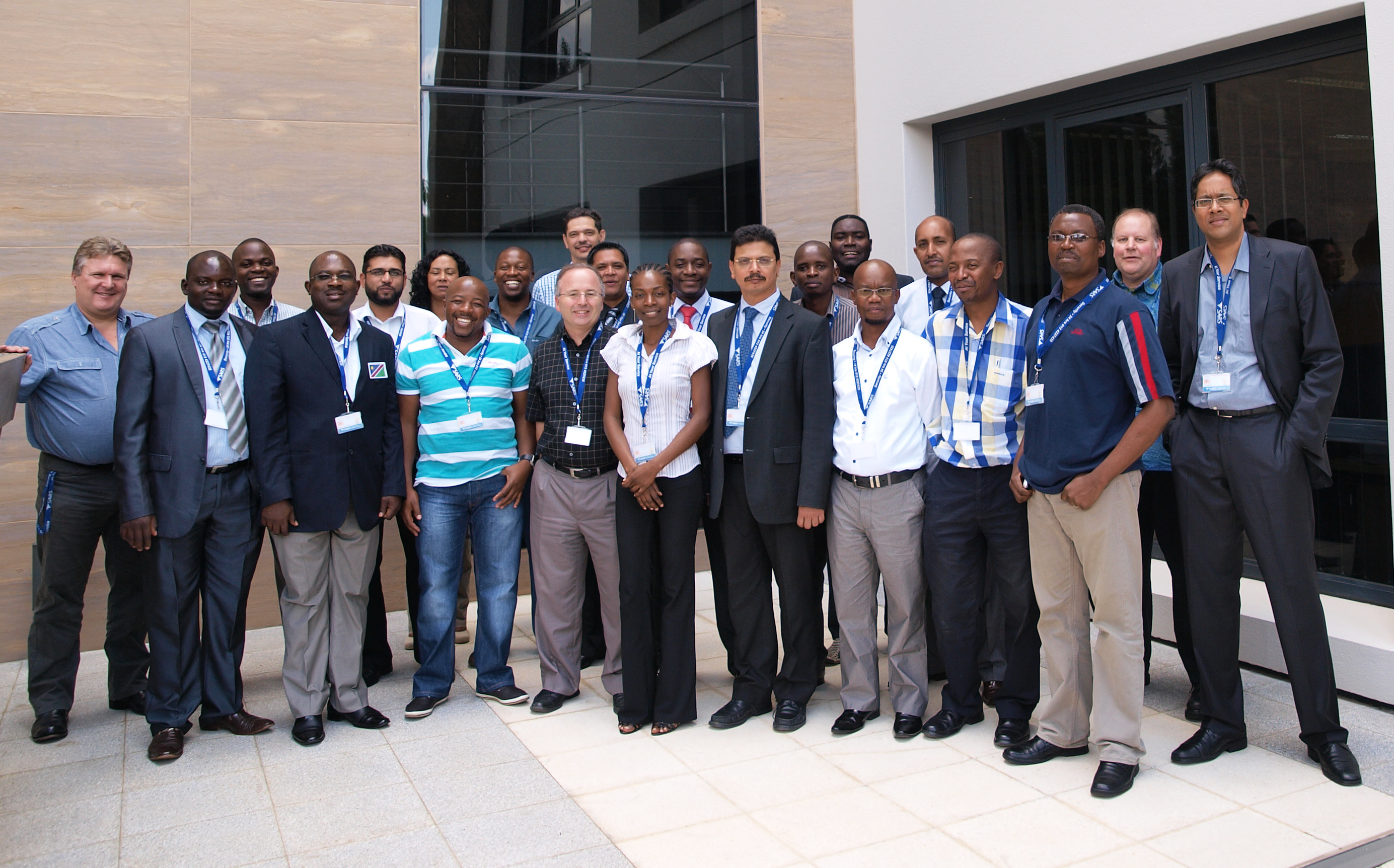
Over the last week and a half delegates from the WCO, SACU, UNCTAD, SADC and COMESA have been hosted at SARS, Pretoria to discuss and deliberate over an approach to implement ‘IT connectivity’ within the Southern African region. During the first week representatives from UNCTAD, SACU and SARS were briefed on important developments at the WCO on IT-Interconnectivity and Information Exchange. We were privileged to have Mr. Satya Prasad Sahu, Technical officer from the WCO – a leading expert in all matters of ICT in international customs matters – present the developments towards finalisation of a future international customs standard called “Globally Networked Customs” (GNC). It entails a structured approach that will enable customs authorities to formulate and document bilateral or regional ‘standards’ on a variety of Customs-to-Customs topics, for instance Authorised Economic Operators, Cross Border Information Exchange, Risk Management, etc. A representative from UNCTAD presented a synopsis of the proposed ‘cloud computing solution’ which the Trans Kalahari Corridor (TKC) plans to pilot between Namibia and Botswana along the TKC route in the next few months. During the course of this week, delegates , under the guidance of Satya, prepared a proposed approach for information exchange between members of the Southern African Customs Region. This document is based on the GNC Utility Block structure (defined by the ad Hoc Committee on Globally Networked Customs at the WCO) and served as the basis for discussion for Week 2.

Mr. SP Sahu (WCO) and delegates from SACU SecretariatWeek 2 saw the arrival of customs and IT representatives from COMESA, SADC, UNCTAD, SACU as well as a delegation from Mozambique Customs. Mr. Sahu was invited to chair the session, given his vast experience on the subject matter as well as international experience in national and regional customs ICT programmes. Delegates were treated to various lectures on the GNC, a comprehensive overview of developments on ASYCUDA (Customs solution developed by UNCTAD), various updates from within the customs region – Botswana, Namibia, Lesotho, Swaziland, Mozambique and SARS. Beyers Theron informed delegates of ongoing developments of the SARS Customs Modernisation Programme as well as key implications for neighbouring countries. SARS presented a live demonstration of SARS’ Service Manager solution, navigating through all the functionality now available to SARS Customs officials. Of significant interest to all was the new iPod inspection tool. This technology is given prominent feature in the latest edition of WCO News.

A large portion of the week was, however, spent on deliberating the proposed scope and content of the draft Utility Block on Information Exchange in the Southern African Region. Significant progress was been made to attain first, a common understanding of the scope as well as the implications this has for participating countries. Delegates will return home with a product with which to create awareness and solicit support in their respective countries. Over the next few months SARS will engage both SACU and SADCOM (combined SADC and COMESA trading blocs) to establish firm commitments for information exchange with customs administrations in these regions. This conference is significant for SARS and South Africa as a whole as it provides a uniform, standardised and practical approach for engagement with other international trading partners. To view photographs of the conference please click here!

SA truckers – fines for cross-border permit infractions

Assuming that the RSA government favours the drive for increased inter-Africa trade and free movement of goods and conveyances, perhaps its time for transport officials to look beyond the letter of the law and automate their process.

South African truckers have been warned not to travel without their cross-border permits as they could face hefty fines. According to the Cross Border Road Transport Agency (CBRTA), trucks dispatched to the border ahead of a permit being issued could be fined as the permit has to be in the truck at all times. “According to the legislation anyone with the intent of crossing the border must be in the possession of these permits,” said CBRTA CEO Sipho Khumalo. “That means operators cannot dispatch their trucks to the border and then send the permit with a car once it has been issued later to catch up with the truck. That is against the law.” Source: FTW

SAD Story – Part 2

What is clear in regard to modern day business is the fact that ‘harmonisation’ in the international supply chain is essentially built around ‘data’. E-commerce has been around for decades, plagued by incompatibilities in messaging standards, and computer software, network and hardware architecture. However, one of the key inhibitors has been organisations and administrations having to adhere to domestic ‘dated’ legislation and so-called standard operating procedures – seemingly difficult to change, and worst of all suggesting that law has to adapt!

A lot has had to do with the means of information presentation (format) and conveyance (physical versus electronic) rather than the actual information itself. Standards such as the UN Layout key sought to standardise or align international trade and customs documentation with the view to simplifying cross-border trade and regulatory requirements. In other words, each international trade document being a logical ‘copy and augmentation’ of a preceding document.  This argument is still indeed valid. The generally accepted principle of Customs Administrations is to maximise its leverage of latent information in the supply chain and augment this with national (domestic) regulatory requirements – within a structured format.

The Single Administrative Document (SAD) was itself borne out of this need. The layout found acceptance with UNCTAD’s ASYCUDA which used it as a marketing tool (in the 1990’s) in promoting ‘What-You-See-Is-What-You-Get’ (WYSIWYG). It certainly provided a compelling argument for under-developed countries seeking first-time customs automation. Yet, the promise of compatibility with other systems and neighbouring customs administrations has not lived up to this promise.

Simultaneous to document harmonisation, we find development of the Customs data model, initially the work of the Group of 7 (G7) nations at the United Nations. Its mandate was to simplify and standardize Customs procedures Customs procedures. In 2002, the WCO took over this responsibility and after further refinement the G7 version became version 1 of the WCO Customs Data Model. Once more a logical progression lead to the inclusion of security and other government regulatory requirements. This has culminated in the recent release of WCO Data Model 3. Take note the word “Customs” is missing from the title, indicating that Version 3 gives effect to its culminating EDI message standard – Government Cross Border Regulatory (GOVCBR) message – an all inclusive message standard which proposes to accommodate ALL government regulatory reporting requirements.

Big deal! So what does this mean? The WCO’s intent behind GOVCBR is as follows –

  • Promoting safe and secure borders by establishing a common platform for regulatory data exchange enabling early sharing of information.
  • Helping co-operating export and import Customs to offer authorized traders end end-to to- end premium procedures and simple integrated treatment of the total transaction.
  • Contributing to rapid release.
  • Elimination redundant and repetitive data submitted by the carrier and the importer.
  • Reducing the amount of data required to be presented at time of release.
  • Reducing compliance costs.
  • Promoting greater Customs Co-operation.

Undertaking such development is no simple matter, although a decision in this direction is a no brainer! Over a decade’s work in the EDI space in South Africa is certainly not lost. Most of the trade’s electronic goods declaration and cargo reporting requirements remain intact, all be they require re-alignment to meet Data Model 3 standard. Over and above this, the matter of government regulatory requirements (permits, certificates, prohibitions and restrictions, letters of authority, etc.) will require more ‘political will’ to ensure that all authorities administering regulations over the importation and exportation of goods are brought into the ‘electronic space’. Some traction is already evident here largely thanks to ITAC and SA Reserve Bank willingness and capability to collaborate. In time all remaining authorities will be brought on board to ensure a true ‘paperless’ clearance process.

So, I digress somewhat from the discussion on the SAD. However, the bottom line for all customs and border authorities, traders and intermediaries is that ‘harmonisation’ of the supply chain operation follows the principal and secondary data required to administer ALL controls via a process of risk assessment, to facilitate release including any intervention required to ensure the compliance of import and export goods. As such even legislative requirements need to enable ‘harmonisation’ to occur otherwise we end up with a non-tariff barrier, uncertainty in decision-making, and a business community unable to capitalise on regional and international market opportunities. Positively, the draft SA Customs Control Bill makes abundant reference to reporting – of the electronic kind.

In Part 3, I will discuss regional ‘integration’ and the desire for end-to-end transit clearance harmonisation.

IDZs to be replaced with SEZs

Department of Trade and Industry (South Africa)Heard this before? In line with the Industrial Policy Action Plan and the New Growth Path, the Department of Trade and Industry (the dti) aims to continue fostering its efforts to create employment and economic growth by establishing a strong industrial base in South Africa. The new initiative aims to improve on the concept of industrial development zones (IDZs) which have enjoyed mixed success since being introduced in December 2000 through the Manufacturing Development Act. 

An IDZ is a purpose-built industrial estate linked to an international airport or seaport which is tailored for the manufacturing and storage of goods. It offers investors certain rights within the zone, in addition to incentives such as customs duty and VAT relief. One important priority of the IDZs is to boost job creation and skills in underdeveloped regions. The IDZ programme led to the establishment of five zones – Mafikeng, OR Tambo International Airport, Richards Bay, East London and Coega. The Richard’s Bay IDZ only commenced its first phase of development in September last year while OR Tambo International Airport is not yet fully operational.  The Industrial Policy Action Plan, issued by the Department of Trade and Industry in February 2011, has also identified, as a key milestone, the establishment of an additional IDZ at Saldanha Bay. 

The Special Economic Zones (SEZs) programme is one of the most critical instruments that can be used to advance government’s strategic objectives of industrialisation, regional development and job creation. Moreover, the programme can assist in improving the attractiveness of South Africa as a destination for foreign direct investment.

In order to ensure that the SEZ programme is an effective instrument for industrial development, the dti has developed the SEZ Policy and Bill. Through the Bill there will be a dedicated legislative framework for special economic zones.

The main objectives of the SEZ Bill are to provide for the designation, development, promotion, operation and management of Special Economic Zones; to provide for the establishment of the Special Economic Zones Board; to regulate the application and issuing of Special Economic Zones operator permits; to provide for the establishment of the Special Economic Zones Fund; and to provide for matters incidental thereto.

Furthermore, the SEZ Bill will enable government to move towards a broader Special Economic Zones Programme, through which a variety of special economic zones can be designated in order to address the economic development challenges of each region and address spatial development inequalities.

Although national laws may be suspended inside industrial zones, government is currently not offering regulatory incentives to derogate from labour rules, a concession which is seen by some as crucial to stimulate investment in special zones. It is however unlikely that a relaxation of labour laws will be considered under the SEZ initiative. Benefits are rather expected to come in the form of enhanced incentives for labour intensive projects and additional tax relief for investors. A further question arises – just how flexible an inventive will the customs and VAT requirements be allowed to be?

The key provisions include the establishment of a Special Economic Zones Board to advise the Minister of Trade and Industry on the policy, strategy and other related matters; establishment of the Special Economic Zones Fund to provide for a more coherent and predictable funding framework that enables long-term planning; strengthening of governance arrangements including clarification of roles and responsibilities of key stakeholders. Source: Department of Trade and Industry.

Heartless!

Fellow blogger ZIMDEV paints a bleak picture for casual cross border traders – Cross border trade has been the lifeline for many unemployed Zimbabweans who make a living buying and selling goods from various neighbouring countries. Late last year, the Zimbabwean government together with the Zimbabwe Revenue authority have introduces a ban on the use of the $300 rebate on most goods. The new tariffs are quite steep and leave no room for profit for the traders. Cross border traders, fed the nation when Zimbabwean shops were empty. They travel across borders, bringing in goods that are not available in Zimbabwe and play a vital role in the economy. One visit to Beitbridge will prove just how vital the cross border trade is to Zimbabwe. It is disheartening to see the government’s reaction to cross border trade.

Instead of enabling and facilitating trade, the government is stifling and discouraging trade and enterprise. Importers of blankets, footwear, refrigerators, stoves and other electrical gadgets now pay 40% of the purchasing price plus a flat rate of US$5 per unit as duty. Government is also now charging between 10% and 25% duty on basic commodities such as maize meal, cooking oil, potato chips, baked beans and mixed fruit jam. The consignment of goods is also charged according to the weight of the goods, each kilo being charged at $3. Cross border trade has been dealt a heavy blow.

While continental and regional efforts wax lyrical about future ‘free trade’ in the Africa, domestic efforts and policy appear to be in contradiction, or perhaps the political utterances at regional trade and AU conferences are mere hot air!  Read the full article here! Surely this should be a case for closer diplomatic collaboration between Zimbabwe and its neighbours, or are the ‘cross border traders’ the enemy?

Greetings for 2012

العربية: الخريطة الهجائية لأفريقيا English: Or...

As my leave break draws to a close I thought it opportune for ‘Africans’ to maintain a positive view on developments on the continent, not that international affairs elsewhere on the globe give any cause for joy. To this I append an article “Its time for Africa” that will hopefully reinforce sentiment in both government and trade quarters on the ‘attractive’ or ‘potential’ opportunities which our continent has to offer. I look forward to a new year of interesting times and challenges. Enjoy the read.