New Report Tracks Illegal Ivory, Rhino Horn Trade

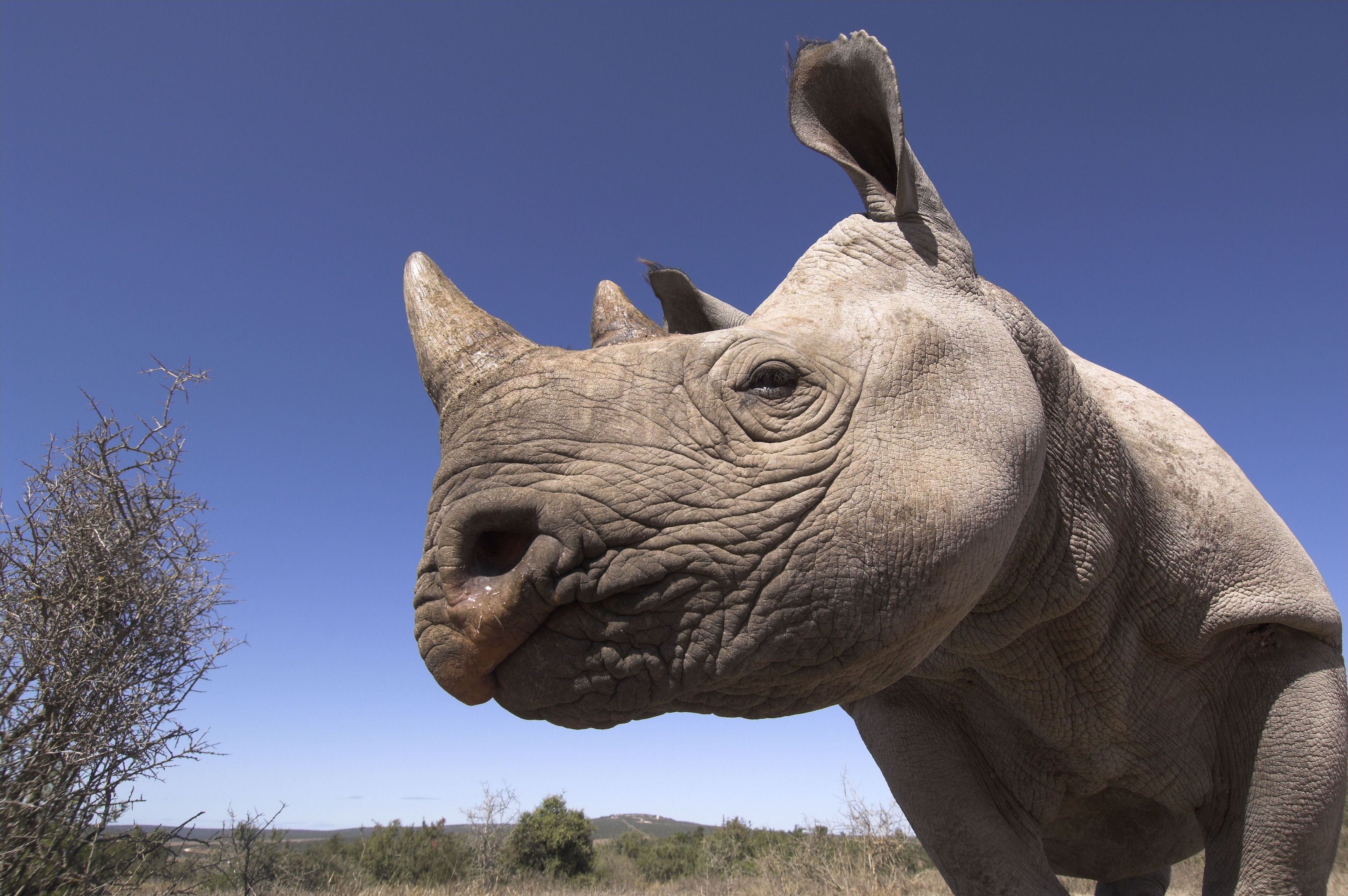
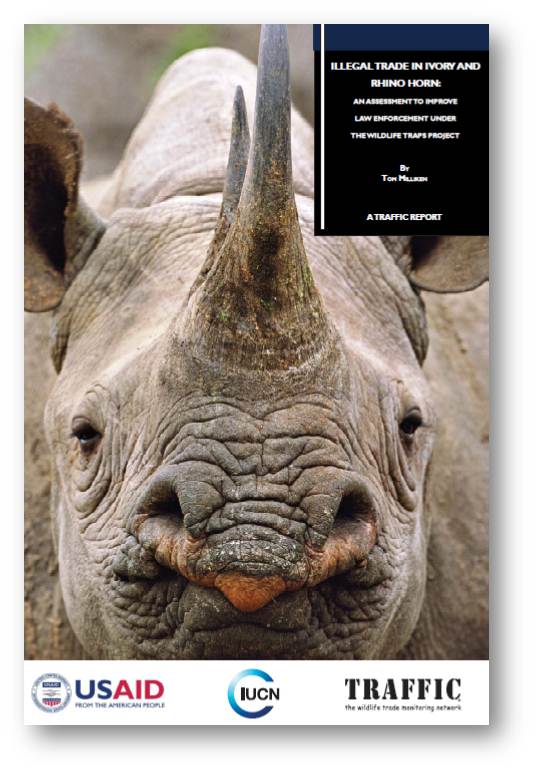
RhinoA new report released by the U.S. Agency for International Development (USAID) partner TRAFFIC reveals that illegal rhino horn trade has reached the highest levels since the early 1990s, and illegal trade in ivory increased by nearly 300 percent from 1998 to 2011.

The report, Illegal trade in ivory and rhino horn: an assessment to improve law enforcement, is a key step to achieving USAID’s vision to adapt and deploy a range of development tools and interventions to significantly reduce illegal wildlife trafficking, USAID said in a September 22 press release. The report was prepared by the wildlife monitoring network TRAFFIC in partnership with USAID. The assessment uses robust analysis to identify capacity gaps and key intervention points in countries combating wildlife trafficking.

Seizure data indicate that “the fundamental trade dynamic now lies between Africa and Asia,” according to the report. In China and Thailand, elephant ivory is fashioned into jewellery and carved into other decorative items, while wealthy consumers in Vietnam use rhino horn as a drug that they mistakenly believe cures hangovers and detoxifies the body.

Rhinos and elephants are under serious poaching pressure throughout Africa, with even previously safe populations collapsing. Central Africa’s forest elephants have been reduced by an estimated 76 percent over the past 12 years, while in Tanzania’s Selous Game Reserve elephant numbers have fallen from 70,000 in 2007 to only 13,000 by late 2013. A record 1,004 rhinos were poached in 2013 in South Africa alone, a stark contrast to the 13 animals poached there in 2007 before the latest crisis began.

Record quantities of ivory were seized worldwide between 2011 and 2013, with an alarming increase in the frequency of large-scale ivory seizures (500 kg or more) since 2000. Preliminary data already show more large-scale ivory seizures in 2013 than in the previous 25 years. Although incomplete, 2013 raw data already represent the greatest quantity of ivory in these seizures in more than 25 years.

Both rhino horn and ivory trafficking are believed to function as Asian-run, African-based operations, with the syndicates increasingly relying on sophisticated technology to run their operations. In order to disrupt and apprehend the individuals behind them, the global response needs to be equally sophisticated, USAID said.

“There’s no single solution to addressing the poaching crisis in Africa, and while the criminals master-minding and profiting from the trafficking have gotten smarter, so too must enforcement agencies, who need to improve collaborative efforts in order to disrupt the criminal syndicates involved in this illicit trade,” says Nick Ahlers, the leader of the Wildlife Trafficking, Response, Assessment and Priority Setting (Wildlife-TRAPS) Project.

The USAID-funded Wildlife-TRAPS Project seeks to transform the level of cooperation among those affected by illegal wildlife trade between Africa and Asia.

Rhino horn is often smuggled by air, using international airports as transit points between source countries in Africa and demand countries in Asia. Since 2009, the majority of ivory shipments have involved African seaports, increasingly coming out of East Africa. As fewer than 5 percent of export containers are examined in seaports, wildlife law enforcement relies greatly on gathering and acting on intelligence to detect illegal ivory shipments.

The report recommends further developing coordinated, specialized intelligence units to disrupt organized criminal networks by identifying key individuals and financial flows and making more high-level arrests. Also critically important are improved training, law enforcement technology, and monitoring judiciary processes at key locations in Africa and Asia.

The full text of the report (PDF, 1.6MB) is available on the USAID website. Source: USAID

Kenya Blows Up Heroin Ship

BwNodecCIAAquJ4Kenya Defense Forces have destroyed a ship laden with heroin worth $11.3 million off the coast of Mombasa. The act is a message that the Port of Mombasa will no longer be a passage for the importation of illicit drugs, says the Head of State.

A reported 370 kilograms of heroin were blown up together with the stateless Al Noor ship on Friday in an operation witnessed by President Uhuru Kenyatta from a military helicopter overflying the Indian Ocean.

The vessel was mounted with explosives which were detonated some 16 nautical miles south of the coastal town of Mombasa, where it then sunk to the seabed.

A Mombasa High Court judge had earlier issued an order stopping the destruction of ship. A local lawyer had made a submission to stop the ship’s obliteration on behalf of his client, who was not named in court. However, presidential orders seemed to trump the court order.

Additionally, nine foreigners have been charged with trafficking the heroin at the Mombasa High Court. The drugs were seized from the 1,800 liters of the ship’s diesel reservoir on July 15 where they were concealed when it was intercepted off the Kenyan coast in Lamu by Kenya navy officers. Source: The Star (Kenya)

Related article

Kenya Charges Foreigners Over Maritime Drug Smuggling

Kenya Heroin Seizure [www.maritime-executive.com]

Kenya Heroin Seizure [www.maritime-executive.com]

Nine foreign nationals were charged in a Kenyan court with trafficking the biggest ever single seizure of drugs at the Indian Ocean port of Mombasa.

There has been a surge in the volume of heroin trafficked through east Africa in recent years, the U.N. Office on Drugs and Crime says, with east Africa’s biggest port of Mombasa cited as a transit point for narcotics and other contraband.

The suspects, who included six Pakistanis, two Indians and an Iranian, denied trafficking the heroin and were detained until November when their trial will begin.

Prosecutors told the court on Thursday that the 377.2 kg drug haul had a market value of 1.1 billion shillings ($12.54 million). Police also found 33,200 liters of liquid heroin whose value is yet to be established.

If convicted, the suspects face life imprisonment or a fine worth three times the value of the heroin, or both, a Mombasa-based lawyer told Reuters. The drug is typically transported from Pakistan and Iran to east Africa, known for its porous borders and weak maritime surveillance, and onwards to Europe.

They accused were arrested in Kenyan territorial waters in early July on board MV Bushehr Amin Darya, a stateless vessel, which was towed into the port of Mombasa, and police found the heroin hidden in the ship’s diesel tank.

Kenyan police said they were communicating with India, Pakistan and Iran to find the owners of the vessel, which they said was headed for Mombasa at the time it was intercepted.

An Australian warship seized a dhow in Kenyan waters with more than a tonne of heroin worth $268 million in April. Source: Reuters

South Africa ‘Still Weighing Up’ Rhino Horn Trade Proposal

Desert black rhinoceros, South Africa [Picture credit: africagreenmedia.co.za

Desert black rhinoceros, South Africa [Picture credit: africagreenmedia.co.za

South Africa has made no final proposal on legalising the global rhino horn trade as a way of reducing the level of rhino poaching in the country, the Department of Environmental Affairs said on Friday, rebutting recent media reports on the issue.

Last year, the Cabinet authorised the department to explore the possible legalisation of the rhino horn trade at the 17th conference of the parties (COP) to the Convention on International Trade in Endangered Species of Wild Fauna and Flora (CITES), which takes place in 2016.

However, the department said, “no final proposal has been compiled, or decision made, regarding the future legal trade in rhino horn as an additional intervention to reduce the levels of poaching”.

The department said it had appointed a panel of experts, chaired by the department’s Fundisile Mketeni, to assist the inter-ministerial committee tasked by the Cabinet with weighing up a proposal on the trade in rhino horn.

The panel had started its work and would, in the coming months, listen to all sides of the trade debate before submitting a set of recommendations to the committee.

South Africa’s proposal would be tabled at CITES in 2016, and would be based on sound research, uninfluenced by any individuals or groups seeking to make a profit or by any group opposed to the country’s sustainable usage policies, the department said.

“South Africa believes that the decision to table a proposal at the next CITES COP is timeous, and may be a step towards addressing the scourge. South Africa is however not in any way insinuating that the possible trade in rhino horns would be a panacea to the problem of poaching.”

South Africa, which is home to more than 80% of the world’s rhino population, has been facing an onslaught from poaching syndicates since 2008. Since the start of this year alone, 442 rhinos have been poached and 123 suspected poachers arrested in the country.

The department has taken a number of steps in response, including increasing the numbers of rangers in its parks, as well as improving regional and international collaboration with both rhino “range” and rhino horn “consumer” countries. Source: SAnews.gov.za

DTI Destroys ‘Unsafe’ Goods Worth R8 Million

NRCSMore than 300 000 of non-complying products valued at R8-million were destroyed at the third destruction of goods function conducted today in Born Accord, Pretoria. The goods were seized during the National Regulator for Compulsory Specifications (NCRS) raids and a significant percentage of the products were also intercepted at the ports of entry including sea ports and inland ports.

Addressing stakeholders at the event, the Minister of Trade and Industry, Dr Rob Davies said it was crucial to have technical regulations and compulsory specifications for goods in order to prevent sub-standard, unsafe, and harmful products into the South African market.

“The goods are not only destroyed to defend our consumers against sub-standard products, but also the South African producers against unfair competition from those who either produce the same products or more typically import from all sort of borders,’” he said.

Minister Davies mentioned the recent six weeks blitz conducted by NCRS in Cape Town, Durban and City Deep were 0.25% of all containers entering the country were inspected and close to R8-million worth of non-compliant products were detected.

Davies said to date, approximately R153-million worth of non-compliant and unsafe products were seized and removed from the market.

“As government, we are therefore committed to locking out non-compliant products especially since most of these products are being sold to poor people who often do not yet have access to the necessary information on safety standards and their rights in this regard,” added Davies.

Davies urged stakeholders to work together with the NCRS and the National Consumer Commission to ensure the safety of consumers and also to protect jobs.

The non-complying products which were destroyed range from steam irons, plugs, respirators, adaptors, paraffin stoves, swimming aids, chemicals, compact fluorescent lamps, incandescent lamps for vehicles, circuit breakers, adaptors, power supply, cell phone chargers, paraffin stoves, plastic carriers, digital photo frames, television sets, electric kettles, hair clippers, motor cycle helmets, child restraints, tryes, seals, microphones, DVD players, extension cords to massagers. Source: DTI and NRCS

E-Thread Provides Discrete Anti-Counterfeiting or Tracking Solutions

The E-Thread tag, shown here embedded in a spool of thread (RFID Journal)

The E-Thread tag, shown here embedded in a spool of thread (RFID Journal)

Several industrial linen companies in the United Kingdom and France are testing a new RFID tag that is literally woven into a textile or fabric product. The E-Thread, developed by French startup Primo1D, consists of an EPC ultrahigh-frequency (UHF) RFID chip connected to two 10-centimeter-long (4-inch-long) antennas—extending from opposite sides of the chip—integrated into a thread (which could be made from polyester, cotton, wool or plastic) that is then woven into garments, linens, luxury items or industrial products. Because the thread is nearly impossible to visually identify as an RFID tag, the company claims, it cannot be located and removed or disabled by counterfeiters or thieves, and its durability enables the tag to last as long as the textile into which it is woven.

The E-Thread technology—for which there are 20 patents pending—is available in three versions: one with a wired sensor to track such things as temperature or motion, one with a light-emitting diode (LED) built into it, and a third with an EPC UHF passive RFID chip and antenna to store and transmit data when interrogated. The LED version is intended for cosmetic purposes; when sewn into a garment, a car-seat cover or some other object, it could illuminate when wired to a power source. The sensor-based thread could be used in an athlete’s uniform to track his or her condition, but would also require a power source, such as a battery, to operate. To record that data, however, the sensor would need to be connected to some sort of data logger or computing device.

The RFID-enabled version is initially being tested by several companies that manage and launder linens and other textile products used by hospitals and hotels. Pilots of the RFID E-Thread are slated to continue for the next six months, allowing Primo1D the opportunity to make any necessary improvements before full-scale manufacturing and commercially releasing the product during the fourth quarter of 2015. The linen manufacturers undertaking the pilots are reading the tags built into threads in a variety of products, such as bedding or table cloths, and are putting those items through industrial laundry processes, as well as periodically reading the E-Threads, to test their durability.

The E-Thread provides an alternative to other RFID labels that must be sewn onto or adhered to a piece of fabric or garment. The shortcoming of RFID labels, he notes, is that counterfeiters or thieves can see them and thus remove them from products. In addition, store personnel often remove them once a product is sold. When it comes to high-value luxury apparel, the concern of retailers and brands is that an RFID label will be removed from a product, attached to a counterfeit version of that product, and then returned to the supply chain for sale in stores. With the E-Thread solution, a counterfeiter would not know the location of the RFID chip and antenna, and would thus be unable to place them on a counterfeit product. Potential thieves would not be able to find the E-Thread either, he adds—since it cannot be seen—and, therefore, would be unable to disable the tags in a store or other location with the intention of passing them through a reader undetected.

For those in the industrial laundry market, such as linens manufacturers and those using the linens, the thread is more secure than a label (which could be torn or knocked loose during the laundering process). The thread can be included in the fabric at the point of manufacture, thereby saving the step of sewing labels onto items.

The E-Thread RFID tag works with any standard UHF RFID reader, and can typically be interrogated at a range of up to 7 meters. In the case of laundry management, a company could receive bags of soiled linens from a customer renting its products, and could then transport the bags through a reader portal. Rather than opening every bag and then sorting through and visually accounting for each item contained within, users could simply create an electronic record of all goods received. For linen sorting, users would want to put each garment through a tunnel reader in order to identify it, one tag at a time, perhaps by placing items on a conveyor that passes through that tunnel. In that way, they could separate items based on type, or according to the particular customer using them.

The E-Thread will cost more than a standard UHF label, but will offer the feature of being discrete, thereby providing anti-counterfeiting capability and other functionality that standard labels cannot offer. Because the E-Thread is designed to be rugged enough for industrial washing, it is also expected to outlast the lifespan of the product into which it is sewn. With that in mind, the E-Thread tag could be read at the time of a product’s disposal, enabling a company to access data regarding how that item could be recycled.

The E-Thread will be sold in the form of a spool of thread, with the RFID tag built directly into the thread material. The thread’s length and the quantity of RFID tags embedded in a single piece of thread would vary, depending on a user’s requirements. Source: Rfid Journal

EU Gets Tough on Counterfeit Goods

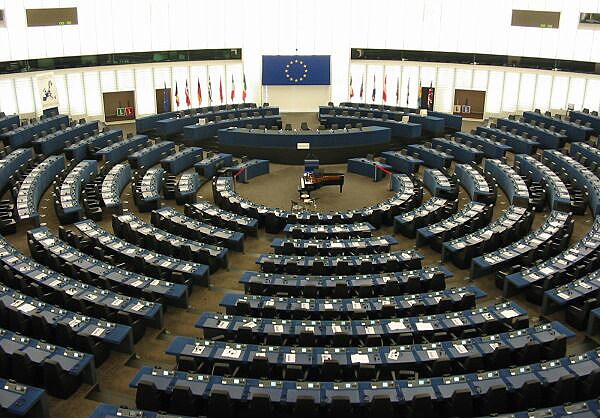
European Parliament By Cédric Puisney (via Wikipedia)

European Parliament
By Cédric Puisney
(via Wikipedia)

On 25 February 2014 the European Parliament gave its approval to the Proposal for a Directive of the Parliament and of the Council to approximate the laws of the Member States relating to trade marks (recast).

The interesting new provisions contained in the proposal include certain measures which numerous organizations and enterprises across a broad range of sectors have long been calling for, in that they are intended to put an end to the freedom of transit of counterfeit goods through the customs territory of the EU even when those goods are destined for a country outside the Union. The measures approved in this regard are, specifically, the following:

  1. The holder of the trademark right may prevent goods coming from third countries and bearing a counterfeit trademark from entering EU territory.
  2. The holder of the right may take appropriate legal steps and actions against counterfeit goods. These include the right to request national customs authorities to implement measures to detain and destroy such goods under the new customs Regulation (EU) No. 608/2013.
  3. The holder of the right may also prevent the entry into the EU of small consignments of counterfeit goods, particularly in the context of sales over the Internet.

A small consignment is defined in Regulation (EU) No. 608/2013 as a postal or express courier consignment containing three units at most or having a gross weight of less than 2 kg.

Parliament proposes that in these cases the individuals or entities who ordered the goods should be notified of the reason why the measures have been taken and similarly be informed of their legal rights vis-à-vis the consignor.

The provisions thus approved in connection with small consignments follow on from the recent judgment of the Court of Justice in case C-98/13, published on 6 February 2014, in which it was held that, even where the sale of goods for own use had taken place through a website in a non-member country, the holder of the intellectual property right could not be deprived of the protection afforded by the customs regulation and the consequent power to prevent those goods from entering the European market, without there being any need first to ascertain whether the goods had previously been the subject of an offer for sale or advertising targeting European consumers.

In conclusion, the European Parliament has taken a great step forward in the fight against counterfeiting on all fronts and not just inside its territory. Source: ELZABURU

2 Rhinos and 30 Elephants Poached Every Day

With record levels of global ivory seizures in 2013, mostly in ports, a new Interpol report highlights the need for greater information sharing to enable a more proactive and effective law enforcement response against trafficking syndicates.

Large-scale ivory shipments – each one representing the slaughter of hundreds of elephants – point to the involvement of organized crime networks operating across multiple countries. Head of Interpol’s Environmental Security unit, David Higgins, said while there was a global recognition of the problems of elephant poaching and ivory smuggling, a more integrated approach was needed for a more effective response.

“Ivory seizures are clearly an important step in stopping this illicit trade, but this is just one part of a much bigger picture,” said Higgins. “If we are to target those individuals behind the killing of thousands of elephants every year, who are making millions at the cost of our wildlife with comparatively little risk, then we must address each and every stage of this criminal activity in a cohesive manner.

The report ‘Elephant Poaching and Ivory Trafficking in East Africa – Assessment for an effective law enforcement response’ was launched at the Canadian High Commissioner’s Residence in Nairobi, Kenya.

While poaching in Kenya has reduced due to more pressure by security agents on poachers, the country is being used as a transit route with the port of Mombasa becoming a favorite for poachers. The ivory is packaged in shipping containers for transport to the port, and interception of the majority of ivory has occurred in maritime ports with the loot hidden in shipment containers usually concealed by other lawful goods.

Uganda though a landlocked country is becoming a transit route for the ivory, mostly from Tanzania. Tanzania was the leading source of illegal ivory in the East African region last year. At the same time, the port of Mombasa accounted for the largest volume of seizures in Africa with a total of over 10 tonnes of illegal ivory intercepted between January and October 2013.

Approximately 30 elephants are killed in Tanzania daily amounting to more than 10,000 animals annually. An estimated 22,000 elephants were killed illegally continent wide in 2012.

Tanzania’s elephant population has continued to plummet in recent years and in Selous Game reserve which boasted the world second largest elephant population at 70,000 elephants in 2006, the numbers have fallen to an estimated 39,000 elephants in 2009 and currently stand at 13,084 elephants.

There is global concern about the problem. The Illegal Wildlife Trade Conference, held in London this month, agreed key actions to stamp out the illegal wildlife trade. During the conference, chaired by Foreign Secretary William Hague and attended by the Prince of Wales, the Duke of Cambridge and Prince Harry, world leaders from over forty nations vowed to help save iconic species from the brink of extinction.

The London Declaration contains commitments for practical steps to end the illegal trade in rhino horn, tiger parts and elephant tusks that fuels criminal activity worth over $19 billion each year.

Key states, including Botswana, Chad, China, Gabon, Ethiopia, Indonesia, Tanzania, and Vietnam, along with the US and Russia, have signed up to actions that will help eradicate the demand for wildlife products, strengthen law enforcement, and support the development of sustainable livelihoods for communities affected by wildlife crime. Continue reading →

Death by China

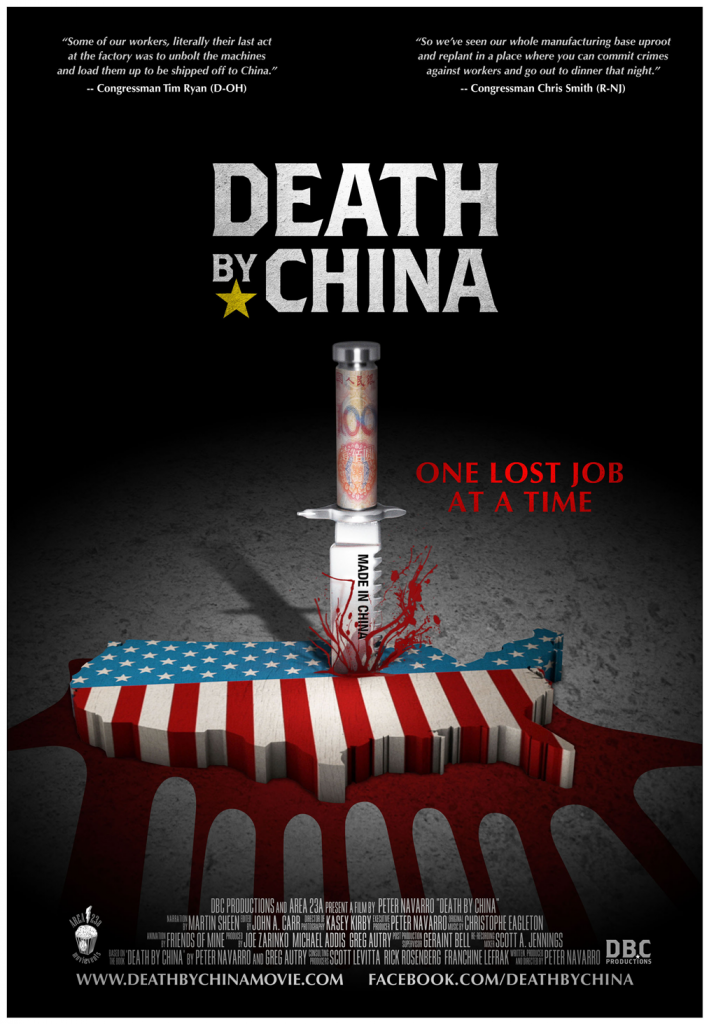
DeathByChina1013x1463-709x1024The featured documentary should be mandatory viewing for all small to medium company owners, economic and foreign trade advisers. While we are inclined to blame the Chinese for all prevailing economic woes, it is in fact the blatant greed of western CEO’s – multinational companies in particular – who have placed profit above prosperity of their country. The film clearly spells out the causes for the systematic destruction of the american economy and manufacturing base, all for the sake of shareholders and outrageous CEO bonuses. The rampant expansion of China in Africa should raise serious concerns for all sub-Saharan African citizens whose elected leaders appear happy, but oblivious, in courting the Chinese with little or no consideration of the realities of their economic and human rights track record.

DEATH BY CHINA is a documentary feature that pointedly confronts the most urgent problem facing America today – its increasingly destructive economic trade relationship with a rapidly rising China. Since China began flooding U.S. markets with illegally subsidized products in 2001, over 50,000 American factories have disappeared, more than 25 million Americans can’t find a decent job, and America now owes more than 3 trillion dollars to the world’s largest totalitarian nation. Through compelling interviews with voices across the political spectrum, DEATH BY CHINA exposes that the U.S.-China relationship is broken and must be fixed if the world is going to be a place of peace and prosperity. Visit – www.deathbychina.com for details on acquiring this powerful documentary.

“A truly life-changing, mouth-dropping documentary film…Peter Navarro’s ‘Death by China’ grabs you by the throat and never lets go.” Francesca McCaffery, Blackbook Magazine

Operation “Warehouse” – Joint Customs Operation prevents losses to the EU States

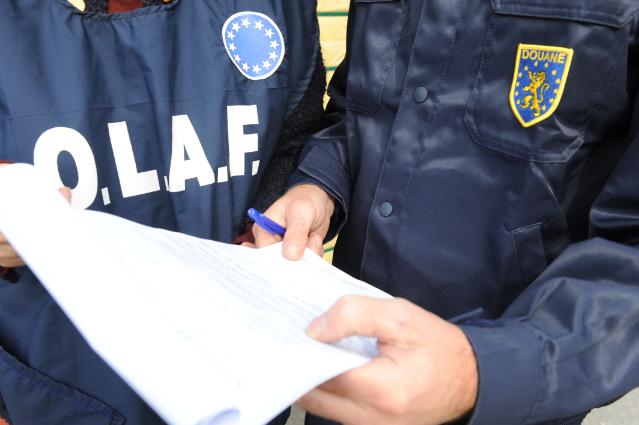
OLAFAlmost 45 million smuggled cigarettes, nearly 140.000 litres of diesel fuel and about 14.000 litres of vodka were seized during a major Joint Customs Operation (JCO). The Operation code-named “Warehouse” was carried-out in October 2013 by the Lithuanian Customs Service and the Lithuanian Tax Inspectorate in close cooperation with the European Anti-Fraud Office (OLAF), and with the participation of all 28 EU member states. As a result of Operation “Warehouse”, a significant potential loss to the budgets of the European Union and its Member States was prevented. According to preliminary estimates, this would have amounted to about € 9 million in the form of evaded customs duties and taxes. The final results of the Operation were discussed by the participants last week at a debriefing meeting in Vilnius and were made public today across Europe.

Algirdas Šemeta, Commissioner for taxation, customs, anti-fraud and audit, welcomed the very good results of the operation. “The fight against the smuggling of excise goods is one of our political priorities and we have launched a number of initiatives to better equip Europe against such harmful practices being run by organised criminal networks. JCO Warehouse is a good example of how the EU and Member States’ authorities can cooperate effectively to protect their revenue. Joint Customs Operations safeguard the EU’s financial interests and also protect our citizens and legitimate businesses”, he said. “Such Operations also highlight the added-value of OLAF in helping facilitate the exchange of information between our partners across Europe and in providing effective operational support.”

Operation “Warehouse” focused on cargo movement by road transport. It targeted the smuggling and other forms of illegal trade of excise goods such as mineral oil, tobacco products and alcohol throughout Europe. By using several complex scenarios in multiple EU Member States, fraudsters lawfully import goods into the EU but request a VAT and excise exemption by declaring the goods as subject to tax and duty exemption regimes (e.g. declaring the goods to be in transit). The trace of the goods is then lost through the fictitious disappearance of the traders or through a fictitious export. Fraudsters avoid paying VAT and excise duties, but the goods remain in the internal market, causing a substantial loss to the EU’s and Member States’ revenues.

JCO “Warehouse” was the first Operation carried-out in close cooperation with tax authorities to target excise and VAT fraud specifically, besides customs fraud. For the first time, customs and tax authorities cooperated on a European scale in a JCO. This is a significant achievement since the different competences and legal regimes applicable at national and EU level make it difficult to address complex fraud schemes with uniform measures. In this Operation, customs and tax authorities joined their expertise, resources and shared intelligence to prevent losses to the EU’s and Member States’ budget.

Eight seizures were made during the Operation. Among these, authorities seized 6.617.400 cigarettes in Sweden and Lithuania; 135.831 litres of diesel in Poland and the United Kingdom, and 14.025,6 litres of vodka in United Kingdom alone. Overall, 44.957.160 cigarettes were seized.

During the entire Operation “Warehouse”, OLAF provided organisational, logistical, financial and technical support to allow for an exchange of information and intelligence in real-time. This was coordinated from the Physical Operational Coordination Unit (P-OCU) at the OLAF premises in Brussels which facilitated direct communication with the national contact points. A group of liaison officers from some Member States representing all the participating 28 EU countries, worked from here during the Operation and experts from the Commission’s Directorate-General for Taxation and Customs Union provided support.

EUROPOL participated as an observer in the Operation. A representative of the office was present at the P-OCU during the operational phase of the operation. It was also possible to make direct cross-checks of suspect individuals and companies appearing during the JCO with EUROPOL via a secure internet connection. Source: EU Commission

UN launches global campaign targeting the criminal counterfeit trade

UNODC Anti-Counterfeit ImageThe World Customs Organization (WCO) welcomes the new global campaign launched by the United Nations (UN), under the auspices of the UN Office on Drugs and Crime (UNODC), to raise awareness among consumers on the dangers of counterfeit goods and their link to organized crime.

The campaign – ‘Counterfeit: Don’t buy into organized crime’ – is centred around a Public Service Announcement, entitled ‘Look Behind(click hyperlink to view), which will be shown on the NASDAQ screen in New York’s Times Square and will be aired on several international television stations, starting from 14 January.

With the aim of urging consumers to consider who and what lie behind the production of counterfeit goods, the campaign is a bid to boost understanding of the multi-faceted repercussions of this illicit trade, which according to the UNODC is worth 250 billion US dollars a year.

UNODC Executive Director, Yury Fedotov, noted that, “In comparison to other crimes such as drug trafficking, the production and distribution of counterfeit goods present a low-risk/high-profit opportunity for criminals.”

Fedotov further noted that, “Counterfeiting feeds money laundering activities and encourages corruption, and there is also evidence of some involvement or overlap with drug trafficking and other serious crimes.”

Counterfeiting is a crime that affects us all, from exploited labour being used to produce counterfeits, through to the harmful and potentially deadly dangers attached to these goods, and the links that these illicit goods have in potentially funding cross-border criminal and organized crime activities.

“With a long history of fighting counterfeiting and piracy at the national, regional and international level, the global Customs community is ready to support its United Nations partners in their efforts to raise awareness about this illicit trade activity,” said WCO Secretary General, Kunio Mikuriya.

Mikuriya further stressed that, “The WCO is firmly committed to countering the relentless attack on consumers by criminals involved in counterfeiting, as their illicit and even dangerous goods which are flooding markets across the globe pose a huge risk to public health and safety.”

Fraudulent medicines also present a serious health risk to consumers, as criminal activity in this area is big business, with the UNODC reporting that the sale of fraudulent medicines from East Asia and the Pacific to South-East Asia and Africa alone amounts to some 5 billion US dollars per year.

Criminals use similar routes and modi operandi to move counterfeit goods as they do to smuggle illicit drugs, firearms and people; in 2013, the joint UNODC/WCO Container Control Programme detected counterfeit goods in more than one-third of all seized maritime containers.

The WCO expends enormous resources on combating the counterfeit trade using a variety of means, including the organization of global enforcement operations and the introduction of IPM, a WCO tool which promotes cooperation and the sharing of information between Customs and rights holders.

Of particular relevance to the campaign is the WCO’s theme for 2014 which highlights the importance of communication and the sharing of information for better cooperation, which is highly instrumental in the fight against counterfeits in tandem with the Organization’s public and private sector partners.

Concluding, Secretary General Mikuriya took the opportunity to commend the UNODC on its latest initiative, offered his full support for the UN campaign, and urged WCO Members and Customs’ stakeholders to continue raising awareness about the perils of buying and trading counterfeit goods. For more information visit the WCO Website. Source: WCO

Mugabe family linked to illicit SA cigarette trade

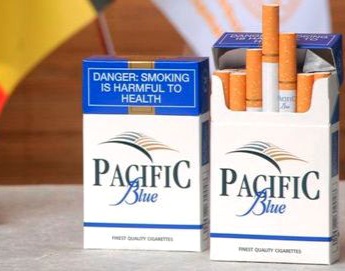
Pacific Blue_SnapseedRelatives of President Robert Mugabe are being linked to illegal tobacco smuggling networks suspected of bringing more than $48 million in contraband through South Africa’s borders, reports NewZimbabwe.com.

Harare-based Savanna Tobacco is owned by a prominent Zimbabwean businessman, Adam Molai, who is married to Sandra Mugabe, one of Mugabe’s nieces. Molai has previously worked with Sandra as co-director of the Zimbabwe Tobacco Growing Company. Savanna has allegedly moved tons of illegal tobacco into South Africa.

The company’s main brand, Pacific cigarettes, has been found in concealed consignments by police in South Africa and abroad, according to two private investigators who track tobacco busts and work for the industry to counter the trade in illicit tobacco. The products have been linked to a huge tobacco smuggling operation whose base in South Africa was shut down in 2010 by the South African Revenue Service (SARS), which is engaged in a crackdown on the country’s illegal tobacco markets.

Images taken at the scene of two busts in South Africa and one in Zimbabwe show the extent of the smuggling operation. SARS has refused to confirm or deny whether it is investigating Savanna, citing the confidentiality requirements of the Tax Administration Act.

The frequency of the busts, the methods used and the quantities of illegal Pacific cigarettes found have led sources close to the investigations to claim that Savanna has been centrally involved for at least four years. It also increases suspicions that Zimbabwe is using smuggling to keep its economy afloat. Mugabe has openly supported Savanna. A year ago, he accused rival British American Tobacco (BAT) of spying on Savanna and hijacking its trucks. “If this is what you are doing in order to kill competition and you do it in a bad way, somebody will answer for it,” Mugabe warned.

Boxes of cigarettes that can be made for as little as R1.50 are easy to slip into the local market to avoid the R13 tax a box. Whereas popular brands of cigarettes can retail at R35 a pack, illegal cigarettes sell for between R4 and R12 a pack. With margins approaching 1000%, the illicit trade has become one of the largest elements in organised crime in South Africa.

According to research commissioned by the Tobacco Institute of South Africa, which is predominantly funded by BAT, 9.5billion illegal cigarettes with a street value of about R4-billion were smoked locally last year.

Savanna has captured almost 10% of this market, according to the institute, with about 700 million of its illegal cigarettes smoked last year. Pacific’s illegal cigarettes are sold mostly on the streets of Cape Town.

In one of the biggest busts in October, 1.6million Pacific cigarettes were found hidden on a train in Plumtree. Pacific cigarettes have also been seized at the Beitbridge border post near Musina and in Boksburg, on the East Rand, during busts in November. Trucks were found carrying Pacific cigarettes in concealed compartments.

This month, a consignment of Pacific cigarettes was found hidden behind electronic goods on a truck in the Western Cape. Similar busts have been made in Mozambique and at a border post between Zambia and Namibia, according to private investigators.

Evidence from the Plumtree train bust showed that the smuggling route had its origin as Savanna’s factory in Zimbabwe and South Africa’s black market as its destination. In the Plumtree bust on October 12, Zimbabwean police confiscated 40 tons of illicit Pacific cigarettes that had come from Bulawayo. The train was said to be carrying gum poles.

Records reveal that between September 2012 and August 2013 at least 23 shipments with 44 wagons of “gum poles” had followed the same route. A number of these consignments appear to have arrived at the South African business PFC Integration. According to an investigator who has studied the operation, PFC is “not into the gum pole business at all”.


Drop in fake goods seized by EU Customs

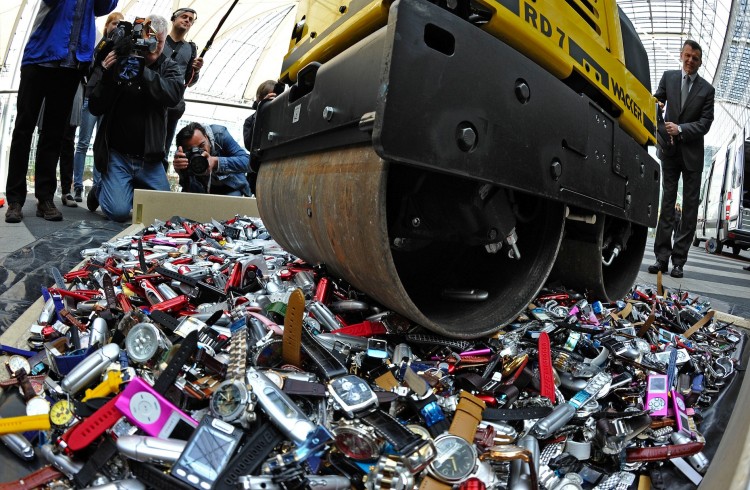
Fake goods being destroyed

Fake goods being destroyed

Customs in the European Union (EU) detained almost 40 million products in 2012, suspected of violating intellectual property rights (IPR), with an original goods retail value of just under €1 billion, according to an annual report published by the European Commission.

The previous year, close to 115 million ’fake’ items had been seized, worth more than €1.27 billion. However, the number of recorded cases for detained goods last year was down only slightly on 2011.
This is thought to be due to the strong growth in small shipments of counterfeit merchandise ordered via the Internet.

Globally, 30% of the goods seized were cigarettes followed by a miscellany of goods (11%), packaging materials (9%), clothing (8%), toys (4%) and perfumes and cosmetics (3%). The vast majority were destroyed.

In terms of the number of cases, most of the detained goods had been shipped by air, post and express, whereas maritime container transport was the main mode for the number of articles seized.

In over 92% of all cases, Customs action was triggered whilst the goods concerned were under an import procedure.

“Customs is the EU’s first line of defence against fake products which undermine legal businesses,” said Algirdas Šemeta, Commissioner for Taxation, Customs, Anti-fraud and Audit.

He stressed that the annual report illustrated “the intensity and importance of the work being done by Customs in this field. I will continue to push for even greater protection of intellectual property rights in Europe, through our work with international partners, the industry and Member States.”

China was by far the principal origin of the fake goods. However, other countries were the primary source for specific product categories. For example, Morocco for foodstuffs, Hong Kong for CD/DVDs and tobacco product accessories (electronic cigarettes and the liquid fillings for them), and Bulgaria for packaging materials. Source: EU Commission

Czech Customs Seize Rhino Horns

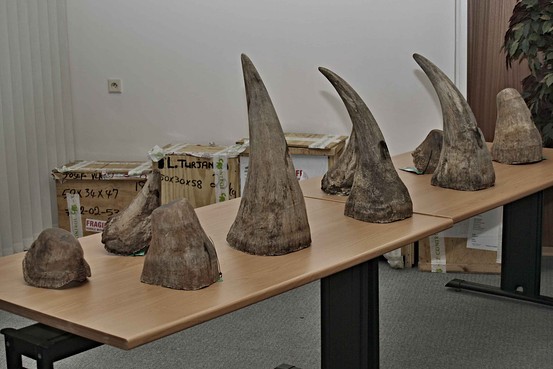
Rhino horns seized from smugglers by the Czech Customs Authority

Rhino horns seized from smugglers by the Czech Customs Authority

Czech customs agents seized 24 rhinoceros horns Tuesday and charged 16 people with bringing the prized material illegally from South Africa to sell it in Asia.

“Our investigation showed that the transport is organized by an international ring of smugglers who have used fake export permissions seemingly complying with (the Convention on International Trade in Endangered Species of Wild Fauna and Flora) to import the rhinoceros horns from the Republic of South Africa to the European Union,” said Jiri Bartak, spokesman for the Czech customs department.

The arrests follow an investigation by Czech and EU customs authorities begun in 2011. The gang was alleged to have planned re-exporting the horns as trophies, according to their fake documentation. Rhino horns are popular in parts of Asia where many believe they can cure various illnesses or work as an aphrodisiac.

South Africa is home to the world’s largest rhino population, estimated at about 20 000, though the large upsurge in poaching is threatening their existence. Rhino poaching is expected to reach record levels this year, according to South African officials.

Czech authorities estimate the value of the seized rhino horns at up to 100 million koruna ($5 million), Mr. Bartak said. The authorities said the ring employed people impersonating hunters to gain permission to ship horns acquired from African poachers to Europe and elsewhere. Czech customs didn’t release details of where the charged individuals came from or give their names. If convicted they face up to eight years in prison. Source: leos.rousek@wsj.com

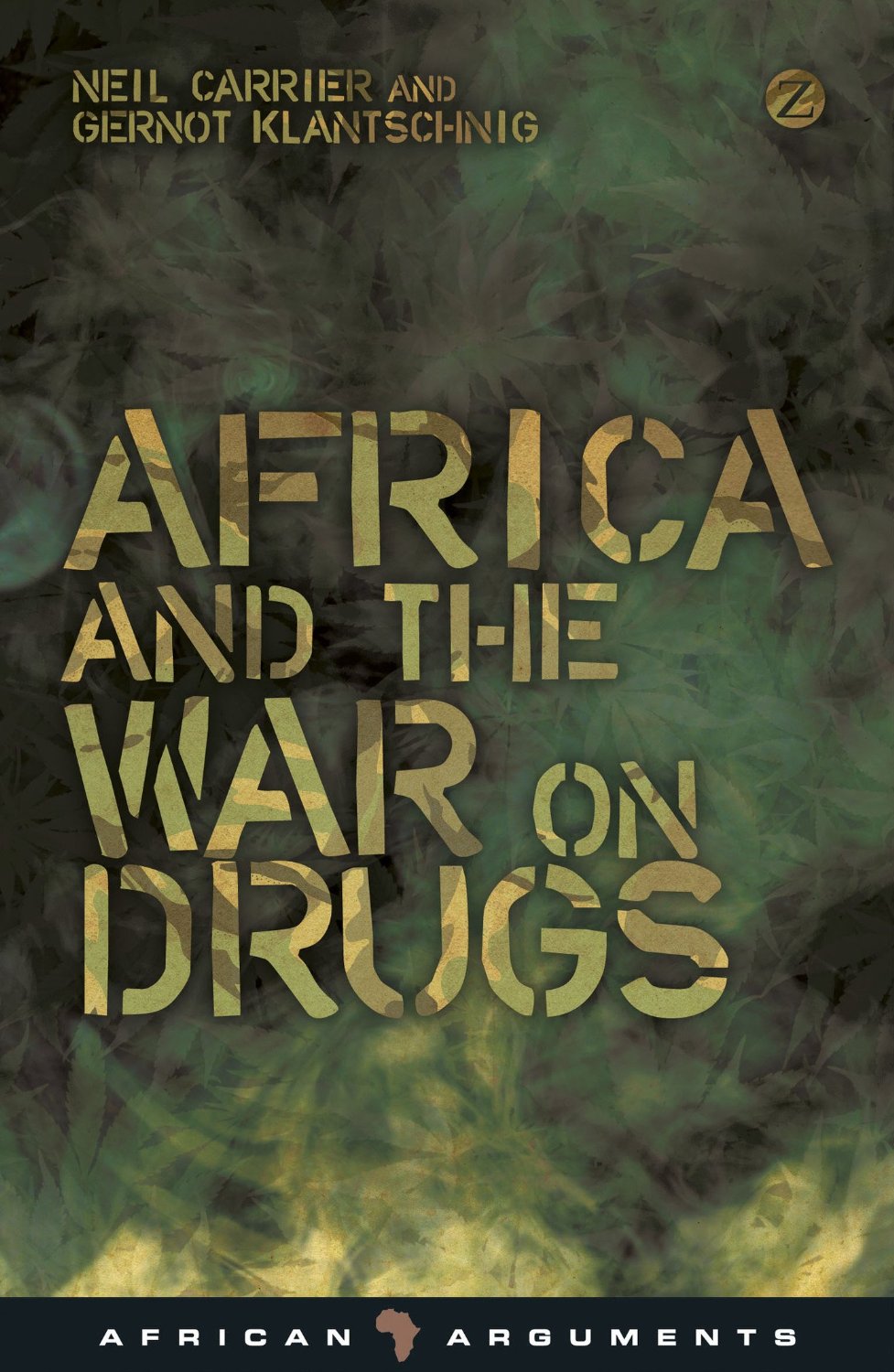
Africa and the War on Drugs

Co-authored by Neil Carrier - a researcher based at the African Studies Centre, Oxford and Gernot Klantschnig - a lecturer in International Studies at the University of Nottingham, Ningbo, China.

Co-authored by Neil Carrier – a researcher based at the African Studies Centre, Oxford and Gernot Klantschnig – a lecturer in International Studies at the University of Nottingham, Ningbo, China.

Given the much over-stated phrase ‘the war on drugs’, enforcement and security agents alike will find the following book of immense value, especially in that it provides a continental view of the problem in Africa. Nigerian drug lords in UK prisons, khat-chewing Somali pirates hijacking Western ships, crystal meth-smoking gangs controlling South Africa’s streets and the Bissau-Guinean state captured by narco-traffickers. These are some of the vivid images surrounding drugs in Africa which have alarmed policymakers, academics and the general public in recent years. In this revealing and original book, the authors weave these aspects into a provocative argument about Africa’s role in the global trade and control of drugs. In doing so, they show how foreign-inspired policies have failed to help African drug users who require medical support, while strengthening the role of corrupt and brutal law enforcement officers who are tasked with halting the export of heroin and cocaine to European and American consumer markets.

‘A fresh, ambitious, and critical survey of drug use and trafficking in Africa, where globalization has added cocaine, heroin, and methamphetamine to local staples like beer, khat, and cannabis. Carrier and Klantschnig explore the continent’s changing drug ecologies, the mixed implications for development, and policy responses that have ranged from more drug wars to state complicity in the traffic.’ David T. Courtwright, Presidential Professor,Department of History, University of North Florida

‘Reliable data on the use of drugs in Africa is notoriously hard to find, and this is a topic which tends to attract sensationalism and political opportunism rather than rational commentary and debate. In this readable and thorough book, Carrier and Klantschnig offer a calm and reasoned review of the existing evidence and develop an effective critique of the “war on drugs” approach. Picking apart many common assumptions about psycho-active substances in Africa, they effectively challenge the value of supply-side regulatory approaches and attempts at prohibition, and argue for policies based on harm-reduction. This book will be essential reading for anyone interested in drugs policy in Africa.’ Justin Willis, Durham University

Reviews: courtesy Amazon.com