Africa Under ‘Unprecedented’ Pressure from Rich Countries over Trade Facilitation Agreement

flags2African countries are coming under strong pressure from the United States and the European Union to reverse the decision adopted by their trade ministers to implement the World Trade Organization’s trade facilitation agreement on a “provisional” basis.

At last week’s summit of African Union leaders in Malabo, Equatorial Guinea, “there was unprecedented [U.S. and European Union] pressure and bulldozing to change the decision reached by the African trade ministers on April 27 in Addis Ababa, Ethiopia, to implement the trade facilitation (TF) agreement on a provisional basis under paragraph 47 of the Doha Declaration,” Ambassador Nelson Ndirangu, director for economics and external trade in the Kenyan Foreign Ministry, told IPS.

“This pressure comes only when the issues and interests of rich countries are involved but not when the concerns of the poorest countries are to be addressed,” Ambassador Ndirangu said.

“Clearly, there are double-standards,” the senior Kenyan trade official added, lamenting the pressure and arm-twisting that was applied on African countries for definitive implementation of the agreement.

The TF agreement was concluded at the WTO’s ninth ministerial conference in Bali, Indonesia, last year. It was taken out of the Doha Development Agenda as a low-hanging fruit ready for consummation. More importantly, the agreement was a payment to the United States and the European Union to return to the Doha negotiating table.

The ambitious TF agreement is aimed at harmonising customs rules and regulations as followed in the industrialised countries. It ensures unimpeded market access for companies such as Apple, General Electric, Caterpillar, Pfizer, Samsung, Sony, Ericsson, Nokia, Hyundai, Toyota and Lenovo in developing and poor countries.

Former WTO Director-General Pascal Lamy has suggested that the TF agreement would reduce tariffs by 10 percent in the poorest countries.

In return for the agreement, developing and least-developed countries were promised several best endeavour outcomes in the Bali package on agriculture and development.

They include general services (such as land rehabilitation, soil conservation and resource management, drought management and flood control), public stockholding for food security, an understanding on tariff rate quota administration, export subsidies, and phasing out of trade-distorting cotton subsidies (provided largely by the United States) in agriculture.

The non-binding developmental outcomes include preferential rules of origin for the export of industrial goods by the poorest countries, a special waiver to help services suppliers in the poorest countries, duty-free and quota-free market access for least developed countries (LDCs), and a monitoring mechanism for special and differential treatment flexibilities.

African countries were unhappy with the Bali package because they said it lacked balance and was tilted heavily in favour of the TF agreement forced by the industrialised countries on the poor nations.

The Bali outcomes, said African Union Trade Commissioner Fatima Acyl, “were not the most optimal decisions in terms of African interests … We have to reflect and learn from the lessons of Bali on how we can ensure that our interests and priorities are adequately addressed in the post-Bali negotiations.”

The African ministers in Malabo directed their negotiators to propose language on the Protocol of Amendment – the legal instrument that will bring the TF agreement into force at the WTO – that the TF agreement will be provisionally implemented and in completion of the entire Doha Round of negotiation.

African countries justify their proposal on the basis of paragraph 47 of the Doha Declaration which enables WTO members to implement agreement either on a provisional or definitive basis.

The African position on the TF agreement was not acceptable to the rich countries. In a furious response, the industrialised countries adopted a belligerent approach involving threats to terminate preferential access.

The United States, for example, threatened African countries that it would terminate the preferential access provided under the Africa Growth Opportunities Act (AGOA) programme if they did not reverse their decision on the TF, said a senior African trade official from Southern Africa.

The WTO has also joined the wave of protests launched by the industrialised countries against the African decision for deciding to implement the TF on a provisional basis. “I am aware that there are concerns about actions on the part of some delegations [African countries] which could compromise what was negotiated in Bali last December,” WTO Director-General Roberto Azevedo said, at a meeting of the informal trade negotiations committee on June 25.

The African decision, according to Azevedo, “would not only compromise the Trade Facilitation Agreement – including the technical assistance element. All of the Bali decisions – every single one of them – would be compromised,” he said.

The United States agreed with Azevedo’s assessment of the potential danger of unravelling the TF agreement, and the European Union’s trade envoy to the WTO, Ambassador Angelos Pangratis, said that “the credibility of the negotiating function of this organisation is once again at stake” because of the African decision.

The United States and the European Union stepped up their pressure by sending security officials to Malabo to oversee the debate, said another African official. He called it an “unprecedented power game rarely witnessed at an African heads of nations meeting.”

In the face of the strong-arm tactics, several African countries such as Nigeria and Mauritius refused to join the ministerial consensus to implement the TF agreement on a provisional basis. Several other African countries subsequently retracted their support for the declaration agreed to in April.

In a nutshell, African Union leaders were forced to change their course by adopting a new decision which “reaffirms commitment to the Doha Development Agenda and to its rapid completion in accordance with its development objectives.”

The African Union “also reaffirms its commitment to all the decisions the Ministers took in Bali which are an important stepping stone towards the conclusion of the Doha Round … To this end, leaders acknowledge that the Trade Facilitation Agreement is an integral part of the process.”

Regarding capacity-building assistance to developing countries to help them implement the binding TF commitments, African Union countries still want to see up-front delivery of assistance. The new decision states that African Union leaders “reiterate in this regard that assistance and support for capacity-building should be provided as envisaged in the Trade Facilitation Agreement in a predictable manner so as to enable African economies to acquire the necessary capacity for the implementation of the agreement.”

The decision taken by the African leaders is clearly aimed at implementing the TF decision, but there is no clarity yet on how to implement the decision, said Ndirangu. “We never said we will not implement the TF agreement but we don’t know how to implement this agreement,” he added.

In an attempt to ensure that the rich countries do not walk away with their prized jewel in the Doha crown by not addressing the remaining developmental issues, several countries – South Africa, India, Uganda, Tanzania, Solomon Islands and Zimbabwe – demanded Wednesday that there has to be a clear linkage between the implementation of the TF agreement and the rest of the Doha Development Agenda on the basis of the Single Undertaking, which stipulates that nothing is agreed until everything is agreed!

More than 180 days after the Bali meeting, there is no measurable progress on the issues raised by the poor countries. But the TF agreement is on course for final implementation by the end of 2015. Source: Inter Press Service


1st WCO East and Southern Africa Regional Research Conference held in Harare

WCOThe first World Customs Organization (WCO) East and Southern Africa (ESA) Research Conference took place in Harare, Zimbabwe on 4-5 June 2014. The event was organized by the WCO ESA Regional Office for Capacity Building (ROCB) and hosted by the Zimbabwe Revenue Authority. The United Kingdom’s Department for International Development (DFID) provided funding.

Opening remarks were delivered by Ms. Christine Msemburi, the Executive Director for the WCO ESA ROCB in Nairobi, Kenya; Mrs. Anna Mutobodzi, the Acting Commissioner General of the Zimbabwe Revenue Authority; Mr. Happias Kuzvinzwathe, Customs Commissioner of the Zimbabwe Revenue Authority; Mr. Robert Ireland, the Head of the WCO Research Unit in Brussels, Belgium; and Professor C. Hope Sadza, Founder and Founding Vice Chancellor of the Women’s University of Africa.

Following their selection in response to a Call for Papers, eight research papers were presented at the conference by representatives of Customs administrations, the private sector, and academia from the ESA region. The research focused on topics linked to trade facilitation, including information and communications technology (ICT), risk management, transit systems, measurement, and Customs-Business partnerships. The research papers will be consolidated and published in an e-book.

The work of the researchers was supervised by Mr. Creck Buyonge, Adjunct Associate Professor (Revenue & Customs) at the Centre for Customs & Excise Studies, University of Canberra, and Mr. Mark Goodger a lecturer at the University of KwaZulu-Natal (Durban) and the University of Cape Town.

Ms. Msemburi congratulated the researchers for their sustained efforts and contributions to building knowledge on Customs matters in the region. “We need to be ruthless and honest as we write about ourselves so that we build a factual body of knowledge in Customs for East & Southern Africa” said Ms. Msemburi.

Mr. Ireland commended Ms. Msemburi for her leadership in organizing the conference. “This successful event is another step forward for the global Customs community in conducting research through systematic inquiry and consideration of local conditions in order to better inform policy formulation and implementation” said Mr. Ireland. Source: WCO

X-Ray Security Screening – Technologies, Industry and Global Market – 2014-2020

X-Ray_CoverAgainst the backdrop of doom and gloom predictions by some managers in industry, Homeland Security Research Corporation analysts forecast a strong comeback of the X-ray security industry generating a solid 7% CAGR. The growth will be boosted by three main drivers:

  1. The expansion of the Asia Pacific secured facilities and aviation security markets
  2. The replacement of more than 40,000 outdated X-ray systems
  3. Despite a decade of R&D aiming at new baggage, luggage, cargo and mail screening technologies, there is no modality on the horizon that can competitively challenge the cost-performance of the X-ray based screening technologies.

According to HSRC’s report, “X-ray Security Screening: Technologies and Global Industry & Market – 2014-2020“, the global X-ray security screening industry revenues (including systems sales and aftersales service and upgrades) is forecasted to grow from $1.6 billion in 2013 to $2.6 billion by 2020.

With more than 690 pages, 254 tables and 324 figures, the new report is the most comprehensive review of the multibillion-dollar global X-ray security screening market, industry and technology trends published to date. The report analyzes each and every dollar of the industry revenues and provides data and analysis on 89 submarkets including submarket 2011-2013 data and 2014-2020 forecasts and analyses. The report addresses the “money trail” of each dollar spent via 5 viewpoints:

  • 5 geographical regions
  • 20 countries
  • 3 vertical markets
  • 4 application-technologies
  • System sales and aftersale revenues

The report analyzes the X-ray industry and technologies from several perspectives, including:

  • Current and pipeline technologies, such as single energy X-ray, dual energy X-ray, backscatter X-ray, multi-view X-ray and coherent X-ray
  • Competitive environment: 16 leading X-ray vendor profiles including their products, products description and prices. Companies include American Science and Engineering, Astrophysics Inc., Auto Clear, Eurologix Security, Gilardoni, L3 Communications , LIXI, Morpho Detection, Nuctech , Rapiscan Security Products, SAIC, Scanna Msc., Smiths Detection, Vidisco.
  • 20 countries airports: 1,195 airports with 2,352 million screened passengers (84% of global passengers). For each country, all the airports with over 100,000 annual screened passengers are presented including details on the number of screened passengers and the annual growth rate
  • Market & industry analysis: e.g., market drivers & inhibitors, X-ray security industry SWOT analysis
  • Business environment: e.g., competitive analysis.

Each new report from Homeland Security Research Corporation features more and more detailed analyses on this market. Of particular interest is the ‘country analysis’ which demonstrates just how refined this market is developing. All of this comes at a hefty price tag – starting at US$ 4,450 for a single user PDF!

First WCO ESA Regional Workshop on Resource Mobilization

First WCO ESA Regional Workshop on Resource Mobilization

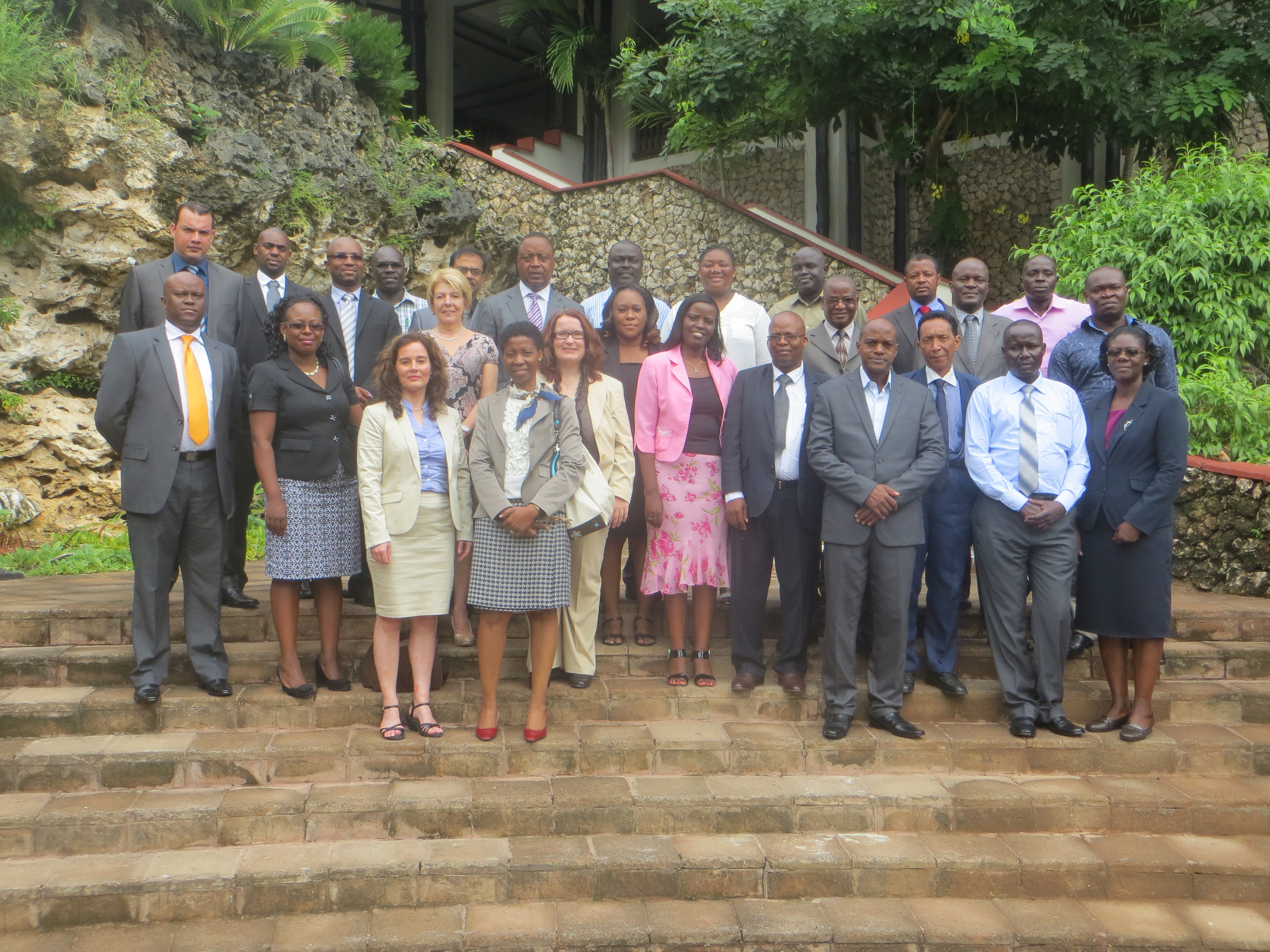
First WCO ESA Regional Workshop on Resource Mobilization

The WCO and the ESA Regional Office for Capacity Building (ROCB ESA), in cooperation with the Kenyan Revenue Authority, organized the first WCO ESA Regional Workshop on Resource Mobilization in Mombasa, Kenya from 19 to 23 May 2014. This workshop was one of the regional key activities in 2014 under the WCO-ESA Project ‘Building Trade Capacity through Customs Modernization in the East and Southern Africa” funded by the Finnish Government.

This workshop was also part of the ongoing efforts of the WCO and the ROCB ESA in supporting Customs Administrations to enhance engagement with development partners for their reform and modernization programmes. Previously, the WCO and the ROCB ESA had organized the first Regional Meeting on Donor Engagement in March 2012 in Mauritius, which provided Members in the ESA region with the opportunity to enhance their understanding of partnership with development partners. The workshop in Kenya was a follow-up on the event in 2012, enabling participating Members to address needs in the field of Resource Mobilization which are essential for subsequent Capacity Building / Customs Reform and Modernization processes at regional and national level. The workshop was facilitated by Ms. Heike Barczyk, WCO Deputy Director Capacity Building, Ms. Sigfridur Gunnlaugsdottir, WCO expert from Iceland Customs, and Ms. Riitta Passi, Project Manager within the Finnish-funded project.

A total of 25 participants from 17 ESA regional members took part in the workshop. Participants developed first draft business cases/project proposals that could in the future lead to potential real Capacity Building projects. Reflecting on the current Customs environment, the workshop equally addressed the WTO Agreement on Trade Facilitation (ATF), potential interest from development partners in supporting countries with its implementation and how to best reflect this in respective interaction with those partners including how to address the respective alignment in the different steps towards developing a written project proposal. The workshop is expected to further enhance the collaboration between Customs administrations and development partners for the successful implementation of Customs reform and modernization.

The WCO, the ROCB ESA and participating Members agreed to continue to work together in this regard. Source: WCO – article provided by Ms. Riitta Passi, Project Manager, Nairobi.

Mauritius orders military hardware for Customs, Police and Coast Guard

The Mauritius Coast Guard flagship MCGS Vigilant [www.defenceweb.co.za]

The Mauritius Coast Guard flagship MCGS Vigilant [www.defenceweb.co.za]

The island nation of Mauritius has ordered a 50 metre fast patrol vessel from India, as well as machineguns, ammunition, body armour and interceptor boats in a major re-equipment drive.

The government of Mauritius said the order for the $20.5 million fast patrol vessel for the Mauritius Police Force/Coast Guard was signed on May 7 in Port Louis by the Senior Chief Executive of the Prime Minister’s Office and the Chairman and Managing Director of Goa Shipyard Ltd, Shekhar Mital.

The fast patrol vessel will be 50.44 metres long with a speed of 35 knots. It will be used for defence and protection work, surveys, pollution control, coastal patrol, anti-smuggling, anti-poaching, search and rescue, fisheries protection and monitoring of foreign chartered trawlers, amongst other duties. On the same occasion, an addendum valued at $1.4 million was also signed for arms, ammunitions, bullet proof jackets and helmets and medium/heavy machine guns for 10 Interceptor boats.

The contract for the design, construction and delivery of these ten boats was signed on April 9 this year and is worth $6 million. The 14.5 metre long boats will have a cruising speed of 20 knots and a top speed of 35 knots. Furthermore, another contract for the design, construction and delivery of one additional interceptor boat for the Mauritius Revenue Authority (MRA), at a cost of $600 000, was also signed on May 7. This boat will be used by the MRA to carry out harbour/anchorage and coastal patrols. Source: www.defenceweb.co.za

Heads of Customs Governing Council Meeting for the ESA Region

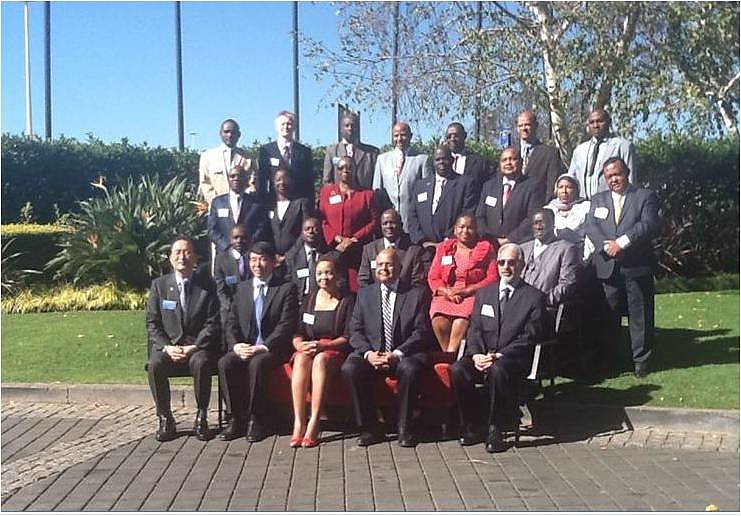
Heads of Customs Governing Council for the ESA Region with WCO Secretary General Kunio Mikuriya

Heads of Customs Governing Council for the ESA Region with WCO Secretary General Kunio Mikuriya

At the invitation of the Vice-Chair of the East and Southern Africa (ESA) Region, Mrs. Agnes Katsonga Phiri, Commissioner of Customs and Excise, Malawi, the Secretary General, Mr. Kunio Mikuriya attended the 19th Meeting of the Heads of Customs Governing Council ESA Region, on 15 and 16 May 2014. The meeting was hosted by the South African Revenue Service (SARS) in Johannesburg.

The Commissioner of SARS, Mr. Ivan Pillay welcomed delegates from the Members of the Region on the 20th Anniversary of democracy in South Africa, a period during which much had been achieved. He highlighted the importance of the WTO Agreement and its impact on Customs and the growth in African trade.

Addressing the Governing Council, the Minister of Finance, Mr. Pravin Gordhan emphasized the evolving role of Customs in a changing and challenging environment. The continued growth of economic activity in Africa required innovative Customs procedures to secure and facilitate trade, particularly in the context of regional integration. The WTO Agreement on Trade Facilitation (ATF) offered a golden opportunity as Customs would have a central role in its implementation. Customs must continue to enhance its operational capacity by increased automation, embracing other agencies and harmonization and simplification of procedures. The importance of Capacity Building was emphasized.

Secretary General Kunio Mikuriya gave a comprehensive report on recent WCO activities. He referred to the many developments on the WTO ATF agenda. The WCO had established a web tool dedicated to this topic, including an analysis of the ATF Articles and relevant WCO instruments with a self assessment aspect. Mr. Mikuriya recalled that the WCO theme for this year is “Communication” and asked all Members and agencies present to ensure that all were aware of each other’s activities.

Secretary General Mikuriya also met with the Minister of Finance, Mr Pravin Gordhan, to discuss a number of issues of mutual interest including implementation of the ATF, information exchange and the evolving role of Customs. The Governing Council discussed the way forward as regards ATF implementation, and expectations of trade input to WCO activities. Source: WCO

Australian Border Force – Big changes ‘down under’!

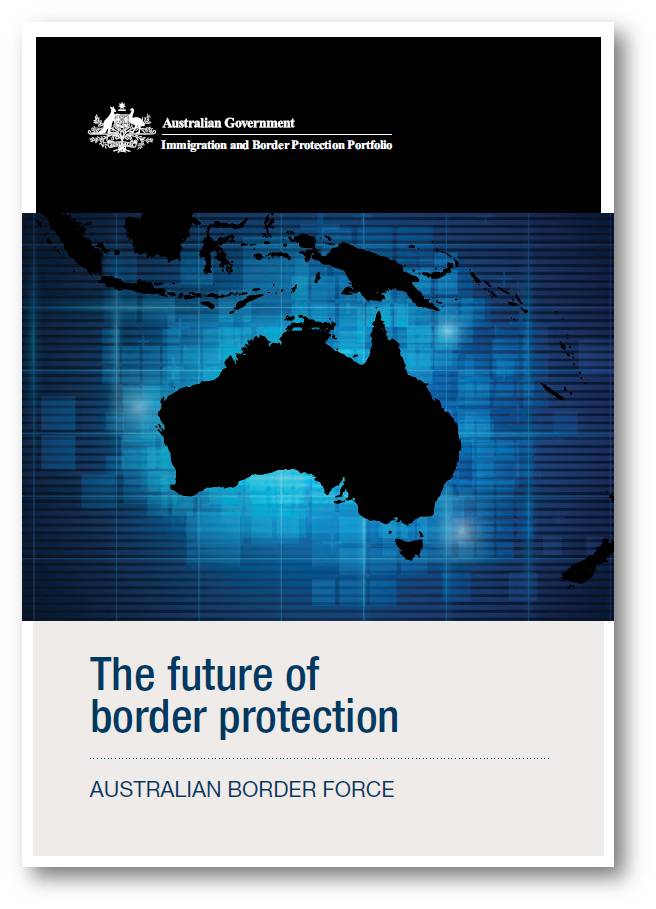
Australian Border ForceThe Australian Government has announced changes to the immigration and border protection portfolio in relation to future border protection arrangements.

From 1 July 2015, the Department of Immigration and Border Protection and the Australian Customs and Border Protection Service will be consolidated into a single Department of Immigration and Border Protection. At this time, the Australian Border Force, a single frontline operational border agency, will be established within the department.

The Australian Border Force will draw together the operational border, investigations, compliance, detention and enforcement functions of the two existing agencies. Policy, regulatory and corporate functions will combine within the broader department.

The name, in itself, marks a distinct shift in world customs operation. Unless I’m mistaken, it’s the first customs and border authority called a ‘force’. The demise of traditional ‘Customs & Excise Departments’ in the wake of 9/11 appears set to continue as sovereign states seek new ways to combat cross-border crime. There is in reality no ‘bench mark’ nowadays. Developing countries tend to favour the revenue authority model (as dictated by their sponsors) – mainly due to the fact that customs revenue remains a critical component of their economies. Developed countries are migrating in ever-increasing number to border agencies with more focus on security issues.

For more information about the changes, read the Minister for Immigration and Border Protection’s speech announcing the new arrangements on 9 May 2014 and the Australian Border Force booklet.

Source: Australian Customs Service

Implementing the WTO Agreement on Trade Facilitation

WTO Agreement on Trade Facilitation

Click on the image to download the Infogram

It is anticipated that most Customs and Border Authorities have at least one common item on their national capacity building agenda’s for 2014 – the Agreement on Trade Facilitation. Many countries, being members of the WCO, would have already acceded to a level of commitment to the Revised Kyoto Convention (RKC). This requires of them to introduce, at an agreed time, the principles of WCO standards and policies according to the level of their sovereign commitment.

The General Annex to the RKC is the bare minimum a country would be expected to implement in order to for it to be considered compliant with the RKC. From a trade perspective, this also indicates the extent to which your country’s leaders have committed itself towards ‘global integration’.

What the recent Trade Facilitation Agreement (ATF) in Bali does is bind member states to a compendium of requirements necessary for the enactment of certain conditions and obligations as set out in the various articles contained in the agreement. Countries should also note that certain of the ATF provisions include items under the Specific Annexes to the RKC. For a quick reference to see how the RKC and other WCO standards and conventions stack up to the ATF, refer to the WTO Trade Facilitation Toolkit by clicking the hyperlink.

In addition to this, the ATF also makes provision for ‘special and differential treatment’ in regard to developing and least developed countries (Refer to Section II to the WTO ATF).

In essence this allows those countries and opportunity of identifying their (capacity building) needs and setting themselves realistic targets for implementation and compliance to the ATF. To this end 3 Categories are identified for national states to consider in the event they are not at present in a position to accede to some or all of the ATF conditions.

The WCO has also prepared various tools which aim at assisting its members in assessing their national position in regard to the ATF. Members are likewise encouraged to regularly visit the WCO website for updates in this regard.

The following working papers are available from the WCO website and, for ease of access, are listed below together with their hyperlink to the WCO site –

Other related Trade Facilitation documentation can be found at the following link – WTO Trade Facilitation Negotiations

Text of the WTO Free Trade Agreement

Getting to Grips with the Future Customs Control Act

Having recently introduced a whole new integrated customs business solution last year the South African Revenue Service (SARS) has spent the last six months stabilising its system. At the heart of the system is the Interfront Customs and Border management (iCBS) engine which takes care of all customs declaration processing.

CCB

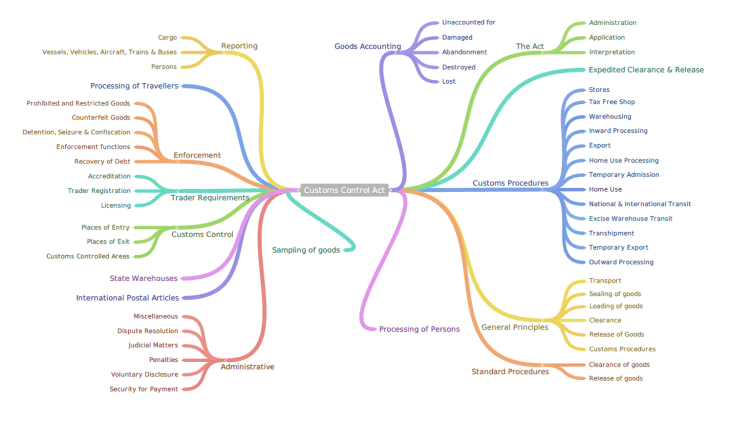
Click on the image to download the Infogram

A new ‘state-of-the-art’ EDI Gateway infrastructure is at an advanced stage of development and configuration, and will be subjected to a series of rigorous testing both internally and with industry service providers over the next few weeks. The gateway is an important component of the organisation’s future aspirations in C-2-C, C-2-B and C-2-G information exchange with it’s stakeholders.

Over the last 2 years, SARS has been a key participant in the WCO’s Globally Networked Customs (GNC) initiative which seeks to develop standardised electronic information exchanges of commercial customs data and common border procedures between customs administrations. This is ‘greenfield development’ and requires innovative thinking between potential customs partners. In this specific area SARS has engaged both Mozambique and Swaziland Customs as willing partners in such an initiative. Developments with Mozambique are at an advanced stage and will shortly become a reality with the conclusion of the bilateral One Stop Border Post (OSBP) agreement that includes provision for electronic data exchange between the two administrations. More on this in a future post.

Technology aside, perhaps the most daunting task on the horizon is the introduction of the new Customs Duty and Control Acts which are currently in the parliamentary process. Much publicity and robust argument was aired in the printed media over the last year, all of which culminated in the parliamentary hearings overseen by parliament’s Standing Committee on Finance (SCoF) during November and December 2013. While an agreement was reached with the freight forwarding sector of the local supply chain and logistics industry on certain aspects of the Control Bill, there still lies much work and clarification to be addressed in these and other areas.

Notwithstanding the signing into law of the Customs Bills, operational enactment thereof can only occur once the ‘rules’ to execute this legislation are circulated for comment, finalised and gazetted. Even considering the legal and approvals process in a simplistic form, the implementation of this new legislation is just too complex to introduce in a once-off, big-bang approach.  Due consideration must be given to a transitional approach taking into account the practicalities thereof as well as economic and logistical consequences of such approach.   It is no understatement that the impact of the new legislation, its incorporation into current automated systems, policies and procedures as well as the necessary re-adjustments to be made by every entity engaged in business with SARS Customs is no small feat.

Furthermore, the implications of the recently concluded WTO Agreement on Trade Facilitation for South African Customs and Trade also needs to be determined and understood. While a large proportion of its content is encapsulated within the Revised Kyoto Convention, it is the first time ever that such requirements are subject to the conditions of a trade agreement.

It’s been some time since I last penned thoughts on the Customs Modernisation initiative. In retrospect and thinking ahead, the underlying bottom line to its longer term success lies in increased ‘communication’ with stakeholders – ironically, the World Customs Organisation’s adopted theme for 2014!

Please feel free to download the infogram on the future Customs Control Act by clicking on the picture above. Official links to the Customs Control and Duty Bills are included below. It would also be wise for parties involved in Excise to consider the contemplated changes contained in the Excise Duty Bill (Customs and Excise Amendment Bill).

Related documents

WCO and UAE Customs launch IPM Mobile

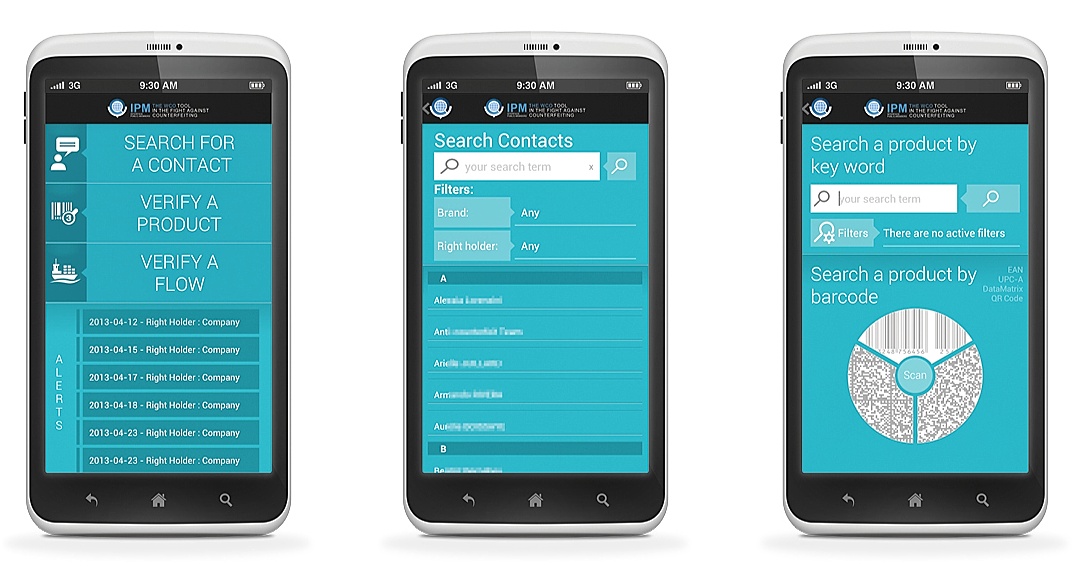
IPM interface GSMaThe World Customs Organization (WCO), in cooperation with the Federal Customs Authority of the United Arab Emirates (FCA), has officially launched the ‘IPM Mobile’ application, enabling Customs officers equipped with a mobile device to access IPM immediately when faced with a suspicious product.

Launched in 2010, the WCO’s online anti-counterfeiting tool IPM provides a communication hub between Customs officers on the ground and the private sector by allowing them to exchange crucial information in real-time in order to intercept counterfeit goods.

With the launch of the mobile application, field Customs officers can now access IPM via their mobile devices and retrieve all relevant information contained in the database. Several new features have been added to the mobile version such as the possibility to send or receive alerts regarding possible shipment of counterfeit goods, and, when faced with suspicious merchandise, Customs officers can contact right holders immediately and upload photos of the products in question.

This new version also allows using mobile devices to scan industry standard GS1 barcodes found on millions of products, enabling to search the products database more quickly. The unique product identifier embedded in the GS1 bar code facilitates access to multiple databases providing trusted sources of product information.

Scanning the barcodes enables automatic connection to any authentication services linked to the product controlled. This new feature is known as IPM Connected – a global network of security features providers (SFP) interfaced with IPM.

In cooperation with the FCA and the private sector, the WCO unveiled the IPM Mobile programme during a two-day workshop held in Dubai on 16-17 April. During this workshop, Customs officers tested the tool on a number of counterfeit and genuine products and were trained to make informed decision with the information contained in the IPM database.

Faced with the growing trade in counterfeit goods, the WCO and its Members are determined to develop the most efficient tools to fight this menace. Safeguarding the health and safety of consumers across the globe is one of the WCO’s priorities, and IPM’s mobile version is a significant step forward” said WCO Secretary General, Kunio Mikuriya.

Secretary General Mikuriya added, “Working with the UAE on this pilot phase was an obvious choice given our previous successful cooperation to launch the PC version back in April 2012. The WCO appreciates the UAE’s ongoing efforts to tackle the illicit trade of counterfeit and pirated goods.”

The UAE is the first country to use the IPM Mobile application and will contribute to developing the tool before the official worldwide launch in June 2014 during the WCO’s General Council Meeting.

“The UAE is keen to support plans for facilitating trade and fighting counterfeit according to the established principles of the federation state including the protection of IPRs and fighting piracy and counterfeiting as they have serious economic and social impacts that may jeopardize the security of the society, consumer and producer altogether” said Khalid Al Bustani, Acting Director General of the Federal Customs Authority.

“The application is launched as a part of fulfilling the requirements of the smart government initiative announced last year by His Highness Sheikh Mohammed bin Rashid Al Maktoum by providing governmental services on mobiles”, continued Al Bustani. Source: WCO

Related articles

WCO News – February 2014!

WCO News Feb 2014The theme of this edition is predictably about “communication”. For a change I was fortunate enough to receive a hard copy (print) version. Nonetheless, it is more accessible to the masses electronically via the WCO website. The Secretary General discusses the role of ‘communication’ in the dissemination of critical information whether it be via internet portals, social media and the evolving myriad of technology based trade facilitation tools. In this particular regard, the number of emerging countries registering their participation through customs-specific trade information portals and the adoption of electronic Single Window platforms is becoming common place.

The playing fields between the developed and under-developed world are beginning to be leveled so to speak. Harmonisation and standardization via computer systems is beginning to mature to an extent un-thought of just a few years back. While mainstream declaration processing engines will still be required to ‘crunch’ the vast volumes of customs transactional information, it is the era of ‘Apps’ which will prove to offer niche service offerings to the business community. For instance, many vendors offer HS tariff search and duty calculators. Some Customs and Border Administrations provide traders with transaction status notifications and other advice via SMS. Above all this, the Secretary General still emphasizes the importance of the human element — to make sure that communication remains a two-way process which fosters cooperation.

Featured articles include an overview of the WTO Agreement on Trade Facilitation. There are also several articles concerning communication strategy, business recovery and the role of Customs Brokers in the improvement of communication and cooperation. Read also about Single Window developments and a glimpse into the future of border technologies. Source: WCO

Containers conveying Mozambican MiGs stuck in Germany

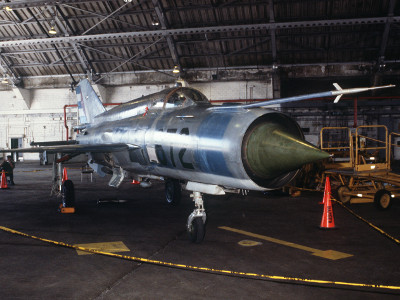
MiG-21_Fishbed_400x300Three MiG-21 fighter jets destined for Mozambique are stuck in Germany due to a lack of necessary permits. They are part of a batch of eight being shipped from Romania. Romanian company Aerostar is overhauling six MiG-21bis and two MiG-21UM trainer aircraft for the Mozambique Air Force and is also providing training for Mozambican MiG-21 pilots. Three MiG-21s were seen flying at Aerostar’s Bacau facility last year.

On Sunday Germany’s Der Spiegel reported that three MiG-21s were transported from the Romanian capital Bucharest by train in six containers and were to have been subsequently shipped to Mozambique from the Germany port of Bremerhaven. However, although the aircraft were declared according to procedure, their transport was done without the necessary permits and they were stopped. Der Spiegel reported that Germany’s public prosecutor will investigate the possible breach of arms control laws. The publication noted that Aerostar was found guilty of a similar incident in 2008. In 2012 German customs officials confiscated MiG-29 engines for Algeria and Tu-142 engines for India over the lack of necessary permits.

The Mozambique Air Force is slowly rejuvenating, considering that until recently it was almost entirely inoperable, suffering poor serviceability since independence from Portugal in 1975 and the collapse of the Soviet Union and its financial support in the early 1990s. The arrival of the MiG-21s will give the Air Force a jet capability not had in years, as its existing MiG-21s have fallen into disrepair and are grounded.

In addition to the MiG-21s, Mozambique has apparently bought two Aerostar Festival side-by-side light aircraft and will get an overhauled Aero Vodochody L-39ZO jet trainer. Late last year it emerged that Mozambique’s Air Force would also receive two second hand Antonov An-26B transport aircraft after they have been refurbished in the Ukraine. Source: Defence Web

New WCO Guide to the HS classification

HS_HandbookThe Classification handbook (2nd Edition) is intended to introduce the Harmonized Commodity Description and Coding System, commonly referred to as the Harmonized System.  It explains the origin of the Harmonized System, presents a detailed, precise arrangements for its management and describes additional publications attached to it.  It also contains the text of the International Convention on the Harmonized Commodity Description and Coding System, the Rules of Procedure of the Harmonized System Committee and Subcommittees and many other information. Visit the WCO Publication webpage to purchase on line.

Lesotho Revenue Authority launches Trade Portal

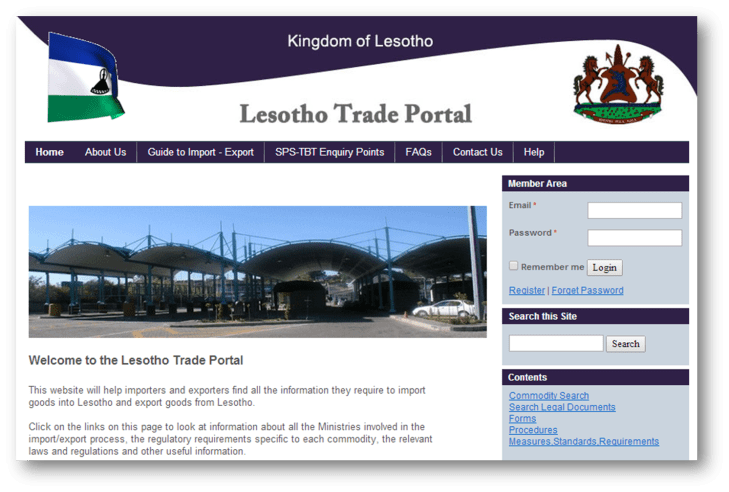
LRA Trade PortalThe Lesotho Revenue Authority (LRA) has undertaken an extensive Customs Modernisation Programme aimed at simplifying the processes and reducing the costs of ‘doing business’ at the border. Earlier this week, the LRA launched the Lesotho Trade Portal as an introduction of the first portion of these reforms which brings a commitment to transparency for all border users on expectations and procedures.  The launch of the portal will be followed by an introduction of simplified border procedures supported by the implementation of modern computerised systems using ASYCUDA World.

The LRA has been reorganising its structure the past year aligning it with organisational strategy, and alongside that as a result of the modernisation, there will be extensive restructuring to promote efficiency and professionalism in customs and across the LRA. Staff members are undergoing extensive training to prepare for the introduction of the new systems.

To facilitate legitimate trade and enhance compliance LRA will introduce risk based controls to enable legitimate trade to pass more freely through the border posts and following the recent pilot project, there will be a full introduction of a ‘Preferred Trader Scheme’ offering additional facilitation benefits to compliant traders.

Through use of modern technology LRA will speed up the inspection process as they will be coordinated and organised from dedicated inspection areas. There will eventually be an introduction of inland clearance to improve service delivery and clearance time.

To protect legitimate trade and reduce market distortion, there will be targeted anti-smuggling activities. This will be for deterrence of illicit and illegal goods as well as to protect the nation from prohibited importation of goods.

The Lesotho Business Partnership Forum has also voiced its unanimous approval of the Lesotho Trade Portal. It believes this milestone represents a major breakthrough in the relationship between business and government. It reveals a level of transparency in procedures and processes which business can only welcome as a sign of a more constructive and open approach to the management of government affairs.

Similarly, the traders and general public will participate in an extensive publicity campaign with announcement in the media as to how to get involved and benefit from the reforms.  A key tool in this process to keep everyone on the loop, will be the News section of Lesotho Trade Portal itself. This will be supported by an extensive communications programme and an education programme targeted at regular border users. Source: Lesotho Revenue Authority

Congestion Besets Botswana’s Tlokweng Border Post

botswanaMap showing border posts between Botswana and South Africa, with No.7 being the Tolkweng and No.4 the Martins Drift posts.

The temporary closure of the Martin’s Drift border post due to recent floods in the Tswapong area has resulted in the congestion of cargo trucks at Tlokweng border post.

Approaching the border from the Botswana side, there is a queue of these trucks awaiting declaration. The situation is made worse by shortage of parking space for the trucks, which at times lead to some trucks blocking way for others, hence the delay.

In an interview, the principal customs officer, Ms Monkgogi Makwati said they started receiving a large number of trucks on transit on Saturday (22 March 2014).

She said most of the trucks were from Kazungula on their way to South Africa. Ms Makwati also said trucks from South Africa were a challenge as the customs office was faced with a lot of work as goods were cleared in large quantities from that side.

She noted that Tlokweng border had always been the busiest in the country, but the current situation had made it more busy than usual. She also said the delay at the border was due to the electronic clearance system used by South Africa compared to the manual one used by Botswana, thus when the system is down, services from that side halt.

Ms Makwati, however, noted that trucks carrying perishables and goods such as medicines, gas and petrol among others were given special clearance and they do not take long at the border.

The traffic jam has not only affected services at the border, but also facilities such as toilets have started to experience some blockage while others are running out of water due to high number of people who are frequenting them.

Some truck drivers expressed dissatisfaction on the South African service of clearing noting that they had been at the border for four days without bathing. Source: Daily News Botswana