First WCO ESA Regional Workshop on Resource Mobilization

First WCO ESA Regional Workshop on Resource Mobilization

First WCO ESA Regional Workshop on Resource Mobilization

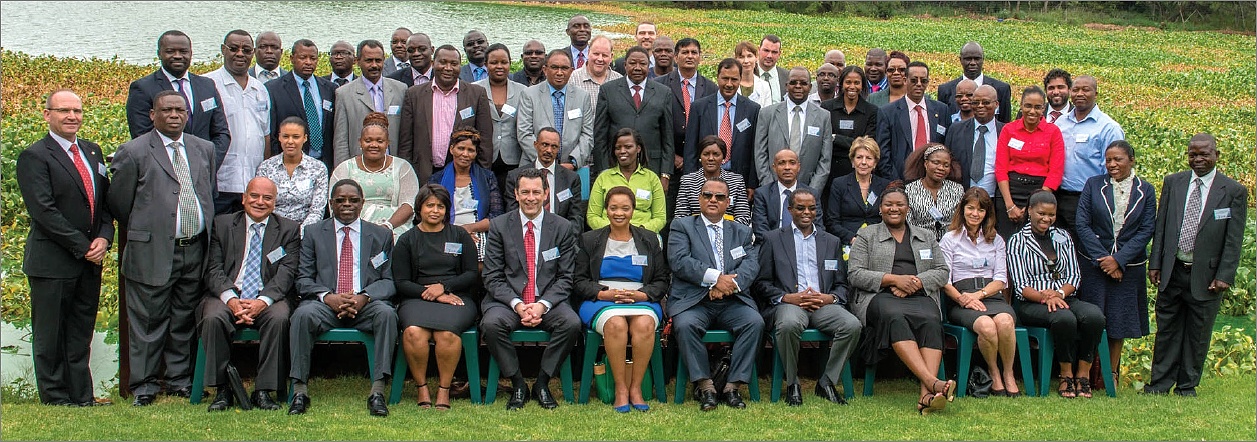
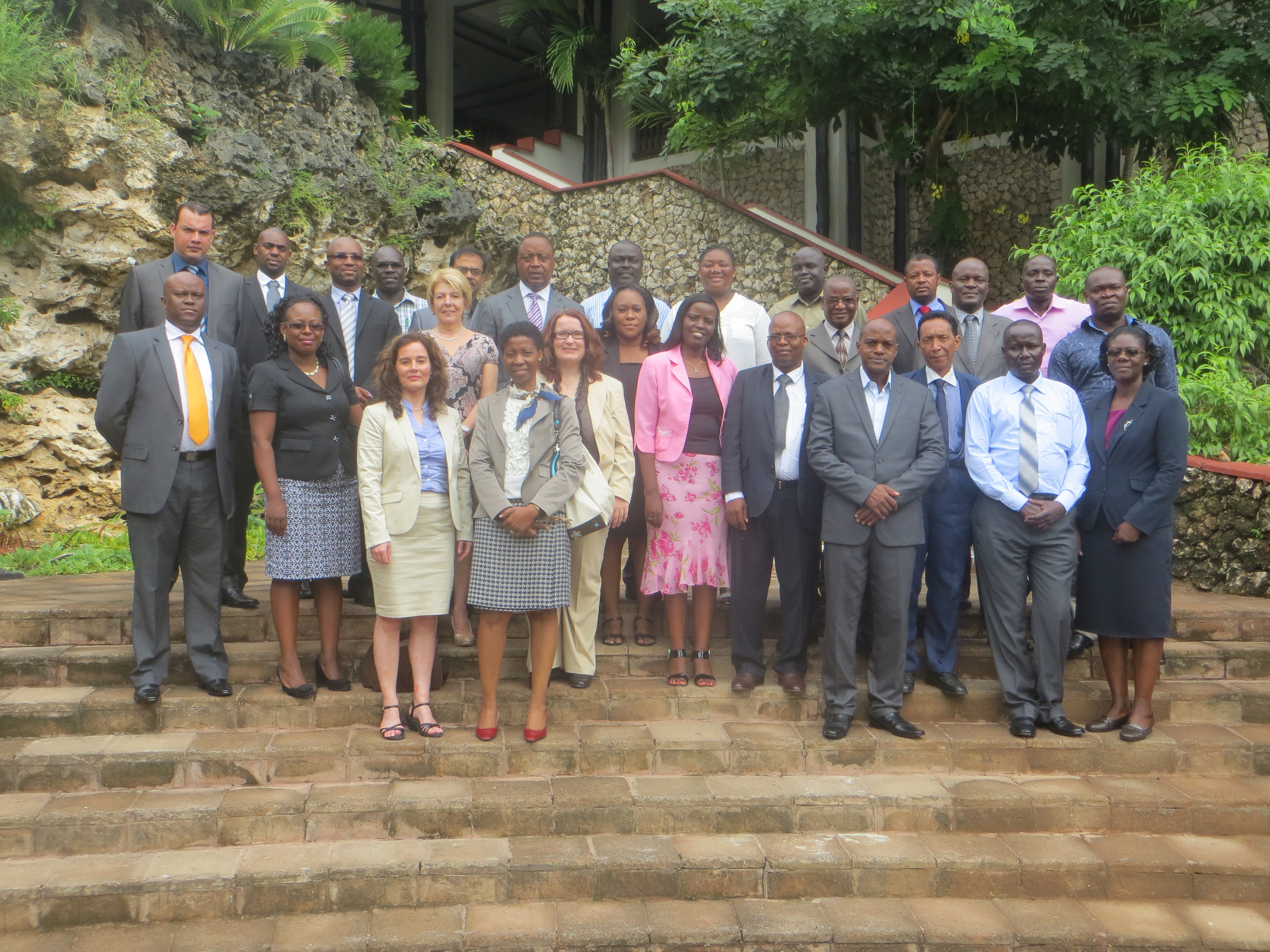
The WCO and the ESA Regional Office for Capacity Building (ROCB ESA), in cooperation with the Kenyan Revenue Authority, organized the first WCO ESA Regional Workshop on Resource Mobilization in Mombasa, Kenya from 19 to 23 May 2014. This workshop was one of the regional key activities in 2014 under the WCO-ESA Project ‘Building Trade Capacity through Customs Modernization in the East and Southern Africa” funded by the Finnish Government.

This workshop was also part of the ongoing efforts of the WCO and the ROCB ESA in supporting Customs Administrations to enhance engagement with development partners for their reform and modernization programmes. Previously, the WCO and the ROCB ESA had organized the first Regional Meeting on Donor Engagement in March 2012 in Mauritius, which provided Members in the ESA region with the opportunity to enhance their understanding of partnership with development partners. The workshop in Kenya was a follow-up on the event in 2012, enabling participating Members to address needs in the field of Resource Mobilization which are essential for subsequent Capacity Building / Customs Reform and Modernization processes at regional and national level. The workshop was facilitated by Ms. Heike Barczyk, WCO Deputy Director Capacity Building, Ms. Sigfridur Gunnlaugsdottir, WCO expert from Iceland Customs, and Ms. Riitta Passi, Project Manager within the Finnish-funded project.

A total of 25 participants from 17 ESA regional members took part in the workshop. Participants developed first draft business cases/project proposals that could in the future lead to potential real Capacity Building projects. Reflecting on the current Customs environment, the workshop equally addressed the WTO Agreement on Trade Facilitation (ATF), potential interest from development partners in supporting countries with its implementation and how to best reflect this in respective interaction with those partners including how to address the respective alignment in the different steps towards developing a written project proposal. The workshop is expected to further enhance the collaboration between Customs administrations and development partners for the successful implementation of Customs reform and modernization.

The WCO, the ROCB ESA and participating Members agreed to continue to work together in this regard. Source: WCO – article provided by Ms. Riitta Passi, Project Manager, Nairobi.
Heads of Customs Governing Council Meeting for the ESA Region

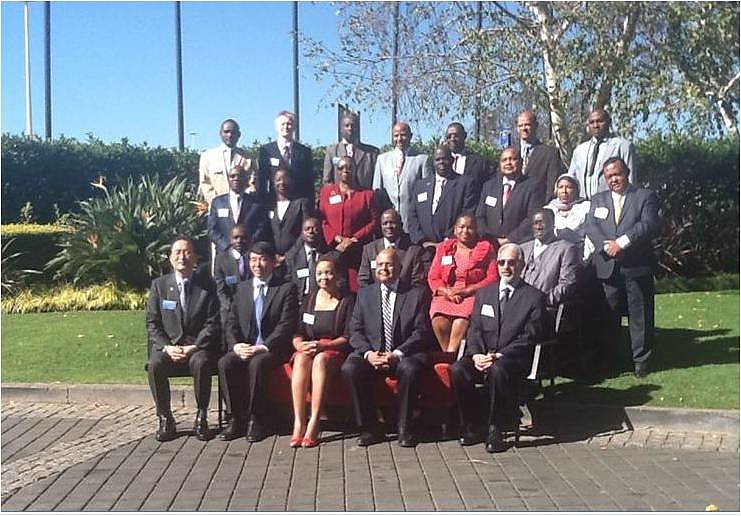
Heads of Customs Governing Council for the ESA Region with WCO Secretary General Kunio Mikuriya

Heads of Customs Governing Council for the ESA Region with WCO Secretary General Kunio Mikuriya

At the invitation of the Vice-Chair of the East and Southern Africa (ESA) Region, Mrs. Agnes Katsonga Phiri, Commissioner of Customs and Excise, Malawi, the Secretary General, Mr. Kunio Mikuriya attended the 19th Meeting of the Heads of Customs Governing Council ESA Region, on 15 and 16 May 2014. The meeting was hosted by the South African Revenue Service (SARS) in Johannesburg.

The Commissioner of SARS, Mr. Ivan Pillay welcomed delegates from the Members of the Region on the 20th Anniversary of democracy in South Africa, a period during which much had been achieved. He highlighted the importance of the WTO Agreement and its impact on Customs and the growth in African trade.

Addressing the Governing Council, the Minister of Finance, Mr. Pravin Gordhan emphasized the evolving role of Customs in a changing and challenging environment. The continued growth of economic activity in Africa required innovative Customs procedures to secure and facilitate trade, particularly in the context of regional integration. The WTO Agreement on Trade Facilitation (ATF) offered a golden opportunity as Customs would have a central role in its implementation. Customs must continue to enhance its operational capacity by increased automation, embracing other agencies and harmonization and simplification of procedures. The importance of Capacity Building was emphasized.

Secretary General Kunio Mikuriya gave a comprehensive report on recent WCO activities. He referred to the many developments on the WTO ATF agenda. The WCO had established a web tool dedicated to this topic, including an analysis of the ATF Articles and relevant WCO instruments with a self assessment aspect. Mr. Mikuriya recalled that the WCO theme for this year is “Communication” and asked all Members and agencies present to ensure that all were aware of each other’s activities.

Secretary General Mikuriya also met with the Minister of Finance, Mr Pravin Gordhan, to discuss a number of issues of mutual interest including implementation of the ATF, information exchange and the evolving role of Customs. The Governing Council discussed the way forward as regards ATF implementation, and expectations of trade input to WCO activities. Source: WCO

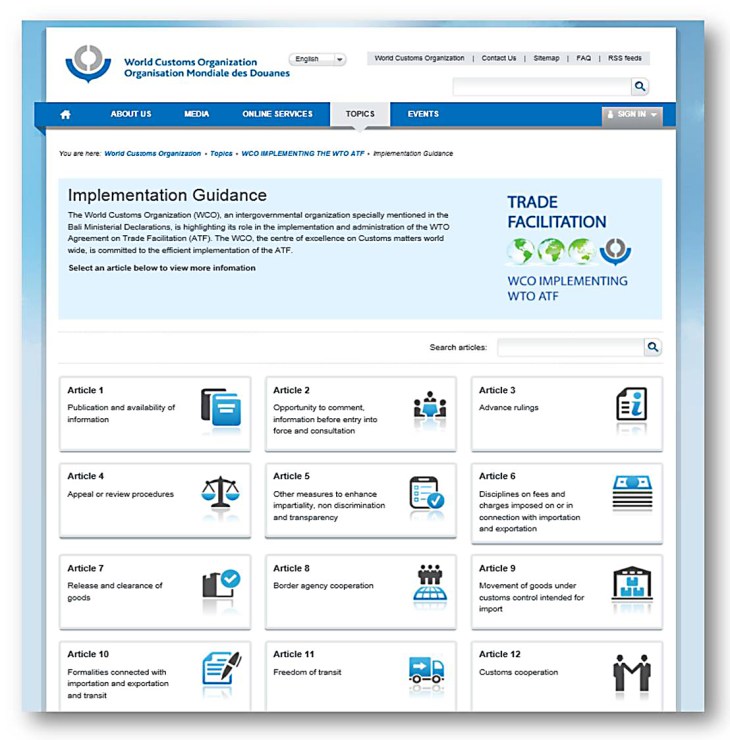
WCO Releases Online WTO/ATF Implementation Guideline

WCO Trade Facilitation Implementation Guidance 1The World Customs Organization (WCO) has launched on its website the WCO Implementation Guidance for the World Trade Organization (WTO) Agreement on Trade Facilitation (ATF) to support WCO Members in their efforts to implement the ATF.

The Guidance presents the importance of WCO instruments and tools such as the Revised Kyoto Convention for ATF implementation.

The Guidance contains the following categories of information for each ATF Article:

  • Overview
  • Text of ATF
  • Relevant RKC standards and RKC Guidelines
  • Other relevant WCO tools
  • Member practices
  • Performance indicators

The Guidance will be updated on a regular basis and a French version will be released shortly.

Source: WCO

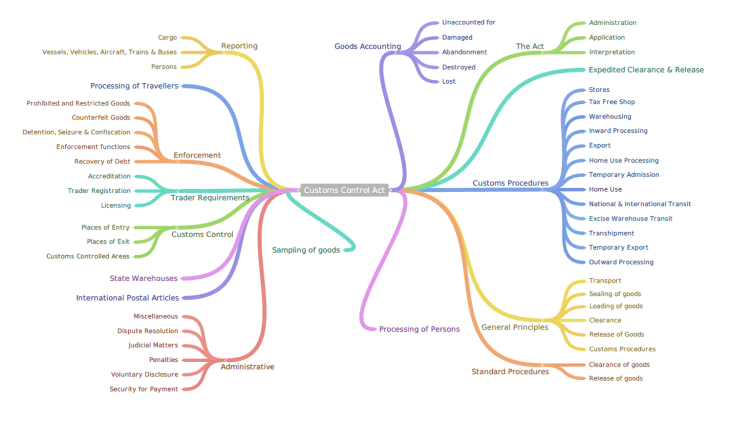
Getting to Grips with the Future Customs Control Act

Having recently introduced a whole new integrated customs business solution last year the South African Revenue Service (SARS) has spent the last six months stabilising its system. At the heart of the system is the Interfront Customs and Border management (iCBS) engine which takes care of all customs declaration processing.

CCB

Click on the image to download the Infogram

A new ‘state-of-the-art’ EDI Gateway infrastructure is at an advanced stage of development and configuration, and will be subjected to a series of rigorous testing both internally and with industry service providers over the next few weeks. The gateway is an important component of the organisation’s future aspirations in C-2-C, C-2-B and C-2-G information exchange with it’s stakeholders.

Over the last 2 years, SARS has been a key participant in the WCO’s Globally Networked Customs (GNC) initiative which seeks to develop standardised electronic information exchanges of commercial customs data and common border procedures between customs administrations. This is ‘greenfield development’ and requires innovative thinking between potential customs partners. In this specific area SARS has engaged both Mozambique and Swaziland Customs as willing partners in such an initiative. Developments with Mozambique are at an advanced stage and will shortly become a reality with the conclusion of the bilateral One Stop Border Post (OSBP) agreement that includes provision for electronic data exchange between the two administrations. More on this in a future post.

Technology aside, perhaps the most daunting task on the horizon is the introduction of the new Customs Duty and Control Acts which are currently in the parliamentary process. Much publicity and robust argument was aired in the printed media over the last year, all of which culminated in the parliamentary hearings overseen by parliament’s Standing Committee on Finance (SCoF) during November and December 2013. While an agreement was reached with the freight forwarding sector of the local supply chain and logistics industry on certain aspects of the Control Bill, there still lies much work and clarification to be addressed in these and other areas.

Notwithstanding the signing into law of the Customs Bills, operational enactment thereof can only occur once the ‘rules’ to execute this legislation are circulated for comment, finalised and gazetted. Even considering the legal and approvals process in a simplistic form, the implementation of this new legislation is just too complex to introduce in a once-off, big-bang approach.  Due consideration must be given to a transitional approach taking into account the practicalities thereof as well as economic and logistical consequences of such approach.   It is no understatement that the impact of the new legislation, its incorporation into current automated systems, policies and procedures as well as the necessary re-adjustments to be made by every entity engaged in business with SARS Customs is no small feat.

Furthermore, the implications of the recently concluded WTO Agreement on Trade Facilitation for South African Customs and Trade also needs to be determined and understood. While a large proportion of its content is encapsulated within the Revised Kyoto Convention, it is the first time ever that such requirements are subject to the conditions of a trade agreement.

It’s been some time since I last penned thoughts on the Customs Modernisation initiative. In retrospect and thinking ahead, the underlying bottom line to its longer term success lies in increased ‘communication’ with stakeholders – ironically, the World Customs Organisation’s adopted theme for 2014!

Please feel free to download the infogram on the future Customs Control Act by clicking on the picture above. Official links to the Customs Control and Duty Bills are included below. It would also be wise for parties involved in Excise to consider the contemplated changes contained in the Excise Duty Bill (Customs and Excise Amendment Bill).

Related documents

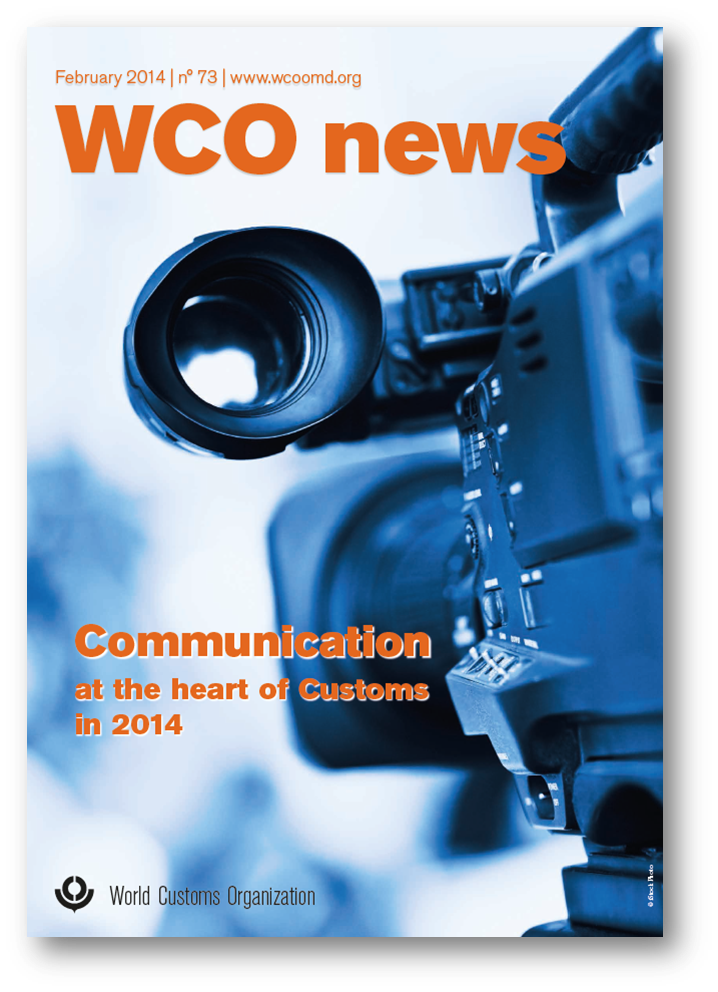
WCO News – February 2014!

WCO News Feb 2014The theme of this edition is predictably about “communication”. For a change I was fortunate enough to receive a hard copy (print) version. Nonetheless, it is more accessible to the masses electronically via the WCO website. The Secretary General discusses the role of ‘communication’ in the dissemination of critical information whether it be via internet portals, social media and the evolving myriad of technology based trade facilitation tools. In this particular regard, the number of emerging countries registering their participation through customs-specific trade information portals and the adoption of electronic Single Window platforms is becoming common place.

The playing fields between the developed and under-developed world are beginning to be leveled so to speak. Harmonisation and standardization via computer systems is beginning to mature to an extent un-thought of just a few years back. While mainstream declaration processing engines will still be required to ‘crunch’ the vast volumes of customs transactional information, it is the era of ‘Apps’ which will prove to offer niche service offerings to the business community. For instance, many vendors offer HS tariff search and duty calculators. Some Customs and Border Administrations provide traders with transaction status notifications and other advice via SMS. Above all this, the Secretary General still emphasizes the importance of the human element — to make sure that communication remains a two-way process which fosters cooperation.

Featured articles include an overview of the WTO Agreement on Trade Facilitation. There are also several articles concerning communication strategy, business recovery and the role of Customs Brokers in the improvement of communication and cooperation. Read also about Single Window developments and a glimpse into the future of border technologies. Source: WCO

New WCO Guide to the HS classification

HS_HandbookThe Classification handbook (2nd Edition) is intended to introduce the Harmonized Commodity Description and Coding System, commonly referred to as the Harmonized System.  It explains the origin of the Harmonized System, presents a detailed, precise arrangements for its management and describes additional publications attached to it.  It also contains the text of the International Convention on the Harmonized Commodity Description and Coding System, the Rules of Procedure of the Harmonized System Committee and Subcommittees and many other information. Visit the WCO Publication webpage to purchase on line.

Customs reform in Nigeria continues after the termination of the Destination Inspection service

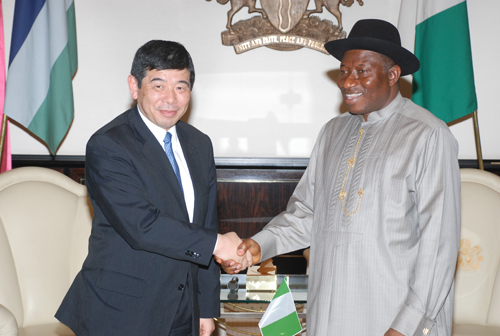
Secretary General Mikuriya during a courtesy visit paid to the President of the Republic of Nigeria, Mr. Goodluck Jonathan (WCO)

Secretary General Mikuriya during a courtesy visit paid to the President of the Republic of Nigeria, Mr. Goodluck Jonathan (WCO)

At the invitation of the Comptroller-General of the Nigeria Customs Service (NCS), Mr. Abdullahi Dikko Inde, the WCO Secretary General Kunio Mikuriya visited Nigeria on 17 and 18 February 2014 to observe Customs transformation activities after the termination of Destination Inspection contracts on 1 December 2013.

In Lagos, the Secretary General went to Apapa Port, Nigeria’s major port, to see Customs operations and also to visit the Customs Training Centre for a mentorship talk with young officers: the NCS has recruited many recent university graduates and trained them in computer and other necessary skills.

Secretary General Mikuriya also presided over a Stakeholder Forum to interact with the private sector. The business community were supportive of the ongoing Customs transformation programme that was enhanced by an improved communication strategy for Customs, the use of information technology – the Nigeria Trade Hub – and the implementation of modern Customs methods, such as risk management.

The private sector also suggested better use of a database for risk management purposes, including valuation, and expressed their hope for the introduction of coordinated border management and a Single Window to simplify the multiplicity of regulations and inspections at borders.

The Secretary General also travelled to Abuja, Nigeria’s capital city, and was joined by three heads of Customs from neighbouring countries, namely Benin, Ghana and Niger, who wanted to learn from NCS’s experience and obtain Nigeria’s support, as well as that of the WCO, for terminating contracts with inspection companies in order to regain ownership of core Customs functions.

The Secretary General also paid a courtesy visit to the President of the Republic, Mr. Goodluck Jonathan.  As a former Customs official early in his career, the President talked fondly of his visit to the WCO to attend the 2012 Council Sessions and particularly noted the WCO’s strong and inspirational leadership. He also acknowledged the economic and social contribution of Customs to the nation, and promised to continue to support Customs reform in Nigeria and provide guidance and influence at the regional level. Source: WCO

WCO expert provides Customs Valuation training assistance

WCO expert Ian Cremer (centre, back row) with SARS staff involved in valuation training project.

WCO expert Ian Cremer (centre, back row) with SARS staff involved in valuation training project.

The SARS Academy is reviewing and packaging its training material so as to align its curriculum to international standards. It has embarked on a process of benchmarking its training material, kick-starting the process in the School of Customs and Excise.

WCO facilitator Ian Cremer recently visited the Academy at Waterkloof House in Pretoria to provide assistance with the strengthening of their valuation training programme. A group of trainers, curriculum developers and valuation specialists from business worked with the WCO valuation expert in the development of the new training material.

Training modules will be developed at the following levels: Basic, Intermediate and Advanced, and will be aligned to the WCO’s own valuation training modules.

Further work will now be conducted on developing a delivery strategy. This will ensure that key staff are trained to the necessary level and are able to conduct their duties in a professional level, meeting the dual requirements of fair and efficient revenue collection and the facilitation of compliant trade. Source: SARS

Former South African President Mbeki visits WCO to discuss the role of Customs in Africa

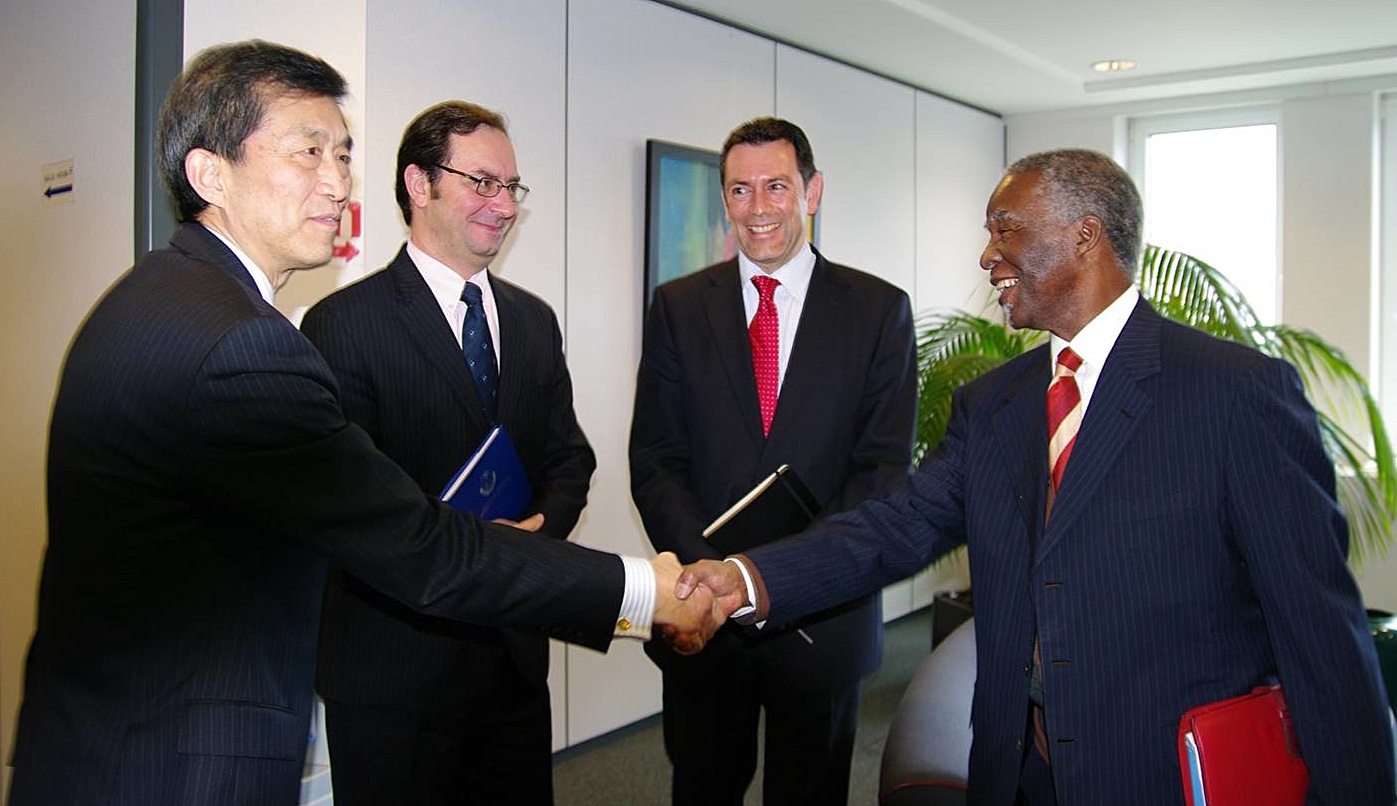
Senior WCO Management welcoming former South African President Thabo Mbeki, who is Chair of the High Level Panel on Illicit Financial Flows from Africa (WCO)

Senior WCO Management welcoming former South African President Thabo Mbeki, who is Chair of the High Level Panel on Illicit Financial Flows from Africa (WCO)

Members of the High Level Panel on Illicit Financial Flows from Africa, headed by former South African President Thabo Mbeki, visited WCO Headquarters on 11 February 2014 to obtain input for their report and recommendations to African countries in order to harness Africa’s hidden resources for development.

Secretary General Kunio Mikuriya explained the problems posed by cash couriers and trade-based money laundering (under-invoicing, over-invoicing, etc.) which had become major risk factors in Africa over the past decade as the continent had experienced economic growth largely based on the mining of its abundant natural resources. The Secretary General also referred to the need for countries to prioritize their policy regarding illicit financial flows and to provide adequate resources and a legal framework for Customs to establish controls in respect of free trade zones, thus enabling the Customs community to combat illicit trade and financial flows.

The discussion also covered, more broadly, the contribution of Customs to economic and social development in Africa, including regional economic integration. Mr. Mbeki and the High Level Panel members acknowledged the crucial part that Customs plays in improving the business climate by ensuring connectivity at borders, evidenced by the recent WTO Agreement on Trade Facilitation, as well as the role of Customs in ensuring transparency and security of the supply chain. They also appreciated the WCO approach of ownership-based capacity building which needed to be backed up by high-level political commitment. Source: WCO

Related articles

Landmark East and Southern African Customs forum focuses on modernisation

WCO ESA_Snapseed

Participants from all 24 members of the WCO’s Eastern and South African region attended the forum. [SARS]

Customs officials from 24 eastern and southern African countries met in Pretoria this week to share knowledge and experience with regard to the successful modernisation of Customs administrations.

Opening the three-day forum, Erich Kieck, the World Customs Organisation’s Director for Capacity Building hailed it as a record breaking event.

“This is the first forum where all 24 members of the Eastern and Southern African region (ESA) of the WCO were all in attendance,” he noted. Also attending were officials from the WCO, SACU, the African Development Bank, Finland, the East African Community and the UK’s Department for International Development (DFID).

Michael Keen in the 2003 publication “Changing Customs: Challenges and Strategies for the Reform of Customs Administrations” said – “the point of modernisation is to reduce impediments to trade – manifested in the costs of both administration incurred by government and compliance incurred by business – to the minimum consistent with the policy objectives that the customs administration is called on to implement, ensuring that the rules of the trade game are enforced with minimum further disruption”

The three-day event witnessed several case studies on Customs modernisation in the region, interspersed with robust discussion amongst members. The conference also received a keynote addressed by Mr. Xavier Carim, SA Representative to World Trade Organisation (WTO), which provided first hand insight to delegates on recent events at Bali and more specifically the WTO’s Agreement on Trade Facilitation.

The WCO’s Capacity Building Directorate will be publishing a compendium of case studies on Customs Modernisation in the ESA region during the course of 2014.

WCO ESA members – Angola, Botswana, Burundi, Comoros, Djibouti, Eritrea, Ethiopia, Kenya, Lesotho, Madagascar, Malawi, Mauritius, Mozambique, Namibia, Rwanda, Seychelles, Somalia, South Sudan, Swaziland, South Africa, Tanzania, Uganda, Zambia and Zimbabwe.

This slideshow requires JavaScript.

Source: SARS

Message from the WCO – International Customs Day 26 January 2014

WCO_background image POSTER_CommunicationThis year’s International Customs Day heralds the launch of the WCO Year of Communication, a year in which we, as a Customs community, move to further enhance our communication strategies and worldwide outreach programmes.

Under the slogan “Communication: sharing information for better cooperation,” we are signaling our aspiration to do more at the national, regional and international level to raise awareness of the vital role Customs plays in international trade, economic prosperity and social development.

Communication is a sharing process which fosters cooperation, and as Customs is at the centre of a network of relations, developing a sound internal and external communication strategy promotes transparency, facilitates dialogue, builds trust and ensures mutual understanding.

With our unique expertise, Customs has made great strides over recent years in achieving better visibility with national governments, international organizations, the business sector, the donor community, development banks and other international trade stakeholders.

Good communication practices by WCO Members are abundant: national Customs websites, specialized magazines, media outreach and social networks are trailblazing the way towards greater awareness of the contribution of Customs to a more resilient trade environment.

Complementing these efforts, the WCO Secretariat also has a number of communications tools to help get the word out, including the Organization’s new dynamic website, its popular and insightful WCO News magazine and our growing online social media presence.

Just as important, is the WCO’s efforts to engage as many Presidents, Ministers, leaders and international policy makers as possible in order to defend Customs’ interests, further raise its profile and create better awareness of the opportunities and challenges it faces.

It is equally imperative that we also focus on how we communicate with our stakeholders and partners, how we listen to their feedback and how we decide to respond, as this will encourage stronger support for the work we do and ensure greater buy-in to WCO strategies.

In fact, communication is a two-way process by which information and knowledge are exchanged and shared between individuals – it is not only about sending a message or passing on information, it is also about exploring, discovering, researching and generating knowledge.

As in previous years, I am fully convinced that Customs administrations and the greater Customs community will rise to the occasion, committed to actively taking the communication theme forward and thereby ensuring the success of the WCO Year of Communication.

Wishing you all a joyful International Customs Day!

Kunio Mikuriya Secretary General

WCO to develop Implementation Tool for WTO ATF

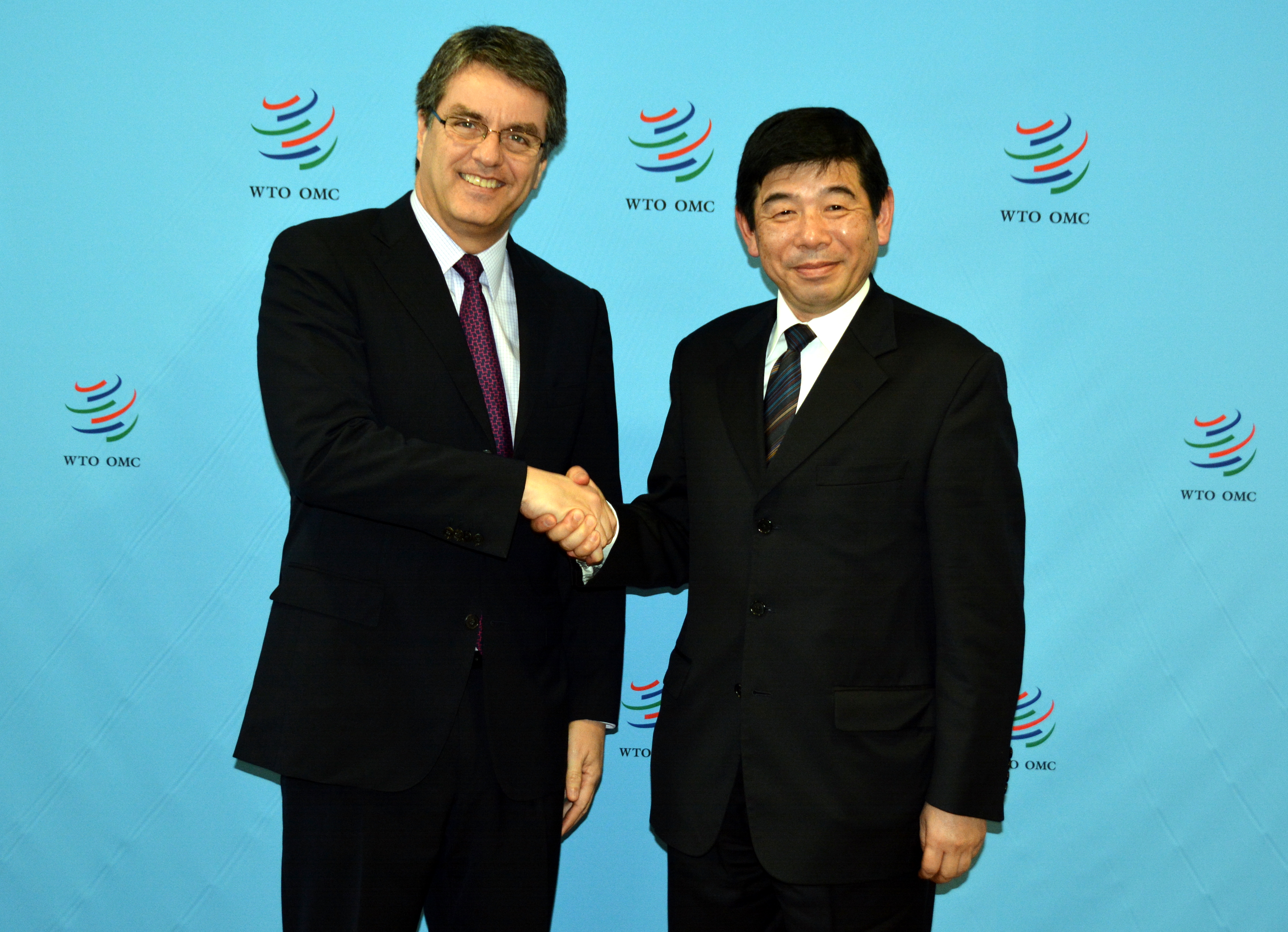
WCO and WTO leaders meet in Geneva (WCO)

WCO and WTO leaders meet in Geneva (WCO)

At the invitation of WTO Director General Roberto Azevedo, WCO Secretary General Kunio Mikuriya met with Mr. Azevedo at WTO headquarters in Geneva, Switzerland on 20 January 2014. They agreed that close cooperation between the two organizations is vital for successful implementation of the WTO Agreement on Trade Facilitation (ATF).

Secretary General Mikuriya emphasized the consistent and complementary nature between the ATF and the WCO Revised Kyoto Convention (RKC). He also described how the WCO Economic Competitiveness Package, that includes the RKC and all other Customs trade facilitation instruments, guidelines and best practices, will support implementation of ATF. Mr. Mikuriya also confirmed his readiness to involve other international organizations, development banks, donors and other stakeholders at a WCO forum to contribute to cooperation in support of the ATF.

Director General Azevedo was pleased to hear that the WCO was planning to publish an implementation tool to connect each provision of the ATF to WCO tools as well as a briefing document enabling Customs administrations to communicate with trade ministries. He expressed his willingness to leverage WCO expertise and experts for the WTO Preparatory Committee on Trade Facilitation as well as ATF needs assessment and implementation. Mr. Azevedo also suggested that the ATF provides another opportunity for the two organizations to enhance the good working relations that already exist in many areas beyond trade facilitation.

The two leaders also discussed how multilateral institutions could work on regional integration matters and agreed on the importance of adopting global standards and best practices to ensure connectivity at borders. Source: WCO

Communication: Sharing Information for Better Communication

WCO Customs Theme 2014Following a theme of logical progression over the past few years, the WCO has introduced “Communication” as this year’s theme for the 170+ Customs Administrations around the world. Last year’s theme “Innovation” set the platform for the introduction of innovative ideas and business practices, new partnerships, as well as new solutions and technologies.

While still very much in its infancy, the WCO’s Globally Networked Customs (GNC) philosophy will undoubtedly gain more and more traction as administrations iron out their national and regional aspirations and objectives.

The recent agreement on Trade Facilitation at the WTO’s conference in Bali adds further credence to the importance of the principles of the Revised Kyoto Convention (RKC). For the first time we see an attempt to fuse customs principles into a package of binding requirements.

Now, more than ever, Customs needs to work ‘collaboratively’ with all stakeholders.

With Customs and Border Agencies etching out new legal requirements, as well as organisational structures and plans, trade practitioners will likewise have to keep a watchful eye on these developments. Sometimes, not necessarily just for their own needs and obligations in their domestic markets, traders need to ensure that they keep apace with ‘destination’ Customs requirements which in these modern times are all too frequent. By opening its door to the business community, the WCO plays an ever-increasing overarching role in providing the private sector a ‘window’ to its thinking and ideology.

UN launches global campaign targeting the criminal counterfeit trade

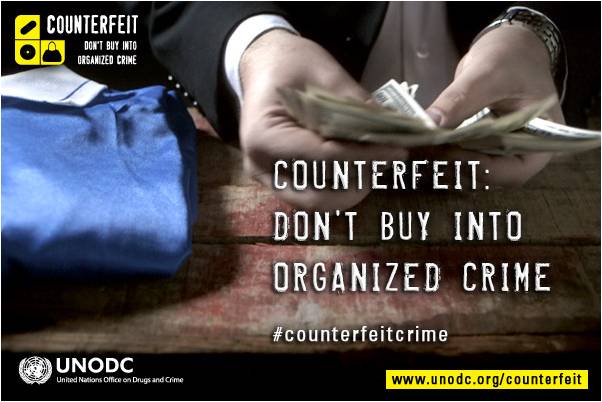
UNODC Anti-Counterfeit ImageThe World Customs Organization (WCO) welcomes the new global campaign launched by the United Nations (UN), under the auspices of the UN Office on Drugs and Crime (UNODC), to raise awareness among consumers on the dangers of counterfeit goods and their link to organized crime.

The campaign – ‘Counterfeit: Don’t buy into organized crime’ – is centred around a Public Service Announcement, entitled ‘Look Behind(click hyperlink to view), which will be shown on the NASDAQ screen in New York’s Times Square and will be aired on several international television stations, starting from 14 January.

With the aim of urging consumers to consider who and what lie behind the production of counterfeit goods, the campaign is a bid to boost understanding of the multi-faceted repercussions of this illicit trade, which according to the UNODC is worth 250 billion US dollars a year.

UNODC Executive Director, Yury Fedotov, noted that, “In comparison to other crimes such as drug trafficking, the production and distribution of counterfeit goods present a low-risk/high-profit opportunity for criminals.”

Fedotov further noted that, “Counterfeiting feeds money laundering activities and encourages corruption, and there is also evidence of some involvement or overlap with drug trafficking and other serious crimes.”

Counterfeiting is a crime that affects us all, from exploited labour being used to produce counterfeits, through to the harmful and potentially deadly dangers attached to these goods, and the links that these illicit goods have in potentially funding cross-border criminal and organized crime activities.

“With a long history of fighting counterfeiting and piracy at the national, regional and international level, the global Customs community is ready to support its United Nations partners in their efforts to raise awareness about this illicit trade activity,” said WCO Secretary General, Kunio Mikuriya.

Mikuriya further stressed that, “The WCO is firmly committed to countering the relentless attack on consumers by criminals involved in counterfeiting, as their illicit and even dangerous goods which are flooding markets across the globe pose a huge risk to public health and safety.”

Fraudulent medicines also present a serious health risk to consumers, as criminal activity in this area is big business, with the UNODC reporting that the sale of fraudulent medicines from East Asia and the Pacific to South-East Asia and Africa alone amounts to some 5 billion US dollars per year.

Criminals use similar routes and modi operandi to move counterfeit goods as they do to smuggle illicit drugs, firearms and people; in 2013, the joint UNODC/WCO Container Control Programme detected counterfeit goods in more than one-third of all seized maritime containers.

The WCO expends enormous resources on combating the counterfeit trade using a variety of means, including the organization of global enforcement operations and the introduction of IPM, a WCO tool which promotes cooperation and the sharing of information between Customs and rights holders.

Of particular relevance to the campaign is the WCO’s theme for 2014 which highlights the importance of communication and the sharing of information for better cooperation, which is highly instrumental in the fight against counterfeits in tandem with the Organization’s public and private sector partners.

Concluding, Secretary General Mikuriya took the opportunity to commend the UNODC on its latest initiative, offered his full support for the UN campaign, and urged WCO Members and Customs’ stakeholders to continue raising awareness about the perils of buying and trading counterfeit goods. For more information visit the WCO Website. Source: WCO

Mauritius – Customs Training of Trainers Course on SADC Rules Of Origin

The SADC Rules of Origin are the cornerstone of the SADC intra-trade and serve to prevent non-SADC members benefiting from preferential tariffs. The determination of the eligibility of products to SADC origin and the granting of preferential tariffs to goods originating in the Member States is an important process in the implementation of the SADC Protocol on Trade and regional integration. Annex I of the SADC Protocol on Trade provide that goods shall be accepted as eligible for preferential treatment within the SADC market if they originate in the member States, and the qualification of such products shall be as provided in Appendix I of Annex I of the Protocol on Trade.

The 2nd Customs Training of Trainer Course was held on the SADC Rules of Origin at the World Customs Organization (WCO) Multilingual Regional Training Centre, Mauritius Revenue Authority from the 25th -30th November 2013. The objective of the training course is to establish a pool of trainers on the SADC Rules of Origin who can provide guidance and train on the subject at national level to Customs officials and relevant Stakeholders.

During his opening address, Mr Sudamo Lall, Director General of the Mauritius Revenue Authority, laid emphasis on the critical importance of the ‘Rules of Origin’ as it has ‘great impact on the duties to be collected, as businesses increasingly locate the different stages of their activities in a way that optimizes their value-addition chain’. On the other hand Mr James Lenaghan Director Customs mentioned that ‘the Rules of Origin in any Free Trade Area are of prime importance as they serve to determine which goods can benefit from preferential tariffs. This enables member states of a particular Free Trade Area to benefit from the tariffs advantages inherent to the Protocol of trade agreed within that Free Trade Area. Since Customs is the controlling agency for preferential origin, it is vital that our officers are trained to correctly apply the SADC Rules of Origin’.

During their short visit at the training workshop, the Executive Secretary ,Dr Stergomena Tax and the WCO Secretary General, Mr Kunio Mukiriya addressed the group on the importance of rules of origin as the basis for regional integration. Dr. Tax also urged the participants from all SADC Member States to cascade the knowledge gained at the Centre to their respective countries.

The SADC Customs Training of Trainers programme is being implemented in collaboration with the World Customs Organization (WCO), the Regional Office for Capacity Building (ROCB), the WCO Regional Training Centres and GIZ (Deutsche Gesellschaft für Internationale Zusammenarbeit (GIZ). Source: SADC Secretariat