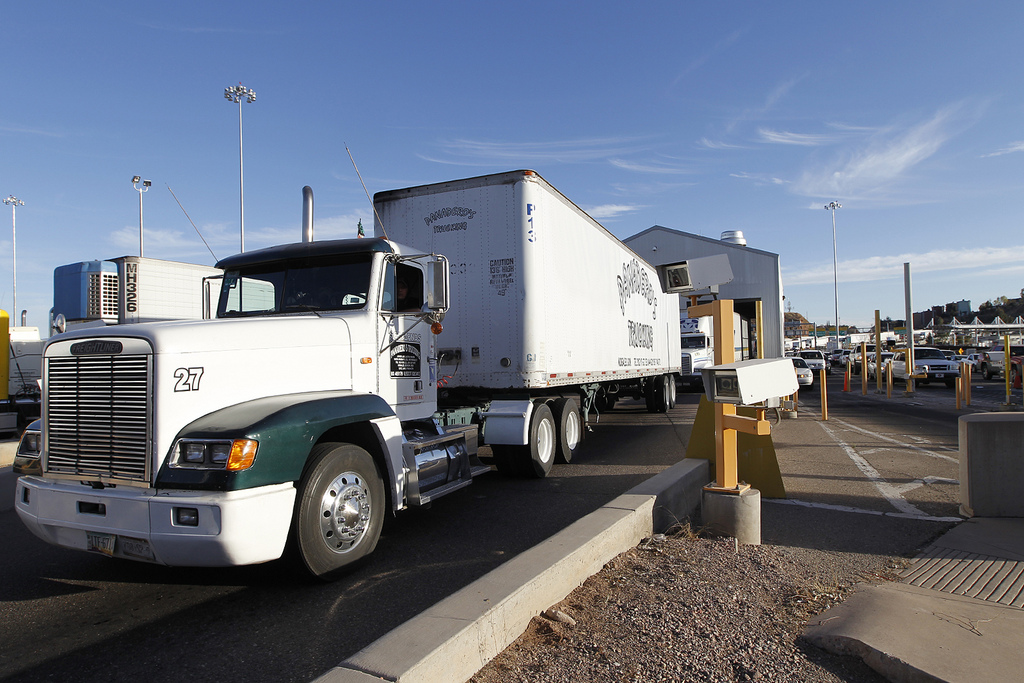
 The American Trucking Association slammed the “irresponsible behaviour of some tolling authorities which, along with complicit state officials, seemingly view toll revenue as a slush fund for investment in all manner of projects, programmes and activities which have nothing to do with maintaining their highways, bridges and tunnels”.
The Chief Financial Officer of National Freight Incorporated (NFI), told last week’s hearing of the US Senate Commerce, Science and Transportation Committee’s Subcommittee on Surface Transportation and Merchant Marine Infrastructure, Safety and Security that New Jersey-based NFI had paid $14 million in tolls last year. He said that as a result of this his company has been forced to re-route their trucks to less efficient secondary roads, which raises costs and increases congestion and safety concerns.
Further increases planned for tolls on the six interstate bridges and tunnels between New York and New Jersey, operated by the Port Authority of New York and New Jersey (PANYNJ), would by 2015 raise the charges by 163%, to a total of $105 per truck – nearly three times higher than any other toll in the country. By 2015, a trip from Baltimore to New York City will cost a five-axle truck more than $209 in tolls.
He said the authority had refused to reveal where the extra revenue would be spent, but it was clear that billions would be diverted to major PANYNJ projects like raising the Bayonne Bridge to accomodate bigger ships at the port. He added: “The most egregious use of toll revenue is the approximately $11 billion dedicated to the completion of the World Trade Center office buildings. It is unclear why trucking companies and commuters are being forced to foot the bill for a real estate project.”
He told the hearing: “The process and the outcome points to an authority with unchecked power that shows little regard for the impacts of its decisions on the community which it purports to serve.”
The tolls distorted the market by penalising vehicles that use toll roads and rewarding those diverting to local routes. No doubt this article strikes a ‘tender nerve’ for truckers and commuters in South Africa around this time – SANRAL vs Public. Source: www.ifw-net.com
 What Happened to the Portcullis?
You must be logged in to post a comment.