 The following article by Tony Zakaria is a candid look at the socio-economic environment of the Tanzanian people. Enjoy.
Why is Tanzania so afraid of the EAC political federation? We seem to shy away from signing any significant document that commits Tanzania to a marriage with Kenya, Uganda, Rwanda and Burundi. Have we been using land and security issues as a way to hide other fears unmentionable?
Some Tanzanians fear Kenyan women for being too aggressive and well educated. Those madams drive flashy Mercedes Benz cars and have no shortage of vijisenti or spare change. Upon federation country borders will be wide open and then anything can happen. These macho gals may move over to grab available single or bonded men from the land of the Kilimanjaro to play football in Kenya like all those African football stars in Europe for Man U and C, Chelsea FC, Marseille and Real Madrid clubs. Tanzanian men are among the most handsome in Africa.
If you don’t believe me, take a fresh look at Tanzanian men today. From top bosses in government to ordinary farmers in villages they ooze with quiet charm. A little smile from Bongo men can charm an eagle chick off a tree branch in Limuru. Nairobi and Kampala ladies will not be able to resist.
So why are men in the nation of Serengeti and Zanzibar resistant to political and economic union when they could conquer the whole territory? Tanzanian gals may be among the prettiest on planet Earth alongside the Abyssinians in the former kingdom of Jah Haille Selasie but would be no match for slender necked, doe-eyed Banyarwanda mademoiselles.Bongoland women worry their men might start an African exodus to Kigali if we become the United States of East Africa.
Surviving the 1994 genocide elevated Rwandese women to be among the strongest-willed in Africa. Tanzanian madams have enjoyed easier lives and eternal peace from womb to tomb. Can they compete effectively with Hutu and Tutsi damsels? Tanzanian madams will their wealth too; given away to those more willing to use their talents profitably.
When borders cease to exist, Muheza and Bombo farmers will not only be losing fruits from their shambas to more enterprising Kenyan traders, they will be losing Eves, Aminas and Marias from their Garden of Eden.Nairobi will be a local bus trip away and Ketepa tea will be universally available at village markets in Bagamoyo and Kilombero at a fraction if its current cost, not a gourmet item in selected supermarkets.
Who knows what else may transpire? Investors from the current Kenya would set up factories to extract and package affordable branded juice from fruit grown in Tanga, Dodoma and Iringa. Mwanza and Dar-es-Salaam residents will enjoy Bongo flavour orange and apple juice passionately, knowing it is made in East Africa instead of Africa south of the Zambezi River.
I can’t see local traders dancing with joyful abandon to celebrate the entry of other bulls in the business kraal. Traders make profits regardless of the origin of traded goods. Manufacturers want to enjoy monopoly in a market protected by import, sales and other taxes and tariffs.Take for example juice made in Kenya using fruits sourced from Tanzania. From Tanzania the fruits are VAT and export taxed. The packed juice is taxed in Kenya for sale and importation. Those taxes only hurt the final consumer, making it unaffordable for ordinary folks.
Why do male-female relationships work fine during the courtship period and marriages fall into boring routines? The possibility of losing a mate to a competitor is such a strong incentive to keep being at a person’s best behaviour, appearance and treatment of a mate. That is when relationships are conducted with business-like efficiency.
Tanzanian businesses fear competition from a supposedly more powerful Kenyan business fraternity. Enterprising Kenyan operators buy tomatoes and onions from Arusha during the day. By evening they are delivered in Kenya factories. At night the veggies are sorted, graded, cleaned, packed and labelled.
By the following morning, the veggies are awaiting airlift to destinations in the Middle East. With added value, Kenyan entrepreneurs make huge profits. Vegetables, fruits and fresh flowers could be processed in Arusha and airlifted straight from Kilimanjaro airport instead of Nairobi.
After federation Arusha, Kilimanjaro and Tanga natives would freely move agricultural produce to what is now Kenya and Uganda while making good money from goods sales and transportation. Wachagga, Waarusha and Meru men and women are pretty aggressive businesswise. They can beat Kenyans at their own game.
Having made mega profits, some Tanzanian traders can entice nice looking Gikuyu and Akamba chicks to settle permanently on the slopes of Mount Meru or the Kilimanjaro Mountain of greatness. Tourists can visit the snow-capped mountain near the Equator in East Africa without crossing the border twice. Some amorous traders can fully practice family planning by spacing their children between Moshi, Arusha, Nairobi and Entebbe. They will just strategically place mothers in each city.
Tanzanians fear their Any Time Cancelled wings of the Kilimanjaro with one borrowed plane will be swallowed whole by the bigger Kenya airways. The pride of Africa has already spread its wings from Lagos to Beijing. This is genuine fear arising from fake premises. If we are one block, the stronger airline will belong to all of us.
The federal states will pool pilots, cabin and ground crew, airports, buildings, planes and vehicles to create the strongest airline in Africa like the old East African Airways that was a real pride for Africa.We have to overcome our genuine and misplaced fears and take the needed steps to make EAC a reality. Uniting our many resources is the only way our grandchildren can survive in the competitive global village. Source: Daily News (Tanzania)
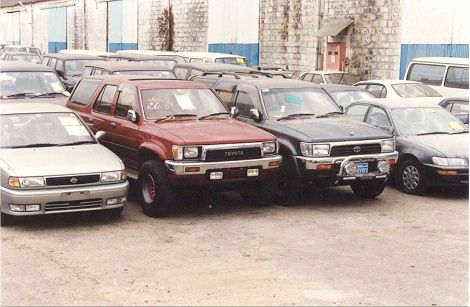 Ugandan importers say they intend avoiding using the Port of Mombasa in Kenya in favour of Tanzania’ Dar es Salaam in future, because of unresolved issues with the Kenyan taxman.

 What Happened to the Portcullis?
You must be logged in to post a comment.