TKC Pilot – linking regional Customs systems through the “Cloud”

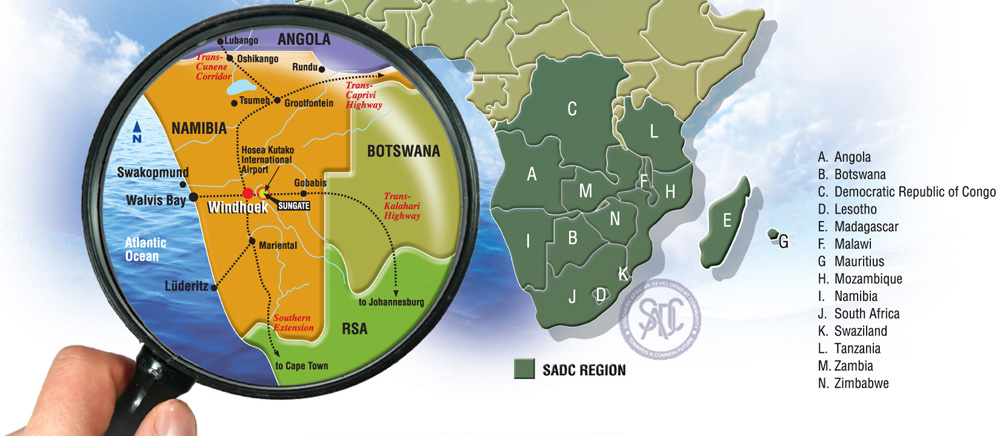
FTW Online recently published an update on recent developments occurring along the Trans-Kalahari Corridor (TKC). It suggests that customs systems throughout the SADC region could soon be talking to each other through the Internet, if the pilot project between Namibia and Botswana is successful. During July 2011, the Southern African Trade Hub unveiled a plan to initiate a pilot programme to link the ASYCUDA systems of Namibia and Botswana via Microsoft’s Cloud Computing technology. Both Microsoft and USAID are partners in this initiative seeking to enable the two customs systems to communicate with each other through a secure portal. View the keynote presentation at the 2011 World Customs Organization IT Conference and Exhibition – Seattle, Ranga Munyaradzi (SATH) and Namibian Customs Commissioner, Bevan Simataa, were invited on-stage to elaborate on this initiative – click here!

According to Oscar Muyatwa, executive director of the Trans-Kalahari Corridor Secretariat, the initiative holds the prospect of opening up African opportunities in the United States for exports, as it is being supported by USAID as part of the African Growth and Opportunities Act (AGOA). Both Namibian and Botswana Customs officials are to be trained in Cape Town over the next few months. The TKC Secretariat believe this initiative will bring about its vision of a ‘automated corridor’. Further ahead the TKCs envisages the establishment of One Stop Border Posts (OSBPs) to reduce border dwell and transit times. Muyatwa says ‘The ‘cloud’ will maintain vast volumes of transit data that will assist future planning along the corridor as well as revenue and budgeting forecasts’. Source: FTW Online.

Comment: lest there be any confusion amongst Customs users, traders and carriers, the concept of cloud computing in the Customs sphere is very ‘clouded’ at this point. What needs to be considered is the ‘ownership’, rights to ‘access’ and ‘integrity of use’ of such information. Furthermore, as this is a first-of-its-kind initiative (in Africa at least); it would be highly recommended that the participants and developers ‘share’ details of the approach with other SACU members in order to better understand the programme. Up to this point it is very unclear how the developer has gone about the integration of customs information, for instance, since ‘users’ have not been fully involved in the scope, proof-of-concept or design of the system. 

Related articles

WCO/SACU – IT Connectivity and Data Exchange

WCO-SACU IT Interconnectivity and Data Exchange Conference

On the occasion of International Customs Day, in January earlier this year, the World Customs Organisation dedicated 2012 as the year “Connectivity”, which encapsulates people connectivity, institutional connectivity and information connectivity among the members of the global Customs community.

Over the last week and a half delegates from the WCO, SACU, UNCTAD, SADC and COMESA have been hosted at SARS, Pretoria to discuss and deliberate over an approach to implement ‘IT connectivity’ within the Southern African region. During the first week representatives from UNCTAD, SACU and SARS were briefed on important developments at the WCO on IT-Interconnectivity and Information Exchange. We were privileged to have Mr. Satya Prasad Sahu, Technical officer from the WCO – a leading expert in all matters of ICT in international customs matters – present the developments towards finalisation of a future international customs standard called “Globally Networked Customs” (GNC). It entails a structured approach that will enable customs authorities to formulate and document bilateral or regional ‘standards’ on a variety of Customs-to-Customs topics, for instance Authorised Economic Operators, Cross Border Information Exchange, Risk Management, etc. A representative from UNCTAD presented a synopsis of the proposed ‘cloud computing solution’ which the Trans Kalahari Corridor (TKC) plans to pilot between Namibia and Botswana along the TKC route in the next few months. During the course of this week, delegates , under the guidance of Satya, prepared a proposed approach for information exchange between members of the Southern African Customs Region. This document is based on the GNC Utility Block structure (defined by the ad Hoc Committee on Globally Networked Customs at the WCO) and served as the basis for discussion for Week 2.

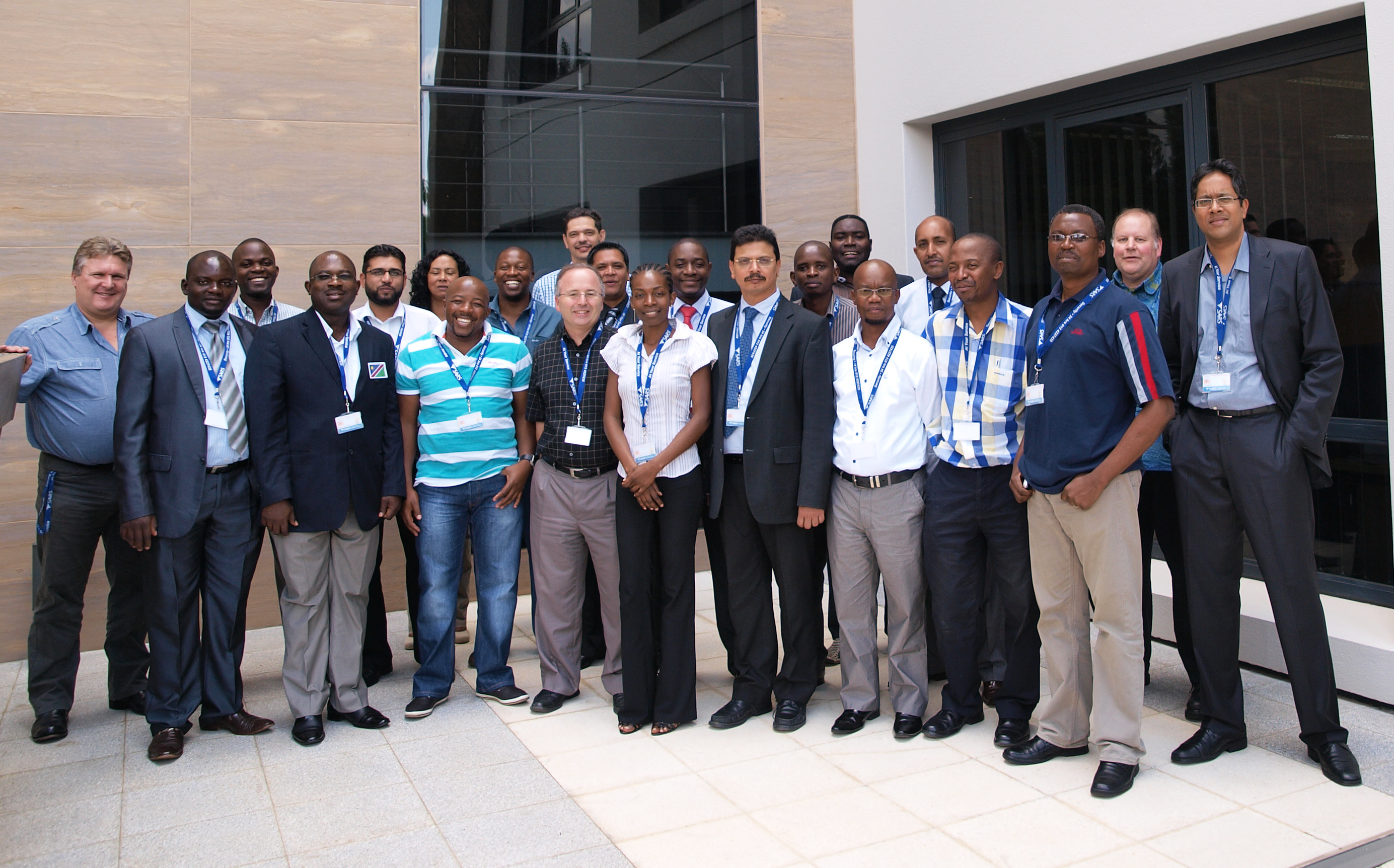
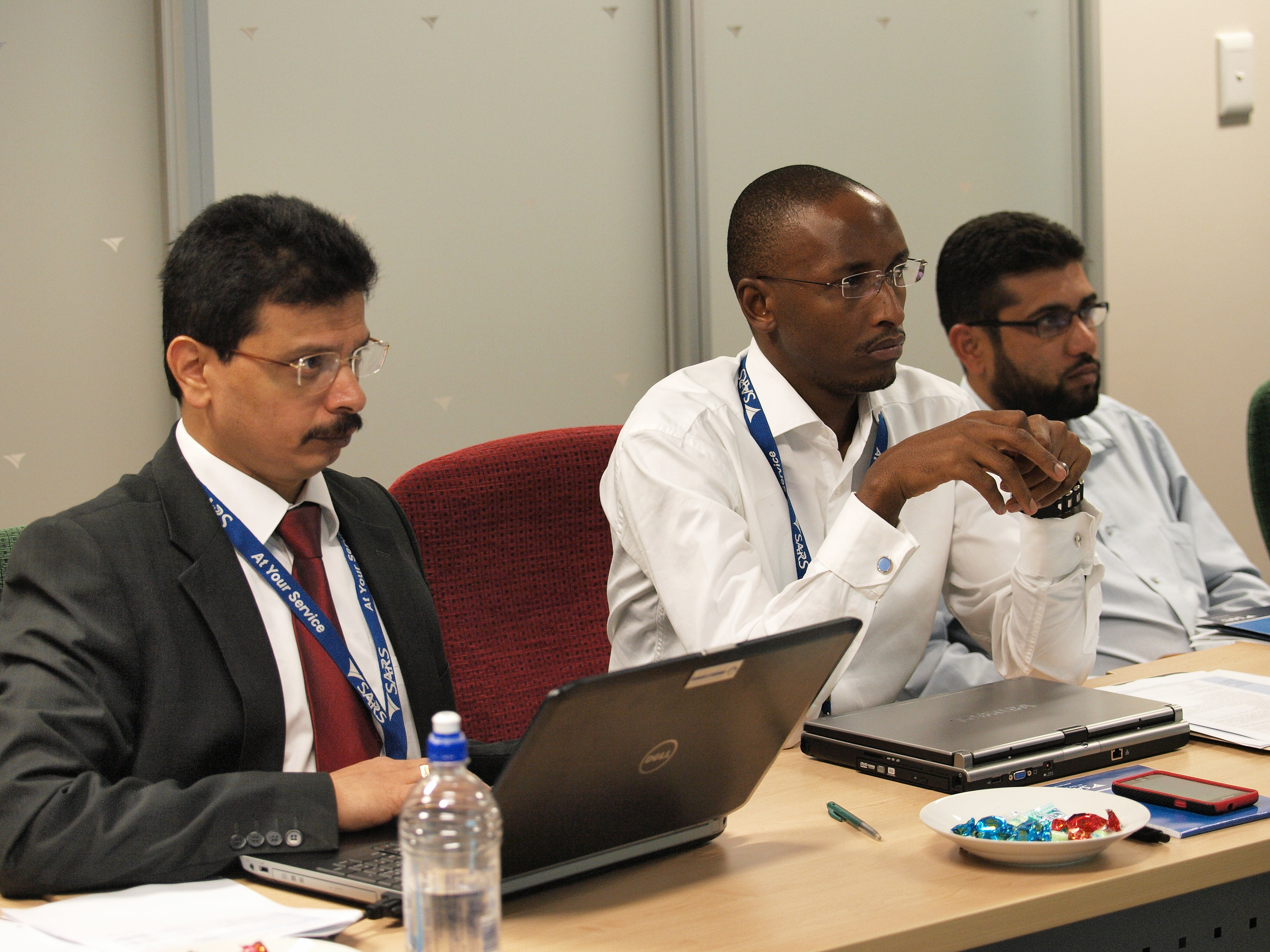
Mr. SP Sahu (WCO) and delegates from SACU SecretariatWeek 2 saw the arrival of customs and IT representatives from COMESA, SADC, UNCTAD, SACU as well as a delegation from Mozambique Customs. Mr. Sahu was invited to chair the session, given his vast experience on the subject matter as well as international experience in national and regional customs ICT programmes. Delegates were treated to various lectures on the GNC, a comprehensive overview of developments on ASYCUDA (Customs solution developed by UNCTAD), various updates from within the customs region – Botswana, Namibia, Lesotho, Swaziland, Mozambique and SARS. Beyers Theron informed delegates of ongoing developments of the SARS Customs Modernisation Programme as well as key implications for neighbouring countries. SARS presented a live demonstration of SARS’ Service Manager solution, navigating through all the functionality now available to SARS Customs officials. Of significant interest to all was the new iPod inspection tool. This technology is given prominent feature in the latest edition of WCO News.

A large portion of the week was, however, spent on deliberating the proposed scope and content of the draft Utility Block on Information Exchange in the Southern African Region. Significant progress was been made to attain first, a common understanding of the scope as well as the implications this has for participating countries. Delegates will return home with a product with which to create awareness and solicit support in their respective countries. Over the next few months SARS will engage both SACU and SADCOM (combined SADC and COMESA trading blocs) to establish firm commitments for information exchange with customs administrations in these regions. This conference is significant for SARS and South Africa as a whole as it provides a uniform, standardised and practical approach for engagement with other international trading partners. To view photographs of the conference please click here!

WCO News – February 2012 Edition

WCONews Edition February 2012Herewith a link to the latest edition of WCO News, providing a wealth of customs news and developments from across the globe. This edition focuses almost entirely on regional initiatives involving C-2-C information exchange. On pages 20 to 22 you’ll read about new developments emerging on customs inter-connectivity and information exchange in the Southern African Region. At this time, a conference lead by the WCO, involving representatives from UNCTAD, SACU, SADC and COMESA and SARS is taking place in Pretoria to establish a firm framework for introduction of customs information exchange. I will devote a dedicated article on these developments shortly, as this has implications for the business community as well. Also, don’t miss the feature on South Africa’s modernisation developments, pages 29 and 30. Besides the usual editorials this edition includes –

  • WCO Secretary General launches Year of Connectivity.
  • Evolving technology landscape and its impact on Customs.
  • Latest developments in Latin America, Southern Africa and Europe.
  • West Africa implements airport task forces to fight drug trafficking.
  • South Africa to roll out mobile Customs controls.
  • Operation “Short Circuit” successes and challenges.
  • WCO Tariff and Trade Affairs Directorate

China leads shake-up in distribution methods

Out of respect for copyright, I would encourage all logistics followers to visit this link to learn more about a significant shift occurring in the distribution of containerized goods. Some food for thought considering local conditions in South Africa which currently appear to marginalize (if not discourage) inland localisation and multi-modal distribution of goods between the hinterland and major air and sea ports in Southern Africa. Source: FT.com

Related Article