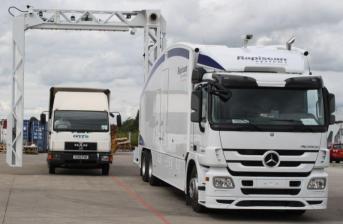
 In an interview with The Maritime Executive, Peter Kant, executive vice president for Rapiscan Systems informed that the primary business of a port is serving as a hub for water-borne commerce and all of the logistics that entails, with each port competing for the business of shippers and container operators. Every investment made by a port authority, from a crane to a dredge to a security checkpoint, must be based on how this activity will not only position the port to current customers, but how it will affect the attraction of future customers.
Increasingly, however, these investments are including more and more security needs, from container scanning equipment to operator training to security architectures. Security, and in particular security screening, is not the core business of a ports authority, but compliance with national and international guidelines demands that certain security standards be met, or losing customers will be the last of a port authority’s worries.
But even though security screening is an absolute necessity, many ports are looking to get out of the security game altogether. But will the departure from security make ports less secure…or could it actually enhance cargo scanning operations?
The Heavy Burden of Screening
As mentioned earlier, port authorities are not experts when it comes to security, especially a task as granular as cargo screening. It’s not just about a “mean guard and a magnet” when it comes to screening anymore, and this especially holds true to the world of maritime cargo. First, the right technology must be installed, a solution that can effectively analyze cargo for potential contraband or threats, both conventional and radioactive. Then, a port authority must determine the best location for the screening checkpoint, and oversee the construction of the location, both in terms of port impact and traffic optimization.
Next come the installation and calibration of the scanning technology, as well as the hiring and training of security operators. The authority must also establish a workflow for what happens when a container is flagged – what requires a manual inspection? Who approves such an operation? What remediation must take place after the fact?
The fact of the matter is, cargo scanning isn’t just about putting containers through an X-ray machine. It’s much, much more than that, and consumes enough time that establishing and running a checkpoint can adversely affect port business.
But there is an easier way to run cargo screening operations. Port authorities are experts in maritime commerce, so why shouldn’t they turn to experts in security screening to run cargo scanning operations?
Cargo Scanning-as-a-Service
Rather than trying to become cargo screening experts overnight, port authorities can take advantage of a major trend in the overall security world: security-screening-as-a-service. Essentially, port operators form a partnership with an experienced security screening solutions provider, tasking the provider, not the port, with the onus of establishing and running a cargo scanning checkpoint.
Other than the obvious benefit of freeing the port authority from the security logistics headache, why turn to cargo screening as a service? For one, 100 percent screening in the United States has not gone away…at least not yet. But even if the requirements on cargo entering the USA are loosened, port screening for contraband is not going to decrease – in this economic climate, governments want to ensure that everything that can be taxed is taxed. This is a nightmare scenario for port authorities to deal with, but one with which screening solutions provider are comfortable. With their experience in the field, these providers can find the right equipment and checkpoint set-up to be as thorough and detailed as needed when it comes to cargo scanning, ensuring that not only are potential threats detected, but any contraband can be swiftly dealt with by the appropriate authorities.
Going with an experienced screening partner can also add radiation detection capabilities, a growing problem in the world of maritime commerce. Radioactive materials, either improperly labeled or being shipped as contraband, can shut ports down for days and are impossible to detect via conventional cargo screening technologies. By utilizing screening-as-a-service, however, port authorities can place this additional burden on the solutions provider, which has the experience and the right capabilities to detect radiation alongside conventional contraband and threats.
Training of security operators is another headache that cargo scanning as a service eliminates for the port. The difference between a major international incident and millions of dollars in fines can hinge entirely on the competency of a security screening operator. Do port authorities really want to be responsible for the skills of these professionals, especially when it’s in a field far outside of their comfort zones?
With cargo scanning as a service, training falls into the lap of the solutions provider, a task with which they are well familiar. Because they have built, installed and maintained the security technologies selected, these organizations best understand how to train professionals on the ins-and-outs of analyzing scanned images and detecting potential threats and contraband.
The service also gives ports a major competitive advantage, as a well-designed, specially-staff cargo scanning checkpoint makes the entire security process far easier for customers to deal with. Throughput is often increased, meaning that cargo makes it to its end destination more quickly and with fewer roadblocks, a paramount concern for shippers everywhere. Even a few hours delay can be costly, especially when perishable goods like imported produce are involved.
The Real World
Perhaps most importantly, cargo-scanning-as-a-service is not a pipe dream or some theoretical solution for ports. It’s already in practice and being used by some of the largest customs and port operations in the world.
The Ports Authority of Puerto Rico, for example, utilizes cargo-screening-as-a-service from a customs perspective, ensuring that no contraband is entering the island through its major ports. By enlisting an outside, specialized security solutions provider, the Port has increased throughput without sacrificing the integrity of its customs or security operations.
The Mexican Customs Authority has also turned to a wide-ranging cargo-screening-as-a-service solution for their operations, both land-locked and maritime. The major project has just recently been undertaken, but ultimately the vast majority of Mexican ports will soon be turning to screening-as-a-service when it comes to cargo, freeing the ports to focus on the business, not contraband detection.
Detecting threats and contraband via maritime cargo is not going to get any easier. If anything, smugglers, criminals and terrorist organizations are becoming more and more clever when it comes to getting illicit goods, weapons and hazardous materials across national borders. Port authorities trying to stay one step ahead of these issues are in for a struggle, as other aspects of the port business suffer.
Keep the port operator’s attention where it belongs (on the port) and let specialized experts handle the cargo scanning burden. It’s proven, it works, and it’s the best way forward to maritime prosperity and safety. Source: The Maritime Executive
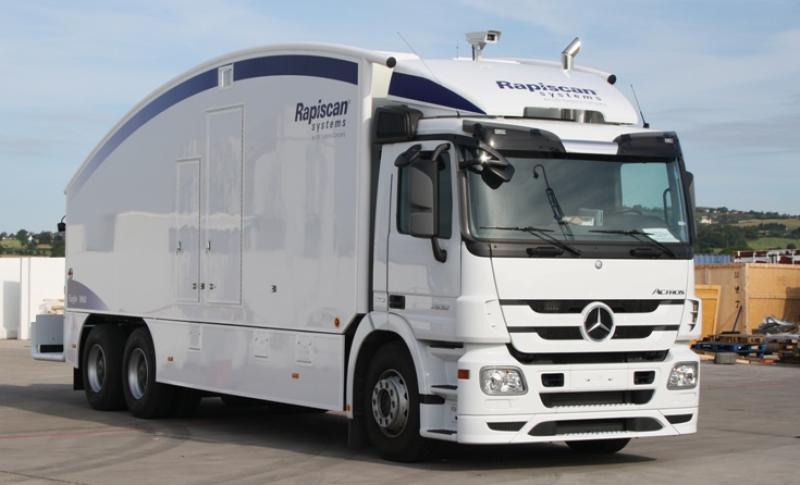 Rapiscan Systems has launched the new Driverless Eagle M60 cargo inspection system. It is a fully-automated vehicle screening system which can operate without the need of a driver and has been specifically designed to assist customs and border personnel in their detection of nuclear materials, explosives, weapons and contraband such as tobacco, alcohol and currency in trucks, cargo and containers.
 What Happened to the Portcullis?
You must be logged in to post a comment.