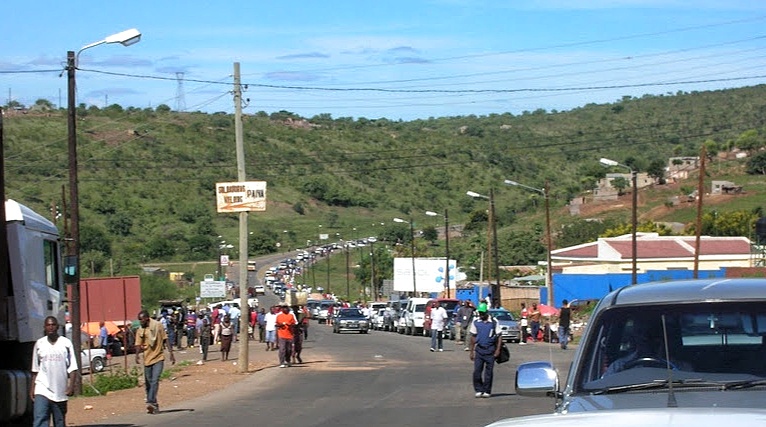
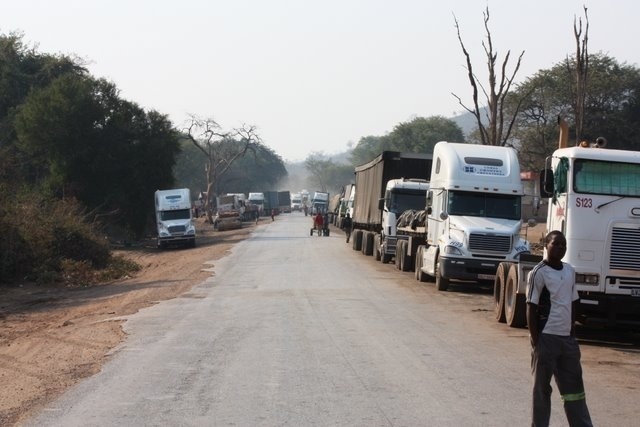
 As part of its Coordinated Border Management (CBM) program, the Southern African Trade Hub (SATH) undertook a Border Operations Assessment (BOA) at Ressano Garcia along the Mozambique/South Africa border. The objective of the assessment was to establish processes used by the different agencies to clear goods, identify challenges and recommend mechanisms to addresses obstacles. The assessment also entailed establishing the time it took for trucks to cross the border by physically recording arrival and departure times at points where the clearance of goods was undertaken.
SATH held discussions with both public and private agencies operating at the border: Customs, Immigration, Health, Agriculture, Police, Traders Association, Clearing and Forwarding Agents and Insurance Companies. The agencies explained their roles and mandates, how they carry out their day to day operations at the border, their working relations with other agencies at the border and the challenges they face in carrying out their duties.
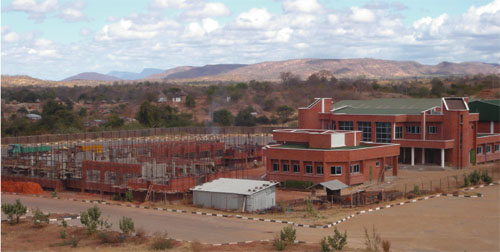
SATH also had discussions with the One Stop Border Post (OSBP) project team to assess progress on the initiative. The OSBP is at an advanced stage and only awaits the adoption of the legal framework by South Africa, which is anticipated by the end of 2012.
Findings of the BOA and recommendations will be disseminated through a national and border workshops to which senior officials of agencies operating at the border and border officials will be invited. At these workshops Joint Border Committees will be established to take the recommendations forward to streamline border management.Source: SA Trade Hub
Related articles
- Mozambique – Single Window and other Customs developments (mpoverello.com)
- Swaziland borderline not documented – BRC (observer.org.sz)
 What Happened to the Portcullis?
You must be logged in to post a comment.