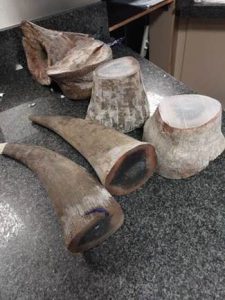
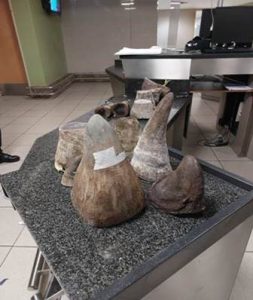
Customs officers of the South African Revenue Service (SARS), in collaboration with other government departments, intercepted the luggage of a female South African passenger at OR Tambo International Airport which contained twelve (12) pieces of rhino horn weighing 30.7 kilograms.
The interception of the rhino horn came after the SARS Customs and other government officials received a tip-off regarding a passenger travelling to Dubai.
The Customs team reacted swiftly and accompanied the female passenger to the Customs area for further Customs inspection. The two luggage bags and a box were inspected by a baggage scanner that identified irregular images suspected to be rhino horn.
This led to a physical inspection of the luggage and box in which twelve (12) pieces of rhino horn, weighing 30.7kg were found. The passenger together with the rhino horn were handed to the South African Police Service after which a criminal case was opened for further investigation.
Between July 2020 and December 2021, a total of 125 pieces of rhino horn, weighing 452 kilograms, were seized at OR Tambo International Airport.
December 2021: Six (6) pieces of rhino horn, weighing 4kg declared as ‘Personal Effects’, bound for China.
December 2021: Five (5) pieces of rhino horn, weighing 10kg declared as ‘Scanners’, bound for Malaysia.
July 2021; Thirty-Two (32) pieces of rhino horn, weighing 160kg declared as ‘Live Plants, bound for Malaysia.
February 2021: eighteen (18) pieces of rhino horn, weighing 63kg declared as ‘HP Cartridges Developers’, bound for Malaysia.
December 2020: seventeen (17) pieces of Rhino Horn weighing 72.4kg concealed in a geyser bound for Malaysia.
September 2020: six (6) pieces, weighing 4.9kg declared as “Coffee Beans”, bound for Malaysia.
July 2020: forty-one (41) pieces, weighing 137kg declared as “Fine Arts”, bound for Malaysia via Doha.
SARS Commissioner Edward Kieswetter expressed his sincere thanks to Customs officers and their counterparts from South African Police Service for working diligently to curb the smuggling of rhino horn and many related crimes.
He said, “We will leave no stone unturned to detect and prosecute these criminal syndicates and individuals who break the law. SARS and the law enforcement agencies will spare no efforts to ensure they are brought to book.”
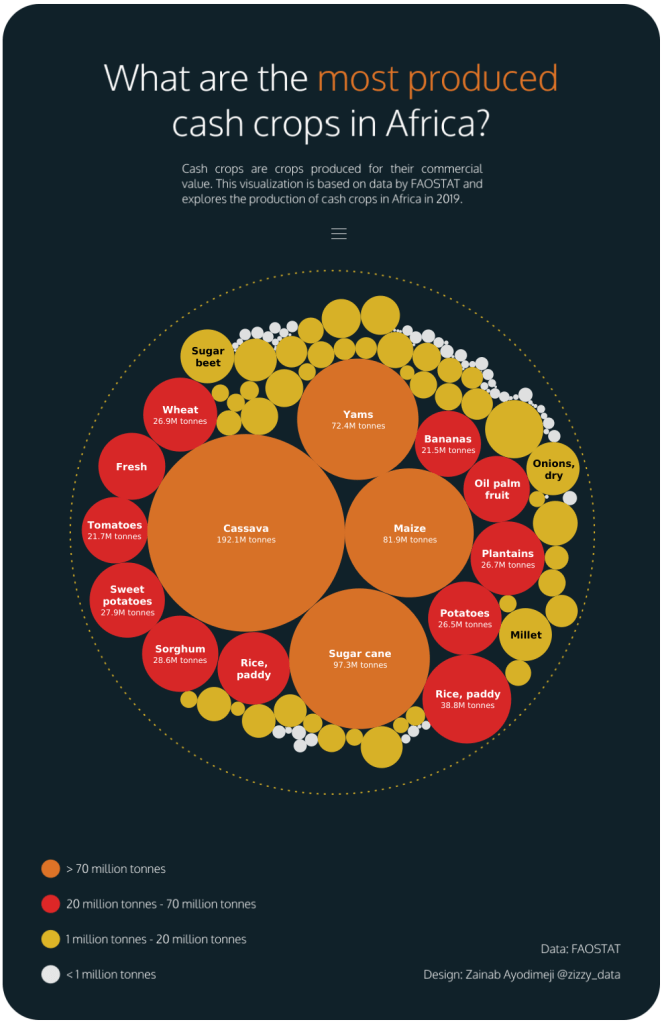
Agriculture makes up nearly 20% of Sub-Saharan Africa’s economy—a higher percentage than any other region worldwide.
From Nigeria to the fertile land across the East African Rift Valley, the continent is home to 60% of the world’s uncultivated arable land.
Given the massive role of agriculture across the region, this infographic from Zainab Ayodimeji shows the most produced cash crops in Africa and their share of total global production.
The 26th/27th Meetings of the SAFE Working Group (SWG) were held successfully from 11 to 14 April 2022. The virtual meetings brought together more than 260 delegates representing Customs administrations, the Private Sector Consultative Group (PSCG), other international organizations and academia.
In his opening remarks, Mr. Pranab Kumar Das, WCO Director of Compliance and Facilitation, highlighted that the SWG had reached an important juncture as the new three-year SAFE review cycle 2021-2024 was about to enter into discussions. It was pointed out that 17 years after it was first published, the SAFE Framework of Standards (FoS) had garnered substantial interest from WCO Members. During the meetings, Guyana became the 172nd WCO Member to express its interest in implementing the SAFE FoS.
With a view to continued enhancement of the AEO criteria and provisions to strengthen the SAFE FoS, WCO Members made several new proposals to revise the Framework. The SWG also received feedback from the private sector on the urgent need to enhance the harmonization of SAFE and AEO implementation. In this context, the SWG heard a presentation by the WCO Anti-Corruption and Integrity Promotion (A-CIP) Programme on maintaining the integrity and transparency of AEO implementation.
On this occasion, the SWG reviewed and adopted the new Work Plan for 2022-2024, which reflected the critical activities the SWG will carry out over the next two years until 2024, in parallel with the SAFE review cycle. The SWG also received an update on the development of new features for the Online AEO Compendium (OAC) and the other extensive work underway in collaboration with other international organizations in the areas of security and facilitation.
Against the backdrop of the WCO’s theme for 2022, the panel discussion on “Scaling up Customs Digital Transformation by Embracing a Data Culture and Building a Data Ecosystem” attracted significant interest from Members and the private sector. The experienced speakers from Member Customs administrations, the private sector and the Secretariat enriched the discussions by sharing their best practices on using data for enhancing risk management and monitoring AEO programmes.
As a way forward, the SWG agreed that efforts will be reserved for a comprehensive review to assess and monitor SAFE implementation for greater harmonization of AEO programmes globally.
China has mandated a strict “zero COVID” policy since the onset of the global pandemic, which has led to tight lockdowns across the country whenever cases have started to spike.
Recently, lockdown restrictions have been enacted in major cities like Shenzhen and Shanghai, as China deals with one of its worst outbreaks since Wuhan in December 2019.
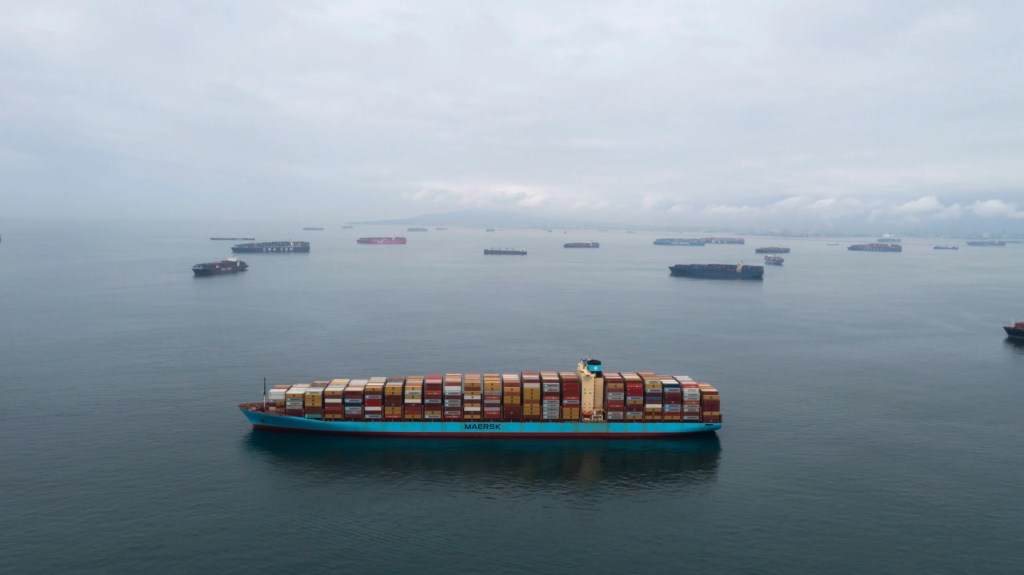
These cautionary measures have had far-reaching impacts on China’s economy, especially on its supply chain and logistics operations. Shanghai’s port system, which handles about one-fifth of China’s export containers, is currently experiencing significant delays as a result of the recent government lockdown.
Shipping volume has dipped drastically since early March this year, right after partial lockdowns began in Shanghai. By the end of March, as restrictions continued to tighten up, shipping activity dipped nearly 30% compared to pre-lockdown levels. And while activity has recently picked up, it’s still far below average shipment volumes prior to the recent lockdown.
While the port is still technically operating, shipping delays will likely cause hiccups in the global supply chain. That’s because the Shanghai port is a major hub for international trade, and one of the largest and busiest container ports in the world.
How Bad is the Back-Up?
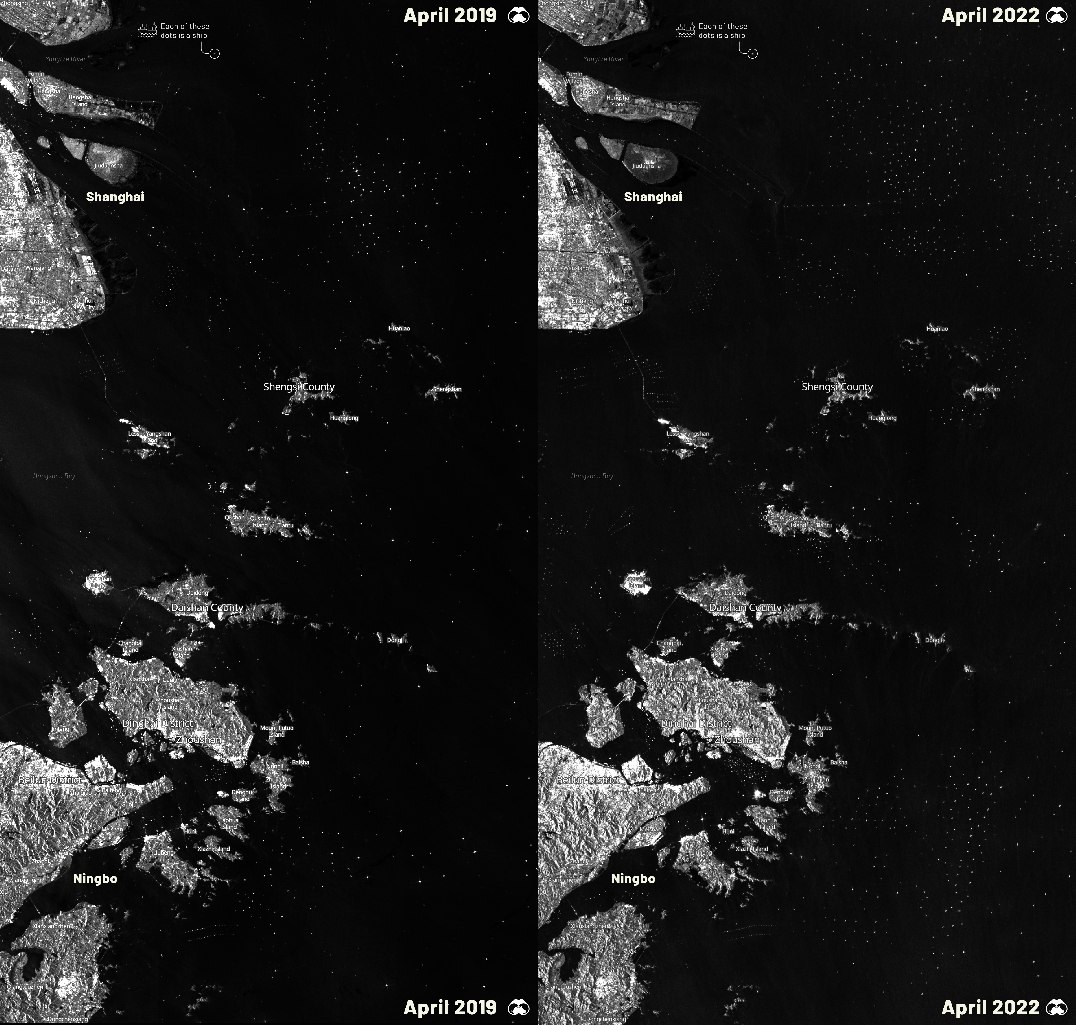
Here’s a closer look at satellite imagery that was captured by the Sentinel-1 satellite, which shows the current congestion at Shanghai’s port as of April 14, 2022. In the image, a majority of the white dots are cargo ships, many of which have been stuck in limbo for days.
Traffic has been building up at the Shanghai terminal. As of April 19, 2022, over 470 ships are still waiting to deliver goods to China. If you’d like to check out the Shanghai ports most up-to-date traffic, this live map by MarineTraffice provides real-time updates.
Much of these delays are due to transport issues—an estimated 90% of trucks that support import and export activities are currently offline, which is causing dwell time for containers at Shanghai marine terminals to increase drastically.
Wait times for at Shanghai marine terminals has increased nearly 75% since the lockdowns began. Delays at the Shanghai terminal have sent ships to neighboring ports in Ningbo and Yangshan, but those ports are beginning to get congested as well.
The global impacts of this current bottleneck are still pending, and depend greatly on the length of Shanghai’s lockdown. According to an article in Freight Waves, this could turn into the biggest supply chain issue since the start of the pandemic if China’s marine shipping congestion isn’t cleared up soon.
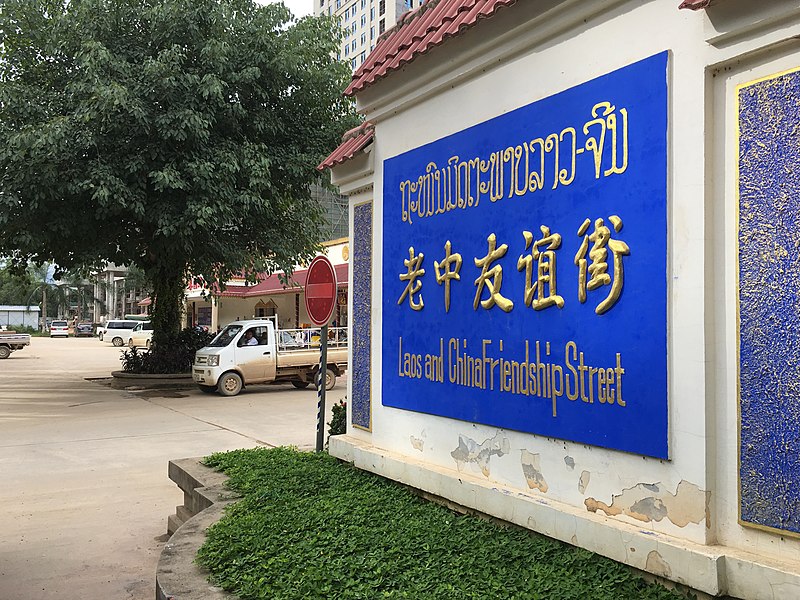
The Golden Triangle SEZ in Laos is mired in scandal and criminality, but the silence from SEZ authorities on the matter is deafening.
In February 2022, authorities raided the Golden Triangle Special Economic Zone (SEZ) in Laos, freeing dozens of Chinese women from forced prostitution.
For years, the Golden Triangle SEZ has been home to numerous illegal industries including human trafficking, wildlife smuggling and drugs production. Despite this, the zone has announced significant expansion plans.
SEZs are business parks or cities that have been granted exemptions from most national-level economic regulations. They often enjoy tax breaks, different labour laws, special visa rights, import/export exemptions and streamlined regulations. There are more than 7,500 SEZs in 100 countries worldwide. The overwhelming majority of SEZs are legitimate centres of industry. They play key roles in the global tech, manufacturing, supply chain, logistics and tourism industries. However, a small minority of SEZs, such as the Golden Triangle, have been implicated in serious issues that threaten the credibility of the entire industry.
The shame of the Golden Triangle SEZ
On 5 February 2022, Laotian police raided the Golden Triangle SEZ, rescuing six women who were victims of human trafficking. The women came from impoverished backgrounds in southern China. Recruiters told them that they could have lucrative jobs as telemarketers in the Kings Roman Casino, the anchor tenant of the zone. When they failed to meet sales quotas, their employers declared that they were in debt. The women were then brought to local pimps, who separated the ones considered beautiful from the rest. Some of the women were sent to brothels; the others were forced to work in the laundry service of the casino.
In January, eight women staged a daring escape where, in the middle of the night, they met up with human rights activists who helped them escape the zone’s fence. After repeated complaints by the authorities, they carried out the raid, which would rescue six more women.
Authorities have now rescued 50 Thai women from the Golden Triangle SEZ, although, according to Laotian authorities, there may be up to 200 more women of other nationalities still trapped there. Some of the women have reportedly been enslaved there for up to a decade. In 2012, 50 women were rescued after similar complaints led to a similar bust.
Laotian authorities are powerless to act – the Golden Triangle’s status as an SEZ means that authorities cannot enter in the absence of a formal complaint. The zone is run by the Chinese-owned Kings Roman Corporation, based out of Hong Kong.
On 29 January, the second-largest drug seizure in Asian history occurred right outside of the Golden Triangle SEZ. Authorities caught four men in a nearby village attempting to smuggle 36 million pills of methamphetamine to Thailand. Authorities speculated that the meth was produced in the Golden Triangle SEZ, and was ultimately destined for lucrative markets such as China and Australia. An Australian federal police official stationed in the area estimated that between 60% and 80% of all of Australia’s methamphetamine came from the Golden Triangle region.
The World Wildlife Fund also warns that the Golden Triangle SEZ is a hotbed of wildlife smuggling. Endangered species such as tigers, elephants, bears and pangolins are sold and butchered there for use in Chinese traditional medicine. The number of illegally held animals has significantly increased since the beginning of 2022.
SEZ officials do not deny any of the human trafficking, drug smuggling or wildlife smuggling. However, they say that this is being done by tenants and not by the zone itself. SEZ officials have agreed to pass new labour rules designed to protect women in the zone, but critics worry that these are just token reforms.
Despite everything, Laotian authorities are unwilling to shut down the zone. This is partially due to pressure from the Chinese, but also because the rest of the country outside of the zone is also chaotic. Local authorities are barred from entering and international inspectors are routinely turned away.
International SEZ organisations must issue statements publicly condemning the Golden Triangle SEZ. Doing so would cost them nothing – a single press release, an email blast to their newsletter audiences and a public statement condemning the project. It would, however, have a significant impact – it would give activists in Laos and the Mekong region more ammunition to pressure the government to shut down the zone. It would also send a message to international investors to stay away. Failure to properly address zones such as the Golden Triangle actively damages the credibility of the SEZ trade associations. It creates a false perception that these groups stand to gain by enforcing the status quo. In reality, international zone associations have everything to lose by failing to publicly condemn bad SEZs.
Strongly worded statements will not solve the problems of the Golden Triangle and other SEZs that fall below the required standards of decency, but they will send a message to the Golden Triangle – and other problematic zones – that they are being watched.
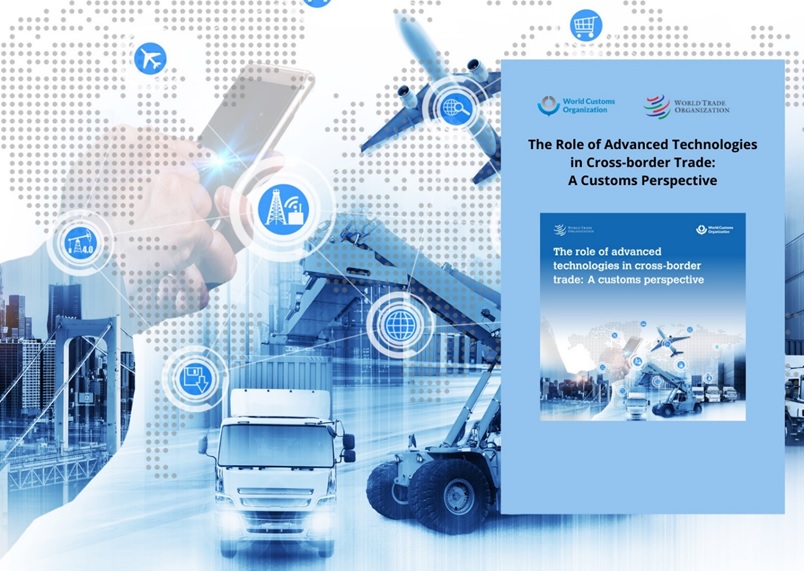
The WCO and the World Trade Organization (WTO) held a webinar to launch their joint publication on Customs use of advance technologies. The event attracted more than 700 attendees and provided insights into how advanced technologies can help Customs administrations facilitate the flow of goods across borders. The publication titled, “The role of advanced technologies in cross-border trade: A customs perspective” provides the current state of play and sheds light on the opportunities and challenges Customs face when deploying these technologies.
The publication outlines the key findings of WCO’s 2021 Annual Consolidated Survey and its results on Customs’ use of advanced technologies such as blockchain, the internet of things, data analytics and artificial intelligence to facilitate trade and enhance safety, security and fair revenue collection.
The joint publication highlights the benefits that can result from the adoption of these advanced technologies, such as enhanced transparency of procedures, sharing of information amongst all relevant stakeholders in real time, better risk management, and improved data quality, leading to greater efficiency in Customs processes and procedures.
In his remarks, WCO Deputy Secretary General Ricardo Treviño Chapa said, “Technologies will assist implementation of international trade facilitation rules and standards, such as the WCO Revised Kyoto Convention and the WTO Trade Facilitation Agreement. We are therefore delighted to be partnering with the WTO, to ensure that our work in assisting our Members’ digital transformation journeys is complementary, that we bring all relevant partners to the same table, and that we avoid duplication.”
In her opening remarks, WTO Deputy Director-General Anabel González noted, “Advanced technologies offer customs an opportunity to take a big leap forward on trade facilitation. Take blockchain. Its widespread application could help us make trade both more transparent and less paper intensive. That would reduce trade costs, which is good news for everyone, especially small businesses, which are disproportionately affected by red tape at the border.”
The webinar presented the main findings from the WCO/WTO paper and featured presentations by Brazil, Nigeria, Singapore and the Inter-American Development Bank. For a greater uptake of these technologies, the speakers underlined the importance of continuous sensitization of Customs and other stakeholders, the need for interoperability and implementation of international standards, the relevance of engaging in dialogues at international level, as well as having a strategy and space for innovation and testing at national level.
The WTO has launched a new book entitled “Trade in Knowledge: Intellectual Property, Trade and Development in a Transformed Global Economy” on 31 March. At the launch event, a wide cross-section of contributors to the publication discussed how their research and analysis had a bearing on current issues lying at the intersection of development, trade, technology and the diffusion of knowledge.
Drawing together insights from a diverse range of leading international scholars and analysts, the publication explores how to build more inclusive, up-to-date and precise ways of measuring knowledge flows, discusses how more nuanced and effective use of these data may guide policymakers and provides insights into the prospects for knowledge-based social and economic development, moving legacy models and adapting to the realities of the contemporary knowledge economy. The book also proposes ideas for updated systems of governance that promote positive sum approaches to the creation and sharing of the benefits of knowledge as a public good, with a view to informing planning for development.
Last year, the ports and the private sector moved a historic amount of goods with record holiday sales and delivery times below pre-pandemic levels. Currently, real retail inventories excluding autos are six percent higher than at the end of 2019 and products at grocery and drug stores are 90 percent in stock, just 1 percentage point below pre-pandemic levels.
The US government is also focused on addressing the longer-term weaknesses in our nation’s supply chains, the result of decades of underinvestment, outsourcing, and offshoring instead of investment in long-term security, sustainability, and resilience. The Bipartisan Infrastructure Law (BIL) is now making a generational investment in our ports, highways, and other parts of our physical infrastructure, which will help speed up the movement of goods and lower costs. But we can further strengthen our goods movement supply chains by making a similarly bold improvement in a digital infrastructure to connect the supply chain.
To take the first step toward addressing this challenge, the US government is announcing the launch of Freight Logistics Optimization Works (FLOW), an information sharing initiative to pilot key freight information exchange between parts of the goods movement supply chain.FLOW includes eighteen initial participants that represent diverse perspectives across the supply chain, including private businesses, warehousing, and logistics companies, ports, and more. These key stakeholders will work together with the Administration to develop a proof-of-concept information exchange to ease supply chain congestion, speed up the movement of goods, and ultimately cut costs for American consumers. DOT will lead this effort, playing the role of an honest broker and convener to bring supply chain stakeholders together to problem solve and overcome coordination challenges. This initial phase aims to produce a proof-of-concept freight information exchange by the end of the summer.
Recent supply chain disruptions have raised national awareness of the need for improved information exchange. Supply chain stakeholders deserve reliable, predictable, and accurate information about goods movement and FLOW will test the idea that cooperation on foundational freight digital infrastructure is in the interest of both public and private parties. FLOW is designed to support businesses throughout the supply chain and improve accuracy of information from end-to-end for a more resilient supply chain.
Resiliency—the ability to recover from an unexpected shock—requires visibility, agility, and redundancy. The lack of digital infrastructure and transparency makes our supply chains brittle and unable to adapt when faced with a shock. The goods movement chain is almost entirely privately operated and spans shipping lines, ports, terminal operators, truckers, railroads, warehouses, and cargo owners such as retailers. These different actors have made great strides in digitizing their own internal operations, but they do not always exchange information with each other. This lack of information exchange can cause delays as cargo moves from one part of the supply chain to another, driving up costs and increasing goods movement fragility.
WCO News features an article by the Secretariat on the WCO Data Model – the common language for border management-related processes which enable information to flow seamlessly across different IT systems. The article focuses on the latest data requirements and processes which have been included in the Model through collaboration with stakeholders in the maritime, food safety, waste management and postal sectors. In addition, it offers some practical guidance to Customs administrations which are considering adopting the Model and calls on economic operators to use it in their commercial processes also, as it covers some of the data elements found in commercial documents such as the invoice, packing list and bill of lading.
This is followed by an article by the Botswana Unified Revenue Service (BURS) introducing various projects dealing with the collection, analysis and sharing of data. The author also emphasizes that a culture of innovation has emerged within BURS, and that the working environment supports creative thinking and the generation of new or improved products, services and processes.
The third article presents the results of, and lessons learned from, the first International Survey on Customs Administration (ISOCA), which was co-managed by the WCO and the IMF with the aim of collecting quantitative and qualitative data on Customs administrations and enabling comparisons to be made between countries that share common features. A higher number of participants is required for the Survey to provide a global view of the roles played by Customs administrations, and of their practices. I hope more administrations will participate in future editions of the Survey, which will be simplified to strike a better balance between the need for accurate data and the burden of data collection.
In the next article, Dominican Republic Customs introduces the tools it has developed to measure the time required to release goods and support the Government’s Release in 24 Hours (D24H) Programme, whose objective is to turn the Dominican Republic into the logistics epicenter “par excellence” of the Caribbean region.
A further article takes us to Niger, where the Customs Administration recently financed a study into the use of satellite imagery to analyze cross-border trade flows. The article presents the information collected and explains how it will be used to reorganize operational services and provide efficient links within the territory.
The final article in this Dossier sheds light on the need for harmonization in the digitization of trade documents. This article by the ICC introduces the ICC’s Digital Standards Initiative (DSI), a collaborative cross-industry effort to advance the digitization of trade globally through the adoption of a set of standards.
Many other articles published in this edition of the WCO News directly or indirectly touch on data and on the role that information technology plays in making us more efficient. And this is true of all the editions of our magazine. You have heard or read it many times: in today’s world, it’s all about data. Data is strategic, and we all stand to gain by sharing experience and expertise on how best to manage it in a holistic way.
Abu Dhabi Customs hosted a workshop recently with key Importers and Exporters discussing how TradeLens and digitized transportation documentation has the ability to streamline processes in customs declaration processes.
“Abu Dhabi Customs is excited to work with a group of importers and exporters to explore the benefits that collaboration using blockchain can offer to all those involved. This joint approach is critical to create time savings in the process and to improve access to international trade to all entities that trade with Abu Dhabi. We really believe TradeLens will be bringing a lot of benefits to our ecosystem here in Abu Dhabi”. – Yanal Qasim Mohammad Alkhasoneh, Division Director – Information Technology, Information Technology Division
“The collaboration across public and private entities towards a single shared goal was immensely encouraging. The gathering of industry leaders, authorities, and ocean carriers to jointly and openly address international transportation documentation highlights the desire to improve existing processes using innovative digital tools like TradeLens”. – Thomas Sproat, Global Head of Network TradeLens
At the invitation of the African Continental Free Trade Area (AfCFTA) Secretariat, the World Customs Organization (WCO) gave a presentation on international standards for the drafting of tools and instruments on rules of origin at a virtual workshop on the drafting of the AfCFTA Rules of Origin Handbook held on Monday 21 February 2022.
In her welcoming address, the Chairperson of the Sub-Committee on Rules of Origin expressed her profound gratitude and thanks to the AfCFTA’s partner organizations, such as the WCO and UNCTAD, as well as to the Regional Economic Communities (COMESA, EAC, ECOWAS and the SADC) which had kindly accepted the invitation to share their experience of drafting rules of origin handbooks.
She reminded those taking part that Article 8.3 of the Agreement establishing the African Continental Free Trade Area laid down that any additional instruments, within the scope of that Agreement, deemed necessary, are to be concluded in furtherance of the objectives of the AfCFTA and will, upon adoption, form an integral part of the Agreement. In accordance with Article 13 of the Protocol on Trade in Goods, discussions among the negotiating bodies had led to the adoption of Annex 2 on Rules of Origin and of close to 88% of the tariff lines constituting Annex IV. She also emphasized that both of those legal documents on rules of origin had to be made operational through the use of the Rules of Origin Handbook.
With a view to the implementation of Annex 2 on Rules of Origin of the AfCFTA Protocol on Trade in Goods, she went on to stress that the 8th Meeting of the Council of Ministers, held on 28 January 2022, had decided that the work on drafting the AfCFTA’s Rules of Origin Handbook had to be given priority.
Accordingly, under Item 3 on the Agenda, the WCO gave a talk on the drafting of rules of origin handbooks, presenting some practical cases that explained the international standards applied in drawing up its tools. There was then a question-and-answer session in which the delegates from Customs administrations, trade and industry were able to have a fuller exchange on the subject of good practices on which the AfCFTA could draw in finalizing the drafting of the Rules of Origin Handbook.
The workshop was attended by more than 150 delegates, for whom it was an opportunity to learn more about good practices in relation to the drafting of operational handbooks on rules of origin, with a view to making proposals for improvements to the AfCFTA handbook, on the basis, too, of the experiences of the WCO, UNCTAD and the African RECs.
The workshop came before the 5th Meeting of the Sub-Committee on Rules of Origin to be held from 22 to 25 February 2022, at which the handbook in question would have to be drawn up in order to facilitate the implementation of AfCFTA rules of origin and thereby boost intra-African trade.
Meta’s top social media platforms Facebook, Instagram and WhatsApp have become enormously successful e-commerce channels, and the counterfeiters have followed the money, says a new report by Ghostdata.
Fuelled by technological additions like Facebook Pay, the emergence of Messenger as a unified chat and sales tool and WhatsApp’s online catalogues for businesses, the social media juggernaut has become a magnet for illicit traders who make use of this new integrated functionality.
“Meta and its subsidiaries have developed a strategy increasingly aimed at becoming an e-commerce leader, thus attracting a more diversified crowd of ruthless counterfeiters,” says the report.
“In turn this has further exposed Facebook’s inability to keep under control such activities on its platforms. This controversial behaviour led to an increase of counterfeit sellers and eventually to a general user distrust still evident today,” it continues.
Meta makes much of its efforts to protect intellectual property and fight the sale and promotion of counterfeit products, saying it makes ongoing improvements to enforcement measures and reporting tools and is investing in technology to prevent counterfeit activity.
However, the report finds that “despite Meta’s security reports and legal initiatives, the effects of their supposed crackdown on these illicit activities are disappointing and insufficient.”
“At the same time, WhatsApp has become the counterfeiters’ favourite and most used tool. Particularly WhatsApp Business, an option aimed at mom-and-pop companies, is now used by 40% of such Chinese counterfeiters, surpassing even the local and wildly popular WeChat.”
Ghostdata analysts used software including textual searches and visual recognition to try to identify sellers of counterfeits on the sites from online activity, and in just 20 days came up with a total of 26,770 counterfeiters’ accounts that were active on Facebook at the end of October 2021.
“Our study revealed that each counterfeiter profile counts an average of over 1,250 friends,” says the report, adding: “a very conservative estimate indicates that counterfeiters reach about 20 million unique contacts through newsfeed and private messages.”
It will be no surprise that the vast majority of these counterfeiters found by Ghostdata seem to be operating from mainland China, although it found examples of sellers in Russia, Turkey, Indonesia, Ukraine and Brazil.
“We estimate that on Facebook and Instagram combined there are about 6,000-7,000 wholesalers from China, with an annual business turnover ranging between $1.8bn and $2.1bn,” it says, adding: “this is a quite conservative estimate.”
Luxury clothing and accessories brands were most mentioned by counterfeiters, with the list headed by Louis Vuitton – accounting for 58% of activity – followed by Chanel, Fendi, Prada and Gucci.
On 15 February 2022, Dr. Kunio Mikuriya, Secretary General of the World Customs Organization (WCO), and H.E. Mr. Wamkele Mene, Secretary General of the African Continental Free Trade Area (AfCFTA) Secretariat, met at WCO Headquarters to sign a Memorandum of Understanding (MoU). This MoU aims at strengthening the organizational capacity, transparency and effectiveness of African Customs administrations in a sustainable manner through cooperation between both Organizations.
In his remarks on this occasion, Secretary General Mene explained that it had been a long road since the establishment of the AfCFTA Secretariat. Today, 41 of its 54 Member States had duly ratified Rules of Origin for 87.7% of tariff headings agreed upon, to name but one milestone. He recalled the mandate of his Secretariat and stated that Customs’ involvement is essential in order to realise the ambitions laid out in the Agreement establishing the AfCFTA. He also noted that expectations were high and that communities were eager to start trading under the Agreement. The AfCFTA Secretary General then acknowledged the WCO’s expertise and role in delivering capacity building in highly-technical areas which were key for implementing the Agreement.
After congratulating his counterpart for the work done by the AfCFTA Secretariat, Dr. Mikuriya highlighted the areas where the WCO could contribute, including customs technical matters such as the Harmonized System, Valuation and Origin, as well as automation, risk management and trade facilitation which will yield economic benefits to the African continent.
He went on to outline the WCO’s long experience in developing capacity-building materials for Customs administrations and in donor coordination to ensure the efficient delivery of training. He reaffirmed WCO’s commitment to contribute to the regional integration efforts in Africa through customs modernisation.
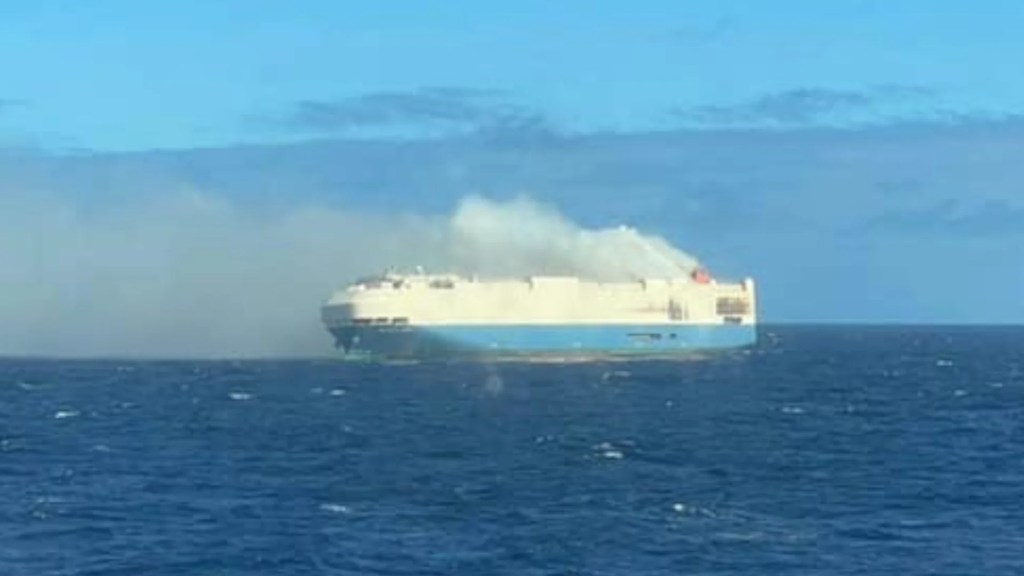
The Portugese Navy has confirmed this morning that one of its patrol boats came to the aid of the Felicity Ace, a car carrier transiting the Atlantic Ocean, as reported by the Washington Post. The vessel transmitted a distress signal after fire broke out in one of the cargo decks, with the ship announced as “not under command” shortly afterwards. Thankfully, the 22 crew on board have been reported as successfully evacuated from the ship.
The Felicity Acehad departed from the port in Emden, Germany on February 10, believed to be carrying vehicles from Porsche and other Volkswagen Auto Group brands, among others. The ship was originally expected to arrive at Davisville, Rhode Island on the morning of February 23.
After transmitting the distress signal on Wednesday morning, the Panama-flagged ship was quickly reached by the Portugese Navy patrol boat as well as four merchant ships in the area. According to Naftika Chronika, the crew of the Felicity Ace left the ship on a lifeboat and were picked up by Resilient Warrior, a tanker operated by Greek company Polembros Shipping Limited. Reportedly, 11 of the crew have so far have been picked up from the Resilient Warrior by a Portugese Navy helicopter. Efforts to bring the situation under control are ongoing according to reports from the scene.
The Felicity Ace was built in 2005, measuring 656 feet long and 104 feet wide, with a carrying capacity of 17,738 tons. Fully loaded, the ship could carry nearly 4,000 vehicles. No details are currently available as to the cause of the fire, other than that it broke out in the ship’s cargo hold.
In a statement,Porsche stated that “Our immediate thoughts are of the 22 crew of the merchant ship ‘Felicity Ace,’ all of whom we understand are safe and well as a result of their rescue by the Portuguese Navy following reports of a fire on board.” The company advised concerned customers to liaise with their dealers, noting that “We believe a number of our cars are among the cargo on board the ship. No further details of the specific cars affected are available at this time – we are in close contact with the shipping company and will share more information in due course.”
Some Porsche customers may be particularly concerned if their limited-edition cars have been damaged and destroyed in the incident. The company has in the past made efforts to remanufacture limited-edition cars, such as the Porsche 911 GT2 RS, when a number were lost when a cargo ship sank back in 2019.
Volkswagen, meanwhile, stated that “We are aware of an incident today involving a cargo ship transporting Volkswagen Group vehicles across the Atlantic,” adding that “At this time, we are not aware of any injuries. We are working with local authorities and the shipping company to investigate the cause of the incident.”
With the automotive industry already struggling with supply chain issues, this incident will come as a further blow. Similarly, when a ship’s name is all over the news, it’s rarely for a good reason, as we all learned when the Ever Given blocked the Suez Canal last year. However, the good thing to take away from this story is that nobody has been hurt, and the crew were rescued safely. Some cars may have been lost, which will cause much pain and frustration, but any cars damaged will hopefully be replaced in good time.
ICC, DCSA, BIMCO, FIATA and SWIFT have launched the Future International Trade Alliance and signed a memorandum of understanding to standardise digitalisation of international trade. Together, the industry associations will collaborate on the development and adoption of relevant standards to facilitate the use of electronic bills of lading.
Established to further digitalisation of container shipping technology standards, Digital Container Shipping Association (DCSA) – a neutral, non-profit group – in conjunction with its nine member carriers, today announced the formation of the Future International Trade (FIT) Alliance with the signing of a memorandum of understanding (MOU) between DCSA, ICC, BIMCO, FIATA and SWIFT in which the organisations commit to collaborating to standardise the digitalisation of international trade.
Through this initiative, the FIT Alliance will work together to generate awareness about the importance of common and interoperable data standards and common legislative conditions across international jurisdictions and platforms. The aim is to facilitate acceptance and adoption of an eBL by regulators, banks and insurers and to unify communication between these organisations and customers, physical and contractual carriers, and all other stakeholders involved in an international trade transaction.
“The digitalisation of documentation for container shipments will add value for international suppliers who rely on shipping across sectors,” said David Loosley, Secretary General and CEO of BIMCO. “Aligning these standards with the electronic bill of lading standard for the dry and liquid bulk sectors, which we are developing with assistance from DCSA, will help accelerate the digitalisation of trade globally.”
“Interoperability between all actors of the trade and transport industry is the key foundation to enable smooth data exchange and to streamline the end-to-end shipping process for our members,” said Dr. Stephane Graber, FIATA Director General. “FIATA, as the owner of the only negotiable multimodal transport document, endorsed by UNCTAD and ICC, is convinced that an industry-wide effort to establish open-source, interoperable, technology-agnostic standards is essential to make digitalization of international trade a reality. FIATA is committed to facilitating adoption of digital processes for freight-forwarders. We took the lead by developing the electronic FIATA Bill of Lading (eFBL) standard, which will further the acceptance of electronic documents by all stakeholders involved in a bill of lading (B/L) transaction. By simplifying their day-to-day business, our members will be able to focus on building truly differentiated offerings for their customers on top of future-proof digital foundations.”
“ICC represents 45 million companies in over 100 countries, and our mission is to make business work for everyone, every day, everywhere,” said John W.H. Denton AO, ICC Secretary General. “Living up to that means finding ways to make international trade far less complex than it currently is. Through the FIT Alliance, we are collaborating with key industry players to create and accelerate the adoption of digital standards for bills of lading that will make international shipping dramatically more simple, secure and seamless. This will drive a sea change in companies’ productivity and business models, the two critical ingredients to help businesses build back better and unleash benefits at an ecosystem level which have never before been achieved.”
David Watson, Chief Strategy Officer at SWIFT, said: “SWIFT is the way the world moves value, connecting 11,500 institutions in more than 200 countries and facilitating over US$2 trillion in global trade every year. We have significantly accelerated cross-border flows in recent years and are innovating at scale to make them instant. To that end, we are delighted to be part of this cross-industry collaboration to tackle friction through standardisation and enable interoperability across the ecosystem to allow rich data to flow freely between multiple platforms.”
“From the beginning, DCSA has understood the importance of cross-industry collaboration to achieve the elusive goal of universal eBL,” said Thomas Bagge, DCSA CEO. “The FIT Alliance is one exciting result of our ongoing effort to drive that collaboration. Container ships carry 90% of the world’s goods. As such, an incredibly diverse set of stakeholders touches the B/L transaction—from government regulators, to insurers, to shippers from every industry. To achieve widespread use of eBL, they must all be on board with adopting digital B/L standards. The agreement between DCSA and these diverse industry associations is an exciting milestone in our journey towards standardising all container shipping documentation through our eDocumentation initiative. We applaud the foresight and leadership of these organisations for joining us in the effort to bring greater transparency, efficiency, reliability and sustainability to the container shipping industry.”




 What Happened to the Portcullis?
You must be logged in to post a comment.