nCEN goes live in Botswana

nCEN goes live in BotswanaThe WCO launched its national Customs Enforcement Network (nCEN) application in Botswana in October 2014. Following the pilot projects in Mauritius and Kenya, the nCEN is already operational in Namibia, Swaziland, and the Seychelles, providing these countries crucial opportunities for regional cooperation in the enforcement field.

After an official meeting in Gaborone with the Executive Management Committee as well as with the General Managers of Botswana Unified Revenue Service, the WCO delegation conducted an eight-day nCEN Workshop intended to provide local officers with the necessary knowhow about the nCEN application, with an ultimate goal of improving the operational efficiency and analytical possibilities of their Administration. The workshop also touched upon the other WCO applications, giving valuable insight on the additional data mining and information exchange potential of the CEN suite.

The launch of the nCEN application in the region is financially supported by the Finish government as a component of the WCO project “Building Trade Capacity through Customs Modernization in the East and Southern Africa Region”, aiming at providing Customs Administrations with the necessary hardware and software as well as related knowledge and skills to implement simplified and improved customs procedures with modern customs operational techniques.

The nCEN application consists of three independent databases (a seizure database, a suspect database, and a company database), as well as a communication component. The core database of national seizures and offences comprises data required for analysis, including means of conveyance, routes, and the possibility to view photos depicting exceptional concealment methods. Two supplementary databases contain information on suspected persons and offending business entities, facilitating a structured investigation process.

The nCEN software is a free application for all WCO Members. The costs of the hardware needed to run the nCEN application, the costs associated with the training, and possible costs for modifications to the local IT infrastructure (if applicable), are however the responsibility of the implementing Customs Administration. Source: WCO

New WCO HS standards coming into force on 1 January 2017

OMD_7760The WCO Council, at its 123rd/124th Sessions in June 2014, adopted a Recommendation that lists recommended amendments to the Harmonized System (HS) nomenclature which will enter into force on 1 January 2017 (HS 2017).

This Recommendation is being promulgated under the provisions of Article 16 of the HS Convention, which implies that HS Contracting Parties now have six months to notify the WCO Secretariat of an objection to a recommended amendment.

Since the entry into force of the current version of the HS (HS 2012), the HS Committee has been revising this version of the HS nomenclature for almost five years. HS 2017 will be the sixth version of the HS since the Convention entered into force in 1983. HS 2017 will enter into force for all HS Contracting Parties, but will exclude any amendments objected to during the six month timeframe.

The new version of the HS includes 234 sets of amendments. Environmental and social issues are a major feature of these amendments, due to the importance of the HS as a global tool for collecting trade statistics and monitoring trade. This is borne out by the fact that the HS Convention currently has 150 Contracting Parties, making it the WCO’s most successful international instrument to date.

The majority of the recommended amendments were broached by the Food and Agriculture Organization of the United Nations (FAO):

  • Amendments relating to fish and fishery products are aimed at further enhancing the coverage of species and product forms which need to be monitored for food security purposes, and the better management of resources.
  • Amendments relating to crustaceans, molluscs and other invertebrates are motivated by the importance of the trade in and consumption of these species in their various product forms.
  • Amendments relating to cuttlefish and squid enlarge the coverage of the present HS codes for these species, in order to have all these species grouped together.

The classification of forestry products has also been modified, in order to enhance the coverage of wood species and get a better picture of trade patterns. The modification will enable trade data on tropical wood to be identified, resulting in better statistics on the trade in tropical wood and better data on the use of non-tropical hardwoods. In addition, the amendments include new subheadings for the monitoring and control of certain bamboo and rattan products.

Furthermore, HS 2017 amendments aim to provide detailed information on several categories of products that are used as antimalarial commodities. This will facilitate classification work, and the trade in these life-saving products.

The amendments also introduce specific subheadings to facilitate the collection and comparison of data on the international movement of certain substances controlled under the Chemical Weapons Convention.

New subheadings have also been created for a number of hazardous chemicals controlled under the Rotterdam Convention and for certain persistent organic pollutants (POPs) controlled under the Stockholm Convention. In some cases, there is a confluence of control regimes for chemicals by both the Rotterdam and Stockholm Conventions.

In addition, new subheadings have been created for the monitoring and control of pharmaceutical preparations containing ephedrine, pseudoephedrine or norephedrine, and for alpha-phenylacetoacetonitrile (APAAN), a pre-precursor for drugs.

Other amendments resulted from changes in international trade patterns. Headings 69.07 (unglazed ceramic products) and 69.08 (glazed ceramic products) were merged to take account of the fact that the main subheadings within these headings concern products which are essentially no longer manufactured, and the industry and trade no longer make a distinction between unglazed and glazed ceramic products, whilst new products with a very high trade volume are classified under subheadings 6907.90 and 6908.90 (“Other”).

Furthermore, for purposes of adapting the HS to current trade practices, certain important products will be separately identified in either existing or new subheadings.

Advances in technology are also reflected in the amendments, inter alia, the size criteria for newsprint, light-emitting diode (LED) lamps, multi-component integrated circuits (MCOs), and hybrid, plug-in hybrid and all-electric vehicles.

Finally, the HS 2017 Recommendation includes amendments to clarify texts to ensure uniform application of the nomenclature. For example, the regrouping of monopods, bipods, tripods and similar articles in a new heading, namely 96.20. Source: The WCO
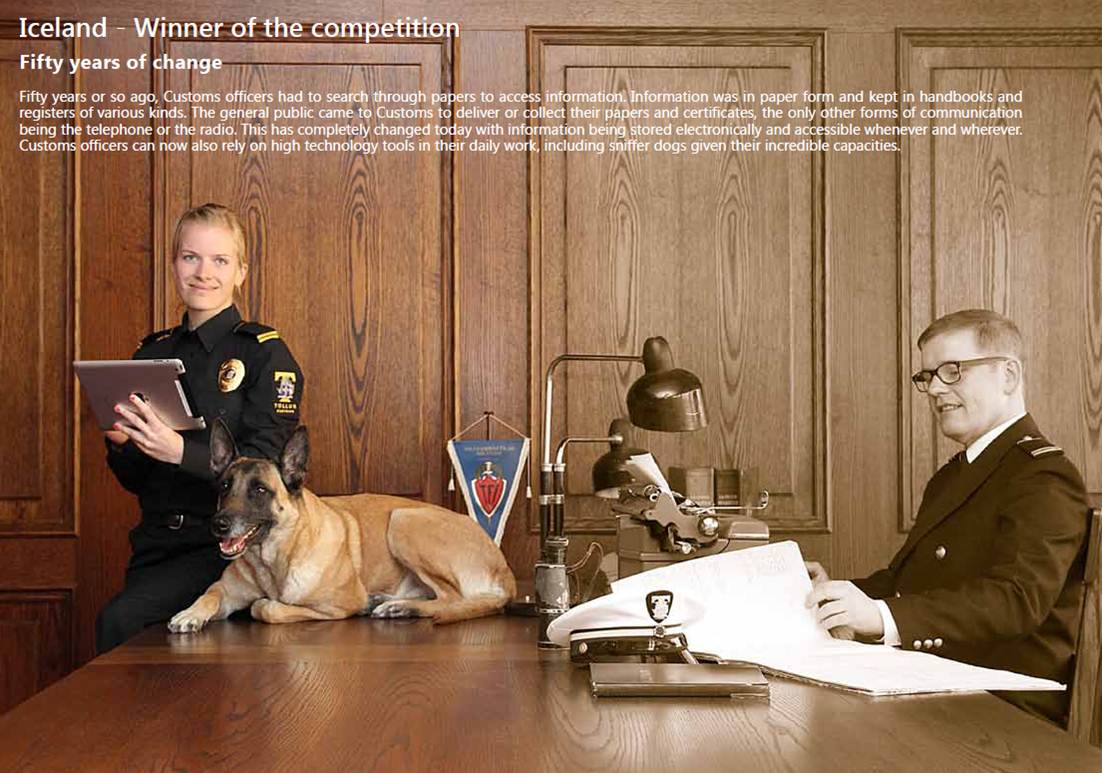
WCO 2014 Photo and Poster Competition

Winning Entry 2014 - Iceland Customs - Fifty Years of Change (WCO)

Winning Entry 2014 – Iceland Customs – Fifty Years of Change (WCO)

This years entries are a combination of photography and poster themes. Please click this link to view an e-book of all the entries. Congratulations to Customs Iceland for their winning entry titled -“Fifty Years of Change”. Source: WCO

Mexico – Recognising WCO Policies and Standards in the wake of Organised Crime

Port of Lazaro Cardenas Mexico [www.puertolazarocardenas.com.mx]

Port of Lazaro Cardenas Mexico [www.puertolazarocardenas.com.mx]

At the beginning of May the Mexican authorities detained the 73,700 dwt Jian Hua with this following on from the earlier seizure of 119,000 tonnes of iron ore in storage at the port.

At the end of April the Mayor of Lazaro Cardenas was arrested and accused of kidnapping, extortion and links to organised crime and in November last year federal troops took over the security and customs functions at the port of Lazaro Cardenas and remain in charge today.

The main aim of these measures is to eradicate the influence of the violent criminal organisation the Knights Templar, whose base of operations is the south western state of Michoacan where the port of Lazaro Cardenas is located.

Knights Templar, through the corruption of customs and other officials, has been using the port of Lazaro Cardenas for the extensive import and export of illegal drugs. The iron cargoes are one of many ‘business diversifications’ by the cartel but as the Jian Hua shipment proves are illegal in that the documentation associated with this cargo showed production at a mine that is not yet authorised for legal operation.

For years the state of Michoacan has basically been lawless and the area around the port of Lazaro Cardenas has been a battleground between the various drug gangs with the Knights Templar being in ascendancy since 2010.

Since, however, the entry of federal agencies into the state, and notably the Mexican navy into the port of Lazaro Cardenas, the influence of Knights Templar has gone into severe decline. The cartel has basically lost control of its biggest business. They have also felt the wrath of a public uprising, the sharp end of which are armed vigilantes backed by federal forces.

The optimistic view is that the port of Lazaro Cardenas will become ‘clean’ again with the demise of Knights Templar and the arrangements it had with other drug cartels. The negative view is that another cartel will step into Knight Templar’s shoes and the port will again find itself under external control and home to illegal activities.

Short steps

The lesson here, as independent organisations such as Control Risks emphasise, is that it is a few relatively short steps before a major port gateway can be comprehensively penetrated by criminal organisations. The conditions that created an opening for Knights Templar are not unusual in Latin America in Control Risks’ view.

For these reasons, and many others associated with port efficiency, it is very important to have secure and professional agencies active in ports that are specialists in security and border management. It is also important to realise in this context that considerable assistance is available from external agencies such as the World Customs Organisation (WCO) to establish the proper controls and security checks. Further, that it is often only by the use of independent agencies or organisations that comprehensive experience and know-how can be deployed to achieve this – the arms’ length approach which can circumvent internal corruption.

If corrupt elements are in place there will inevitably be resistance to change but an external agency forcing the pace of change, based on global experience, will play a major part in overcoming such elements.

Taking the WCO as an example, among other things it functions as a forum for dialogue and exchange of experiences between national Customs delegates. The WCO offers its members a range of conventions and other international instruments, as well as technical assistance and training services provided either directly by the secretariat, or with its participation. The secretariat also actively supports its members in their endeavours to modernise and build capacity within their respective national Customs administrations.

The WCO’s efforts to combat fraudulent activities are also recognised internationally. The partnership approach championed by the WCO is one of the keys to building bridges between Customs administrations and all the stakeholders in the transport chain. Source: Port Strategy

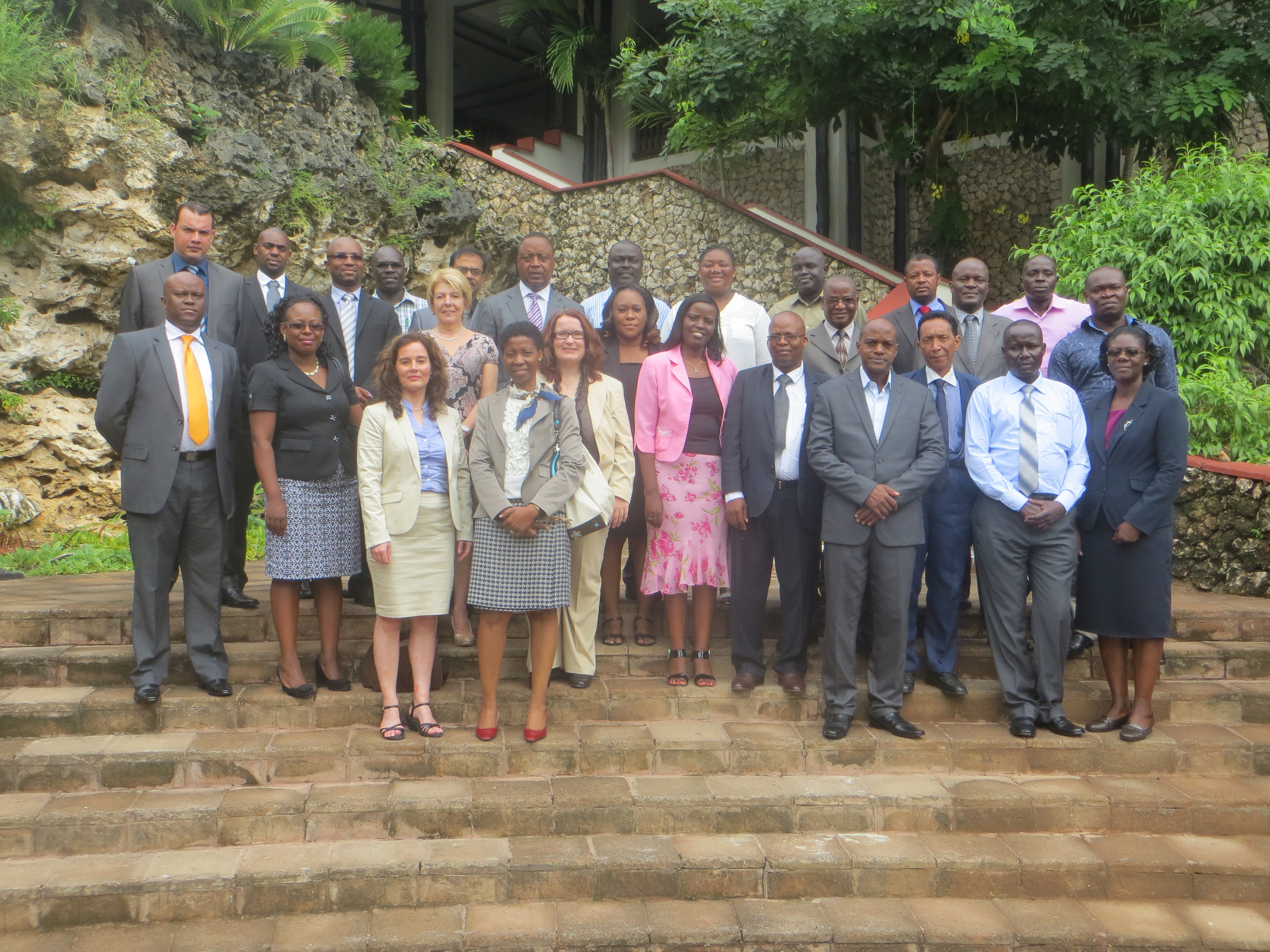
First WCO ESA Regional Workshop on Resource Mobilization

First WCO ESA Regional Workshop on Resource Mobilization

First WCO ESA Regional Workshop on Resource Mobilization

The WCO and the ESA Regional Office for Capacity Building (ROCB ESA), in cooperation with the Kenyan Revenue Authority, organized the first WCO ESA Regional Workshop on Resource Mobilization in Mombasa, Kenya from 19 to 23 May 2014. This workshop was one of the regional key activities in 2014 under the WCO-ESA Project ‘Building Trade Capacity through Customs Modernization in the East and Southern Africa” funded by the Finnish Government.

This workshop was also part of the ongoing efforts of the WCO and the ROCB ESA in supporting Customs Administrations to enhance engagement with development partners for their reform and modernization programmes. Previously, the WCO and the ROCB ESA had organized the first Regional Meeting on Donor Engagement in March 2012 in Mauritius, which provided Members in the ESA region with the opportunity to enhance their understanding of partnership with development partners. The workshop in Kenya was a follow-up on the event in 2012, enabling participating Members to address needs in the field of Resource Mobilization which are essential for subsequent Capacity Building / Customs Reform and Modernization processes at regional and national level. The workshop was facilitated by Ms. Heike Barczyk, WCO Deputy Director Capacity Building, Ms. Sigfridur Gunnlaugsdottir, WCO expert from Iceland Customs, and Ms. Riitta Passi, Project Manager within the Finnish-funded project.

A total of 25 participants from 17 ESA regional members took part in the workshop. Participants developed first draft business cases/project proposals that could in the future lead to potential real Capacity Building projects. Reflecting on the current Customs environment, the workshop equally addressed the WTO Agreement on Trade Facilitation (ATF), potential interest from development partners in supporting countries with its implementation and how to best reflect this in respective interaction with those partners including how to address the respective alignment in the different steps towards developing a written project proposal. The workshop is expected to further enhance the collaboration between Customs administrations and development partners for the successful implementation of Customs reform and modernization.

The WCO, the ROCB ESA and participating Members agreed to continue to work together in this regard. Source: WCO – article provided by Ms. Riitta Passi, Project Manager, Nairobi.

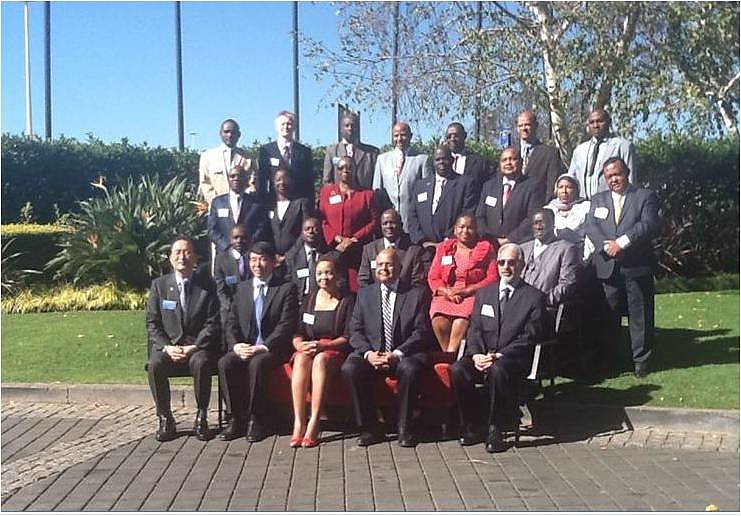
Heads of Customs Governing Council Meeting for the ESA Region

Heads of Customs Governing Council for the ESA Region with WCO Secretary General Kunio Mikuriya

Heads of Customs Governing Council for the ESA Region with WCO Secretary General Kunio Mikuriya

At the invitation of the Vice-Chair of the East and Southern Africa (ESA) Region, Mrs. Agnes Katsonga Phiri, Commissioner of Customs and Excise, Malawi, the Secretary General, Mr. Kunio Mikuriya attended the 19th Meeting of the Heads of Customs Governing Council ESA Region, on 15 and 16 May 2014. The meeting was hosted by the South African Revenue Service (SARS) in Johannesburg.

The Commissioner of SARS, Mr. Ivan Pillay welcomed delegates from the Members of the Region on the 20th Anniversary of democracy in South Africa, a period during which much had been achieved. He highlighted the importance of the WTO Agreement and its impact on Customs and the growth in African trade.

Addressing the Governing Council, the Minister of Finance, Mr. Pravin Gordhan emphasized the evolving role of Customs in a changing and challenging environment. The continued growth of economic activity in Africa required innovative Customs procedures to secure and facilitate trade, particularly in the context of regional integration. The WTO Agreement on Trade Facilitation (ATF) offered a golden opportunity as Customs would have a central role in its implementation. Customs must continue to enhance its operational capacity by increased automation, embracing other agencies and harmonization and simplification of procedures. The importance of Capacity Building was emphasized.

Secretary General Kunio Mikuriya gave a comprehensive report on recent WCO activities. He referred to the many developments on the WTO ATF agenda. The WCO had established a web tool dedicated to this topic, including an analysis of the ATF Articles and relevant WCO instruments with a self assessment aspect. Mr. Mikuriya recalled that the WCO theme for this year is “Communication” and asked all Members and agencies present to ensure that all were aware of each other’s activities.

Secretary General Mikuriya also met with the Minister of Finance, Mr Pravin Gordhan, to discuss a number of issues of mutual interest including implementation of the ATF, information exchange and the evolving role of Customs. The Governing Council discussed the way forward as regards ATF implementation, and expectations of trade input to WCO activities. Source: WCO

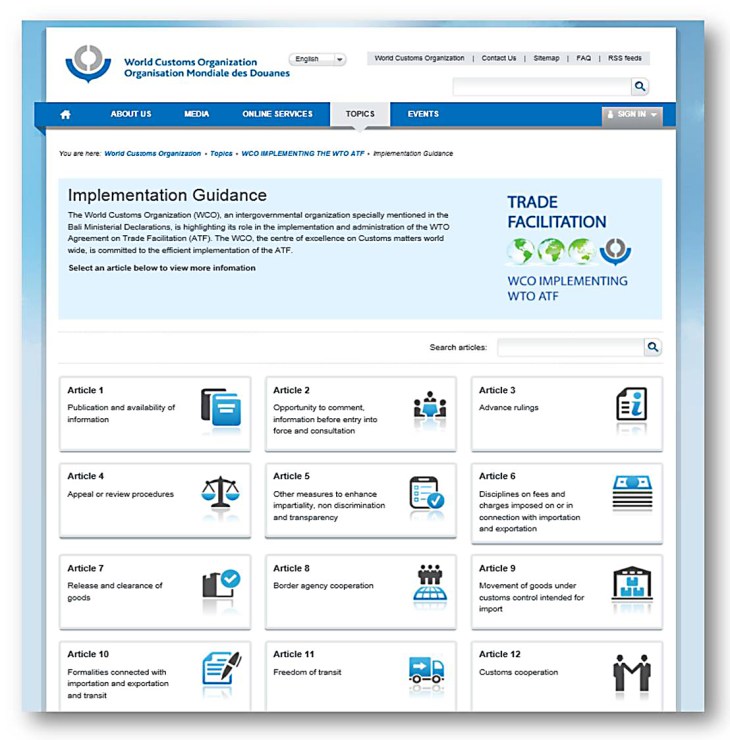
WCO Releases Online WTO/ATF Implementation Guideline

WCO Trade Facilitation Implementation Guidance 1The World Customs Organization (WCO) has launched on its website the WCO Implementation Guidance for the World Trade Organization (WTO) Agreement on Trade Facilitation (ATF) to support WCO Members in their efforts to implement the ATF.

The Guidance presents the importance of WCO instruments and tools such as the Revised Kyoto Convention for ATF implementation.

The Guidance contains the following categories of information for each ATF Article:

  • Overview
  • Text of ATF
  • Relevant RKC standards and RKC Guidelines
  • Other relevant WCO tools
  • Member practices
  • Performance indicators

The Guidance will be updated on a regular basis and a French version will be released shortly.

Source: WCO

Implementing the WTO Agreement on Trade Facilitation

WTO Agreement on Trade Facilitation

Click on the image to download the Infogram

It is anticipated that most Customs and Border Authorities have at least one common item on their national capacity building agenda’s for 2014 – the Agreement on Trade Facilitation. Many countries, being members of the WCO, would have already acceded to a level of commitment to the Revised Kyoto Convention (RKC). This requires of them to introduce, at an agreed time, the principles of WCO standards and policies according to the level of their sovereign commitment.

The General Annex to the RKC is the bare minimum a country would be expected to implement in order to for it to be considered compliant with the RKC. From a trade perspective, this also indicates the extent to which your country’s leaders have committed itself towards ‘global integration’.

What the recent Trade Facilitation Agreement (ATF) in Bali does is bind member states to a compendium of requirements necessary for the enactment of certain conditions and obligations as set out in the various articles contained in the agreement. Countries should also note that certain of the ATF provisions include items under the Specific Annexes to the RKC. For a quick reference to see how the RKC and other WCO standards and conventions stack up to the ATF, refer to the WTO Trade Facilitation Toolkit by clicking the hyperlink.

In addition to this, the ATF also makes provision for ‘special and differential treatment’ in regard to developing and least developed countries (Refer to Section II to the WTO ATF).

In essence this allows those countries and opportunity of identifying their (capacity building) needs and setting themselves realistic targets for implementation and compliance to the ATF. To this end 3 Categories are identified for national states to consider in the event they are not at present in a position to accede to some or all of the ATF conditions.

The WCO has also prepared various tools which aim at assisting its members in assessing their national position in regard to the ATF. Members are likewise encouraged to regularly visit the WCO website for updates in this regard.

The following working papers are available from the WCO website and, for ease of access, are listed below together with their hyperlink to the WCO site –

Other related Trade Facilitation documentation can be found at the following link – WTO Trade Facilitation Negotiations

Text of the WTO Free Trade Agreement

WCO and UAE Customs launch IPM Mobile

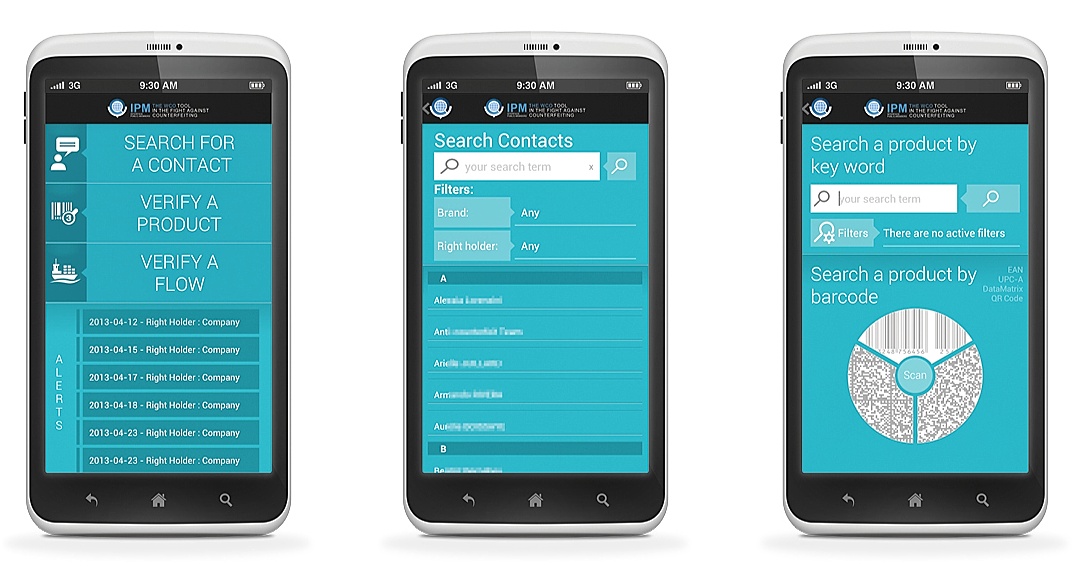
IPM interface GSMaThe World Customs Organization (WCO), in cooperation with the Federal Customs Authority of the United Arab Emirates (FCA), has officially launched the ‘IPM Mobile’ application, enabling Customs officers equipped with a mobile device to access IPM immediately when faced with a suspicious product.

Launched in 2010, the WCO’s online anti-counterfeiting tool IPM provides a communication hub between Customs officers on the ground and the private sector by allowing them to exchange crucial information in real-time in order to intercept counterfeit goods.

With the launch of the mobile application, field Customs officers can now access IPM via their mobile devices and retrieve all relevant information contained in the database. Several new features have been added to the mobile version such as the possibility to send or receive alerts regarding possible shipment of counterfeit goods, and, when faced with suspicious merchandise, Customs officers can contact right holders immediately and upload photos of the products in question.

This new version also allows using mobile devices to scan industry standard GS1 barcodes found on millions of products, enabling to search the products database more quickly. The unique product identifier embedded in the GS1 bar code facilitates access to multiple databases providing trusted sources of product information.

Scanning the barcodes enables automatic connection to any authentication services linked to the product controlled. This new feature is known as IPM Connected – a global network of security features providers (SFP) interfaced with IPM.

In cooperation with the FCA and the private sector, the WCO unveiled the IPM Mobile programme during a two-day workshop held in Dubai on 16-17 April. During this workshop, Customs officers tested the tool on a number of counterfeit and genuine products and were trained to make informed decision with the information contained in the IPM database.

Faced with the growing trade in counterfeit goods, the WCO and its Members are determined to develop the most efficient tools to fight this menace. Safeguarding the health and safety of consumers across the globe is one of the WCO’s priorities, and IPM’s mobile version is a significant step forward” said WCO Secretary General, Kunio Mikuriya.

Secretary General Mikuriya added, “Working with the UAE on this pilot phase was an obvious choice given our previous successful cooperation to launch the PC version back in April 2012. The WCO appreciates the UAE’s ongoing efforts to tackle the illicit trade of counterfeit and pirated goods.”

The UAE is the first country to use the IPM Mobile application and will contribute to developing the tool before the official worldwide launch in June 2014 during the WCO’s General Council Meeting.

“The UAE is keen to support plans for facilitating trade and fighting counterfeit according to the established principles of the federation state including the protection of IPRs and fighting piracy and counterfeiting as they have serious economic and social impacts that may jeopardize the security of the society, consumer and producer altogether” said Khalid Al Bustani, Acting Director General of the Federal Customs Authority.

“The application is launched as a part of fulfilling the requirements of the smart government initiative announced last year by His Highness Sheikh Mohammed bin Rashid Al Maktoum by providing governmental services on mobiles”, continued Al Bustani. Source: WCO

Related articles

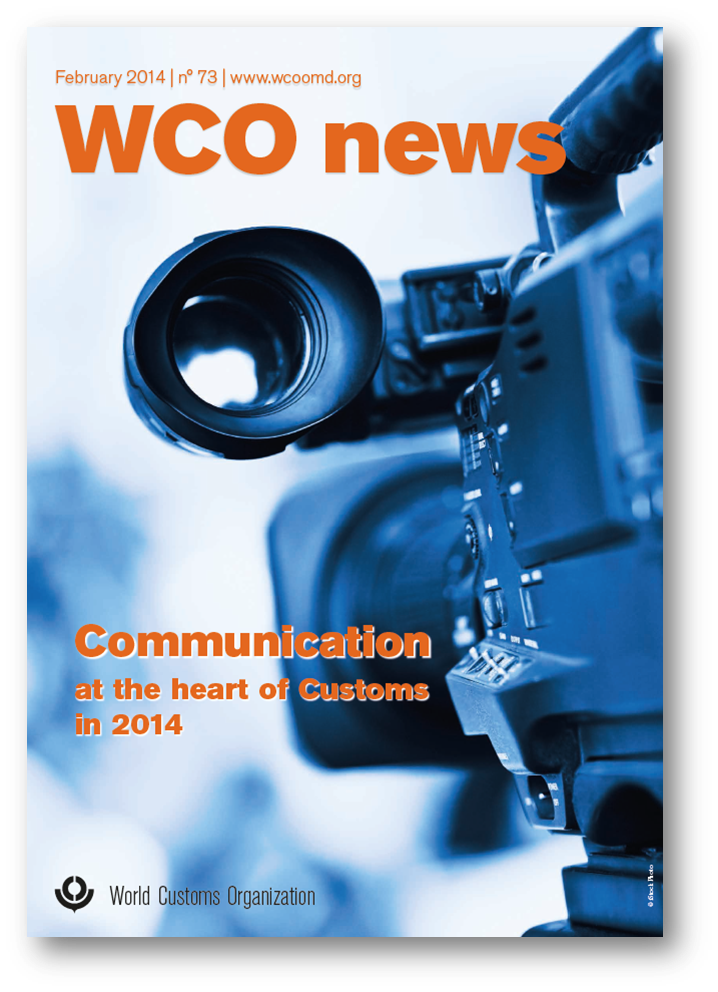
WCO News – February 2014!

WCO News Feb 2014The theme of this edition is predictably about “communication”. For a change I was fortunate enough to receive a hard copy (print) version. Nonetheless, it is more accessible to the masses electronically via the WCO website. The Secretary General discusses the role of ‘communication’ in the dissemination of critical information whether it be via internet portals, social media and the evolving myriad of technology based trade facilitation tools. In this particular regard, the number of emerging countries registering their participation through customs-specific trade information portals and the adoption of electronic Single Window platforms is becoming common place.

The playing fields between the developed and under-developed world are beginning to be leveled so to speak. Harmonisation and standardization via computer systems is beginning to mature to an extent un-thought of just a few years back. While mainstream declaration processing engines will still be required to ‘crunch’ the vast volumes of customs transactional information, it is the era of ‘Apps’ which will prove to offer niche service offerings to the business community. For instance, many vendors offer HS tariff search and duty calculators. Some Customs and Border Administrations provide traders with transaction status notifications and other advice via SMS. Above all this, the Secretary General still emphasizes the importance of the human element — to make sure that communication remains a two-way process which fosters cooperation.

Featured articles include an overview of the WTO Agreement on Trade Facilitation. There are also several articles concerning communication strategy, business recovery and the role of Customs Brokers in the improvement of communication and cooperation. Read also about Single Window developments and a glimpse into the future of border technologies. Source: WCO

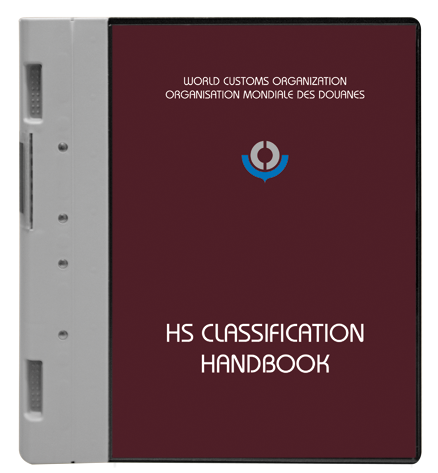
New WCO Guide to the HS classification

HS_HandbookThe Classification handbook (2nd Edition) is intended to introduce the Harmonized Commodity Description and Coding System, commonly referred to as the Harmonized System.  It explains the origin of the Harmonized System, presents a detailed, precise arrangements for its management and describes additional publications attached to it.  It also contains the text of the International Convention on the Harmonized Commodity Description and Coding System, the Rules of Procedure of the Harmonized System Committee and Subcommittees and many other information. Visit the WCO Publication webpage to purchase on line.

Customs reform in Nigeria continues after the termination of the Destination Inspection service

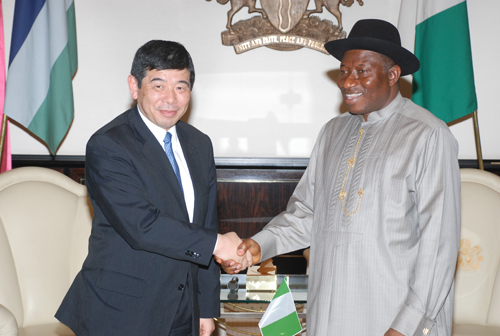
Secretary General Mikuriya during a courtesy visit paid to the President of the Republic of Nigeria, Mr. Goodluck Jonathan (WCO)

Secretary General Mikuriya during a courtesy visit paid to the President of the Republic of Nigeria, Mr. Goodluck Jonathan (WCO)

At the invitation of the Comptroller-General of the Nigeria Customs Service (NCS), Mr. Abdullahi Dikko Inde, the WCO Secretary General Kunio Mikuriya visited Nigeria on 17 and 18 February 2014 to observe Customs transformation activities after the termination of Destination Inspection contracts on 1 December 2013.

In Lagos, the Secretary General went to Apapa Port, Nigeria’s major port, to see Customs operations and also to visit the Customs Training Centre for a mentorship talk with young officers: the NCS has recruited many recent university graduates and trained them in computer and other necessary skills.

Secretary General Mikuriya also presided over a Stakeholder Forum to interact with the private sector. The business community were supportive of the ongoing Customs transformation programme that was enhanced by an improved communication strategy for Customs, the use of information technology – the Nigeria Trade Hub – and the implementation of modern Customs methods, such as risk management.

The private sector also suggested better use of a database for risk management purposes, including valuation, and expressed their hope for the introduction of coordinated border management and a Single Window to simplify the multiplicity of regulations and inspections at borders.

The Secretary General also travelled to Abuja, Nigeria’s capital city, and was joined by three heads of Customs from neighbouring countries, namely Benin, Ghana and Niger, who wanted to learn from NCS’s experience and obtain Nigeria’s support, as well as that of the WCO, for terminating contracts with inspection companies in order to regain ownership of core Customs functions.

The Secretary General also paid a courtesy visit to the President of the Republic, Mr. Goodluck Jonathan.  As a former Customs official early in his career, the President talked fondly of his visit to the WCO to attend the 2012 Council Sessions and particularly noted the WCO’s strong and inspirational leadership. He also acknowledged the economic and social contribution of Customs to the nation, and promised to continue to support Customs reform in Nigeria and provide guidance and influence at the regional level. Source: WCO

WCO expert provides Customs Valuation training assistance

WCO expert Ian Cremer (centre, back row) with SARS staff involved in valuation training project.

WCO expert Ian Cremer (centre, back row) with SARS staff involved in valuation training project.

The SARS Academy is reviewing and packaging its training material so as to align its curriculum to international standards. It has embarked on a process of benchmarking its training material, kick-starting the process in the School of Customs and Excise.

WCO facilitator Ian Cremer recently visited the Academy at Waterkloof House in Pretoria to provide assistance with the strengthening of their valuation training programme. A group of trainers, curriculum developers and valuation specialists from business worked with the WCO valuation expert in the development of the new training material.

Training modules will be developed at the following levels: Basic, Intermediate and Advanced, and will be aligned to the WCO’s own valuation training modules.

Further work will now be conducted on developing a delivery strategy. This will ensure that key staff are trained to the necessary level and are able to conduct their duties in a professional level, meeting the dual requirements of fair and efficient revenue collection and the facilitation of compliant trade. Source: SARS

Former South African President Mbeki visits WCO to discuss the role of Customs in Africa

Senior WCO Management welcoming former South African President Thabo Mbeki, who is Chair of the High Level Panel on Illicit Financial Flows from Africa (WCO)

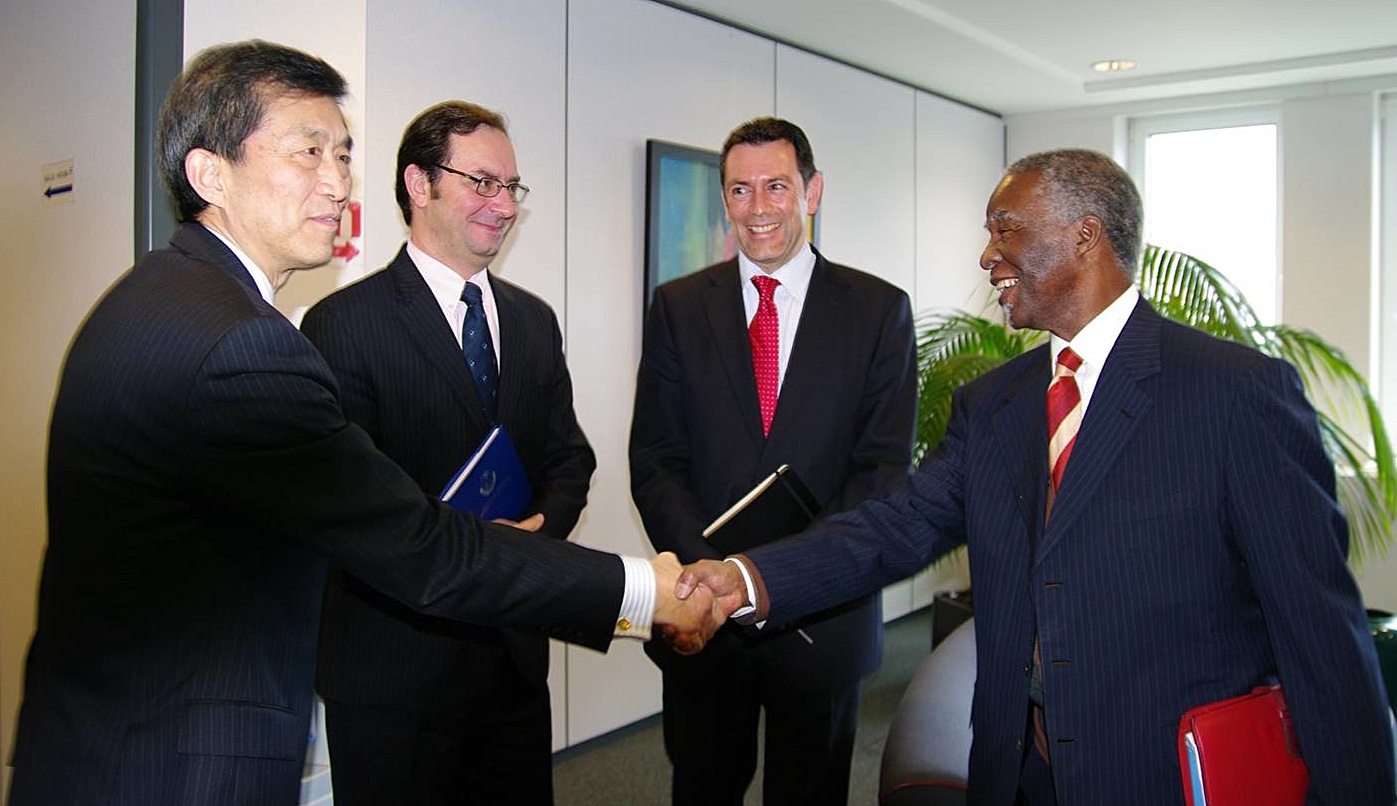
Senior WCO Management welcoming former South African President Thabo Mbeki, who is Chair of the High Level Panel on Illicit Financial Flows from Africa (WCO)

Members of the High Level Panel on Illicit Financial Flows from Africa, headed by former South African President Thabo Mbeki, visited WCO Headquarters on 11 February 2014 to obtain input for their report and recommendations to African countries in order to harness Africa’s hidden resources for development.

Secretary General Kunio Mikuriya explained the problems posed by cash couriers and trade-based money laundering (under-invoicing, over-invoicing, etc.) which had become major risk factors in Africa over the past decade as the continent had experienced economic growth largely based on the mining of its abundant natural resources. The Secretary General also referred to the need for countries to prioritize their policy regarding illicit financial flows and to provide adequate resources and a legal framework for Customs to establish controls in respect of free trade zones, thus enabling the Customs community to combat illicit trade and financial flows.

The discussion also covered, more broadly, the contribution of Customs to economic and social development in Africa, including regional economic integration. Mr. Mbeki and the High Level Panel members acknowledged the crucial part that Customs plays in improving the business climate by ensuring connectivity at borders, evidenced by the recent WTO Agreement on Trade Facilitation, as well as the role of Customs in ensuring transparency and security of the supply chain. They also appreciated the WCO approach of ownership-based capacity building which needed to be backed up by high-level political commitment. Source: WCO

Related articles

Landmark East and Southern African Customs forum focuses on modernisation

WCO ESA_Snapseed

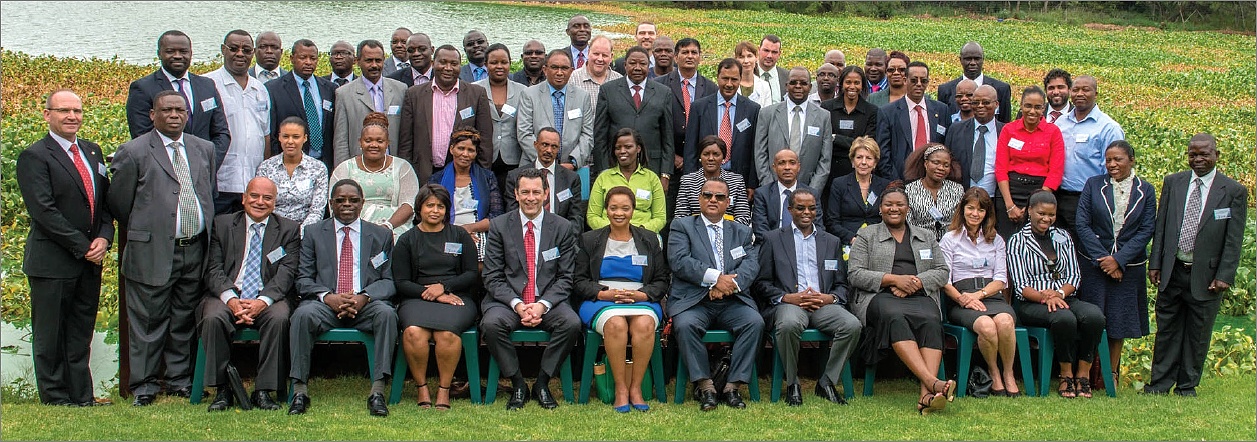
Participants from all 24 members of the WCO’s Eastern and South African region attended the forum. [SARS]

Customs officials from 24 eastern and southern African countries met in Pretoria this week to share knowledge and experience with regard to the successful modernisation of Customs administrations.

Opening the three-day forum, Erich Kieck, the World Customs Organisation’s Director for Capacity Building hailed it as a record breaking event.

“This is the first forum where all 24 members of the Eastern and Southern African region (ESA) of the WCO were all in attendance,” he noted. Also attending were officials from the WCO, SACU, the African Development Bank, Finland, the East African Community and the UK’s Department for International Development (DFID).

Michael Keen in the 2003 publication “Changing Customs: Challenges and Strategies for the Reform of Customs Administrations” said – “the point of modernisation is to reduce impediments to trade – manifested in the costs of both administration incurred by government and compliance incurred by business – to the minimum consistent with the policy objectives that the customs administration is called on to implement, ensuring that the rules of the trade game are enforced with minimum further disruption”

The three-day event witnessed several case studies on Customs modernisation in the region, interspersed with robust discussion amongst members. The conference also received a keynote addressed by Mr. Xavier Carim, SA Representative to World Trade Organisation (WTO), which provided first hand insight to delegates on recent events at Bali and more specifically the WTO’s Agreement on Trade Facilitation.

The WCO’s Capacity Building Directorate will be publishing a compendium of case studies on Customs Modernisation in the ESA region during the course of 2014.

WCO ESA members – Angola, Botswana, Burundi, Comoros, Djibouti, Eritrea, Ethiopia, Kenya, Lesotho, Madagascar, Malawi, Mauritius, Mozambique, Namibia, Rwanda, Seychelles, Somalia, South Sudan, Swaziland, South Africa, Tanzania, Uganda, Zambia and Zimbabwe.

This slideshow requires JavaScript.

Source: SARS