US extends Air Cargo Screening Scheme

CBP_0US Customs and Border Protection (CBP) has extended its Air Cargo Advance Screening (ACAS) pilot programme for a further year following representations from freight forwarding representatives, and has reopened the application period for new participants. The pilot was set to expire this month but will now be extended until 26 July 2015, and CBP is also accepting applications for new participants until 26 September 2014.

The programme, which analyses advance data on inbound air shipments to the US to assess risk, is currently in pilot phase, but US Customs and Border Protection (CBP) has signalled that it intends to expand it to apply to all inbound air cargo via a “rulemaking”. The extensions follow a letter sent in June to CBP and the US Transportation Security Administration (TSA) from a coalition of associations representing air freight forwarding companies, calling on the US government to solicit input from small and medium-sized forwarders before expanding the ACAS programme.

The Airforwarders Association (AfA), the National Customs Brokers and Forwarders Association of America (NCBFAA), The International Air Cargo Association (TIACA), and the Express Delivery and Logistics Association (XLA) jointly sent letters to CBP and the TSA noting their support of the concept of the ACAS programme’s risk-based analysis at the shipment level, but expressing concerns about certain issues. In addition to detailing issues regarding potential negative impacts on small and medium-sized air forwarding businesses, the letters included requests to meet with both agencies and representatives from air carriers in June to discuss the concerns and try to resolve them.

TIACA said it was strongly encouraging airlines and freight forwarders to apply for and engage in the pilot. “Only through wide participation, which can fully test the various IT connectivity issues for Advance Filing, as well as understanding the operational impact for the future, will we be able to ensure an effective programme when it becomes mandatory,” TIACA said.

It noted that this extension was for a full year, whereas CBP had only extended the pilot in six-month intervals in the past. TIACA said that following the pilot, CBP plans to issue a Notice of Proposed Rulemaking (NPRM), “and the current estimate is that this may occur in Q3/2015, with the likelihood of possibly Q4/2015 or Q1/2016.”

It said the issuance of an NPRM is followed by a mandatory comment period from industry, after which CBP reviews all of the comments. CBP must then respond to those comments when the final rule is issued.

“Thus, ACAS may not become a mandatory CBP data transmission programme until sometime in late 2016,” TIACA noted. “In comparison, the EU PRECISE programme is currently targeted for the first half of 2016.”  Source: Lloyds Loading List

State-of-Art Port Control Centre opens in Cape Town

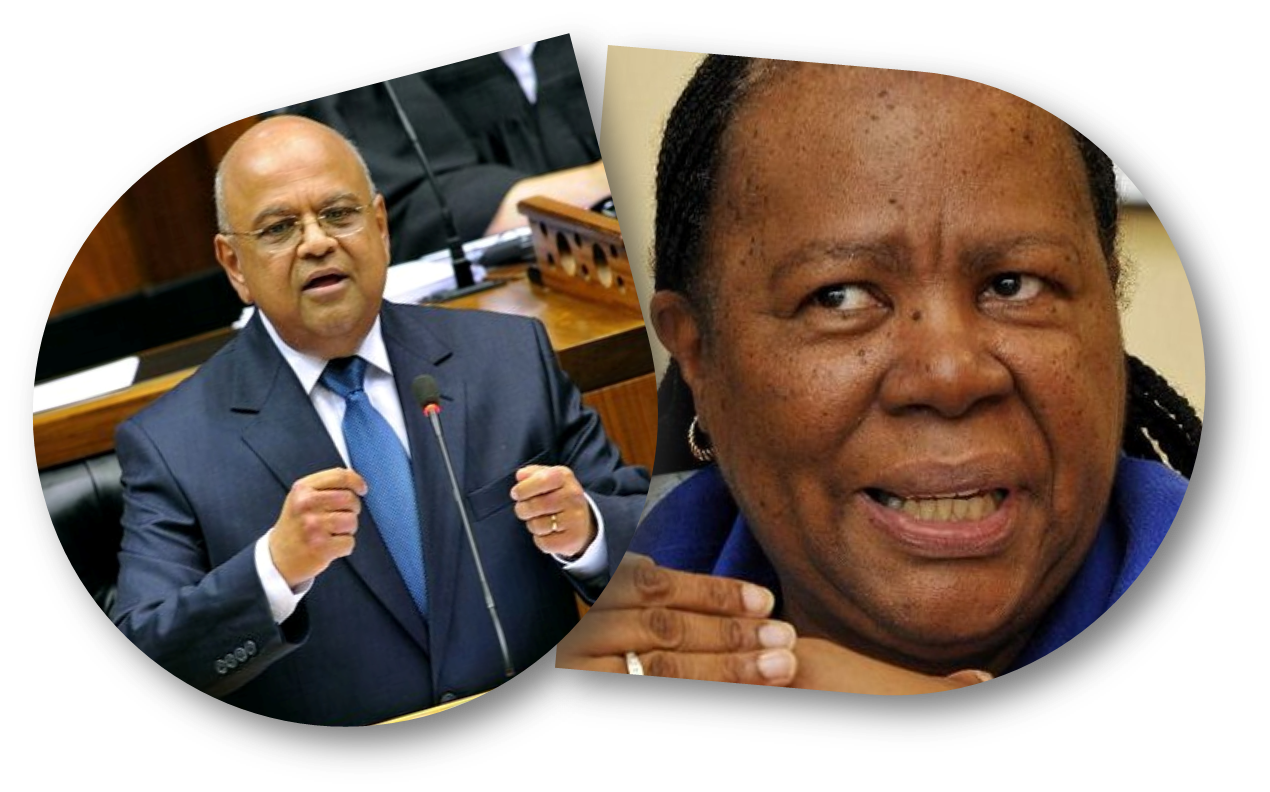
Inter-Departmental CooperationSouth Africa’s first maritime port of entry control centre represents a milestone in the country’s journey to secure, modernise and control its borders, Finance Minister Pravin Gordhan said at the opening of the centre at Cowrie Port in Cape Town harbour last week on Friday.

The centre puts all the government departments and agencies involved in immigration and border control under one roof. These include the departments of home affairs, health, agriculture and fisheries, the SA Police Service (border police and crime intelligence), and the SA Revenue Service (Customs). The state-of-the-art centre would not only improve security and immigration issues, but would also serve to enhance trade and South Africa’s status as a logistical gateway to Africa, Gordhan said.

Trade

The rationale behind the centre was in line with the National Development Plan, the minister said. Among other things, the NDP aims to stimulate growth by lowering the cost of doing business in South Africa, improving the country’s competitiveness and exports, and linking local products with other emerging markets. Gordhan said the fast-growing markets of Africa represented important new markets, and the NDP was committed to increasing South Africa’s trade with its regional neighbours from 15% to 30%.

‘Complex borders’

Home Affairs Minister Naledi Pandor, also speaking at Friday’s opening, said the centre had been designed “to accommodate in one spot not only customs, excise and immigration, but also health, safety and intelligence.

“Ports are complex borders to manage. Cowrie Place will provide the space and facilities to manage passengers and cargoes more efficiently than before.” Pandor said the government hoped to establish a border management agency by the end of 2016, taking advantage of the lessons learnt from Cowrie Place. A flagship feature of Cowrie Place is the co-ordination monitoring centre, where the data and information will be fed, assimilated and made available to all government department and agencies involved in the maritime border management.

“For the bona fide tourist or member of the trade community, this will mean better service,” Gordhan said. “For those who intend to challenge the laws of our country, be warned, as we intend to raise the bar of compliance by an order of magnitude.”

Important port

Cape Town’s port is oldest in South Africa, but despite changes to its maritime culture brought by air travel and containerisation, it is still an important point of entry. The port processes more than 870 000 containers as well as nearly 730 000 tons of dry bulk per annum, Pandor said.

A total of 6 173 commercial vessels and 55 passenger vessels entered and/or left the port in 2013, while more than 62 000 people entered and/or departed from Cape Town harbour. Pandor said E-berth at the harbour would be developed into a fully fledged passenger liner terminal to complement Cowrie Place.

WCO and UAE Customs launch IPM Mobile

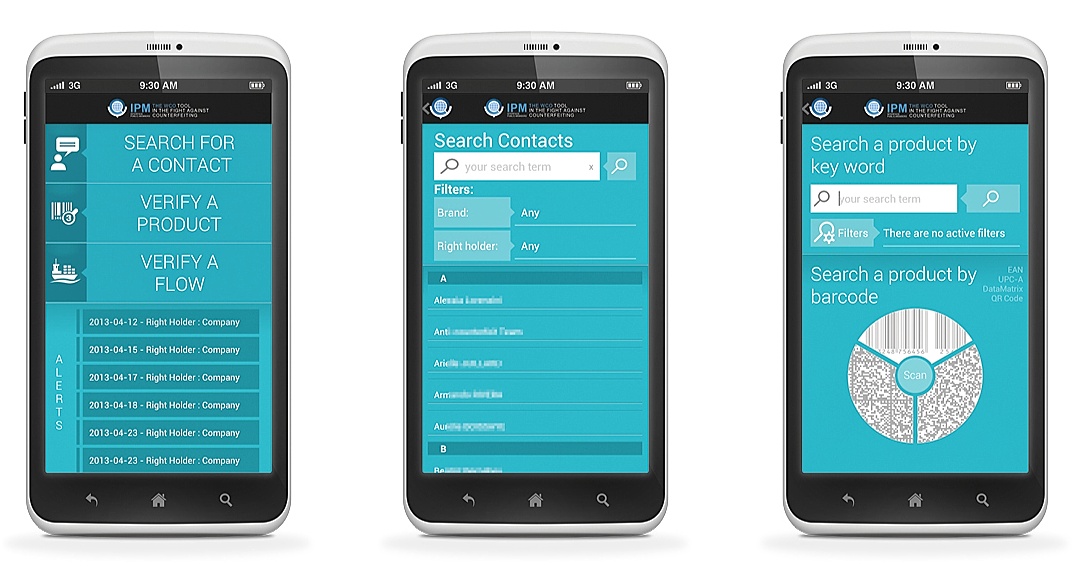
IPM interface GSMaThe World Customs Organization (WCO), in cooperation with the Federal Customs Authority of the United Arab Emirates (FCA), has officially launched the ‘IPM Mobile’ application, enabling Customs officers equipped with a mobile device to access IPM immediately when faced with a suspicious product.

Launched in 2010, the WCO’s online anti-counterfeiting tool IPM provides a communication hub between Customs officers on the ground and the private sector by allowing them to exchange crucial information in real-time in order to intercept counterfeit goods.

With the launch of the mobile application, field Customs officers can now access IPM via their mobile devices and retrieve all relevant information contained in the database. Several new features have been added to the mobile version such as the possibility to send or receive alerts regarding possible shipment of counterfeit goods, and, when faced with suspicious merchandise, Customs officers can contact right holders immediately and upload photos of the products in question.

This new version also allows using mobile devices to scan industry standard GS1 barcodes found on millions of products, enabling to search the products database more quickly. The unique product identifier embedded in the GS1 bar code facilitates access to multiple databases providing trusted sources of product information.

Scanning the barcodes enables automatic connection to any authentication services linked to the product controlled. This new feature is known as IPM Connected – a global network of security features providers (SFP) interfaced with IPM.

In cooperation with the FCA and the private sector, the WCO unveiled the IPM Mobile programme during a two-day workshop held in Dubai on 16-17 April. During this workshop, Customs officers tested the tool on a number of counterfeit and genuine products and were trained to make informed decision with the information contained in the IPM database.

Faced with the growing trade in counterfeit goods, the WCO and its Members are determined to develop the most efficient tools to fight this menace. Safeguarding the health and safety of consumers across the globe is one of the WCO’s priorities, and IPM’s mobile version is a significant step forward” said WCO Secretary General, Kunio Mikuriya.

Secretary General Mikuriya added, “Working with the UAE on this pilot phase was an obvious choice given our previous successful cooperation to launch the PC version back in April 2012. The WCO appreciates the UAE’s ongoing efforts to tackle the illicit trade of counterfeit and pirated goods.”

The UAE is the first country to use the IPM Mobile application and will contribute to developing the tool before the official worldwide launch in June 2014 during the WCO’s General Council Meeting.

“The UAE is keen to support plans for facilitating trade and fighting counterfeit according to the established principles of the federation state including the protection of IPRs and fighting piracy and counterfeiting as they have serious economic and social impacts that may jeopardize the security of the society, consumer and producer altogether” said Khalid Al Bustani, Acting Director General of the Federal Customs Authority.

“The application is launched as a part of fulfilling the requirements of the smart government initiative announced last year by His Highness Sheikh Mohammed bin Rashid Al Maktoum by providing governmental services on mobiles”, continued Al Bustani. Source: WCO

Related articles

Time to modernise trade rules for digital era

digital-ownershipIn the past, nations with the best ships and ports were able to establish global trade leadership and the growth that came along with it. Today, global trade has gone digital.

In the digital economy software-enabled products and services such as cloud computing and data analytics are the key drivers of growth and competitiveness. In fact, the world now invests more than $3.7 trillion (R40 trillion) on information and communications technologies a year.

In South Africa, we spend $26 billion a year and the total for the Middle East/Africa region is $228bn. However, to maximise our return on that investment, it is important for policymakers to eliminate barriers that could inhibit the continued expansion of digital trade.

It is clear that software-driven technology is transforming every sector of the global economy. For example, thanks to unprecedented processing power and vast data storage capabilities, banks can detect and prevent fraud by analyzing large numbers of transactions; doctors are now able to study historical trends in medical records to find more effective treatments; and manufacturers can pinpoint the sources of delays in global supply chains.

Against the backdrop of this kind of innovation, any country that wants to compete in today’s international marketplace must have a comprehensive digital agenda at the core of its growth and development strategy. In addition to domestic initiatives such as investment in education and skills training, or development of information technology infrastructure, policymakers can succeed in laying the groundwork for broad-based growth in the digital age if they focus on three big priorities.

First, any bilateral or multilateral trade agreement needs to facilitate the growth of innovative services such as cloud computing. As part of this, there should be clear rules that allow information to move securely across borders and prevent governments from mandating where servers must be located except in very specific situations.

Second, to promote innovation and foreign investment, continued intellectual property protection is vital and the use of voluntary, market-led technology standards – instead of country-specific criteria that force firms to jump through different technical hoops every time they enter a new local market – should be encouraged.

Third, all governments should ensure there are level playing fields for all competitors so customers have access to the best products and services the world has to offer.

At the same time, disclosures about government surveillance programmes in the US and other countries have sparked a renewed focus on data protection and personal privacy. Those concerns are worthy of debate and careful reform. But it is critically important not to conflate separate issues: We can’t let national security concerns derail digital trade.

There is precedent for navigating periods of change such as this in the global trade arena. Policymakers stood at a similar inflection point in the 1980s when they recognised the keys to growth in the coming decades would be intellectual property, services and foreign direct investment.

With foresight and hard work, they updated trade rules in the Uruguay Round of multilateral negotiations to ensure commitments were in place to provide a check against protectionist impulses. Now, as governments pursue robust growth agendas for the digital economy, it is critical we modernise trade rules again. Source: The Software Alliance (South Africa).

Vietnam Customs to Push Ahead with New e-Customs System

Picture1The Japanese-funded e-Customs system known as “VNACCS/VCIS” (Vietnam Automated Cargo and Port Consolidated System and the Vietnam Customs Information System) is set to “go live” on April 1, 2014.

Based on the NACCS/CIS of Japan, VNACCS/VCIS is intended to handle e-Declaration, e-Manifest, e-Invoice, e-Payment, e-C/O, selectivity, risk management/criteria, corporate management, goods clearance and release, supervision and inspection.

With the launch of the VNACCS/VCIS, Vietnam Customs is trying to simplify customs clearance procedures, reduce clearance time, enhance the management capacity of customs authorities in line with the standards of modern customs, as well as to cut costs and facilitate trade. VNACCS/VCIS also purports to ensure Vietnam’s compliance with the ASEAN “single window” initiative.

VNACCS/VCIS is intended to improve on the current e-Customs system. For example, the VNACCS/VCIS provides new procedures for the management of pre-clearance, clearance and post-clearance processes, adds new customs procedures such as registration of the duty exemption list, introduces a combined procedure for both commercial and non-commercial goods, simplifies procedures for low unit value goods and offers new management procedures for temporarily exported/imported goods, etc.

After the testing phase (which took place from November 2013 until the end of February 2014), users have been raising concerns regarding the VNACCS/VCIS system’s complexity. VNACCS/VCIS provides a declaration process with 109 export and 133 import data fields, compared to the current 27 export and 38 import declaration fields. Many of them are not compatible with the actual systems of companies, and appear to require from declarers an extensive knowledge of customs-related matters.

Comment – from an outsider’s perspective, besides systems testing, it would seem to appear that insufficient time has been allocated for alignment of industry systems to Vietnam Customs’ new data requirements. This, and the fact that no ‘grace period’ (waiver of sanctions or penalties) will be considered by the customs administration does not bode well for a smooth transition.

VNACCS/VCIS employs the quantity reporting mechanism in the official Units of Measures (“UOMs”), often used in international trade statistics, yet creates significant obstacles to companies that do not have compatible manufacturing, inventory planning and control systems. Vietnam Customs has stated that it will work on improving this issue.

VNACCS/VCIS also applies the declaration of customs values at the unit level. Since unit costs and unit prices used in financial systems of companies may not always be identical to declared values, companies may fail to comply with such requirement. Sanctions may be applied from day 1 of the new systems activation.

Technical difficulties are also a matter of great concerns to business community, e.g. with asset tracking. Currently under VNACCS/VCIS, reporting is limited to 7 digits, incompatible with many companies having asset tracking systems with identification numbers of up to 20 digits. To address concerns raised by the business community about the new system, Japanese experts have agreed to support Vietnam Customs 1 year after the official implementation date of the system.

There are concerns for potential risks of non-compliance for wrong declaration due to lack of an adequate understanding of VNACCS/VCIS. Vietnam Customs has rejected a proposal for “grace period” before applying sanctions upon violations, but encourages companies to actively participate in training programs organized by customs authorities to better avoid potential non-compliance risks.

Another concern is the chance of system failure which may lead to severe interruptions and delays in clearance procedures. Vietnam Customs has ensured business community that they have a back-up contingency mechanism in place to support customs procedures in the event that VNACCS/VCIS fails to operate properly. In the meantime, a new circular detailing the implementation of VNACCS/VCIS is being drafted and should come into effect by the launch date. Various business associations are still trying to find ways to mitigate the likely disruption from the sudden transition to the new system. Source: Baker & McKenzie (Vietnam)

New Philippines Customs Chief Cracks Down on Corruption

To fix the Bureau of Customs, President Benigno S. Aquino III needed a numbers guy, someone who could make sense of the thousands of shipments and billions of pesos passing daily through the Philippines’ ports. He turned to John P. Sevilla. Three months after taking over as commissioner in December, Mr. Sevilla told The Wall Street Journal he had been “shocked” by the Bureau’s failure to analyze the rich data it received, information that held vital clues to its endemic corruption problems.

“I’m amazed that nobody bothered to put the data together until about a month ago,” Mr. Sevilla said. “But we found out that we open up less than 1% of [shipping] containers, but of the containers that we open, 90% have problems.”

He was also incredulous that Customs lacked a single reference source to help examiners make complex calculations about duties and fees incurred by traders. One is now being compiled, Mr. Sevilla said, “to make it easier for people to do their jobs…so that they have no excuse” for undercharging importers, a common practice rewarded with illegal payments.

Customs is tasked with collecting revenue at the nation’s 17 major and 43 minor ports. But it has a history of missing targets: It pulled in 304.5 billion pesos ($6.8 billion) in 2013 — over a fifth of all government revenue, but still 35 billion shy of its goal. The under-invoicing of traded goods has cost the country $23 billion in lost tax revenue since 1990, according to a February report by Global Financial Integrity, a U.S. research firm. The Aquino administration’s keynote policy of improving governance thus made Customs a prime target for reform. A far-reaching overhaul was ordered last October, and Mr. Sevilla, a former finance undersecretary, was parachuted in soon after.

Before entering government in 2006, Mr. Sevilla held directorships at investment bank Goldman Sachs and ratings agency Standard & Poor’s, having earned degrees at Cornell and Princeton. His boss, Finance Secretary Cesar Purisima, hailed him as the right person to untangle the mess, “someone who is results-oriented.”

Not everyone was convinced: In January, Senate Minority Leader Juan Ponce Enrile said Mr. Sevilla was “in the dark” about how turn Customs around. Undeterred, the studious-looking commissioner has spent the last three months poring over reams of customs data in which the dealings of smugglers and corrupt officials have long lain hidden.

All import-export transactions were now being published online for public scrutiny, Mr. Sevilla said, “I think we’ve turned from being the most secretive government agency to being by far the most transparent.”

At the Port of Manila, one of three ports in the capital, importers and brokers crowded around glass service windows, an innovation from before Mr. Sevilla’s time designed to block access to officials and make them harder to bribe. Inside, on computers surrounded by mountains of paperwork in what remains a semi-automated operation, customs examiners placed their electronic signature on each shipment after calculating the requisite duties and fees.

The electronic signature system also predates Mr. Sevilla. The difference now, he said, is that he is actively policing it, cross-referencing signatures against undervalued shipments, and punishing the officials responsible. He said the threat of being caught was critical when front-line staff are offered bribes equivalent to their monthly salaries “a couple of times a day.”

Likewise, the credible threat that your container might be physically inspected is the best deterrent against false import declaration, Mr. Sevilla argued. But with 18,000 containers piled up at Manila International Container Port alone, the challenge is to open the right ones.

The Bureau has 3,600 staff, but aims to hire nearly 3,000 more, partly to increase the inspection rate. Around a fifth of shipments are flagged for further examination. Some of these are X-rayed and, if necessary, physically inspected.

Mr. Sevilla said he is seeking an extra 250 million pesos for more inspections after figuring out that Customs collects an average of 125,000 pesos per opened container, against a cost of 10,000 pesos for conducting the inspection — making the process “a no-brainer.”

The Bureau also regularly auctions off seized items to further boost revenues. At one such auction in mid-February, buyers snapped up everything from a smuggled Harley Davidson to batches of animal feed. Other illegal shipments are sent straight back to their point of origin, such as the 50 containers of rotting garbage — declared as “recyclable plastic” -from Canada last month.

The new regime is already producing results, Mr. Sevilla said, citing a 19.3% year-over-year increase in collections to 81.3 billion pesos in November to January. Further improvements will be needed: Customs has been tasked with collecting 408.1 billion pesos this year, far more than it has ever managed before. The true test of the Bureau’s progress under Mr. Sevilla will lie, fittingly, in the numbers. Source: The Wall Street Journal

SRA to migrate to ASYCUDA World before year end

SRA-logoThe Swaziland Revenue Authority (SRA) will before the end of the year migrate from the Automated System of Customs Declaration Administration Plus (ASYCUDA) to ASYCUDA World. ASYCUDA Plus is about 25 years old and sits on very old technology. The migration to a more modern web based system would improve the processes of customs clearance. Ministry of Commerce, Industry and Trade acting Principal Secretary Titus Khumalo said this change would also improve data collection as well as reconciliation, particularly with the country’s major trading partner South Africa in the context of the Southern African Customs Union (SACU) revenue sharing formula.

He said the Common Market for Eastern and Southern Africa (COMESA) Fund had provided SRA with funding and technical assistance for the migration to take shape and be fully implemented.

“The ministry is eagerly looking forward to full implementation of the migration of ASYCUDA Plus to ASYCUDA World, which will greatly improve our systems of customs clearance. We are looking forward to implementation of the findings of the Time Release Study (TRS) which was funded by the World Bank. The TRS is aimed at improving the movement of trucks and the clearance of goods across our borders as well as in our inland and dry port in Matsapha,” he said during the International Customs Day celebrations hosted by the SRA on Friday evening at the Royal Swazi Convention Centre.

Khumalo said they welcomed the substantial progress made on the trade facilitation negotiations by the World Trade Organisation (WTO) during the ministerial conference that was held in Bali, Indonesia in December 2013. The acting PS said agreements of the meeting included transit of goods as well as fees and formalities in relation to exportation and importation. He said the framework also spoke to issues of publication and administration of trade regulations.

“Another section deals with the necessary technical assistance that may be required by developing members of the WTO including Swaziland to implement the trade facilitation agreement. We were very fortunate as a country that before the ministerial conference in Bali, we hosted a workshop with the assistance of TradeMark Southern Africa (TMSA), which focused on self-assessment and priorities for Swaziland in the area of trade facilitation in the context of the WTO negotiations,” he said.

Khumalo said the report on the workshop identified trade facilitation needs for Swaziland, which would trigger funding from cooperating partners in line with provisions of the Multilateral Trade Facilitation Agreement. Source: Swaziland Observer

Landmark East and Southern African Customs forum focuses on modernisation

WCO ESA_Snapseed

Participants from all 24 members of the WCO’s Eastern and South African region attended the forum. [SARS]

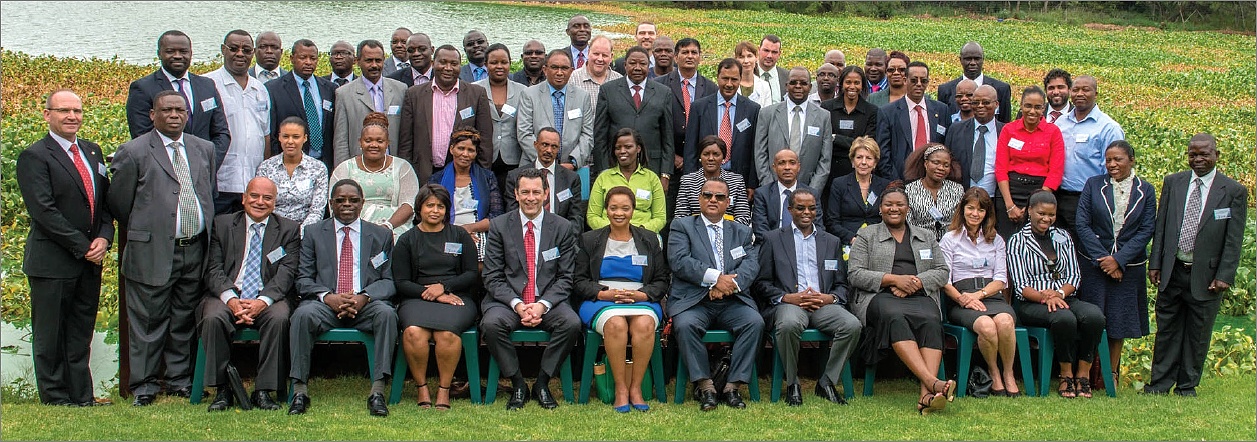
Customs officials from 24 eastern and southern African countries met in Pretoria this week to share knowledge and experience with regard to the successful modernisation of Customs administrations.

Opening the three-day forum, Erich Kieck, the World Customs Organisation’s Director for Capacity Building hailed it as a record breaking event.

“This is the first forum where all 24 members of the Eastern and Southern African region (ESA) of the WCO were all in attendance,” he noted. Also attending were officials from the WCO, SACU, the African Development Bank, Finland, the East African Community and the UK’s Department for International Development (DFID).

Michael Keen in the 2003 publication “Changing Customs: Challenges and Strategies for the Reform of Customs Administrations” said – “the point of modernisation is to reduce impediments to trade – manifested in the costs of both administration incurred by government and compliance incurred by business – to the minimum consistent with the policy objectives that the customs administration is called on to implement, ensuring that the rules of the trade game are enforced with minimum further disruption”

The three-day event witnessed several case studies on Customs modernisation in the region, interspersed with robust discussion amongst members. The conference also received a keynote addressed by Mr. Xavier Carim, SA Representative to World Trade Organisation (WTO), which provided first hand insight to delegates on recent events at Bali and more specifically the WTO’s Agreement on Trade Facilitation.

The WCO’s Capacity Building Directorate will be publishing a compendium of case studies on Customs Modernisation in the ESA region during the course of 2014.

WCO ESA members – Angola, Botswana, Burundi, Comoros, Djibouti, Eritrea, Ethiopia, Kenya, Lesotho, Madagascar, Malawi, Mauritius, Mozambique, Namibia, Rwanda, Seychelles, Somalia, South Sudan, Swaziland, South Africa, Tanzania, Uganda, Zambia and Zimbabwe.

This slideshow requires JavaScript.

Source: SARS

Message from the WCO – International Customs Day 26 January 2014

WCO_background image POSTER_CommunicationThis year’s International Customs Day heralds the launch of the WCO Year of Communication, a year in which we, as a Customs community, move to further enhance our communication strategies and worldwide outreach programmes.

Under the slogan “Communication: sharing information for better cooperation,” we are signaling our aspiration to do more at the national, regional and international level to raise awareness of the vital role Customs plays in international trade, economic prosperity and social development.

Communication is a sharing process which fosters cooperation, and as Customs is at the centre of a network of relations, developing a sound internal and external communication strategy promotes transparency, facilitates dialogue, builds trust and ensures mutual understanding.

With our unique expertise, Customs has made great strides over recent years in achieving better visibility with national governments, international organizations, the business sector, the donor community, development banks and other international trade stakeholders.

Good communication practices by WCO Members are abundant: national Customs websites, specialized magazines, media outreach and social networks are trailblazing the way towards greater awareness of the contribution of Customs to a more resilient trade environment.

Complementing these efforts, the WCO Secretariat also has a number of communications tools to help get the word out, including the Organization’s new dynamic website, its popular and insightful WCO News magazine and our growing online social media presence.

Just as important, is the WCO’s efforts to engage as many Presidents, Ministers, leaders and international policy makers as possible in order to defend Customs’ interests, further raise its profile and create better awareness of the opportunities and challenges it faces.

It is equally imperative that we also focus on how we communicate with our stakeholders and partners, how we listen to their feedback and how we decide to respond, as this will encourage stronger support for the work we do and ensure greater buy-in to WCO strategies.

In fact, communication is a two-way process by which information and knowledge are exchanged and shared between individuals – it is not only about sending a message or passing on information, it is also about exploring, discovering, researching and generating knowledge.

As in previous years, I am fully convinced that Customs administrations and the greater Customs community will rise to the occasion, committed to actively taking the communication theme forward and thereby ensuring the success of the WCO Year of Communication.

Wishing you all a joyful International Customs Day!

Kunio Mikuriya Secretary General

Communication: Sharing Information for Better Communication

WCO Customs Theme 2014Following a theme of logical progression over the past few years, the WCO has introduced “Communication” as this year’s theme for the 170+ Customs Administrations around the world. Last year’s theme “Innovation” set the platform for the introduction of innovative ideas and business practices, new partnerships, as well as new solutions and technologies.

While still very much in its infancy, the WCO’s Globally Networked Customs (GNC) philosophy will undoubtedly gain more and more traction as administrations iron out their national and regional aspirations and objectives.

The recent agreement on Trade Facilitation at the WTO’s conference in Bali adds further credence to the importance of the principles of the Revised Kyoto Convention (RKC). For the first time we see an attempt to fuse customs principles into a package of binding requirements.

Now, more than ever, Customs needs to work ‘collaboratively’ with all stakeholders.

With Customs and Border Agencies etching out new legal requirements, as well as organisational structures and plans, trade practitioners will likewise have to keep a watchful eye on these developments. Sometimes, not necessarily just for their own needs and obligations in their domestic markets, traders need to ensure that they keep apace with ‘destination’ Customs requirements which in these modern times are all too frequent. By opening its door to the business community, the WCO plays an ever-increasing overarching role in providing the private sector a ‘window’ to its thinking and ideology.

Philippine Customs Launches Transparency Portal

bocBigLogoBureau of Customs (BOC) unveiled a new website called “Customs ng Bayan” (Customs of the Nation) as part of newly-appointed Customs Commissioner John Phillip Sevilla’s initiatives to “uproot” the agency from its long history of institutionalised corruption.  “We are publishing reports of almost every importation into the Philippines in December 2013. Going forward, we intend to publish this list every month,” Sevilla said in an official statement.

Each item in the list represents a specific quantity (measured by weight) of a specific item that was imported by a specific importer on a specific day. The list – 88,006 items in December 2013 alone – is organised by major product groups, using the Harmonised Standard (HS) Code classification system.

“For each item, we include information such as a description of the item imported, its HS code number and standard HS code description, what country the item came from, its value and the amount of duties and taxes collected on that item.”

The Bureau of Customs, for the past years, has been one of the country’s most prominent faces of corruption in the government. According to Sevilla, all of that is about to change as they make drastic shifts in leadership, personnel and processes. In particular, he highlighted the importance of leveraging ICT to support the administration’s reform agenda.

“We need to improve the capacity of our IT systems to comply with needed reforms,” he said, adding that the Bureau is now studying the feasibility of implementing a single IT platform for all transactions, which involves improving the planned Php 442.3 million (US$9.8 million) National Single Window (NSW) project.

The NSW will facilitate trade through efficiencies in the Customs and authorisation processes. It will allow single submission and accelerated processing of applications for licenses, permits and other authorisations required prior to undertaking a trade transaction.Source: www.futuregov.asia

Related Articles

UNCTAD – LDCs face challenges in reaping benefits from Cloud Computing

Picture1There is nothing nebulous about the “cloud”, especially as it applies to developing countries, a new UNCTAD report says. For businesses and governments in poorer nations to benefit from cloud computing’s increasingly rapid and more flexible supply of digitized information – the sort of thing that enables online marketers to rapidly scale up their information systems in tune with fluctuations in demand – massive, down-to-earth data processing hardware is required. Also needed is extensive broadband infrastructure, as well as laws and regulations that encourage the investment needed to pay for advanced information and communication technology (ICT) facilities and to protect users of cloud services.

UNCTAD’s Information Economy Report 2013, subtitled The Cloud Economy and Developing Countries, was released on 3 December 2013.

Referring to cloud computing, United Nations Secretary-General Ban Ki-moon states in the preface to the report: “This has considerable potential for economic and social development, in particular for our efforts to achieve the Millennium Development Goals and to define a bold agenda for a prosperous, sustainable and equitable future.”

The report shows that cloud computing offers the potential for enhanced efficiency. For example, cloud provisioning may enable small enterprises to outsource some of the information technology (IT) skills that they would otherwise have to provide internally. Companies can benefit from greater storage and computing capacity, as well as the expertise of cloud service providers in areas such as IT management and security.

But the study notes that options for cloud adoption in low- and middle-income countries look very different from those in more advanced countries. While free cloud services such as webmail and online social networks are already widely used in developing nations, the scope for cloud adoption in low- and middle-income economies is much smaller than it is in more advanced economies. In fact, the gap in availability of cloud-related infrastructure between developed and developing countries keeps widening. Access to affordable broadband Internet is still far from satisfactory in developing nations, especially in the least developed countries (LDCs). In addition, most low-income countries rely on mobile broadband networks that are characterized by low speed and high latency and therefore not ideal for cloud service provision.

The report recommends that governments “welcome the cloud but tread carefully”. Within the limits of their resources, infrastructure such as costly data centres must be constructed; at present, developed economies account for as much as 85 per cent of all data centres offering co-location services.

The cloud’s pros and cons

In simple terms, cloud computing enables users to access a scalable and elastic pool of data storage and computing resources, as and when required. Rather than being an amorphous phenomenon in the sky, cloud computing is anchored on the ground by the combination of the physical hardware, networks, storage, services and interfaces that are needed to deliver computing as a service.

The shift towards the cloud has been enabled by massively enhanced processing power and data storage, and higher transmission speeds. For example, some central processing units today are 4,000 times faster than their equivalents from four decades ago, and consumer broadband packages are almost 36,000 times faster than the dial-up connections used when Internet browsers were introduced in 1993.

The potential advantages of cloud computing include reduced costs for in-house equipment and IT management, enhanced elasticity of storage/processing capacity as required by demand, greater flexibility and mobility of access to data and services, immediate and cost-free upgrading of software, and enhanced reliability and security of data management and services.

But there are also potential costs or risks associated with cloud solutions. The UNCTAD report mentions costs of communications (to telecom operators/Internet service providers) and for migration and integration of new cloud services into companies’ existing business processes, reduced control over data and applications, data security and privacy concerns, risks of services being inaccessible to targeted users, and risks of “lock-in” with providers in uncompetitive cloud markets.

Policymakers should waste no time in exploring how the cloud computing trend may affect their economies and societies, UNCTAD recommends. Countries need to assess carefully how best to reap gains from this latest stage in the evolving information economy. In principle, UNCTAD sees no general case for government policy and regulation to discourage migration towards the cloud. Rather, governments should seek to create an enabling framework for firms and organizations that wish to migrate data and services to the cloud, so that they can do so easily and safely. But government policies should be based on a careful assessment of the pros and cons of cloud solutions, and should recognize the diversity of business models and services available. The report underlines that there are multiple ways of making use of cloud technology, including public, private or hybrid clouds, at national, regional and global levels. Source: UNCTAD

Experts Caution Against Rush into Trade Facilitation Agreement

Bali 2013A rather lengthy article published by Third World Network, but entirely relevant to trade practitioners and international supply chain operators who may desire a layman’s understanding of the issues and challenges presented by the WTO’s proposed agreement on ‘Trade Facilitation’. I have omitted a fair amount of the legal and technical references, so if you wish to read the full unabridged version please click here! If you are even more interested in the subject, take a look through the publications available via Google Scholar.

A group of eminent trade experts from developing countries has advised developing countries to be very cautious and not be rushed into an agreement on trade facilitation (TF) by the Bali WTO Ministerial Conference, given the current internal imbalance in the proposed agreement as well as the serious implementation challenges it poses.

“While it may be beneficial for a country to improve its trade facilitation, this should be done in a manner that suits each country, rather than through international rules which require binding obligations subject to the dispute settlement mechanism and possible sanctions when the financial and technical assistance as well as capacity-building requirements for implementing new obligations are not adequately addressed.”

This recommendation is in a report by the Geneva-based South Centre. The report, “WTO Negotiations on Trade Facilitation: Development Perspectives”, has been drawn up from discussions at two expert group meetings organised by the Centre.

Noting that an agreement on trade facilitation has been proposed as an outcome from the Bali WTO Ministerial Conference, the South Centre report said that the trade facilitation negotiations have been focused on measures and policies intended for the simplification, harmonization and standardization of border procedures.

“They do not address the priorities for increasing and facilitating trade, particularly exports by developing countries, which would include enhancing infrastructure, building productive and trade capacity, marketing networks, and enhancing inter-regional trade. Nor do they include commitments to strengthen or effectively implement the special and differential treatment (SDT) provisions in the WTO system”.

The negotiations process and content thus far indicate that such a trade facilitation agreement would lead mainly to facilitation of imports by the countries that upgrade their facilities under the proposed agreement. Expansion of exports from countries require a different type of facilitation, one involving improved supply capacity and access to developed countries’ markets.

Some developing countries, especially those with weaker export capability, have thus expressed concerns that the new obligations, especially if they are legally binding, would result in higher imports without corresponding higher exports, which could have an adverse effect on their trade balance, and which would therefore require other measures or decisions (to be taken in the Bali Ministerial) outside of the trade facilitation issue to improve export opportunities in order to be a counter-balance to this effect.

According to the report, another major concern voiced by the developing countries is that the proposed agreement is to be legally binding and subject to the WTO’s dispute settlement system. This makes it even more important that the special and differential treatment provisions for developing countries should be clear, strong and adequate enough. The negotiations have been on two components of the TF: Section I on the obligations and Section II on special and differentiated treatment (SDT), technical and financial assistance and capacity building for developing countries.

Most developing countries, and more so the poorer ones, have priorities in public spending, especially health care, education and poverty eradication. Improving trade facilitation has to compete with these other priorities and may not rank as high on the national agenda. If funds have to be diverted to meet the new trade facilitation obligations, it should not be at the expense of the other development priorities.

“Therefore, it is important that, if an agreement on trade facilitation were adopted, sufficient financing is provided to developing countries to meet their obligations, so as not to be at the expense of social development,” the report stressed.

The report goes on to highlight the main issues of concern for a large number of developing countries on the trade facilitation issue. It said that many developing countries have legitimate concerns that they would have increased net imports, adversely affecting their trade balance. While the trade facilitation agreement is presented as an initiative that reduces trade costs and boosts trade, benefits have been mainly calculated at the aggregate level.

Improvements in clearance of goods at the border will increase the inflow of goods. This increase in imports may benefit users of the imported goods, and increase the export opportunities of those countries that have the export capacity.

However, the report noted, poorer countries that do not have adequate production and export capability may not be able to take advantage of the opportunities afforded by trade facilitation (in their export markets).

“There is concern that countries that are net importers may experience an increase in their imports, without a corresponding increase in their exports, thus resulting in a worsening of their trade balance.”

Many of the articles under negotiations (such as the articles on ‘authorized operators’ and ‘expedited shipments’) are biased towards bigger traders that can present a financial guarantee or proof of control over the security of their supply chains. There is also the possibility that lower import costs could adversely affect those producing for the local markets.

“The draft rules being negotiated, mainly drawn up by major developed countries, do not allow for a balanced outcome of a potential trade facilitation agreement,” the report asserted.

New rules under Section I are mandatory with very limited flexibilities that could allow for Members’ discretion in implementation. The special and differential treatment under section II has been progressively diluted during the course of the negotiations. Furthermore, while the obligations in Section I are legally binding, including for developing countries, developed countries are not accepting binding rules on their obligation to provide technical and financial assistance and capacity building to developing countries.

The trade facilitation agreement would be a binding agreement and subject to WTO dispute settlement. The negotiating text is based on mandatory language in most provisions, which includes limited and uncertain flexibilities in some parts.

Therefore, if a Member fails to fully implement the agreement it might be subject to a dispute case under the WTO DSU (Dispute Settlement Understanding) and to trade sanctions for non-compliance.

“Many of the proposed rules under negotiations are over-prescriptive and could intrude on national policy and undermine the regulatory capacities and space of WTO Member States. The negotiating text in several areas contains undefined and vague legal terminology as well as ‘necessity tests’, beyond what the present GATT articles require.”

Continue reading →

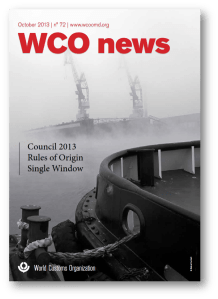
WCO News – October 2013 Edition

wco news 2013The latest edition of WCO News reflects on the Secretary General’s thoughts on what the WCO has done, what it will be doing, and what will impact on its work in the coming months. The WCO will actively focus its energies on it’s four strategic packages concentrating on revenue, compliance and enforcement, economic competitiveness and organizational development. Together, these packages support the adoption and application of modern Customs practices and raise awareness on the vital role of Customs in international trade.

Featured articles include –

  • From borders to boundless: the digital dilemma in Customs – it discusses two questions – How does an industry traditionally focused on physical borders remake itself for digital commerce, which inherently circumvents such borders? and, Why must Customs agencies transform to address the rise in digital goods and services?
  • Intercepting next generation threats

    For those responsible for the security of our borders, transit networks, VIPs and high-profile sites, the threat posed by more creative adversaries is compounded by the increasing frustrations of passengers and visitors, when subjected to existing security checks. The article discusses a range of ingenuity which technology nowadays provides to these adversaries, and the elements of new Terahertz imaging equipment to assist border agencies in the combat thereof.

  • Beyond the Single 

    Window (SW) – In the 20-plus years since they first opened in Singapore and Sweden, SWs have remained a central focus of border clearance strategies, even though the majority of Customs administrations have not implemented them. Although design plans vary considerably, most SW systems support an electronic data exchange model which allows for (i) Single submission of data and information; (ii) Single and synchronous processing; and (iii) Single decision-making for release and clearance. This article considers 4 best practices which governments should consider when implementing Single Window programs.

The publication also includes country case study’s on Single Window featuring Nigeria and New Zealand, Sri Lanka Customs 20 years of dedication towards conservation, a feature on Argentine Customs and many other interesting articles. To access the publication – click here! Source: WCO

South Africa’s New Integrated Customs Border Management Solution

Amidst diverse expectations and feelings of excitement, anxiety and anticipation, the South African Revenue Service (SARS) migrated to its new integrated Customs and Border Management solution over the weekend of 17 August 2013. A new modern electronic solution Interfront can now rightfully claim some success even if it is an unseen component within a multi-layered, multi-technology solution of which South African Customs is now the proud owner. After 9 months of rigorous parallel testing between old and new, and a period of dedicated external testing with Service Providers of the customs business community, the decision to implement was formally agreed with trade a fortnight ago.

Interfront Customs and Border Solution (iCBS) replaces several key legacy systems, one of which has served South Africa for more than 30 years. The vast business and technical competence and skills which faithfully maintained and supported the old systems are to some extent in the wilderness now, but will hopefully find place within the new technology environment. While technology nowadays is particularly agile, and human physical placement at the coal face is under threat, organisations like SARS will always require customs technical business and policy competence to maintain the cutting edge.

There still remains an enormous amount of work to do regarding the alignment of the new clearance system with the specific guidelines, standards and principles of the WCO. With regional integration becoming more prominent on the sub-Saharan African agenda, the matter of ‘facilitation’ and ‘non-tariff barriers’ will inevitably become more prominent discussion points. Other salient features of the SAFE Framework of Standards such as Authorised Economic Operators and IT connectivity have already emerged as key developmental goals of a number of regional customs and border authorities. The timely introduction of Interfront places SARS in a pivotal position to influence and enable the required electronic linkages, crucial for the establishment of bi-lateral and multilateral trade agreements, transport corridors, and, support for ‘seamless’ multi-modal movement of cargo from port of discharged to its place of manifestation with limited intervention, based on the principles of risk management. Enjoy the Interfront video feature.