India – Customs introduces ‘self-sealing’ export container procedure

Customs_&_Central_Excise_DKBThe Indian Customs department (CBEC) has allowed self-sealing procedure as of 1 October for containers to be exported, as it aims to move towards a ‘trust based compliance environment’ and trade facilitation for exporters.

In a circular to all Principal Chief Commissioners, the Central Board of Excise and Customs (CBEC) said exporters who were availing facility of sealing at the factory premises under the supervision of customs authorities will be automatically entitled for self-sealing facility.

It said that permission once granted for self-sealing at an approved premise will remain valid unless withdrawn. However, in case of change in the premise, a fresh approval from Customs department will be required.

“The new self-sealing procedure shall come into effect from October 1, 2017. Till then the existing procedure shall continue,” the CBEC said.

It asked field officers to notify a Superintendent-rank officer to act as the nodal officer for the self-sealing procedure.

The officer will be responsible for coordination of the arrangements for installation of reader-scanners.

Earlier in July, the CBEC had said it will introduce the system of self-sealing by 1 September , as against the practise of sealing of containers under the supervision of revenue officials.

However, the CBEC now said that exporters can self-seal containers using the tamper proof electronic seals from 1 October 2017.

Under the new procedure, the exporter will have to declare the physical serial number of the e-seal at the time of filing the online integrated shipping bill or in the case of manual shipping bill before the container is dispatched for the port.

The exporters will directly procure RFID seals from vendors.

“In case, the RFID seals of the containers are found to be tampered with, then mandatory examination would be carried out by the Customs authorities,” the CBEC said.

From October 1, the exporters will need to furnish e-seal number, date of sealing, time of sealing, destination customs station for export, container number and trailer track number to the customs authorities.

In a circular in July, the CBEC had said it endeavours to create a trust based environment where compliance with laws is ensured by strengthening risk management system and Intelligence setup of the department.

Accordingly, CBEC has decided to lay down a simplified procedure for stuffing and sealing of export goods in containers. Source: The India Times > Economic Times, 5 September 2017.

UK’s “New Customs Partnership” – may grant Europe oversight of the Customs border

UK Brexit

Reuters reports that Britain will not rule out the possibility that the EU may retain oversight of customs controls at UK borders after it leaves the bloc, as the country seeks ways to keep unhindered access to EU markets following Brexit.

Last week, the UK published a policy document proposing two possible models for customs arrangements between Britain and the EU after withdrawal from the EU in 2019.

The first model was a “highly streamlined customs arrangement”, which involved the reintroduction of a customs border but which envisaged electronic tracking of shipments, rather than physical checks of goods and documents at the border.

An alternative proposal was the “new customs partnership”, which would remove the need for a customs border between the UK and EU altogether.

Under this model, the UK would operate as if it was still part of the bloc for customs purposes. British goods would be exported tariff-free and Britain would levy EU tariffs on goods coming into the UK for onward passage to the EU directly or as components in UK exports.

Lawyers said there would be a need for a mechanism to oversee the “new customs partnership” to ensure that the UK was correctly monitoring goods coming into the UK and destined for Europe.

The EU’s system of movement of goods across EU borders without checks works on the basis all members closely monitor shipments coming into the bloc from outside, to ensure the correct tariffs are paid and that goods meet EU standards.

The antifraud agency of the EU polices customs agencies across Europe to ensure that they are correctly monitoring imports. Source: Reuters, Bergin T, August 21, 2017

C-TPAT falters – how ‘SAFE’ are the world’s AEO programmes?

AEO group

The following article appeared on Maritime Executive’s webpage titled ‘Can C-TPAT be fixed?‘ authored by Stephen L. Caldwell (2017-07-18). The assessment reveals that Customs-Trade partnerships require continuous review and enhancement to retain their appeal and relevance – a significant challenge for customs and border authorities primarily focussed on compliance with the law. I have appended hyperlinks to the critic’s articles at the bottom of this post.

As the Customs-Trade Partnership Against Terrorism celebrates its fifteenth anniversary, it faces stagnant membership, software train wrecks, questionable assertions of benefits and a much- needed retooling to stay current.

The Customs-Trade Partnership Against Terrorism (C-TPAT) is a voluntary security program started in the aftermath of 9/11. Member companies sign up and agree to maintain strong supply chain security. U.S. Customs and Border Protection (CBP) staff then validate members’ security practices to ensure they meet minimum criteria. Members are then eligible for benefits such as reduced likelihood that CBP will examine their shipments.

C-TPAT currently has about 11,500 members including importers, consolidators, sea carriers, port terminals and foreign manufacturers. Membership is segregated into three “Tiers” with Tier I representing companies that sign up, Tier II representing validated members, and Tier III representing companies with the highest demonstrated level of security.

The program grew rapidly in the beginning, reaching 1,500 members by 2002, 3,000 by 2003, 7,000 by 2004 and 10,000 by 2012. Given this growth, Congress wanted to make sure it was more than just a “sign- up sheet” and asked its watchdog, the Government Accountability Office (GAO), to monitor the program.

GAO’s July 2003 report found that, after companies signed up but before any validation process was completed, CBP went ahead and provided benefits by reducing their scores in its risk algorithm. By May 2003, for example, there were 3,355 members receiving benefits but only 15 had been validated. It took a couple of years to work down the backlog.

Even then, GAO’s March 2005 report found the validation process was not rigorous enough to ensure that a company’s security practices were reliable, accurate and effective. Its 2008 report found that CBP still faced challenges in verifying that C-TPAT members met minimum security criteria. It also found that CPB’s records management system did not allow managers to determine whether C-TPAT members complied with program requirements.

Midlife Crisis

Michael Laden, head of customs compliance firm Trade Innovations in Eden Prairie, Minnesota, has been helping industry clients with C-TPAT since 2005. Laden has been a licensed customs broker since 1981 and served as Director of Global Trade Services at Target Corporation prior to founding his own firm. He believes that C-TPAT is having a midlife crisis: “The stagnation of membership levels in the 10,000-12,000 range is an indication that industry has lost its appetite for C-TPAT.” He cites a problematic history of revolving short-term leadership as part of the problem.

Laden says the program reached its nadir with the August 2015 release of the much-anticipated Portal 2.0 software, designed to further automate the validation process. “The release was rushed into service with limited capabilities and minimal pre-testing,” he explains. “It was a complete train wreck. The data from the previous version just disappeared. In some cases, not only did the data disappear but the company disappeared too.”

The problems with Portal 2.0 were documented in GAO’s most recent report of February 2017, which found that Portal 2.0 incorrectly altered C-TPAT members’ certifications or security profiles, impairing the ability of C-TPAT specialists to identify and complete required security validations. Portal 2.0 problems also prevented C-TPAT members from accessing their own data and responding to validation reports.

Since C-TPAT was presented as a partnership with CBP benefiting from its knowledge of member companies’ security practices and companies benefiting from reduced scrutiny of their shipments, CBP in 2012 developed a software “Dashboard” to track such benefits. It used the Dashboard in its Program Benefits Reference Guide to assert that entries filed by C-TPAT members were less likely to undergo a security examination than those filed by non-members. Tier III members, for example, were nine times less likely to be examined, and Tier II members 3.5 times less likely.

However, the February 2017 GAO analysis found that C-TPAT members’ shipments did not consistently experience lower examinations, hold rates or processing times compared to non-member shipments. When GAO shared its preliminary analysis with C-TPAT officials, they acknowledged that they had never completed system verification, acceptance-testing, or checks on the data in the Dashboard. GAO’s conclusion was that the data was unreliable going back to the Dashboard’s introduction in 2012, and CBP to this day remains unable to determine the benefits of C-TPAT membership.

Industry Finds Its Own Solutions  

While industry was anxious for definitive information on membership benefits, it decided to find its own solutions to some of the costs. One key cost involves security audits of the supply chain, particularly in foreign countries. Shippers and importers got together and created the Supplier Compliance Audit Network (SCAN) to address costs, “audit fatigue,” inconsistent reporting and varying compliance requirements.

Companies pay a sliding fee to become part of SCAN, where they can commission audits and get access to completed audits, which could obviate the need for a new audit of a particular supplier. In 2016, SCAN completed more than 3,379 audits in 51 countries. Its board of directors represents some of the largest importers in the U.S., and its audits are conducted by proven service providers such as Bureau Veritas and business standards company BSI.

Dan Purtell, Senior Vice President of 30 BSI’s Supply Chain Solutions Group, says, “SCAN members clearly see the benefit of the C-TPAT program. These companies are the ‘who’s who’ of the Tier III C-TPAT community and truly are the supply chain security thought-leaders within the private sector. Member companies compete on the shelf but unite to secure trade, mitigate supply chain risk, and identify and correct security deficiencies.”

Purtell notes that “More than 15,000 such deficiencies have been remedied by SCAN since its inception just two years ago. No other association has done more to address global supply chain exposures.”

Next Steps

Despite problems, there are signs of improvement according to Trade Innovations’ Laden, starting with the decision by the last CBP Commissioner to make the Director of C-TPAT a more permanent position. “This should add continuity to the leadership of the program,” he explains, “allowing it to reach its true potential.” Laden also praises the new Director, Elizabeth Schmelzinger, for her openness to listen to industry.

“We’re retooling the program so that it stays current,” says Schmelzinger. “There are a lot of factors that have changed over the years. We want to make sure the minimum standards are still relevant.” CBP had enlisted its industry-based Commercial Operations Advisory Committee (COAC) to help it validate those minimum standards and develop C-TPAT best practices with the results to be announced at COAC’s March 1 meeting in Washington, DC. However, it was announced at the meeting that the results had been delayed to “make sure they get it right.”

When asked whether the intent of revisiting the minimum standards was to increase membership, Schmelzinger responded: “C-TPAT’s standards remain high. It’s not all about joining the program. We also suspend companies and remove them from the program. So, there is a constant churn in membership.”

She also described the evolving roles of C-TPAT and CBP’s newer Trusted Trader program, noting that “C-TPAT was foundational to any Trusted Trader status.” In other words, the first element of a Trusted Trader program was to ensure security. Then the elements of compliance with rules and regulations would be taken into consideration.

Ultimately, C-TPAT and Trusted Trader would transition into a global safety net whereby low-risk importers and exporters would have their goods expedited through customs processes in both the U.S. and its trading partners.

AEOs and Mutual Recognition

In international parlance, security partnership arrangements like C-TPAT are called Authorized Economic Operator (AEO) programs. The U.N. reported that, as of 2016, some 79 countries had established AEO programs and an additional 16 planned to launch such programs in the near future. The E.U., consisting of 28 countries, has the largest program, and its Union Customs Code of 2013 aims to, among other things, reinforce swifter customs procedures for compliant AEOs.

Many countries with AEO programs, including the U.S. with its C-TPAT, have signed “mutual recognition agreements” whereby two countries’ customs administrations agree to recognize the AEO authorization issued under the other’s program and provide reciprocal benefits to companies. As of May 2016, some 40 bilateral agreements had been concluded with 30 more being negotiated. According to the U.N., these bilateral agreements will form the basis for multilateral agreements. To date, the U.S. has signed 11 agreements with, among others, the E.U., Canada, Mexico, Japan and Korea.

C-TPAT Director Schmelzinger adds that “We are also restructuring the program to include exports so that it is more in line with the structure of other countries’ AEO programs. As part of our agreements with countries that have AEO programs, those countries will honor a commitment to our exporters who are low- risk. This will help U.S. exporters establish a foothold in those markets.”

One Step at a Time

Michael Laden is more skeptical of mutual recognition, calling it a “noble gesture” but adding there will be little enthusiasm from industry. Most of his clients are importers and will not get any benefit from the new export component.

Regarding exporters, he says that “Since CBP so rarely examines exports, the usual benefit offered by C-TPAT membership does not exist for that part of industry.” In Laden’s view, “Let’s fix C-TPAT before we move on to harmonize customs security and compliance throughout the world.”    Source: Maritime-Executive

Recommended reading –
 

WCO to unveil future norms for e-commerce trade

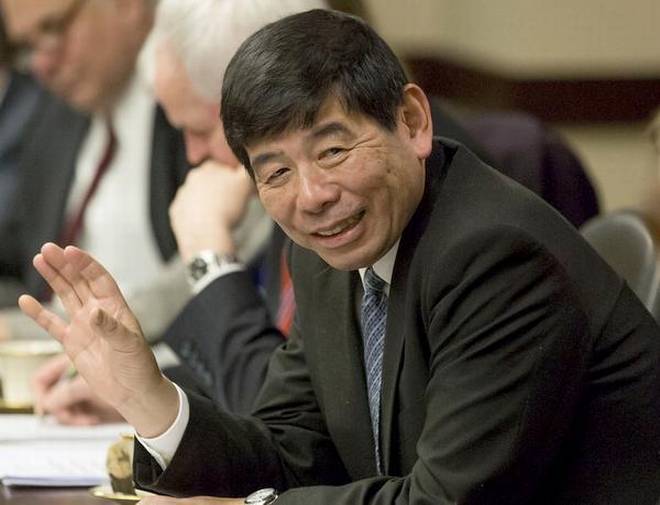
Kunio Mikuriya - Hindu Times

The Hindu Times reports that the World Customs Organization (WCO) will soon bring out guidelines on ‘cross-border e-commerce’, which will focus on preventing illegal trade as well as addressing the challenges stemming from the ‘digital divide’, according to the WCO Secretary General Kunio Mikuriya.

In an interview to The Hindu on his recent India trip, Mr. Mikuriya said, “We are developing guidelines on e-commerce to see how best Customs can facilitate legitimate trade through that route.” He added, “We [the WCO] will address issues related to digital divide by looking into what is blocking e-commerce trade, and what kind of enabling environment is needed to support developing countries so that they benefit more from e-commerce.”

Terming e-commerce as a “game changer” in global trade that is benefiting small firms and consumers, he said the new guidelines would, however, include provisions to prevent illegal trade and illicit financial flows. This would be ensured through measures that would help strengthen information exchange between Customs administrations of countries as well as collaboration with other government agencies.

The WCO has a Working Group on e-Commerce and four sub-groups. To develop guidelines on cross-border e-commerce, the work packages identified are: ‘trade facilitation and simplification of procedures’, ‘safety and security’, ‘revenue collection’, and ‘measurement and analysis’. According to the UN body ‘UNCTAD’, the value of online trade jumped from $16 trillion to $22 trillion between 2013 and 2015.

“The continuous increase in online trading has raised questions regarding regulation, consumer protection, revenue collection and national security,” according to the WCO’s ‘Study Report on Cross-Border E-Commerce’ (March 2017). “These questions cannot be dealt with individually, but require a common, broad approach by the international Customs community, together with all relevant stakeholders as a whole.”

The WCO said more sophisticated equipment was needed to combat illicit trading through low-value shipments in the postal, express and cargo streams.

“Pre-arrival information on the consignment and the consignee could be of great importance in detecting and intercepting illicit trade. In addition, the improvement of non-intrusive inspection equipment and an increase in the number of trained staff could help to enhance the detection rate of illicit goods,” it said.

In an article on e-commerce, the WCO’s Director of Compliance and Facilitation Ana Hinojosa pointed out that in many countries, there were de minimisthresholds that allow low-value packages to enter a country with little or no duties or taxes, and with much more simplified procedures.

“This has led to clever manipulations by either the shipper or the consumer to avoid the extra charges by splitting invoices, undervaluing the invoices or mis-declaring the items altogether,” wrote Ms. Hinojosa. Another type of manipulation used was to classify the item as something else or claiming a different country of origin for the product, to take advantage of better duty or tax rates, the WCO official said, adding that these distortions had had an impact on many countries’ revenue collection volumes. Therefore, “some countries… are re-evaluating their established thresholds due to the significant implications that the changes brought about by these growing volumes of low-value small packages are having on their fiscal revenues,” observed Ms. Hinojosa. Source: The Hindu, 2 August 2017.

Namibia Revenue Agency Bill – Finance officials to reapply for jobs

Namibia flagOver 1 380 finance ministry officials will be required to reapply for their jobs when the proposed state-owned Namibia Revenue Agency is formed.

Finance minister Calle Schlettwein tabled the Namibia Revenue Agency Bill 2017 to pave the way for the creation of the independent agency which will assess and collect taxes.

The agency will not only extract the largest part of the finance ministry’s workforce, but a proposed law tabled last week suggests that the new parastatal should be allowed to attract experts by paying more than what other civil servants currently earn.

When he tabled the proposed bill in the National Assembly last week, Schlettwein said 730 officials from the Inland Revenue department and 650 from the directorate of customs will have to reapply for their jobs when the new agency opens next year.

According to Schlettwein, the two departments make up 79% of the total staff at the finance ministry.

Schlettwein told The Namibian yesterday that the finance ministry has a total workforce of 1 740, but the two departments have up to 1 380 workers.

“To further avoid compromising on the skills needed for the agency, there will be no automatic transfer of existing staff of the departments of Inland Revenue and Customs and Excise to the new institution,” the minister stated.

However, finance officials will be offered the first opportunity to apply and compete for jobs offered at the new agency before the platform is opened up to the public, he said.

“As such, arrangements will be made to ensure that the selection process is transparent and adheres to best practices,” Schlettwein added.

According to the minister, officials at the finance ministry who fail to get jobs at the new tax agency will be offered positions elsewhere in government, as stipulated in the Public Service Act.

He said some officials at the agency will also be highly paid in order to attract the best talent.

“The agency will be exempted from the public service rules and public enterprises remuneration guidelines,” he noted.

The 2017/18 budget documents indicate that the finance ministry will spend N$28 million on salaries and other benefits. Schlettwein said the new parastatal will start working next year at a date yet to be announced, adding that there is a need to manage the transition process well to avoid making costly mistakes.

He said for now, a finance ministry and revenue agency task team will finalise the transitional aspects for the establishment of the agency.

“This entails further consultations on the operational modalities, the determination of the recruitment process, and proposals for the draft internal policies of the new institution in preparation for the recruitment of the board and senior management of the agency,” Schlettwein stated.

The minister said one of the functions of setting up a highly-paying tax body is to catch companies and individuals who are taking advantage of loopholes to avoid paying taxes.

“We are a resource-based economy, which comes with the potential for illicit financial flows, transfer pricing, profit shifting and other base-eroding tax planning activities,” he said.

Illicit financial flows involve money illegally earned, transferred or used which crosses national borders. Culprits are usually multinational companies and criminals.

The minister said tackling illicit financial flows will require specialised skills, which could not be optimised in the public service due to a lack of skills.

Tackling illicit financial flows will give President Hage Geingob’s administration plaudits for tackling corporate and financial cheating.

The real impact of illicit financial flows on Namibia is currently not known, as the government continues to rely on international statistics when commenting on the subject.

For instance, the United States-based think tank, Global Financial Integrity, said in its 2012 report that Namibia lost around N$5,6 billion per year to illegal activities between 2001 to 2010.

The Namibia Revenue Agency will be run by a seven-member board on a three-year term. The board members will be appointed by the minister from experts selected from state entities, such as the permanent secretary from the finance ministry, the commissioner, and five members who will be appointed based on areas of expertise such as taxation, law, auditing and human resources.

A commissioner will be appointed as the chief executive for five years. The chief executive can only serve for a maximum two terms (10 years), but his/her second-term appointment should be based on “excellence” in performance, and at the discretion of the finance minister. Source: The Namibia, 2017-06-27. Author: Shinovene Immanuel

USCBP donates border protection equipment to SARS

CBPSARS3

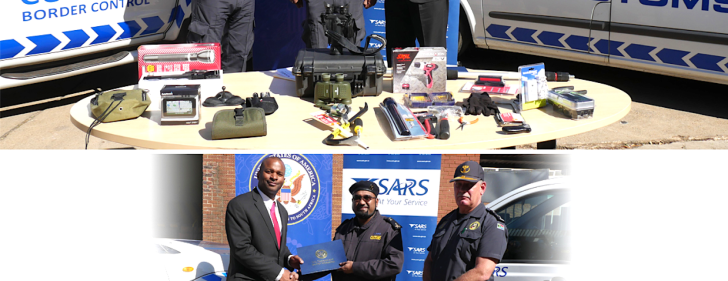
The U.S. Embassy in South Africa’s office of U.S. Customs and Border Protection (CBP) donated border enforcement equipment and tools to the South African Revenue Service (SARS) at their K-9 facility in Kempton Park today. The equipment will be utilized in support SARS’ efforts to safeguard the borders in South Africa. The donation, valuing more than $105,000, includes vehicle GPS units, field binoculars, night vision goggles, handheld thermal imagers, radiation detector/pagers, and contraband detection kits.

The donation is a part of the U.S. Customs and Border Protection’s longstanding partnership with the government of South Africa to support border security, trade facilitation and combat wildlife trafficking. U.S. Chargé d’Affaires Jessye Lapenn said, “Following South Africa’s success in hosting the 17th Meeting of the Conference of the Parties (COP17) to the Convention on International Trade in Endangered Species of Wild Fauna and Flora (CITES) in 2016, we are delighted to support your continued efforts. This equipment will be used to help conserve your incredibly diverse wildlife species, promote economic development, and combat the multi-billion dollar illicit wildlife trade within your borders, across our borders, and globally. I am proud of the great work our South African and American teams have done together on these issues. Together, we are making a difference.”

An executive for Customs at SARS said, “from the South African perspective, we acknowledge and receive these ‘tools of the trade’ from the United States with gratitude. This donation will strengthen our long-lasting relationship with the United States, which has been assisting us since the 1990s. Our work together has helped us improve our fight against the illicit economy.”

With more than 60,000 employees, CBP is one of the world’s largest law enforcement organizations and is charged with keeping terrorists and their weapons out of the U.S. while facilitating lawful international travel and trade. As the United States’ first unified border entity, CBP takes a comprehensive approach to border management and control, combining customs, immigration, border security, and agricultural protection into one coordinated and supportive activity. The men and women of CBP are responsible for enforcing hundreds of U.S. laws and regulations. On a typical day, CBP welcomes nearly one million visitors, screens more than 67,000 cargo containers, arrests more than 1,100 individuals, and seizes nearly six tons of illicit drugs. Annually, CBP facilitates an average of more than $3 trillion in legitimate trade while enforcing U.S. trade laws.

Source:  APO on behalf of U.S. Embassy Pretoria, South Africa.

Argentina Customs Fraud – Similarities to Venezuela

Arg-aduana

A customs fraud that allegedly allowed a criminal network to steal millions from Argentina’s government looks eerily similar to how some of Venezuela’s private businesses and corrupt government officials have also benefitted from that Andean nation’s efforts to manipulate currency values.

Argentine authorities conducted 23 simultaneous search warrants and arrested 10 individuals accused of defrauding the state by more than $300 million between 2012 and 2015, according to a July 11 press release by Argentina’s Security Minister.

The scheme was rooted in the difference between the dollar’s official value against the Argentine peso and its informal black market price. Authorities claim that 55 front companies were used to falsify Anticipated Sworn Declarations of Importation (Declaraciones Juradas Anticipadas de Importación – DJAI). These documents allowed import companies to buy dollars from the government at a subsidized price in order to buy foreign goods. Argentina’s previous administration artificially boosted the value of a peso, so an official dollar was worth much less than on the black market. But under the scheme, DJAIs were produced for goods that were never imported and with the sole purpose of buying cheaper official dollars, before selling them at a much higher price on the black market exchange.

The investigation, initiated last year after an official complaint from the director of Argentina’s customs agency, focuses on a network of textile companies owned by members of Buenos Aires’ Korean community, according to Infobae.

Infobae, which described the well-structured network integrated by professional accountants as a “mafia,” notes that not a single official has been charged for corruption, even though the official press release admits that bribes were paid.

The scheme currently investigated in Argentina illustrates how organized crime can profit from government monetary policy, as well as a good dose of corruption.

The sum involved may appear large, but other regional country’s losses to such frauds are measured in percentages of the gross domestic product and reach the highest levels. In Guatemala, for example, corruption reached as high as the president, who was directly leading and benefitting from a vast customs fraud, according to government investigators prosecuting the case.

Argentina’s case, however, appears to have more similarities to Venezuela. Indeed, the latter’s government control of currency exchange rates and the sale of dollars was exploited to embezzle as much as $70 billion in a decade, reported The New York Times. And following a regional pattern, corruption stood as a primary factor enabling these frauds.

Source: InsightCrime.org and WCO IRIS Portal

Shenzhen Customs – Nab Woman with 102 iPhones Taped to Her Body

A Hong Kong woman was caught late last month crossing the border into the mainland with an impressive 102 iPhones taped to her body — apparently, Shenzhen customs officers became a wee bit suspicious after noticing the woman’s unusually bulky clothing and strange stride.

They ordered her to take a walk through the X-ray scanner, which promptly sounded its alarm. A check revealed not only more than a hundred iPhones, but also 15 Tissot watches that were taped around her chest. In total, the smuggled items weighed about 20 kilograms, according to an Oriental Daily.

Highlights – WCO Global Conference on Transit

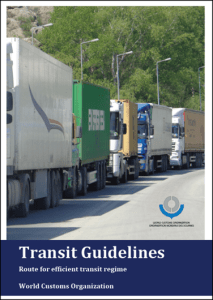
WCO Transit GuidelinesYes, the info junkie I am – this is what I was really after! The WCO chose to delay the real stuff. The WCO has published its Transit Guidelines, and a substantial compendium its is. Click here to access/download the file (5,4MB)! The WCO Secretary General, Kunio Mikuriya, has noted the possibility of developing a separate publication on transit encompassing national or regional best practices.
At the recent conference on transit, particular attention was given to the difficulties faced by landlocked developing countries.  During a special session on the issue, the United Nations Office of the High Representative for the Least Developed Countries, Landlocked Developing Countries and Small Island Developing States (UN-OHRLLS), several concrete suggestions were made on how to turn land-lockedness into land-linkedness.  The Director General of Paraguay Customs indicated that trade transactions in his country incur 30% additional costs due to Paraguay’s geographical limitations.  The Representative from UN-OHRLLS confirmed that on average, LLDCs bear up to 40 % additional costs on trade transactions.  The investment being made in hard infrastructure, such as roads, rail infrastructure, intermodal logistical hubs and dry inland ports, remains one of the main priorities in order to improve the situation.  Participants confirmed the need for harmonization and simplification of border control procedures, as well as the promotion of ICT for the management of transit systems.  This is of significant importance to LLDCs in Africa of which there are eight!.

Representatives from  several of Africa’s Regional Economic Communities present at the Conference, such as the Common Market for Eastern and Southern Africa (COMESA) and the Economic Community of West African States (ECOWAS), also highlighted the need to ensure that establishment functioning legal frameworks are in place to address the main challenges of regional transit regimes.

The use of existing information and communication technology (ICT) solutions was also raised at the Conference.  Today, numerous technologies are available to secure the movement of goods, such as electronic Customs seals which are actively used on containers transported from China to Europe and have proved to be reliable and efficient.  The regional electronic tracking system used for goods transiting between Uganda, Kenya and Rwanda was also mentioned as a successful project resulting from cooperation between neighbouring Customs administrations.  The Representative from ECOWAS informed participants that work has started to connect the IT systems of ECOWAS Members.  Regarding the challenges related to interconnectivity, the benefits of global implementation of the WCO Data Model were pointed out.

Railway transport is playing an increasingly important role in moving goods between countries in Eurasia, as explained by the Representatives from China and Russia Customs as well as the Representative from the Intergovernmental Organisation for International Carriage by Rail (OTIF).  It was pointed out that block trains now bring goods from China to Europe through Russia and Central Asian countries within a fortnight; four times faster than via maritime routes.  It is worth nothing that in the absence of a global instrument regulating the movement of trains across borders, which would obviously be of benefit to transit operations, bilateral agreements are the norm.

Transit systems, such as the European Union’s New Computerised Transit System (NCTS), the Convention on International Transport of Goods Under Cover of TIR Carnets (TIR Convention) and relatively new transit facilitation initiatives in the Eurasian Economic Union (EEU) and the Central Asia Regional Economic Cooperation (CAREC), were also discussed in detail.  Turkey, a user of two transit systems – NCTS and TIR – highlighted the importance of digitalization of the transit processes and explained its involvement in the e-TIR project aimed at providing an exchange platform for all actors (Customs authorities, holders and guarantee chains) involved in the TIR system.  In this regard, Turkey has participated in two pilot projects with two neighbouring countries, namely Georgia and Iran. Source: the WCO

Vietnam seizes 3 tons of ivory smuggled from South Africa

Vietnam-Ivory

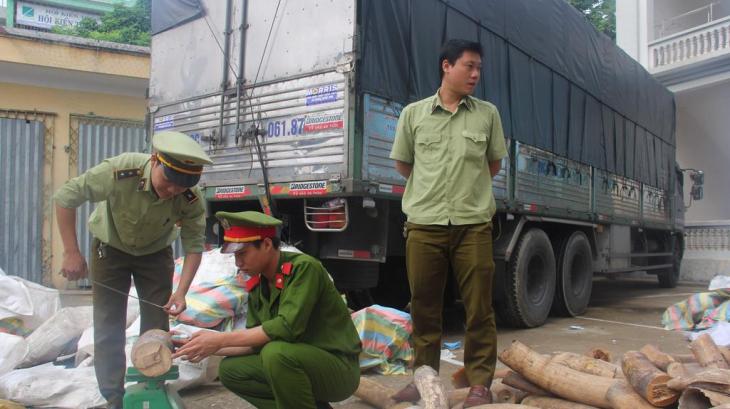
Vietnamese authorities have seized nearly three tonnes of ivory hidden among boxes of fruit, officials said on Sunday, the latest haul to spotlight the country’s key role in the global wildlife smuggling trade.

Police in the central province of Thanh Hoa found 2.7 tonnes of tusks inside cartons on the back of a truck that was on its way to Hanoi, according to their website.

“This is the largest seizure of smuggled ivory ever in Thanh Hoa province,” the report said.State media said the elephant tusks originated from South Africa.

The truck driver claimed he was unaware of what he was transporting, according to a report in state-controlled Tuoi Tre newspaper.

The global trade in elephant ivory, with rare exceptions, has been outlawed since 1989 after populations of the African giants dropped from millions in the mid-20th century to around 600,000 by the end of the 1980s.

There are now believed to be some 415,000, with 30,000 illegally killed each year. Prices for a kilogramme of ivory can reach as high as US$1,100 (Dh4,040).

Vietnam outlawed the ivory trade in 1992 but the country remains a top market for ivory products prized locally for decorative purposes, or in traditional medicine despite having no proven medicinal qualities.

Weak law enforcement in the communist country has allowed a black market to flourish, and Vietnam is also a busy thoroughfare for tusks trafficked from Africa destined for other parts of Asia, mainly China.

Last October, Vietnam customs authorities discovered about 3.5 tonnes of elephant tusks at Cat Lai port in Ho Chi Minh city, all in crates of wood, including a hefty two-tonne haul packed into a single shipment.

In 2015, 2.2 tonnes of tusks, originating from Mozambique, were discovered and seized northern Hai Phong port.

And last week authorities in Hong Kong seized 7.2 tonnes of ivory, the largest haul in the city for three decades.

While low level couriers are sometimes arrested across Asia very few wildlife trafficking kingpins are brought to justice. Source: The National

Record 7,2 Tonne Ivory Seizure in Hong Kong

Customs officers in Hong Kong seized 7.2 tons of ivory from a shipping container arriving from Malaysia on July 4.

The seizure was made at the Kwai Chung Customhouse Cargo Examination Compound, and once its weight is confirmed, the haul could become a record seizure – the largest ever recorded in the Elephant Trade Information System (ETIS) database – narrowly surpassing the 7.138 tons seized in Singapore in 2002.

According to a government media release, the consignment was declared as “frozen fish” and the tusks hidden beneath frozen fish cartons.

The massive seizure underlines both Malaysia’s and Hong Kong’s role as key smuggling hubs in the international trafficking of ivory. Three people – a man and two women were arrested in connection with the seizure.

The ETIS database is managed by the NGO TRAFFIC on behalf of Parties to the Convention on International Trade in Endangered Species of Wild Fauna and Flora (CITES). It contains tens of thousands of elephant-product seizure records dating back to 1989.

Under CITES guidelines, any seizure of 500kg or more is considered indicative of the involvement of organized crime. All parties making such large-scale seizures are obliged to examine them forensically as part of follow-up investigations.

Dr Yannick Kuehl, TRAFFIC’s Regional Director for East Asia, said, “No doubt Hong Kong’s geographic location coupled with the currently relatively lenient penalties in place for anyone convicted of wildlife crime are reasons behind the shipment coming through the port. The case for increasing penalties has never been stronger.”

Hong Kong is currently reviewing its legislation regarding wildlife crime and the Legislative Council is currently debating plans to phase out the territory’s domestic ivory trade over the next five years, a timescale that is out of step with neighboring mainland China which intends to end its domestic ivory trade by the end of 2017. Source: Maritime Executive/TRAFFIC/HongKong Government – Photo’s: Alex Hofford/WildAid.

WCO 2017 Photo Winner – Kyrgyzstan!

WCO Photo competetion winner 2017

Congratulations to Kyrgyzstan – a worthy winner considering the environmental elements. To view all the other entrants click here!

Source: WCO

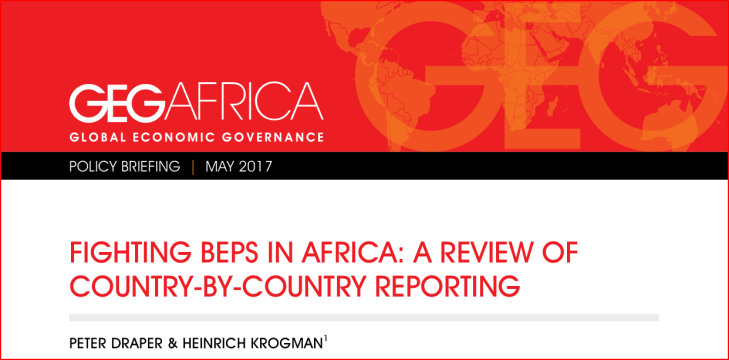
Fighting BEPS in Africa – A Review of Country-By-Country Reporting

Fighting BEPs in Africa

Thanks to Peter Draper and team for this policy briefing and discussion documents on Country-by-Country reporting.

Multinational enterprises (MNEs) can shift profits away from jurisdictions with comparatively high tax rates to jurisdictions with lower to no tax rates, and so avoid paying their fair share of taxes without breaking any single jurisdiction’s laws. This is in part possible owing to the restricted exchange of information between national tax authorities, which limits these authorities’ capacity to conduct accurate MNE audits.

The implementation package on Country-by-Country Reporting for Action 13 of the BEPS project, published on 8 June 2015, foresees that tax authorities will automatically exchange key indicators (such as profits, taxes paid, employees and assets of each entity) of Multinational Enterprise Groups with each other, therewith allowing tax authorities to make risk assessments as to the transfer pricing arrangements and BEPS-related risks, which may then serve as a basis for initiating a tax audit.  OECD Automatic Exchange portal.

By creating standard reporting templates and model legislation to collect MNEs’ relevant business information, Action 13 of the Organisation for Economic Co-operation and Development (OECD)/G20 Base Erosion and Profit Shifting Action Plan – Transfer Pricing Documentation and Country-By-Country Reporting – is seen as part of the solution to addressing MNE tax evasion. While representing a substantial step forward, the proposed set of recommendations has a limited scope and is technically onerous to implement in poor developing countries, where revenue authorities are severely resource-constrained. These issues are reviewed in relation to African resource mobilisation needs, and with an eye to the 2020 review of country-by-country reporting (CbCR) implementation.

To view/download the policy paper click here!

To view/download the discussion paper click here!

Source: Tutwa Consulting Newsletter June 2017

Meeting of the WCO Private Sector Consultative Group (PSCG)

IMGP0749

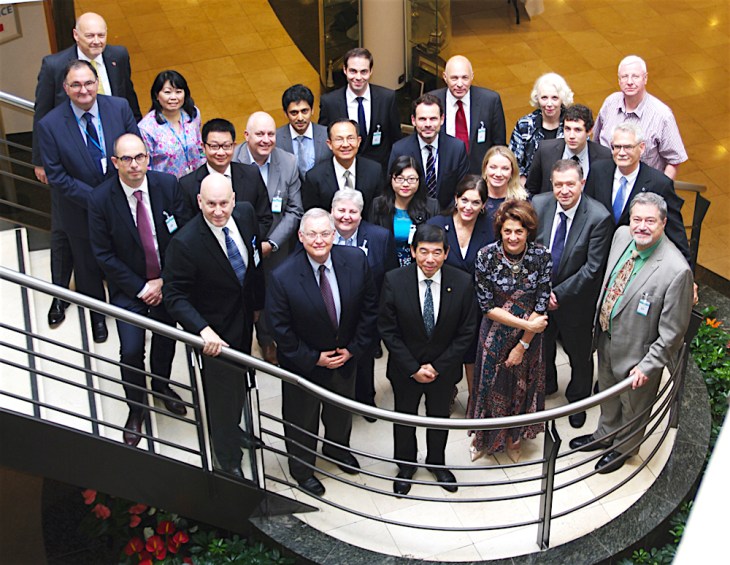
The WCO Private Sector Consultative Group (PSCG) met for the 41st time at the WCO headquarters on 3 and 4 July 2017. The meeting was chaired by Mr. John Mein from PROCOMEX and attended by representatives from 17 of the 21 PSCG members – AAEI, BMW, CATERPILLAR, E-BAY, FIATA, FONASBA, FONTERRA, GEA, HAIER, HUAWEI, IATA, ICC, IFCBA, MICROSOFT, OPORA, PROCOMEX and SAAFF.

During their two-day meeting, the PSCG discussed a number of very topical matters and developments, including current threats of protectionism to free trade, the state of trade facilitation and the implementation of the WTO TFA agreement and e-commerce. WCO members also attended part of the meeting and presented current WCO work programmes, including the upcoming review of the Revised Kyoto Convention and encouraged PSCG members to take an active role in this review work. The Secretary General, Kunio Mikuriya, also addressed the PSCG on its first day on issues relating to the current state of international trade.

Following the PSCG meeting, a dialogue between Policy Commission and PSCG members including Trade Observers was held to discuss current challenges with regard to free trade and globalization.  During break-out groups representatives from both the Customs administrations and private sector discussed the current problem landscape and what the international Customs community can do in collaboration with the private sector to support economic and social development and growth through the application of trade facilitation principles and measures. Source: WCO

NZ Customs -will need reasonable cause to search laptops and phones at the border

airport

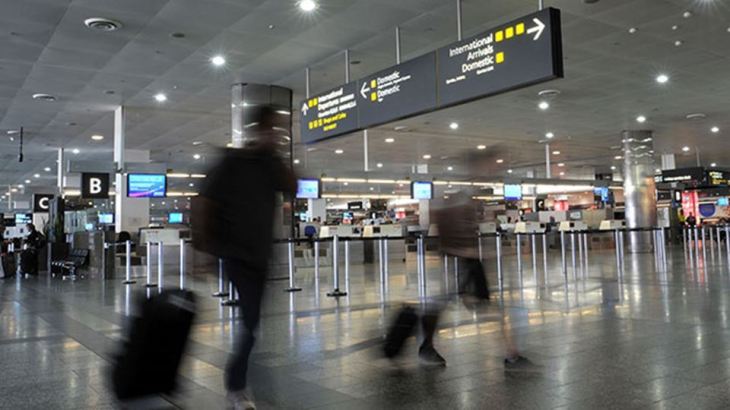
Currently, New Zealand Customs can stop anyone at the border and demand access to any of their digital devices.

A new law means Customs will no longer be able to demand that people entering the country hand over the passwords to their devices without reasonable cause.

Currently, Customs can stop anyone at the border and demand access to any of their digital devices.

But ACT leader and sole-MP David Seymour has secured a change to this in the new Customs and Excise Bill, which is soon to have its second reading. Officers will need to have “reasonable suspicion” or belief of offending. There will be no appeal process.

Figures obtained by TVNZ showed that more than 1300 have been digitally “strip searched” since 2013.

New Zealanders were the most commonly searched, followed by people from China.

“Unrestricted power to demand people’s passwords and search their files is an affront to civil liberties, and it will inevitably lead to violations of privacy,” Seymour said.

“Customs practices are simply out of touch with modern reality. In the past, people would only pack a suitcase with a few paper documents, but younger generations often travel with all their personal files. Meanwhile, if a genuine criminal is determined to keep incriminating files, they’ll do it on cloud storage, not on their personal device.

“This will prevent countless New Zealanders and visitors from facing intrusive and unjustified searches.

“Customs’ powers to examine and access electronic devices will be restricted through a two-stage search threshold. This means that Customs will only be able to search a device if they have a reasonable suspicion or belief of offending under the Act,” Customs Minister Nicky Wagner said.

“We have addressed concerns raised by the public during consultation around Customs’ powers to search e-devices at the border.

“The new search powers strike a balance between protecting privacy and ensuring that Customs can continue to protect our borders.” Source: Stuff (New Zealand)