WCO Regional Workshop on Coordinated Border Management, Single Window and the Data Model

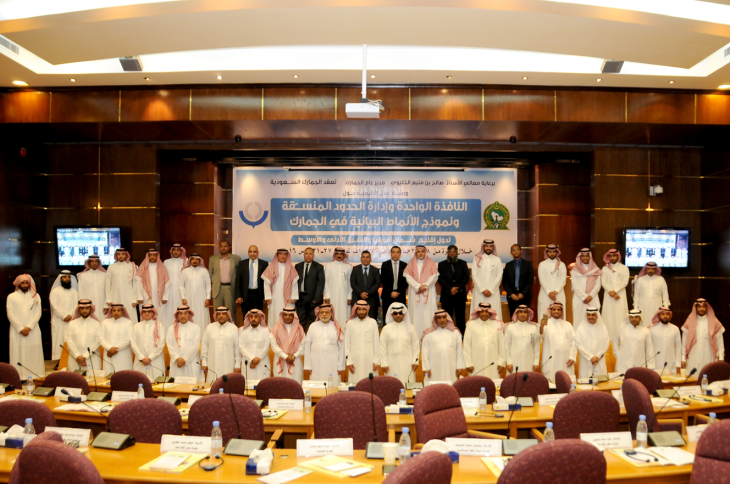
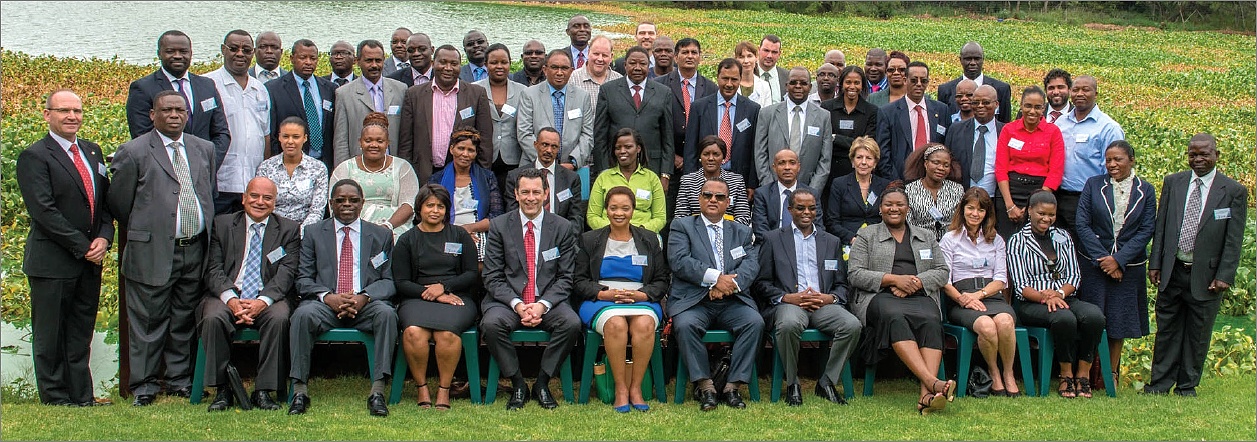
Wco CBM & Single Window WorkshopThe World Customs Organization (WCO), with the financial support of the Customs Administration of Saudi Arabia, successfully held a Regional Workshop on Coordinated Border Management (CBM), Single Window and the WCO Data Model in Riyadh, Saudi Arabia from 27 to 31 March 2016. Thirty seven middle management officials of the Customs Administrations from the MENA Region, namely Saudi Arabia, Egypt, Lebanon, Jordan, Morocco, Tunisia, Sudan, Bahrain and the United Arab Emirates participated in the Workshop. In addition, twelve officials of Customs’ Partner Agencies and two representatives from the private sector attended the event.

Mr. Abdulah AlMogehem, the Deputy Director General of the Customs Administration of Saudi Arabia in his opening remarks highlighted the importance of Single Window development by governments to simplify cross-border trade regulatory procedures which will reduce inefficiency and redundancy of border management processes.

The event highlighted the importance of CBM principles as the basis for the development of a Single Window Environment to enable coordination and cooperation between all relevant government agencies involved in border management. The Workshop also focused on the importance of strategic planning and formal governance structures in establishing a Single Window Environment. SA Revenue Service’s Intikhab Shaik incidentally facilitated the session and discussion on Single Window.

Other important topics included Business Process Re-engineering as well as Data Harmonization, using the WCO Data Model as the inter-operability framework to lay the foundation for CBM and Single Window. Source: WCO

East African countries set-up of cargo control unit

KRA-Customs-Transit-Control

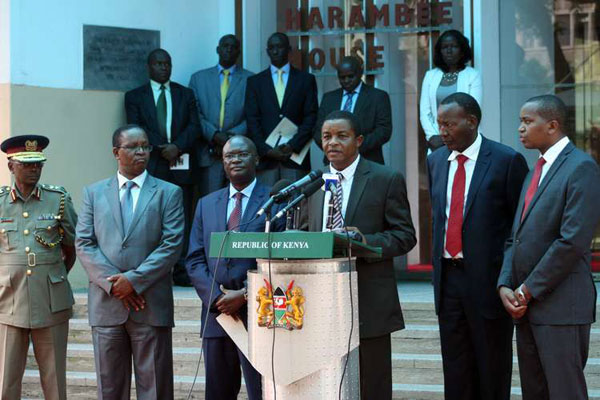
Kenya Revenue Authority Commissioner-General John Njiraini announces the implementation of a common customs and transit cargo control framework to rid Mombasa port of corruption

Four East African countries on Tuesday agreed to fast-track implementation of a common customs and transit cargo control framework to enhance regional trade.

Commissioners-general from the Kenyan, Ugandan, Rwandan and Tanzanian revenue authorities said adoption of an excise goods management system would curb illicit trade in goods that attract excise duty across borders.

They said creation of a single regional bond for goods in transit would ease movement of cargo, with taxation being done at the first customs port of entry.

The meeting held in Nairobi supported formation of the Single Customs Territory, terming it a useful measure that will ease clearance of goods and reduce protectionist tendencies, thereby boosting business.

Implementation of the territory is being handled in three phases; the first will address bulk cargo such as fuel, wheat grain and clinker used in cement manufacturing.

Phase two will handle containerised cargo and motor vehicles, while the third will deal with intra-regional trade among countries implementing the arrangement.

The treaty for establishment of the East African Community provides that a customs union shall be the first stage in the process of economic integration.

Kenya Revenue Authority (KRA) commissioner-general John Njiraini said the recently introduced customs and border control regulations were designed to enhance revenue collection and beef up security at the entry points.

“At KRA, we have commenced the implementation of a number of revenue enhancement programmes particularly on the customs and border control front that will address security and revenue collection at all border points while enhancing swift movement of goods,” he said.

To address cargo diversion cases, the regional revenue authorities resolved that a joint programme be rolled out to reform transit goods clearance and monitoring processes. Source: DailyNation (Kenya)

SA Customs lends Detector Dog support to Mozambique

The SARS Customs Detector Dog Unit (DDU) recently deployed two trained detector dog handlers and dogs on foreign soil in Maputo, Mozambique. This forms part of a Customs co-operation agreement between the governments of South Africa and Mozambique.

The capacity-building programme provides for the training of at least eight detector dog handlers and dogs for Mozambique in over a period of 14 weeks followed by a ‘Train-the-Trainer’ programme for purposes of sustainability.

The deployment of SARS Detector Dog Handlers and dogs trained to interdict endangered species and narcotics in Maputo will promote and strengthen a  cross-border intergovernmental approach in the prevention and detection of smuggling of illicit, illegal goods or substances via ports of entry between Mozambique and South Africa.

The programme is designed to capacitate Mozambique Customs in the establishment of its own canine unit that will further enhance its current non-intrusive scanning enforcement capability at ports of entry and exit. Source and pictures: SARS

Border Management Agency (BMA) Bill introduced into Parliment

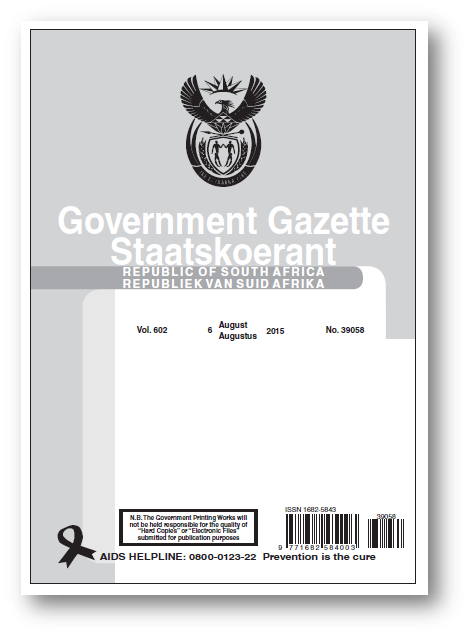
The BMA Bill No.39058Cabinet [has] approved the introduction of the Border Management Agency (BMA) Bill, 2015 into Parliament. The Bill aims to establish the BMA, which will balance secure cross-border travel, trade facilitation and national security imperatives within the context of South Africa’s regional, African and international obligations. This single authority for border law enforcement provides the potential for more cost-effective services, enhanced security and better management of the border environment. Source: Statement on the Cabinet meeting of 23 September 2015 (SA Government)

Kenya – Drugs Found on Auto Carrier in Port of Mombasa

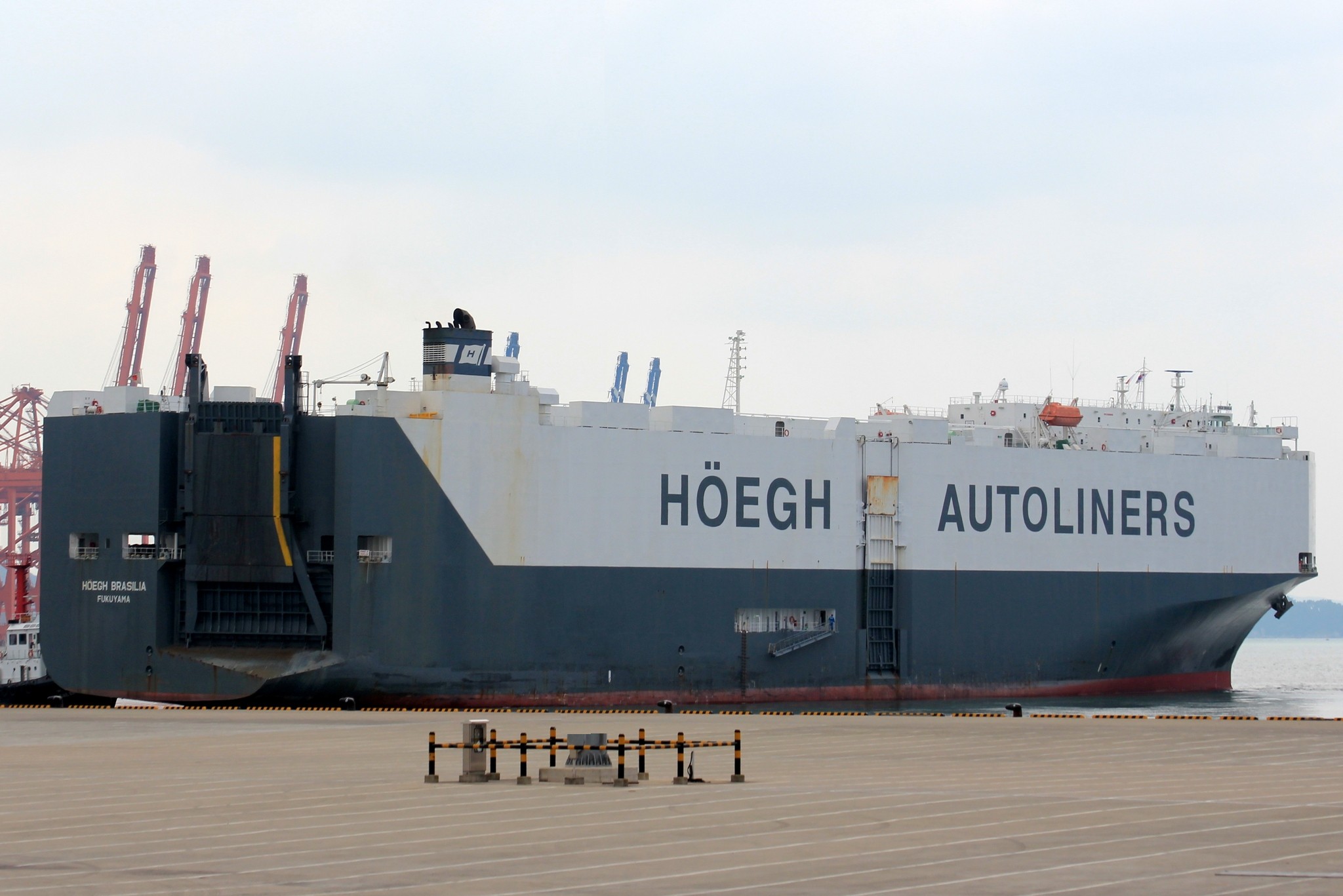
hoeghKenyan and U.S. authorities found drugs aboard the Höegh Autoliners “Pure Car/Truck Carrier” (PCTC), which was detained at Port Mombasa on September 17. The crew of the ship has been arrested and currently being questioned by authorities.

According to authorities, cocaine was found inside the tires of three military trucks aboard the Hoegh Transporter, a Singapore-flagged car carrier.

Kenyan officials raided the vessel after receiving a tip from the U.S. Federal Bureau of Investigation (FBI) that the vessel had been loaded with the coke at India’s Port of Mumbai.

Kenyan soldiers and security personnel shut down the port for hours before seizing the ship and halting operations. Mombasa, which is Africa’s largest port, serves as the main gateway for imports and exports in the region.

East Africa is a major shipping route for Afghan narcotics bound for Europe. Maritime forces have been unable to curb the flow of drug transport in the region.

The Höegh Transporter was built in 1999 and was transporting nearly 4,000 vehicles, including about 250, which are to be used for peacekeeping missions in South Sudan. Source: Maritime Executive

SARS R78 million Airport Cash Bust

Johannesburg – They [smugglers] had cash stashed in 11 pieces of luggage including four backpacks – R78 million destined for the United Arab Emirates.

But eagle-eyed customs officials at OR Tambo International Airport were on to them and confiscated the bags with R23m and $3.775m in notes.

On the same day, R50m worth of cocaine stashed in hair product bottles was seized at the same airport, in one of the biggest crime-busting days at OR Tambo.

On Monday, SA Revenue Service (Sars) officials said five people had been arrested after being caught with the undeclared cash as they were about to leave South Africa.

“Risk profiling earlier by Sars custom officials identified the passengers, and led to their apprehension as they boarded the aircraft at 9.45pm.

“Upon noticing the officials, the passengers retreated and headed back to the entrance of the boarding gate. At this point, officials closed the boarding gate door and the passengers were compelled to wait for the Sars officials,” Sars said.

When asked whether they had any currency, one of the passengers apparently said he had R100 000 and that the other members of the group had currency with them.

“The five individuals were escorted back to immigration at international arrivals, booked back into South Africa and escorted to customs.”

Sars spokesperson Luther Lebelo said the bags with the cash had been handed over to the SA Reserve Bank.

“The matter has been handed over to the SA Reserve Bank for further investigations. Once the bank is satisfied that there is an element of criminality, they can take the matter to the police,” he said.

The arrests on Friday – details of which were released on Tuesday – followed a R50m drug bust at the airport. National police spokesman Brigadier Vishnu Naidoo said the consignment of cocaine, weighing about 143kg, was one of the largest drug recoveries at a South African port of entry.

“The drugs were hidden in 147 hair products bottles and were found during a routine inspection at the cargo section. The consignment arrived from Brazil, and information displayed on the cargo indicated it was in transit to Cotonou, Benin, in West Africa,” he said.

Other drug busts at OR Tambo over the past month include:

  • The confiscation of 60 000 Viagra tablets with a street value of R6m at the airport’s mailing centre.
  • Cocaine weighing 3.46kg and valued at R993 020, found in the backpack of a passenger in transit from Sao Paulo and headed for Lagos, Nigeria.
  • Sixty-five packages of crystal meth valued at R4.2m, confiscated while being loaded into a bakkie in the cargo area.
  • Heroin valued at R201 810 destined for Spain and Ireland, discovered along with 2kg of cannabis at the airport’s mailing centre.

Source: The Star

BMA – This one is not implementable!

[Picture Credit: John Moore - Getty Images]

Border between South Africa and Zimbabwe [Picture Credit: John Moore – Getty Images]

The SA government is forging ahead with plans for a border management agency to handle all aspects of border control, from security to customs and plant and animal inspection – but MPs have said it can’t be done.

Home Affairs Minister Malusi Gigaba and his defence counterpart Nosiviwe Mapisa-Nqakula launched Operation Pyramid – a transitional arrangement to improve interdepartmental co-ordination – on Friday, while a draft bill to create the legal framework for the agency was tabled at a workshop in Pretoria earlier in the week.

But there are serious concerns about the ability of one entity to manage the diverse requirements of border control, which would require a huge single body that may prove unwieldy, while it would also need to assume some of the functions of the police and defence force. This would put it in conflict with the constitution, which provides for a single police service and defence force.

Section 199.2 of the constitution states the defence force is the “only lawful military force in the Republic”. Establishing a border management agency performing security functions in parallel with the police and SANDF would thus require a constitutional amendment, but this is just one among many challenges.

The need for such an agency arose in the first place because numerous national intelligence estimates had said the lack of co-ordination in the border environment resulted in “significant weaknesses, threats and challenges”.

Briefing Parliament’s police oversight committee this week, Brigadier David Chilembe, head of border policing, outlined steps that had been taken to get the agency off the ground, six years after President Jacob Zuma ordered it to be done.

The Department of Home Affairs, the lead agent in the project, had established a project office to oversee implementation, heads of affected departments had signed a multiparty agreement and sat on a committee together to co-ordinate their efforts, while an interministerial committee ironed out the policy questions.

The Government Technical Advisory Centre in the Treasury was working on the business case for the agency, Chilembe said.
The plan was to set up the agency in stages and identify the legal and operational implications at each stage so they could be addressed.

But a follow-up briefing on concerns raised by MPs after an oversight visit to the Lebombo border post near Komatipoort in Mpumalanga opened a window into the difficulties the agency will face.

The committee wrote a damning report on the Lebombo border post after a visit earlier this year, when MPs found the ceiling was collapsing because air-conditioning ducts dripped on to it, the door was shattered and the gate jammed, meaning it was possible to drive or walk through it without stopping.

Police complained they had to stand unprotected in the sun or rain and had to make their own travel arrangements from town.
Lieutenant-General Kehla Sithole said the problems originated in a 1998 agreement between Mozambique and South Africa for the post to be established as a “one-stop” facility, with officials sitting back-to-back under one roof.

Mozambique later said it had expected South Africa to pay for its construction, but the Treasury balked at this.The resulting limbo meant new facilities could not be built and neither could the existing ones be refurbished because the Public Works Department refused to upgrade buildings earmarked for demolition.

There were perceptions that the SA Revenue Service, which was the lead agency in the Border Control Operational Co-ordinating Committee – the body charged with harmonising the environment since 2001 – looked after its own interests first, leaving the SAPS short-changed in accommodation and office space.

MPs were shocked to hear an 80-room residential complex for SAPS personnel stood empty because police were expected to pay for it themselves but, unlike SARS officials, did not receive an accommodation allowance. As a result, they preferred to rent a shack in town and travel to the border post daily.

There was also no scanner at the border post, meaning truck cargos, for instance, could only be inspected manually. Opposition DA spokeswoman on police Dianne Kohler Barnard said this almost certainly meant the majority of vehicles went through the post unchecked, meaning it could easily be used for child trafficking, for example.

Sithole said the lack of a scanner was the result of a Treasury instruction for departments represented at the post to make a joint proposal for one to be procured, instead of each asking for their own – at a cost of millions a unit.

A “scanner committee” had been established in the late 1990s but, because one was provided for in the plans for the one-stop concept, it had yet to be bought.

Committee chairman Francois Beukman said MPs weren’t interested in the history of the problem, but rather in what would be done to get a scanner in place.

ANC MP Jerome Maake, supported by Leonard Ramatlakane, said after the presentation it was clear the border management agency couldn’t work. If it was established as a government department – one of three options on the table – this would create a “super department” that would reach into the functions of the others. This would confuse lines of accountability.

If it was established as a government component under an executive authority, or as a public entity, the other two options, it would run into the constitutional challenges related to the police and defence functions.

“All I see here is problems and I don’t see how they can be solved,” Maake said.

“Maybe you’re just afraid of telling the president, this animal can’t be implemented and you’re moving around it, on the periphery, afraid to just say, no – can we come up with something new?

“This one is not implementable.”

Source: Independant On Line (IOL)
South Africa and Zimbabwe sign milestone Customs Mutual Assistance Agreement

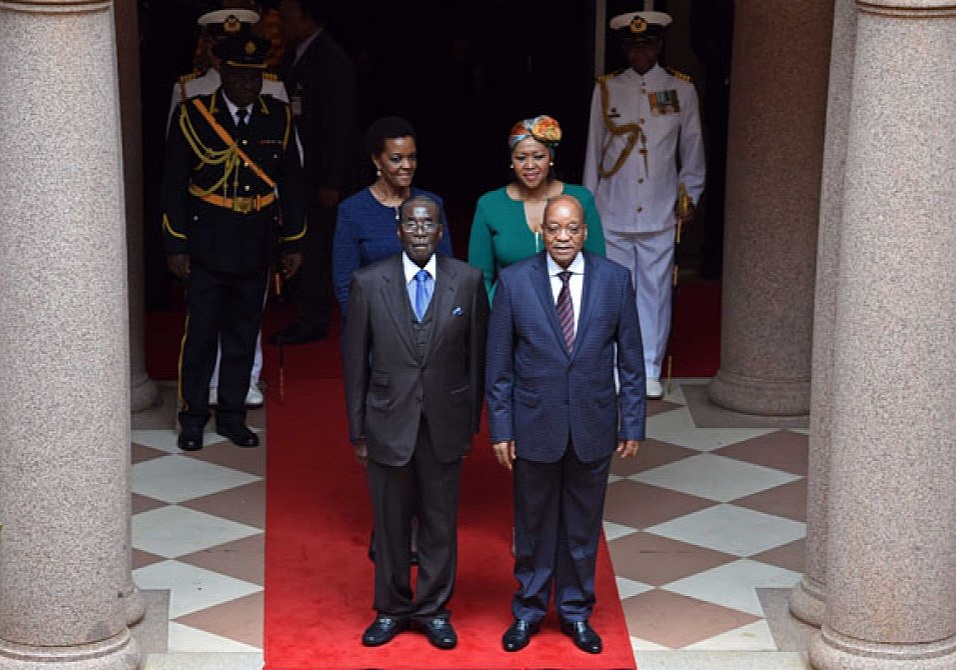
robertmugabejacobzuma2015govtza_SnapseedSouth Africa and Zimbabwe have elevated bilateral relations with the signing of five agreements set to benefit both countries. The agreements were signed on Wednesday during President Robert Mugabe’s state visit to South Africa at the invitation of President Jacob Zuma. An agreement regarding mutual assistance between customs administrations between the two countries was also signed, which will further cooperation towards the establishment of a one-stop border post. This is viewed as a crucial milestone.

WCO News – February 2015 Edition

WCO News - Coordinated Border Management Feb 2015Check out the latest WCO News – per usual a wealth of interesting customs and supply chain information:

  • WCO launches IRIS, an application exploiting open source information
  • Harmonized System amendments effective from 1 January 2017
  • Beginning the CBM process: the Botswana experience
  • Inter-institutionality – a distinctive feature of the Colombian AEO model
  • WCO Data Model: the bridgehead to connectivity in international trade
  • Implementing New Zealand’s Joint Border Management System

and a whole lot more…

Source: WCO

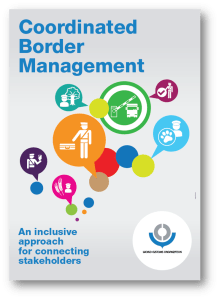
Coordinated Border Management – An inclusive approach for connecting stakeholders

WCO Customs Theme 2015The WCO is dedicating 2015 to promoting Coordinated Border Management (CBM) under the slogan “Coordinated Border Management – An inclusive approach for connecting stakeholders”.
WCO Members will have the opportunity to promote the enhanced coordination practices and mechanisms that they have implemented within their administrations and with other Customs administrations and government agencies, as well as with economic operators involved in cross-border trade.

The term Coordinated Border Management (CBM) refers to a coordinated approach by border control agencies, both at the national and international level, in the context of seeking greater efficiencies over managing trade and travel flows, while maintaining a balance with compliance requirements.

CBM can result in more effective service delivery, less duplication, cost-savings through economies of scale, enhanced risk management with fewer but better targeted interventions, cheaper transport costs, less waiting times, lower infrastructure improvement costs, more wider sharing of information and intelligence, and strengthened connections among all border stakeholders. Source: WCO


State-of-Art Port Control Centre opens in Cape Town

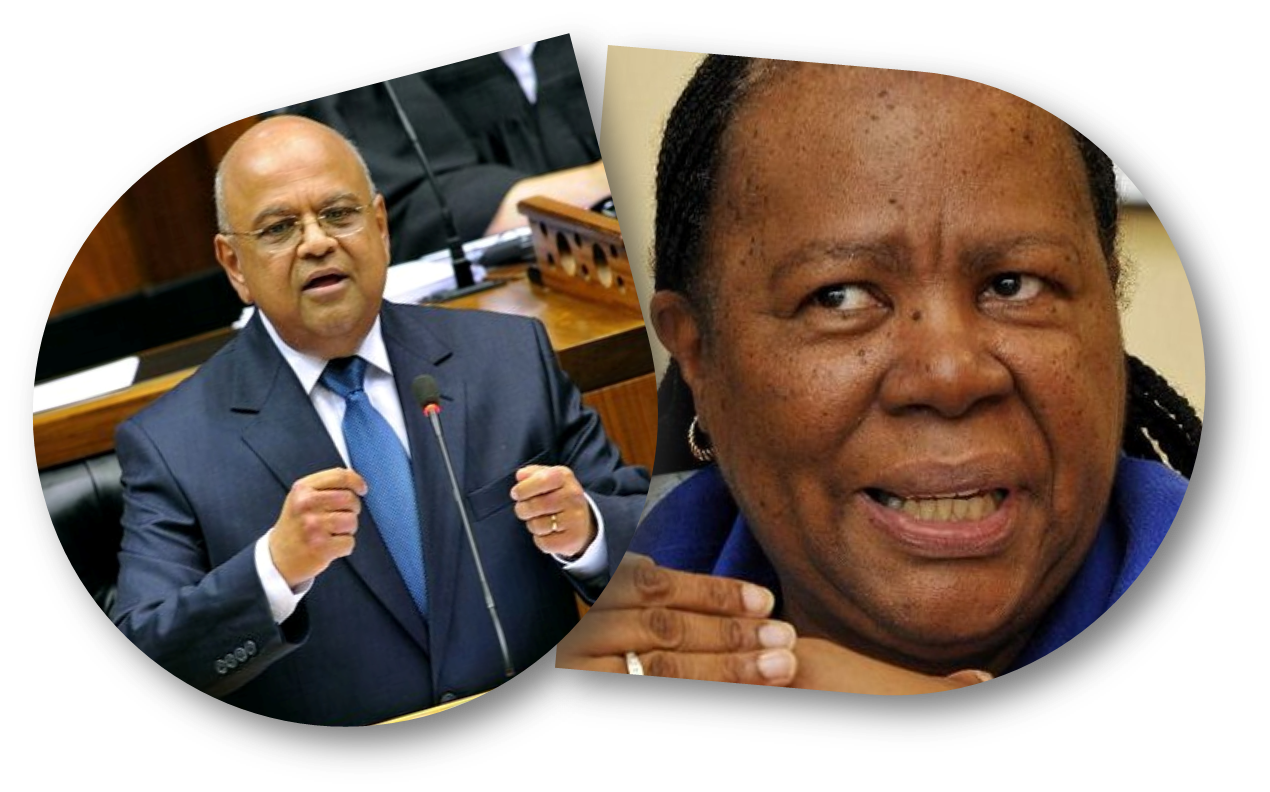
Inter-Departmental CooperationSouth Africa’s first maritime port of entry control centre represents a milestone in the country’s journey to secure, modernise and control its borders, Finance Minister Pravin Gordhan said at the opening of the centre at Cowrie Port in Cape Town harbour last week on Friday.

The centre puts all the government departments and agencies involved in immigration and border control under one roof. These include the departments of home affairs, health, agriculture and fisheries, the SA Police Service (border police and crime intelligence), and the SA Revenue Service (Customs). The state-of-the-art centre would not only improve security and immigration issues, but would also serve to enhance trade and South Africa’s status as a logistical gateway to Africa, Gordhan said.

Trade

The rationale behind the centre was in line with the National Development Plan, the minister said. Among other things, the NDP aims to stimulate growth by lowering the cost of doing business in South Africa, improving the country’s competitiveness and exports, and linking local products with other emerging markets. Gordhan said the fast-growing markets of Africa represented important new markets, and the NDP was committed to increasing South Africa’s trade with its regional neighbours from 15% to 30%.

‘Complex borders’

Home Affairs Minister Naledi Pandor, also speaking at Friday’s opening, said the centre had been designed “to accommodate in one spot not only customs, excise and immigration, but also health, safety and intelligence.

“Ports are complex borders to manage. Cowrie Place will provide the space and facilities to manage passengers and cargoes more efficiently than before.” Pandor said the government hoped to establish a border management agency by the end of 2016, taking advantage of the lessons learnt from Cowrie Place. A flagship feature of Cowrie Place is the co-ordination monitoring centre, where the data and information will be fed, assimilated and made available to all government department and agencies involved in the maritime border management.

“For the bona fide tourist or member of the trade community, this will mean better service,” Gordhan said. “For those who intend to challenge the laws of our country, be warned, as we intend to raise the bar of compliance by an order of magnitude.”

Important port

Cape Town’s port is oldest in South Africa, but despite changes to its maritime culture brought by air travel and containerisation, it is still an important point of entry. The port processes more than 870 000 containers as well as nearly 730 000 tons of dry bulk per annum, Pandor said.

A total of 6 173 commercial vessels and 55 passenger vessels entered and/or left the port in 2013, while more than 62 000 people entered and/or departed from Cape Town harbour. Pandor said E-berth at the harbour would be developed into a fully fledged passenger liner terminal to complement Cowrie Place.

Landmark East and Southern African Customs forum focuses on modernisation

WCO ESA_Snapseed

Participants from all 24 members of the WCO’s Eastern and South African region attended the forum. [SARS]

Customs officials from 24 eastern and southern African countries met in Pretoria this week to share knowledge and experience with regard to the successful modernisation of Customs administrations.

Opening the three-day forum, Erich Kieck, the World Customs Organisation’s Director for Capacity Building hailed it as a record breaking event.

“This is the first forum where all 24 members of the Eastern and Southern African region (ESA) of the WCO were all in attendance,” he noted. Also attending were officials from the WCO, SACU, the African Development Bank, Finland, the East African Community and the UK’s Department for International Development (DFID).

Michael Keen in the 2003 publication “Changing Customs: Challenges and Strategies for the Reform of Customs Administrations” said – “the point of modernisation is to reduce impediments to trade – manifested in the costs of both administration incurred by government and compliance incurred by business – to the minimum consistent with the policy objectives that the customs administration is called on to implement, ensuring that the rules of the trade game are enforced with minimum further disruption”

The three-day event witnessed several case studies on Customs modernisation in the region, interspersed with robust discussion amongst members. The conference also received a keynote addressed by Mr. Xavier Carim, SA Representative to World Trade Organisation (WTO), which provided first hand insight to delegates on recent events at Bali and more specifically the WTO’s Agreement on Trade Facilitation.

The WCO’s Capacity Building Directorate will be publishing a compendium of case studies on Customs Modernisation in the ESA region during the course of 2014.

WCO ESA members – Angola, Botswana, Burundi, Comoros, Djibouti, Eritrea, Ethiopia, Kenya, Lesotho, Madagascar, Malawi, Mauritius, Mozambique, Namibia, Rwanda, Seychelles, Somalia, South Sudan, Swaziland, South Africa, Tanzania, Uganda, Zambia and Zimbabwe.

This slideshow requires JavaScript.

Source: SARS

Operation “Warehouse” – Joint Customs Operation prevents losses to the EU States

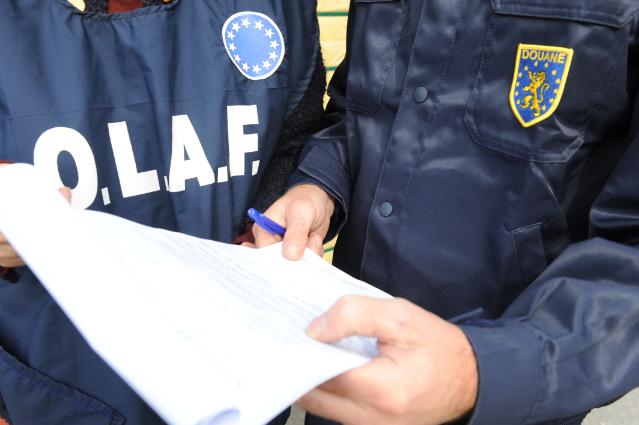
OLAFAlmost 45 million smuggled cigarettes, nearly 140.000 litres of diesel fuel and about 14.000 litres of vodka were seized during a major Joint Customs Operation (JCO). The Operation code-named “Warehouse” was carried-out in October 2013 by the Lithuanian Customs Service and the Lithuanian Tax Inspectorate in close cooperation with the European Anti-Fraud Office (OLAF), and with the participation of all 28 EU member states. As a result of Operation “Warehouse”, a significant potential loss to the budgets of the European Union and its Member States was prevented. According to preliminary estimates, this would have amounted to about € 9 million in the form of evaded customs duties and taxes. The final results of the Operation were discussed by the participants last week at a debriefing meeting in Vilnius and were made public today across Europe.

Algirdas Šemeta, Commissioner for taxation, customs, anti-fraud and audit, welcomed the very good results of the operation. “The fight against the smuggling of excise goods is one of our political priorities and we have launched a number of initiatives to better equip Europe against such harmful practices being run by organised criminal networks. JCO Warehouse is a good example of how the EU and Member States’ authorities can cooperate effectively to protect their revenue. Joint Customs Operations safeguard the EU’s financial interests and also protect our citizens and legitimate businesses”, he said. “Such Operations also highlight the added-value of OLAF in helping facilitate the exchange of information between our partners across Europe and in providing effective operational support.”

Operation “Warehouse” focused on cargo movement by road transport. It targeted the smuggling and other forms of illegal trade of excise goods such as mineral oil, tobacco products and alcohol throughout Europe. By using several complex scenarios in multiple EU Member States, fraudsters lawfully import goods into the EU but request a VAT and excise exemption by declaring the goods as subject to tax and duty exemption regimes (e.g. declaring the goods to be in transit). The trace of the goods is then lost through the fictitious disappearance of the traders or through a fictitious export. Fraudsters avoid paying VAT and excise duties, but the goods remain in the internal market, causing a substantial loss to the EU’s and Member States’ revenues.

JCO “Warehouse” was the first Operation carried-out in close cooperation with tax authorities to target excise and VAT fraud specifically, besides customs fraud. For the first time, customs and tax authorities cooperated on a European scale in a JCO. This is a significant achievement since the different competences and legal regimes applicable at national and EU level make it difficult to address complex fraud schemes with uniform measures. In this Operation, customs and tax authorities joined their expertise, resources and shared intelligence to prevent losses to the EU’s and Member States’ budget.

Eight seizures were made during the Operation. Among these, authorities seized 6.617.400 cigarettes in Sweden and Lithuania; 135.831 litres of diesel in Poland and the United Kingdom, and 14.025,6 litres of vodka in United Kingdom alone. Overall, 44.957.160 cigarettes were seized.

During the entire Operation “Warehouse”, OLAF provided organisational, logistical, financial and technical support to allow for an exchange of information and intelligence in real-time. This was coordinated from the Physical Operational Coordination Unit (P-OCU) at the OLAF premises in Brussels which facilitated direct communication with the national contact points. A group of liaison officers from some Member States representing all the participating 28 EU countries, worked from here during the Operation and experts from the Commission’s Directorate-General for Taxation and Customs Union provided support.

EUROPOL participated as an observer in the Operation. A representative of the office was present at the P-OCU during the operational phase of the operation. It was also possible to make direct cross-checks of suspect individuals and companies appearing during the JCO with EUROPOL via a secure internet connection. Source: EU Commission

Border Management in Southern Africa: Lessons with respect to Policy and Institutional Reforms

The folk at Tralac have provided some welcomed insight to the challenges and the pains in regard to ‘regionalisation’. No doubt readers in Member States will be familiar with these issues but powerless within themselves to do anything due to conflict with national imperatives or agendas. Much of this is obvious, especially the ‘buzzwords’ – globally networked customs, one stop border post, single window, cloud computing, and the plethora of WCO standards, guidelines and principles – yet, the devil always lies in the details. While the academics have walked-the-talk, it remains to be seen if the continent’s governments have the commitment to talk-the-walk!

Regional integration is a key element of the African strategy to deal with problems of underdevelopment, small markets, a fragmented continent and the absence of economies of scale. The agreements concluded to anchor such inter-state arrangements cover mainly trade in goods; meaning that trade administration focuses primarily on the physical movement of merchandise across borders. The services aspects of cross-border trade are neglected. And there are specific local needs such as the wide-spread extent of informal trading across borders.

Defragmenting Africa WBThis state of affairs calls for specific governance and policy reforms. Effective border procedures and the identification of non-tariff barriers will bring major cost benefits and unlock huge opportunities for cross-border trade in Africa. The costs of trading remain high, which prevents potential exporters from competing in global and regional markets. The cross-border production networks which are a salient feature of development in especially East Asia have yet to materialise in Africa.

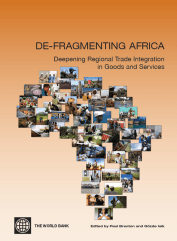
Policy makers have started paying more attention to trade-discouraging non-tariff barriers, but why does the overall picture still show little progress? The 2012 World Bank publication De-Fragmenting Africa – Deepening Regional Trade Integration in Goods and Services shows that one aspect needs to be singled out in particular:  that trade facilitation measures have become a key instrument to create a better trading environment.

The main messages of this WB study are:

  • Effective regional integration is more than simply removing tariffs – it is about addressing on-the-ground constraints that paralyze the daily operations of ordinary producers and traders.
  • This calls for regulatory reform and, equally important, for capacity building among the institutions that are charged with enforcing the regulations.
  • The integration agenda must cover services as well as goods……services are critical, job-creating inputs into the competitive edge of almost all other activities.
  • Simultaneous action is required at both the supra-national and national levels. Regional communities can provide the framework for reform, for example, by bringing together regulators to define harmonised standards or to agree on mutual      recognition of the qualification of professionals……. but responsibility for implementation lies with each member country.

African governments are still reluctant to implement the reforms needed to address these issues. They are sensitive about loss of ‘sovereign policy space’ and are not keen to establish supra-national institutions. They are also opposed to relaxing immigration controls. The result is that border control functions have been exercised along traditional lines and not with sufficient emphasis on trade facilitation benefits. This is changing but specific technical and governance issues remain unresolved, despite the fact that the improved border management entails various technical aspects which are not politically sensitive.

The required reforms involve domestic as well as regional dimensions. Regional integration is a continental priority but implementation is compounded by legal and institutional uncertainties and burdens caused by overlapping membership of Regional Economic Communities (RECs). The monitoring of compliance remains a specific challenge. Continue reading →

Rwanda-Burundi Establish Second One-Stop Border Post

Rwanad-Burundi OSBPA one stop border post has been established at Ruhwa in Rusizi District order to reduce the amount of time spent by traders clearing goods at the Rwanda-Burundi border. The one-stop border post is also expected to bolster trade between the two countries and see an infrastructure overhaul at the border area, according to the Minister of State for Transport, Dr Alexis Nzahabwanimana.

Under the one border post, travellers will access services at one spot unlike in the past when documents were processed at two locations – one in Rwanda and the other across the Burundi border. The process will now take about five minutes as opposed to 30.

With the new system, immigration, emigration and customs officials from the two countries share offices to ease the clearance procedures for travellers entering or departing either country.

Dr Nzahabwanimana observed that the post is an indication of existing good relations between the two countries and that it will “strengthen brotherhood between our peoples and boost trade between our two countries.”

“The post will ease the movement of people and goods,” Nzahabwanimana on Wednesday. “It will also reduce delays that people incurred while clearing at the border in the past.”

He urged employees to seize the opportunity and improve on the quality of services they provide. He also advised them to exploit modern technologies if they want to make a difference in what they do.

Burundi’s Minister of Transport and Public Works, Deogratias Rurimunzu described the move as “another step forward in the cooperation and friendship” between Rwanda and Burundi. He observed that the border will promote bilateral trade and cooperation abetween both countries.

“Work diligently, use your skills, pto provide better services and put these infrastructures to good use for them to benefit our population,” Rurimunzu told employees at the border post.

About the project

The idea to establish the one-stop border post was first floated in 2009. It is part of a larger project which comprises border infrastructures including administrative blocks, staff quarters, a warehouse, a weighbridge, social facilities, street lighting and water sources, among others.

The project also comprised the renovation of a 50.6 kilometre road between Nyamitanga and Ruhwa on the Burundian side as well as the construction of Ntendezi-Mwityazo Road on the Rwandan side.

The project was sponsored by the African Development Bank (AfDB), at a cost of about Rwf32billion on either side of the border. Ruhwa one stop border post is the second shared between Rwanda and Burundi following the establishment of the Gasenyi-Nemba border post in Bugesera district in 2011. Source: The New Times, Rwanda