Agriculture makes up nearly 20% of Sub-Saharan Africa’s economy—a higher percentage than any other region worldwide.
From Nigeria to the fertile land across the East African Rift Valley, the continent is home to 60% of the world’s uncultivated arable land.
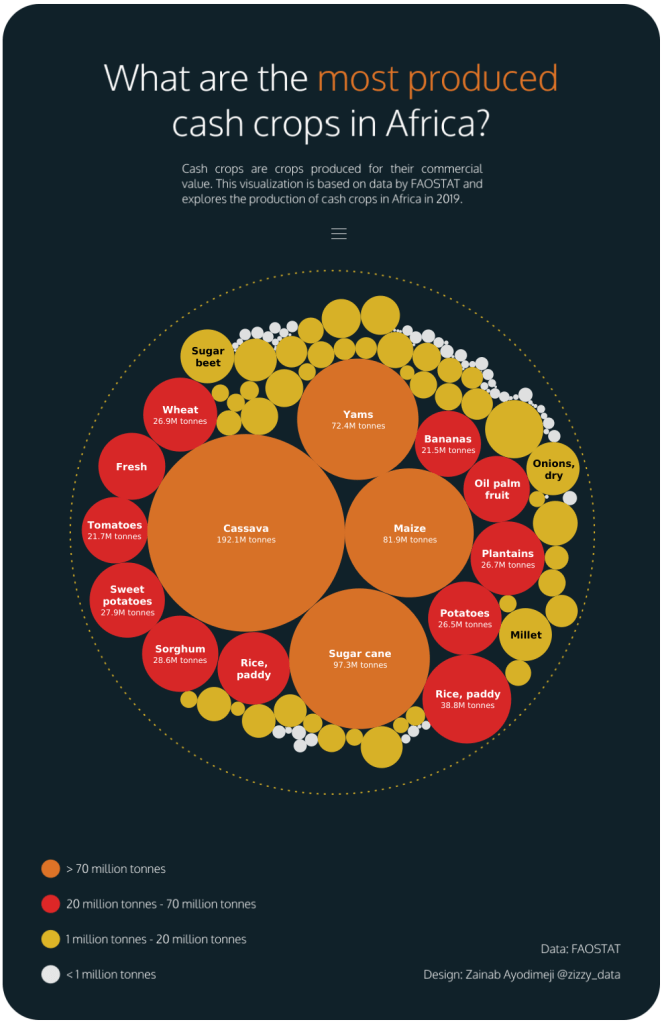
Given the massive role of agriculture across the region, this infographic from Zainab Ayodimeji shows the most produced cash crops in Africa and their share of total global production.
The 26th/27th Meetings of the SAFE Working Group (SWG) were held successfully from 11 to 14 April 2022. The virtual meetings brought together more than 260 delegates representing Customs administrations, the Private Sector Consultative Group (PSCG), other international organizations and academia.
In his opening remarks, Mr. Pranab Kumar Das, WCO Director of Compliance and Facilitation, highlighted that the SWG had reached an important juncture as the new three-year SAFE review cycle 2021-2024 was about to enter into discussions. It was pointed out that 17 years after it was first published, the SAFE Framework of Standards (FoS) had garnered substantial interest from WCO Members. During the meetings, Guyana became the 172nd WCO Member to express its interest in implementing the SAFE FoS.
With a view to continued enhancement of the AEO criteria and provisions to strengthen the SAFE FoS, WCO Members made several new proposals to revise the Framework. The SWG also received feedback from the private sector on the urgent need to enhance the harmonization of SAFE and AEO implementation. In this context, the SWG heard a presentation by the WCO Anti-Corruption and Integrity Promotion (A-CIP) Programme on maintaining the integrity and transparency of AEO implementation.
On this occasion, the SWG reviewed and adopted the new Work Plan for 2022-2024, which reflected the critical activities the SWG will carry out over the next two years until 2024, in parallel with the SAFE review cycle. The SWG also received an update on the development of new features for the Online AEO Compendium (OAC) and the other extensive work underway in collaboration with other international organizations in the areas of security and facilitation.
Against the backdrop of the WCO’s theme for 2022, the panel discussion on “Scaling up Customs Digital Transformation by Embracing a Data Culture and Building a Data Ecosystem” attracted significant interest from Members and the private sector. The experienced speakers from Member Customs administrations, the private sector and the Secretariat enriched the discussions by sharing their best practices on using data for enhancing risk management and monitoring AEO programmes.
As a way forward, the SWG agreed that efforts will be reserved for a comprehensive review to assess and monitor SAFE implementation for greater harmonization of AEO programmes globally.
China has mandated a strict “zero COVID” policy since the onset of the global pandemic, which has led to tight lockdowns across the country whenever cases have started to spike.
Recently, lockdown restrictions have been enacted in major cities like Shenzhen and Shanghai, as China deals with one of its worst outbreaks since Wuhan in December 2019.
These cautionary measures have had far-reaching impacts on China’s economy, especially on its supply chain and logistics operations. Shanghai’s port system, which handles about one-fifth of China’s export containers, is currently experiencing significant delays as a result of the recent government lockdown.
Shipping volume has dipped drastically since early March this year, right after partial lockdowns began in Shanghai. By the end of March, as restrictions continued to tighten up, shipping activity dipped nearly 30% compared to pre-lockdown levels. And while activity has recently picked up, it’s still far below average shipment volumes prior to the recent lockdown.
While the port is still technically operating, shipping delays will likely cause hiccups in the global supply chain. That’s because the Shanghai port is a major hub for international trade, and one of the largest and busiest container ports in the world.
How Bad is the Back-Up?
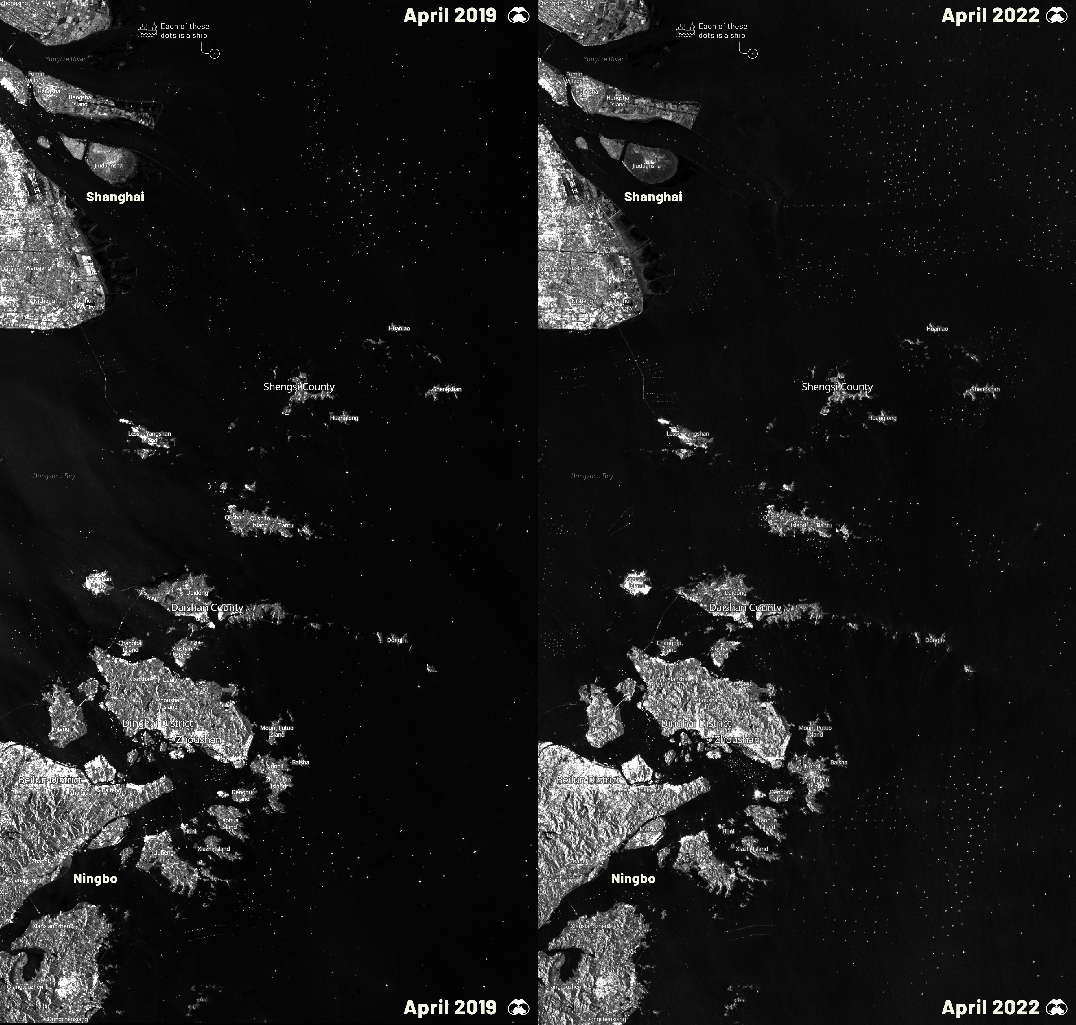
Here’s a closer look at satellite imagery that was captured by the Sentinel-1 satellite, which shows the current congestion at Shanghai’s port as of April 14, 2022. In the image, a majority of the white dots are cargo ships, many of which have been stuck in limbo for days.
Traffic has been building up at the Shanghai terminal. As of April 19, 2022, over 470 ships are still waiting to deliver goods to China. If you’d like to check out the Shanghai ports most up-to-date traffic, this live map by MarineTraffice provides real-time updates.
Much of these delays are due to transport issues—an estimated 90% of trucks that support import and export activities are currently offline, which is causing dwell time for containers at Shanghai marine terminals to increase drastically.
Wait times for at Shanghai marine terminals has increased nearly 75% since the lockdowns began. Delays at the Shanghai terminal have sent ships to neighboring ports in Ningbo and Yangshan, but those ports are beginning to get congested as well.
The global impacts of this current bottleneck are still pending, and depend greatly on the length of Shanghai’s lockdown. According to an article in Freight Waves, this could turn into the biggest supply chain issue since the start of the pandemic if China’s marine shipping congestion isn’t cleared up soon.
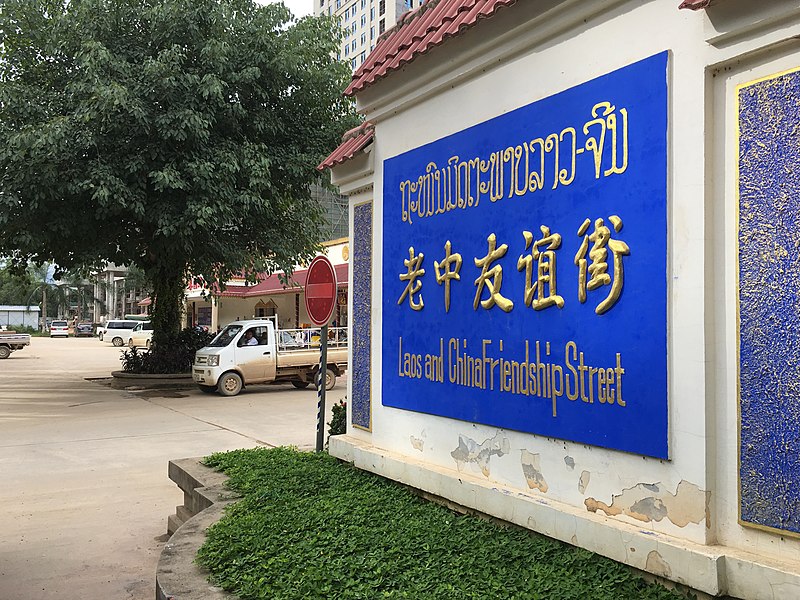
The Golden Triangle SEZ in Laos is mired in scandal and criminality, but the silence from SEZ authorities on the matter is deafening.
In February 2022, authorities raided the Golden Triangle Special Economic Zone (SEZ) in Laos, freeing dozens of Chinese women from forced prostitution.
For years, the Golden Triangle SEZ has been home to numerous illegal industries including human trafficking, wildlife smuggling and drugs production. Despite this, the zone has announced significant expansion plans.
SEZs are business parks or cities that have been granted exemptions from most national-level economic regulations. They often enjoy tax breaks, different labour laws, special visa rights, import/export exemptions and streamlined regulations. There are more than 7,500 SEZs in 100 countries worldwide. The overwhelming majority of SEZs are legitimate centres of industry. They play key roles in the global tech, manufacturing, supply chain, logistics and tourism industries. However, a small minority of SEZs, such as the Golden Triangle, have been implicated in serious issues that threaten the credibility of the entire industry.
The shame of the Golden Triangle SEZ
On 5 February 2022, Laotian police raided the Golden Triangle SEZ, rescuing six women who were victims of human trafficking. The women came from impoverished backgrounds in southern China. Recruiters told them that they could have lucrative jobs as telemarketers in the Kings Roman Casino, the anchor tenant of the zone. When they failed to meet sales quotas, their employers declared that they were in debt. The women were then brought to local pimps, who separated the ones considered beautiful from the rest. Some of the women were sent to brothels; the others were forced to work in the laundry service of the casino.
In January, eight women staged a daring escape where, in the middle of the night, they met up with human rights activists who helped them escape the zone’s fence. After repeated complaints by the authorities, they carried out the raid, which would rescue six more women.
Authorities have now rescued 50 Thai women from the Golden Triangle SEZ, although, according to Laotian authorities, there may be up to 200 more women of other nationalities still trapped there. Some of the women have reportedly been enslaved there for up to a decade. In 2012, 50 women were rescued after similar complaints led to a similar bust.
Laotian authorities are powerless to act – the Golden Triangle’s status as an SEZ means that authorities cannot enter in the absence of a formal complaint. The zone is run by the Chinese-owned Kings Roman Corporation, based out of Hong Kong.
On 29 January, the second-largest drug seizure in Asian history occurred right outside of the Golden Triangle SEZ. Authorities caught four men in a nearby village attempting to smuggle 36 million pills of methamphetamine to Thailand. Authorities speculated that the meth was produced in the Golden Triangle SEZ, and was ultimately destined for lucrative markets such as China and Australia. An Australian federal police official stationed in the area estimated that between 60% and 80% of all of Australia’s methamphetamine came from the Golden Triangle region.
The World Wildlife Fund also warns that the Golden Triangle SEZ is a hotbed of wildlife smuggling. Endangered species such as tigers, elephants, bears and pangolins are sold and butchered there for use in Chinese traditional medicine. The number of illegally held animals has significantly increased since the beginning of 2022.
SEZ officials do not deny any of the human trafficking, drug smuggling or wildlife smuggling. However, they say that this is being done by tenants and not by the zone itself. SEZ officials have agreed to pass new labour rules designed to protect women in the zone, but critics worry that these are just token reforms.
Despite everything, Laotian authorities are unwilling to shut down the zone. This is partially due to pressure from the Chinese, but also because the rest of the country outside of the zone is also chaotic. Local authorities are barred from entering and international inspectors are routinely turned away.
International SEZ organisations must issue statements publicly condemning the Golden Triangle SEZ. Doing so would cost them nothing – a single press release, an email blast to their newsletter audiences and a public statement condemning the project. It would, however, have a significant impact – it would give activists in Laos and the Mekong region more ammunition to pressure the government to shut down the zone. It would also send a message to international investors to stay away. Failure to properly address zones such as the Golden Triangle actively damages the credibility of the SEZ trade associations. It creates a false perception that these groups stand to gain by enforcing the status quo. In reality, international zone associations have everything to lose by failing to publicly condemn bad SEZs.
Strongly worded statements will not solve the problems of the Golden Triangle and other SEZs that fall below the required standards of decency, but they will send a message to the Golden Triangle – and other problematic zones – that they are being watched.
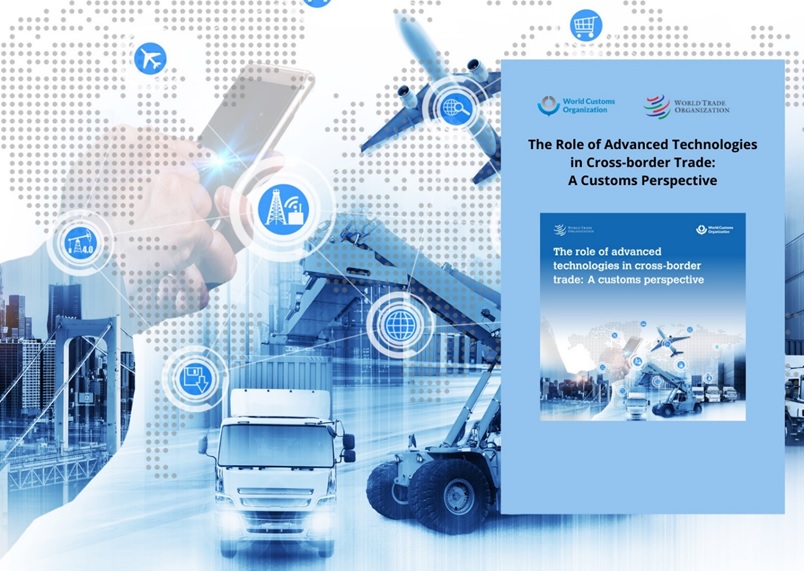
The WCO and the World Trade Organization (WTO) held a webinar to launch their joint publication on Customs use of advance technologies. The event attracted more than 700 attendees and provided insights into how advanced technologies can help Customs administrations facilitate the flow of goods across borders. The publication titled, “The role of advanced technologies in cross-border trade: A customs perspective” provides the current state of play and sheds light on the opportunities and challenges Customs face when deploying these technologies.
The publication outlines the key findings of WCO’s 2021 Annual Consolidated Survey and its results on Customs’ use of advanced technologies such as blockchain, the internet of things, data analytics and artificial intelligence to facilitate trade and enhance safety, security and fair revenue collection.
The joint publication highlights the benefits that can result from the adoption of these advanced technologies, such as enhanced transparency of procedures, sharing of information amongst all relevant stakeholders in real time, better risk management, and improved data quality, leading to greater efficiency in Customs processes and procedures.
In his remarks, WCO Deputy Secretary General Ricardo Treviño Chapa said, “Technologies will assist implementation of international trade facilitation rules and standards, such as the WCO Revised Kyoto Convention and the WTO Trade Facilitation Agreement. We are therefore delighted to be partnering with the WTO, to ensure that our work in assisting our Members’ digital transformation journeys is complementary, that we bring all relevant partners to the same table, and that we avoid duplication.”
In her opening remarks, WTO Deputy Director-General Anabel González noted, “Advanced technologies offer customs an opportunity to take a big leap forward on trade facilitation. Take blockchain. Its widespread application could help us make trade both more transparent and less paper intensive. That would reduce trade costs, which is good news for everyone, especially small businesses, which are disproportionately affected by red tape at the border.”
The webinar presented the main findings from the WCO/WTO paper and featured presentations by Brazil, Nigeria, Singapore and the Inter-American Development Bank. For a greater uptake of these technologies, the speakers underlined the importance of continuous sensitization of Customs and other stakeholders, the need for interoperability and implementation of international standards, the relevance of engaging in dialogues at international level, as well as having a strategy and space for innovation and testing at national level.
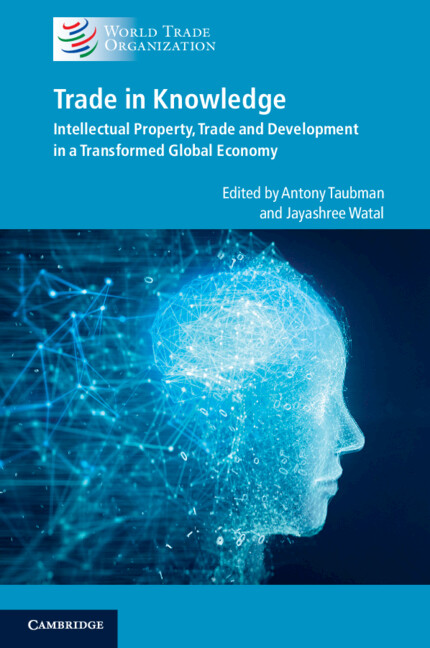
The WTO has launched a new book entitled “Trade in Knowledge: Intellectual Property, Trade and Development in a Transformed Global Economy” on 31 March. At the launch event, a wide cross-section of contributors to the publication discussed how their research and analysis had a bearing on current issues lying at the intersection of development, trade, technology and the diffusion of knowledge.
Drawing together insights from a diverse range of leading international scholars and analysts, the publication explores how to build more inclusive, up-to-date and precise ways of measuring knowledge flows, discusses how more nuanced and effective use of these data may guide policymakers and provides insights into the prospects for knowledge-based social and economic development, moving legacy models and adapting to the realities of the contemporary knowledge economy. The book also proposes ideas for updated systems of governance that promote positive sum approaches to the creation and sharing of the benefits of knowledge as a public good, with a view to informing planning for development.

 What Happened to the Portcullis?
You must be logged in to post a comment.