Have Mega Containerships reached their Size Limit?

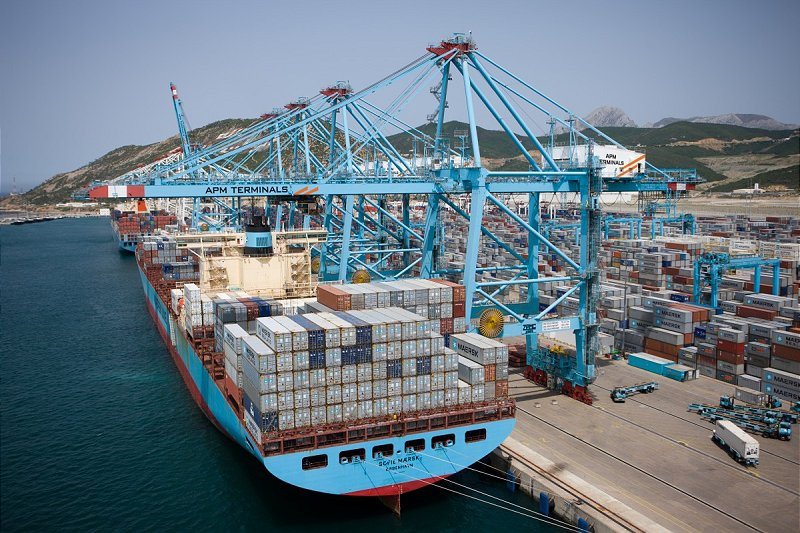
Majestic MaerskContainer shipping lines are poised to take delivery of a new generation of “megaships” over the next two years, just as the growth of world trade is slowing down, contributing to massive overcapacity in the market.

Megaships, which can be up to 400 meters long, seem to be here to stay, not least because so many more are already on order, the product of high fuel costs and low interest rates.

But the trend towards larger vessels is not without problems especially for other businesses in the transport system, and the trend could be nearing its limit as the economies of scale associated with megaships decline.

Container shipping capacity has doubled every seven years since the turn of the millennium and will reach nearly 20 million TEU in 2015 up from five million TEUs in 2000.

But since the financial crisis, container capacity has continued to grow rapidly, even as the growth in freight volumes has slowed, creating a massive overhang in shipping capacity and pressuring freight rates.

Capacity growth is being driven by the trend towards larger vessels. The size of container ships has been growing faster than for any other ship type according to the OECD’s International Transport Forum.

Between 1996 and 2015, the average carrying capacity of container ships increased 90 percent, compared with a 55 percent increase for dry bulk carriers and 21 percent for tankers.

The growth in container ship size has been accelerating. It took 30 years for the average container ship size to reach 1,500 TEU but just one decade to double from 1,500 to 3,000 TEU.

Between 2001 and 2008, the average size of newly built ships hovered around 3,400 TEU but then jumped to 5,800 TEU between 2009 and 2013, and hit 8,000 TEU in 2015.

Megaships
Both the average size of new container ships and the maximum size are set to continue growing over the next five years. Shipping lines have already taken ownership of 20 megaships with a capacity of more than 18,000 TEU each and another 52 are on order, according to the OECD.

The largest ship so far delivered has a capacity of 19,200 TEU, but carriers with capacity up to 21,100 have been ordered and will be in service by 2017.

Megaships are being introduced into service between the Far East and North Europe, the world’s largest route by volume, where potential economies of scale are greatest, but are having a cascade effect on other routes.

Large ships that formerly plied the Far East-North Europe route are being displaced into Trans-Pacific service, and former Trans-Pacific carriers are moving to the Trans-Atlantic route.

The new generation of ultra-efficient megaships is credited with cutting the cost of shipping even further and lowering greenhouse gas emissions.

But researchers for the OECD question whether megaships are contributing to unsustainable overcapacity and imposing unintended costs on shippers, port operators, freight forwarders, logistics firms and insurers.

Fuel Costs
The new generation of megaships is the lagged effect of the era of high oil prices between 2004 and 2014 and low interest rates since the financial crisis in 2008.

Costs in the shipping industry can be divided into the capital costs associated with the construction of new vessels, operating costs, and voyaging costs primarily related to fuel consumption.

Construction costs increase more slowly than ship size. Increasing a container ship from 16,000 TEU to 19,000 TEU cuts the annual capital cost per TEU-slot by around $69 according to the OECD.

Larger ships are slightly more operationally efficient than smaller ones, with an annual saving of perhaps $50 per slot on a 19,000 TEU ship compared with a 16,000 TEU vessel.

But the real savings are on the fuel bills. Megaships are “astonishingly fuel efficient” and actually consume less fuel on a voyage than 16,000 TEU carriers, according to the OECD.

With overwhelming cost advantages, especially on fuel, and cheap finance readily available, the upsizing decision appears to have been a straightforward one for shipping lines.

Slow Steaming
The new generation of megacarriers has been optimized to save fuel by voyaging much more slowly than previous container vessels.

Fuel consumption is related to the cube of speed. If a vessel travels twice as fast it will consume eight times as much fuel. The cube-rule has important implications for the economics of the shipping industry.

When fuel prices are high, it makes sense to voyage slowly to cut fuel bills, even if it means operating more ships to move the same amount of cargo. When fuel prices are low, it makes sense to travel faster and use fewer ships.

During the period of soaring oil prices, container lines instructed captains to cut speed in order to conserve fuel.

The new ships ordered were specifically designed to operate most efficiently at slower speeds to take advantage of slow steaming economies. In fact some carriers are so large they cannot operate at higher speeds.

Crucially, slow steaming has now been designed into the new generation of vessels entering container service, so it will not be easily reversed, even though fuel prices have plunged since 2014.

According to the OECD, most of the voyaging cost reductions in the new generation of megaships come from their optimization for slow steaming rather than from increased size.

“Between 55 and 63 percent (at least) of the savings per TEU when upgrading the vessel size from an early 15,000 TEU design to a modern 19,000 TEU design are actually attributable to the layout for lower operation speeds,” the OECD estimated.

“Cost savings are decreasing as ships become bigger,” the OECD concluded. “A large share of the cost savings was achieved by ship upsizing to 5,000 TEU, which more than halved the unit costs per TEU, but the cost savings beyond that capacity are much smaller.”

Unintended Costs
The consolidation of container volumes into fewer, larger megaships is creating challenges for other firms in the freight business.

Insurers are worried about the costs if a megaship sinks or develops mechanical problems. Insurer Allianz has warned the industry must prepare for losses of more than $1 billion, or even up to $2 billion in the event of a collision between two megaships.

Economies of scale depend on megacarriers being loaded close to maximum capacity and spending as much time as possible at sea rather than in port.

The need to fill megaships is one reason that the industry is consolidating into an alliance network.

Shipping lines are also adopting the hub-and-spoke system employed by airlines to ensure their ultra-large container vessels sail nearly full.

Shipping schedules for the megacarriers have been consolidated into fewer sailings each week from fewer ports (about six in North Europe and eight in Asia).

Containers for other destinations must be transhipped, either on a smaller container vessel or by road, rail and barge. Schedule consolidation is not necessarily favored by shippers and freight forwarders who prefer regular and reliable service (fewer sailings can mean more concentrated risk).

Port operators, too, have been forced to invest heavily to attract and handle the new megacarriers. Port channels must be dredged to greater depths to handle the deeper drafts of the megaships. Quaysides must be raised and strengthened to handle the increased forces when a megaship is tied up.

The biggest problem comes from the scramble to unload a megacarrier quickly so it can put to sea again. The average turnaround time for a container ship is now just one day, and less in Asia.

The arrival of fewer vessels but with larger numbers of containers is creating intense peak time pressure on the ports.
Ports need more cranes, more highly skilled staff to operate them fast, more space in the yard, and the ability to handle more trucks, railcars and barges to move the containers inland.

The OECD estimates megaships are increasing landside costs by up to $400 million per year (one third for extra equipment, one third for dredging, and one third for port infrastructure and hinterland costs). Source: Maritime Executive/Reuters.

South Africa – WCO ESA Regional Workshop on TFA implementation

ESA_Regional-WS_South-AfricaThe WCO Regional Workshop on Strategic Initiatives for Trade Facilitation and the Implementation of the WTO Trade Facilitation Agreement (TFA) – Mercator Programme – for the WCO East and Southern Africa (ESA) region was held from 15 to 17 September 2015 in Johannesburg, South Africa. It was hosted by the South African Revenue Service (SARS) representing the WCO Vice Chair of the ESA region, and financially supported by the United Kingdom Department for International Development (UK DFID) and the Ministry for Foreign Affairs of Finland. More than 100 participants from 21 ESA Members (Customs, Trade Ministries/equivalent Ministries), the WTO and other international organizations, development partners and the private sector participated in the event.

The Workshop was opened by the Commissioner of SARS, Mr. Thomas Moyane. He expressed his view that the WCO Mercator Programme created significant conditions for contributing to intra-African as well as international trade facilitation benefits. As Vice Chair of the ESA region, he hoped that the Workshop could recommend immediate actions for the region.

The Workshop raised a lot of interest and active discussions from a variety of well-prepared and informative presentations, including the role of the WCO in TFA implementation;  TFA regulations such as Article 23.2 on National Committees on Trade Facilitation (NCTF) and specific national and (sub-)regional examples of implementation approaches; experiences of Trade Ministries and several partner institutions active in the region; and discussions on further approaches to Capacity Building and TFA implementation, including in cooperation with Development Partners.

The region agreed on next steps forward, including on a regional focus on the establishment and maintenance of NCTFs (for instance further provision of replies to the respective WCO survey; identification of the situation within ESA Members); reporting the outcomes of the Workshop to the ESA Regional Steering Committee; encouragement of ESA Members who are not yet Contracting Parties to the Revised Kyoto Convention to accede to it as soon as possible (and/or to identify related Capacity Building needs) – as one concrete way to also support TFA implementation; and responsibility of the ROCB and the Vice Chair to continue collecting and publishing information on ongoing Capacity Building projects and work of partner organizations such as SADC, COMESA, SACU and UNCTAD especially in the TF(A) area in the region – while encouraging Members and partner organizations to share such information.

The Workshop was successfully concluded with positive feedback from Members, partner organizations and development partners. A summary document on the discussions held during the Workshop is currently under finalization by the Vice Chair’s office and the ROCB and will be circulated to all participants of the Workshop in due course. Source: WCO

Nigeria – APMT’s Biggest Ever Port Investment

APM Terminals 2The Maersk-owned company APM Terminals has revealed it is investing about 14 billion kroner (US$2 billion dollars) into a new port in Bagadry, Nigeria, in what will be its biggest ever investment. The port will become the second-largest port in Africa – only surpassed by Port Said in Egypt – and is a clear signal that the Danish shipping giant’s terminal operator sees the African continent as a long-term hotbed for economic growth.

“We are currently purchasing property from the state and will start construction later this year. The port is scheduled to be completed in 2019,” David Skov, the managing director for APM Terminals in Nigeria, told Børsen business newspaper.

“Globally, it will be APM Terminal’s largest ever investment and marks a strategic shift to multi ports. It means we will supplement our own experience in container ports with the establishment of a free zone, an oil port and a bulk port, so in other words a complete port.”

APMT recently acted on its decision to invest $1.5 billion on the Port of Tema in Ghana, Africa, with the establishment of a Greenfield port outside of the existing facility and upgrades to the adjacent road network.

Kenya – Drugs Found on Auto Carrier in Port of Mombasa

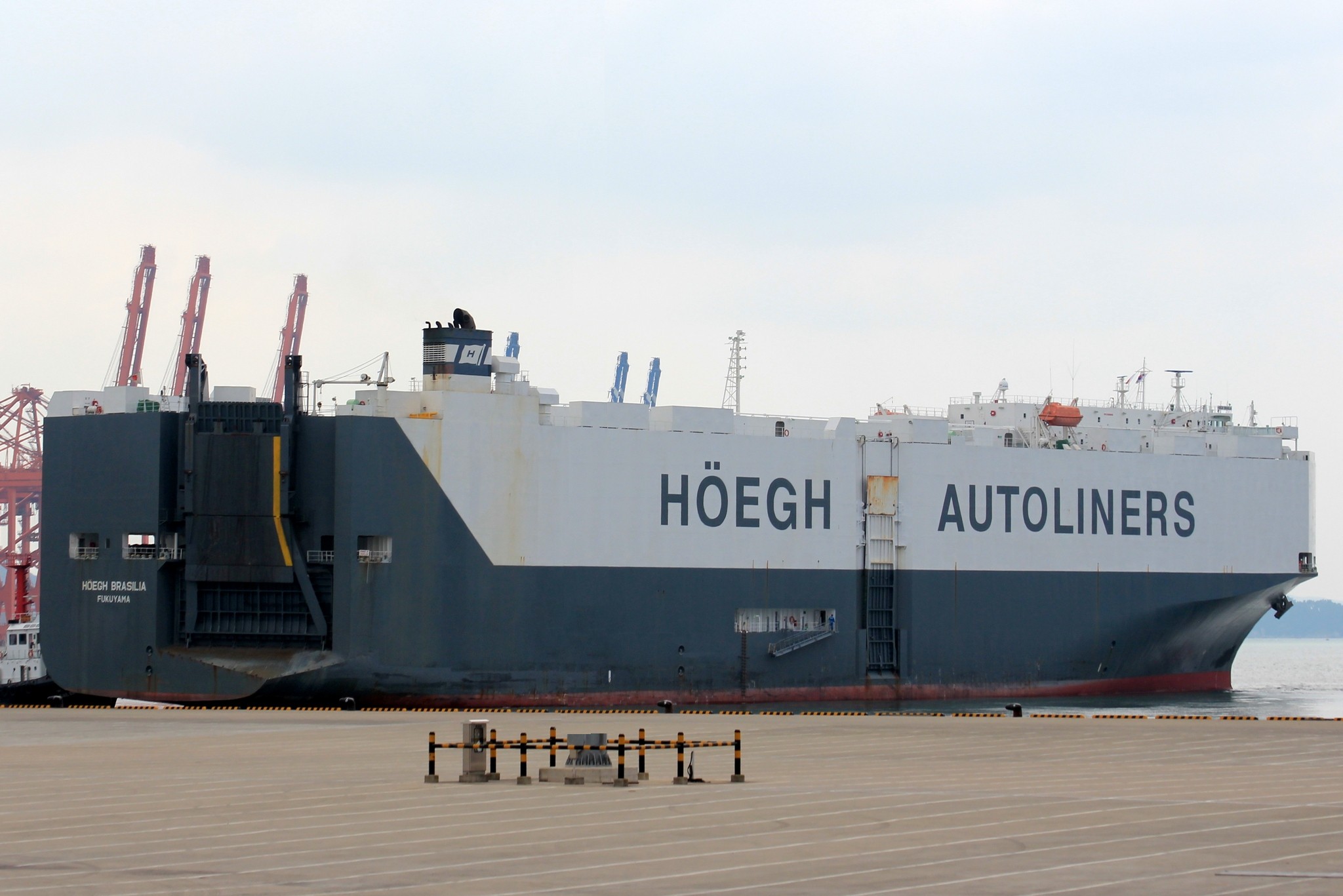
hoeghKenyan and U.S. authorities found drugs aboard the Höegh Autoliners “Pure Car/Truck Carrier” (PCTC), which was detained at Port Mombasa on September 17. The crew of the ship has been arrested and currently being questioned by authorities.

According to authorities, cocaine was found inside the tires of three military trucks aboard the Hoegh Transporter, a Singapore-flagged car carrier.

Kenyan officials raided the vessel after receiving a tip from the U.S. Federal Bureau of Investigation (FBI) that the vessel had been loaded with the coke at India’s Port of Mumbai.

Kenyan soldiers and security personnel shut down the port for hours before seizing the ship and halting operations. Mombasa, which is Africa’s largest port, serves as the main gateway for imports and exports in the region.

East Africa is a major shipping route for Afghan narcotics bound for Europe. Maritime forces have been unable to curb the flow of drug transport in the region.

The Höegh Transporter was built in 1999 and was transporting nearly 4,000 vehicles, including about 250, which are to be used for peacekeeping missions in South Sudan. Source: Maritime Executive

E-freight software solution connects to more than 90 airlines

eFreightIndia-based e-freight software development company Hans Infomatic has teamed up with the Worldwide Information Network (WIN) – an online platform for independent freight forwarders -to offer its customers a streamlined e-Customs process.

“Hans Infomatic’s web-based ‘AMS’ application enables customers to access one streamlined process for e-Customs filing, as well as electronic Air Waybills (e-AWBs), and e-manifests to over 90 airlines, using the WIN platform,” WIN said in a statement.

Benefits also include full electronic tracking, with AWB information automatically loaded into the AMS system, so shipments no longer have to be checked manually.

Hans Infomatic’s managing director, Parvinder Singh, said that the new integrated system would help forwarders collate and consolidate information into a single system.

“With this system of e-filing, export documents will be accessible to Customs (for Shipping Bills) as well as airlines without duplication, thereby saving costs and also helping to conserve the environment,” he added.

WIN’s online collaboration platform for freight forwarders is used by agents in 111 countries and 450 cities.

EU fighting Customs Fraud – JRC research leads to new legislation

ConTraffic HomepageA new regulation adopted by the European Parliament and the Council will allow customs to access information to track the origins and routes of cargo containers arriving in the EU to support the fight against customs fraud both at EU and national level. The Joint Research Centre (JRC) has been instrumental in the conception and adoption of this legislation as it provided the scientific evidence on the importance of analysing the electronic records on cargo container traffic.

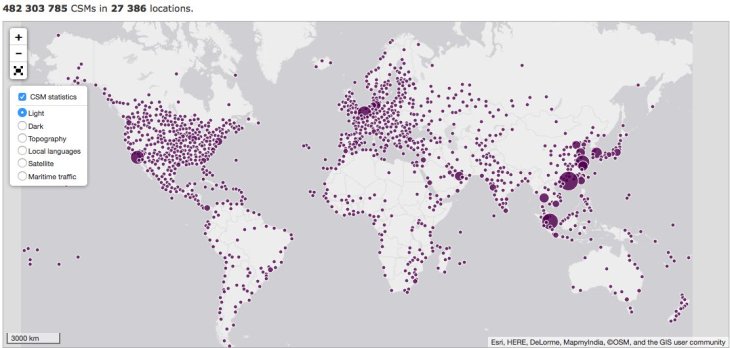
The EU customs authorities have been long aware that information on the logistics and actual routes of cargo containers arriving in Europe is valuable for the fight against customs fraud. However, they had very limited ways to obtain such information and no means to systematically analyse cargo container traffic both for fraud investigations as well as for risk analysis. On the other hand, the ocean carriers that transport the cargo containers, as well as their partners and clients, have easy on-line access to the so-called Container Status Messages (CSM): electronic records which describe the logistics and the routes followed by cargo containers.

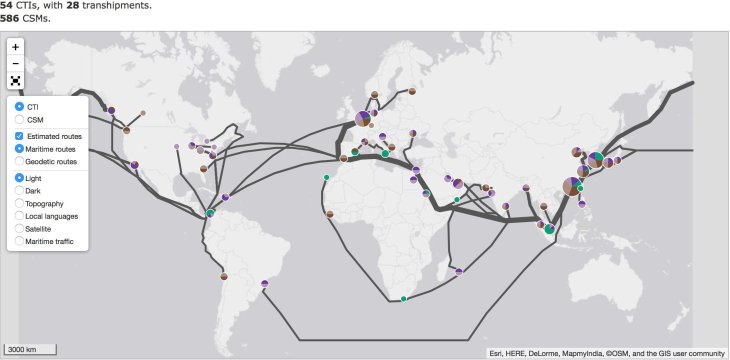
jrc-cargo-container-routes-world-mapIn collaboration with the European Anti-Fraud Office (OLAF), the JRC has worked extensively on how to exploit CSM data for customs anti-fraud purposes. The JRC proposed techniques, developed the necessary technology, and ran long-term experiments involving hundreds of EU customs officers to validate the usefulness of using CSM data. The results of this research led the Commission to bring forward a legislative proposal that would enable Member States and OLAF to systematically use CSM data for these anti-fraud purposes. It also served to convince Member States of the value of the proposed provisions.
The financial gains from the avoidance of duties, taxes, rates and quantitative limits constitute an incentive to commit fraud and allow the capacity to properly investigate in cases, such as mis-declaration of the origin of imported goods. The information extracted from the CSM data can facilitate the investigation of some types of false origin-declarations. With the new legislation an importer will no longer be able to declare – without raising suspicions – country X as dispatch/origin of goods if these were transported in a cargo container that started in country Z (as indicated by the CSM data).

jrc-csm-dataset-world-map (1)The technologies, know-how and experience in handling CSM data, developed by the JRC through its experimental ConTraffic platform, will be used by OLAF to set up the system needed to implement this new legislation applicable as from 1 September 2016. The JRC will continue to analyse large datasets of CSM records (hundreds of millions per year) as these are expected to be made available through the new legislation and will continue to support not only this new regulation but to exploit the further uses of this data notably for security and safety and real-time operations. Its focus will be on data mining, new automated analysis techniques and domain-specific visual analytics methods. Source and Images: EU Commission

9/11 14 years on…

CBP Commemoration 9-11

We will never forget the ones we lost 14 years ago and we honor the bravery of those who worked to save others. @CustomsBorder

Dubai and Saudi Customs host IPR awareness workshop

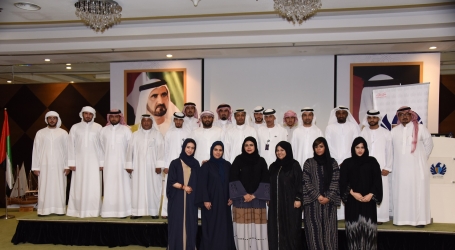
dubai-customs-holds-ipr-awareness-workshopDubai Customs has held an Intellectual Property Rights workshop with the participation of eminent Customs delegations from the Kingdom of Saudi Arabia and the Kingdom of Bahrain. Representatives of the Ministry of Economy, Abu Dhabi Customs, Dubai Health Authority and a host of personnel from Dubai Customs were also present.

The attending delegates praised Dubai Customs efforts in raising IPR awareness and the role it plays in educating and involving specialists of stakeholder entities, whether on the state government level or at the GCC level. Such efforts are directed towards tightening the grip on counterfeiters, better serving manufacturers, investors and traders rights and ultimately protecting consumers from the consequences and threats posed by illicit trade in fake goods.

Yousuf Ozair, Director of Intellectual Property Rights Department at Dubai Customs stated on this occasion, “Dubai Customs places IP Rights on the top of its priorities, and is always keen on forging better ties and reinforcing cooperation with local and GCC customs authorities and administrations in order to achieve optimal results in combating the trading of infringed items.

“We always seek to present our officers with the latest training courses on the means and methods of combating counterfeit trading. This is done in tandem with our partners in the private sector and the trademark owners, who are granted such regular platform to present their products and the latest techniques for detecting infringed items that surely affect their market shares.”

Ozair also pointed out that the consolidated efforts of the Unified IPR Task Force(established in 2006) in collaboration with all government entities within the UAE had proved very efficient in deterring attempts of illegal import of counterfeit products via customs ports. “In 2014, over 300 seizures of IPR-infringing items were recorded, covering a wide range of products worth more than AED 36 Million, and in the Q1 of 2015, more than AED 4 million worth of counterfeit goods were seized in 40 cases,” he said.

Yousef Al Hashemi, Jebel Ali Customs Center’s Management Director, said, “Dubai Customs has been doing well in terms of trade facilitation and protection of society against all potential risks and threats, by developing and utilizing the latest smart information technology in inspection and examination operations. Such adaptation represents our efficient response to the growing Dubai foreign trade, helping us to achieve the optimal balance between trade facilitation and compliance.”

The attending trademark owners, Hello Kitty, Mars, Wipro, Burberry, Hermès, Barcelona, Botiga and Emerson have also presented the audience with the tools and techniques on identifying copied products from genuine ones.

Dubai Customs directs major effort to the advocacy and awareness campaigns on IPR, seeking to educate the public about the serious dangers of consuming counterfeit products on their health and safety. As many as 48 such awareness events were organized in 2014, benefiting a total of 11,800 people. Source: Dubai Customs

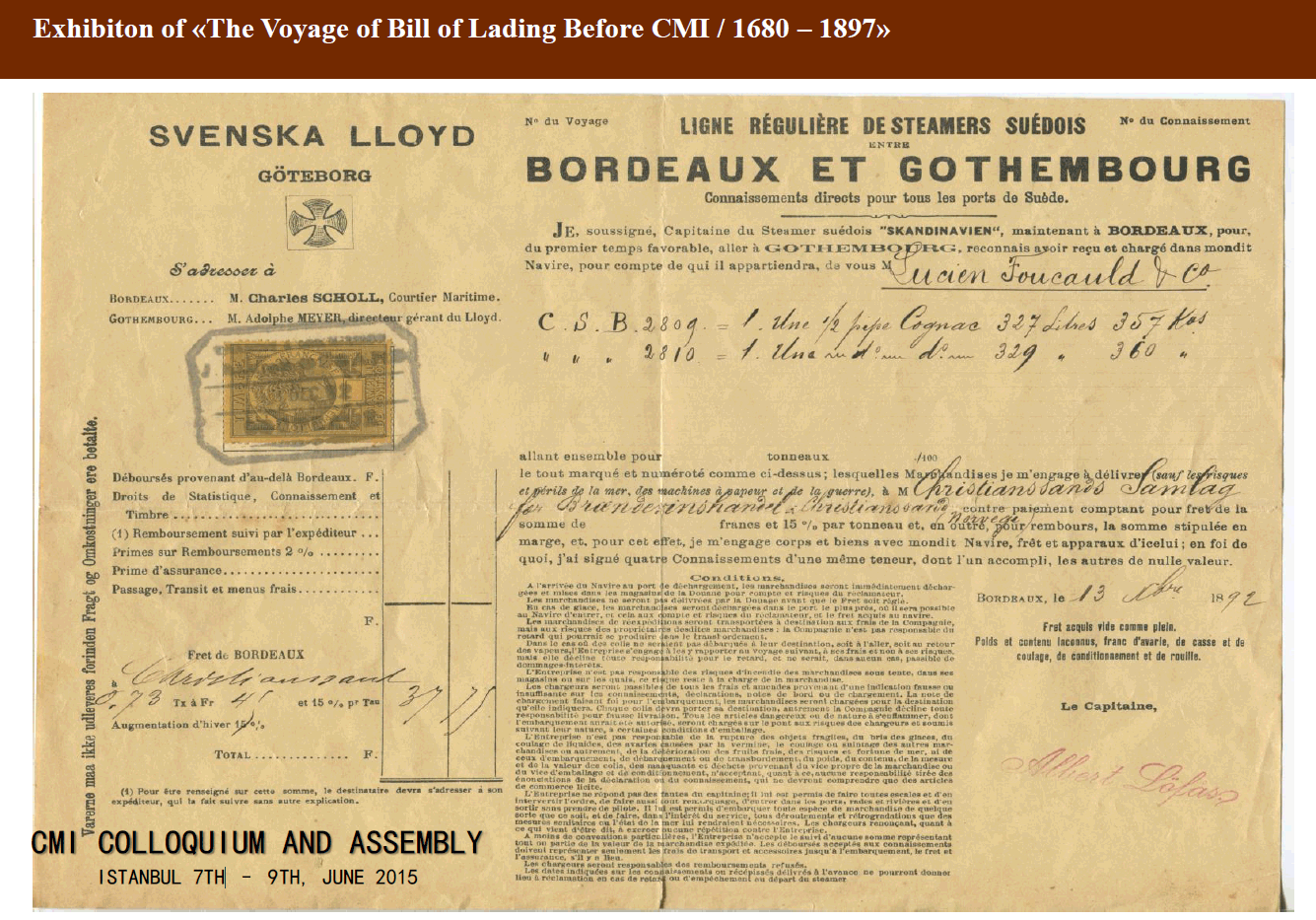
A collection of Bills of Lading

BoLAn article about a collector of Bills of Lading can be found on the Hariesh Manaadiar’s very popular educational blog Shipping and Freight Resource. Follow the hyperlink below –

Source: A collection of Bills of Lading

German Customs dispute disrupts plywood imports from China

Laminated woodThe importance of tariff classification and its impact on statistical and economic data – German imports of hardwood plywood from China continue to be affected by a dispute between the German trade and customs officials. In the last three years, customs officials, particularly at the port of Bremerhaven, have been checking Chinese plywood to ensure that boards are cross-laminated rather than laid parallel to each other.

According to German customs, boards should be reclassified as Laminated Veneer Lumber (LVL) if not fully cross-laminated. This is frequently the case with lower-quality Chinese plywood manufactured using small veneer pieces for the cores. LVL incurs a higher rate of duty of 10% compared to 7% for plywood. Roughly 40% of Chinese hardwood plywood deliveries into Germany were reclassified in this way in 2012.

German import merchants and the timber trade federation GD Holz have held talks with German customs to try to more clearly define which products should be considered plywood and which LVL. According to GD Holz, these talks have been unproductive so far and customs continue to reclassify Chinese plywood. Several German importers have now filed lawsuits and results are still pending. At the same time, GD Holz report that since 2014, several importers have been reimbursed for some instances of excessive duty paid. However, customs has not revealed why reimbursements were offered in some cases but not in others.

The uncertainty created by the dispute in Germany may partly explain the recent rise in imports of Chinese hardwood plywood into ports in Belgium and Netherlands. German buyers may be avoiding excess duty by buying from stocks landed in these neighbouring European countries.

The reclassification process has led to inconsistencies in the statistical data on German hardwood plywood imports. Data derived from Eurostat indicates that German imports fell by 18.3% to 34,700 cu.m in the first five months of 2015. This followed a decline of 5.5% to 103,000 cu.m for the whole year 2014.

However, the Eurostat data deviates from figures published by the German Federal Statistical Office (Destatis) which indicate a 62% increase in German hardwood plywood imports from China in the first quarter of 2015. On enquiry, Destatis note that they have adjusted their data downwards for 2014 to take account of plywood reclassified as LVL.

However Destatis have not yet made the same adjustment to the 2015 data. As a result, Destatis data on deliveries to Germany appear to surge this year. Overall, once all adjustments are made, Destatis reckon German imports of Chinese hardwood plywood in the first five months of 2015 were probably around the same as last year.

SARS R78 million Airport Cash Bust

Johannesburg – They [smugglers] had cash stashed in 11 pieces of luggage including four backpacks – R78 million destined for the United Arab Emirates.

But eagle-eyed customs officials at OR Tambo International Airport were on to them and confiscated the bags with R23m and $3.775m in notes.

On the same day, R50m worth of cocaine stashed in hair product bottles was seized at the same airport, in one of the biggest crime-busting days at OR Tambo.

On Monday, SA Revenue Service (Sars) officials said five people had been arrested after being caught with the undeclared cash as they were about to leave South Africa.

“Risk profiling earlier by Sars custom officials identified the passengers, and led to their apprehension as they boarded the aircraft at 9.45pm.

“Upon noticing the officials, the passengers retreated and headed back to the entrance of the boarding gate. At this point, officials closed the boarding gate door and the passengers were compelled to wait for the Sars officials,” Sars said.

When asked whether they had any currency, one of the passengers apparently said he had R100 000 and that the other members of the group had currency with them.

“The five individuals were escorted back to immigration at international arrivals, booked back into South Africa and escorted to customs.”

Sars spokesperson Luther Lebelo said the bags with the cash had been handed over to the SA Reserve Bank.

“The matter has been handed over to the SA Reserve Bank for further investigations. Once the bank is satisfied that there is an element of criminality, they can take the matter to the police,” he said.

The arrests on Friday – details of which were released on Tuesday – followed a R50m drug bust at the airport. National police spokesman Brigadier Vishnu Naidoo said the consignment of cocaine, weighing about 143kg, was one of the largest drug recoveries at a South African port of entry.

“The drugs were hidden in 147 hair products bottles and were found during a routine inspection at the cargo section. The consignment arrived from Brazil, and information displayed on the cargo indicated it was in transit to Cotonou, Benin, in West Africa,” he said.

Other drug busts at OR Tambo over the past month include:

  • The confiscation of 60 000 Viagra tablets with a street value of R6m at the airport’s mailing centre.
  • Cocaine weighing 3.46kg and valued at R993 020, found in the backpack of a passenger in transit from Sao Paulo and headed for Lagos, Nigeria.
  • Sixty-five packages of crystal meth valued at R4.2m, confiscated while being loaded into a bakkie in the cargo area.
  • Heroin valued at R201 810 destined for Spain and Ireland, discovered along with 2kg of cannabis at the airport’s mailing centre.

Source: The Star

US Customs seizes fake Gucci and Louis Vuitton handbags

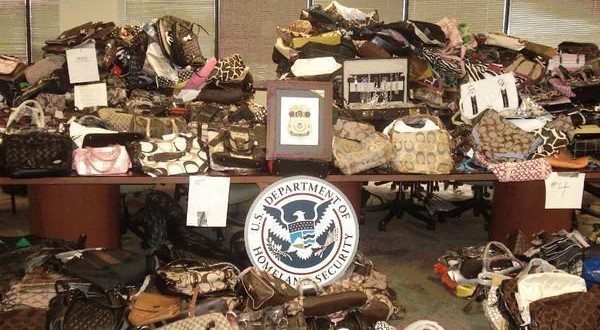
USCP Counterfeit stuffThousands of counterfeit designer handbags have been uncovered by federal officers in a shipping container at Miami’s seaport.

Customs and Border Protection officials say a recent review confirmed there were 1,200 fake Gucci handbags and 1,195 Louis Vuitton handbags in the container. The bags were initially seized Aug. 19 in a shipment from China.

Authorities say the handbags are worth more than $1 million if sold as legitimate.

Investigators began examining cartons containing the handbags after noting that they were not declared on any import documents. The shipment included 825 other cartons of clothes, shoes and similar apparel.

Last year CBP seized more than 23,000 counterfeit items nationally worth about $1.2 billion.

Customs Vietnam make 2nd huge Ivory Bust in a fortnight

Vietnam Custom ivory seizureCustoms officers in central Vietnam have seized a tonne of ivory and four tonnes of the scaly hide of the pangolin, according to authorities today.

Officials found the contraband on Tuesday inside a shipping container labelled as carrying red beans from Malaysia that arrived at the central port city of Da Nang on Aug 10.

“This is the largest amount of ivory and pangolin smuggling we have discovered in Da Nang,” Dang Van Toan, the port’s head of customs, told the German Press Agency.

The pangolin is an endangered type of armoured anteater found in parts of Asia and Africa. The flesh is sold as an exclusive, but illegal, meat, and the hide is used for traditional medicine and fashion.

The weight of the hides found this week corresponds to around 4,000 individuals, Le Xuan Canh, former head of the Institute of Ecology and Biological Resources, told DPA. Tuesday’s haul brings to nearly eight tonnes the total of tusks, horns and hide from endangered species impounded over the past two weeks in Da Nang.

Last Friday the port’s customs officers seized more than two tonnes of elephant tusks. Eight days earlier they confiscated nearly a tonne of elephant tusks and rhinoceros horns, authorities said.

The three shipments were posted to two local companies, which have denied any knowledge of the smuggling, said Pham Van Thieng, deputy head of the central region’s anti-smuggling team.

Trafficking of endangered species and their parts violates international law. Like elephant ivory and rhino horn, pangolin is considered a sign of status among some of Vietnam’s wealthy elite.

Ivory worth $4.4m seized in Vietnam

Vietnam Ivory Seizure

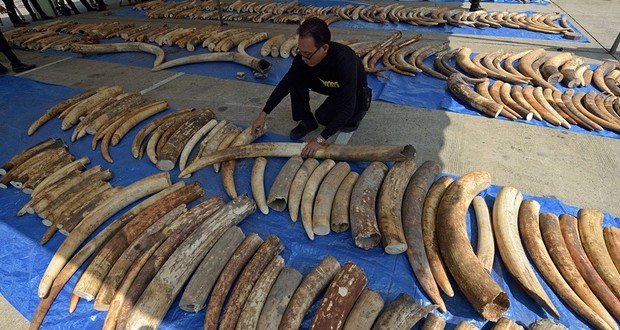
Customs officers in Vietnam seized more than two tons of elephant tusks, eight days after confiscating an ivory shipment weighing nearly a ton, authorities said. Picture: Pornchai Kittiwongsakul

Customs officers in Vietnam seized more than two tons of elephant tusks, eight days after confiscating an ivory shipment weighing nearly a ton, authorities said on Monday.

The estimated 4.4 million dollars worth of ivory was disguised as logs and hidden within a shipment of timber from Nigeria.

The cargo was posted to the same company listed as the receiver for nearly a ton of elephant tusks and rhinoceros horn from Mozambique that was discovered on August 13, said Ho Xuan Tam, Da Nang Customs Department spokesman.

Company officials have denied wrongdoing.

The poaching of elephants and rhinoceros and the trafficking of their tusks and horns are outlawed under international efforts to protect endangered species. But the illicit trade from Africa to Asia has grown with rising prosperity creating demand in Vietnam and China.

While elephant ivory is valued for its aesthetic appeal, folk superstitions prize rhino horn for its supposed medicinal and aphrodisiac qualities.

A single gram of ground rhino horn possesses a street value of 133 dollars. Rhino killings reached a record 1 215 last year, 10 times the number killed in 2009, according to the conservation group WildAid. Source: IOL

Is the Latest FTA Another Booby Prize for Africa?

COMESA-SADC-EAC-TripartiteAround 2008, most Southern African countries began to realise that the great ambition found on the SADC website at that time of moving from a SADC free trade area to a customs union by 2012 was not going to happen.

The SADC website had a very EU-like regional integration agenda.

This is not surprising given that the great sugar daddy in Brussels basically funds the entire organisation. SADC wanted to replicate the EU linear model – first a free trade area where the countries trade freely among themselves; then a customs union where the members agree to a common tariff; and then a common market where all goods, services, capital and labour flow freely. Finally, SADC was to complete the copy of the EU by creating a monetary union.

This flattering imitation of the EU was obvious – the Brussels paymaster pays and we all happily follow their model into Kwame Nkrumah’s vision of a united Africa. But the ugly problem was, as ever, African history.

The less than subtle British also wanted a customs union in Africa. So, in 1910 they just created one – the Southern African Customs Union (SACU), which, like the proverbial bicycle without any pedals, still manages to stand because it is padded with money.

When the British implemented SACU after the Anglo-Boer War, there was no need for polite and time consuming subtleties of contemporary African consensus building. The Union of South Africa and the British high commissioner signed on behalf of the protectorates of Basutoland, Bechuanaland and Swaziland – not a black person in sight unless they were serving the tea.

Almost a century later those who designed the EU-like agenda for SADC’s integration conveniently forgot their history and somehow assumed that a customs union could be readily grafted on the SADC free trade area which was already in existence.

But there cannot be two external tariffs and, therefore, either SACU or SADC as a customs union had to go. And the difficulty that SADC faced with creating a customs union is that no one is ready to sacrifice national interests for a broader common good.

Free trade areas are relatively easy, they can be easily fudged, but customs unions are hard work because all the countries that are members have to agree to the external tariff.

In the meantime, the apartheid regime in Pretoria realised that it desperately needed to buy friends and influence enemies and so in 1969 it changed SACU from a regular customs union to one where the share of revenue from customs was derived from share of regional trade.

Normally, customs unions divide the revenue poll based on what economists call the ‘destination principle’. This meant that countries get the revenue depending on what imports were destined for that country. So if 5% of imports were destined for, say, Botswana, it would get 5% of the revenue.

But the SACU formula was purposely designed by South Africa to make the BLS (Botswana, Lesotho and Swaziland as members) completely dependent upon transfers from Pretoria by basing the formula on the share of intra-SACU trade and not external trade.

The oddity was that with the end of apartheid, things actually got even worse after the 2002 SACU re-negotiations because Pretoria agreed to a formula that made Botswana, Lesotho, Swaziland and newly independent Namibia get their share of customs revenue from SACU based on the share of intra-SACU imports.

SA imports almost nothing from SACU countries and the BLNS countries import almost everything from SA and so they get a huge amount of revenue. Many officials in Pretoria deeply resent the subsidies in SACU.

When the other SADC members saw how much money the BLNS countries were getting from Sacu, whenever the issue of a SADC customs union came up their response was – ‘me too please, we want the same formula!’

So, a SADC customs union would have eaten into the massive transfers (about N$20 billion per year) that Namibia and the rest of the BLNS states get each year from Pretoria and there was no way they were going to agree, and so the SADC customs union was not a realistic possibility.

After the obvious end of the SADC negotiations for a customs union, African negotiators began to look around for something that would keep them off the unemployment lines. The infamous African ‘spaghetti junction’ of the East African Community, Comesa and SADC with its overlapping membership became the next target. If you can’t form a customs union then just get a bigger FTA (free trade area).

Now this year, finally, an FTA has been signed but it has also been fudged. Few really want to give the highly competitive Egyptian producers free trade access to their African markets.

Ostensibly, we are moving to negotiate a continental free trade area which will finally begin the process of fulfilling of Nkrumah’s dream of a united Africa. But instead, what we have is Cecil John Rhodes’s dream of a market from Cape to Cairo – almost; no deepening of the African economic relationship into a customs union; just a widening to the north and west.

Free trade areas are a nice step forward but they normally require no real sacrifice of economic interests.

Europeans are guilty of many cruelties in Africa but none so absurd or spiteful as the ridiculous lines they drew on the map of the African continent in 1884 at the Berlin Conference when they divided up the continent. The Belgian barbarism in the Congo may fade from human memory and the wounds of apartheid may heal over time but African leaders will struggle to completely eliminate those economic and political lines from the map of Africa.

It is those lines and some petty “sovereign” economic interests that are the main reason why a billion dynamic people in Africa with such incredible natural resources continue to live in poverty. The Namibian (An opinion piece by Roman Grynberg, professor of economics at the University of Namibia.)