Three years since the Trade Facilitation Agreement (TFA) entered into force on 22 February 2017, WTO members have continued to make steady progress in its implementation. Director-General Roberto Azevêdo, on the occasion of the TFA’s third anniversary, welcomed members’ efforts to ensure traders can reap the full benefits of the Agreement.
The TFA, the first multilateral deal concluded in the 25-year history of the WTO, contains members’ commitments to expedite the movement, release and clearance of goods across borders. As of the TFA’s third anniversary, 91% of the membership have already ratified the Agreement. It entered into force three years ago when the WTO obtained the two-thirds acceptance of the Agreement from its 164 members.
The Agreement is unique in that it allows developing countries and least-developed countries (LDCs) to set their own timetables for implementing the TFA depending on their capacities to do so. They can self-designate which provisions they will implement either immediately (Category A), after a transition period (Category B), or upon receiving assistance and support for capacity building (Category C).
As of 22 February 2020, over 90 per cent of developing countries and LDCs have notified which provisions they are able to implement after a transition period, and the ones for which they will need capacity-building support to achieve full implementation of the Agreement. Developed countries committed to immediately implement the Agreement when it entered into force.
Based on members’ notifications of commitments, 65 per cent of TFA provisions are being implemented today compared to the 59 per cent implementation rate recorded on the Agreement’s first anniversary. Broken down, the latest figure equates to a 100 per cent implementation rate for developed members and 64 per cent for developing members. As for least-developed countries, the improvement in the implementation rate is particularly notable at 31 per cent today versus the 2 per cent recorded a year after the Agreement entered into force. The implementation rate for each WTO member can be viewed here.
The Agreement has the potential, upon full implementation, to slash members’ trade costs by an average of 14.3 per cent, with developing countries and LDCs having the most to gain, according to a 2015 study carried out by WTO economists. It is also expected to reduce the time needed to import and export goods by 47 per cent and 91 per cent respectively over the current average.
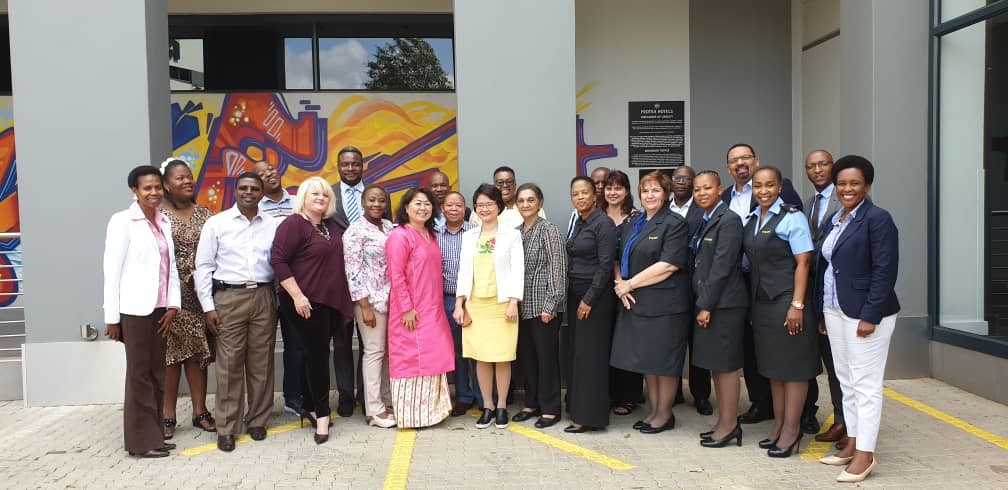
Under the framework of the Southern African Customs Union (SACU) Customs Modernization Programme, funded by the United Kingdom Foreign and Commonwealth Office, WCO experts were invited to lead an AEO Validation Workshop for the South African Revenue Service (SARS). The Workshop was held from 10 to 14 February 2020 in Pretoria, South Africa. Mrs. Rae Vivier who is the Group Executive responsible for AEO in SARS opened the workshop and welcomed the WCO and SACU representatives with a key note address to all attendees. She gave assurance to the audience that AEO is taken seriously by SARS and is one of the organization’s key deliverables.
During the five day Workshop, the SARS AEO validation team was given an introduction to the WCO SAFE Framework of Standards (FoS), including all its Pillars, core elements, and AEO criteria etc. This was followed by a discussion on the essential elements of the AEO Validation Guidance, the sequential steps of the AEO validation procedures and the skills required by AEO validators.
The participants, comprised of Customs auditors, legal experts and client relationship managers, were given an opportunity to share their views on the similarities and differences between AEO validation and post-clearance audit. The core values of Customs-Business partnerships were highlighted as an important aspect towards achieving AEO programme implementation. Auditors with a Customs compliance mindset were given security validation knowledge and taught how to hold discussions with business on coordinating and enhancing international supply chain security and safety. Another important element underscored during the training was that validation of the applicant is central to accreditation, and that the applicant’s supply chain may not be tested. Accordingly, the applicant is responsible for securing its own supply chain.
The Workshop entailed extensive discussions on the self-assessment questionnaire prepared by SARS for potential AEOs taking part in the country’s AEO pilot. While referring to the WCO self-assessment template, the WCO experts also shared questionnaires by other Customs administrations. The participants and experts discussed how to enhance the questions posed, making it simpler for business to understand and answer them. A number of recommendations were made, including adding explanatory notes to the self-assessment questionnaire to help clients provide accurate information about their security and safety protocols.
A further aim of the Workshop was to include practical sessions, such as the mock validation process held at BMW’s South African plant in Rosslyn. Participants were told how BMW guarantees supply chain safety and security. Equipped with this information, the Workshop participants were given a walk-through of BMW South Africa’s processes for receiving goods. The lessons learned were shared among the Workshop participants and SARS management during the post-validation assessment. During that session, several Mutual Recognition Arrangements/Agreements (MRAs) signed between different Customs administrations were also referenced, so as to enhance learning and information sharing.
SARS embarked on its Preferred Traders Programme (PTP) in May 2017. The initial number of 28 accredited traders (importers/exporters) has grown to reach 119 as of 14 February 2020. Under the SARS Strategic Plan for 2023, the priority will be to focus on improving voluntary compliance and supply chain security through implementation of the standardized WCO SAFE/AEO programme. At the same time, SACU wishes to roll out PTPs for all its Members, while moving towards a full-fledged AEO programme in phases. To this end, the WCO experts discussed and shared views on the PTP compatibility assessment tool aimed at ensuring mutual recognition of Preferred Traders among SACU Members.
To mark International Customs Day 2020 – focusing on the theme of ‘fostering Sustainability for People, Prosperity and the Planet’, the following article from the Spring 2018 edition of World Trade Matters by Jan Hoffmann, the Chief of the Trade Logistics Branch, Division on Technology and Logistics at UNCTAD, is relevant. The article discusses global trade facilitation reforms, the digitalisation of trade and measures towards ensuring long-term sustainability in the maritime industry.
Confronted with growing populism and a surge in protectionist measures recorded by the WTO, policy makers and enterprises are struggling to avoid a backlash in international trade. At UNCTAD’s Trade Logistics Branch, we support these endeavours by helping to make trade work better. Through trade facilitation reforms, the promotion of digitalisation, and ensuring the long-term sustainability of international transport, we aim at ensuring that the international movement of goods is not confronted with unnecessary obstacles and costs.
A multilateral agreement to facilitate international trade
Under the Trade Facilitation Agreement (TFA) of the World Trade Organization (WTO), developing countries commit to implement a number of very practical measures that make trade easier and more transparent. Countries are obliged to publish duties and procedures on the web, traders can transmit their declarations prior to the arrival of the goods, payments can be made electronically, and fees and charges must not become hidden taxes to generate income for the government. These are but some of the 37 concrete measures grouped into 12 Articles of the TFA. They are all useful and help make trade more efficient.
However, many of these measures involve an initial investment or reforms that require human and financial resources to start with, which developing countries many not have. The good news is that the TFA also includes a novel mechanism – the so called “Special and Differential Treatment” – that helps developing countries plan and acquire the necessary capacity prior to being fully committed to comply with all 12 Articles. Concretely, the mechanism puts the developing countries in the position – and obligation – to analyse and notify their own implementation capacity. At UNCTAD, we are working closely with the developing countries to enable them to do so. Our main counterpart in this endeavour are the National Trade Facilitation Committees (NTFCs) that each country must set up under the TFA. UNCTAD’s Empowerment Programme for NTFCs includes training and knowledge development for the members of the NTFC, combined with advisory services and the development of a Roadmap of TFA implementation.
By the same token, UNCTAD also supports developing countries in setting up Trade Information Portals. Under the TFA, members of the WTO are obliged to make relevant information on tariffs and trade procedures available on-line. UNCTAD’s Trade Information Portals not only help countries become compliant with this obligation, but in the process of analysing and publishing applicable trade procedures, a Trade Information Portal effectively helps countries identify the potential for the further simplification of procedures. Thanks to these new insights, NTFCs can then develop programmes and reforms that subsequently ensure the further simplification of procedures.
Technological progress will never be as slow as today
My favourite provision of the TFA is Article 10.1., as it provides for a dynamic dimension of the Agreement. According to this article, countries need to minimize “the incidence and complexity of import, export, and transit formalities”, continuously “review” requirements, keep “reducing the time and cost of compliance for traders and operators”, and always choose “the least trade restrictive measure”. As such, even if a country is compliant with all TFA provisions today, countries will need to continue monitoring if existing procedures are still appropriate in view of technological or regulatory developments.
As trade becomes increasingly digitalised, and new technologies which do not yet exist will be developed, it will be important that governments continuously revise and review the applicable rules and regulations.
Digitalisation comes in stages. First, we optimize existing procedures, making use of cargo tracking, the Internet of Things, blockchain et al. Second, new businesses are developed which could not exist without the new technologies; new platforms come into being and we see more “uberisation”. Finally, there is transformation and science fiction; still in our lifetime Artificial Intelligence will overtake human capabilities to manage international trade and its logistics.
But let us take one step at a time. At UNCTAD, we support developing countries through eTrade readiness assessments, the development and upgrade of technological solutions in Customs automation and Single Windows, and by providing a Forum for our members to analyse and discuss the challenges that come with digitalisation. We encourage the development of global standards that allow for interoperability among new systems. The challenge for policy makers it to encourage private sector investments in new technologies and solutions, while ensuring that no new monopolies emerge that might exclude smaller players.
And it has to be sustainable
While we aim at ensuring continued growth in international trade, there is a catch. The transport of this trade encompasses increasing externalities, such as pollution, green-house-gas emissions, and congestion.
Ports need to minimise social and environmental externalities. Many port cities are among the most polluted places to live, as ships burn heavy oil, and delivering trucks produce noise and cause traffic congestions. In addition, ports need to be resilient in the face of disruptions and damages caused by natural disasters and climate change impacts.
International transport, including shipping, needs to play a larger role in addressing global warming and contribute to mitigating the carbon emissions that are causing climate change. Shipping emits less carbon dioxide (CO2) per ton-mile than other modes of transport, but then due to its sheer volume it also produces many ton-miles. Would it be possible that the industry could be charged by its main regulatory body not per ship tonnage (as is currently the case), but per tonne of CO2 emission?
Currently, the International Maritime Organization is funded proportional to the tonnage registered under the members’ flags. Like this, Panama, Marshall Islands and Liberia pay for the largest share of the IMO budget – and in the end, this is passed on to the ship-owner, who in turn passes this on to the shipper, who will charge the consumer. This is a good established mechanism that could be expanded to also internalize the external costs of CO2 emissions.
Being the most globalized of all businesses, maritime transport should consider adopting a global regime that helps further internalize its environmental externalities – to ensure prosperity for all.
It is all about efficiency
Investing in trade facilitation reforms, making intelligent use of the latest technologies, and ensuring that externalities are internalized are all several sides of the same coin. Trade efficiency is necessary to promote an open international trading system. It requires a continuous effort by policy makers to continuously review current procedures, apply the most appropriate technological solutions, and support an efficient allocation of scarce resources.
Source: Jan Hoffman, UNCTAD – originally published in World Trade Matters, Spring Edition, 2018
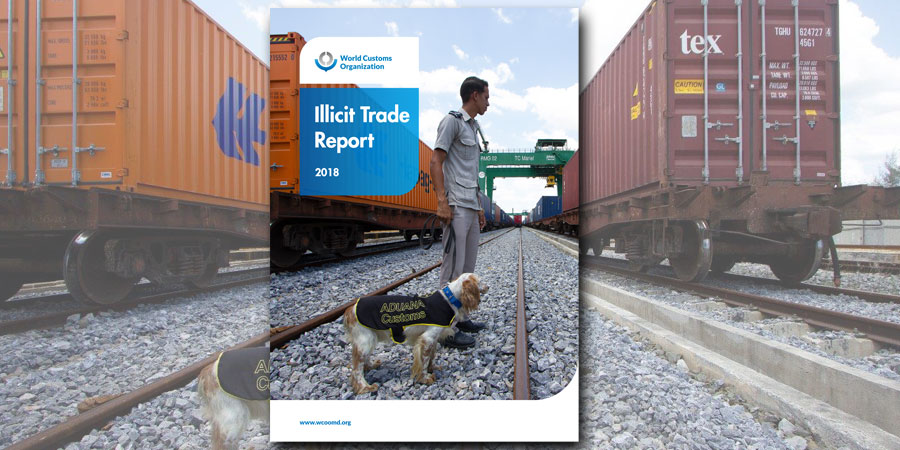
During December 2019, the World Customs Organization (WCO) issued its 2018 Illicit Trade Report, the annual publication in which the Organization endeavours to quantify and map the situation concerning illicit markets in six key areas of Customs enforcement.
Every year since 2012, the WCO has published its Illicit Trade Report with the aim of contributing to the study of the illicit trade phenomenon through robust and in-depth data analysis based on voluntary submissions of seizure data and case studies by its Member Customs administrations around the world.
This year, the analysis provided in this Report is based on data collected from 154 Member administrations, compared to 135 the previous year. The Report consists of six sections: Cultural Heritage; Drugs; Environment; Intellectual Property Rights, Health and Safety; and Revenue and Security.
For the third year in a row, the WCO has partnered with the Center for Advanced Defense Studies (C4ADS), a Washington, D.C.-based non-profit organization dedicated to providing data-driven analysis and evidence-based reporting, thereby enriching readers’ experience with advanced data visualization technologies and enhanced data analysis.
“This analysis of 2018 illicit trafficking trends and patterns around the globe is aimed not only at supporting law enforcement planning activities, but also at future-proofing countries’ borders from the multitude of threats faced on a daily basis,” stressed the WCO Secretary General, Kunio Mikuriya. He also expressed his gratitude to the Customs administrations having reported their seizure data to the WCO CEN database.
HS 2022, which is the seventh edition of the Harmonized System (HS) nomenclature used for the uniform classification of goods traded internationally all over the world, has been accepted by the all Contracting Parties to the Harmonized System Convention. It shall come into force on 1 January 2022.
The HS serves as the basis for Customs tariffs and for the compilation of international trade statistics in 211 economies (of which 158 are Contracting Parties to the HS Convention). The new HS2022 edition makes some major changes to the Harmonized System with a total of 351 sets of amendments covering a wide range of goods moving across borders. Here are some of the highlights:
Adaption to current trade through the recognition of new product streams and addressing environmental and social issues of global concern are the major features of the HS 2022 amendments.
Visibility will be introduced to a number of high profile product streams in the 2022 Edition to recognise the changing trade patterns. Electrical and electronic waste, commonly referred to as e-waste, is one example of a product class which presents significant policy concerns as well as a high value of trade, hence HS 2022 includes specific provisions for its classification to assist countries in their work under the Basel Convention. New provisions for novel tobacco and nicotine based products resulted from the difficulties of the classification of these products, lack of visibility in trade statistics and the very high monetary value of this trade. Unmanned aerial vehicles (UAVs), commonly referred to as drones, also gain their own specific provisions to simplify the classification of these aircraft. Smartphones will gain their own subheading and Note, which will also clarify and confirm the current heading classification of these multifunctional devices.
Major reconfigurations have been undertaken for the subheadings of heading 70.19 for glass fibres and articles thereof and for heading 84.62 for metal forming machinery. These changes recognize that the current subheadings do not adequately represent the technological advances in these sectors, leaving a lack of trade statistics important to the industries and potential classification difficulties.
One area which is a focus for the future is the classification of multi-purpose intermediate assemblies. However, one very important example of such a product has already been addressed in HS 2022. Flat panel display modules will be classified as a product in their own right which will simplify classification of these modules by removing the need to identify final use. Health and safety has also featured in the changes. The recognition of the dangers of delays in the deployment of tools for the rapid diagnosis of infectious diseases in outbreaks has led to changes to the provisions for such diagnostic kits to simplify classification. New provisions for placebos and clinical trial kits for medical research to enable classification without information on the ingredients in a placebos will assist in facilitating cross-border medical research. Cell cultures and cell therapy are among the product classes that have gained new and specific provisions. On a human security level, a number of new provisions specifically provide for various dual use items. These range from toxins to laboratory equipment.
Protection of society and the fight against terrorism are increasingly important roles for Customs. Many new subheadings have been created for dual use goods that could be diverted for unauthorized use, such as radioactive materials and biological safety cabinets, as well as for items required for the construction of improvised explosive devices, such as detonators.
Goods specifically controlled under various Conventions have also been updated. The HS 2022 Edition introduces new subheadings for specific chemicals controlled under the Chemical Weapons Convention (CWC), for certain hazardous chemicals controlled under the Rotterdam Convention and for certain persistent organic pollutants (POPs) controlled under the Stockholm Convention. Furthermore, at the request of the International Narcotics Control Board (INCB), new subheadings have been introduced for the monitoring and control of fentanyls and their derivatives as well as two fentanyl precursors. Major changes, including new heading Note 4 to Section VI and new heading 38.27, have been introduced for gases controlled under the Kigali Amendment of the Montreal Protocol.
The changes are not confined to creating new specific provisions for various goods. The amendments also include clarification of texts to ensure uniform application of the nomenclature. For example, there are changes for the clarification and alignment between French and English of the appropriate way to measure wood in the rough for the purposes of subheadings under heading 44.03.
Given the wide scope of the changes, there are many important changes not mentioned in this short introduction. All interested parties are encourage to read the Recommendation carefully (to be published soon).
Implementation
While January 2022 may seem far off, a lot of work needs to be done at WCO, national and regional levels for the timely implementation of the new HS edition. The WCO is currently working on the development of requisite correlation tables between the current 2017 and the new edition of the HS, and on updating the HS publications, such as the Explanatory Notes, the Classification Opinions, the Alphabetical Index and the HS online database.
Customs administrations and regional economic communities have a huge task to ensure timely implementation of the 2022 HS Edition, as required by the HS Convention. They are therefore encouraged to begin the process of preparing for the implementation of HS 2022 in their national Customs tariff or statistical nomenclatures. The WCO will step up its capacity building efforts to assist Members with their implementation.
South Korea hopes to be a leader in global customs services by offering solutions to complex international clearance procedures.
South Korea Customs Service (KCS) chief Kim Yung Moon said the agency hopes it can help foster trade relations between local businesses and partner nations worldwide.
In an interview with the Korea Times, he said the agency would continue to devote its manpower and resources to provide full support for export firms, especially the small and medium sized enterprises (SMEs) that were the foundations of the South Korean economy.
The agency’s commitment was well-illustrated as the KCS under his leadership helped limit the fallout following the ongoing South Korea – Japan trade war that has led to major losses for South Korean exporters.
Since March, KCS officials have been dispatched to 30 customs offices nationwide to offer various forms of support, including consulting, technical aid and trade statistics data management.
The support has helped 2,189 SMEs log a combined US$2.4 billion (RM10 billion) in exports in the March-October period, up 2.2 per cent from US$2.3 billion (RM9.8 billion) the year before.
“We tried to identify what the firms needed most and came up with ideas on how we could be of assistance. I am glad we were able to fulfil our public duty,” Kim said.
In July, the KCS saved a local zinc coated steelmaker 1.3 billion won (RM4.5 million) in tariffs imposed by Taiwanese customs authorities after they accepted KCS opinion asking them to reclassify the item as a tariff-exempt product.
Similarly, a team of KCS officials was able to have the Indian customs authorities in March rescind a 10 per cent tariff imposed on Korea-made copy papers categorised as a no-tariff item under the Comprehensive Economic Partnership Agreement (CEPA), a free trade agreement between South Korea and India.
This helped a local paper maker not only avoid what could have been an annual tariff of 200 million won (RM700,000), but also cleared the way for similar businesses to enter the market without the uncertainty of hefty, unexpected tariffs.
Most significant is that the agency was able to finalise the international standards on display modules, Korea’s key export item.
This allowed them to be classified as LCD modules exempt from tariffs in line with the Information Technology Agreement (ITA), a multilateral agreement enforced by the World Trade Organization (WTO).
The process required painstaking efforts to persuade members of the World Customs Organization (WCO) and it proved South Korea’s “soft power” with the international customs body comprised of 183 countries representing over 98 percent of international trade.
A senior KCS official Kang Tae Il has also been elected a director of the Capacity Building Directorate at the WCO, whose members look to South Korea for training, consulting and multilateral aid utilising official development assistance funds and Customs Cooperation Fund-Korea.
Since 2009, 3,727 customs officials from around the world have undergone training offered by the KCS.
The appointment of Kang has also boosted KCS’ standing on the global stage, coupled with its artificial intelligence-based block chain customs services in a country recognized for its high-tech infrastructure and ICT expertise.
The agency’s key achievement is UNI-PASS, a KCS-developed electronic clearance system designed to enhance swift customs clearance and logistics service convenience.
The e-clearance system highly regarded by the KCS’s global peers increases work efficiency by minimizing manual errors and improving input accuracy by auto-generation of trade records.
“We will continue our efforts to strengthen influence and boost our say in the international customs circle. We will also become a leading standard setter involving the implementation and revision of related customs practices concerning e-commerce and risk management. This will boost the standing of Korea on the global stage,” Kim said.
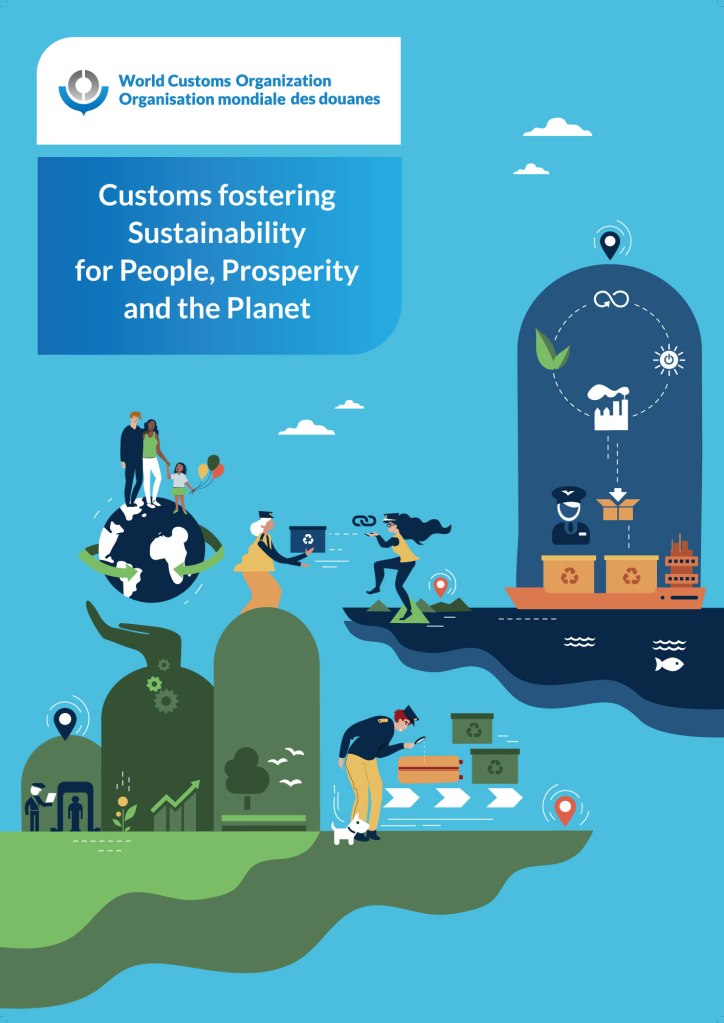
The contribution of Customs towards a sustainable future where social, economic, health and environmental needs are at the heart of our actions, is exemplified under the slogan “Customs fostering Sustainability for People, Prosperity and the Planet”.
The expansion of Free Zones has been mainly driven by political decisions closely affiliated with national economic development strategies. In some countries Customs is the primary governmental authority that regulates and governs Free Zones, while in others Free Zones are governed by other authorities, with less involvement from Customs. Depending on the institutional set-up, the scope and degree of Customs control in Free Zones and the economic operations carried out there varies considerably from one Free Zone to another.
Existing literature reveals that Free Zones attract not only legitimate business but also illicit trade or other illicit activities that take advantage of the regulatory exemptions of Free Zones.
Numerous papers have outlined the risks associated with Free Zones, along with economic benefits. Most of them deal with the legality of Free Zones policies, particularly in relation to export subsidies as governed by the WTO Agreement. Several other papers have dealt with illicit activities that have been perpetrated by exploiting characteristics of Free Zones. Such illicit activities include money laundering, tax-evasion and trade in counterfeit goods or other illicit goods.
The WCO research paper deals with Customs-related aspects of Free Zones, considering both the associated benefits and risks. The risks primarily concern illicit trade that exploits key aspects of Free Zones.
Literature that focuses on risks associated with Free Zones, particularly illicit trade or other illicit activities, have several things in common. They tend to highlight the fact that supervision over cargoes/companies in Free Zones is somewhat relaxed in comparison with other parts of the national territory. The following factors have been pointed out or quoted, although details are rarely provided due to the technical nature of the topic.
Relaxed controls inside Free Zones
Insufficient Customs’ involvement in the operation of Free Zones
Ease in setting up companies inside Free Zones
Insufficient integration of Information Technology(IT) systems by governmental agencies inside Free Zones
The WCO research paper’s key observations fall in line with those outlined above. It describes the low-level involvement of Customs in monitoring cargo movement and companies’ activities inside Free Zones. This includes Customs’ low-level involvement at the establishment phase of Free Zones, at the approving companies permitted to operate in Free Zones pahse, and during the day-to-day monitoring of cargoes in Free Zones. Limited Customs’ authority inside Free Zones is also mentioned. This paper touches upon relaxed Customs procedures/controls related to Free Zones and observes that they stem from Customs’ limited involvement and limited authority inside Free Zones. These limitations, combined with insufficient integration and utilization of IT, result in a lack of the requisite data concerning cargoes inside Free Zones, and render Customs’ risk-management-based controls – conducted for the purpose of preserving security and compliance without hindering legitimate cargo flows – virtually useless.
The research paper considers the concept of ‘extraterritoriality’ concerning Free Zones, stemming from a misinterpretation of the definition of Free Zones contained in the WCO Revised Kyoto Convention (RKC), to be behind the aforementioned limited involvement by and limited authority of Customs. The definition within Annex D, Chapter 2 of the RKC does not state that Free Zones are geographically outside the Customs territory. The definition means that the Free Zone itself falls within the Customs territory. ‘Goods’ located in Free Zones are considered as being outside the Customs territory for duty/tax purposes only.
The WCO has published a 2018 edition of its Framework of Standards. The 2018 version of the SAFE Framework augments the objectives of the SAFE Framework with respect to strengthening co-operation between and among Customs administrations, for example through the exchange of information, mutual recognition of controls, mutual recognition of AEOs, and mutual administrative assistance.
In addition, it calls for enhanced cooperation with government agencies entrusted with regulatory authorities over certain goods (e.g. weapons, hazardous materials) and passengers, as well as entities responsible for postal issues. The Framework now also includes certain minimum tangible benefits to AEOs, while providing a comprehensive list of AEO benefits.
The updated SAFE Framework offers new opportunities for Customs, relevant government agencies and economic operators to work towards a common goal of enhancing supply chain security and efficiency, based on mutual trust and transparency.
Customs officers and trade practitioners also be on the lookout for then new WCO Academy course on SAFE and AEO. The Framework of Standards to Secure and Facilitate Global Trade is a unique international instrument which usher in a safer world trade regime, and also heralds the beginning of a new approach to working methods and partnership for both Customs and business. This E-Learning course aims to present this tool and the benefits of its implementation.
The WCO Secretariat has undertaken a new initiative involving the compilation of good internal control [governance] practices by Customs administrations, and their relationship with external controls. The Secretariat carried out a survey of Members to find out how they implement principle 6 of the Revised Arusha Declaration. The responses indicated that internal control functions can be structured differently and do not operate in the same way.
The survey collected material on the experiences of Members and on their integrity practices, with a view to compiling a good practice guide which Members could use to enhance their integrity strategies, including external oversight. It consisted of 18 questions, and was divided into four sec- tions: (1) Governance of Internal Control; (2) Operational Aspects; (3) Relationship with External Controls; and (4) Sharing Good Practices with Other Members. Responses were received from 58 Member administrations. Download this link.
The World Customs Organization (WCO) has initiated work to identify possible case studies and uses of blockchain for Customs and other border agencies with a view to improving compliance, trade facilitation, and fraud detection (including curbing of illicit trade through the misuse of blockchains and Bitcoins), while touching on associated adjustments in legal and regulatory frameworks.
The objective of this research paper is to discuss ways in which Customs could leverage the power of blockchain and the extent to which the future of Customs could be shaped by the use of blockchain-based applications. Blockchain projects are currently in the beta testing phase in the finance sector (facilitating inter-banking system processes), insurance sector (preventing fraud and accelerating coverage) and international trade. With regard to the latter, this paper focuses its attention on two initiatives.
The first was launched by MAERSK-IBM as a global trade digitalization platform to which Customs administrations are expected to join.
A second initiative consists of an “information highway”, joining the National Trade Platform of Singapore and the Trade Finance Platform of Hong Kong, with a view to creating a Global Trade Connectivity Network (GTCN).
A conclusion that has been reached after discussion is that Customs would be able to have a broader and clearer picture of international trade particularly in terms of the movement of cargoes and consignments as being tied with the flow of capital. With blockchain-based applications, therefore, Customs could become a full-fledged border regulator with greater capabilities in the future.
A new online course on the 2017 Edition of the Harmonized System (HS) has just been released by the WCO.
Through educational videos and a knowledge test, this course allows you to learn about the major changes in the 2017 version of the HS.
This course is available on CLiKC!, the WCO online learning platform, but is also the first WCO e-learning course which is built using mobile learning technologies. By downloading the app, available on the App Store and on Google Play, users will benefit from more features such as a search engine which indicates if a specific HS code has been amended in the 2017 version.
The app is available for free to anybody who wishes to learn about HS2017. The added feature for our Member administrations’ Customs officers, who have an account on this website, is that it will be synchronized with CLiKC!
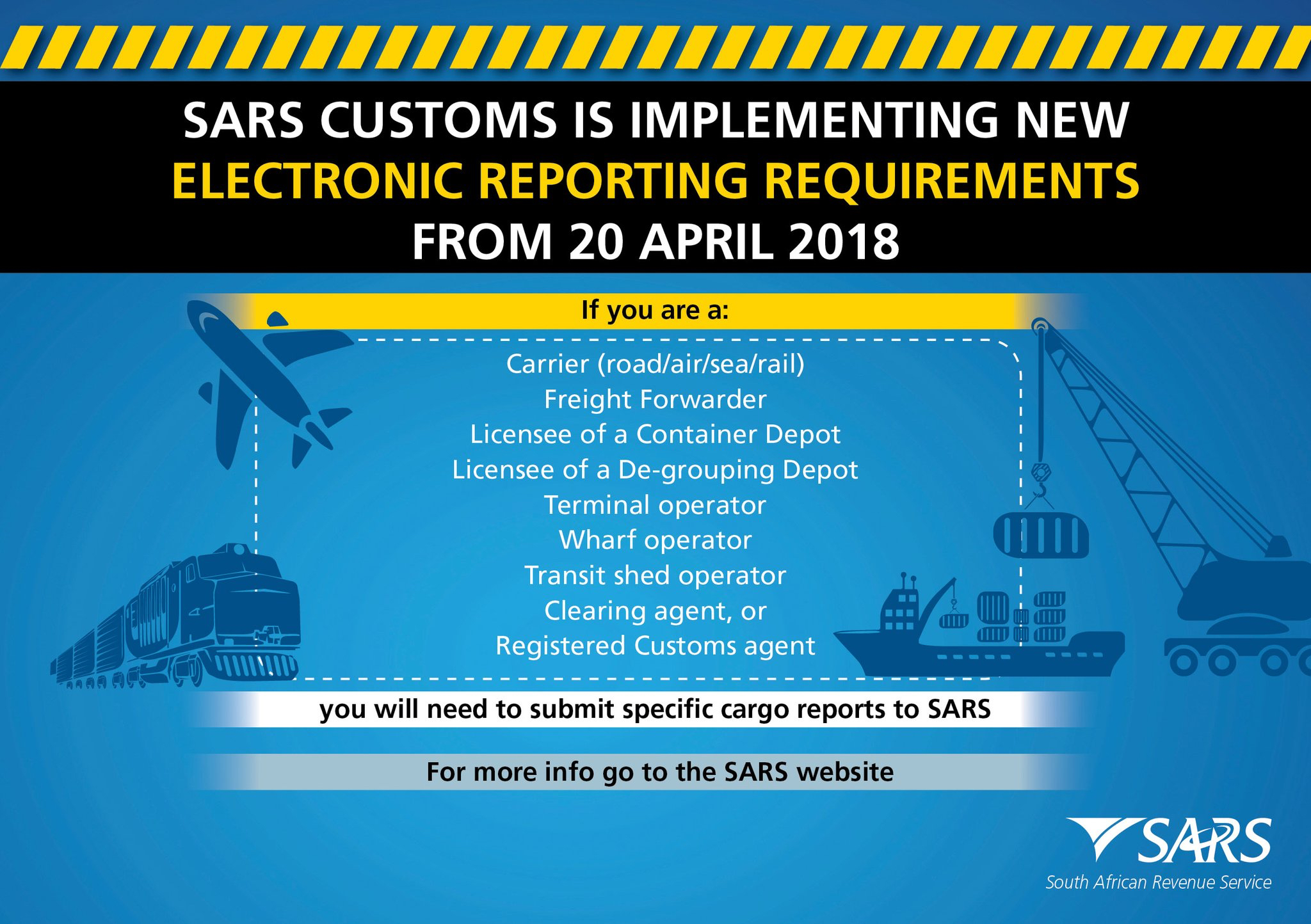
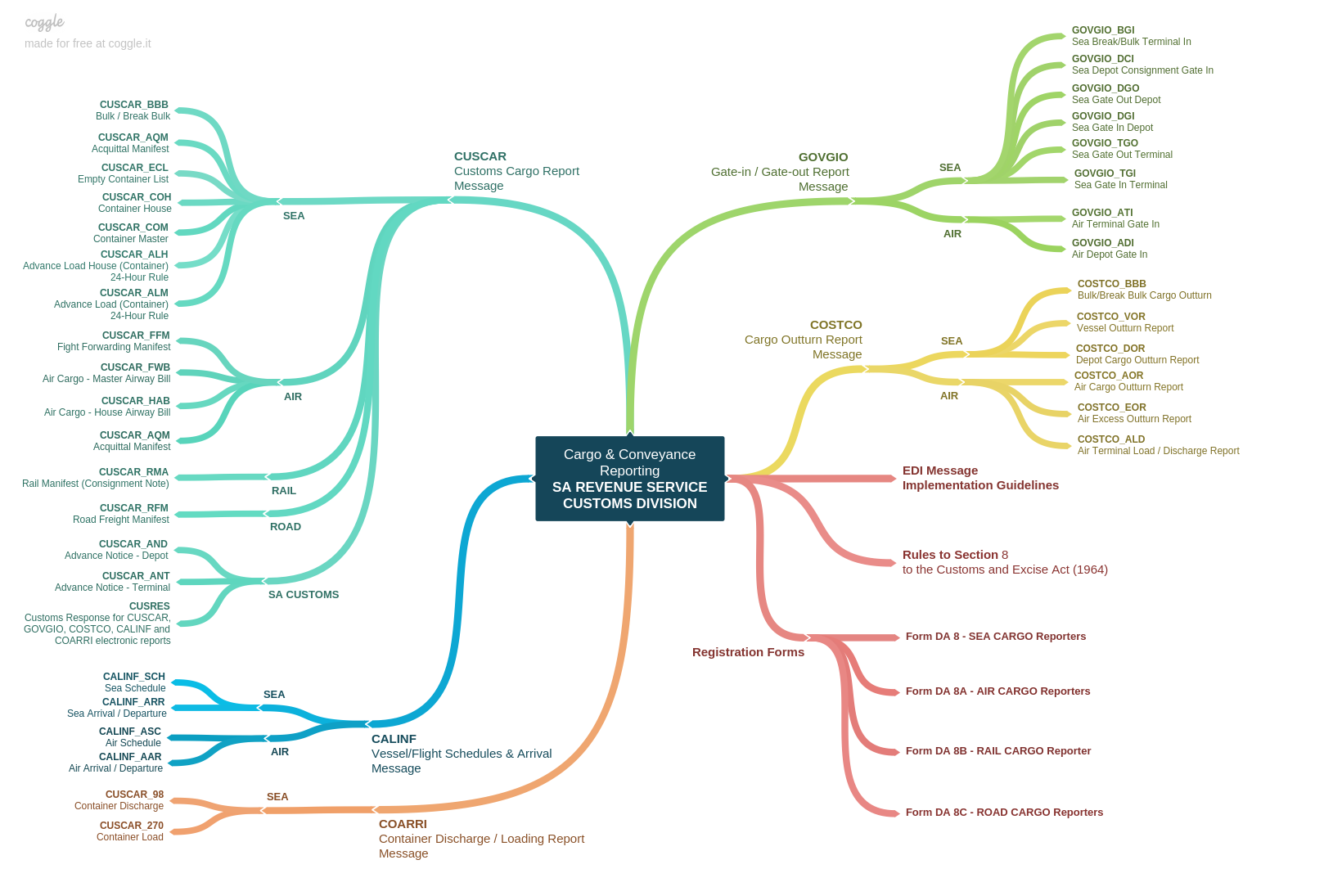
This Friday, 20 April 2018, SARS Customs will implement its new Cargo, Conveyance and Goods Accounting solution – otherwise known as the Cargo Processing System (CPS). In recent years SARS has introduced several e-initiatives to bolster cargo reporting in support its electronic Customs Clearance Processing System (iCBS), introduced in August 2013.
Followers of SARS’ New Customs Acts Programme (NCAP) will recognise that the CPS forms part of one of the three core pillars of the new legislative programme, better known as Reporting of Conveyances and Goods (RCG). The other two pillars are, Registration, Licensing and Accreditation (RLA) and Declaration Processing (DPR). More about these in future articles. In order to expedite the implementation of the new Acts, SARS deemed it necessary to introduce elements of the new functionality via a transitional manner under the current Customs and Excise (1964) Act.
Proper revenue accounting and goods statistical reporting, can only be adequately achieved if Customs knows what goods ‘actually’ arrive, transit and exit it’s borders. Many countries, since the era of heightened security (post 9/11), have invested heavily in the re-engineering of policies and systems to address the threat of terrorism. This lead to a re-focus of resources and energies to develop risk management systems based on ‘advanced information’. SARS has invested significantly in automated systems in the last decade. Shortly, SARS it will also introduce a new automated risk engine with enhanced capabilities to include post clearance audit activities.
It should also not come as a surprise to anyone conversant with Customs practice, that international Customs standards such as the WCO’s SAFE Framework of Standards, the RKC and the Data Model are prevalent in the new Customs legal dispensation and its operational business systems.
South Africa will now follow several of its trading partners with the introduction of ‘advance reporting of containerised cargo’ destined for South African sea ports. This reporting requires carriers and forwarders to submit ‘advance loading notices’ to SARS Customs at both master and house bill of lading levels, 24 hours prior to vessel departure.
The implementation of CPS is significant in terms of its scope. It comprises some 30 odd electronic cargo notices and reports across the sea, air, rail and road modalities. These reports form the ‘pipeline’ of information deemed necessary to ensure that the ‘chain of custody’ is visible and secure from point of departure to final destination. For the first time, South Africa will also require cargo reporting in the export domain.
It is no understatement that the CPS initiative is a challenge in particular to new supply chain entities who have not been required in the past to submit electronic reports. In order to meet these reporting requirements, a significant investment in systems development and training is required on the part of SARS and external trade participants. To this end, SARS intends to focus on ramping up compliance amongst all cargo reporters across all transport modalities. The first modality will be road, which is the most significantly developed and supported modality by trade since the inception of manifest reporting under the Customs Modernisation Programme. The remaining transport modalities will receive attention once road is stabilised.



 What Happened to the Portcullis?
You must be logged in to post a comment.