WCO publishes new SAFE 2025

The World Customs Organization (WCO) sets the standards to facilitate and secure international trade. As part of its ongoing commitment to the protection of society, the SAFE Framework of Standards to Secure and Facilitate Global Trade (SAFE FoS) has been updated to ensure that the pathway for a resilient global trading environment is secure and reflects current realities. With a focus on inter-agency cooperation, the WCO’s 186 Members can now implement the new SAFE FoS in areas that highlight collaboration between Customs and environmental authorities, as well as now recognizing the important role that Micro-, Small, and Medium-sized Enterprises (MSMEs) play by ensuring the Authorized Economic Operator (AEO) programme is accessible to them. 

WCO Secretary General, Ian Saunders, said: “As we look to the future, the SAFE FoS 2025 is a clear and visible demonstration of the WCO’s enduring commitment to a secure, transparent, and innovative trade environment.”

Advancing secure, efficient, and innovative international trade

The 2025 edition of the SAFE FoS reflects a modernized approach to the full spectrum of supply chain management and focuses on expanding inter-agency cooperation in new areas. Over the past four years, the WCO has worked diligently, in close collaboration with Customs administrations, Private Sector Consultative Group and various stakeholders, to review and identify the areas in this flagship international tool requiring an update to improve cooperation across WCO Members, AEOs and supply chain actors. 

The core elements of the SAFE FoS remain unchanged; this new edition expands and enhances the FoS. Building on best practices and lessons learned by the community serves to strengthen collective defenses and drive continual improvement in many aspects of global trade operations. 

Through joint efforts, under the leadership and co-facilitation of the New Zealand Customs Service and the Private Sector Consultative Group, four key areas have been added that reflect the realities of today’s supply chain and trade environment. 

The key updates in the FoS 2025 are:

  • New provisions to enhance collaboration with environmental authorities to increase the focus on global climate change and reflect the desire of Customs to support the global sustainability agenda. By recognizing the linkages between trade, environment, and security, this edition recognizes the importance of environmental authorities. Alignment of procedures and controls for applicable standards between Customs and environmental authorities will support sustainability of trade.
  • Recognition that MSME’s should be part of the AEO programme. The WCO and its members determined it was time to expand the reach of AEO programmes to Micro-sized enterprises along with Small and Medium-sized Enterprises (MSMEs). A focus on inclusivity for the eligibility of AEO programmes and the tailoring of standards to the MSMEs’ unique needs will serve to further expand opportunities for secure trade and increase sustainable economic growth of businesses of all sizes.
  • A requirement for AEOs to adopt a Code of Conduct (Ethics) will serve to enhance the integrity and accountability of the supply chain for AEOs and Customs. The addition of this requirement, with a focus on ethics, demonstrates that AEOs are committed to the security of their organization which will facilitate future recognition as trusted traders. By improving integrity in the premises of AEOs, the implementation of Codes of Conduct will contribute to the overall security of international trade.
  • Addressing insider threats and internal conspirators is a growing concern. The SAFE FoS 2025 expands upon the joint role that Customs and AEOs play in raising awareness and proactively implementing measures to combat this issue given the risk to the supply chain and security in the trade environment. Now both the AEOs and Customs are encouraged to make every effort to educate their personnel with regard to the risks posed by internal conspirators and insider threats to supply chain integrity.

With specific recognition to the participation and contributions of Customs representatives from Australia, the European Union, Guatemala, and the United Kingdom along with the International Chamber of Commerce, the FoS 2025 updates will fortify the collective defences and drive continual improvement in many aspects of global trade operations for Customs administrations, industry stakeholders and business communities around the world.

Implementation

The implementation of each of the three pillars of the SAFE FoS – Customs-to-Customs network arrangements, Customs-to-Business partnerships and Customs-to-other Government Agencies cooperation – is designed to be done as a whole to balance trade facilitation and supply chain security. By implementing the SAFE FoS 2025, all stakeholders can enhance and expand existing cooperation and build trust and transparency in their operations. 

Secretary General Ian Saunders calls upon Customs administrations, industry partners, and business of all sizes “to embrace these standards as a foundation for achieving a more secure and prosperous future with the support of international trade.”

Source: WCO
World Customs Organization Releases Data Model Version 4.2.0, Advancing the Digitalization of Customs Processes

The World Customs Organization (WCO) is proud to announce the release of the WCO Data Model Version 4.2.0, marking a significant step forward in the digitalization and harmonization of customs procedures worldwide. This latest version introduces two critical data sets: Customs Bonds and Certificates of Origin, providing WCO Members with tools to streamline operations, and enhance the efficiency of digital customs processes.

The WCO Data Model provides a comprehensive framework for standardizing data elements in cross-border trade. Version 4.2.0 builds on this foundation by incorporating standardized data sets that support key customs processes.

Key Highlights of Version 4.2.0:

  1. Customs Bonds Information Package: This new data set enables WCO Members that require surety-issued customs bonds to streamline and digitalize their bonds submission processes. By adopting this standard, Members can reduce administrative burdens, enhance compliance, and automate obligation management to protect revenue. Importantly, the standardized approach also reduces the time and costs required for implementation, enabling Members to achieve operational efficiency and faster deployment of digitalized customs bond processes.
  2. Certificate of Origin Information Package: Developed using the dataset created by the Technical Committee on Rules of Origin (TCRO), this package empowers Members to digitalize electronic Certificates of Origin (eCOs). This digitalization improves validation of product origin, helping to combat fraud and ensure fair trade practices.

The WCO Data Model Version 4.2.0 is now available to WCO Members and stakeholders. The WCO encourages its members to adopt and implement this latest version to fully realize the benefits of standardized and digitalized customs procedures.

Source: WCO 15 July 2025

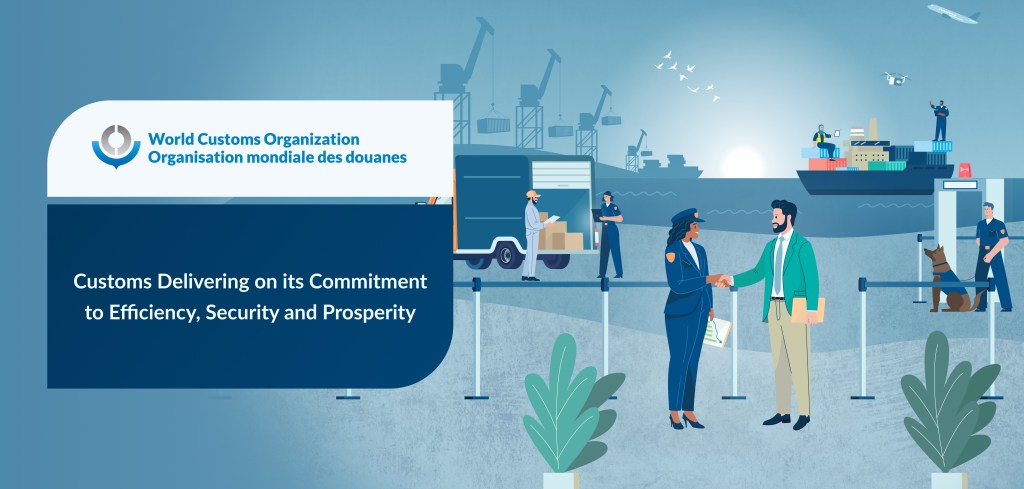
WCO ICD 2025 – Customs Delivering on its Commitment to Efficiency, Security and Prosperity

WCO Council Adopts Resolution on Strengthening Customs-Industry Resilience

On 30 June 2024, the World Customs Organization (WCO) Council approved a Resolution of the Customs Co-operation Council on Strengthening Customs-Industry Resilience. This new Resolution, developed under the leadership of Australia, responds to the growing need for collaboration between Customs administrations and industry partners to ensure global security and economic stability amidst rapid technological advancements, environmental challenges, and other emerging threats. Recognizing the critical role Customs played during the COVID-19 pandemic, the Resolution seeks to evolve the Customs-Industry relationship from a focus on trade facilitation to building resilience in the supply chain.

The Resolution emphasizes the importance of committing to resilience as a strategic priority, encouraging Customs administrations to review and develop robust business continuity plans that are prepared for disruptive global events. It also highlights the need for innovative partnerships, urging the reaffirmation of existing relationships while fostering new collaborations. A key component of the Resolution is the enhancement of digitalization and the adoption of paperless trade practices, advocating for the use of secure digital formats for risk assessment and clearance processes.

Building trust through increased data sharing and information exchange is another crucial element, with a specific focus on strengthening relationships with Authorized Economic Operators (AEOs) and enhancing the benefits of AEO programmes. Capacity-building activities are also encouraged to ensure Customs and Industry can respond agilely to disruptions. The Resolution calls on the WCO to support Members in implementing these measures, particularly through the enhancement of AEO programmes and cooperation with international industry stakeholders. Monitoring of the Resolution’s implementation will be overseen by the Permanent Technical Committee and the Enforcement Committee.

The Private Sector Consultative Group (PSCG) is invited to support the actions reflected in this Resolution by driving industry engagement through its global network. This Resolution marks a significant step towards creating a more resilient global trade environment by fostering stronger partnerships and leveraging digital technologies to build a secure and efficient supply chain capable of withstanding future disruptions.

Source: WCO website, 17 July 2024

WCO News – Measuring Performance

A new edition of the WCO magazine is available covering insights of performance management in several countries. Of particular mention for the Southern African Customs Union are two articles on recent timed release studies conducted in the region, in Namibia and between Eswatini and South Africa.

You can access the magazine here!

Source: WCO Website

A revamped Time Release Study e-learning course is now available on WCO CLiKC!

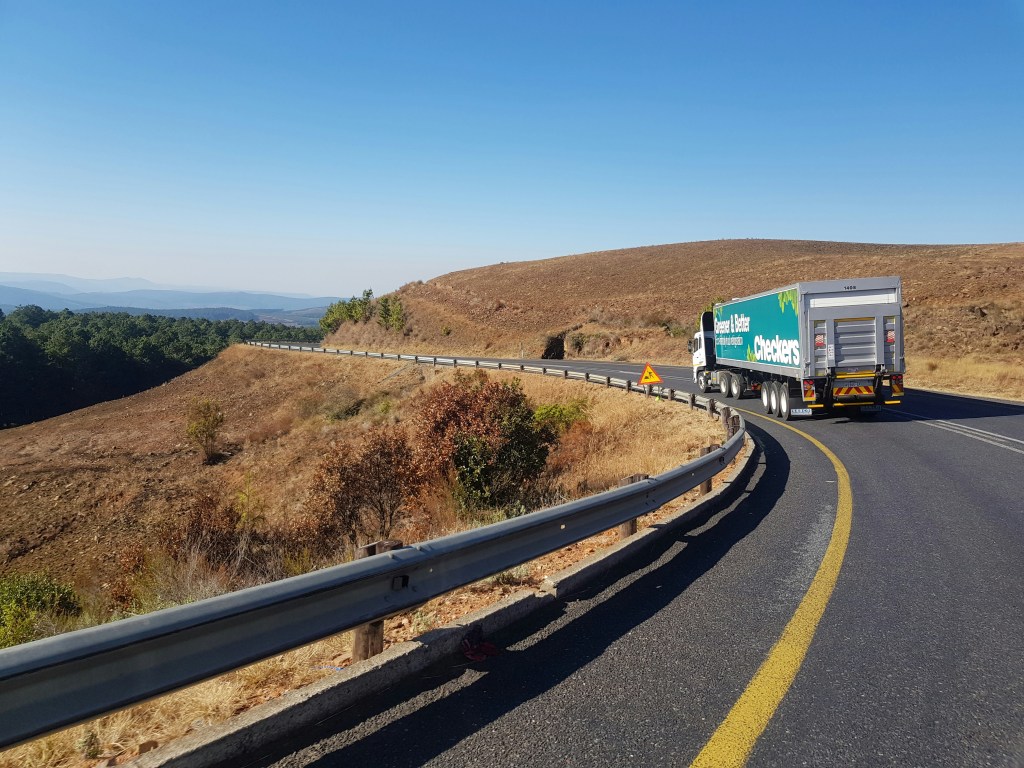
Photo by Tiry Nelson Gono

The World Customs Organization (WCO) is delighted to announce the release of an updated e-learning module on Time Release Study (TRS), now accessible on the CLiKC! platform.

The TRS is a strategic and internationally recognized tool designed to measure the average time taken to release or clear goods at borders. It tracks every step from the moment cargo arrives until its physical release.

This course provides practical guidance on conducting TRS, demonstrating how to execute each phase effectively. It starts with preparing for the study, then moves on to collecting, recording and analyzing data, and finally ends with the monitoring and evaluation phase.

In summary, these updates to the TRS module reflect the WCO’s commitment to bridging the gap between theory and practical application, empowering Customs professionals and stakeholders with the knowledge, skills, and tools necessary to conduct efficient, effective, and impactful TRS implementation tailored to diverse Customs environments. 

The module’s comprehensive approach includes integrating real-world scenarios, interactive exercises, and role-playing activities to deepen understanding and immediate application of TRS methodologies. It also emphasizes developing detailed work plans, addressing data collection methods, sampling techniques, process ownership, stakeholder engagement, and data quality assurance for informed decision-making and process improvements. Ultimately, these updates facilitate the efficient execution of TRS assessments and actionable strategies, enhancing trade facilitation outcomes worldwide.

The course is now available to all WCO Members on CLiKC!, the WCO’s e-learning platform. The WCO achieved this update with the support of the State Secretariat for Economic Affairs of Switzerland (SECO) through the SECO-WCO Global Trade Facilitation Programme (GTFP).

For further information, please contact capacity.building@wcoomd.org.

WCO supports harmonised implementation of SACU’s Authorised Economic Operator Mutual Recognition Arrangement

The World Customs Organization (WCO)’s Accelerate Trade Facilitation Programme, as funded by the United Kingdom’s His Majesty’s Revenue and Customs (HMRC), in partnership with the SACU Secretariat and the South African Revenue Service (SARS), delivered a Workshop to support SACU Members to increase a harmonized approach towards implementing the SACU AEO Mutual Recognition Arrangement (MRA). The Workshop followed a blended approach, with virtual sessions taking place from 2 to 12 April and a Workshop hosted by SARS in Johannesburg, South Africa, from 15 to 19 April. 

The SACU Secretariat’s Deputy Director of Trade Facilitation, Ms Maggie Ngoanamokgotho Tladi, underlined the SACU strategic priorities as approved by the SACU Council of Ministers, underscoring the region’s commitment to enhancing trade facilitation, investment promotion and regional integration through the AEO Programme. In this context, the Workshop focused on joint efforts to increase the uptake of the AEO Programme in the SACU member states as part of the SACU AEO MRA adopted in May 2023. This endeavour seeks to ensure a harmonized approach and clear benefits for traders with AEO status across respective SACU member countries while expanding the AEO Programme to economic operators beyond importers and exporters. 

WCO experts from the Association of Southeast Asian Nations (ASEAN), the East African Community (EAC) and the European Union (EU) shared their experiences in designing and implementing their respective regional AEO Programmes and MRAs, thus contributing to the SACU deliberations on further developing its operational instruments. The Head of the WCO’s Accelerate Trade Facilitation Programme highlighted the importance of leveraging the benefits of the Customs-to-Customs partnership to share expertise, experience, and best practices to ensure traders can fully benefit from the potential that the SACU MRA offers.

The Workshop cemented the AEO concept’s importance in boosting economies and regional integration through various tools and instruments.

In addition, the participants were given tools on performance management by the WCO to identify potential Key Performance Indicators. 

During the closing ceremony, Ms. Penny Bologo, Executive Accreditation SARS AEO Division, stated, “These insights will inform our strategies and shape our approach moving forward. I can confidently say that SACU has been empowered. This week, we have delved deeper into the AEO MRA and explored the practical tools for implementing our AEO Programme.”. 

The WCO is looking forward to continuing its strategic multi-year partnership with its partner countries in the region (i.e. South Africa, Namibia, Eswatini and Lesotho) under the framework of the WCO Accelerate Trade Facilitation Programme and appreciates the collaborative efforts, support and participation of the SARS and SACU Secretariat in this regional partnership. 

For more information on the WCO Accelerate Trade Facilitation Programme, please see here or contact capacity.building@wcoomd.org.

Source: WCO website, 16 May 2024

WCO News – Engaging Partners

This years first edition is packed with articles across the globe, featuring a variety of topics including the topic of Partnerships.

To access the Magazine, follow this link

Source: World Customs Organisation website, 26 February 2024

Message from the World Customs Organization International Customs Day 2024

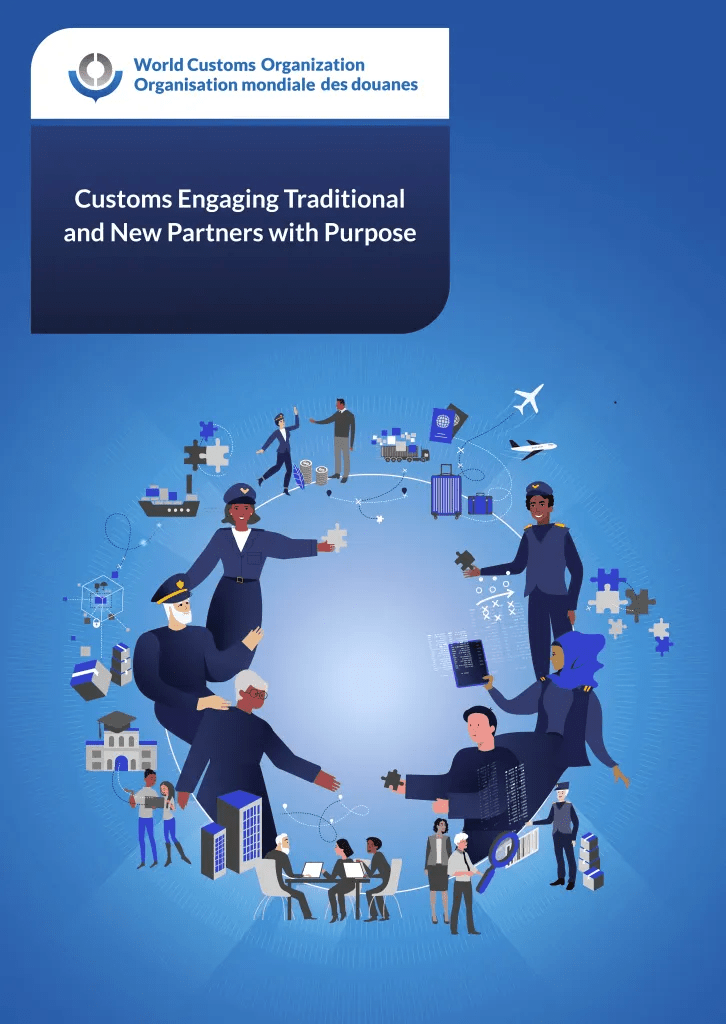
On 26 January each year, the Customs community comes together to celebrate International Customs Day. As we gather to commemorate this important occasion, I am filled with a profound sense of honour and anticipation in my first year as Secretary General. While this year’s celebration is especially significant for me, its wider importance in part comes from it marking the launch of our new theme: “Customs Engaging Traditional and New Partners with Purpose”. 

This year, we are embarking on a path that challenges us to both reaffirm our longstanding partnerships and to boldly forge new alliances. Our world has changed dramatically over the last decade and continues to do so, presenting us with unprecedented challenges, including rapid technological advances, environmental and health crises, and complex geopolitical and economic dynamics. These conditions require that the global Customs community take a forward-thinking approach to its work and seek solutions that are not just based on its own knowledge and resources, but are supplemented by the support of stakeholders.

The theme for 2024 is a strategic call to action, urging us to broaden our perspectives, think creatively, and embrace innovative approaches. This is essential for Customs administrations to maintain their role in facilitating global trade and ensuring security in a rapidly evolving environment.

In 2024, we focus on deepening and enriching our established relationships to ensure they continue to be strong, relevant, and mutually beneficial. At the same time, we aim to actively seek and establish new connections with a wider range of stakeholders, including financial institutions, environmental organizations, NGOs, and academic institutions.

These new partnerships will infuse our efforts with fresh perspectives and innovative solutions. Our collaboration this year is about aligning all our partnerships with the overarching mission and values of our Customs administrations. We aim to ensure they contribute meaningfully to our objectives of trade facilitation, border security, and the resilience of global supply chains.

Incorporating a broad spectrum of voices and perspectives into our strategies is also paramount. Doing so will ensure that our strategies are comprehensive and more resonant with the global community we serve.

We are also committed to continuously evaluating and refining our partnerships to maintain their effectiveness and relevance. Such a dynamic approach is vital in an ever-changing global landscape, and increases our ability to achieve meaningful results in line with our critical mission.

Lastly, as we think about the enablers of our engagement, we must look to the value of cutting-edge technologies and data analytics. These will enhance our understanding and engagement with partners, thereby increasing our responsiveness and effectiveness.

As we begin this year and take this day to reflect on our mission, our accomplishments, and our way forward, I hope that our efforts – as Customs and with partners – will advance us toward a safe, prosperous, and inclusive future. 

I am deeply appreciative of your support and dedication to making International Customs Day a noteworthy occasion, and for promoting and acting upon our 2024 theme throughout the year. 

I wish you a productive and engaging International Customs Day.

Ian Saunders

Secretary General

Source: WCO, 26 January 2024

WCO publishes updated version of the Coordinated Border Management (CBM) Compendium

The latest version of the Coordinated Border Management (CBM) Compendium contains a number of new features and aims to comprehensively support Customs administrations, Cross-Border Regulatory Agencies (CBRAs) and international organizations in strengthening implementation of CBM in various fields.  The concept of CBM has existed for many years and refers to a coordinated approach by border control agencies, both domestic and international, in the context of seeking greater efficiencies in managing trade and travel flows, while maintaining a balance with compliance requirements.  

The updated version of the Compendium briefly describes various WCO instruments and tools that are relevant to further supporting CBM implementation.  Among these are the Revised Kyoto Convention, Risk Management, Single Window, the WCO Data Model and the SAFE Framework of Standards.  It also recognizes that CBRAs are guided in their work by other  international standards, and that it is necessary for both Customs and CBRAs to acquire a working knowledge of each other’s standards in order to arrive at a common understanding that enhances CBM.

The Compendium also includes a new section on cooperation between the WCO and the UPU.  This section sets out potential opportunities for cooperation between Customs administrations and designated postal operators, including the exchange of advance electronic data aimed at improving risk management, trade facilitation and control of postal items, particularly in the context of growing e-commerce via post. 

Furthermore, the updated Compendium includes (in Annex I) examples of CBM-related practice and experience in the context of two countries, namely, Botswana and Finland.  There is scope for other examples to be added during the next review/update of the Compendium. 

The Customs-Police Cooperation Handbook, developed by the WCO and INTERPOL, has also been included in the Compendium (appended as Annex 2).  The Handbook presents a clear approach for Customs administrations to assess their current level of efficiency and effectiveness in cooperating with their respective Police authorities, and encourages Customs administrations to explore avenues to further strengthen cooperation. 

Against this backdrop, the WCO stands ready to support its Members with the implementation of the updated version of the CBM Compendium, with a view to improving cross-border trade and ensuring the security of international supply chains.

Download the new version of CBM Compendium here!

Source: WCO, 16 April 2023

Guidance to Customs and trade practitioners on how to deal with the complex, demanding and risky field of Customs knowledge

The following article featured in the 1st Issue of the WCO Newsletter 2023. It is authored by Anthony Buckley, Chair of Customs Knowledge Institute. The article argues that a formal plan for building and managing Customs knowledge is necessary for a Customs brokerage to operate effectively. The components of such a plan are discussed, as well as the determinants that may affect the choices made. The discussion refers also to general issues of Customs knowledge acquisition, management and updating. The considerations apply to all Customs practitioners and trading businesses.

The number of possible games of chess is greater than the number of atoms in the observable universe according to Claude Shannon. In Customs, there are many more variables than the 32 pieces on a chessboard. In any transaction, we have the interested parties, the type of transaction, the goods involved, the route being followed, the intended procedure, the non-tariff controls, the rates of duty and the liability for payment, each of them with many possible variations, combinations, and types of supporting evidence. On that basis, it seems that every single movement of goods across a Customs border is unique, at least in some minor way. How does a Customs broker meet the expectation of a client, who expects the broker to be familiar with every possible variation?

As if the challenge of complexity is not enough, the broker is also expected to maintain records of all transactions and retrieve them in various formats as required by customers and Customs administrations.

In practice, of course, we find ways of doing things that are theoretically impossible. Most Customs movements fall into certain categories and are handled accordingly, by operators familiar with one or a few of the categories. High value complex transactions are handled by teams with a mix of expertise, at considerable expense. Low value consignments use simplified procedures and reduced checking. Significantly, evidence[1] suggests that many transactions proceed despite errors, sometimes of significant effect. Thus, when considering “Customs knowledge”, we must distinguish between what is necessary for all, and what is essential only for certain functions.

All economic operators must have a general understanding of what Customs is, how it controls trade, what its legal structure is, what rights, entitlements and obligations attach to the operator and to the Customs authorities, the importance of compliance with legal requirements, and the costs of non-compliance. For many who buy and sell internationally, their knowledge does not proceed far beyond this general understanding, except perhaps for some detail concerning the particular goods they trade.

For a Customs broker, this level of knowledge is only the beginning.

Continue reading →

WCO News – March 2023

The theme for this edition is “Managing Knowledge“. Of course there is much more for Customs users and trade practitioners in this publication.

View the magazine at this link

Download a PDF copy at this link

Source: WCO

WCO RKC Committee kicks off discussion on the draft revisions to the RKC Guidelines

The 31st Revised Kyoto Convention Management Committee (RKC/MC) Meeting was held from 6 to 8 March at WCO Headquarters in a hybrid format. The Committee was attended by representatives from Contracting Parties, Member administrations, academia and partner organizations. 

The meeting was launched with opening remarks from Pranab Kumar Das, Director of the Compliance and Facilitation Directorate. The Director welcomed participants and briefed them on the agenda of the meeting.

The meeting began with the election of a Chairperson and a Vice Chairperson to preside over the meeting. Maria Vournou of Greece and Yves Patrick Tchami of Cameroon were re-elected as the Chairperson and Vice Chairperson respectively with overwhelming support from delegates.

During the meeting, the RKC/MC focused intensively on the draft updated Guidelines to the General Annex (GA) of the Convention. Delegates discussed the following concepts: data issues, electronic declarations, advance goods declaration, perishable goods, advance cargo information, Authorized Economic Operators, electronic payment of duties, Customs control, Post Clearance Audit and publication and availability of information. Review and revision of the Guidelines is critical for ensuring that they continue to guide Contracting Parties in the implementation of the RKC and in facilitating international trade and promoting compliance with Customs procedures. The RKC/MC will continue reviewing the Guidelines at its next meeting.

The RKC/MC also granted an extension request from Brazil Customs for the implementation of certain standards within Chapter 10, Appeals in Customs Matters of the General Annex. 

The meeting discussed the treatment of goods admitted for inward processing, as well as the exit/termination treatment of the compensating goods, at the request from Guatemala Customs. Delegates shared their national practices to help clarify questions raised by Guatemala.

In addition, the meeting reviewed and endorsed the draft RKC/MC Work Programme, which outlines key activities and initiatives that the Committee should fulfill until 2025. 

The next RKC/MC Meeting will take place in the second half of 2023. For further information, please contact us at RKCReview@wcoomd.org.

International Customs Day 2023

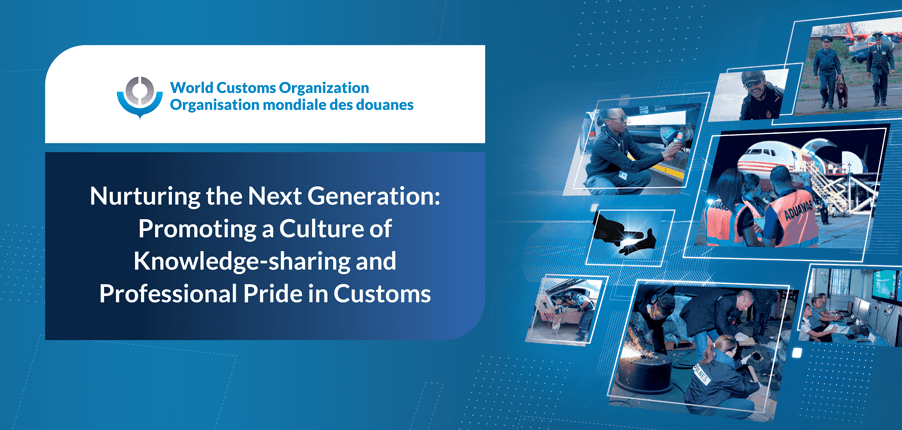
Each year, International Customs Day provides an opportunity for the WCO Secretariat to invite the Organization’s Members to focus on a theme it considers relevant to the Customs community and its partners. In 2023, under the slogan “Nurturing the Next Generation: Promoting a Culture of Knowledge-sharing and Professional Pride in Customs”, the Secretariat is inviting Members to look at how they support newly-recruited officers, facilitate the sharing of knowledge, and heighten the sense of pride in being part of this institution and of the global Customs community.

This is about placing human capital, and especially the new generation, at the heart of the transformation of Customs – an approach the WCO has been advocating for a number of years. Young Customs officers often have particular strengths, but they need to acquire specific, and often tacit, knowledge and know-how. This approach to learning must be rooted in the culture of the administration, holding true throughout the officers’ careers. It requires not only dynamic inter- generational relationships, but also an outward-looking attitude, characterized by exchanges with the actors engaged in the movement of goods and passengers, as well as with service providers and with academia.

However, it has to be recognized that certain Customs organizations do not have the processes and methodologies in place for managing knowledge and ensuring that it is transmitted. In 2023, Customs administrations are therefore being invited to focus on this issue and develop a knowledge management system which fosters the identification and provision of knowledge and know-how in all their forms: reports and other documentation, training courses, whether online or in-person, forums, mentoring programmes, work placements, exchanges between services, magazines and newsletters, among others.

Another interesting approach is to extend collaboration among Customs stakeholders and collect multi-disciplinary views. For this purpose, some administrations collaborate with academia and participate in think tanks. This will ensure that Customs knowledge is acquired through the rigorous analysis of data, and is supported by expert opinion, skills and expertise. Knowledge acquired in this way can be a valuable resource for decision-making.

Customs must avoid the loss of organisational memory, to ensure that mistakes are not repeated and experience is transmitted between departments and to the next generation.

By creating a stimulating work environment and offering learning opportunities to their officers, Customs administrations can not only attract and retain talent, but also enhance their officers’ sense of professional pride. It is often said that the new generation are searching for meaning; working in Customs is a noble mission, whose fulfilment is essential for the wellbeing of nations.

As the reputation of an organization depends largely on its employees, it is important that they take pride in their work, and that the way their work connects with the government’s vision is clearly explained. To achieve this, Customs administrations must increase their visibility, not only among their natural partners but also among those – such as decision-makers and the general public – who may be less familiar with the multi-faceted role of Customs, and less aware of the challenges faced by Customs and the constraints it has to manage.

I have every confidence that Customs administrations will get to grips with this year’s theme and I invite them to present information, during meetings of WCO working bodies which address this theme, during the events we organize throughout the year and in our various publications, about practices and measures they have introduced.

I wish you all a happy International Customs Day!

Kunio Mikuriya

WCO Secretary General 26 January 2023

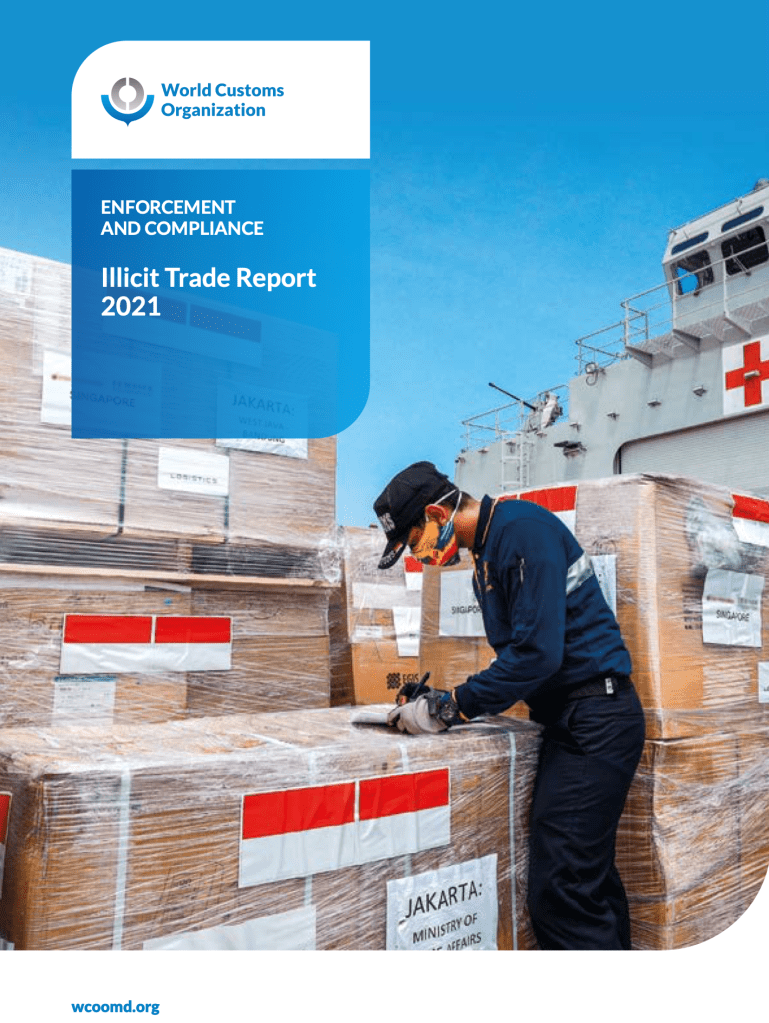
WCO – 2021 Illicit Trade Report

The World Customs Organization (WCO) issues its 2021 Illicit Trade Report (ITR), an annual publication which offers a comprehensive study of illicit trade flows through an in-depth analysis of seizure data and case studies voluntarily submitted by Member Customs administrations worldwide. The information captured in the ITR provides essential insight into the occurrences of illicit trade, thereby assisting Customs administrations in understanding trends and patterns and making enlightened decisions to secure cross-border trade. 

This year, the analysis provided in this Report is based on data collected from 138 Member administrations. Previously composed of six sections, the Report now covers seven key areas of risk in the context of Customs enforcement: Anti-money laundering and terrorist financing; Cultural heritage; Drugs; Environment; IPR, health and safety; Revenue; and Security.

Overall, this 2021 Report largely focuses on the impact the COVID-19 pandemic has had on the flows of illicit trade worldwide and how criminal organizations have adapted and shifted transport and shipment modes of smuggled goods. One common denominator to the different areas covered in this Report, is the increased use of online marketplaces and social media to accommodate both demand and supply during the health crisis. Consequently, seizures in mail consignments are seeing an important increase.

The analysis contained in this Report is mainly based on the collection of data from the WCO Customs Enforcement Network (CEN) — a database of worldwide Customs seizures and offences. The CEN is a vital resource, allowing all WCO Members to access a critical mass of information for analysis of illicit trafficking in the various areas of Customs’ competence. 

However, the CEN database relies heavily on voluntary submissions by Members hence the quantity and quality of the data submitted to the system has its limitations. To overcome these shortcomings and to complement the CEN dataset, the WCO has undertaken a review of the Illicit Trade Report and its methodology. This is an ongoing process and work is still underway until a final product can be delivered next year. 

However, as part of this new methodology, the data and information sources used to elaborate this Report has been enlarged to include various open sources. These sources include official government media outlets, reports published online by Customs administrations and international organizations, and a survey elaborated by the WCO in order to collect additional data from its Members and from its Regional Intelligence Liaison Offices (RILOs).

“The importance of comprehensive data analysis is indisputably a key component to support effective and efficient Customs enforcement activities”, says Dr. Kunio Mikuriya, WCO Secretary General. “The Illicit Trade Report is a pioneer in terms of data collection and analysis for over twenty years, and as a strong believer in the power of data and Customs digital transformation, I am pleased that we now have the in-house resources and technology to offer such in-depth analysis, further supported by open source information, and the most recent and intelligible data visualizations for this edition of the Report”.