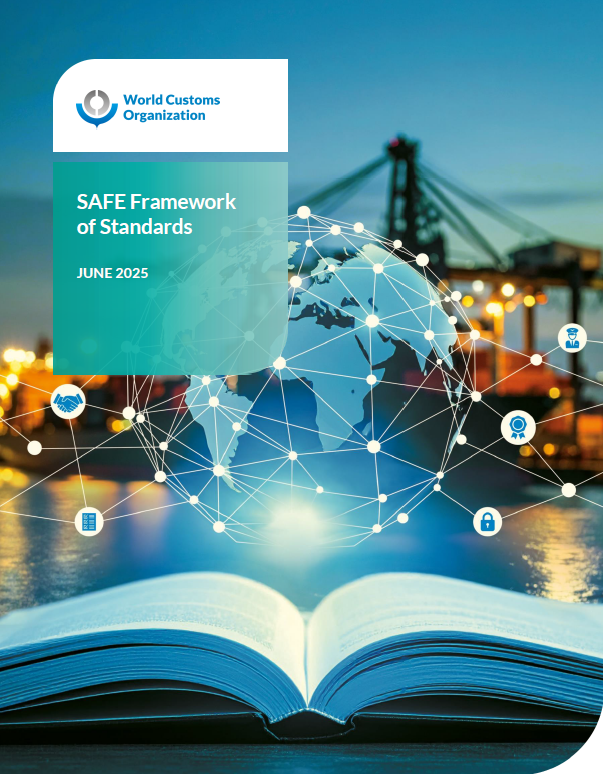
WCO publishes new SAFE 2025

The World Customs Organization (WCO) sets the standards to facilitate and secure international trade. As part of its ongoing commitment to the protection of society, the SAFE Framework of Standards to Secure and Facilitate Global Trade (SAFE FoS) has been updated to ensure that the pathway for a resilient global trading environment is secure and reflects current realities. With a focus on inter-agency cooperation, the WCO’s 186 Members can now implement the new SAFE FoS in areas that highlight collaboration between Customs and environmental authorities, as well as now recognizing the important role that Micro-, Small, and Medium-sized Enterprises (MSMEs) play by ensuring the Authorized Economic Operator (AEO) programme is accessible to them. 

WCO Secretary General, Ian Saunders, said: “As we look to the future, the SAFE FoS 2025 is a clear and visible demonstration of the WCO’s enduring commitment to a secure, transparent, and innovative trade environment.”

Advancing secure, efficient, and innovative international trade

The 2025 edition of the SAFE FoS reflects a modernized approach to the full spectrum of supply chain management and focuses on expanding inter-agency cooperation in new areas. Over the past four years, the WCO has worked diligently, in close collaboration with Customs administrations, Private Sector Consultative Group and various stakeholders, to review and identify the areas in this flagship international tool requiring an update to improve cooperation across WCO Members, AEOs and supply chain actors. 

The core elements of the SAFE FoS remain unchanged; this new edition expands and enhances the FoS. Building on best practices and lessons learned by the community serves to strengthen collective defenses and drive continual improvement in many aspects of global trade operations. 

Through joint efforts, under the leadership and co-facilitation of the New Zealand Customs Service and the Private Sector Consultative Group, four key areas have been added that reflect the realities of today’s supply chain and trade environment. 

The key updates in the FoS 2025 are:

  • New provisions to enhance collaboration with environmental authorities to increase the focus on global climate change and reflect the desire of Customs to support the global sustainability agenda. By recognizing the linkages between trade, environment, and security, this edition recognizes the importance of environmental authorities. Alignment of procedures and controls for applicable standards between Customs and environmental authorities will support sustainability of trade.
  • Recognition that MSME’s should be part of the AEO programme. The WCO and its members determined it was time to expand the reach of AEO programmes to Micro-sized enterprises along with Small and Medium-sized Enterprises (MSMEs). A focus on inclusivity for the eligibility of AEO programmes and the tailoring of standards to the MSMEs’ unique needs will serve to further expand opportunities for secure trade and increase sustainable economic growth of businesses of all sizes.
  • A requirement for AEOs to adopt a Code of Conduct (Ethics) will serve to enhance the integrity and accountability of the supply chain for AEOs and Customs. The addition of this requirement, with a focus on ethics, demonstrates that AEOs are committed to the security of their organization which will facilitate future recognition as trusted traders. By improving integrity in the premises of AEOs, the implementation of Codes of Conduct will contribute to the overall security of international trade.
  • Addressing insider threats and internal conspirators is a growing concern. The SAFE FoS 2025 expands upon the joint role that Customs and AEOs play in raising awareness and proactively implementing measures to combat this issue given the risk to the supply chain and security in the trade environment. Now both the AEOs and Customs are encouraged to make every effort to educate their personnel with regard to the risks posed by internal conspirators and insider threats to supply chain integrity.

With specific recognition to the participation and contributions of Customs representatives from Australia, the European Union, Guatemala, and the United Kingdom along with the International Chamber of Commerce, the FoS 2025 updates will fortify the collective defences and drive continual improvement in many aspects of global trade operations for Customs administrations, industry stakeholders and business communities around the world.

Implementation

The implementation of each of the three pillars of the SAFE FoS – Customs-to-Customs network arrangements, Customs-to-Business partnerships and Customs-to-other Government Agencies cooperation – is designed to be done as a whole to balance trade facilitation and supply chain security. By implementing the SAFE FoS 2025, all stakeholders can enhance and expand existing cooperation and build trust and transparency in their operations. 

Secretary General Ian Saunders calls upon Customs administrations, industry partners, and business of all sizes “to embrace these standards as a foundation for achieving a more secure and prosperous future with the support of international trade.”

Source: WCO
World Customs Organization Releases Data Model Version 4.2.0, Advancing the Digitalization of Customs Processes

The World Customs Organization (WCO) is proud to announce the release of the WCO Data Model Version 4.2.0, marking a significant step forward in the digitalization and harmonization of customs procedures worldwide. This latest version introduces two critical data sets: Customs Bonds and Certificates of Origin, providing WCO Members with tools to streamline operations, and enhance the efficiency of digital customs processes.

The WCO Data Model provides a comprehensive framework for standardizing data elements in cross-border trade. Version 4.2.0 builds on this foundation by incorporating standardized data sets that support key customs processes.

Key Highlights of Version 4.2.0:

  1. Customs Bonds Information Package: This new data set enables WCO Members that require surety-issued customs bonds to streamline and digitalize their bonds submission processes. By adopting this standard, Members can reduce administrative burdens, enhance compliance, and automate obligation management to protect revenue. Importantly, the standardized approach also reduces the time and costs required for implementation, enabling Members to achieve operational efficiency and faster deployment of digitalized customs bond processes.
  2. Certificate of Origin Information Package: Developed using the dataset created by the Technical Committee on Rules of Origin (TCRO), this package empowers Members to digitalize electronic Certificates of Origin (eCOs). This digitalization improves validation of product origin, helping to combat fraud and ensure fair trade practices.

The WCO Data Model Version 4.2.0 is now available to WCO Members and stakeholders. The WCO encourages its members to adopt and implement this latest version to fully realize the benefits of standardized and digitalized customs procedures.

Source: WCO 15 July 2025

Boosting Transshipment: Kenya Lifts Cargo Stripping Ban

Mombasa port projects an increase in transshipment cargo after Kenya lifted the seven-year ban of stripping of cargo in containers at the port before onward delivery by dhows and barges to Zanzibar and Pemba.

The Kenya Revenue Authority (KRA) announced reintroduction of stripping, which is destuffing containerised cargo, after putting in place measures to curb smuggling, where before cargo is diverted in the ocean and finds its way into the East African Community (EAC) market.

The move is expected to cut the cost of container charges, considering that the boxes will be returned to the shipping line on time, since they will not be leaving the port as before.

Millers Association’s representative at the Mombasa port Naseeb Mbarak said the reintroduction of stripping would reduce the cost of transporting cargo to Zanzibar and Pemba by returning containers on time. 

“Smaller traders will also benefit out of this as they can now import in groups,” he said. Mombasa-based clearing and forwarding agent Roy Mwanthi said the two destinations are the main transshipment destinations for Mombasa and the move will increase cargo numbers.

“Last year, Mombasa registered exceptional growth in transshipment traffic, which recorded 491,666 twenty-feet equivalent units (Teus), reflecting an extraordinary increase of 280,593 Teus and translating into 132.9 percent growth against 2023. With these numbers, stripping will surpass 500,000 units which will mean more Mombasa port revenues,” Mr Mwanthi said.

In 2018, the KRA in a public notice banned the stripping of containers destined for Zanzibar and Pemba. Before the ban, cargo destined for Zanzibar was being redirected to ports closer to the destination, such as Dar es Salaam, Tanga, or Zanzibar itself under a different manifest.

In November 2022, the Tanzania Revenue Authority (TRA) wrote to KRA requesting a review of the ban on stripping to facilitate their importers in Zanzibar and Pemba. 

“KRA reviewed the same and granted indulgence on the stripping of cargo to Zanzibar and Pemba under conditions. In this regard, the earlier public notice issued is hereby set aside in line with this communication,” said the notice by KRA.

Before the ban, the volumes of cooking oil and other food stuff destined for Pemba and Zanzibar surpassed the consumption capacity of the two islands as a result of cargo diversion and smuggling.

KRA also seized different products, including edible oil cleared at Old Port in the go-downs of Mombasa, emanating from cargo stripped at the port of Mombasa.

To avert cargo diversion and control stripping, the KRA has prohibited changing the status of goods through manifest amendments.

The taxman said goods from the port of Mombasa have to be entered under the Single Customs Territory Framework (SCT) in Zanzibar before they are allowed into the islands.

“The shipments are to be cleared under SCT arrangement on duty paid basis and verified by TRA (Tanzania Revenue Authority) officers stationed in Mombasa before stripping and shipment. KRA enforcement to supervise stripping and loading of the cargo in the port before shipment,” read the notice dated April 8, 2025, and signed by customs officer Nicholas Ngeera.

Mr Ngeera said KRA will continue to liaise with the Kenya Ports Authority (KPA) to ensure that standard operating procedures and best practices on transshipment are implemented to protect and facilitate legitimate business.

Investigations by KRA and TRA show risks and challenges regarding transshipment cargo stripped at the port of Mombasa with increased cases of smuggling adversely Zanzibar islands and Pemba reported.

KRA also flagged med prolonged risks posed by stripping of cargo at the Port of Mombasa.

Last month, while in Mombasa, Zanzibar’s Minister of State in the President’s Office (Labour, Economy, and Investments), Sharif Ali Sharif, said delays in cargo delivery from Mombasa have historically caused shortages and price hikes in Zanzibar thus need to streamline transshipment process.

“Our cargo from China and the Middle East is first offloaded in Mombasa but, due to a lack of reliable transshipment, it often takes weeks or even months to reach Zanzibar. This has contributed to price increase for essential goods,” he said.

He said that the government had introduced tax exemptions and reductions on essential goods to keep prices reasonable.

With stripping of cargo reintroduced, Zanzibar expects a smoother supply of goods and ensures food security and price stability.

Source: The East African, article by Anthony Kitimo

A revamped Time Release Study e-learning course is now available on WCO CLiKC!

Photo by Tiry Nelson Gono

The World Customs Organization (WCO) is delighted to announce the release of an updated e-learning module on Time Release Study (TRS), now accessible on the CLiKC! platform.

The TRS is a strategic and internationally recognized tool designed to measure the average time taken to release or clear goods at borders. It tracks every step from the moment cargo arrives until its physical release.

This course provides practical guidance on conducting TRS, demonstrating how to execute each phase effectively. It starts with preparing for the study, then moves on to collecting, recording and analyzing data, and finally ends with the monitoring and evaluation phase.

In summary, these updates to the TRS module reflect the WCO’s commitment to bridging the gap between theory and practical application, empowering Customs professionals and stakeholders with the knowledge, skills, and tools necessary to conduct efficient, effective, and impactful TRS implementation tailored to diverse Customs environments. 

The module’s comprehensive approach includes integrating real-world scenarios, interactive exercises, and role-playing activities to deepen understanding and immediate application of TRS methodologies. It also emphasizes developing detailed work plans, addressing data collection methods, sampling techniques, process ownership, stakeholder engagement, and data quality assurance for informed decision-making and process improvements. Ultimately, these updates facilitate the efficient execution of TRS assessments and actionable strategies, enhancing trade facilitation outcomes worldwide.

The course is now available to all WCO Members on CLiKC!, the WCO’s e-learning platform. The WCO achieved this update with the support of the State Secretariat for Economic Affairs of Switzerland (SECO) through the SECO-WCO Global Trade Facilitation Programme (GTFP).

For further information, please contact capacity.building@wcoomd.org.

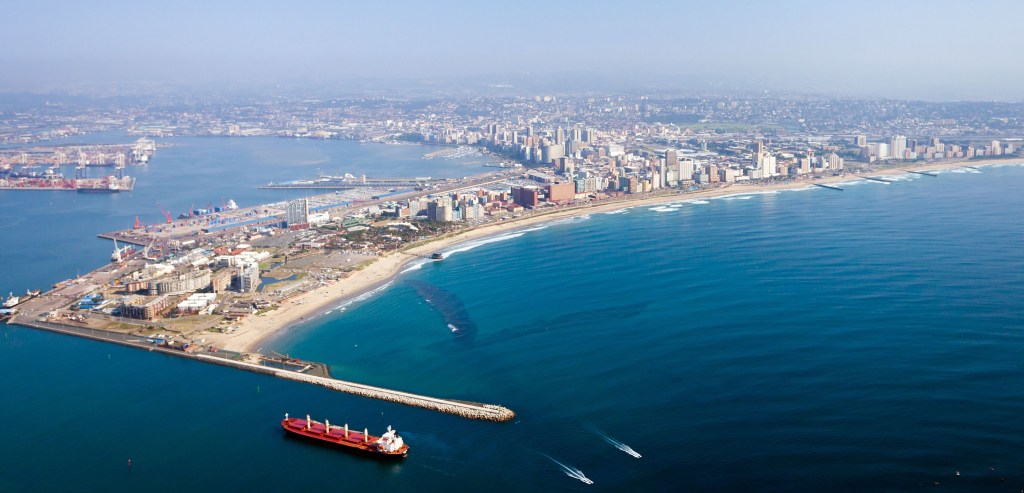
Port of Durban – to be partially privatised

View of Durban city and harbour, South Africa – Hongqi Zhang

Africa’s biggest harbour will be partly owned and operated by the Philippines’ International Container Terminal Services Inc., a first for South Africa’s national ports company.

The company, ICTSI, has been selected as an equity partner to run and expand Durban Container Terminal Pier 2.

Almost three-quarters of the freight volume moved through the eastern port goes through the terminal, accounting for 46% of South Africa’s total port traffic, according to state logistics company Transnet.

This agreement “is a key catalyst for repositioning the Port of Durban as a container hub port,” Transnet said in a statement on Monday.

South Africa is seeking to boost private participation in its ports, the poor performance of which is a drag on the economy. In a 2021 World Bank index of container port performance, Durban ranked 364th out of 370, and two other Transnet ports were in the bottom 10.

Transnet will own a 50% plus one share in a new company that will manage the terminal for 25 years and will seek to boost its annual capacity to 2.8 million twenty-foot equivalent units, or TEU’s, from 2 million, it said. 

Ultimately Transnet wants to boost Durban’s total container capacity to 11.4 million TEUs from 3.3 million.
ICTSI, which operates terminals across six continents, was one of six bidders for the contract, Transnet said. It didn’t specify whether ICTSI will pay for its stake or whether it will have to fund the expansion.

An announcement on the port of Ngqura will follow, Transnet said.

Source: Bloomberg/Daily Investor dated 17 July 2023

Guide to Digital Trade in Africa

Digital development requires an intersecting set of policy interventions, international cooperation and support from Governments across the continent, in order to create an environment in which the digital economy can thrive. The foundation of this is connectivity – devices, electricity and internet access. Without these fundamentals, engagement with the digital economy will still occur, but it will be piecemeal and uneven. For African economies, there is a genuine risk of being left behind and exacerbating the digital divide.

Download the Tralac Guide here!

Source: Tralac

TFA has increased trade by over US$ 230 billion

Picture by Tyler Casey

he WTO Trade Facilitation Agreement (TFA) led to a US$ 231 billion increase in trade, particularly in agriculture, according to estimates for the first couple of years of its implementation presented to the Committee on Trade Facilitation on 22 March. Developing members and least-developed country (LDC) members that have made commitments under the landmark agreement posted the most gains, the estimates find.

Based on estimates for the years 2017-2019, WTO economists attribute to the TFA an average 5% increase in global agricultural trade, 1.5% in manufacturing trade and 1.17% in total trade. These increases are largely driven by the trade growth in LDCs, where agricultural exports rose by 17%, manufacturing exports by 3.1%, and total exports by 2.4% under the TFA. The estimates further point to a 16-22% increase in agricultural trade between developing members that have made TFA commitments. These estimates are conservative, as large gains have already been realized, particularly in manufacturing, in anticipation of the Agreement’s entry into force and by developed members making full commitments since the start of the TFA’s entry into force, as noted in previous studies.

In 2015, the WTO forecast that complete implementation of the TFA could lead to an increase of up to 2.73% in global trade flows by 2030. The latest estimates note that as the benefits of the Agreement continue to be realized, the trade and welfare gains are likely to expand. Stronger increases for manufacturing trade may still be detected after more years of TFA implementation for developing members as well. The latest estimates are part of the Secretariat’s ongoing work tracking the impact of the TFA. 

The TFA, which entered into force on 22 February 2017, contains provisions for expediting the movement, release and clearance of goods, including goods in transit. It also sets out measures for effective cooperation between customs and other appropriate authorities on trade facilitation and customs compliance issues. It further contains provisions for technical assistance and capacity building in this area. 

The TFA is the first WTO agreement in which developing members and LDC members can determine their own implementation schedules and seek to acquire implementation capacity through the provision of related assistance and support. Developed members were required to implement all provisions of the TFA from its entry into force. As of 22 March 2023, notifications submitted by WTO members indicate that they have committed to implement 76.1% of TFA obligations.

The estimates were presented at the meeting of the Committee on Trade Facilitation upon WTO members’ request, in line with recommendations from the first review of the TFA in 2021. The next TFA review is scheduled for 2025. 

At the meeting, the Committee also considered notifications from members regarding TFA measures, presentations of national experiences and suggestions to enhance trade facilitation implementation, and specific concerns on customs procedures. The next committee meetings are scheduled for 15-16 June and 3-5 October.

Source: World Trade Organisation

Guidance to Customs and trade practitioners on how to deal with the complex, demanding and risky field of Customs knowledge

The following article featured in the 1st Issue of the WCO Newsletter 2023. It is authored by Anthony Buckley, Chair of Customs Knowledge Institute. The article argues that a formal plan for building and managing Customs knowledge is necessary for a Customs brokerage to operate effectively. The components of such a plan are discussed, as well as the determinants that may affect the choices made. The discussion refers also to general issues of Customs knowledge acquisition, management and updating. The considerations apply to all Customs practitioners and trading businesses.

The number of possible games of chess is greater than the number of atoms in the observable universe according to Claude Shannon. In Customs, there are many more variables than the 32 pieces on a chessboard. In any transaction, we have the interested parties, the type of transaction, the goods involved, the route being followed, the intended procedure, the non-tariff controls, the rates of duty and the liability for payment, each of them with many possible variations, combinations, and types of supporting evidence. On that basis, it seems that every single movement of goods across a Customs border is unique, at least in some minor way. How does a Customs broker meet the expectation of a client, who expects the broker to be familiar with every possible variation?

As if the challenge of complexity is not enough, the broker is also expected to maintain records of all transactions and retrieve them in various formats as required by customers and Customs administrations.

In practice, of course, we find ways of doing things that are theoretically impossible. Most Customs movements fall into certain categories and are handled accordingly, by operators familiar with one or a few of the categories. High value complex transactions are handled by teams with a mix of expertise, at considerable expense. Low value consignments use simplified procedures and reduced checking. Significantly, evidence[1] suggests that many transactions proceed despite errors, sometimes of significant effect. Thus, when considering “Customs knowledge”, we must distinguish between what is necessary for all, and what is essential only for certain functions.

All economic operators must have a general understanding of what Customs is, how it controls trade, what its legal structure is, what rights, entitlements and obligations attach to the operator and to the Customs authorities, the importance of compliance with legal requirements, and the costs of non-compliance. For many who buy and sell internationally, their knowledge does not proceed far beyond this general understanding, except perhaps for some detail concerning the particular goods they trade.

For a Customs broker, this level of knowledge is only the beginning.

Continue reading →

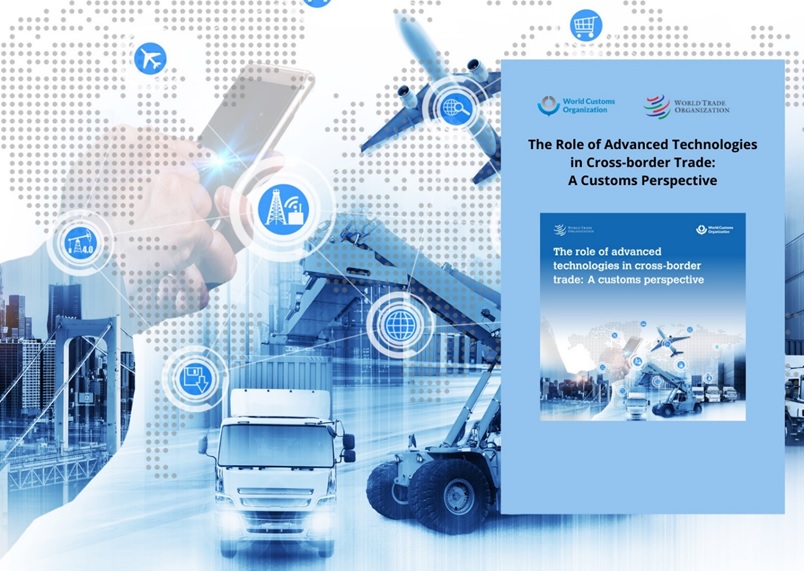
WCO/WTO – “The role of advanced technologies in cross-border trade: A customs perspective”

The WCO and the World Trade Organization (WTO) held a webinar to launch their joint publication on Customs use of advance technologies.  The event attracted more than 700 attendees and provided insights into how advanced technologies can help Customs administrations facilitate the flow of goods across borders. The publication titled, “The role of advanced technologies in cross-border trade: A customs perspective” provides the current state of play and sheds light on the opportunities and challenges Customs face when deploying these technologies.

The publication outlines the key findings of WCO’s 2021 Annual Consolidated Survey and its results on Customs’ use of advanced technologies such as blockchain, the internet of things, data analytics and artificial intelligence to facilitate trade and enhance safety, security and fair revenue collection. 

The joint publication highlights the benefits that can result from the adoption of these advanced technologies, such as enhanced transparency of procedures, sharing of information amongst all relevant stakeholders in real time, better risk management, and improved data quality, leading to greater efficiency in Customs processes and procedures.

In his remarks, WCO Deputy Secretary General Ricardo Treviño Chapa said, “Technologies will assist implementation of international trade facilitation rules and standards, such as the WCO Revised Kyoto Convention and the WTO Trade Facilitation Agreement. We are therefore delighted to be partnering with the WTO, to ensure that our work in assisting our Members’ digital transformation journeys is complementary, that we bring all relevant partners to the same table, and that we avoid duplication.”

In her opening remarks, WTO Deputy Director-General Anabel González noted, “Advanced technologies offer customs an opportunity to take a big leap forward on trade facilitation. Take blockchain. Its widespread application could help us make trade both more transparent and less paper intensive. That would reduce trade costs, which is good news for everyone, especially small businesses, which are disproportionately affected by red tape at the border.”

The webinar presented the main findings from the WCO/WTO paper and featured presentations by BrazilNigeriaSingapore and the Inter-American Development Bank. For a greater uptake of these technologies, the speakers underlined the importance of continuous sensitization of Customs and other stakeholders, the need for interoperability and implementation of international standards, the relevance of engaging in dialogues at international level, as well as having a strategy and space for innovation and testing at national level.

The full publication can be accessed here.

USA – White House Announces New Initiative to Improve Supply Chain Data Flow

Last year, the ports and the private sector moved a historic amount of goods with record holiday sales and delivery times below pre-pandemic levels. Currently, real retail inventories excluding autos are six percent higher than at the end of 2019 and products at grocery and drug stores are 90 percent in stock, just 1 percentage point below pre-pandemic levels.

The US government is also focused on addressing the longer-term weaknesses in our nation’s supply chains, the result of decades of underinvestment, outsourcing, and offshoring instead of investment in long-term security, sustainability, and resilience. The Bipartisan Infrastructure Law (BIL) is now making a generational investment in our ports, highways, and other parts of our physical infrastructure, which will help speed up the movement of goods and lower costs. But we can further strengthen our goods movement supply chains by making a similarly bold improvement in a digital infrastructure to connect the supply chain.

To take the first step toward addressing this challenge, the US government is announcing the launch of Freight Logistics Optimization Works (FLOW), an information sharing initiative to pilot key freight information exchange between parts of the goods movement supply chain. FLOW includes eighteen initial participants that represent diverse perspectives across the supply chain, including private businesses, warehousing, and logistics companies, ports, and more.  These key stakeholders will work together with the Administration to develop a proof-of-concept information exchange to ease supply chain congestion, speed up the movement of goods, and ultimately cut costs for American consumers. DOT will lead this effort, playing the role of an honest broker and convener to bring supply chain stakeholders together to problem solve and overcome coordination challenges. This initial phase aims to produce a proof-of-concept freight information exchange by the end of the summer.

Recent supply chain disruptions have raised national awareness of the need for improved information exchange. Supply chain stakeholders deserve reliable, predictable, and accurate information about goods movement and FLOW will test the idea that cooperation on foundational freight digital infrastructure is in the interest of both public and private parties. FLOW is designed to support businesses throughout the supply chain and improve accuracy of information from end-to-end for a more resilient supply chain.

Resiliency—the ability to recover from an unexpected shock—requires visibility, agility, and redundancy. The lack of digital infrastructure and transparency makes our supply chains brittle and unable to adapt when faced with a shock. The goods movement chain is almost entirely privately operated and spans shipping lines, ports, terminal operators, truckers, railroads, warehouses, and cargo owners such as retailers. These different actors have made great strides in digitizing their own internal operations, but they do not always exchange information with each other. This lack of information exchange can cause delays as cargo moves from one part of the supply chain to another, driving up costs and increasing goods movement fragility.

View the entire Fact Sheet here!

Source: White House, 15 March 2022

Abu Dhabi Customs joins TradeLens

Abu Dhabi Customs hosted a workshop recently with key Importers and Exporters discussing how TradeLens and digitized transportation documentation has the ability to streamline processes in customs declaration processes.

 “Abu Dhabi Customs is excited to work with a group of importers and exporters to explore the benefits that collaboration using blockchain can offer to all those involved. This joint approach is critical to create time savings in the process and to improve access to international trade to all entities that trade with Abu Dhabi. We really believe TradeLens will be bringing a lot of benefits to our ecosystem here in Abu Dhabi”. – Yanal Qasim Mohammad Alkhasoneh, Division Director – Information Technology, Information Technology Division  

“The collaboration across public and private entities towards a single shared goal was immensely encouraging. The gathering of industry leaders, authorities, and ocean carriers to jointly and openly address international transportation documentation highlights the desire to improve existing processes using innovative digital tools like TradeLens”. – Thomas Sproat, Global Head of Network TradeLens

Source: TradeLens, 9 February 2022

When will the AfCFTA be customs-ready?

Picture: Grayomm @ Unsplash.com

The negotiations to finalise the tariff schedules and rules of origin (RoO) of the African Continental Free Trade Area (AfCFTA) are taking place during the last two weeks of January 2022. Senior Trade Officials (STOs) and the AfCFTA Council of Ministers (COM) will then meet to confirm the results or to decide the outstanding issues. Once the State Parties have agreed on the content of these important Annexes to the AfCFTA Protocol on Trade in Goods, they must be adopted. This is the responsibility of the African Union (AU) Assembly.[1]

Trade in goods under AfCFTA preferences can then begin among the State Parties presently trading with each other under most-favoured-nation (MFN) rates. (Non-State Parties will first have to accede to the AfCFTA Agreement in terms of Article 23 of the AfCFTA Agreement.)

Those State Parties that are members of Regional Economic Community (REC) Free Trade Areas (FTAs), Customs Unions (CUs) and other trade arrangements will continue to trade under existing preferential arrangements.

Article 19(2) AfCFTA Agreement provides that

“… State Parties that are members of other regional economic communities, regional trading arrangements and custom unions, which have attained among themselves higher levels of regional integration than under this Agreement, shall maintain such higher levels among themselves”.

Article 8(2) of the Protocol on Trade in Goods adds the following:

“… State Parties that are members of other RECs, which have attained among themselves higher levels of elimination of customs duties and trade barriers than those provided for in this Protocol, shall maintain, and where possible improve upon, those higher levels of trade liberalisation among themselves”. 

However, there is also the practical requirement that the AfCFTA regime must be “customs ready”. It means that the tariff books of individual State Parties and of CUs such as the Southern African Customs Union (SACU), and presumably the East African Community (EAC) and the Economic Community of West African States (ECOWAS), need to be updated. AfCFTA columns will have to be added to these tariff books in order to ensure the new preferences will be enjoyed when customs officials and border control agencies clear goods under this new trade arrangement.

The updating of a tariff book normally happens through national legislative procedures such as the promulgation of a Government Gazette. Customs and other border officials can only act in terms of domestic legal instruments granting them the necessary powers. Trade agreements are not self-executing.[2]

The importation and exportation of goods entail detail procedures involving customs clearance. Customs clearance is the procedure of procuring permission, through its customs authority, to either take goods out of its territory (export) or have goods enter its territory (import). Failure to provide the correct paperwork will mean that goods cannot clear customs and enter the market of the country of destination.

The customs authority of a country is the administrative agency responsible for collecting tariffs and for controlling the flow of goods into and out of a country. Depending on local legislation and regulations, the import or export of some goods may be restricted or forbidden, and the customs agency enforces these rules. The customs authority is different from the immigration authority, which monitors persons who leave or enter the country, checking for appropriate documentation, apprehending people wanted by international arrest warrants, and impeding the entry of others deemed dangerous to the country. A customs duty is a tariff or tax on the importation or exportation of goods.

The approach taken by the World Customs Organisation (WCO) is to improve the security of borders, without unduly hindering legitimate international trade. The WCO initiative focusses on the entire international trade supply chain, rather than restricting customs’ interest to that aspect of the international trade transaction, when goods move across a border. The basic principle underpinning its work is to create an international mechanism for Customs Administrations to gain access to relevant information relating to international trade well in advance, for the purposes of risk management and risk assessment.[3]

The AfCFTA is a free trade agreement (FTA). This is an agreement between States that removes tariffs and other restrictions on goods which are traded between the State Parties, according to the applicable RoO. The main difference between a customs union and a free trade agreement is that even where zero (or reduced) tariffs are part of an FTA, extra bureaucracy is needed to take advantage of those tariffs. Exporting under an FTA means companies have to comply with a complex set of rules (known as preferential rules of origin) to prove that goods only come from countries who have signed up to the FTA and that such goods have been produced or manufactured in accordance with the applicable RoO. For a customs union, once the common external tariff has been paid for a product then it is in “free circulation”. Traders only have to prove the common external tariff has been paid on goods or parts they have used. This is easier to demonstrate than proving the origin of imported goods.

Source: Authored by Gerhard Erasmus, TRALAC, 24 Jan 2022


[1] Art 22 AfCFTA Agreement.

[2] Constitutional systems based on monism, may provide otherwise but will have other requirements to ensure that the executive branch of government respects the powers of the legislature.

[3] https://www.osce.org/files/f/documents/a/6/24649.pdf

WCO supports the launch of the Global NTFC Forum 2022

The World Customs Organization (WCO) has joined hands, once again, with partner Annex D+ organizations (GATF, ITC, OECD, UNECE, UNESCAP, WBG and WTO) in supporting the Global Forum 2022 for National Trade Facilitation Committees (NTFCs). The Forum is being held from 1 to 4 February 2022 in a virtual mode and led by the United Nations Conference on Trade and Development (UNCTAD). It has brought together more than 500 participants, around half of which are members of their NTFCs.

In the high-level opening session, the speakers agreed on the need to ensure well-functioning, holistic and dynamic NTFCs, with their critical role in facilitating trade especially during the COVID-19 pandemic, through collaborative arrangements amongst all relevant public and private sector stakeholders. Embracing digital tools, the e-commerce growth and the importance of MSMEs and women traders were also highlighted by the speakers.

In his video address, Dr. Kunio Mikuriya, the Secretary General of the WCO emphasized the importance of trade facilitation during the COVID-19 pandemic recovery phase. Through simplifying and standardizing border procedures and creating transparent and predictable conditions for trade, Customs administrations facilitate legitimate business that, in turn, increases economic growth and job opportunities.

Secretary General Mikuriya mentioned a survey carried out in 2021, where the WCO took stock of the situation in the area of NTFCs, including the challenges and opportunities observed during the COVID-19 pandemic. Many NTFCs have put their work on hold, due to the inability to meet in person. However, in some instances NTFCs played an important role in addressing facilitation priorities during the pandemic, and have benefited from the sense of urgency generated by the crisis.

Dr. Mikuriya emphasized the need to strengthen the partnership among all relevant government authorities for improving border agency cooperation, which is essential in emergency situations. He reiterated the need to foster the dialogue and collaboration with the business community and underscored the private sector contribution to digitization, to conducting the Time Release Studies and in advancing Authorized Economic Operator (AEO) programmes, while taking into consideration the specific challenges of MSMEs.

The importance of increased diversity and inclusion in trade facilitation reforms, including improving the conditions for women traders was also highlighted. The WCO supports this agenda through its Network for Gender Equality and Diversity, amongst others.

The WCO reiterated its commitment to the TFA agenda in developing and least developed country Members through the WCO Mercator Programme.

The NTFC Forum was made possible with the support of the United Kingdom’s Her Majesty Customs & Revenue (HMRC) through the HMRC-WCO-UNCTAD Trade Facilitation Capacity Building Programme, which brings together the WCO and UNCTAD in a partnership for TFA implementation.

The whole address of the Secretary General can be found here.

Pakistan Customs Joins TradeLens

By joining the blockchain-underpinned platform TradeLens, Pakistan Single Window is supporting Customs in modernizing its import-export documentation through a safe & secure, paperless, digital solution to strengthen its controls against trade-based money laundering.

On 20 December 2021, On behalf of Pakistan Customs, the Pakistan Single Window Company today signed an agreement with TradeLens, a blockchain-underpinned logistics platform supported by 5 of the 6 largest ocean carriers globally, to digitize import-export documentation of the containerized cargo moving in and out of the country. Pakistan’s international trade ecosystem is being rapidly transformed through the introduction of technology driven initiatives led by the Pakistan Single Window and the country’s authorities recognize the potential benefits of digitizing supply chains for efficiencies, enhanced transparency, and data-driven decision making.

Advisor to the Prime Minister on Finance and Revenue Mr. Shaukat Tarin added, “Joining the TradeLens platform is allowing us to enhance our ecosystem in a way that all the involved stakeholders get access to a transparent and secure platform that makes processes more efficient.”

Cross-border containerized supply chains are some of the largest and most complex business ecosystems in the world today. It is not uncommon for 30 independent parties, 100 people and up to 200 exchanges of information to be connected to a single shipment. With increased complexity comes increased cost. Shippers or beneficial cargo owners (BCOs) need consistent, auditable and immutable data from multiple sources to effectively manage their supply chains.

The authorization to sign the collaboration came from the PSW Governing Council chaired by Mr. Shaukat Tarin. The Chief Executive Officer of PSW Aftab Haider formally signed the agreement with Irtaza Hussain, the Regional Head of Network for TradeLens at IBM.

PSW integration with TradeLens will help Pakistan Customs and other trade regulators to improve their operational efficiency and create value through the blockchain platform. The immutability of Blockchain-underpinned document information is important in the identification of illegal activities, as well as, improving the smooth operation of legal trade.

Marvin Erdly, Head of TradeLens at IBM. commented “The growth of the TradeLens’ network is evidence that participants from all across the supply chain ecosystem can derive significant value through digital collaboration.  Pakistan now joins an increasing number of connected Customs Authorities on the TradeLens platform exploring innovative solutions to enhance global trade access and enhance process efficiencies for all involved”.  

TradeLens is a neutral platform brings together data from the entire global supply chain ecosystem including shippers and cargo owners, 3PLs and freight forwarders, intermodal operators, customs and government authorities, ports and terminals, and several ocean carriers. This data allows TradeLens and its network partners to modernize manual and paper-based documents by replacing them with blockchain-enabled digital solutions. It also allows the network partners to provide their customers with deeper visibility into the entire journey for their cargo from origin to destination and reduce uncertainty allowing for better planning and reduced inventory costs. TradeLens welcomed it’s first network member in Pakistan, Al-Hamd International Container Terminal, earlier this year.  

Source: TradeLens, 28 December 2021

Former SpaceX Engineers making Electric & Autonomous Railway Vehicles

Former SpaceX engineers banded together to create a new startup looking to make electric and autonomous railway vehicles to revolutionize rail-based freight transport. They have a big task ahead of them.

The railway business is a tough one to break into. It’s a static oligopoly dominated by a few giants sitting on their railroad rights and making minimal investments to maximize profits.

Over the years, railroads were privatized in North America, and the businesses have no issues closing smaller railroads. They often close smaller railroads when they can’t find a way to make money off of them and focus on the most profitable routes with longer trains – often as long as 3 miles.

Despite those issues, freight trains have remained a good solution since they are about four times as efficient as trucks. But, with trucks expected to become electric and autonomous in the coming years, they are going to close the efficiency gap with trains.

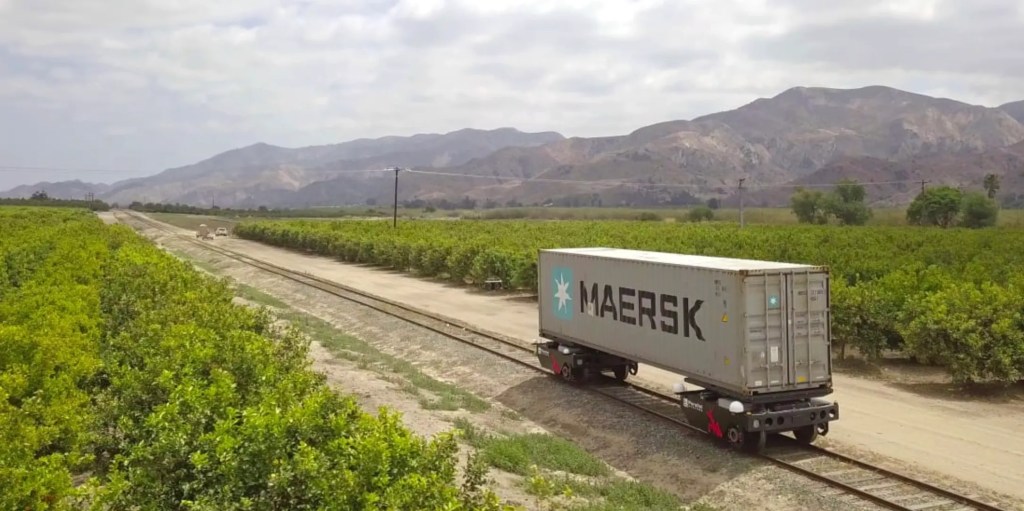
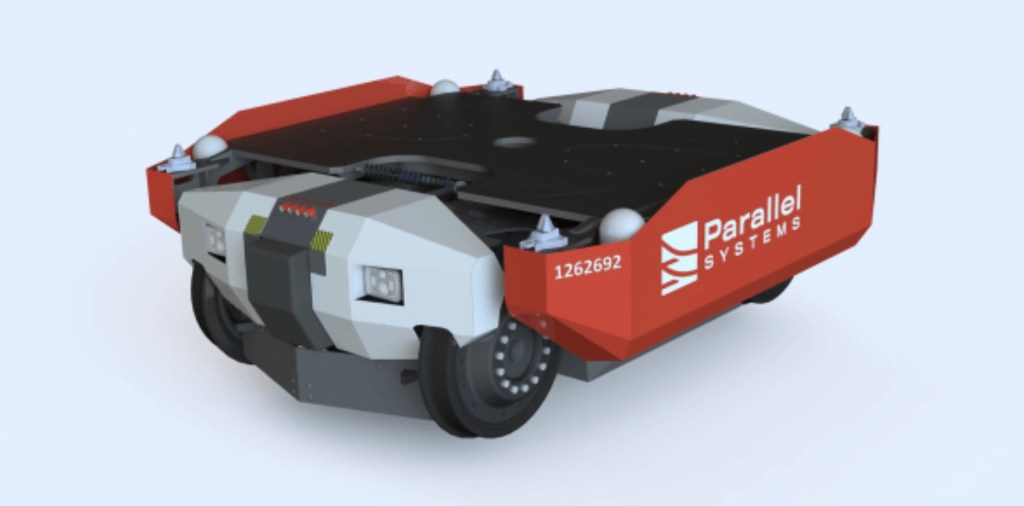
Now Matt Soule, a former long-time SpaceX engineer, has partnered with former colleagues at Elon Musk’s space company to launch a new startup, Parallel Systems, developing new electric and autonomous vehicles.

The company just raised $50 million in a Series A funding round and came out of stealth mode with an article in Fortune. The idea is to create small autonomous electric-powered rail vehicles that can enable a different way to use railroads.

You can drop the cargo on individual Parallel Systems vehicles and have them move without waiting for the whole train to be unloaded.

As for the vehicle itself, Parallel Systems vehicles can carry 128,000 pounds, which is more than twice the capacity of a semi-truck. The vehicles have a range of 500 miles on tracks and can charge in about an hour.

Visit Elecktrek’s webpage for the full article and related media.