WCO publishes new SAFE 2025

The World Customs Organization (WCO) sets the standards to facilitate and secure international trade. As part of its ongoing commitment to the protection of society, the SAFE Framework of Standards to Secure and Facilitate Global Trade (SAFE FoS) has been updated to ensure that the pathway for a resilient global trading environment is secure and reflects current realities. With a focus on inter-agency cooperation, the WCO’s 186 Members can now implement the new SAFE FoS in areas that highlight collaboration between Customs and environmental authorities, as well as now recognizing the important role that Micro-, Small, and Medium-sized Enterprises (MSMEs) play by ensuring the Authorized Economic Operator (AEO) programme is accessible to them. 

WCO Secretary General, Ian Saunders, said: “As we look to the future, the SAFE FoS 2025 is a clear and visible demonstration of the WCO’s enduring commitment to a secure, transparent, and innovative trade environment.”

Advancing secure, efficient, and innovative international trade

The 2025 edition of the SAFE FoS reflects a modernized approach to the full spectrum of supply chain management and focuses on expanding inter-agency cooperation in new areas. Over the past four years, the WCO has worked diligently, in close collaboration with Customs administrations, Private Sector Consultative Group and various stakeholders, to review and identify the areas in this flagship international tool requiring an update to improve cooperation across WCO Members, AEOs and supply chain actors. 

The core elements of the SAFE FoS remain unchanged; this new edition expands and enhances the FoS. Building on best practices and lessons learned by the community serves to strengthen collective defenses and drive continual improvement in many aspects of global trade operations. 

Through joint efforts, under the leadership and co-facilitation of the New Zealand Customs Service and the Private Sector Consultative Group, four key areas have been added that reflect the realities of today’s supply chain and trade environment. 

The key updates in the FoS 2025 are:

  • New provisions to enhance collaboration with environmental authorities to increase the focus on global climate change and reflect the desire of Customs to support the global sustainability agenda. By recognizing the linkages between trade, environment, and security, this edition recognizes the importance of environmental authorities. Alignment of procedures and controls for applicable standards between Customs and environmental authorities will support sustainability of trade.
  • Recognition that MSME’s should be part of the AEO programme. The WCO and its members determined it was time to expand the reach of AEO programmes to Micro-sized enterprises along with Small and Medium-sized Enterprises (MSMEs). A focus on inclusivity for the eligibility of AEO programmes and the tailoring of standards to the MSMEs’ unique needs will serve to further expand opportunities for secure trade and increase sustainable economic growth of businesses of all sizes.
  • A requirement for AEOs to adopt a Code of Conduct (Ethics) will serve to enhance the integrity and accountability of the supply chain for AEOs and Customs. The addition of this requirement, with a focus on ethics, demonstrates that AEOs are committed to the security of their organization which will facilitate future recognition as trusted traders. By improving integrity in the premises of AEOs, the implementation of Codes of Conduct will contribute to the overall security of international trade.
  • Addressing insider threats and internal conspirators is a growing concern. The SAFE FoS 2025 expands upon the joint role that Customs and AEOs play in raising awareness and proactively implementing measures to combat this issue given the risk to the supply chain and security in the trade environment. Now both the AEOs and Customs are encouraged to make every effort to educate their personnel with regard to the risks posed by internal conspirators and insider threats to supply chain integrity.

With specific recognition to the participation and contributions of Customs representatives from Australia, the European Union, Guatemala, and the United Kingdom along with the International Chamber of Commerce, the FoS 2025 updates will fortify the collective defences and drive continual improvement in many aspects of global trade operations for Customs administrations, industry stakeholders and business communities around the world.

Implementation

The implementation of each of the three pillars of the SAFE FoS – Customs-to-Customs network arrangements, Customs-to-Business partnerships and Customs-to-other Government Agencies cooperation – is designed to be done as a whole to balance trade facilitation and supply chain security. By implementing the SAFE FoS 2025, all stakeholders can enhance and expand existing cooperation and build trust and transparency in their operations. 

Secretary General Ian Saunders calls upon Customs administrations, industry partners, and business of all sizes “to embrace these standards as a foundation for achieving a more secure and prosperous future with the support of international trade.”

Source: WCO
USCBP Revokes ‘De Minimis’ Rules

In what may be viewed as a step forward in the war against the illicit trade in counterfeit goods, US Customs and Border Protection (CBP) has revoked the ‘de minimis’ exemption for low-value shipments of FDA-regulated goods.

The CBP’s notice means that, effective immediately, all FDA-regulated products like food, animal feed, cosmetics, medical devices and equipment, and medicines can no longer be released by CBP without FDA review, with all earlier exemptions now rescinded.

The agency notes that since the exemptions were granted, the “technological capabilities of both the trade and the FDA have advanced significantly” and that means the agency now has the capacity to “review all electronically transmitted FDA-regulated products offered for import, regardless of shipment quantity and value, to facilitate legitimate trade and prevent the importation of violative products…that may pose risks to health, safety, and security.”

The move comes against the backdrop of a plan to remove the de minimis exception for all products by the Trump administration. The mechanism, which allows goods valued at $800 or less to enter the US duty-free, is thought to have played a role in the emergence of small shipments as a major carrier for counterfeit goods entering the US.

For many years, small-package shipments have qualified for streamlined customs procedures that have made it difficult for border security to detect and stop packages containing counterfeit goods, as well as other illicit products such as fentanyl and other illicit drugs, pill press parts, and products that are made with forced or child labour.

Lawmakers have argued that the sheer volume of packages is overwhelming the capacity of CBP to protect US citizens from illegal goods, given that, on average, CBP processes over 4 million de minimis shipments into the US each day.

That is now all set to change, however, as the Trump administration did away with de minimis exemptions for goods arriving from China and Hong Kong – two notorious sources of counterfeit goods – on May 2. More than three-quarters (76 per cent) of de minimis shipments entering the US originated from China before the ban.

Moreover, the passage earlier this month of Trump’s wide-ranging One Big Beautiful Bill Act (OBBBA) means that the de minimis exemptions will be stripped from imports from all other countries on July 1, 2027.

CBP Acting Commissioner Pete Flores recently estimated that in fiscal 2024, de minimis shipments accounted for 97 per cent of intellectual property rights seizures, equating to 31m counterfeit items. He added that such shipments also accounted for 77 per cent of health and safety seizures, equivalent to more than 20m dangerous or illicit items.

Source: Securingindusdtry.com, article dated 16 July 2025

Madagascar’s AI Revolution in Customs: IMF Support Enabling Change

Madagascar’s customs authority is currently receiving technical support from the International Monetary Fund (IMF) to accelerate its digital transformation. Two specialists, Victor Budeau and François Chastel, began their mission in Antananarivo on Thursday, April 24th. Their assignment, scheduled to conclude on Wednesday, May 7th, includes intensive training focused on incorporating artificial intelligence (AI) into customs procedures.

The objective is to improve the efficiency, accuracy, and transparency of operations. During a working session, the Director General of Customs, Ernest Zafivanona Lainkana (pictured, center), underscored the significance of centralizing data within a unified database to fully harness the potential of AI. He also affirmed that this technology must now become a fundamental component of customs tools.

This initiative is not merely an experiment but rather part of an ongoing strategy. The customs administration is already using several AI-driven solutions: automatic image analysis (RESNET), Smart Scanning, and the Enhanced Risk Assessment (ERA) system. These tools have contributed to a 68% increase in customs revenues in January 2025 compared to January 2024.

Given these positive outcomes, the IMF has designated Madagascar as a pilot project in Africa for the integration of AI into customs services. This strategic recognition could lay the foundation for a continent-wide strategy. By 2029, Madagascar’s customs authority aims to extend these technologies to additional control sectors, strengthen its digital infrastructure, and share its expertise at the regional level.

Source: WeAreTech.Africa

Boosting Transshipment: Kenya Lifts Cargo Stripping Ban

Mombasa port projects an increase in transshipment cargo after Kenya lifted the seven-year ban of stripping of cargo in containers at the port before onward delivery by dhows and barges to Zanzibar and Pemba.

The Kenya Revenue Authority (KRA) announced reintroduction of stripping, which is destuffing containerised cargo, after putting in place measures to curb smuggling, where before cargo is diverted in the ocean and finds its way into the East African Community (EAC) market.

The move is expected to cut the cost of container charges, considering that the boxes will be returned to the shipping line on time, since they will not be leaving the port as before.

Millers Association’s representative at the Mombasa port Naseeb Mbarak said the reintroduction of stripping would reduce the cost of transporting cargo to Zanzibar and Pemba by returning containers on time. 

“Smaller traders will also benefit out of this as they can now import in groups,” he said. Mombasa-based clearing and forwarding agent Roy Mwanthi said the two destinations are the main transshipment destinations for Mombasa and the move will increase cargo numbers.

“Last year, Mombasa registered exceptional growth in transshipment traffic, which recorded 491,666 twenty-feet equivalent units (Teus), reflecting an extraordinary increase of 280,593 Teus and translating into 132.9 percent growth against 2023. With these numbers, stripping will surpass 500,000 units which will mean more Mombasa port revenues,” Mr Mwanthi said.

In 2018, the KRA in a public notice banned the stripping of containers destined for Zanzibar and Pemba. Before the ban, cargo destined for Zanzibar was being redirected to ports closer to the destination, such as Dar es Salaam, Tanga, or Zanzibar itself under a different manifest.

In November 2022, the Tanzania Revenue Authority (TRA) wrote to KRA requesting a review of the ban on stripping to facilitate their importers in Zanzibar and Pemba. 

“KRA reviewed the same and granted indulgence on the stripping of cargo to Zanzibar and Pemba under conditions. In this regard, the earlier public notice issued is hereby set aside in line with this communication,” said the notice by KRA.

Before the ban, the volumes of cooking oil and other food stuff destined for Pemba and Zanzibar surpassed the consumption capacity of the two islands as a result of cargo diversion and smuggling.

KRA also seized different products, including edible oil cleared at Old Port in the go-downs of Mombasa, emanating from cargo stripped at the port of Mombasa.

To avert cargo diversion and control stripping, the KRA has prohibited changing the status of goods through manifest amendments.

The taxman said goods from the port of Mombasa have to be entered under the Single Customs Territory Framework (SCT) in Zanzibar before they are allowed into the islands.

“The shipments are to be cleared under SCT arrangement on duty paid basis and verified by TRA (Tanzania Revenue Authority) officers stationed in Mombasa before stripping and shipment. KRA enforcement to supervise stripping and loading of the cargo in the port before shipment,” read the notice dated April 8, 2025, and signed by customs officer Nicholas Ngeera.

Mr Ngeera said KRA will continue to liaise with the Kenya Ports Authority (KPA) to ensure that standard operating procedures and best practices on transshipment are implemented to protect and facilitate legitimate business.

Investigations by KRA and TRA show risks and challenges regarding transshipment cargo stripped at the port of Mombasa with increased cases of smuggling adversely Zanzibar islands and Pemba reported.

KRA also flagged med prolonged risks posed by stripping of cargo at the Port of Mombasa.

Last month, while in Mombasa, Zanzibar’s Minister of State in the President’s Office (Labour, Economy, and Investments), Sharif Ali Sharif, said delays in cargo delivery from Mombasa have historically caused shortages and price hikes in Zanzibar thus need to streamline transshipment process.

“Our cargo from China and the Middle East is first offloaded in Mombasa but, due to a lack of reliable transshipment, it often takes weeks or even months to reach Zanzibar. This has contributed to price increase for essential goods,” he said.

He said that the government had introduced tax exemptions and reductions on essential goods to keep prices reasonable.

With stripping of cargo reintroduced, Zanzibar expects a smoother supply of goods and ensures food security and price stability.

Source: The East African, article by Anthony Kitimo

Former SARS Customs Official Turns Author – The Customs Man

The following review was authored by Wendy Jason DaCosta of the Independent on Saturday, 1 February 2025, titled” Durban author demystifies what happens in customs“.

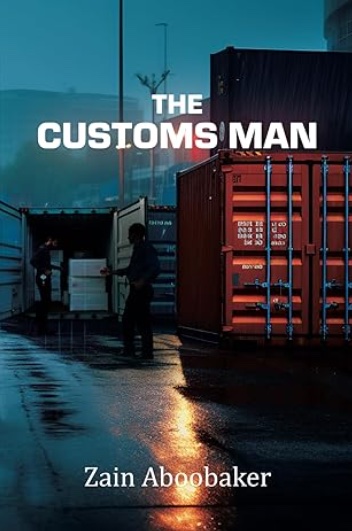
LOVE or the law. That’s the choice a customs official has to make in The Customs Man, a gritty debut novel by Durban author Zain Aboobaker.

In the book he exposes the dark underbelly of customs’ enforcement and organised crime in South Africa, revealing layers of intrigue which are usually hidden from the public eye.

The book starts in Durban harbour but then takes readers across the country as the story picks up pace, shining a light on issues usually whispered about in dark corridors.

It tells the story of a customs official, the choices he faces every day, and his inner conflicts like whether he should protect those he loves or stick to his morals and let the law take its course.

Lovers of crime and suspense are in for a treat as corruption, betrayal, smuggling and even South Africa’s ailing clothing industry are featured in the book.

It’s clear that Aboobaker is familiar with the goings on in customs after spending nearly two decades on the inside before starting up his own consultancy.

“So it’s about 17 years on the inside and then 17 years on the outside. It’s nice to have had both views. You know, when you work inside customs, you see one side of things and you look at the law in a certain way. When you step outside it’s like looking at it from the other end of the telescope,” he revealed earlier this week.

Aboobaker told the Independent on Saturday that his career gave him the opportunity to observe people and human nature which served him well when he took up writing.

“When people are normally in a bind, when the goods are seized or they’ve been detained, they start to really get stressed and anxious, and they’re pleading and they’ll move heaven and earth.

“As soon as they have relief, you see a different human being come out of them. They forget the pain that they were in and some of them begin to get arrogant again.”

As a child he loved reading and just over 10 years ago, he looked back on his life and remembered all the colourful characters he had met along the way.

“So, it was actually just taking the characters that I met and sort of fictionalising them, and then it just got a life of its own and it morphed,” he said. He wrote the first chapter in 2013 and then left it there until his wife, Katherine, and best friend Quintas van der Merwe convinced him to continue in 2022.

“My wife says to everybody, ‘oh, Zane’s writing a book’ and so the pressure starts,” he said.

Aboobaker met Van der Merwe when he was working in Customs as head of its national Anti-Smuggling Division.

In the foreword of the book, Van der Merwe, who is a lawyer, wrote: “The author and I met working on opposite ends – he tried to catch non-compliant taxpayers, and I tried to get them off.”

Despite the rocky start, they have been firm friends for many years.

The book is filled with familiar places and relatable characters. It tells the story of Charlotte the doctor who suffers from white guilt and wants to help the community. She passes on diamonds to Georgie, the son of a fisherman who is forced to smuggle abalone after overfishing destroys his family’s livelihood. Georgie’s role is to get the diamonds out of the country.

There’s a Zimbabwean electrical engineer who smuggles cigarettes across the border and whose sister was killed during xenophobic attacks in South Africa.

“It’s a light read but there are heavy themes in it that I hope will spark debate,” said Aboobaker.

The Customs Man is available in paperback and retails for R290 on Amazon and Ike’s Bookshop in Morningside.

WCO ICD 2025 – Customs Delivering on its Commitment to Efficiency, Security and Prosperity

Customs facilitates first shipment from Nigeria to Kenya under AfCFTA

The Nigeria Customs Service (NCS) has facilitated Nigeria’s first shipment to Kenya under the African Continental Free Trade Area Agreement (AfCFTA), with Lucky Fibres, a subsidiary of the Tolaram Group, making its first shipment.

During a visit to the Apapa Area Command on Wednesday, last week to ensure proper documentation and verification of the shipment, Olusegun Olutayo, Senior Trade Expert and Lead of Trade Enablement at the Nigeria AfCFTA Coordination Office, noted that the shipment from Nigeria to Kenya, specifically to the port of Mombasa, demonstrates the collaborative spirit of AfCFTA.

“It is not that we are doing it alone; I have already sent a message to the Secretariat in Ghana that there will be a shipment under AfCFTA to Kenya. I have also communicated with the AfCFTA implementation committee in Kenya. So this is the spirit we are building to ensure that we increase intra-African trade,” Olutayo noted.

He emphasised the critical role of the service as the Designated Competent Authority (DCA) under AfCFTA, leveraging its expertise to ensure seamless trade.

“The Nigeria Customs Service has been fantastic; they are ready to facilitate trade. Once they hear that there is an issue, particularly around AfCFTA, you will see everybody ready to support and facilitate it, which is the essence of true trade facilitation.”

Source: Vanguard Nigeria, online, 5 November 2024

WCO Council Adopts Resolution on Strengthening Customs-Industry Resilience

On 30 June 2024, the World Customs Organization (WCO) Council approved a Resolution of the Customs Co-operation Council on Strengthening Customs-Industry Resilience. This new Resolution, developed under the leadership of Australia, responds to the growing need for collaboration between Customs administrations and industry partners to ensure global security and economic stability amidst rapid technological advancements, environmental challenges, and other emerging threats. Recognizing the critical role Customs played during the COVID-19 pandemic, the Resolution seeks to evolve the Customs-Industry relationship from a focus on trade facilitation to building resilience in the supply chain.

The Resolution emphasizes the importance of committing to resilience as a strategic priority, encouraging Customs administrations to review and develop robust business continuity plans that are prepared for disruptive global events. It also highlights the need for innovative partnerships, urging the reaffirmation of existing relationships while fostering new collaborations. A key component of the Resolution is the enhancement of digitalization and the adoption of paperless trade practices, advocating for the use of secure digital formats for risk assessment and clearance processes.

Building trust through increased data sharing and information exchange is another crucial element, with a specific focus on strengthening relationships with Authorized Economic Operators (AEOs) and enhancing the benefits of AEO programmes. Capacity-building activities are also encouraged to ensure Customs and Industry can respond agilely to disruptions. The Resolution calls on the WCO to support Members in implementing these measures, particularly through the enhancement of AEO programmes and cooperation with international industry stakeholders. Monitoring of the Resolution’s implementation will be overseen by the Permanent Technical Committee and the Enforcement Committee.

The Private Sector Consultative Group (PSCG) is invited to support the actions reflected in this Resolution by driving industry engagement through its global network. This Resolution marks a significant step towards creating a more resilient global trade environment by fostering stronger partnerships and leveraging digital technologies to build a secure and efficient supply chain capable of withstanding future disruptions.

Source: WCO website, 17 July 2024

WCO News – Engaging Partners

This years first edition is packed with articles across the globe, featuring a variety of topics including the topic of Partnerships.

To access the Magazine, follow this link

Source: World Customs Organisation website, 26 February 2024

USCBP seizes fake watch worth almost $4m if genuine

US Customs and Border Protection (CBP) seized a counterfeit version of a rare watch that was shipped from India and destined to a home in Palm Beach, Florida.

The Richard Mille 8 Automatic Winding Tourbillon Smiley watch – which had a $1.2m price tag when launched – is particularly desirable because it is a limited edition with only 50 of them made. The timepieces have changed hands for around $3.8m. CBP officers seized the fake watch on November 16 in Cincinnati.

“Black market sellers attempted to reproduce the look-alike Richard Mille RM 88 Smiley, but it takes one glimpse at the merchandise to know it’s a fake,” said CBP in a statement.

“The packaging, lack of fine details, its originating country and the fact that the shipment was uninsured all aided the officer’s determination that the merchandise was a counterfeit. The day after the fake Richard Mille watch was seized, another shipment of fake watches was confiscated with a worth of nearly $900,000.

Source: Securing Industry, Phil Taylor, 28 November 2023

Guidance to Customs and trade practitioners on how to deal with the complex, demanding and risky field of Customs knowledge

The following article featured in the 1st Issue of the WCO Newsletter 2023. It is authored by Anthony Buckley, Chair of Customs Knowledge Institute. The article argues that a formal plan for building and managing Customs knowledge is necessary for a Customs brokerage to operate effectively. The components of such a plan are discussed, as well as the determinants that may affect the choices made. The discussion refers also to general issues of Customs knowledge acquisition, management and updating. The considerations apply to all Customs practitioners and trading businesses.

The number of possible games of chess is greater than the number of atoms in the observable universe according to Claude Shannon. In Customs, there are many more variables than the 32 pieces on a chessboard. In any transaction, we have the interested parties, the type of transaction, the goods involved, the route being followed, the intended procedure, the non-tariff controls, the rates of duty and the liability for payment, each of them with many possible variations, combinations, and types of supporting evidence. On that basis, it seems that every single movement of goods across a Customs border is unique, at least in some minor way. How does a Customs broker meet the expectation of a client, who expects the broker to be familiar with every possible variation?

As if the challenge of complexity is not enough, the broker is also expected to maintain records of all transactions and retrieve them in various formats as required by customers and Customs administrations.

In practice, of course, we find ways of doing things that are theoretically impossible. Most Customs movements fall into certain categories and are handled accordingly, by operators familiar with one or a few of the categories. High value complex transactions are handled by teams with a mix of expertise, at considerable expense. Low value consignments use simplified procedures and reduced checking. Significantly, evidence[1] suggests that many transactions proceed despite errors, sometimes of significant effect. Thus, when considering “Customs knowledge”, we must distinguish between what is necessary for all, and what is essential only for certain functions.

All economic operators must have a general understanding of what Customs is, how it controls trade, what its legal structure is, what rights, entitlements and obligations attach to the operator and to the Customs authorities, the importance of compliance with legal requirements, and the costs of non-compliance. For many who buy and sell internationally, their knowledge does not proceed far beyond this general understanding, except perhaps for some detail concerning the particular goods they trade.

For a Customs broker, this level of knowledge is only the beginning.

Continue reading →

R1.3bn worth of cocaine seized at Durban harbour in dawn raid

Customs officers of the SA Revenue Service and the SA Police Service (SAPS) seized some R1.3 billion worth of cocaine in an early morning raid on a container ship at the Durban harbour, SARS said in a statement on Friday morning. 

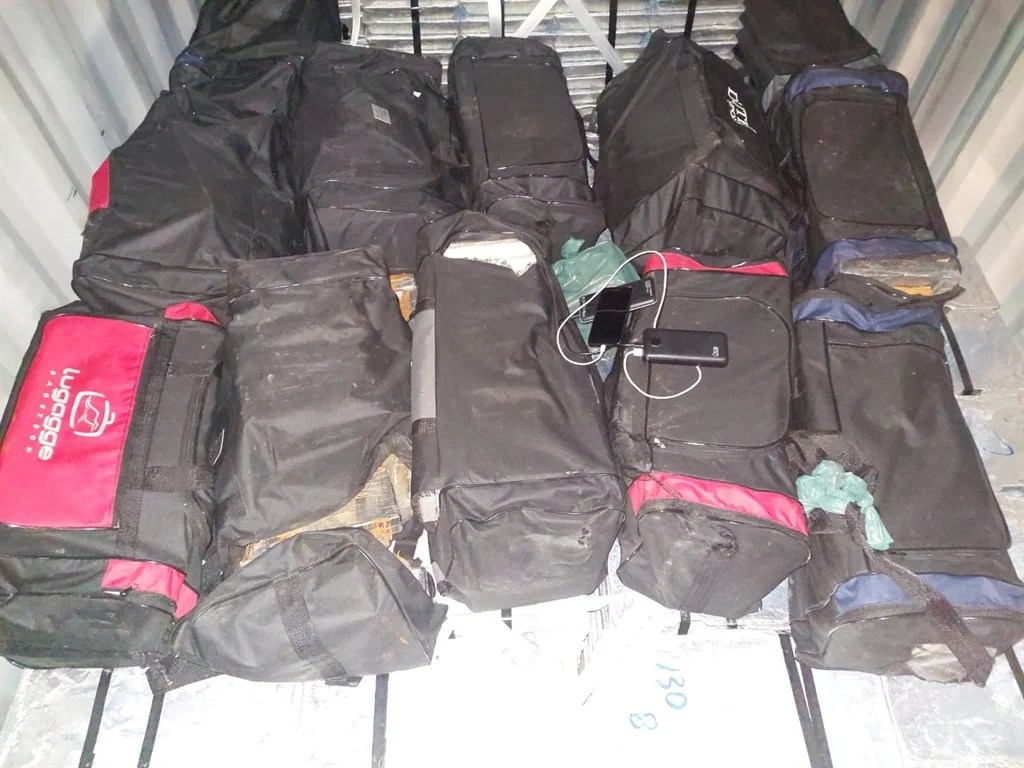
The 300kg of cocaine was found in one of the containers aboard the ship. It was detected after a week-long intelligence operation led by the SARS National Targeting Unit. 

“The SARS Marine unit, Durban Operations, South African Police Service (SAPS) Crime Intelligence and National Detective Services boarded the vessel heading from South America to secure several containers that were profiled by SARS,” SARS said. 

The containers were inspected after they were unloaded in the Durban harbour, which revealed zinc metal products and several black bags containing 378 bricks of pure cocaine. 

The illicit cargo and what appeared to be cellular tracking devices were handed over to SAPS for further investigation, SARS added.

SARS commissioner Edward Kieswetter said it there was a commitment to “fight the scourge of narcotics entering the country and destroying the lives of its users, especially the youth.”

“SARS will not tolerate these illegal activities but will rather continue to fulfil its mandate of facilitating legal trade to further economic development of our country,” he added.

Source: New24, Marelise van der Merwe dated 24 February 2023

International Customs Day 2023

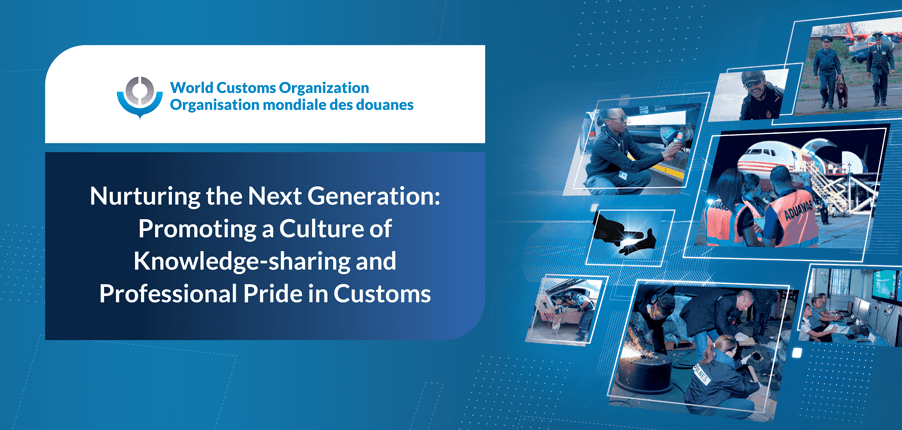
Each year, International Customs Day provides an opportunity for the WCO Secretariat to invite the Organization’s Members to focus on a theme it considers relevant to the Customs community and its partners. In 2023, under the slogan “Nurturing the Next Generation: Promoting a Culture of Knowledge-sharing and Professional Pride in Customs”, the Secretariat is inviting Members to look at how they support newly-recruited officers, facilitate the sharing of knowledge, and heighten the sense of pride in being part of this institution and of the global Customs community.

This is about placing human capital, and especially the new generation, at the heart of the transformation of Customs – an approach the WCO has been advocating for a number of years. Young Customs officers often have particular strengths, but they need to acquire specific, and often tacit, knowledge and know-how. This approach to learning must be rooted in the culture of the administration, holding true throughout the officers’ careers. It requires not only dynamic inter- generational relationships, but also an outward-looking attitude, characterized by exchanges with the actors engaged in the movement of goods and passengers, as well as with service providers and with academia.

However, it has to be recognized that certain Customs organizations do not have the processes and methodologies in place for managing knowledge and ensuring that it is transmitted. In 2023, Customs administrations are therefore being invited to focus on this issue and develop a knowledge management system which fosters the identification and provision of knowledge and know-how in all their forms: reports and other documentation, training courses, whether online or in-person, forums, mentoring programmes, work placements, exchanges between services, magazines and newsletters, among others.

Another interesting approach is to extend collaboration among Customs stakeholders and collect multi-disciplinary views. For this purpose, some administrations collaborate with academia and participate in think tanks. This will ensure that Customs knowledge is acquired through the rigorous analysis of data, and is supported by expert opinion, skills and expertise. Knowledge acquired in this way can be a valuable resource for decision-making.

Customs must avoid the loss of organisational memory, to ensure that mistakes are not repeated and experience is transmitted between departments and to the next generation.

By creating a stimulating work environment and offering learning opportunities to their officers, Customs administrations can not only attract and retain talent, but also enhance their officers’ sense of professional pride. It is often said that the new generation are searching for meaning; working in Customs is a noble mission, whose fulfilment is essential for the wellbeing of nations.

As the reputation of an organization depends largely on its employees, it is important that they take pride in their work, and that the way their work connects with the government’s vision is clearly explained. To achieve this, Customs administrations must increase their visibility, not only among their natural partners but also among those – such as decision-makers and the general public – who may be less familiar with the multi-faceted role of Customs, and less aware of the challenges faced by Customs and the constraints it has to manage.

I have every confidence that Customs administrations will get to grips with this year’s theme and I invite them to present information, during meetings of WCO working bodies which address this theme, during the events we organize throughout the year and in our various publications, about practices and measures they have introduced.

I wish you all a happy International Customs Day!

Kunio Mikuriya

WCO Secretary General 26 January 2023

AfCFTA Rules of Origin – Quick Guide for the Private Sector

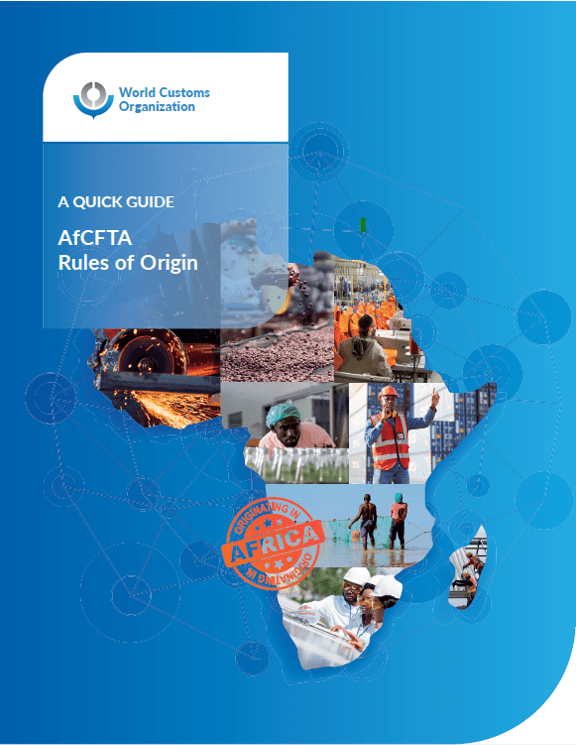
The World Customs Organization with the support of the European Union under the EU-WCO Rules of Origin Africa Programme has developed a quick guide to the private sector to assist with the practical implementation of the African Continental Free Trade Area (AfCFTA) Agreement Annex 2 on Rules of Origin of the Protocol on Trade and its relevant appendices.

The main objectives of the AfCFTA Agreement are to create a single continental market for goods and services, with free movement of business persons and investments, and thus pave the way for accelerating the establishment of a Customs Union in the future.

The guide is available in EnglishFrenchPortuguese and Arabic.

Source: WCO

WCO – 2021 Illicit Trade Report

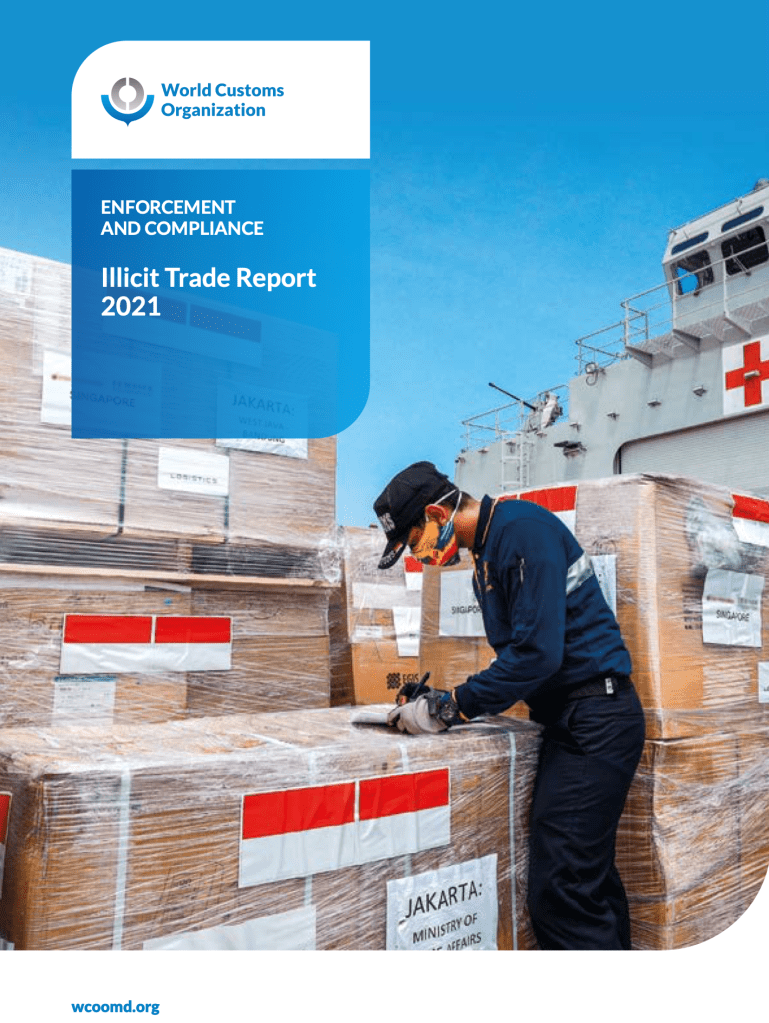
The World Customs Organization (WCO) issues its 2021 Illicit Trade Report (ITR), an annual publication which offers a comprehensive study of illicit trade flows through an in-depth analysis of seizure data and case studies voluntarily submitted by Member Customs administrations worldwide. The information captured in the ITR provides essential insight into the occurrences of illicit trade, thereby assisting Customs administrations in understanding trends and patterns and making enlightened decisions to secure cross-border trade. 

This year, the analysis provided in this Report is based on data collected from 138 Member administrations. Previously composed of six sections, the Report now covers seven key areas of risk in the context of Customs enforcement: Anti-money laundering and terrorist financing; Cultural heritage; Drugs; Environment; IPR, health and safety; Revenue; and Security.

Overall, this 2021 Report largely focuses on the impact the COVID-19 pandemic has had on the flows of illicit trade worldwide and how criminal organizations have adapted and shifted transport and shipment modes of smuggled goods. One common denominator to the different areas covered in this Report, is the increased use of online marketplaces and social media to accommodate both demand and supply during the health crisis. Consequently, seizures in mail consignments are seeing an important increase.

The analysis contained in this Report is mainly based on the collection of data from the WCO Customs Enforcement Network (CEN) — a database of worldwide Customs seizures and offences. The CEN is a vital resource, allowing all WCO Members to access a critical mass of information for analysis of illicit trafficking in the various areas of Customs’ competence. 

However, the CEN database relies heavily on voluntary submissions by Members hence the quantity and quality of the data submitted to the system has its limitations. To overcome these shortcomings and to complement the CEN dataset, the WCO has undertaken a review of the Illicit Trade Report and its methodology. This is an ongoing process and work is still underway until a final product can be delivered next year. 

However, as part of this new methodology, the data and information sources used to elaborate this Report has been enlarged to include various open sources. These sources include official government media outlets, reports published online by Customs administrations and international organizations, and a survey elaborated by the WCO in order to collect additional data from its Members and from its Regional Intelligence Liaison Offices (RILOs).

“The importance of comprehensive data analysis is indisputably a key component to support effective and efficient Customs enforcement activities”, says Dr. Kunio Mikuriya, WCO Secretary General. “The Illicit Trade Report is a pioneer in terms of data collection and analysis for over twenty years, and as a strong believer in the power of data and Customs digital transformation, I am pleased that we now have the in-house resources and technology to offer such in-depth analysis, further supported by open source information, and the most recent and intelligible data visualizations for this edition of the Report”.