Boosting Transshipment: Kenya Lifts Cargo Stripping Ban

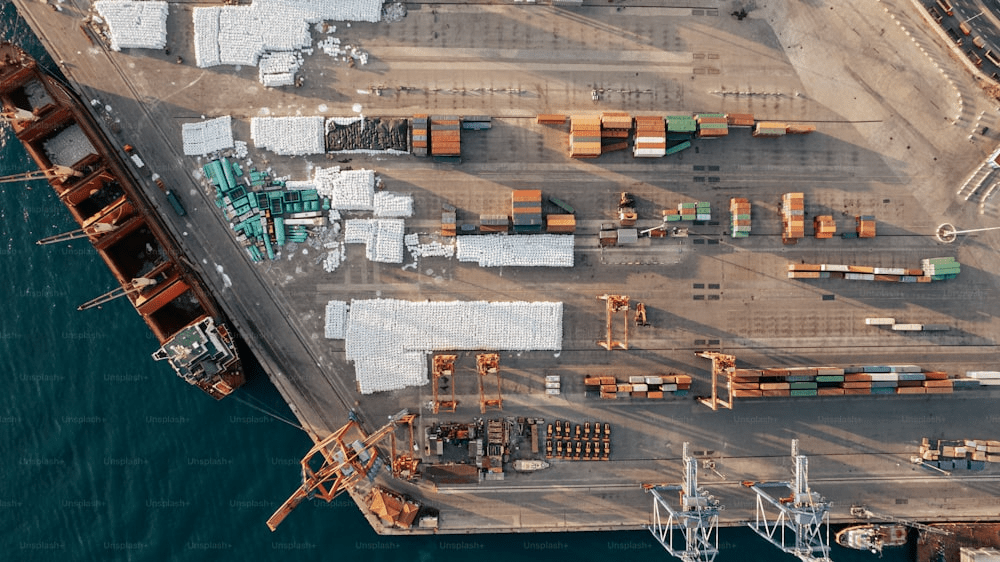
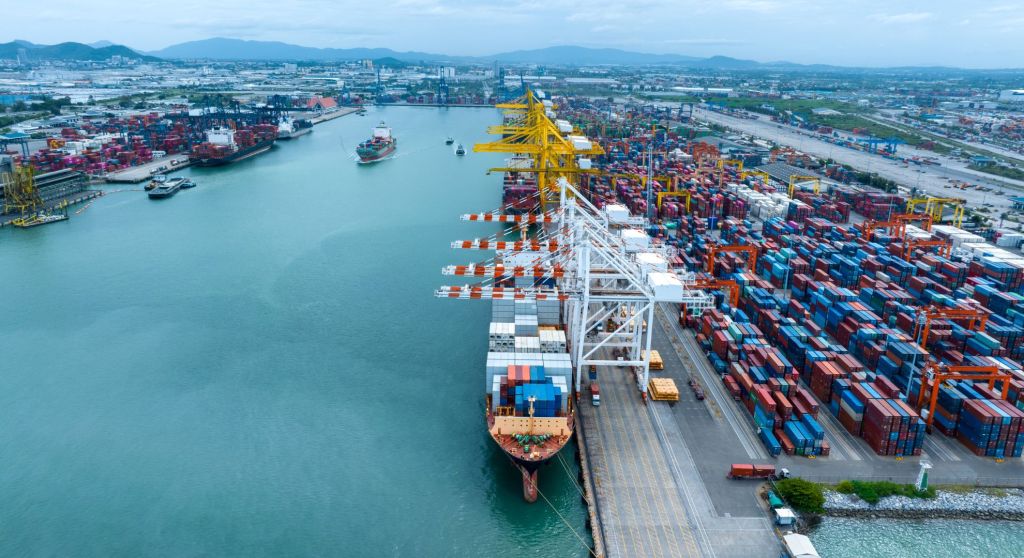
Mombasa port projects an increase in transshipment cargo after Kenya lifted the seven-year ban of stripping of cargo in containers at the port before onward delivery by dhows and barges to Zanzibar and Pemba.

The Kenya Revenue Authority (KRA) announced reintroduction of stripping, which is destuffing containerised cargo, after putting in place measures to curb smuggling, where before cargo is diverted in the ocean and finds its way into the East African Community (EAC) market.

The move is expected to cut the cost of container charges, considering that the boxes will be returned to the shipping line on time, since they will not be leaving the port as before.

Millers Association’s representative at the Mombasa port Naseeb Mbarak said the reintroduction of stripping would reduce the cost of transporting cargo to Zanzibar and Pemba by returning containers on time. 

“Smaller traders will also benefit out of this as they can now import in groups,” he said. Mombasa-based clearing and forwarding agent Roy Mwanthi said the two destinations are the main transshipment destinations for Mombasa and the move will increase cargo numbers.

“Last year, Mombasa registered exceptional growth in transshipment traffic, which recorded 491,666 twenty-feet equivalent units (Teus), reflecting an extraordinary increase of 280,593 Teus and translating into 132.9 percent growth against 2023. With these numbers, stripping will surpass 500,000 units which will mean more Mombasa port revenues,” Mr Mwanthi said.

In 2018, the KRA in a public notice banned the stripping of containers destined for Zanzibar and Pemba. Before the ban, cargo destined for Zanzibar was being redirected to ports closer to the destination, such as Dar es Salaam, Tanga, or Zanzibar itself under a different manifest.

In November 2022, the Tanzania Revenue Authority (TRA) wrote to KRA requesting a review of the ban on stripping to facilitate their importers in Zanzibar and Pemba. 

“KRA reviewed the same and granted indulgence on the stripping of cargo to Zanzibar and Pemba under conditions. In this regard, the earlier public notice issued is hereby set aside in line with this communication,” said the notice by KRA.

Before the ban, the volumes of cooking oil and other food stuff destined for Pemba and Zanzibar surpassed the consumption capacity of the two islands as a result of cargo diversion and smuggling.

KRA also seized different products, including edible oil cleared at Old Port in the go-downs of Mombasa, emanating from cargo stripped at the port of Mombasa.

To avert cargo diversion and control stripping, the KRA has prohibited changing the status of goods through manifest amendments.

The taxman said goods from the port of Mombasa have to be entered under the Single Customs Territory Framework (SCT) in Zanzibar before they are allowed into the islands.

“The shipments are to be cleared under SCT arrangement on duty paid basis and verified by TRA (Tanzania Revenue Authority) officers stationed in Mombasa before stripping and shipment. KRA enforcement to supervise stripping and loading of the cargo in the port before shipment,” read the notice dated April 8, 2025, and signed by customs officer Nicholas Ngeera.

Mr Ngeera said KRA will continue to liaise with the Kenya Ports Authority (KPA) to ensure that standard operating procedures and best practices on transshipment are implemented to protect and facilitate legitimate business.

Investigations by KRA and TRA show risks and challenges regarding transshipment cargo stripped at the port of Mombasa with increased cases of smuggling adversely Zanzibar islands and Pemba reported.

KRA also flagged med prolonged risks posed by stripping of cargo at the Port of Mombasa.

Last month, while in Mombasa, Zanzibar’s Minister of State in the President’s Office (Labour, Economy, and Investments), Sharif Ali Sharif, said delays in cargo delivery from Mombasa have historically caused shortages and price hikes in Zanzibar thus need to streamline transshipment process.

“Our cargo from China and the Middle East is first offloaded in Mombasa but, due to a lack of reliable transshipment, it often takes weeks or even months to reach Zanzibar. This has contributed to price increase for essential goods,” he said.

He said that the government had introduced tax exemptions and reductions on essential goods to keep prices reasonable.

With stripping of cargo reintroduced, Zanzibar expects a smoother supply of goods and ensures food security and price stability.

Source: The East African, article by Anthony Kitimo

Nigeria’s digital SEZs are the future of the African economy

When Nigerian president Bola Tinubu launched a steering committee in July to develop ‘digital free zones’ focussed on tech and services-based businesses, he signalled the start of a new era for special economic zones (SEZs) in the country. 

Nigeria’s current SEZ framework dates back 32 years and is centred on export-oriented manufacturing activities. However, the national economy is shifting and technology and services-based sectors are becoming its drivers of growth. 

The country is well-positioned to become an African, if not global, leader in tech and financial innovation. By adopting a modern, adaptive regulatory model for SEZs dedicated to future-focused industries, Nigeria can transform itself into a living lab where these businesses can thrive. 

Innovation through regulation

Dozens of jurisdictions around the world have rolled out creative regulatory schemes to attract leading firms and entrepreneurs in tech and services. Dubai became the Middle East’s leading financial hub following the establishment of the Dubai International Financial Centre (DIFC) in 2004. Estonia has become an entrepôt for the European market via its e-Residency programme, which allows foreign entrepreneurs to establish a business in the EU. And the US state of Delaware is the legal home of millions of businesses and most Fortune 500 companies, thanks to its favourable laws and world-class court system. 

Africa is yet to see a comparably ambitious jurisdiction. However, Nigeria’s innovation ecosystem and standing as one of the continent’s biggest economies make it a leading contender. Its fintech sector, for example, makes up around one-third of Africa’s market according to the World Bank. It has produced several unicorns — including Flutterwave, Paystack and Andela — and has a vibrant entrepreneurial spirit centred in Lagos. 

Itana’s infrastructure example

Today, inadequate soft and hard infrastructure both limit the potential of Nigeria’s tech and digital sectors. However, its digital free zone plans can help address this by streamlining the regulatory framework, offering business incentives and improving operational efficiencies. These digital SEZs can also leverage Nigeria’s ratification of the African Continental Free Trade Area Agreement to become a focal point for pan-African business. 

The country already has an aspiring digital SEZ which is leading by example. In 2023, Nigeria’s Itana became Africa’s first licensed digital free zone management company. It is building a digital SEZ based in Lagos which can quickly become the premier destination for established tech and digital companies and promising entrepreneurs. 

While regulatory frameworks are crucial for these businesses, they must also be supported by quality physical infrastructure. SEZs with high-speed bandwidth, uninterrupted power supply and other utilities are vital for activities largely taking place online. Many of Nigeria’s talented entrepreneurs and professionals choose to leave for places better equipped to support their work. Itana is working to attract and retain the best talent through the development of an eco-friendly, mixed-use tech campus in the Lekki free zone in Lagos, which includes its live-in Accelerate Africa programme backed by Andela founder Iyin Aboyeji. Notably, being physically present in the campus is an option for tenants. They can operate from anywhere in the world, so long as they have a virtual address tied to the digital zone.

Collaboration is key

Developing a competitive digital SEZ framework is a clear priority for Nigeria’s government. Its steering committee is chaired by the president himself, and its members include senior ministers and private sector voices — grouped under the Initiative for the Promotion of Digital Free Zones in Nigeria — including Africa Finance Corporation (AFC), Future Africa, PwC Nigeria, Charter Cities Institute and Itana. AFC is also leading the financing for Itana’s $100m phase-one development. 

For all their promise, Nigeria’s rollout of digital SEZs faces hurdles to success. Frameworks like the DIFC, Estonian e-Residency and Delaware corporate law were developed in countries with much higher income levels and more robust legal institutions. Despite Nigeria’s pan-African ambitions, economic integration across the continent remains slow and much of Africa’s best talent is still educated — and often remains — overseas.

However, Nigeria is a strong contender to join the group of countries that have found creative ways to attract and retain digital tech, financial and services-based companies and talent. Digital SEZs’ success could create thousands of good jobs and facilitate innovation and economic transformation, while failure risks permanent secondary status in the global economy. 

A digital SEZ framework that attracts global investment, talent and innovation can propel Nigeria to new economic heights as Africa’s ideal jurisdiction to do business, innovate and build the future.

Source: FDIIntelligence.com, onion piece by Jeffrey Mason, Nella Andem-Ewa

African ports strained due to Red Sea crisis 

African ports struggle with cargo influx as companies reroute around the Cape of Good Hope to avoid the Red Sea.

The Red Sea crisis has created a ripple effect, causing a surge in vessel calls and congestion at African ports in the last quarter of 2023.

As a response to the heightened number of attacks by Yemen’s Houthis in the Red Sea, numerous shipping companies are rerouting their ships to the Cape of Good Hope on Africa’s southern tip.

The trip adds around 3,000 nautical miles and days (if not, weeks) to the sailing times of vessels together with higher fuel expenses and maintenance requirements.

At the same time, the demand surge at African ports has pointed to the widening efficiency gap between African ports and other global regions.

“The Red Sea crisis is highlighting the wide gap in efficiency between ports in Africa and other world regions, despite heavy investment in port infrastructure on the continent over the past decades, particularly under China’s Belt and Road program,” Turloch Mooney, Global Head of Port Intelligence & Analytics at S&P Global Market Intelligence, said.

Despite this growth, several terminals in Africa found themselves grappling with the escalating demands, leading to extended ship waiting times and a decline in ocean and yard productivity across many key ports.

Based on a report from S&P Global Market Intelligence, in the fourth quarter of 2023, business at the main African container ports witnessed a year-over-year improvement, marked by substantial growth in vessel calls and container movements. While this surge reflected a positive trend for the region, it concurrently posed challenges to terminal and port infrastructure.

Overall, the port productivity in Africa experienced a significant setback, plunging by more than 18%, primarily attributed to a pronounced deterioration in vessel waiting times. Noteworthy exceptions to this trend were observed at the ports of Tanger-Med and Mombasa, which not only defied the prevailing challenges but managed to enhance productivity despite a notable increase in container volumes.

However, the general yard productivity at the main African ports witnessed a decline during Q4 2023. Import container dwell times increased by almost 10%, reaching 5.4 days, while export container dwell times surged by nearly 90%, exceeding 8.5 days, the report said.

The consequences of these inefficiencies were reflected in the World Bank–S&P Global Market Intelligence Container Port Performance Index, where almost one-third of the bottom 50 ports were situated in Sub-Saharan Africa, underscoring the persistent challenges impeding the region’s trade sector development and hindering aspirations for more significant involvement in international supply chains.

Source: World Cargo website – 7 March 2024

The EU-WCO Rules of Origin Africa Programme

In December 2021, the World Customs Organization (WCO) and the European Union (EU) successfully signed a partnership agreement for a comprehensive programme on the implementation and application of rules of origin (RoO) for enhanced Intra-African trade, commonly referred to as the EU-WCO Rules of Origin RoO Africa Programme. This 48 months initiative aims to support the African continent to improve its capacity to deal with rules of origin and ultimately to support the harmonized and well-coordinated implementation and application of the rules of origin under Annex 2 of the African Continental Free Trade Area (AfCFTA) and other regional and international commitments.

The AfCFTA is a landmark achievement in fostering regional integration to unify the African continent and further its socio-economic development. Under the AfCFTA Agreement, it is the rules of origin – establishing the nationality of products produced in Africa – that will determine whether preferential trade liberalization can be a game changer for Africa’s industrialization.

The EU-WCO RoO Africa Programme was launched on 19-20 July 2022 in Accra, Ghana, complementing and building up on the EU-WCO HS Africa Programme success.

The Programme provides tailored-made demand driven technical assistance, with an emphasis on training, and includes diagnostic and needs assessments, forums and consultations, Guidelines, Manuals and Standard operating Procedures and implementation of flagship initiatives.

The EU-WCO Rules of Origin Africa Programme aims to facilitating and increasing intra-African trade, trade between Africa and Europe, and between Africa and the rest of the world. The Programme is a concrete step taken by the European Union and the World Customs Organization in consultation with key stakeholders to support African partners in the implementation of the AfCFTA.

The outcome of the Programme is that beneficiaries at continental (AfCFTA Secretariat and African Union Commission), regional (African Regional Economic Communities – RECs) and national level (African Customs Administrations, Government Administrations and Private Sector) implement and apply the rules of origin in compliance with Annex 2 of the AfCFTA and in line with international commitments and best practices.

For more details, please contact EU-WCORoOAfrica.Program@wcoomd.org.

Comprehensive Comparative Study on the Applicable Rules of Origin in the Eastern and Southern Africa Region (PDF)

Source: World Customs Organisation Website

Port of Durban – to be partially privatised

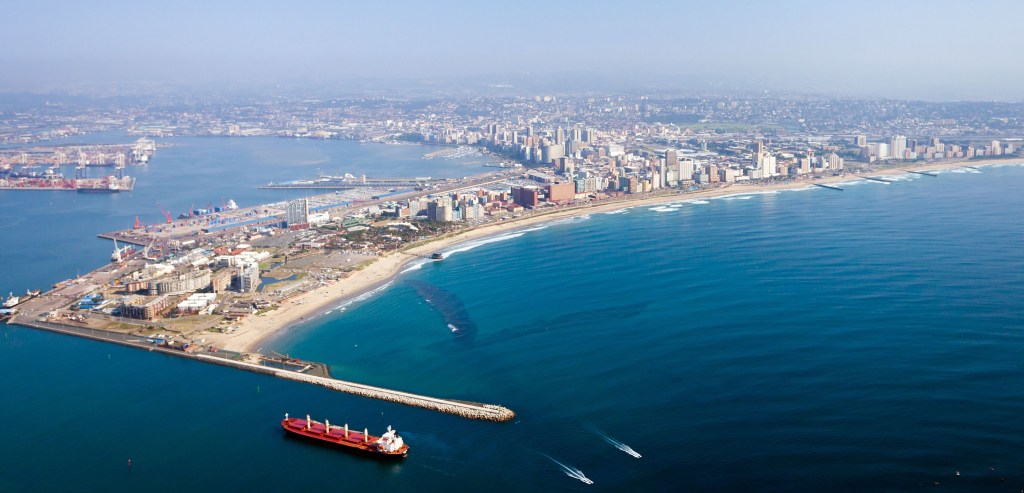
View of Durban city and harbour, South Africa – Hongqi Zhang

Africa’s biggest harbour will be partly owned and operated by the Philippines’ International Container Terminal Services Inc., a first for South Africa’s national ports company.

The company, ICTSI, has been selected as an equity partner to run and expand Durban Container Terminal Pier 2.

Almost three-quarters of the freight volume moved through the eastern port goes through the terminal, accounting for 46% of South Africa’s total port traffic, according to state logistics company Transnet.

This agreement “is a key catalyst for repositioning the Port of Durban as a container hub port,” Transnet said in a statement on Monday.

South Africa is seeking to boost private participation in its ports, the poor performance of which is a drag on the economy. In a 2021 World Bank index of container port performance, Durban ranked 364th out of 370, and two other Transnet ports were in the bottom 10.

Transnet will own a 50% plus one share in a new company that will manage the terminal for 25 years and will seek to boost its annual capacity to 2.8 million twenty-foot equivalent units, or TEU’s, from 2 million, it said. 

Ultimately Transnet wants to boost Durban’s total container capacity to 11.4 million TEUs from 3.3 million.
ICTSI, which operates terminals across six continents, was one of six bidders for the contract, Transnet said. It didn’t specify whether ICTSI will pay for its stake or whether it will have to fund the expansion.

An announcement on the port of Ngqura will follow, Transnet said.

Source: Bloomberg/Daily Investor dated 17 July 2023

Guide to Digital Trade in Africa

Digital development requires an intersecting set of policy interventions, international cooperation and support from Governments across the continent, in order to create an environment in which the digital economy can thrive. The foundation of this is connectivity – devices, electricity and internet access. Without these fundamentals, engagement with the digital economy will still occur, but it will be piecemeal and uneven. For African economies, there is a genuine risk of being left behind and exacerbating the digital divide.

Download the Tralac Guide here!

Source: Tralac

Can reducing Non-Tariff Trade Costs in Africa be the gamechanger for the African Continental Free Trade Area

The following is a blog article by Taku Fundira, published via Tralac dated 28 March 2023.

The African Continental Free Trade Area (AfCFTA) which is set to be the largest free trade area (FTA) in the world with 54 of the 55 members of the Africa Union being signatories to the Agreement. The AfCFTA if fully implemented, is expected to provide a major opportunity for African countries to attract Foreign Direct Investment (FDI), diversify exports, boost intra-African trade, boost growth, reduce poverty, foster economic inclusion, and promote sustainable economic development.

Currently, countries are not trading under the AfCFTA trading regime, however, Phases I and Phase II negotiations have been completed albeit tariff concessions and rules of origin (RoO) negotiations for some products are still underway. These two issues, partly attribute to the reasons why it is not yet possible to trade under the AfCFTA. Phase III negotiations are currently underway and include protocols on additional topics such e-commerce. Trade and Women and Youth in Trade Protocol which was added to the AfCFTA agenda has since been concluded is expected to be approved later in 2023.

The Guided Trade Initiative

Despite countries, not yet trading fully under the AfCFTA, a pilot initiative called; the Guided Trade Initiative (GTI) which aims to stress test trading in goods between member countries within the operational, institutional, legal and trade policy environment under the AfCFTA was launched in Accra on 7th October 2022. Eight countries are participating in this pilot. Tanzania following Rwanda, Kenya, and Ghana, have begun trading under the GTI. The AfCFTA GTI has identified 96 products, including tea, coffee, processed meat products, sugar, and dried fruits, to be traded among the participating countries. Tanzania aims to sell 10 products under the AfCFTA’s GTI including coffee and glassware. Plans are underway to have a similar GTI for services subject to State Parties agreeing on modalities.

Initial assessment of the GTI reveals that there remain significant challenges for African countries to trade smoothly and boost intra-African trade mainly because non-tariff barriers (NTBs) to trade remain prevalent, massive infrastructure gaps especially transport infrastructure pose a threat to the success of not only the GTI but also to the AfCFTA. For Africa to make the most of free trade, the continent must address these challenges. Estimates suggest most African landlocked countries face high transport prices which are three to four times more than in most developed countries. Several institutional, political and other factors that combine to limit competition, encourage corruption, discourage investment and encourage informal activity attribute to the prevalent high prices in Africa.

Non-tariff trade costs extremely high

Latest available data from the World Bank on non-tariff trade costs (NTTCs) reveal that on average goods traded between African states accrue 292% ad valorem equivalent (AVE) in NTTCs. Non-tariff trade costs include among others, transport costs; direct and indirect costs associated with differences in languages and currencies, cumbersome import, and export procedures. Despite commitments by regional economic communities (RECs) to reduce NTTCs through mechanisms such as the NTB online monitoring mechanism under the Tripartite FTA and under the AfCFTA demonstrate the importance of ensuring that NTBs do not impede intra-Africa trade, reducing NTTCs.

Tralac has produced an infographic on intra-Africa NTTCs using the ESCAP – World Bank Trade Cost Database which can be found on the tralac website and it reveals the following:

  1. Over a 10-year period (2011 – 2020) there have been no significant changes in non-tariff trade costs (NTTC). NTTCs decline by 2% CAGR (compound annual growth rate) over the review period (2011-2020).
  2. Agricultural products’ NTTC remain much higher than manufacturing products’ NTTCs over the review period (2011-2020), although declining relatively much faster over the last 5 years relative to manufacturing products’ NTTCs. Between 2016 and 2020, agricultural and manufacturing NTTCs declined by 2.5% (CAGR) and 1.4% (CAGR) respectively.
  3. The average intra-Africa NTTC on agriculture and manufacturing in 2020 (latest available data) is 330% (AVE) and 253% (AVE).
  4. Intra-REC NTTCs are lower than between RECs (inter-REC)
  5. COMESA has the highest average intra-REC NTTCs (285% AVE) and EAC has the lowest (135% AVE)
  6. ECOWAS has the highest average inter-REC NTTCs (347% AVE) and EAC has the lowest (269% AVE)
  7. ECOWAS – EAC inter-REC average NTTCs are the highest at 416% (AVE) followed by ECOWAS – COMESA at 389% (AVE)
  8. SADC and COMESA’s inter-REC average non-tariff trade costs are more or less the same at 300% (AVE) and 306% (AVE) respectively

Based on these findings it is not surprising why intra-Africa trade has remained low averaging 18% of Africa’s global trade over the past decade. Intra-Africa trade remains regional and limited to neighbouring countries partly due to these NTTCs which if left unchecked will hamper the goals of the AfCFTA. Therefore, their reduction can be a gamechanger for the AfCFTA and more specifically for African economic development.

Trade facilitation key to reducing NTTCs

The extent to which the AfCFTA will be effective to reduce trade costs depends importantly on governments addressing NTBs, including in services markets. Trade facilitation becomes key to the success of reducing NTTCs, by improving trade and customs procedures as well as facilitating the relationship between businesses and government agencies at the border to reduce costs, while protecting the intended regulatory objectives. Estimates from the UNECA (United Nations Economic for Africa) project that intra-Africa trade could double through enhanced trade facilitation and the reduction of NTBs in the AfCFTA.

The AfCFTA Agreement provides a legal framework with specific undertakings for trade facilitation and the elimination of barriers contained in Annex 3 on Customs Co-operation and Mutual Administrative Assistance; Annex 4 on Trade Facilitation; and Annex 8 on Transit. Annex 3 deals with trade facilitation in customs administration. Within RECs efforts to reduce NTBs have yielded significant progress (e.g., Tripartite FTA NTBs monitoring mechanism), however more needs to be done on trade facilitation as little progress has been made here.

What needs to be done?

A limited number of Strategic Corridors has been identified considering their potentialities to facilitate sustainable, efficient, smart, resilient, fair, affordable, secure, and safe mobility and trade within Africa.

State parties should be serious about implementing their trade facilitation obligations or fulfilling their duties under the AfCFTA Agreement and therefore legally binding and justiciable mechanisms should be put in place to ensure transparency, certainty and predictability. These must be complemented by regional and national instruments and measures. In effect Member States should implement their binding obligations. State parties’ customs authorities/agencies should be capacitated and coordinated. This would go a long way in improving trade facilitation governance in Africa and leveraging AfCFTA benefits.

Financing the AfCFTA and associated trade facilitation measures will go a long way in ensuring the success of regional integration in Africa. Furthermore, transport infrastructure should be prioritised. It is important to note that projects are already in progress to boost the development of continent-wide infrastructure. For example, Tanzania’s construction of the Standard Gauge Railway Project is expected to provide a safe and reliable means for efficiently transporting people and cargo to and from the existing Dar-es-Salaam port. Other large projects underway include the Trans-Maghreb Highway in North Africa, North-South Multimodal Corridor, the Central Corridor project, and the Abidjan-Lagos Corridor Highway project.

In conclusion, reducing the NTTCs will be a gamechanger for the AfCFTA. What’s needed is for Member States to rise to the occasion by concluding the outstanding negotiations, especially resolving teething issues with respect to specific products especially outstanding RoO issues and finalising tariff concessions. Furthermore, the political, social, and economic environment should be managed both at the regional and national levels with the ultimate goal of ensuring the success of the AfCFTA.

Read the Full Article, with annotations here!

Source: Tralac

Vietnam seizes 600 kg of ivory smuggled from Africa

Vietnamese authorities have over the past week seized more than 600kg of ivory smuggled from Africa, the government said on Monday, 6 February 2023.

Trade in ivory is illegal in Vietnam but wildlife trafficking remains widespread. Other items often found smuggled into the country include pangolin scales, rhino horns and tiger carcasses.

Customs authorities in the northern port city of Haiphong on Monday found nearly 130kg of ivory hidden in a container of cow horns originated from Africa, the government said in a statement.

This followed the finding of nearly 500kg of African ivory on Thursday last week at Lach Huyen Port in the city, the government said.

This has been the largest seizure of smuggled ivory in the country in more than four years. The authorities had in October 2018 seized more than eight tonnes of ivory and pangolin scales in one of the country’s largest wildlife trafficking cases for years.

Source: Asian.com

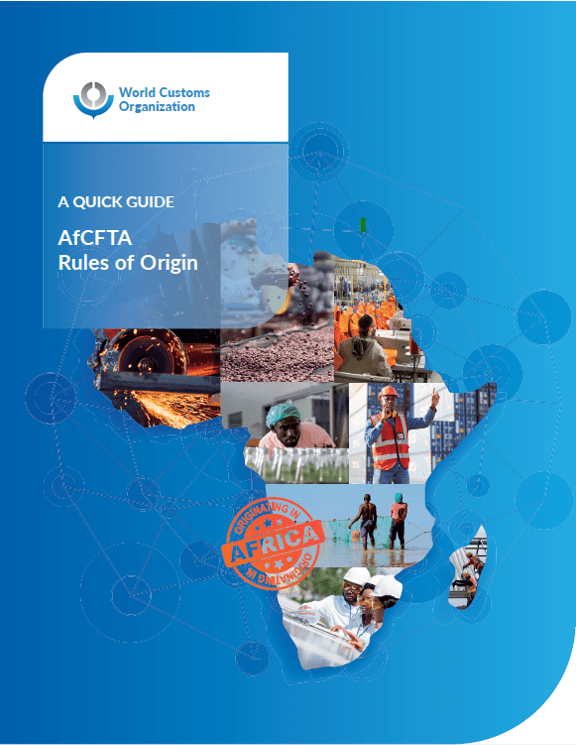
AfCFTA Rules of Origin – Quick Guide for the Private Sector

The World Customs Organization with the support of the European Union under the EU-WCO Rules of Origin Africa Programme has developed a quick guide to the private sector to assist with the practical implementation of the African Continental Free Trade Area (AfCFTA) Agreement Annex 2 on Rules of Origin of the Protocol on Trade and its relevant appendices.

The main objectives of the AfCFTA Agreement are to create a single continental market for goods and services, with free movement of business persons and investments, and thus pave the way for accelerating the establishment of a Customs Union in the future.

The guide is available in EnglishFrenchPortuguese and Arabic.

Source: WCO

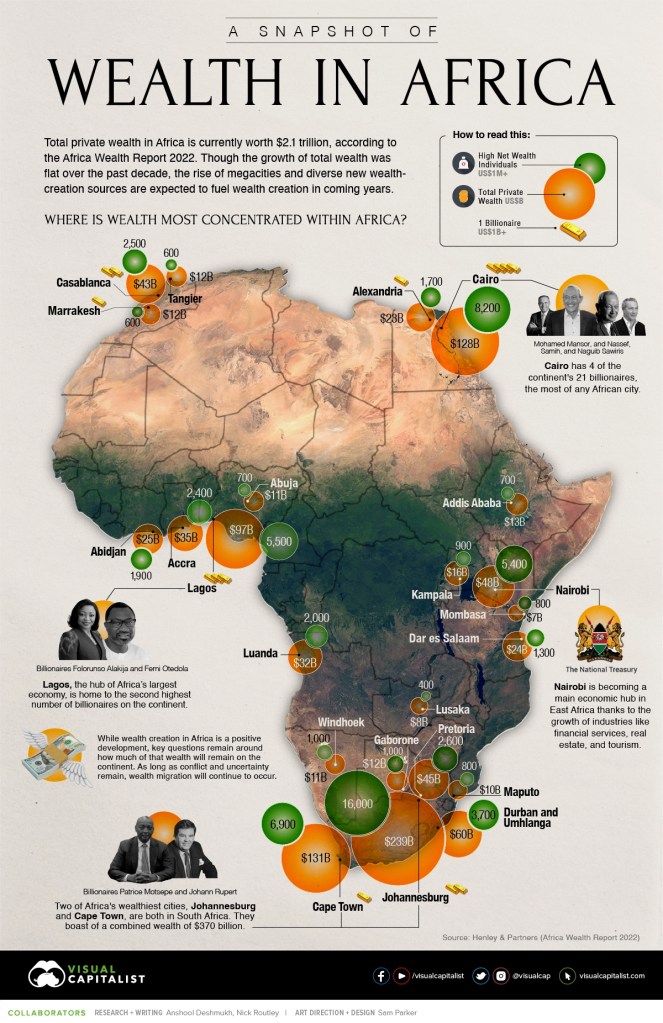
A Snapshot of Wealth in Africa

The continent of Africa contains more than 50 countries, but just five account for more than half of total wealth on the continent: South Africa, Egypt, Nigeria, Morocco, and Kenya.

Despite recent setbacks in Africa’s largest economies, wealth creation has been strong in a number of areas, and total private wealth is now estimated to be US$2.1 trillion. There also an estimated 21 billionaires in Africa today.

Drawing from the latest Africa Wealth Report, here’s a look at where all that wealth is concentrated around the continent.

South Africa is a still a major stronghold of wealth in Africa, with a robust luxury real estate market and ample wealth management services. The country is also ranked second on the continent in per capita wealth. That said, the country has faced challenges in recent years.

An estimated 4,500 high net worth individuals (wealth of US$1 million or more) have left South Africa over the past decade, migrating to places like the UK, Australia, and the United States. In one stark data point, the report points out that “there are 15 South African born billionaires in the world, but only 5 of them still live in South Africa.”

Read the full article

AfCFTA – Why regional support is crucial for effective implementation

Wamkele Mene, Secretary-General of the AfCFTA Secretariat

In order to support the implementation processes of the African Continental Free Trade Area agreement, Regional Economic Communities (RECs) need to make informed choices about how to reap the benefits presented by the agreement, while at the same time managing the challenges that may be encountered in the course of the implementation. 

Wamkele Mene, Secretary-General of the AfCFTA Secretariat, stressed this Tuesday, June 7, on the occasion of the second coordination meeting of the CEOs of RECs, on the implementation of the AfCFTA held at the EAC Headquarters, in Arusha, Tanzania.

The meeting sought to take stock of the progress made since the last meeting in Accra in 2021.

The role of the continent’s eight RECs is critical especially as the latter are building blocks for the AfCFTA.

Mene said the implementation of the AfCFTA will likely influence future trade policies of the RECs. 

“In this regard, effective collaboration between the RECs and the AfCFTA Secretariat is necessary to ensure that the AfCFTA outcomes are consistent with regional advancements in trade integration made thus far and the projections for the future,” Mene said.

“Therefore, the coordination meetings offer us an opportunity to listen to one another, to better understand our areas of difference, and to work together to build consensus around common positions critical to our success at creating an African Economic Community.”

African leaders mandated the AfCFTA Secretariat, the African Union Commission, and the RECs to develop a framework of collaboration to enhance complementarity, synergies, and alignment of programmes and activities to facilitate the effective implementation of the AfCFTA. The negotiation of the AfCFTA is now in phase two which covers investments, intellectual property rights, women and youth in Trade competition policy and digital trade. 

It is Mene’s strong conviction that by agreeing on a workable framework which will strengthen the interdependence of RECs on the one hand, and strengthen the cooperation between RECs and the AfCFTA Secretariat on the other hand, “we will be taking steps critical to the success of the AfCFTA.”

“We have already received instructions from the Assembly of Heads of State and Government of the African Union to take all necessary steps to ensure the effective implementation of the AfCFTA, including facilitating commercially meaningful flow of goods and services under the AfCFTA preferential regime, across the continent. We were also instructed to develop a coordinated approach to the implementation of the AfCFTA Agreement, with the existing RECs as building blocks.”

Peter Mathuki, the EAC Secretary-General, noted that Africa is one of the world’s fastest-growing economies, but trade in goods and services accounts for an estimated 3% of global exports and imports on average. 

As noted, the share of Intra African trade remains low: on average, 13% for intra-imports and 20% for intra-exports, while ExtraAfrican trade accounts for more than 80% of the total trade. Africa’s exports to the rest of the world consist of raw materials, such as oil, gas, minerals, and agricultural commodities, with little to no value addition.

Mathuki said: “There are many reasons why intra-Africa trade is low; these include differences in trade regimes (8 AU recognised RECs), inadequacies of trade-related infrastructure (poor intermodal connectivity), trade finance and trade information. 

“Other constraints are customs, administrative and technical barriers, limited productive capacity, lack of factor market integration and inadequate focus on internal market issues.”

With a market of around 1.3 billion consumers and a GDP of $ 3.4 trillion, Mathuki reiterated, AfCFTA will unlock many opportunities in the continent and redesign the architectural framework of its economic systems. 

“The eight AU recognised RECs are the official pillars of the African Economic Community (AEC) set out in the Abuja Treaty establishing the AEC. The RECs play a critical role in coordinating and submitting REC tariff offers, schedules, and commitments on trade in services and are fully involved in negotiations on outstanding issues,” Mathuki said.

“Active engagement and input from the private sector and interest groups at the national and REC level are needed to shape the AfCFTA trade regime and resolve challenges ahead.”

Amb. Liberata Mulamula, Tanzania’s Minister of Foreign Affairs, said her country commends the initiative of establishing collaboration between the AfCFTA and RECs towards implementation of the AfCFTA Agreement. 

“Tanzania as a member of EAC Customs Union has ratified the AfCFTA agreement and is also a member of SADC and EAC. In order to have a meaningful implementation of the agreement, the United Republic of Tanzania needs to align its participation in the AfCFTA to that of the RECs as its member.”

“I am confident that this framework will underpin the interface between the AfCFTA and RECs Free Trade Area and laydown actionable policy proposals that would assist in ensuring coherent, coordinated and fully responsive collaboration between the AfCFTA and RECs.”

Source: The New Times, 8 June 2022

SARS Head Accreditation and Licensing, elected Vice Chair for WCO SAFE Working Group

Ms Rae Vivier, Head Accreditation and Licensing at the South African Revenue Service, has been elected by the World Customs Organisation (WCO) Member States as a Vice Chair for the WCO SAFE Working Group.   

The role of the WCO’s SAFE Working Group is to advise, as appropriate, the Policy Commission, the Permanent Technical Committee and the Secretary General on the full range of issues concerning the SAFE Framework of Standards. Such issues include matters relating to implementation and amendments concerning the SAFE Framework and further developing and monitoring other World Customs Organization (WCO) initiatives and related Customs matters that impact the operation of the SAFE Framework of Standards.

In accepting her election at the SAFE Working Group Meeting which took place on the 11 – 13 April 2022, Ms Vivier indicated that she was truly humbled by her election to the position and that it is an inordinate privilege to serve all 184 members and the WCO for the next 4 years.

Even though South Africa has been instrumental in the development of key instruments and tools designed by the WCO, it is a first time that the African continent will be holding such a leadership role in this key international platform i.e., SAFE Working Group.  The Vice Chair position will subsequently assume the role of Chair of the SAFE Working Group after two years.

Source: SARS

SARS – Rhino horn found in luggage at OR Tambo International Airport

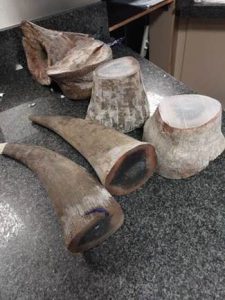
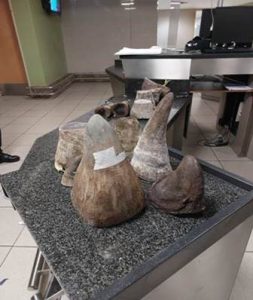
Customs officers of the South African Revenue Service (SARS), in collaboration with other government departments, intercepted the luggage of a female South African passenger at OR Tambo International Airport which contained twelve (12) pieces of rhino horn weighing  30.7 kilograms.

The interception of the rhino horn came after the SARS Customs and other government officials received a tip-off regarding a passenger travelling to Dubai.

The Customs team reacted swiftly and accompanied the female passenger to the Customs area for further Customs inspection. The two luggage bags and a box were inspected by a baggage scanner that identified irregular images suspected to be rhino horn.

This led to a physical inspection of the luggage and box in which twelve (12) pieces of rhino horn, weighing 30.7kg were found. The passenger together with the rhino horn were handed to the South African Police Service after which a criminal case was opened for further investigation.

Between July 2020 and December 2021, a total of 125 pieces of rhino horn, weighing 452 kilograms, were seized at OR Tambo International Airport.

  • December 2021: Six (6) pieces of rhino horn, weighing 4kg declared as ‘Personal Effects’, bound for China.
  • December 2021: Five (5) pieces of rhino horn, weighing 10kg declared as ‘Scanners’, bound for Malaysia.
  • July 2021; Thirty-Two (32) pieces of rhino horn, weighing 160kg declared as ‘Live Plants, bound for Malaysia.
  • February 2021: eighteen (18) pieces of rhino horn, weighing 63kg declared as ‘HP Cartridges Developers’, bound for Malaysia.
  • December 2020: seventeen (17) pieces of Rhino Horn weighing 72.4kg concealed in a geyser bound for Malaysia.
  • September 2020: six (6) pieces, weighing 4.9kg declared as “Coffee Beans”, bound for Malaysia.
  • July 2020: forty-one (41) pieces, weighing 137kg declared as “Fine Arts”, bound for Malaysia via Doha.

SARS Commissioner Edward Kieswetter expressed his sincere thanks to Customs officers and their counterparts from South African Police Service for working diligently to curb the smuggling of rhino horn and many related crimes.

He said, “We will leave no stone unturned to detect and prosecute these criminal syndicates and individuals who break the law.  SARS and the law enforcement agencies will spare no efforts to ensure they are brought to book.”

For more information, contact SarsMedia@sars.gov.za

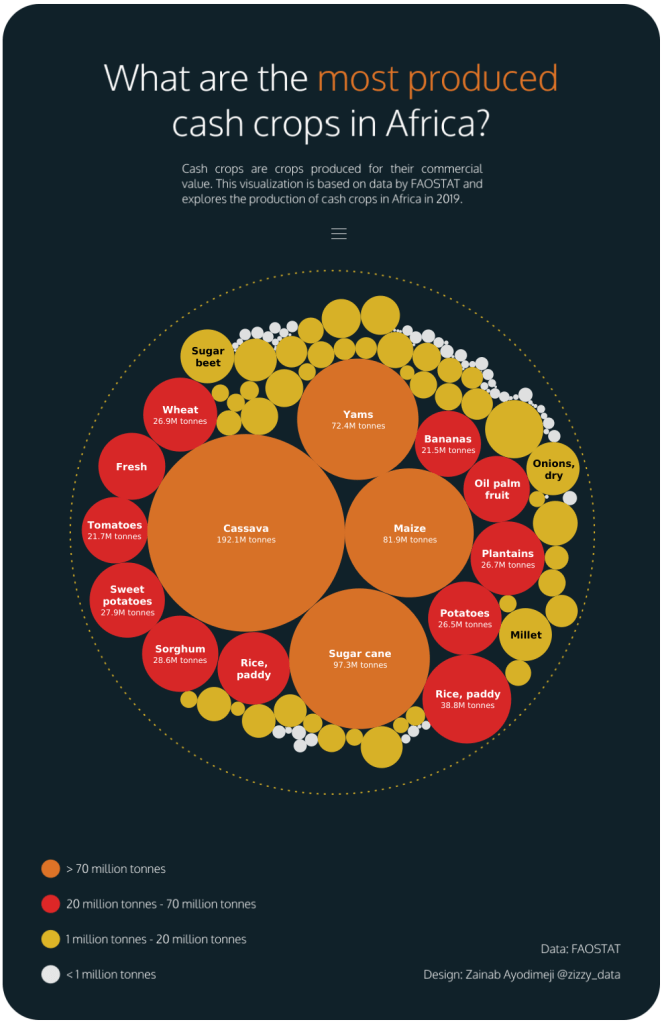
The Most Produced Cash Crops in Africa

Agriculture makes up nearly 20% of Sub-Saharan Africa’s economy—a higher percentage than any other region worldwide. 

From Nigeria to the fertile land across the East African Rift Valley, the continent is home to 60% of the world’s uncultivated arable land

Given the massive role of agriculture across the region, this infographic from Zainab Ayodimeji shows the most produced cash crops in Africa and their share of total global production.

To view the Top 20 Cash Crops, link to the Full Article here.

Source: The Visual Capitalist

WCO shares good practices for drafting a rules of origin tool with the AfCFTA

At the invitation of the African Continental Free Trade Area (AfCFTA) Secretariat, the World Customs Organization (WCO) gave a presentation on international standards for the drafting of tools and instruments on rules of origin at a virtual workshop on the drafting of the AfCFTA Rules of Origin Handbook held on Monday 21 February 2022. 

In her welcoming address, the Chairperson of the Sub-Committee on Rules of Origin expressed her profound gratitude and thanks to the AfCFTA’s partner organizations, such as the WCO and UNCTAD, as well as to the Regional Economic Communities (COMESA, EAC, ECOWAS and the SADC) which had kindly accepted the invitation to share their experience of drafting rules of origin handbooks.

She reminded those taking part that Article 8.3 of the Agreement establishing the African Continental Free Trade Area laid down that any additional instruments, within the scope of that Agreement, deemed necessary, are to be concluded in furtherance of the objectives of the AfCFTA and will, upon adoption, form an integral part of the Agreement. In accordance with Article 13 of the Protocol on Trade in Goods, discussions among the negotiating bodies had led to the adoption of Annex 2 on Rules of Origin and of close to 88% of the tariff lines constituting Annex IV. She also emphasized that both of those legal documents on rules of origin had to be made operational through the use of the Rules of Origin Handbook.

With a view to the implementation of Annex 2 on Rules of Origin of the AfCFTA Protocol on Trade in Goods, she went on to stress that the 8th Meeting of the Council of Ministers, held on 28 January 2022, had decided that the work on drafting the AfCFTA’s Rules of Origin Handbook had to be given priority.

Accordingly, under Item 3 on the Agenda, the WCO gave a talk on the drafting of rules of origin handbooks, presenting some practical cases that explained the international standards applied in drawing up its tools. There was then a question-and-answer session in which the delegates from Customs administrations, trade and industry were able to have a fuller exchange on the subject of good practices on which the AfCFTA could draw in finalizing the drafting of the Rules of Origin Handbook.

The workshop was attended by more than 150 delegates, for whom it was an opportunity to learn more about good practices in relation to the drafting of operational handbooks on rules of origin, with a view to making proposals for improvements to the AfCFTA handbook, on the basis, too, of the experiences of the WCO, UNCTAD and the African RECs.

The workshop came before the 5th Meeting of the Sub-Committee on Rules of Origin to be held from 22 to 25 February 2022, at which the handbook in question would have to be drawn up in order to facilitate the implementation of AfCFTA rules of origin and thereby boost intra-African trade.

Source: WCOOMD, 24 February 2022