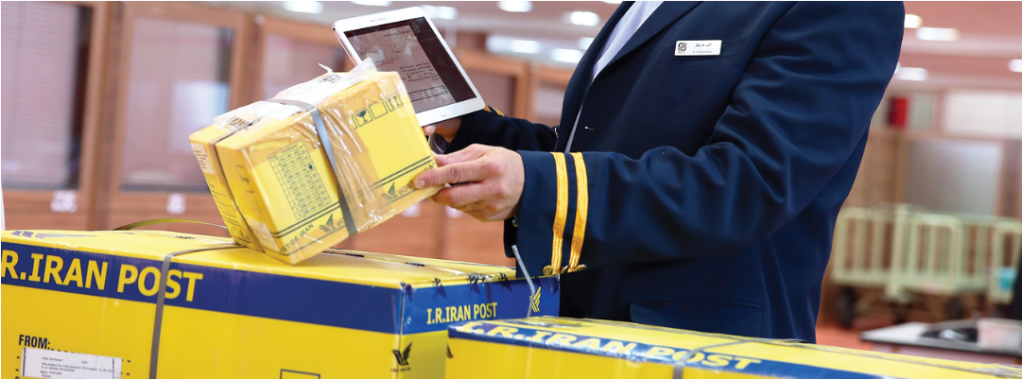
The WCO has published the 96th edition of WCO News, the Organization’s magazine aimed at the global Customs community, providing a selection of informative articles that bring the international Customs and trade world to life.
This edition’s “Dossier” focuses on cross-border e-commerce, in other words those “transactions which are effected digitally through a computer network (e.g. the internet), and result in physical goods flows subject to Customs formalities”. We have invited several administrations to share information on the initiatives they are taking to build their capacity for monitoring the compliance of such flows. Despite every country’s situation being unique, we still believe that it is important to share experiences and explain initiatives.
The “Panorama” section addresses a broad variety of topics such as rules or origin, goods classification, training and reforms. It also includes two articles which respectively present, from a Customs perspective, two recent regional Free Trade Agreements: the Regional Comprehensive Economic Partnership (RCEP) and the African Continental Free Trade Area.
The “Focus” section brings together two articles dealing with non-intrusive inspection (NII). In the first one, the WCO Secretariat shows how some Customs administrations and manufacturers manage the decommissioning of NII equipment when it has reached the end of its life. The second article describes the challenges of X-ray image analysis and the value of training.
Lastly, in the “Point of View” section, Dutch Customs explains the structure of the ISO Audit Data Collection Standard and why it supports the Standard’s extension to cover data related to Customs and indirect tax audits, while an attorney from Israel argues that governments should consider waiving taxes on transport costs until we are back to “normal” and the effects of the COVID-19 pandemic are no longer being felt.
To discover the full content of this edition please visit the magazine website.

 What Happened to the Portcullis?
You must be logged in to post a comment.