Cargo Dwell Time in Durban

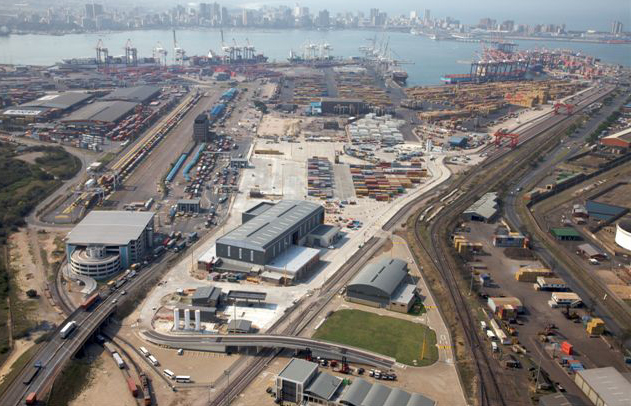
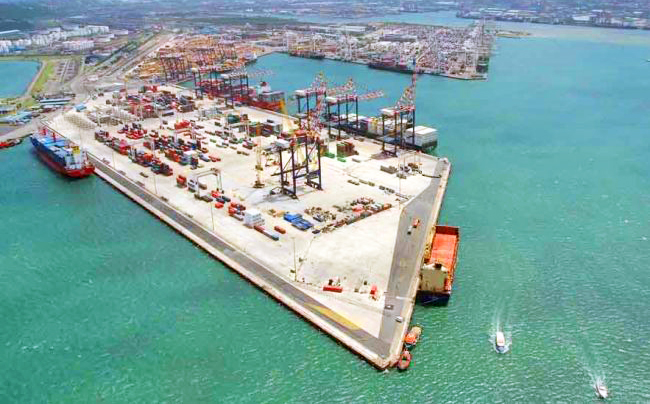
An acquaintance in the forwarding industry brought this working paper to my attention. Titled “Cargo Dwell Time in Durban“, it is very useful reading for logistics operators, Customs and government agencies, and policy makers. The object of the working paper attempts to identify the main reasons why cargo dwell time in Durban port has dramatically reduced in the past decade to a current average of between 3 and 4 days. A major customs reform; changes in port storage tariffs coupled with strict enforcement; massive investments in infrastructure and equipment; and changing customer behavior through contractualization between the port operator and shipping lines or between customs, importers, and brokers have all played a major role. The main lesson for Sub-Saharan Africa that can be drawn from Durban is that cargo dwell time is mainly a function of the characteristics of the private sector, but it is the onus of public sector players, such as customs and the port authority, to put pressure on the private sector to make more efficient use of the port and reduce cargo dwell time. The Working Paper is the product of the World Bank’s Africa Region, Transport Unit, being part of a larger effort  to provide open access to its research and make a contribution to development policy discussions around the world. Policy Research Working Papers are also posted on the Web at http://econ.worldbank.org

Related articles

TPT’s Pre-advice for Export Containers

Durban Container TerminalIt has been enquired by some whether or not Transnet‘s Pre-Advice for Export Container’s initiative is aligned with SARS Customs Modernisation. First of all its important to delineate the process and requirement. Transnet Port Terminal’s Pre-Advice is an electronic exchange (COPARN) between the carrier and TPT. As such it is an arrangement which satisfies the Terminal’s advance reporting requirements of impending export container delivery to a container terminal. In time it will feed Customs’ gate-in reporting requirements.

From a Customs perspective, this initiative is an important development which fills another piece of the supply chain puzzle. As such it is not in contradiction to anything planned for by SARS – rather its somewhat ahead of Customs at this point in time. It is just not possible to synchronise inter-departmental and inter-company project developments. Each has its own financial/procurement cycles and operational deliverables, and in certain cases legal prescription. At the same time it is true that supply chain operators bear the brunt of untimely and non-coordinated initiatives. Nonetheless, they are important while at the same time vital for the country’s future economic growth and stability.

Single Window, Corridors and Integrated Borders

Besides all the recent modernisation developments here at home, and abroad, there is both renewed interest and pressure on sovereign governments to push for efficiencies and cost savings relating to regional transport corridors. A case in point is the ambitious initiative involving various states of the East African Community. The Heads of State of the Tripartite (COMESA, EAC and SADC) requested an action plan to improve the efficiency of these corridors to facilitate trade, lower costs for businesses, advance regional integration, and improve the economic livelihoods of all East Africans. The Corridor Diagnostic Study is the technical foundation for that plan. See also the East African Corridors website which provides a comprehensive insight into this regional initiative.

Homeland Security’s Private Sector Resources Catalog v.3

Being an importer, broker, carrier, or even just a plain old citizen in the USA implies you’re always going to get the most comprehensive guidance. Moreover you’re also going to need a fulltime lawyer or trade specialist to delve into and decifer the info – that’s why consultants make so much money.

The DHS has released version 3 of its Private Sector Resources Catalog targeted specifically towards private sector partners and encompassing the entire Department. This document collects the training, publications, guidance, alerts, newsletters, programs, and services available to the private sector across the Department. Recognizing the breadth and diversity of the available resources as well as the Department’s continually evolving work, this catalog will be updated regularly to publicize new resources and increase private sector awareness. Source: DHS

Customs Status Codes – more visibility for traders

An update of Customs Modernisation Release 2 will be implemented at participating Customs branch offices on 24 September 2011. Amongst several enhanced features and bug-fixes, a set of new Customs status codes are included to provide improved visibility for traders as concerns the processing of their goods declarations on the Customs’ system. A year ago, few would have anticipated a fully automated process. This undoubtedly signals less and less human contact between trader and Customs with a gradual, but purposeful intention to re-focus Customs’ effort towards trader management and post clearance audit – in other words before and after the transaction. While some would contest the phasing out of customs human intervention and intuition, this is unfortunately trade-off that needs to be made in order to ensure that scarce resources and skills be freed up to address the new non-transactional facet of the modernisation programme. Another significant fact is that while all these changes occur on current existing systems. Future transition to a more modern integrated technology solution should therefore pose no significant impact to trade as the bulk of the work and effort is being accomplished in these early phases.

Durban Dugout – more about Transnet’s thought process

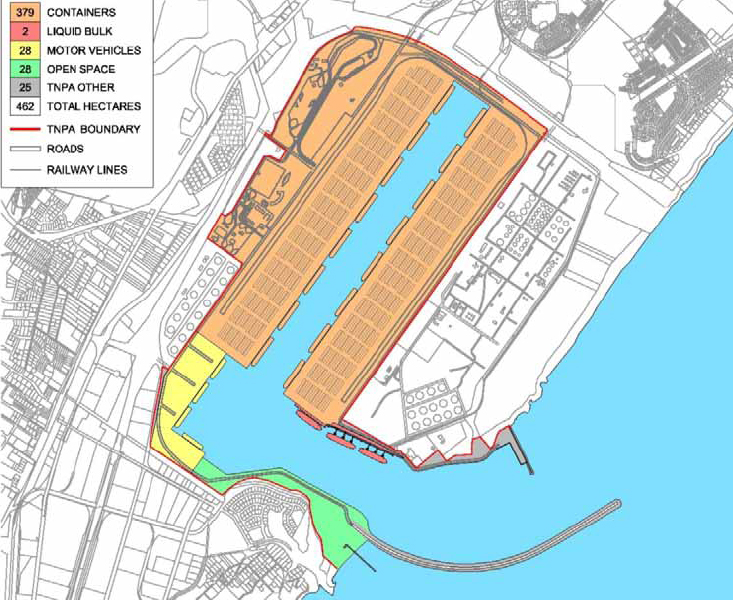
Durban DugoutWhile the ‘bean counters’ at ACSA and Transnet continue to finalise the sale of the old Durban airport, its good to  understand  Transnet’s alternative options in so far as port expansion on the eastern seaboard is concerned. I came across the following document which not only details the current ‘dugout site’, but also includes designs for an equally  impressive container terminal at Richards bay.  Click here!

SARS and SARB – Closing the international trade transaction loop

SA Reserve Bank, PretoriaSince the recent implementation of the Import Verification System (IVS) by the South African Reserve Bank (SARB), local traders would have come to realise that processing a forex transaction at the local bank has come more and more under scrutiny. Why is this? For one, all import and export trade transactions processed through Customs are relayed electronically to the Reserve Bank. Historically, the Bank has been responsible to ensure that South Africa maintains good account in terms of its balance of payments, ensuring that fiscal inflows and outflows are fully and lawfully accounted for. For government to operate accurately, it needs to know exactly what is occurring in this space. On the one hand trade statistical information provides both the Bank and National Treasury vital information which informs its fiscal policies. Trade and Industry (DTI) likewise use trade statistics to maintain a grip in terms of trade policy which governs the duty structure on imported goods as well as oversee the effectiveness of various duty relief (rebate and drawback) schemes. Like all things new,  the South African importer and exporter’s experience with the local commercial bank might prove a bit tedious and painful, given the added scrutiny and awareness of bank officials. These controls are however necessary and in keeping with government’s broader objective to ensure that fiscal and trade control measures compliment new enhanced supply chain security initiatives. To this end, SARB and SARS have initiated a dedicated line of support to facilitate query resolution.

WCO Remembers September 11

Picture of Kunio Mikuriya at the World Customs...

WCO's Kunio Mikuriya

To commemorate the 10th anniversary of 9/11, WCO Secretary General, Kunio Mikuriya stated that “security, in particular global trade security, became a priority policy objective and is now part of Customs’ existing border protection portfolio to prevent such attacks from re-occurring”.

“Customs administrations across the globe have made considerable efforts to counter security threats,” stressed the Secretary General. “It is therefore fitting that as we commemorate the anniversary of 9/11, we renew our firm commitment to continue to take speedy action against terrorism and other forms of organized crime,” he concluded.

In response to 9/11, over the last 10 years the WCO has developed many international standards including the renowned SAFE Framework of Standards to Secure and Facilitate Global Trade, and further supported national Customs administrations to implement the Framework through a vigorous and highly successful capacity building programme.

This Framework promotes supply chain security through the submission of advance cargo information, the application of risk management, the use of non-intrusive cargo scanning equipment, the development of Authorized Economic Operator (AEO) programmes, and partnerships between Customs administrations and between Customs and their trade stakeholders.

To further assist its Members and others who play a role in global trade security, the WCO has published a Research Paper – The Customs Supply Chain Security Paradigm and 9/11: Ten Years On and Beyond. Source WCO.

9/11 – The Significance for Customs

The tenth anniversary of 9/11 recalls a day of infamy for many, particularly those who lost loved ones, not to mention the sheer audacity and questionable motives of the respective attacks. It also marked a distinct period of change in the Customs, international travel and trade environments. For one, there is a not a single person involved in any of the above who has not felt the effects of a ‘shake up’. It is therefore relevant to recount this event and reflect on the explicit impact which the attacks in New York would have for Customs officers, worldwide.

WTC 6, an eight storey building –known as Custom House – was home to 760 officers of the US Customs Service. It was situated adjacent to the North Tower. Within 12 minutes of the first plane hitting the North Tower at about 8:46 am, all occupants (WTC 6) were safely evacuated. Stephen Barr of the Washington Post noted in an article titled, “Knowing the Drill Saved Lives at New York’s Customs House” on 18 September 2001 that ‘Federal agencies demonstrated coolheaded leadership during the crisis. Because of practice sessions held several times a year, employees knew what to do and where to go. In a day marked by unbelievable horror and confusion, old-fashioned fire drills helped one band of office workers to escape’.

Beneath the plaza level of US Customs House (WTC 6) was a large underground garage, separated off from the rest of the complex’s underground area and guarded under tight security. This was where the various government services parked their bomb-proofed cars and armoured limousines, counterfeit taxi cabs and telephone company trucks used for undercover surveillance and covert operations, specialized vans and other vehicles.

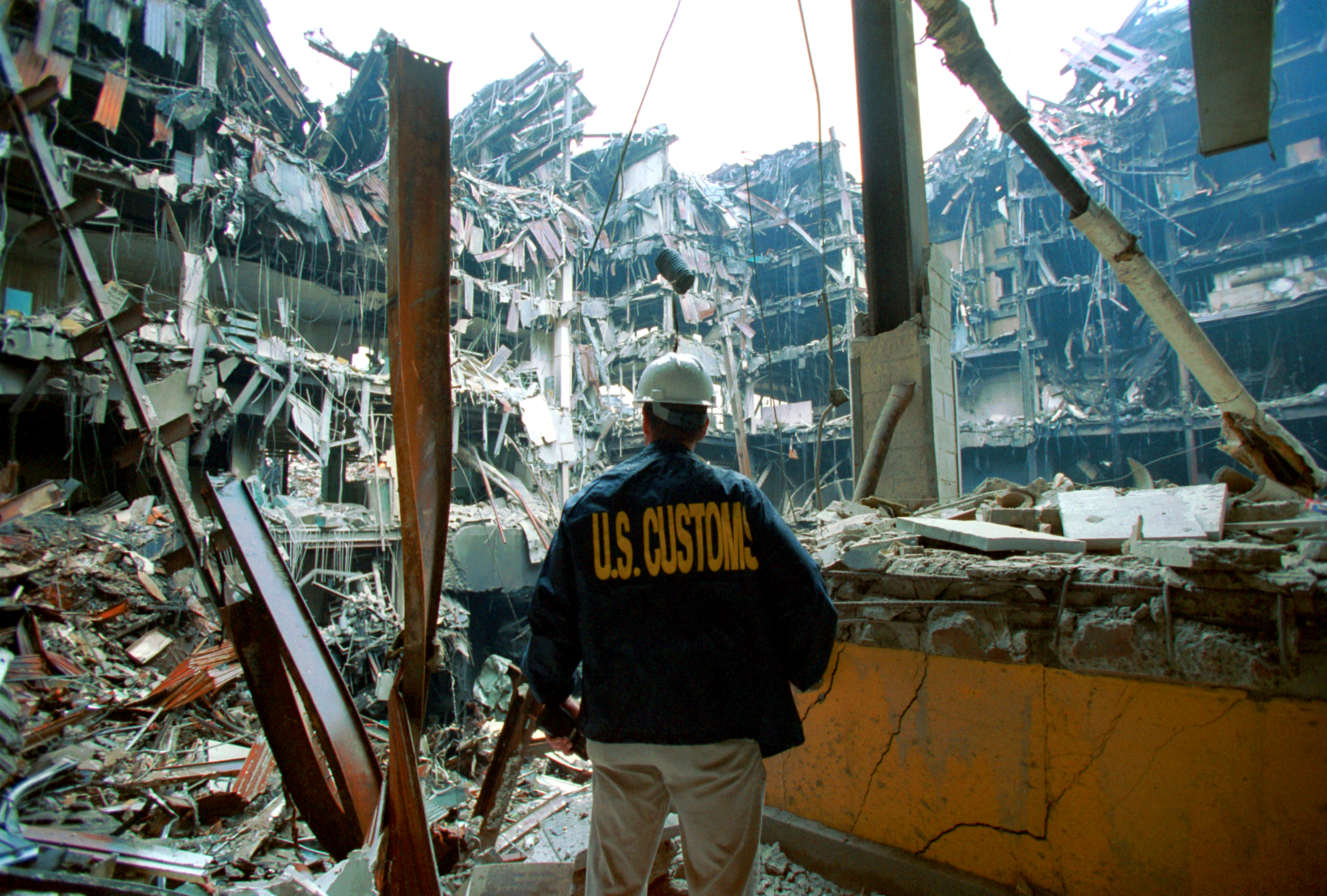
New York Customs House (WTC6) - AfterThe evacuation of WTC 6 was indeed timely, because at 9:04am a massive explosion shook the building, bellowing a huge plume of smoke 550 feet into the air. When the North Tower fell, the US Customs House (WTC 6) was crushed and totally incinerated. Much of the underground levels beneath it were also destroyed.

The Commissioner designate, Robert C. Bonner, commented “The sudden disruption to such a large and important area of Customs’ operations threatened to compromise the immediate security of ports of entry in the New York area and the integrity of ongoing Customs investigations and trade and enforcement activities. We faced an immediate need to relocate all 800 employees and to allow them to resume their work quickly so they could focus on border security. These men and women responded heroically to the challenge, setting up a temporary operations center within hours at nearby JFK airport. And, within three weeks of the attacks, they succeeded in relocating our New York Customs Office into new office space in Manhattan”. Click here to view the full testimony of Robert Bonner to the National Commission on Terrorist Attacks.
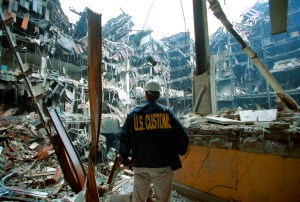
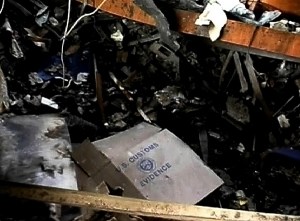
Customs evidence amongst the rubbleIn the months to follow, significant developments resulted in the institution of the Department of Homeland Security – the merger of the US Customs and Immigration Services – a gargantuan displacement of some 140 000 federal officials. (For SARS Customs officials – ours is but a picnic!). The full implications of 9/11 were to be felt by the international community in 2002 with the implementation of several ‘security/anti-terrorism’ measures that have undoubtedly changed the focus, intent of all customs administrations worldwide. Click here to visit the 9/11 image gallery.
Logistics Performance Index (LPI)

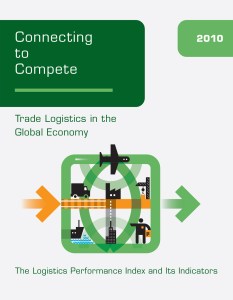
Customs and logistics users will in particular find the featured survey of interest, if not important. International Logistics encompasses an array of essential activities — from transport, warehousing, cargo consolidation, and border clearance to in country distribution and payment systems, involving a variety of public and private agents. The Logistics Logistics Performance IndexPerformance Index (LPI) and its indicators are a joint venture of the World Bank, logistics providers, and academic partners.The  LPI is a comprehensive index created to help countries identify the challenges and opportunities they face in trade logistics performance. 

The 2010 LPI points to modest but positive trends in key areas such as customs, use of information technologies for trade, and investment in private services. The LPI is a multidimensional assessment of logistics performance, rated on a scale from one (worst) to five (best). It uses more than 5,000 individual country assessments made by nearly 1,000 international freight forwarders to compare the trade logistics profiles of 155 countries. Germany and Singapore receive the highest ratings in the 2010 LPI with scores over 4.08. South Africa ranks 28th on the list with a score of 3.46, one position behind China (3.49), but 11 and 18 places better than Brazil (3.20) and India (3.12), respectively.

The LPI covers the performance of countries in six areas that capture the most important aspects of the current logistics environment:

  • Efficiency of the customs clearance process.
  • Quality of trade and transport-related infrastructure.
  • Ease of arranging competitively priced shipments.
  • Competence and quality of logistics services.
  • Frequency with which shipments reach the consignee within the scheduled or expected time.

One of the features of the LPI includes indicators of border procedures is the time taken to complete trade transactions.  Although this  is a relatively small fraction of total import time, such time increases significantly when goods are physically inspected. Core customs procedures converge strongly across all performance groups, but physical inspection—and even multiple inspections of the same shipment by different agencies—are much more common in low performance countries. The report moreover suggests that border agencies other than Customs tend to constrain the clearance process and ultimately the costs imposed on the private sector. 

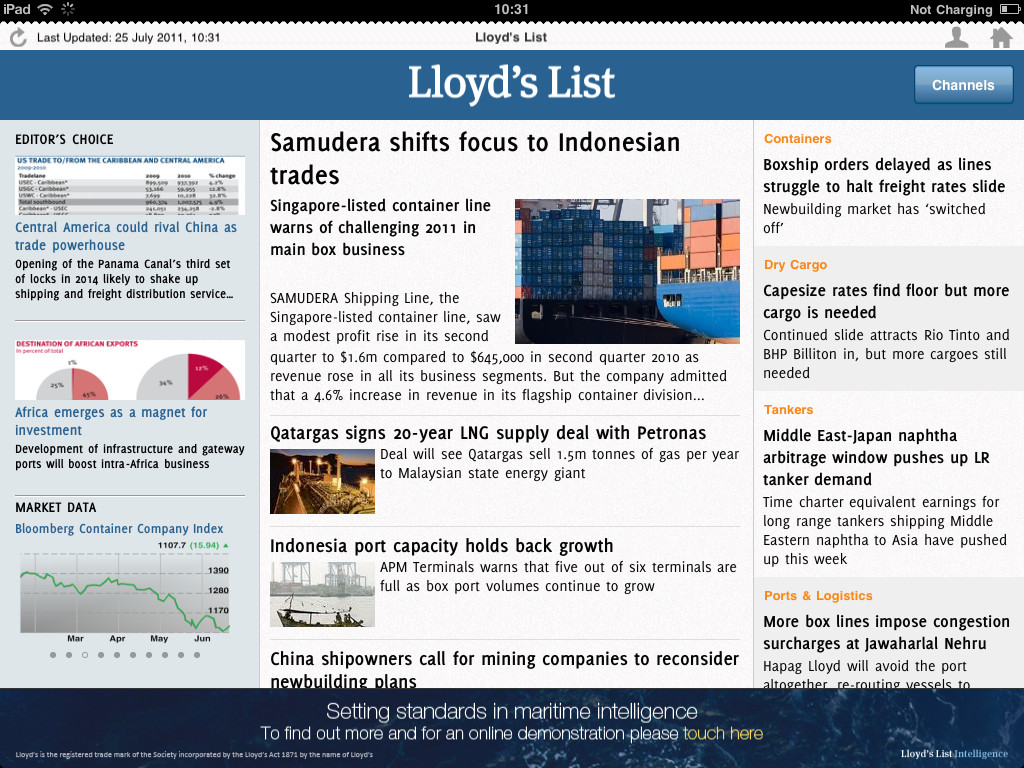
Lloyd’s List now available on iPad and iPhone

The Lloyd’s List App enables subscribers to access current news and market data anytime and anywhere. Once the news is uploaded, it is “cached” within the app, giving users the ability to read the latest headlines on the go without an internet connection. Stories are arranged in recency and categorised into channels Containers, Dry Cargo, Tankers, Ports & Logistics, Finance & Markets, Insurance, Ship Operations, and Regulation. Lloyd’s List subscribers can simply use their existing login details to access the new App. The App is free to download and has been formatted in keeping with mobile devices while retaining the familiar feel of Lloyd’s List.
Lloyds List iPhone-iPad App2

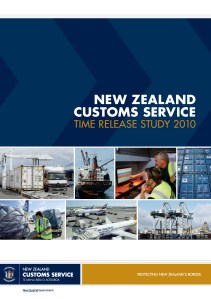
New Zealand Time Release Study 2010

NZ Time Release Study 2010Besides rugby, the Kiwis also do Customs pretty well. It is clear that Customs administrations outside of a revenue authority model can place more time and emphasis on the things that are meaningful. Perhaps South Africa will soon attain this level of performance reporting. Before this however, the ability of the impacted parties to report both spontaneously and reliably is a given.

The trading community are directly impacted by the response times. Not only does it affect whether or not storage and demurrage might occur, it also (more importantly) affects their local and international reputation as suppliers of choice. One of the methods used for the review of clearance procedures is to measure the average time taken between the arrival of the goods and their release. This facilitates Customs to identify both the problem areas and potential corrective actions to increase their efficiency. The use of automation and other sophisticated selectivity methods  allow Customs to improve compliance and at the same time improve facilitation for the majority of low risk goods.

The time required to release goods is also increasingly becoming the measure by which the international trading community assesses the effectiveness of a Customs administration. The WCO Time Release Study provides guidance for a Customs administration on the best way to apply this method of internal review.

US Customs agreement on border security upgrades

American terminology never ceases to amaze me – I wonder if they call their stakeholders “clients”?

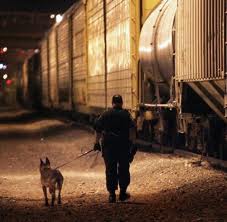
US Customs and Border Protection has announced a penalty Mitigation Decision under which Union Pacific (UP) has agreed to spend US$50 million to enhance the Mexico and United States rail supply chain CBP said the “Mitigation Decision” defines the steps that UP will take to invest US$50 million in security enhancements at critical junctures of the Mexico and US supply chain, and partnering with CBP to form a Rail Fusion Center to identify high-risk shipments.

US Penalty Mitigation DecisionCBP further said the decision provides that CBP will mitigate penalties assessed against UP if the railroad fulfils its obligations under the agreement. In recent years these penalties have become significant, as illegal controlled substances were discovered on trains originating in Mexico and arriving at US-Mexican border crossings. CBP Commissioner Alan D Bersin said: “It’s in the best interest of all that appropriate steps are taken to secure the US border against the smuggling of contraband. UP Chairman Jim Young said the agreement expands a relationship with CBP in which UP has already invested in technology, infrastructure, training and workforce resources to secure rail transportation across the border. Source: World Cargo News Online.